Bonn Study Finds Smart Farming Could Be Profitable on 42% of Global Cropland
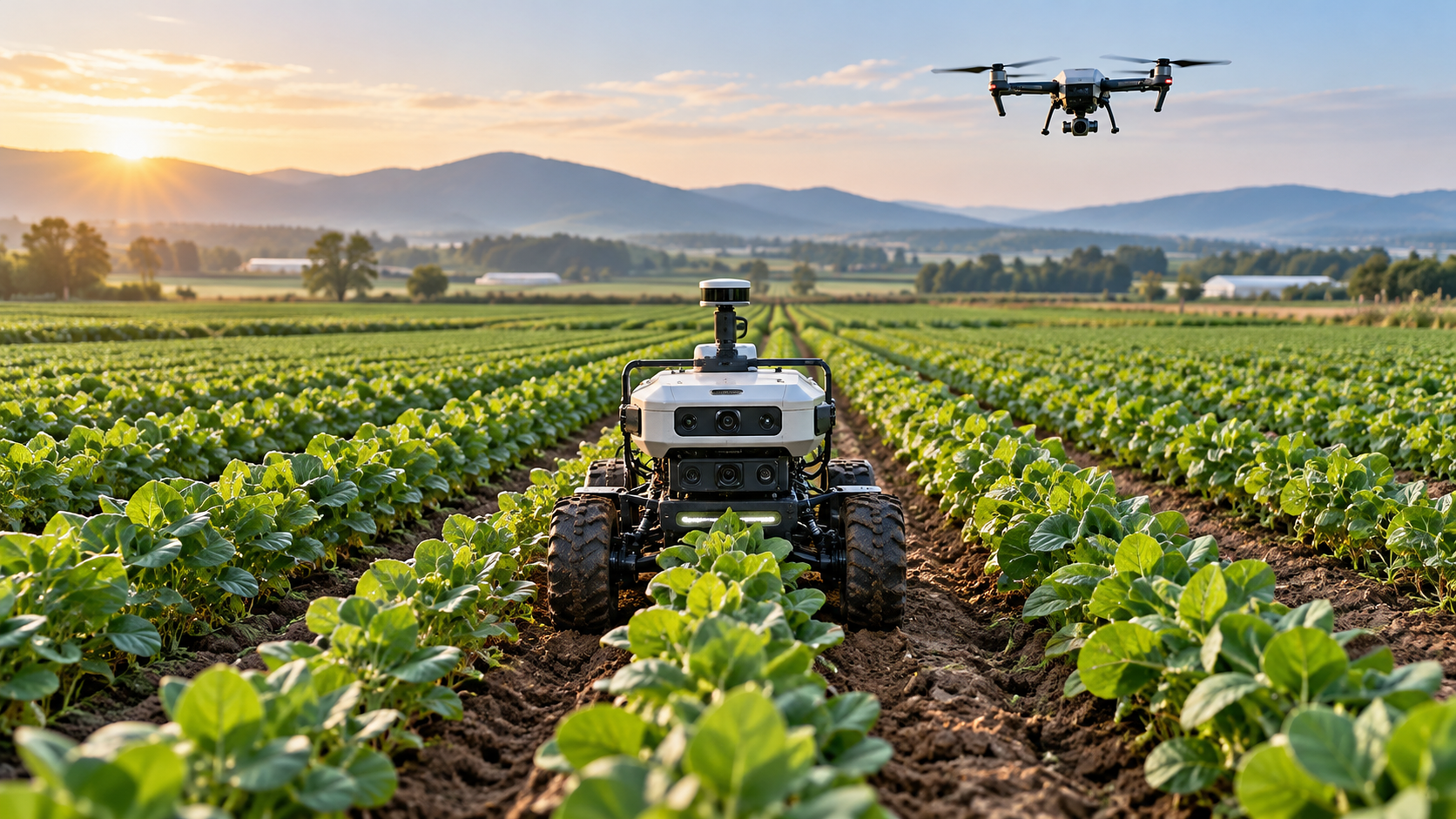




Smart farming technologies, including robots, drones and artificial intelligence, are economically viable on 42% of global cropland, according to research led by the University of Bonn and published in PNAS. The international research team found that profitability is particularly pronounced in areas facing environmental pressures or labor shortages, while cautioning that an immediate transition would not suit every farm.
The distinction between economic potential and actual adoption is central to interpreting the finding. The 42% figure describes the share of cropland where these technologies could be profitable; it does not establish that smart farming is already operating profitably across that area. Nor does it mean every technology would offer the same financial case at every farm.
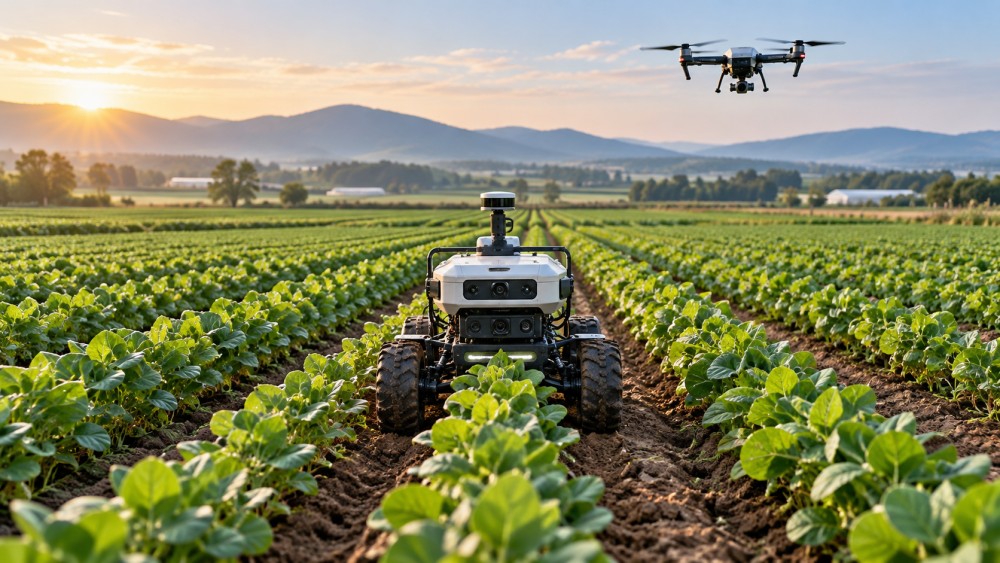
Where the commercial case may be strongest
The findings suggest that environmental pressures and labor shortages could help identify where demand for smart farming equipment is most likely to develop. For precision agriculture suppliers, this provides a basis for assessing deployment opportunities according to the problems farms face, rather than treating global cropland as a uniform market.
For farmers, the practical question remains whether a particular technology can deliver sufficient value under local operating conditions. A favorable global assessment can support that evaluation, but it cannot establish the business case for an individual purchase. The researchers' caution about immediate adoption makes this distinction especially relevant.
The study provides data to support the commercial deployment of precision agriculture equipment worldwide. Its implications for equipment sales and adoption will depend on how closely the economic potential identified in the research translates into workable investments on individual farms. Evidence of sustained profitability in the areas highlighted by the study would help clarify how much of that potential can become actual demand.
Related News
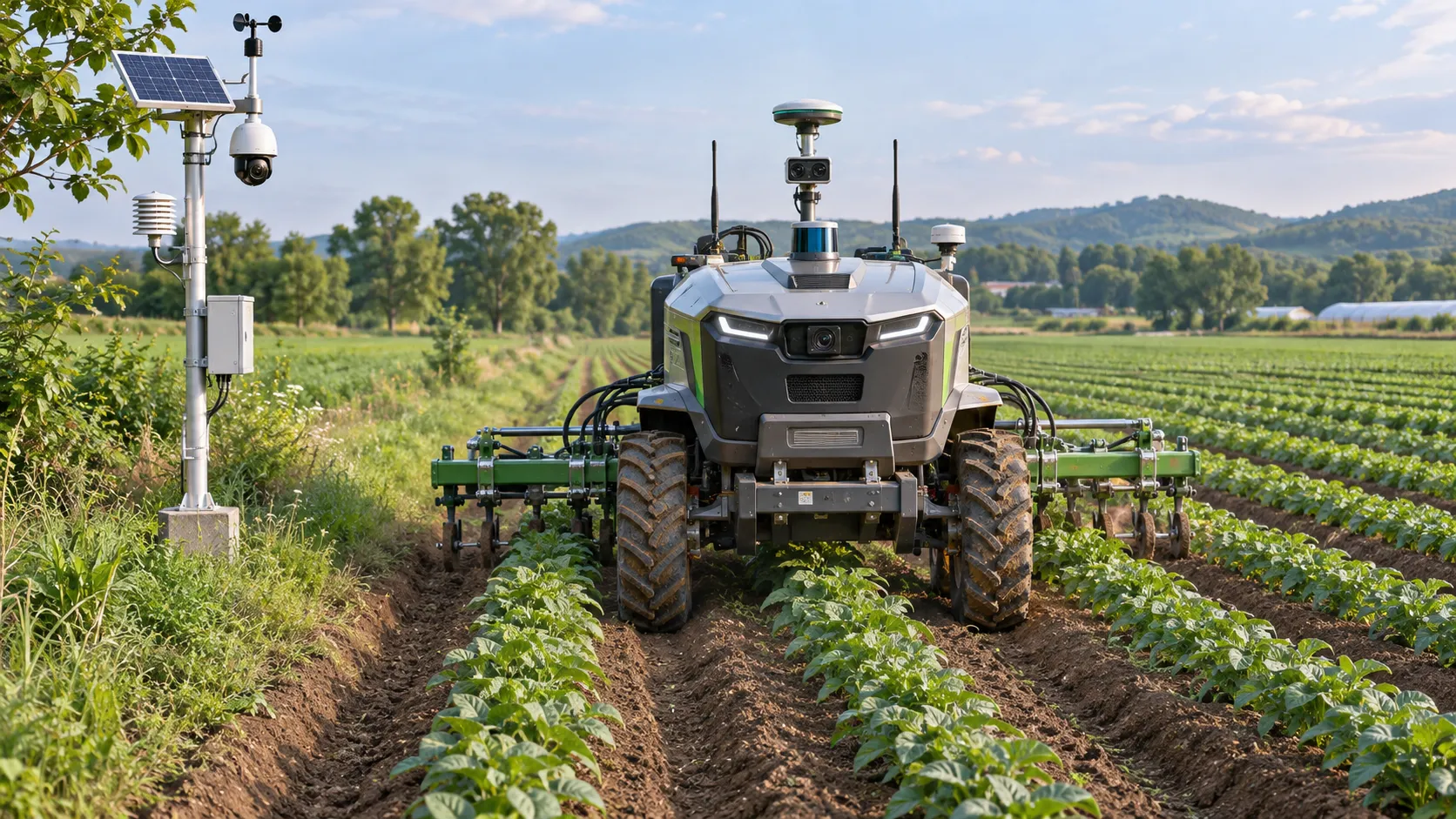
Agricultural Automation Still Needs Human Oversight, Study Finds
Agricultural automation still needs human oversight. Discover how AI and smart equipment are reshaping farm jobs, skills, and decisions.
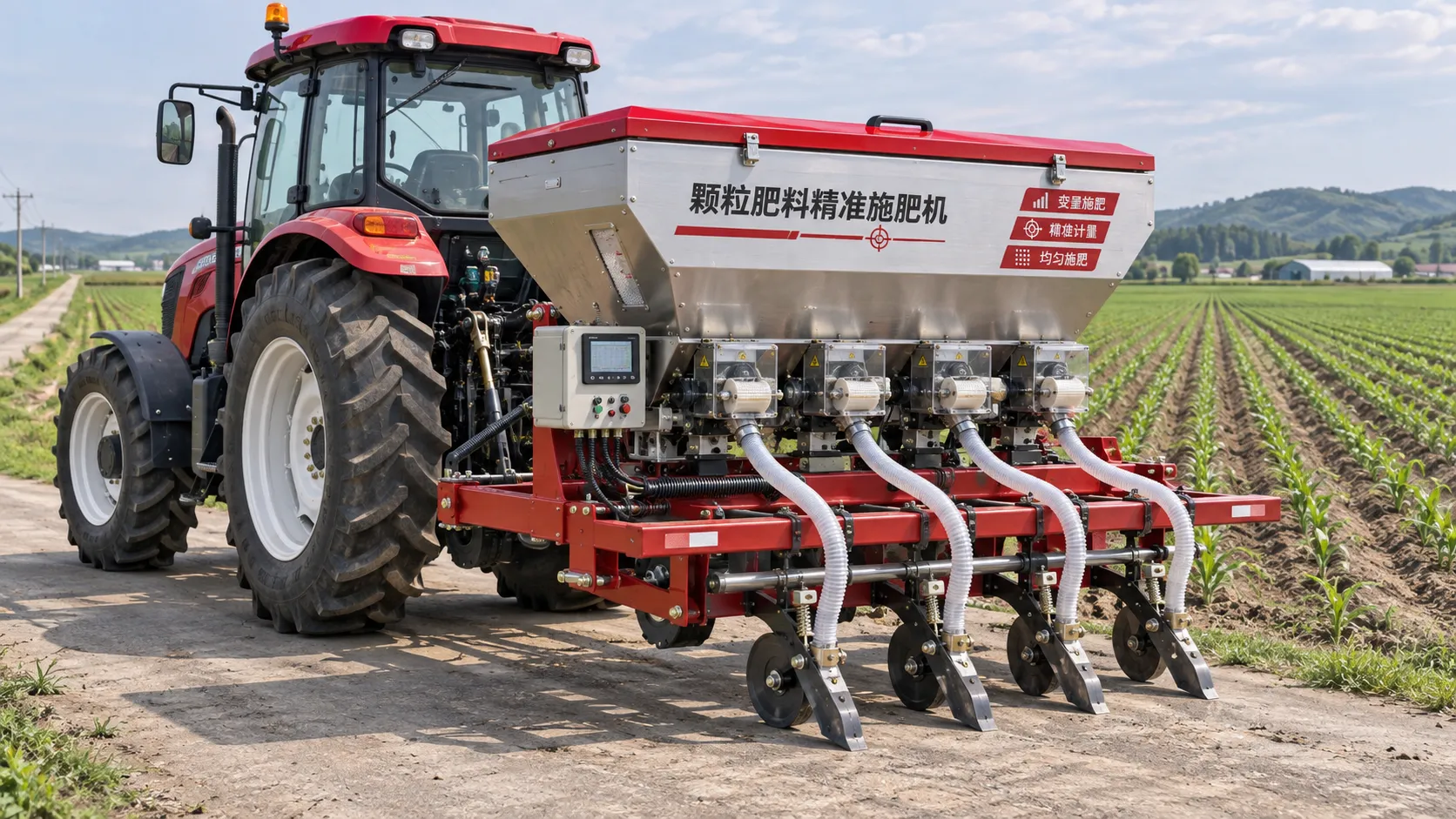
Choosing a Precision Fertilization Equipment Manufacturer: What to Check
Choose a precision fertilization equipment manufacturer with confidence. Compare accuracy, compatibility, service and total ownership costs before you buy.
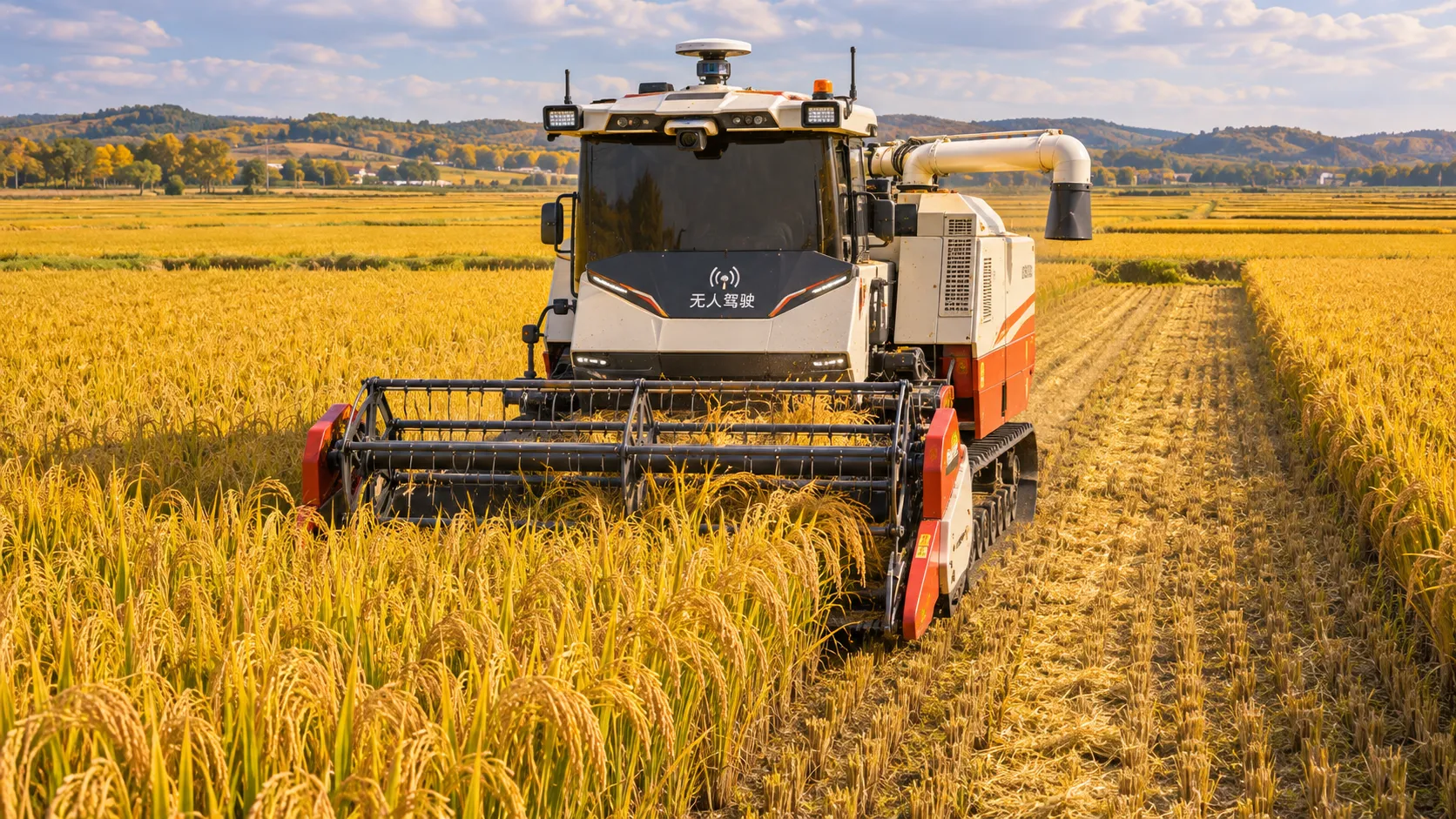
China's Autumn Grain Harvest Highlights Role of Machinery and Precision Farming
China's autumn grain harvest highlights machinery and precision farming. Explore how coordinated practices support harvesting and yield improvement.
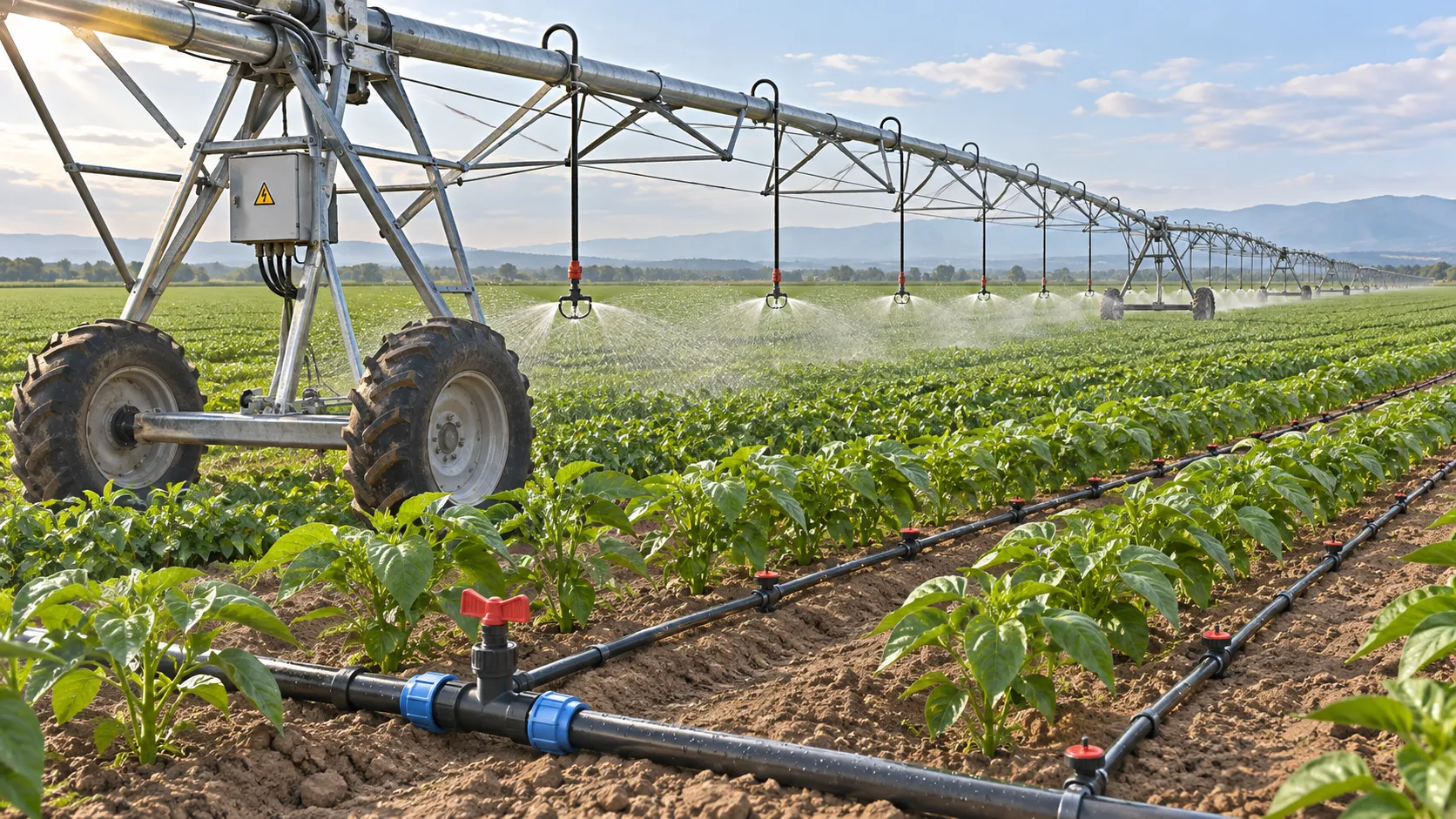
Drip vs. Center Pivot Irrigation: Maintenance Tasks and Costs Compared
Use this irrigation solution comparison by maintenance to weigh drip vs. center pivot tasks, costs and downtime—and choose the best fit for your field.
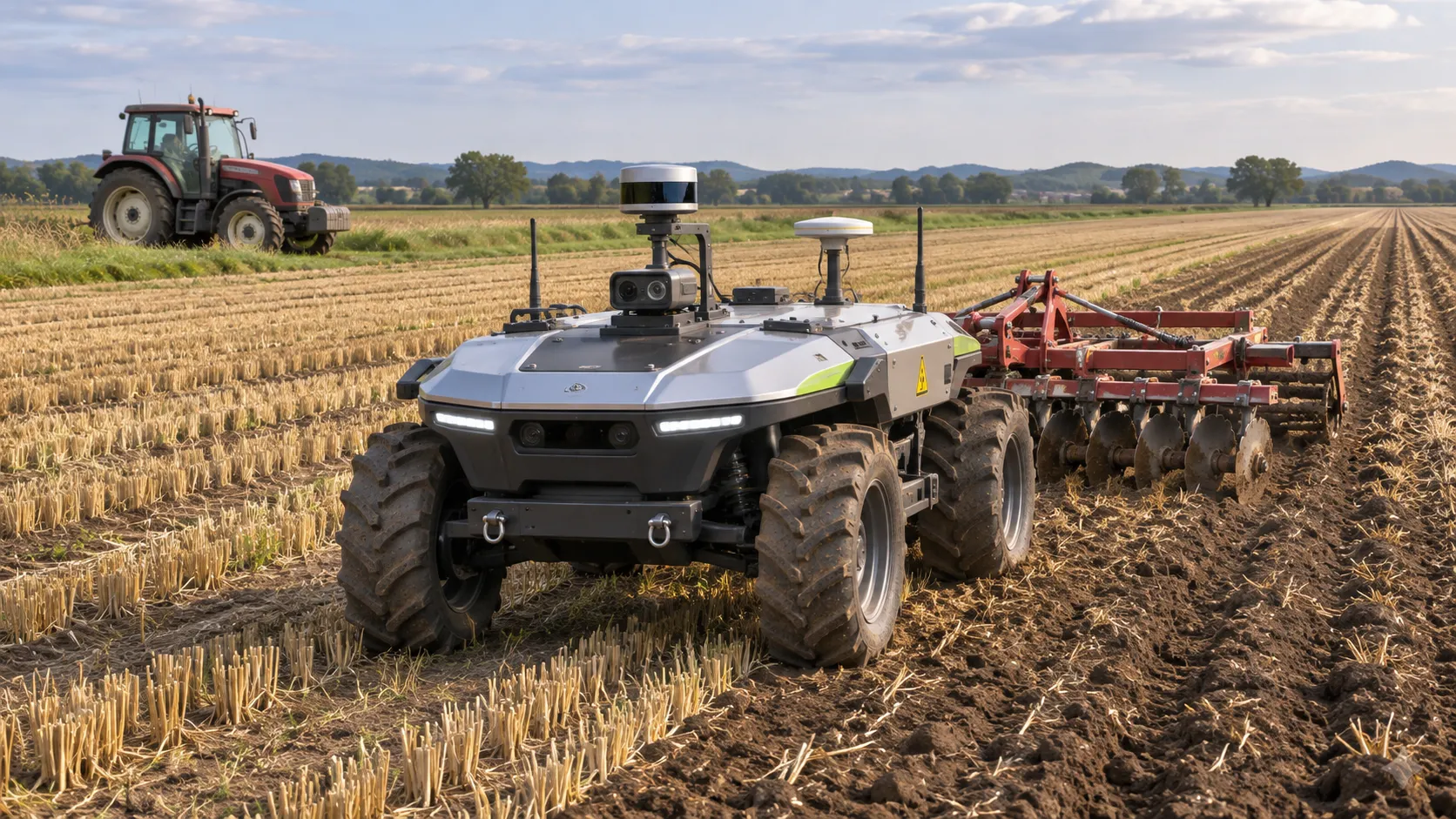
EIMA 2026: Six Tractor of the Year Awards Include Autonomous Robot
Explore the Tractor of the Year awards at EIMA 2026, featuring six winners, including the AgXeed autonomous robot and leading tractor models.
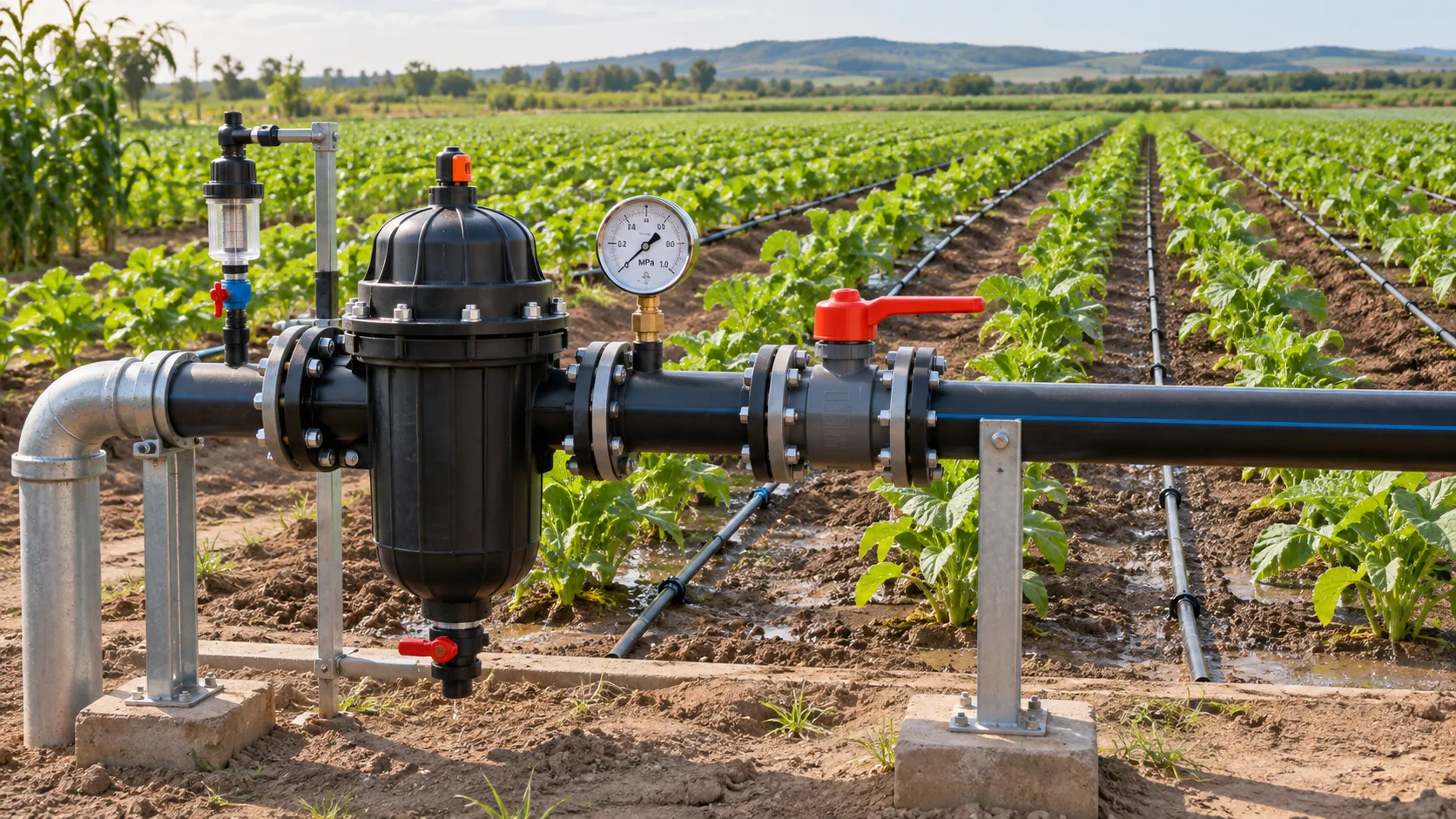
Choosing Irrigation Systems for Government Projects: Water, Cost and Compliance
What factors affect irrigation system selection for government projects? Explore water supply, lifecycle costs and compliance to make a confident, well-informed choice.
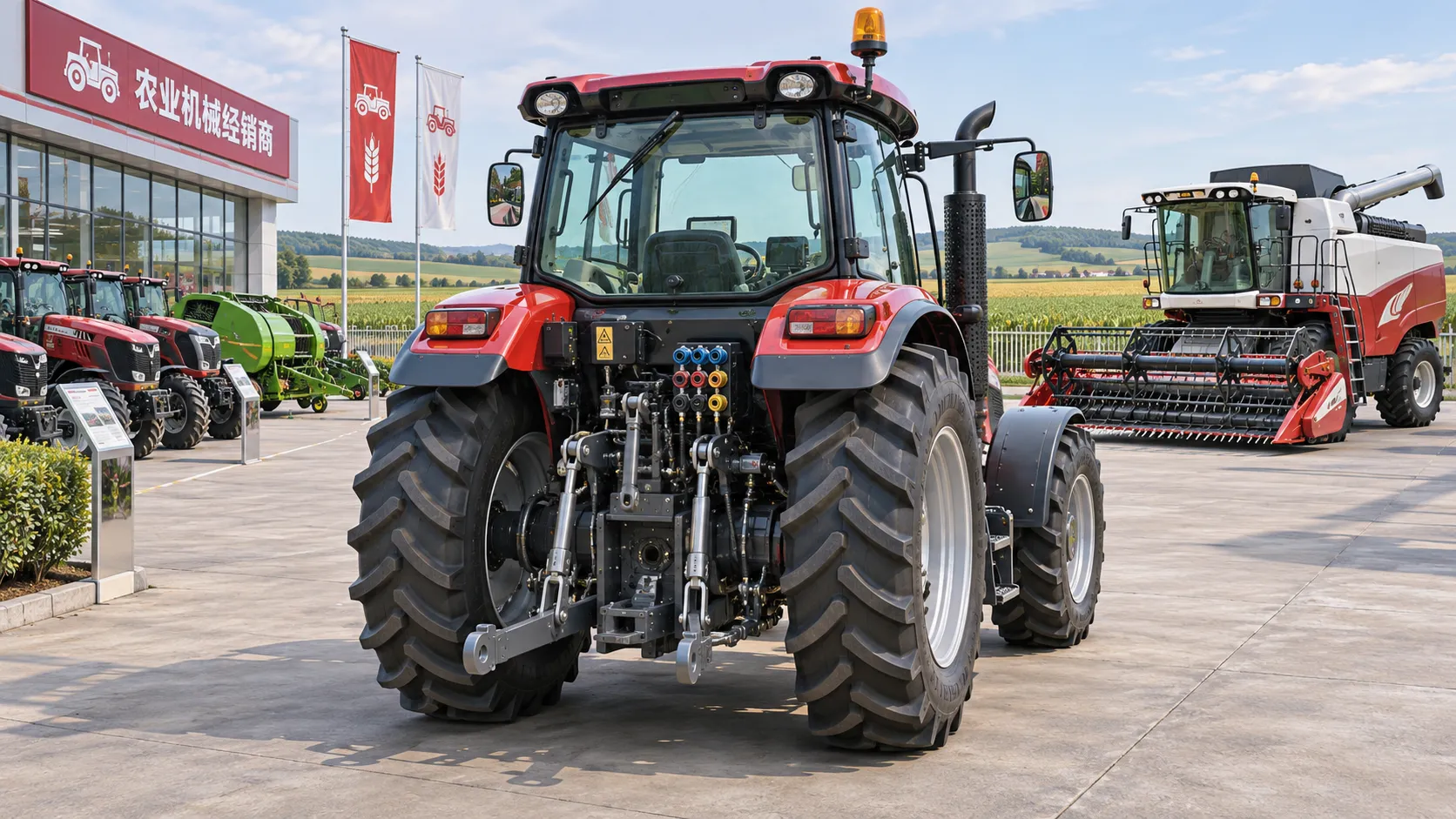
Choosing an Agricultural Machinery Platform: Listings, Pricing, and Support
Choosing an agricultural machinery platform? Compare listings, pricing, supplier verification, and support to make a more confident equipment purchase.
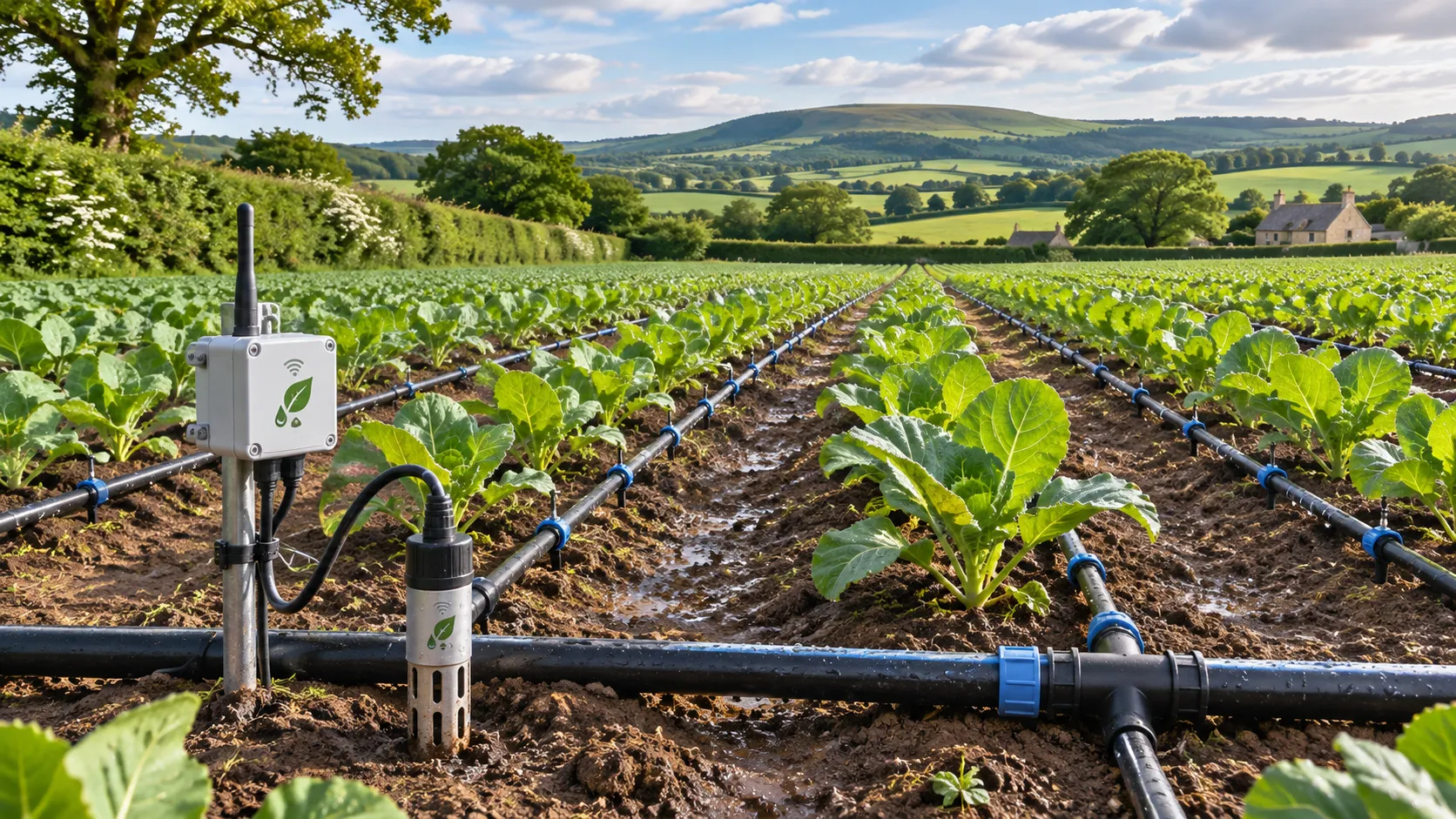
Ofwat Launches £8 Million Agri-Water Innovation Challenge
Ofwat’s £8 million Agri-Water Innovation Challenge supports smart irrigation, water reuse and water-saving solutions. Explore the funding and its potential impact.
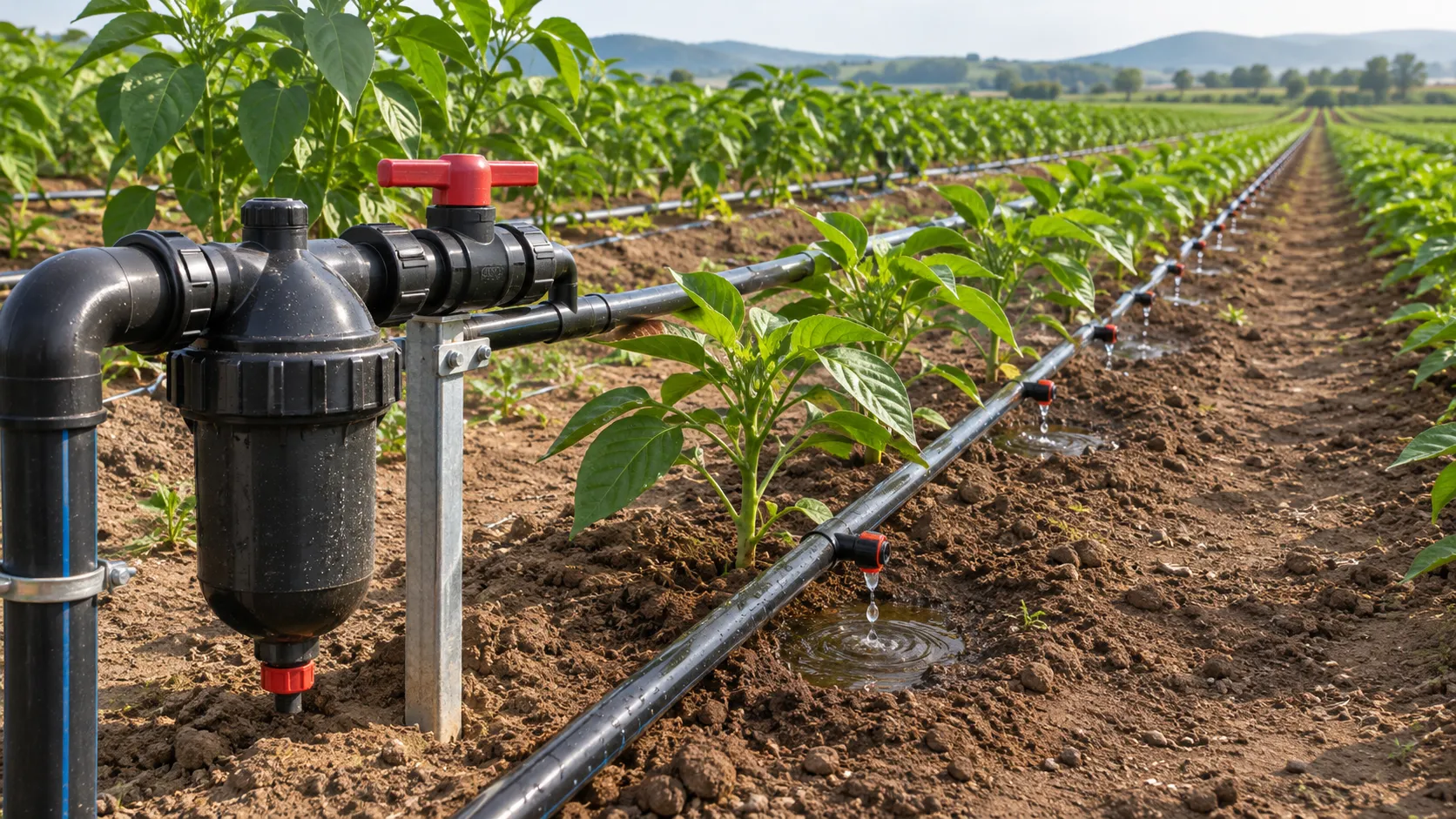
Choosing a Water-Saving Irrigation Supplier: 5 Key Procurement Criteria
Choose a water-saving irrigation systems supplier with confidence. Explore five procurement criteria to reduce risk and maximize long-term value.
Related News
- 00
0000-00
Choosing Irrigation Systems for Government Projects: Water, Cost and Compliance - 00
0000-00
Choosing an Agricultural Machinery Platform: Listings, Pricing, and Support - 00
0000-00
Choosing a Water-Saving Irrigation Supplier: 5 Key Procurement Criteria - 00
0000-00
304 vs 316 Stainless Steel for Ingredient Processing Equipment - 00
0000-00
Choosing a Large Farm Equipment Exporter: Parts, Shipping and Warranty
0000-00
Popular Tags
Ms. Elena Rodriguez
Weekly Insights
Stay ahead with our curated technology reports delivered every Monday.