Choosing an Autonomous Machinery Supplier: Safety, Integration, and Support
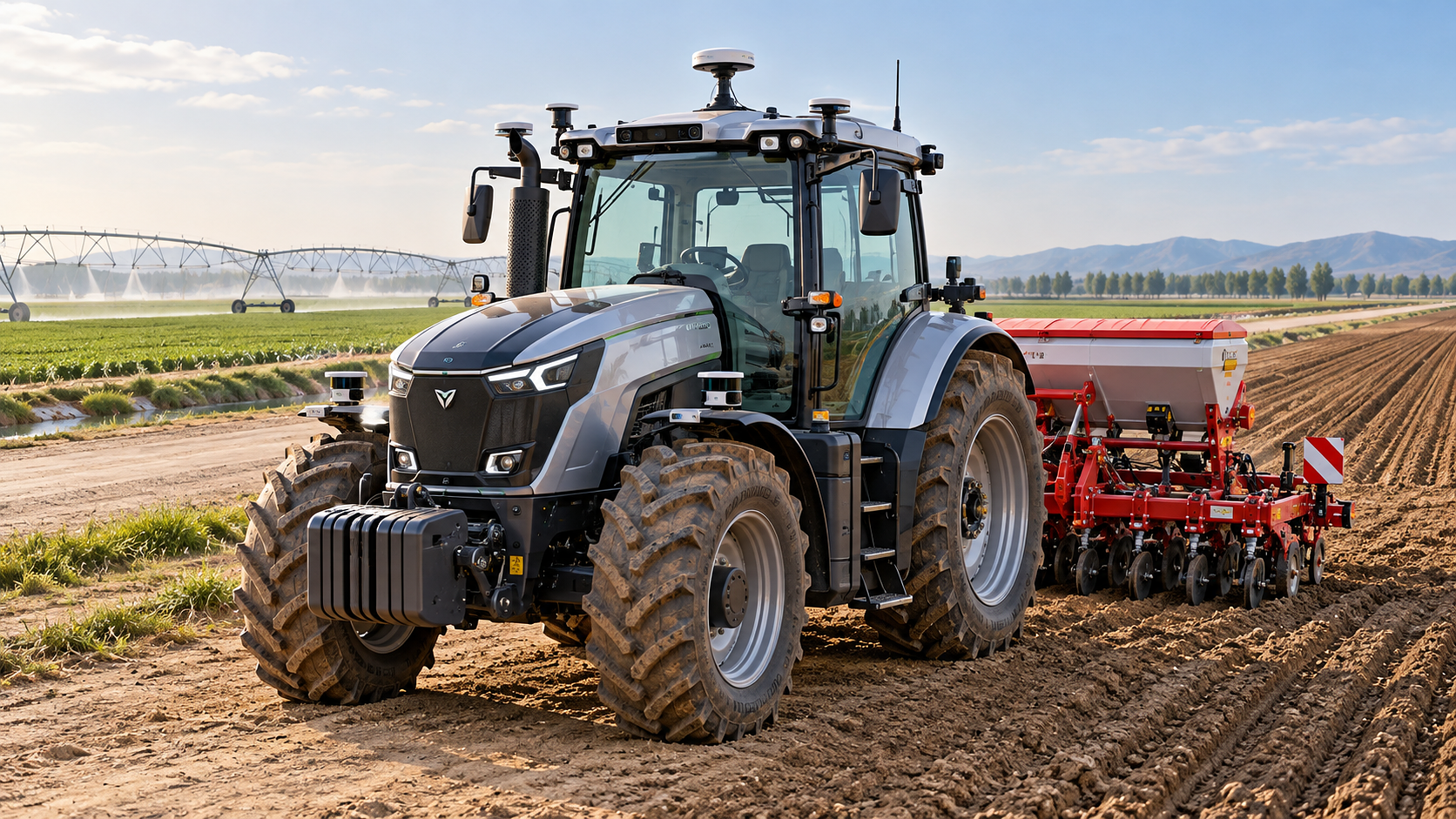




Choosing an Autonomous Machinery Supplier: Safety, Integration, and Support
Choosing an autonomous machinery supplier is more than a technology purchase. It is a decision about operational safety, fleet compatibility, and service reliability. For agricultural procurement teams, an impressive demonstration means little without verified safety controls, integration with existing equipment, and dependable support during planting and harvest. The useful question is not simply whether a machine can work without a driver. It is whether the complete operating system can deliver acceptable work, recover safely from interruptions, and remain supportable throughout its ownership.
That distinction matters when comparing a purpose-built autonomous machine with a retrofit package. One supplier may control the chassis, software, and service network. Another may provide only the automation layer. Both approaches can be viable, but they leave the buyer with different integration duties and different points of failure.
Define the job before comparing the technology
A supplier cannot give a meaningful commitment against a brief that says only “autonomous field operation.” Specify the crop, task, implement, field layout, terrain, working hours, and expected human supervision. Include awkward details: narrow gateways, irrigation infrastructure, public paths, overhead vegetation, and locations where satellite positioning or mobile connectivity is unreliable.
Ask each bidder to describe its operational design domain: the conditions within which the system is designed to operate. This should cover limits such as slope, visibility, weather, speed, ground conditions, and permitted interactions with people or other vehicles. A boundary that exists only in a sales conversation is difficult to enforce later.
Separate field autonomy from transport. A tractor that works autonomously inside a controlled field may still need an operator for road travel, refueling, implement attachment, or movement between parcels. Those activities belong in the labor calculation. So does supervision: ask how many machines one person may oversee, under what conditions, and what happens when two machines request help simultaneously.
Buy evidence of safe behavior, not a list of sensors
Cameras, radar, lidar, and satellite guidance describe components, not the safety of the complete machine. The important issue is how perception, braking, steering, implement controls, and supervision work together when something goes wrong.
Consider a headland turn beside an irrigation riser. The tractor’s route may be clear while a wide implement swings toward the obstruction. Ask whether obstacle assessment accounts for the full machine-and-implement envelope, including articulation and overhang. For powered implements, also establish whether stopping vehicle movement stops the hazardous function or merely leaves it running in place.
Request a safety evidence package appropriate to the equipment and jurisdiction. It should identify hazards, protective measures, operating restrictions, validation methods, and residual risks. The ISO 18497 series addresses safety aspects of partially automated, semi-autonomous, and autonomous agricultural machinery; ISO 25119 concerns safety-related parts of agricultural machinery control systems. Their applicability depends on the system and relevant requirements. A supplier’s reference to either is not, by itself, proof of conformity.
- Loss of positioning: Which positioning-quality conditions trigger reduced operation or a stop, and how is unexpected movement prevented?
- Loss of communications: Which functions remain available locally, and what changes when the remote supervisor cannot connect?
- Obscured or failed sensors: How are contamination and faults detected, and what must be cleaned or checked before work resumes?
- Emergency intervention: Where are stop controls located, what do they stop, and who may authorize a restart?
Have the supplier demonstrate relevant fault responses under a controlled, agreed test procedure. Do not improvise obstacle tests using people. Also distinguish a remote stop command from a safety function: a command dependent on a mobile connection should not be assumed to provide the same protection as an independently validated safety mechanism.
Integration problems usually appear between the boxes
“Compatible with your fleet” is too broad to put in a purchase order. Compatibility needs to be established for the exact tractor, implement, controller, firmware, and task. A machine may exchange basic implement information yet lack the functionality needed for automated section control, prescription execution, or coordinated headland sequences.
For ISOBUS equipment, ask which functions are supported by the particular combination rather than accepting the connector as proof. Where relevant, check AEF ISOBUS Database entries for the devices and functions involved. Then test the actual configuration. Database information is useful screening evidence, not a substitute for field acceptance.
Retrofits need additional scrutiny. Confirm that steering actuation, braking, transmission commands, hydraulic demand, and power supply are suitable for the intended duty. Establish who approves the modification and how it affects warranties. If the automation provider and tractor dealer disagree about a fault, the buyer needs a named party responsible for coordinating diagnosis.
Data integration deserves the same precision. Test an ordinary workflow: import a field boundary and prescription, assign the job, execute it, and return usable as-applied records to the farm management system. Check units, coordinate handling, timestamps, and interrupted-job recovery. A file that imports successfully can still produce the wrong result if its meaning changes between systems.
AP-Strategy’s coverage of tractor chassis, harvesting technology, precision tools, and intelligent irrigation highlights a practical procurement issue: autonomy depends on connected mechanical and digital systems. Buyers should trace dependencies across that chain. If a route passes irrigation equipment, or a job depends on prescription data from another platform, responsibility for those interfaces must be explicit.
Make the field trial resemble a working day
A straight pass on a prepared field proves relatively little. A useful trial includes setup, field entry, turns, implement adjustments, interruptions, and shutdown. Select conditions representative of the intended use, including difficult areas within the supplier’s declared operating limits.
Measure completed work rather than movement alone. For cultivation, inspect depth consistency and missed strips. For spraying, assess application performance and section behavior using an appropriate, safe test arrangement. For harvesting, evaluate output alongside grain loss, sample quality, and unloading coordination. Faster travel is not a benefit if it compromises the agronomic result.
Agree acceptance criteria before the trial begins. Record productive time, setup time, stoppages, interventions, recovery time, and work quality. Separate planned servicing from faults, but count both when assessing staffing and daily capacity. Ask who performed each intervention; a trial supported by several supplier engineers may not represent normal farm operation.
Allow staged acceptance where appropriate: workshop checks, commissioning on the buyer’s equipment, then operational acceptance under agreed field conditions. The contract should explain what happens if those conditions are unavailable during the delivery period and how unresolved failures affect payment or remediation.
Support must match the agricultural calendar
A service promise measured in business days may be unsuitable during a short planting window. Ask who answers outside normal hours, whether that person can diagnose the autonomy system, and how quickly on-site assistance can realistically reach the farm. “Global support” does not identify a technician, a stocked part, or a repair route.
Distinguish response time from restoration time. An acknowledgment within an hour does not restore a failed steering controller. Review local spare-parts availability, shipping arrangements, remote diagnostic access, and replacement procedures. Where practical, agree a critical-spares package based on repair lead times and the consequences of downtime.
Training should cover more than starting a job. Operators need practice with boundary verification, implement changes, sensor cleaning, safe recovery, and escalation. Maintenance staff need clear limits on what they may repair. Establish whether manual operation remains available during an autonomy fault, under which conditions, and with what restrictions. Do not assume a fallback exists.
Software support is part of machine support. Specify the supported service period, update responsibilities, vulnerability reporting process, and control over remote access. Updates during peak season should follow an agreed change procedure, with appropriate validation and a recovery plan rather than an unannounced overnight release.
Compare the cost of usable capacity
Purchase price is only one part of the comparison. Build a lifecycle model covering autonomy subscriptions, positioning corrections, connectivity, installation, integration, training, maintenance, sensors, insurance, and software support. Include supervisory labor, transport between fields, and any additional equipment needed to keep the machine working.
Use assumptions from the trial where possible. Compare cost per acceptable completed hectare, not nominal hectares per hour. Model a constrained season as well as a favorable one: fewer workable days can expose the cost of slow recovery or dependence on a single specialist. Avoid treating all released operator hours as cash savings if those employees will still be needed elsewhere.
Before signing, establish ownership and export rights for operational data, charges for interfaces, and what remains functional if a subscription ends. Ask about transferring licenses with a used machine and the consequences if the supplier discontinues the platform. These details affect residual value as well as day-to-day operation.
Keep mandatory requirements separate from scored preferences. Safety evidence, essential compatibility, and workable service coverage should be gates, not weaknesses that a lower price can offset. Once suppliers pass those gates, compare demonstrated work quality, usable capacity, and lifecycle cost. If an autonomous machinery supplier cannot turn its promises into testable acceptance criteria and clear support obligations, keep that uncertainty visible—and resolve it before committing the fleet.
Related News
Agrievolution Report: Global Farm Machinery Market Faces Pressure in 2026
Agrievolution’s 2026 global farm machinery market report highlights weak demand, rising costs and financing hurdles. Explore what these pressures mean for equipment sales and farm investment.
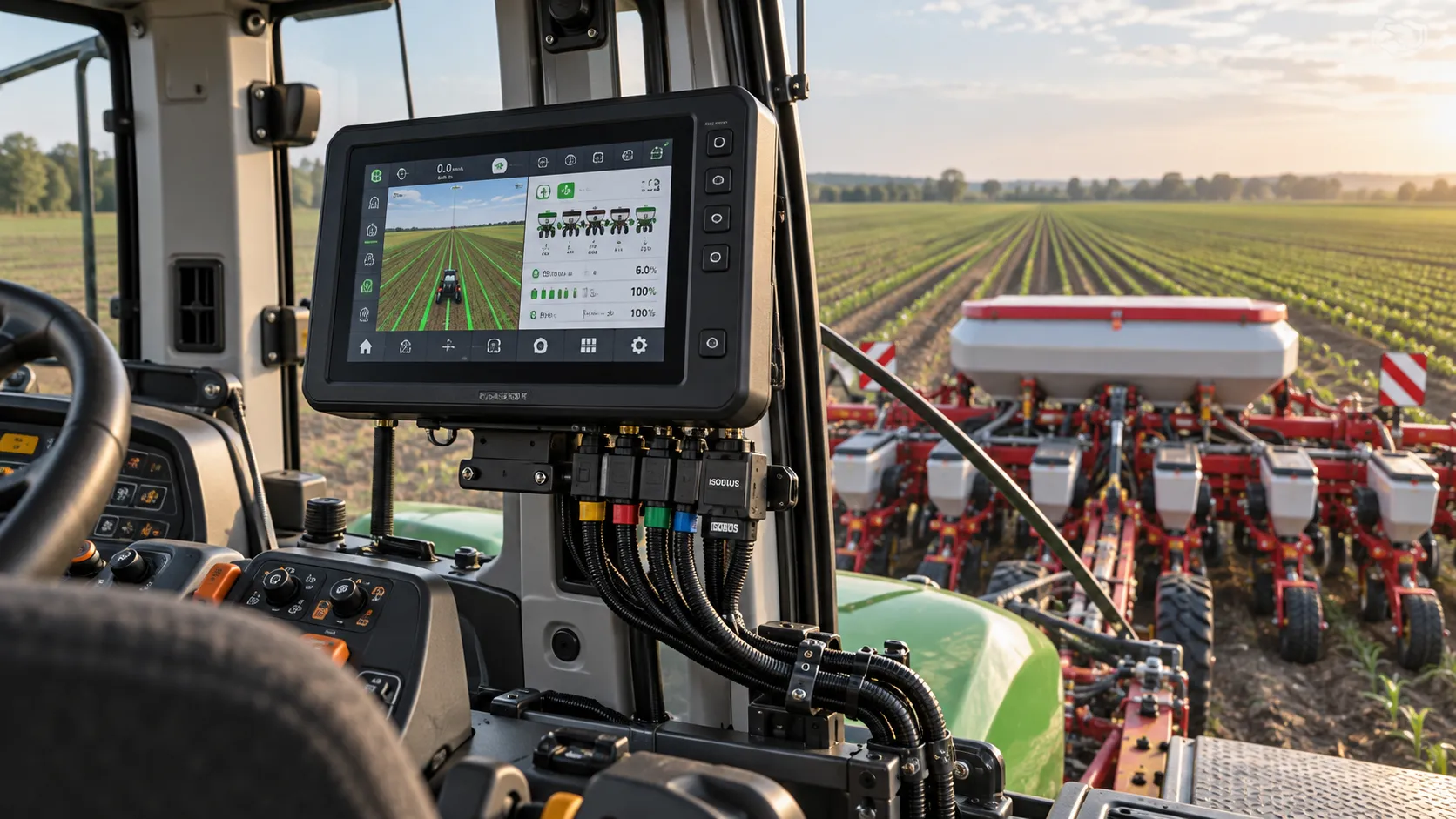
Choosing Precision Agriculture Controllers: ISOBUS and Variable-Rate Compatibility
Compare precision agriculture controllers for ISOBUS functionality, variable-rate compatibility, and data exchange. Discover what to test before buying to find the right fit for your fleet.
Choosing Drip Irrigation Systems for Open Fields: Soil, Slope, and Water Quality
Choose drip irrigation systems for open fields with confidence. Discover how soil, slope, and water quality shape emitter spacing, pressure, and filtration—and avoid costly design mistakes.
Choosing Crop Protection Equipment for Hot, Windy Middle Eastern Farms
Compare crop protection equipment Middle East farms need for hot, windy conditions. Discover key nozzle, drift-control, and durability checks to choose the right sprayer.
Choosing an Agriculture 4.0 Supplier: Compatibility, Support, and Total Cost
Choose an Agriculture 4.0 supplier with confidence. Learn how to verify compatibility, assess support, and compare total ownership costs to avoid hidden fees and costly downtime.
Low-Pressure Drip Irrigation: How to Fix Uneven Watering Without Raising Pressure
Optimize low pressure water-saving irrigation systems: discover how to fix uneven watering, clear blockages, and reduce hydraulic losses without raising supply pressure.
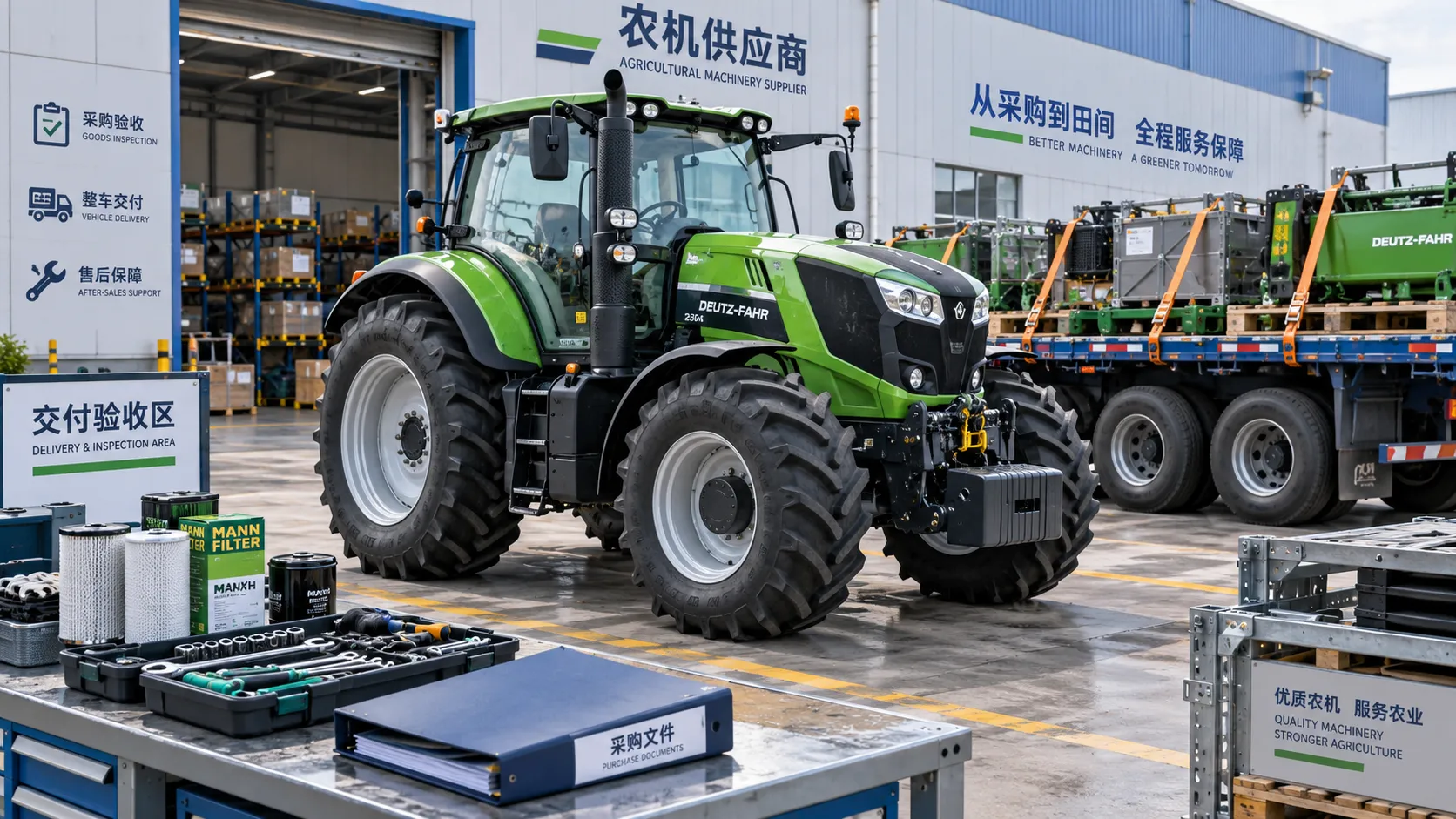
Comparing Farm Equipment Supplier Quotes: Price, Freight, and Warranty
Simplify supplier comparison for farm equipment price: assess freight, field-ready costs, and warranty coverage. Learn how to avoid hidden charges and choose a reliable supplier.
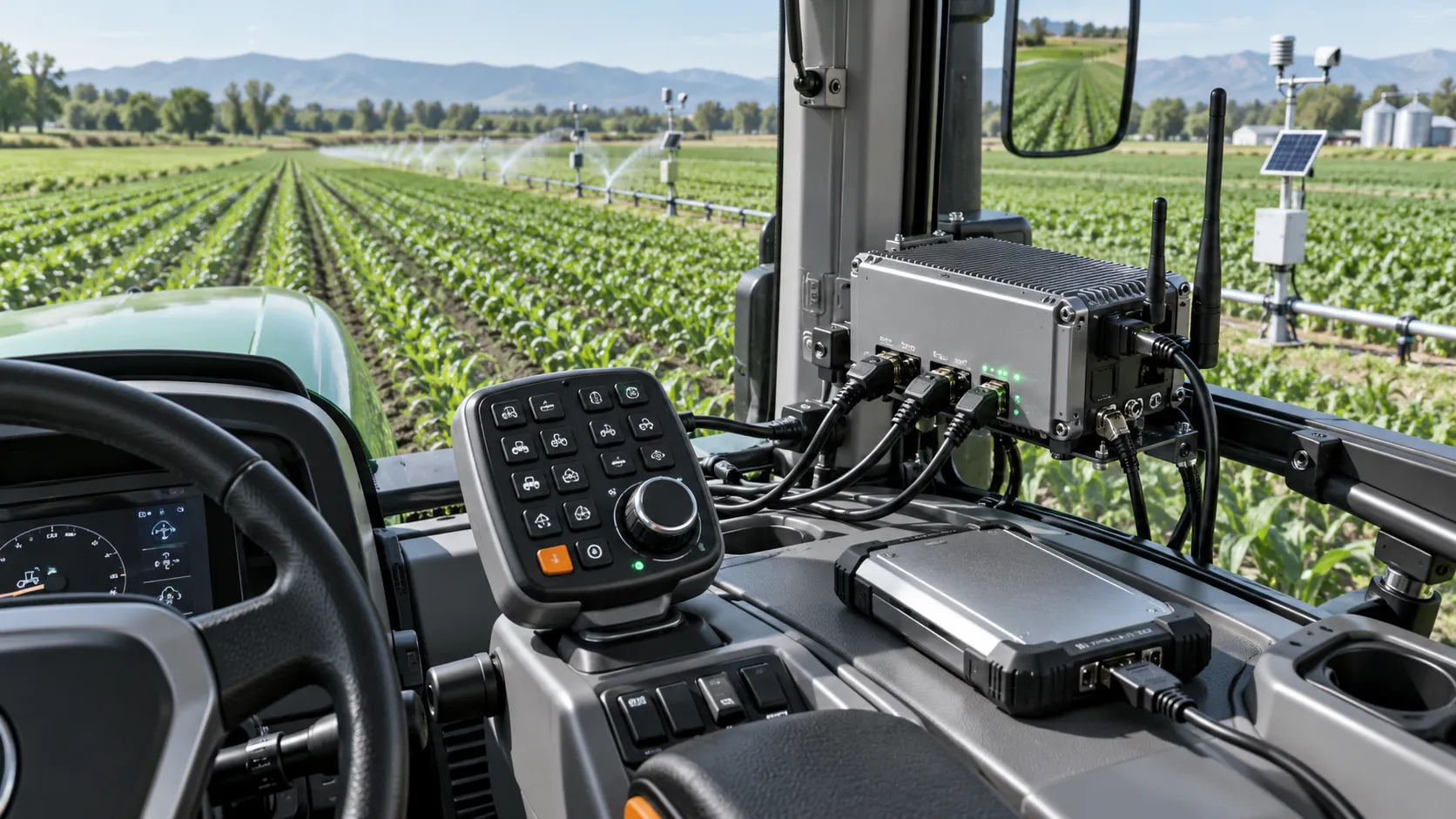
Choosing a Digital Farming Platform Provider: Compatibility and Data Ownership
Compare digital farming platforms providers on equipment compatibility, data ownership, and export rights. Discover practical checks to avoid lock-in and choose with confidence.
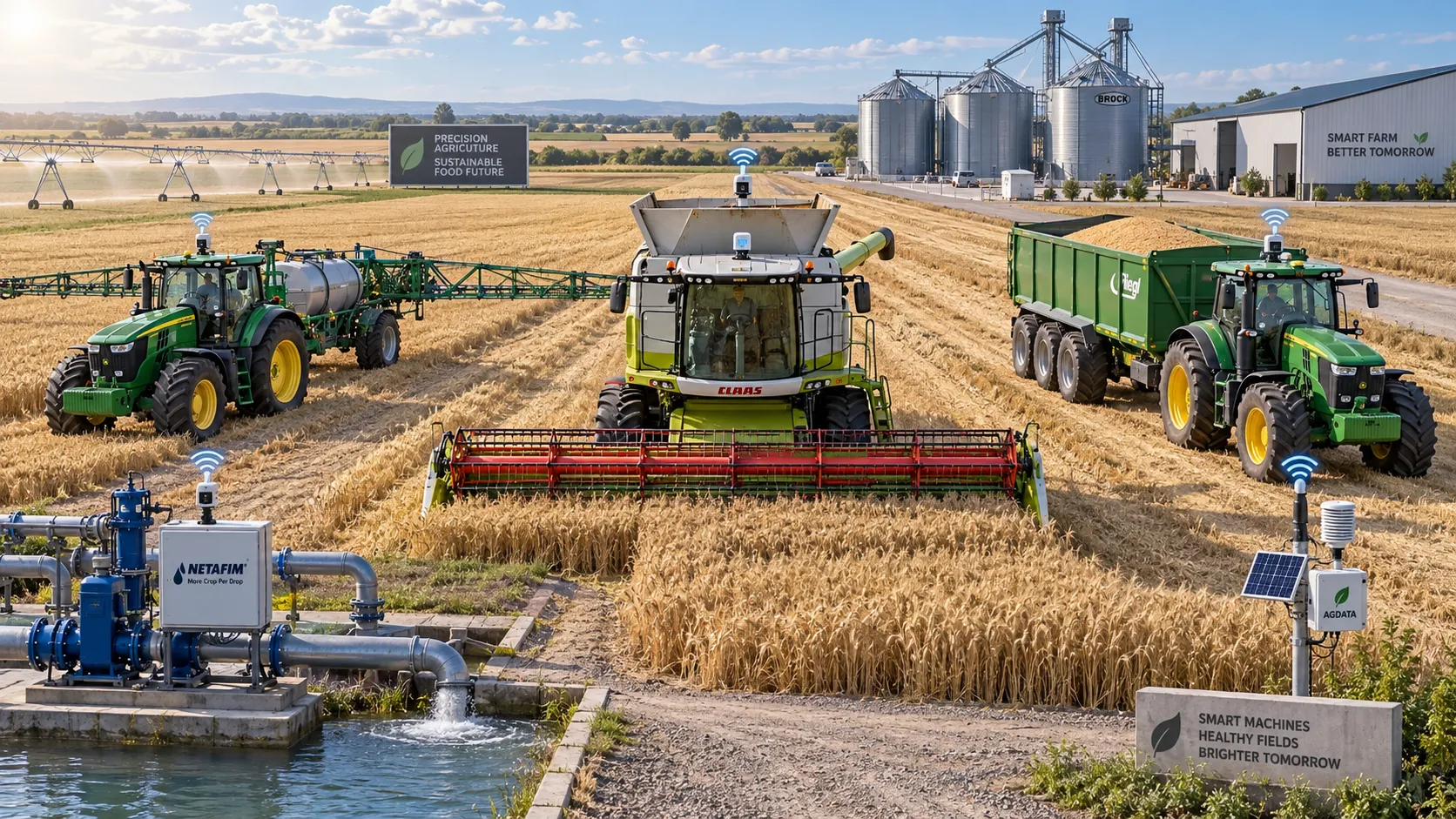
How Large-Scale Farm Telematics Cuts Downtime Across Mixed Fleets
Large-scale farm equipment telematics cuts mixed-fleet downtime with real-time alerts, smarter maintenance, and stronger operational control. Learn how to protect critical farm workflows.
Related News
- 00
0000-00
Choosing an Autonomous Machinery Supplier: Safety, Integration, and Support - 00
0000-00
Agrievolution Report: Global Farm Machinery Market Faces Pressure in 2026 - 00
0000-00
Choosing Crop Protection Equipment for Hot, Windy Middle Eastern Farms - 00
0000-00
Choosing an Agriculture 4.0 Supplier: Compatibility, Support, and Total Cost - 00
0000-00
Comparing Farm Equipment Supplier Quotes: Price, Freight, and Warranty
Popular Tags
Ms. Elena Rodriguez
Weekly Insights
Stay ahead with our curated technology reports delivered every Monday.