Comparing Automated Broiler Cage Designs Beyond the Purchase Price
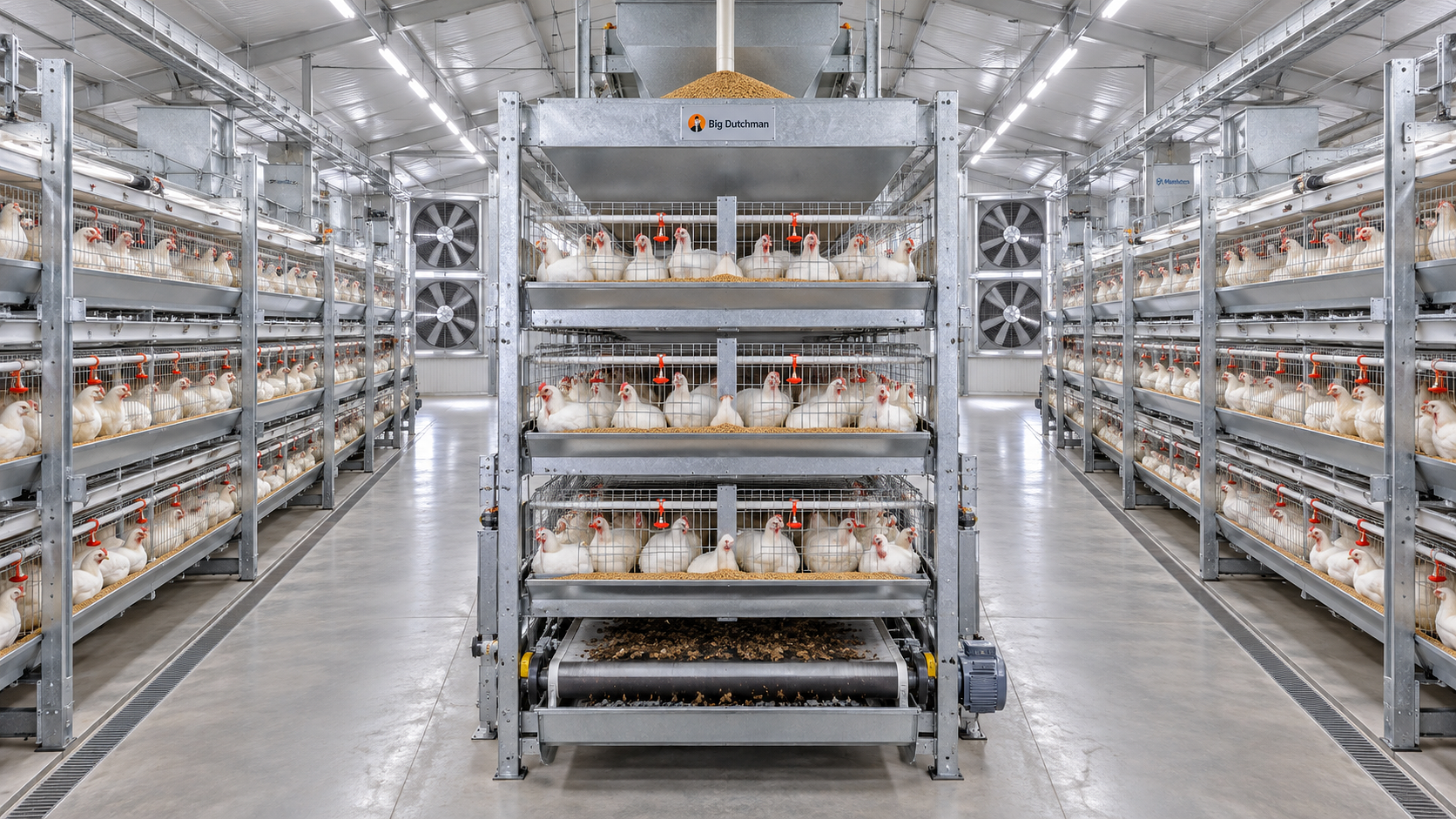




Two automated broiler cage quotations can show similar bird capacity and very different prices while describing systems that are not operationally equivalent. One may include feed distribution, manure removal, controls, and installation; another may leave ventilation upgrades, electrical work, and bird-transfer equipment outside the quoted scope. The cheaper package can become the more expensive project once those gaps are priced.
A useful comparison starts with the conditions under which the equipment must perform: final bird weight, local climate, building dimensions, production schedule, welfare requirements, and available maintenance support. Purchase price matters, but it should be evaluated against usable capacity, reliable operation, and the cost of delivering saleable birds—not simply the number of cage spaces offered.
Define the production requirement before comparing equipment
Procurement teams need a common design brief before asking suppliers to quote. Without one, suppliers may base their capacity calculations on different slaughter weights, stocking assumptions, or house configurations. A system described as suitable for a particular bird count may not support that count at the buyer’s target live weight under local operating conditions.
Specify the intended bird strain, placement age, expected harvest weight range, flock cycle, and whether partial depopulation is planned. Include building drawings, site climate conditions, water quality, power availability, and the farm’s cleaning procedure. These inputs affect cage dimensions, feeder access, drinking arrangements, ventilation demand, and turnaround time.
Confirm legal and commercial acceptability before conducting detailed technical scoring. Housing rules, buyer welfare policies, and certification requirements vary by market. A technically workable cage system may be unsuitable for a farm’s sales channel. Procurement should obtain written confirmation of the relevant requirements rather than treating equipment availability as evidence of compliance.
Capacity should then be stated in several ways: birds placed, usable floor area, target live-weight loading, and expected saleable output. Ask suppliers to disclose the assumptions behind each figure. This prevents a high nominal capacity from obscuring restricted feeding access, difficult inspection, or inadequate environmental control.
Check housing geometry against the full growth cycle
Cage dimensions need to accommodate birds from placement through harvest. The relevant questions extend beyond whether mature birds physically fit. Can they reach feed and water without crowding? Can staff inspect every compartment, remove sick or dead birds promptly, and carry out routine checks without unsafe climbing?
For automatic H-frame configurations, a review of broiler chicken cages design should connect the cage arrangement with feeding, drinking, manure handling, and house ventilation. The frame label alone does not establish suitability. Tier spacing, row layout, access openings, and the relationship between cages and service aisles determine how the system functions inside a particular building.
Floor construction deserves close examination. Buyers should request the material specification, support arrangement, opening dimensions, and intended bird-weight range. Depending on its construction, a floor may retain manure, deform under load, or create unsuitable contact conditions. Assess bird support, footing, cleanliness, and injury risk together; no single material description proves acceptable performance.
Structural drawings should show how loaded cages, feed equipment, manure belts, and service components are supported. Compare corrosion protection, joint details, replaceable wear parts, and resistance to the cleaning chemicals the farm actually uses. Where different metals meet, ask how corrosion at the connection is controlled.
Access arrangements can expose a trade-off between density and serviceability. Narrow aisles or difficult doors may increase the advertised capacity while slowing inspection and bird removal. The procurement specification should define acceptable access at every tier, including how birds will be loaded and transferred at harvest.
Evaluate feed and water delivery at the point of use
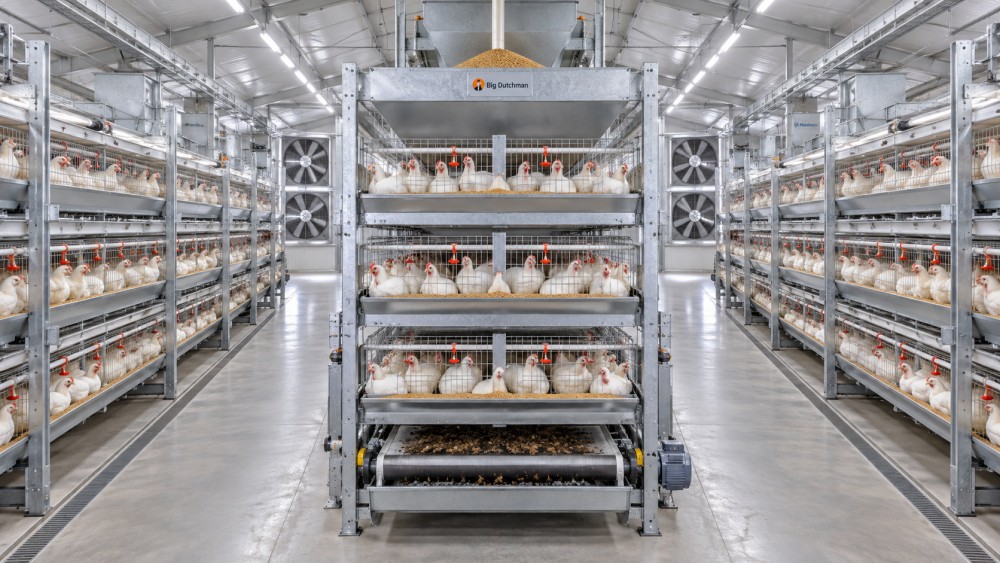
A motorized feeder is not proof that every bird receives consistent access to feed. Distribution depends on the delivery mechanism, line length, adjustment range, feed characteristics, and the amount of usable feeding space. Buyers should ask how the system prevents uneven filling and how operators verify delivery at the far end of each line.
Young chicks and finishing birds create different access requirements. Feeder position, guards, and adjustment methods should be assessed across the growth cycle. Adjustments that require repeated manual work at every compartment may weaken the labor-saving case, particularly in a house with many tiers.
Feed wastage needs its own inspection criteria. Look for places where birds can scatter feed, mechanisms that overfill troughs, and surfaces that are difficult to empty between flocks. Request an explanation of how residual feed is removed and how blockages are detected. Claimed feed-conversion improvements should not be accepted without comparable flock data and clearly stated operating conditions.
Water-system evaluation should cover pressure regulation, line leveling, flushing, filtration, and access to components. Uneven delivery or leakage can affect bird intake and increase moisture loading on manure-handling equipment. Water quality may also influence valve reliability and sanitation requirements.
Ask whether water consumption is measured at a useful level of detail and whether abnormal usage generates an alert. A house-level total can reveal a major problem, but it may not identify a restricted line or leaking section. The appropriate monitoring arrangement depends on house size and how quickly staff can locate faults.
Treat ventilation as an integrated design responsibility
Stacking birds changes how heat, moisture, and contaminants are distributed within a house. Selecting fans by bird count alone can overlook resistance created by cage rows, equipment, inlets, and the building envelope. Adequate total fan capacity does not guarantee that useful airflow reaches every occupied compartment.
The ventilation proposal should explain air movement at bird level across tiers and along the house. Request the design assumptions for outside temperature and humidity, bird live weight, inlet operation, and fan performance at the expected static pressure. Published fan output at a different pressure may not represent installed performance.
Different climates create different constraints. In hot conditions, heat removal and air distribution may limit stocking plans. In cold conditions, minimum ventilation must manage moisture and air quality without exposing birds to damaging drafts. Evaporative cooling performance depends on ambient humidity and requires a water supply and maintenance plan suited to the site.
Responsibility gaps are a common procurement risk. The cage supplier may assume the ventilation contractor will address airflow around the equipment, while the ventilation contractor assumes the internal layout has already been validated. Assign responsibility for the combined design in the contract, including commissioning checks and corrective work if agreed environmental conditions cannot be maintained.
Sensor location also affects control quality. A reading taken in an accessible aisle may not represent conditions inside an upper or lower cage tier. Commissioning should include measurements at representative occupied locations, with acceptance criteria agreed before installation.
Compare lifecycle cost on a consistent basis
Evaluate each bid over the same planning period and production assumptions. Separate installed capital cost from operating expenditure, scheduled replacements, and downtime exposure. Where future costs are discounted, use the same method across bids and test assumptions that could change the ranking.
Energy comparisons should use operating duty rather than installed motor power alone. A larger motor that runs briefly may consume less energy than a smaller one operating continuously. Ventilation, cooling, and heating assumptions must also be aligned; excluding climate control from one bid can make an otherwise expensive system appear economical.
Labor estimates should identify tasks rather than offer a single staffing claim. Automation may reduce feed handling while leaving inspection, mortality removal, cleaning, adjustment, and fault response largely manual. Compare the expected frequency and duration of those tasks under the proposed layout.
Use sensitivity analysis for uncertain variables such as electricity prices, replacement intervals, and achievable flock throughput. Procurement teams should distinguish equipment-controlled costs from biological outcomes affected by nutrition, health, climate, and management. A projected return based on better survival or feed conversion needs stronger evidence than a calculation based on a documented motor duty cycle.
Test maintenance, sanitation, and failure recovery
Manure removal affects hygiene, moisture management, and service demand. Check belt access, tracking adjustment, drive protection, transfer points, and the route to storage or disposal. Equipment that moves manure out of cages still requires a workable downstream arrangement; otherwise, the bottleneck merely shifts outside the housing area.
Cleaning should be evaluated through a documented sequence: dry removal, washing where appropriate, disinfection, inspection, and drying. Ask which components tolerate the proposed cleaning method and which must be protected or removed. Hidden ledges, inaccessible channels, and poorly drained surfaces can increase cleaning time and complicate biosecurity.
Reliability questions should focus on consequences, not just component quality. What happens when a feed drive stalls, a manure belt stops, water pressure falls, or the controller fails? Determine whether failures affect one section or the entire house, and whether manual intervention is practical and safe.
Emergency power arrangements must match the critical loads and local outage risk. Ask how alarms operate when normal power or communications are lost. Confirm that essential controls can be restored from documented settings and that service access does not depend entirely on a remote connection.
Spare-parts availability is most useful when expressed as part numbers, stocking locations, and realistic delivery terms. A general promise of support does not resolve a failed drive during a flock. Buyers should identify critical spares and agree which items will be held on site before birds are placed.
Make acceptance criteria part of the purchase contract
A factory inspection can verify materials, workmanship, dimensions, and component identity. It cannot establish that the installed house will provide acceptable bird-level conditions. Separate pre-shipment checks, installation acceptance, and operational verification, with clear responsibilities at each stage.
The contract should define deliverables: layout drawings, electrical diagrams, control settings, maintenance instructions, spare-parts documentation, operator training, and commissioning records. State who completes utility connections, who checks structural interfaces, and how deviations from the approved layout are handled.
Operational acceptance should examine feed and water distribution, ventilation performance, manure movement, alarms, and safe access. Where live-bird verification is needed, define the observation period and assessment method without attributing every flock outcome to the equipment. Warranty coverage, corrective-action deadlines, and payment milestones should reflect these agreed checks.
The strongest purchasing decision is not automatically the lowest bid or the most automated package. It is the design whose assumptions match the farm, whose installed scope is clear, and whose operation can be verified. If housing access, feed delivery, or ventilation remains unresolved, the price comparison is premature.
Related News
Agricultural Automation Still Needs Human Oversight, Study Finds
Agricultural automation still needs human oversight. Discover how AI and smart equipment are reshaping farm jobs, skills, and decisions.
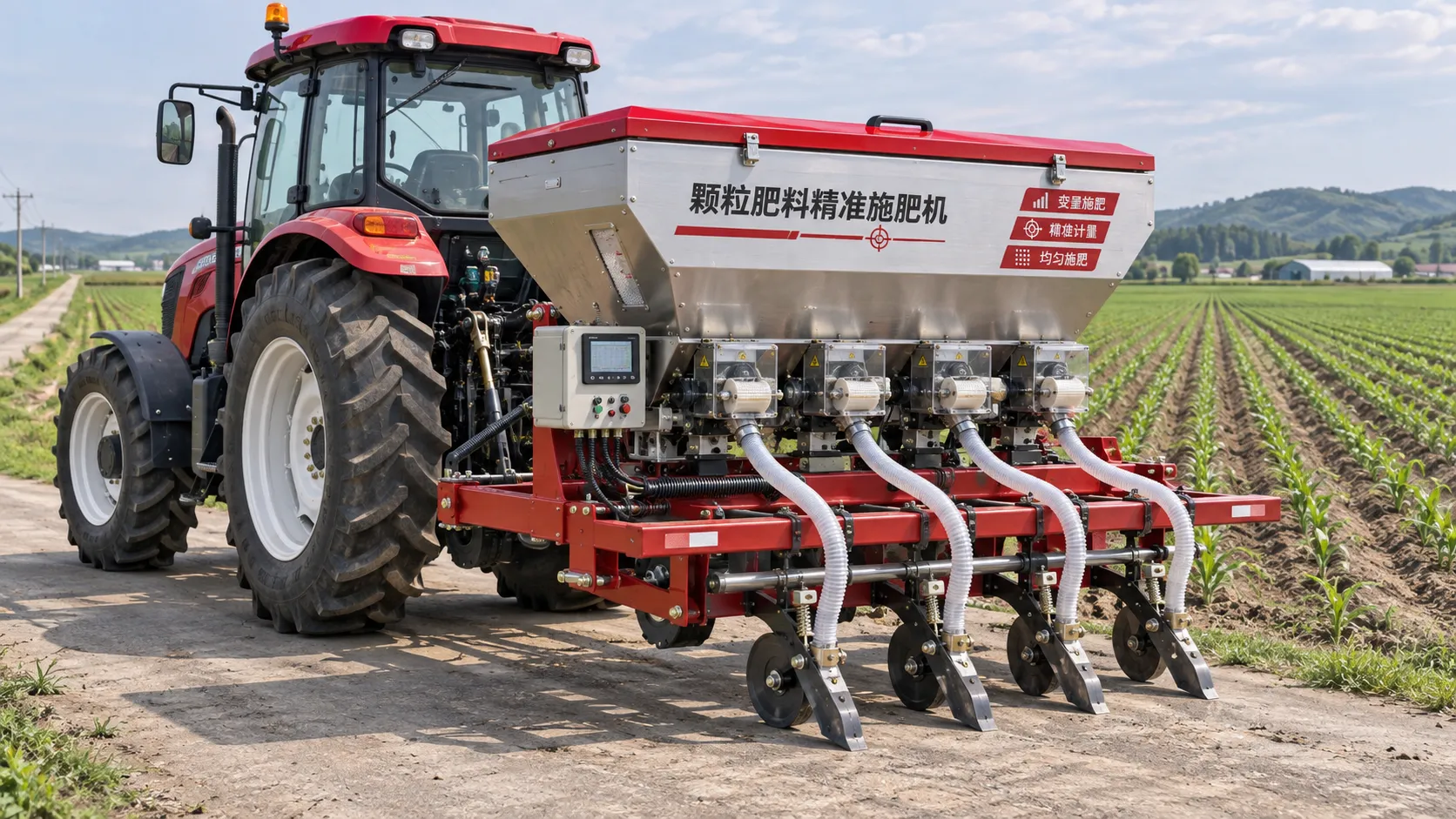
Choosing a Precision Fertilization Equipment Manufacturer: What to Check
Choose a precision fertilization equipment manufacturer with confidence. Compare accuracy, compatibility, service and total ownership costs before you buy.
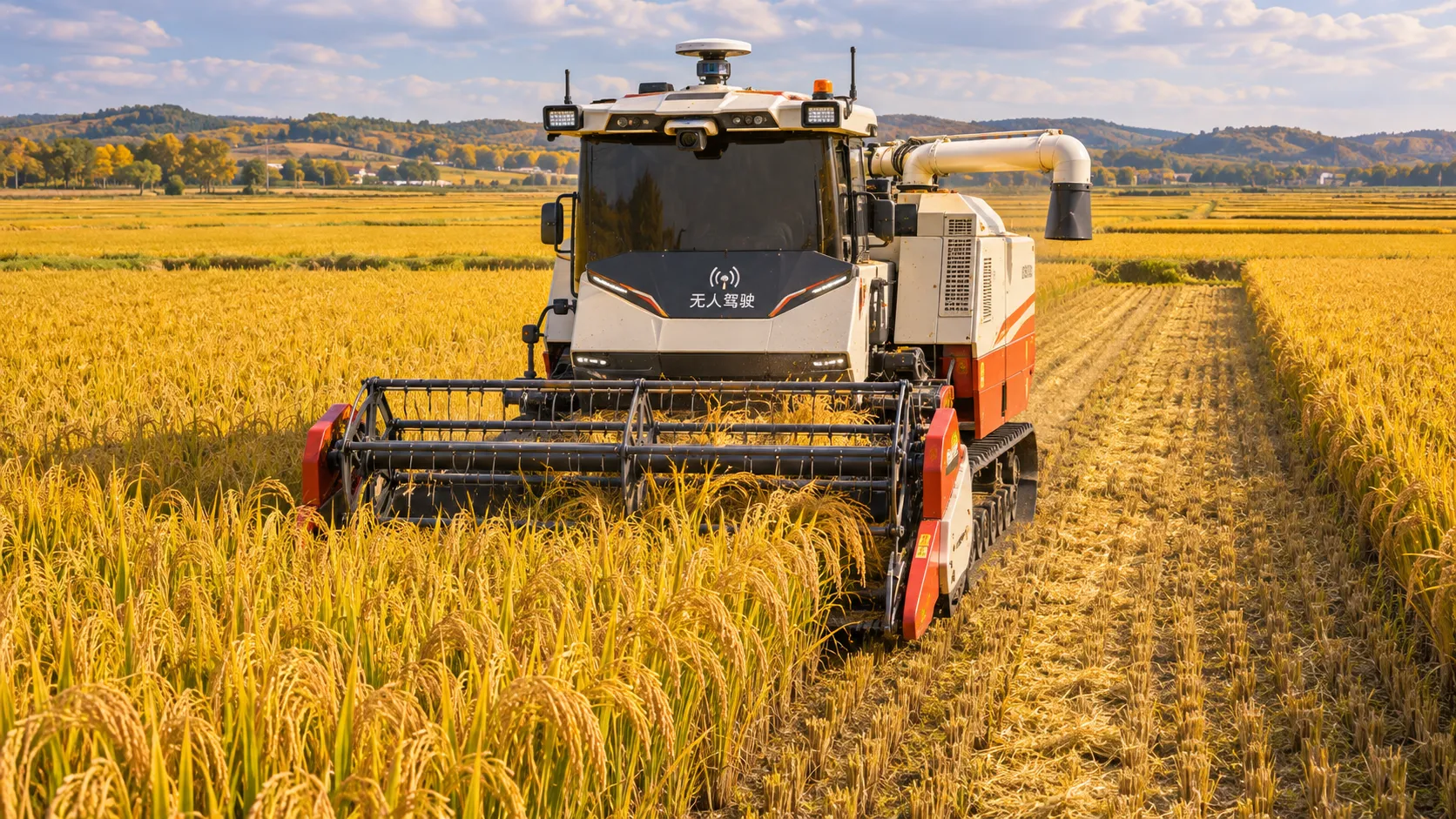
China's Autumn Grain Harvest Highlights Role of Machinery and Precision Farming
China's autumn grain harvest highlights machinery and precision farming. Explore how coordinated practices support harvesting and yield improvement.
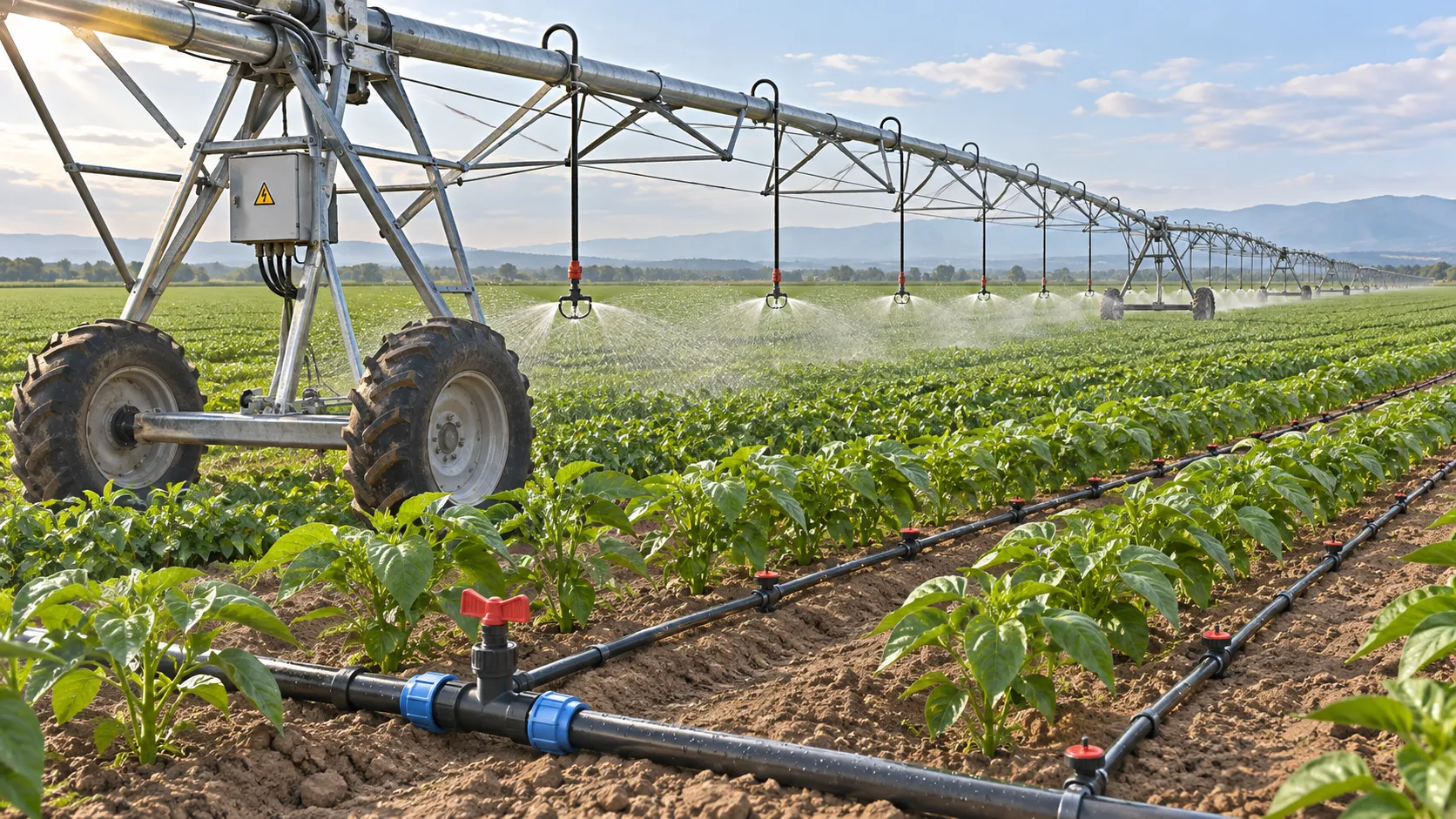
Drip vs. Center Pivot Irrigation: Maintenance Tasks and Costs Compared
Use this irrigation solution comparison by maintenance to weigh drip vs. center pivot tasks, costs and downtime—and choose the best fit for your field.
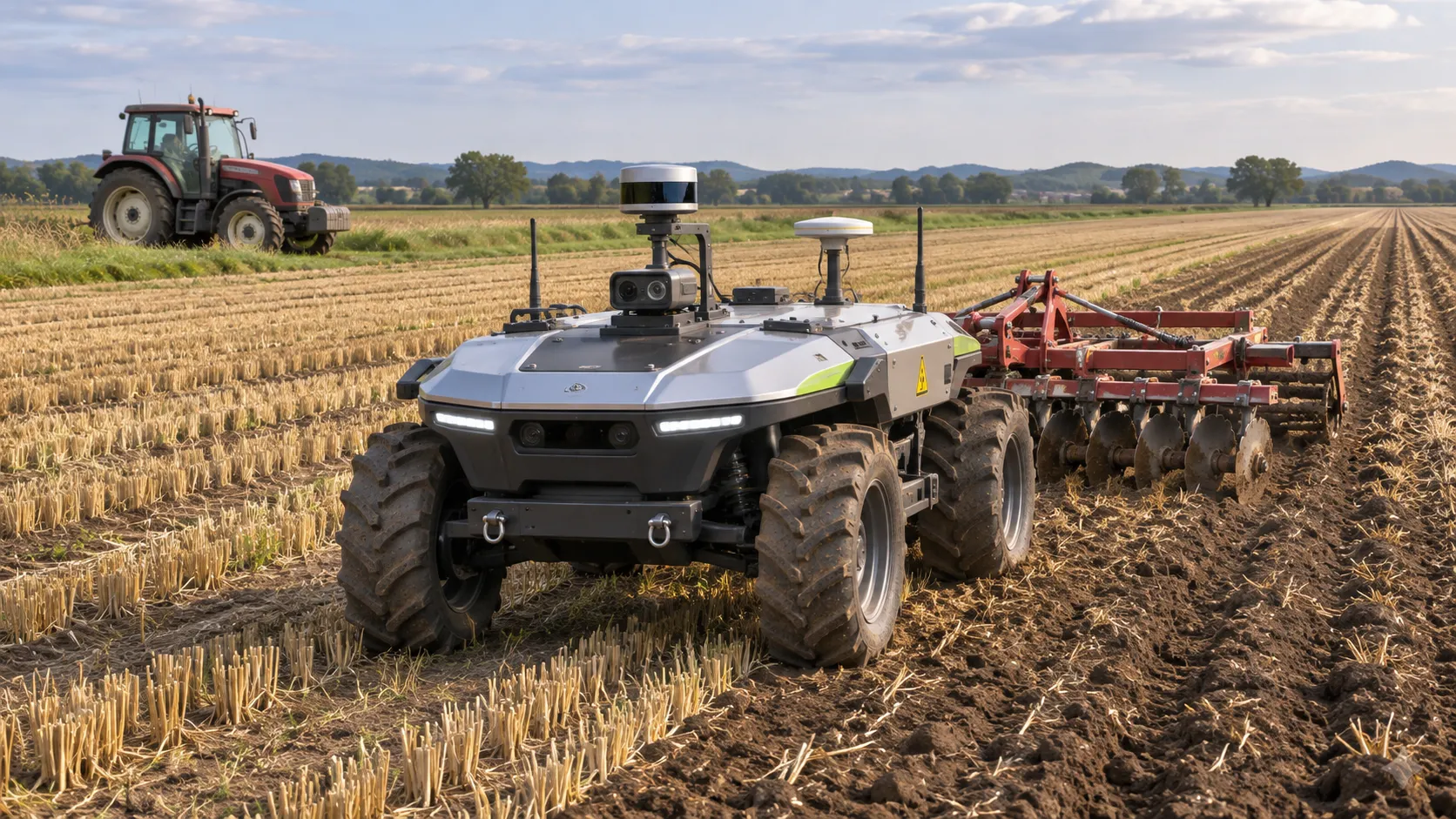
EIMA 2026: Six Tractor of the Year Awards Include Autonomous Robot
Explore the Tractor of the Year awards at EIMA 2026, featuring six winners, including the AgXeed autonomous robot and leading tractor models.
Choosing Irrigation Systems for Government Projects: Water, Cost and Compliance
What factors affect irrigation system selection for government projects? Explore water supply, lifecycle costs and compliance to make a confident, well-informed choice.
Choosing an Agricultural Machinery Platform: Listings, Pricing, and Support
Choosing an agricultural machinery platform? Compare listings, pricing, supplier verification, and support to make a more confident equipment purchase.
Ofwat Launches £8 Million Agri-Water Innovation Challenge
Ofwat’s £8 million Agri-Water Innovation Challenge supports smart irrigation, water reuse and water-saving solutions. Explore the funding and its potential impact.
Choosing a Water-Saving Irrigation Supplier: 5 Key Procurement Criteria
Choose a water-saving irrigation systems supplier with confidence. Explore five procurement criteria to reduce risk and maximize long-term value.
Related News
- 00
0000-00
Choosing Irrigation Systems for Government Projects: Water, Cost and Compliance - 00
0000-00
Choosing an Agricultural Machinery Platform: Listings, Pricing, and Support - 00
0000-00
Choosing a Water-Saving Irrigation Supplier: 5 Key Procurement Criteria - 00
0000-00
304 vs 316 Stainless Steel for Ingredient Processing Equipment - 00
0000-00
Choosing a Large Farm Equipment Exporter: Parts, Shipping and Warranty
0000-00
Popular Tags
Ms. Elena Rodriguez
Weekly Insights
Stay ahead with our curated technology reports delivered every Monday.