
GFMT Opens Drip Irrigation Channel for 127 Chinese Suppliers
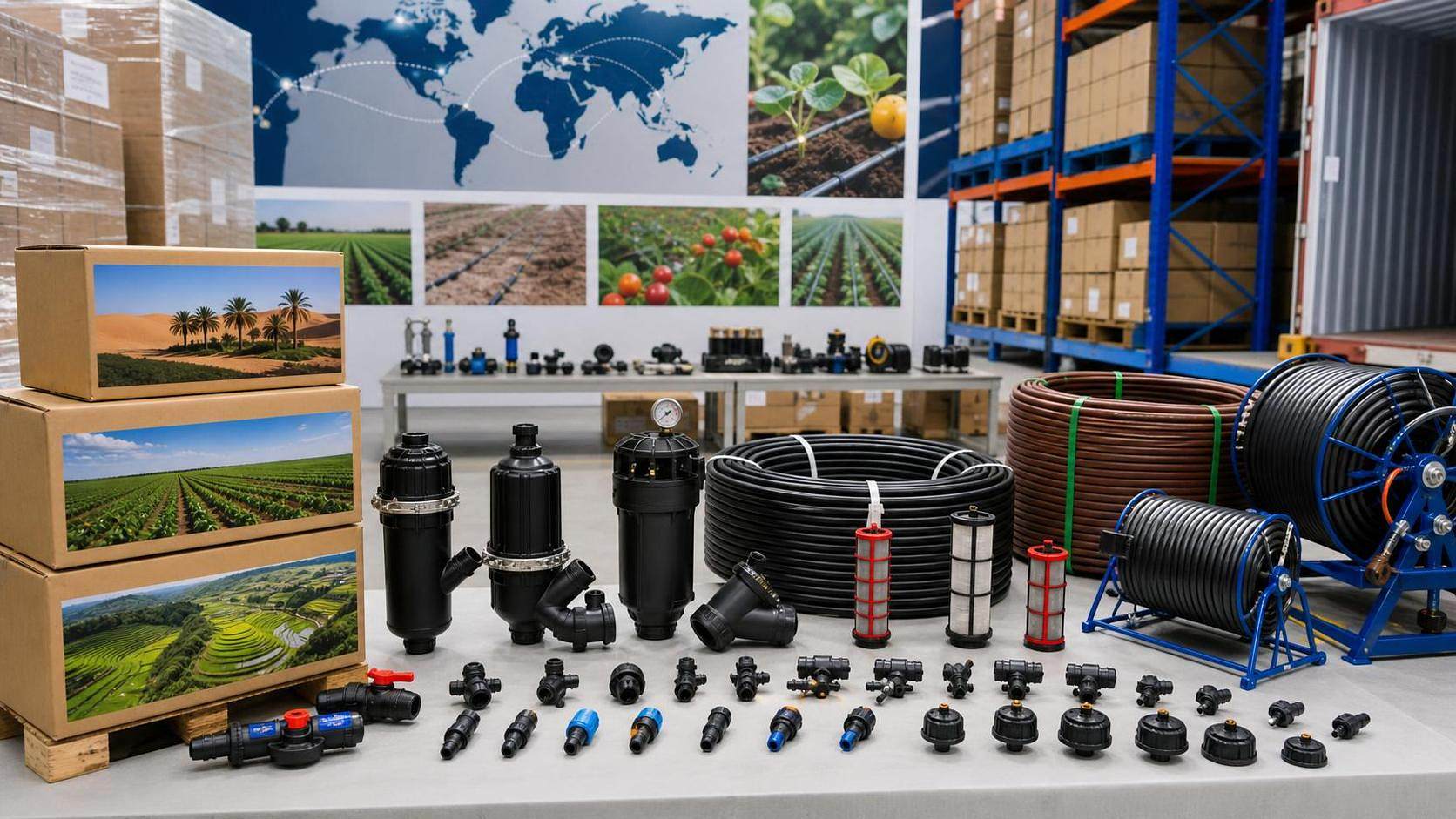




On June 20, 2026, GFMT launched a dedicated Drip Irrigation Logic channel that links 127 certified Chinese drip irrigation equipment suppliers with buyers in the Middle East, Latin America, and Southeast Asia through direct RFQ access. The development matters not simply as a platform update, but as a practical signal that cross-border sourcing in this segment is being organized more explicitly around internationally recognized technical and labeling references, including ISO 9261, ASAE EP470, and UN FAO water-saving indicators, with likely implications for supplier qualification, procurement comparison, technical documentation, and delivery-stage compliance review.
What the launch confirms at this stage
According to the information provided, GFMT, identified as Global Food & Machinery Trade, officially opened the Drip Irrigation Logic vertical channel on June 20, 2026. The first group connected to the channel includes 127 Chinese certified suppliers, including Tianye, Huawei, and Shandong Huanfa. The channel supports intelligent filtering based on ISO 9261 emitter flow deviation, ASAE EP470 anti-clogging performance, and UN FAO water-saving rate labels, and it is open for direct RFQ inquiries from buyers in the Middle East, Latin America, and Southeast Asia.
Why standards-based screening may reshape transaction flow
For exporters and equipment manufacturers, visibility may depend more on document-ready compliance
Analysis shows that the most immediate change for manufacturers and export-oriented suppliers is not necessarily a new law, but a stronger transaction filter built around recognized technical criteria. Where buyers can sort products through ISO 9261 flow deviation, ASAE EP470 anti-clogging performance, and UN FAO water-saving labels, suppliers may face greater pressure to present test data, certification materials, and technical specifications in a form that can support faster comparison and RFQ conversion. In practice, this can affect product listing preparation, bid alignment, pre-sale communication, and post-inquiry qualification review.
For overseas buyers, technical comparison may move closer to procurement front-end rules
From an industry perspective, buyers using the new channel may be able to shift part of their supplier screening to the front end of procurement by relying on standard-linked parameters rather than only broad product descriptions. That can influence how purchasing teams frame inquiry documents, shortlist suppliers, and request supporting records. What deserves closer attention is whether buyers begin to treat these standard references as baseline entry requirements in RFQ processes, even when a formal regulatory mandate is not stated in the event information.
For certification and testing-related service providers, supporting evidence may become more operationally important
Observably, any marketplace function that turns standards and labels into searchable trade filters can increase the practical value of testing reports, conformity records, and technical validation documents. For certification-related firms and testing service providers, the impact may appear in demand for clearer document formatting, parameter interpretation, and consistency between platform disclosures and underlying evidence. The key issue is less about new certification creation and more about whether existing proofs can withstand cross-border commercial scrutiny.
For supply chain and delivery teams, alignment risks may move beyond pricing and lead time
Where RFQ traffic becomes more directly linked to standard-based screening, logistics, order management, and after-sales teams may also need to pay attention to whether shipped products, product descriptions, and technical files remain consistent with what was presented during sourcing. This can affect shipment documentation, product traceability, replacement handling, and dispute prevention, especially if procurement decisions are made on the basis of listed performance parameters or water-saving labels.
What companies should watch next in actual execution
Check whether listed claims are fully supported
Companies participating in this trade flow should review whether product claims connected to ISO 9261, ASAE EP470, or UN FAO water-saving indicators are supported by corresponding technical records, labels, or reports. The event information does not provide detailed execution rules, so businesses should avoid assuming that a platform listing alone resolves compliance expectations.
Prepare RFQ-facing technical files with greater precision
Because the channel is open to direct RFQ inquiries, exporters and suppliers should pay closer attention to specification sheets, testing references, product descriptions, and any qualification materials used in buyer communications. Analysis shows that mismatches between searchable parameters and transaction documents could become a practical risk in quotation, negotiation, or delivery stages.
Track how buyers translate filters into procurement requirements
It is more appropriate to understand this launch as a signal that standards-based filtering may move into day-to-day sourcing behavior. Companies should therefore watch whether procurement documents, tender language, or qualification checklists in relevant export markets begin to mirror the same parameters highlighted by the channel.
Stay alert to after-sales and traceability expectations
If cross-border buyers increasingly select suppliers through standard-linked filters, then post-sale issues may also be assessed against the same technical claims. Firms should pay attention to traceability, response records, and consistency between supplied products and pre-sale representations, even though the current event information does not specify a formal enforcement mechanism.
How this signal should be interpreted for now
Analysis shows that this development is best read as an execution signal rather than as a confirmed new regulatory regime. The channel does not, based on the provided information, establish a new government rule, issue a binding legal standard, or announce a new mandatory certification system. However, it does show that international trade matching in drip irrigation equipment may be increasingly structured around recognized standards and labeled performance indicators, which can influence commercial access conditions in practical terms.
Observably, the industry should continue watching whether this type of standards-based filtering remains a marketplace convenience or evolves into a commonly expected procurement gate in RFQ workflows. That distinction will matter for suppliers deciding how much to invest in documentation readiness, testing presentation, and market-specific qualification support.
A measured reading of the market impact
At this stage, the GFMT launch is more appropriately understood as a concrete market execution development that may tighten the connection between technical standards, supplier visibility, and cross-border procurement efficiency in drip irrigation equipment. It does not by itself prove a broad regulatory shift, but it does indicate that compliance-related technical indicators are moving closer to the front end of trade selection. For industry participants, the practical takeaway is to treat this as a credible signal to strengthen document consistency, standards alignment, and RFQ readiness while continuing to monitor how market rules are actually applied.
Basis of this article and what still needs verification
This article is generated on the basis of the user-provided news title, event date, and event summary. For events of this type, commonly relevant source categories may include platform announcements, regulator releases, trade authority information, industry association updates, standards organization documents, and reporting by established trade media. No specific official source link was provided in the input, so the underlying official publication path still requires further verification.
Further observation is still needed on any later policy detail, certification interpretation, tender-document changes, buyer-side implementation practice, industry feedback, and enterprise-level execution outcomes related to the standards and labels referenced in the launch.
Related News

How to Select Precision Crop Protection Equipment for Variable Field Conditions
Precision crop protection equipment selection made simple: compare terrain, canopy, weather, control accuracy, and data workflows for reliable applications.

When Does Agricultural Machinery Leasing Cost Less Than Owning Equipment?
Agricultural machinery leasing can lower farm costs when use is seasonal or uncertain. Compare utilization, maintenance, cash flow, and risk to make a smarter equipment decision.

How to Evaluate Precision Fertilization System Suppliers for Farm-Scale Deployment
Precision fertilization systems suppliers: learn how to compare accuracy, integration, uptime, service, and total cost for confident farm-scale deployment.
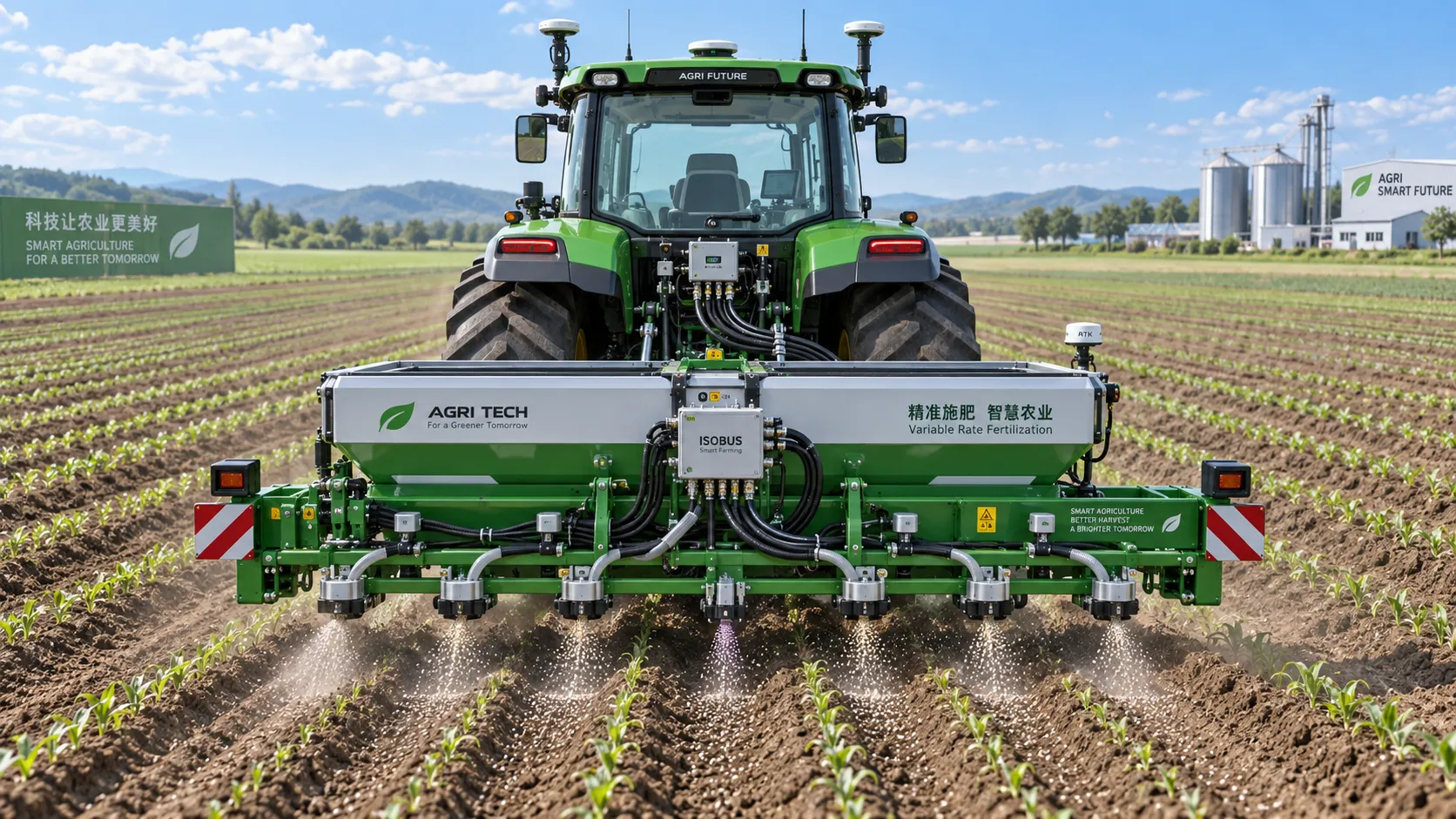
ISOBUS for Smart Agriculture: How It Connects Tractors, Implements, and Farm Data
ISOBUS for smart agriculture connects tractors, implements, terminals, and farm data—helping growers improve precision, documentation, and smarter field decisions.
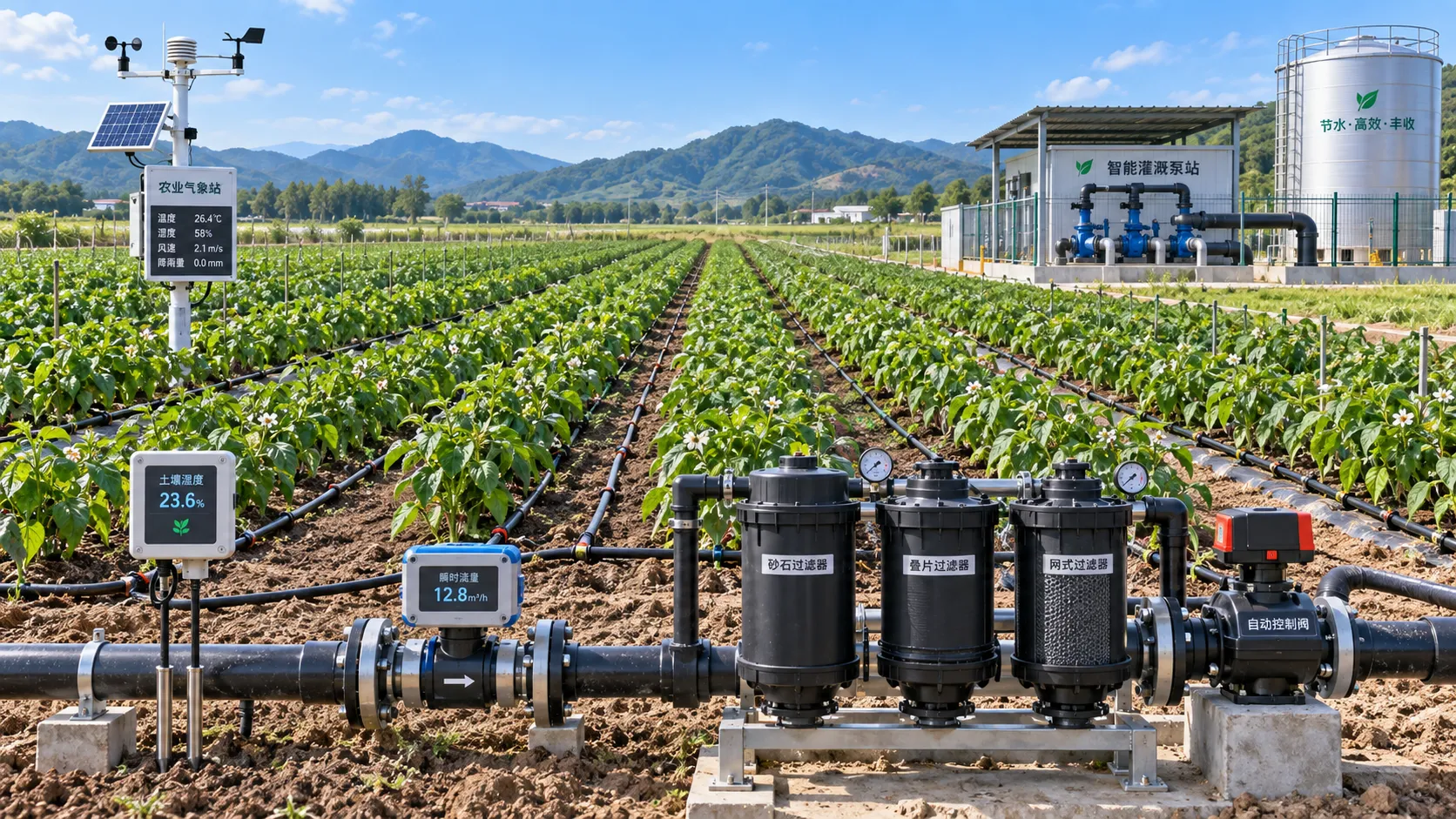
Automated Water-Saving Irrigation: How to Cut Water Use Without Reducing Crop Yields
Automated water-saving irrigation helps farms cut water use, protect crop yields, improve scheduling, and gain reliable control with sensors, flow monitoring, and smart zones.
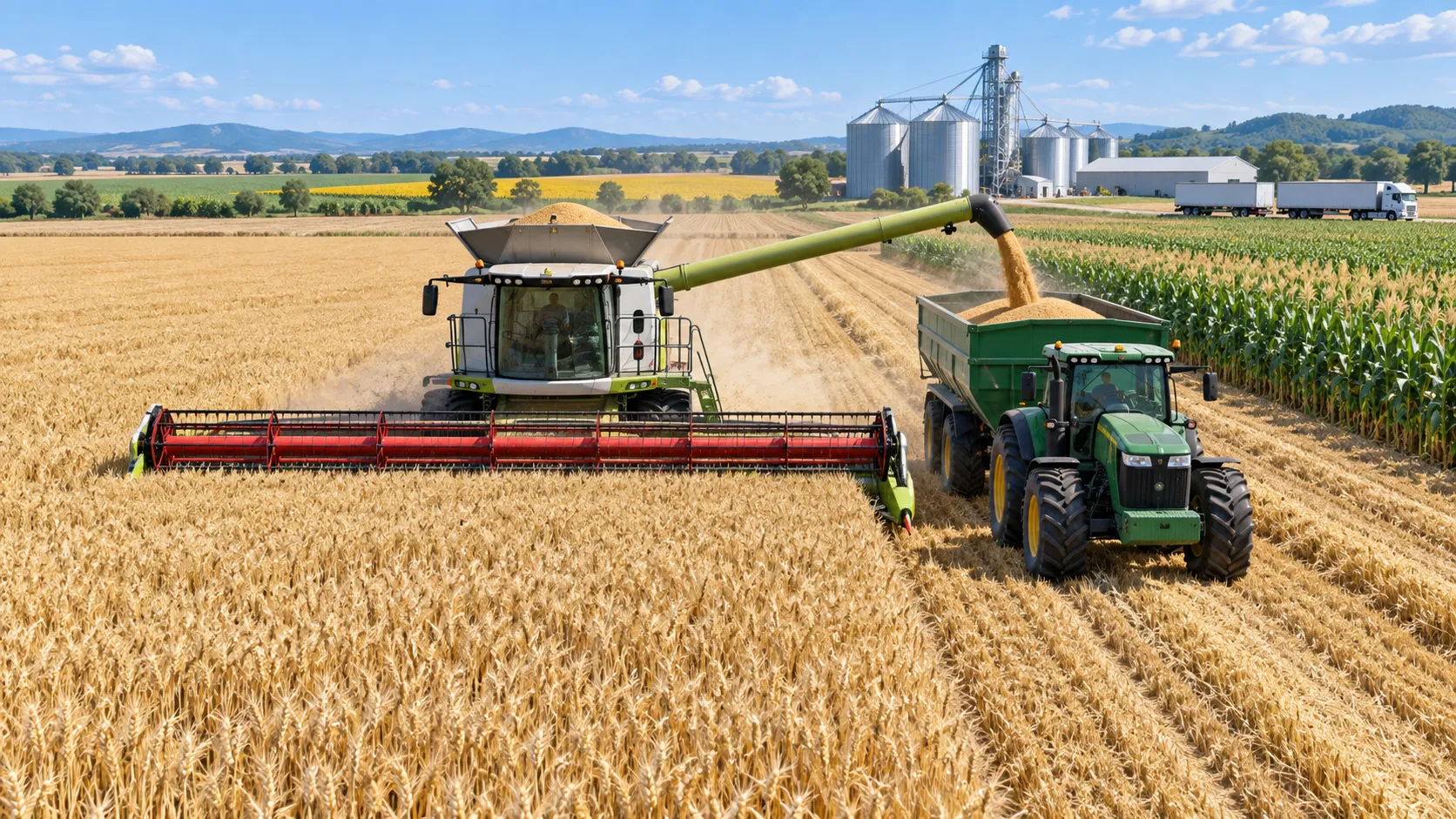
Selecting Grain Farm Equipment by Acreage, Crop Mix, and Harvest Window
Agricultural equipment selection for grain farming: match machinery to acreage, crop mix, and harvest windows to improve uptime, efficiency, and returns.
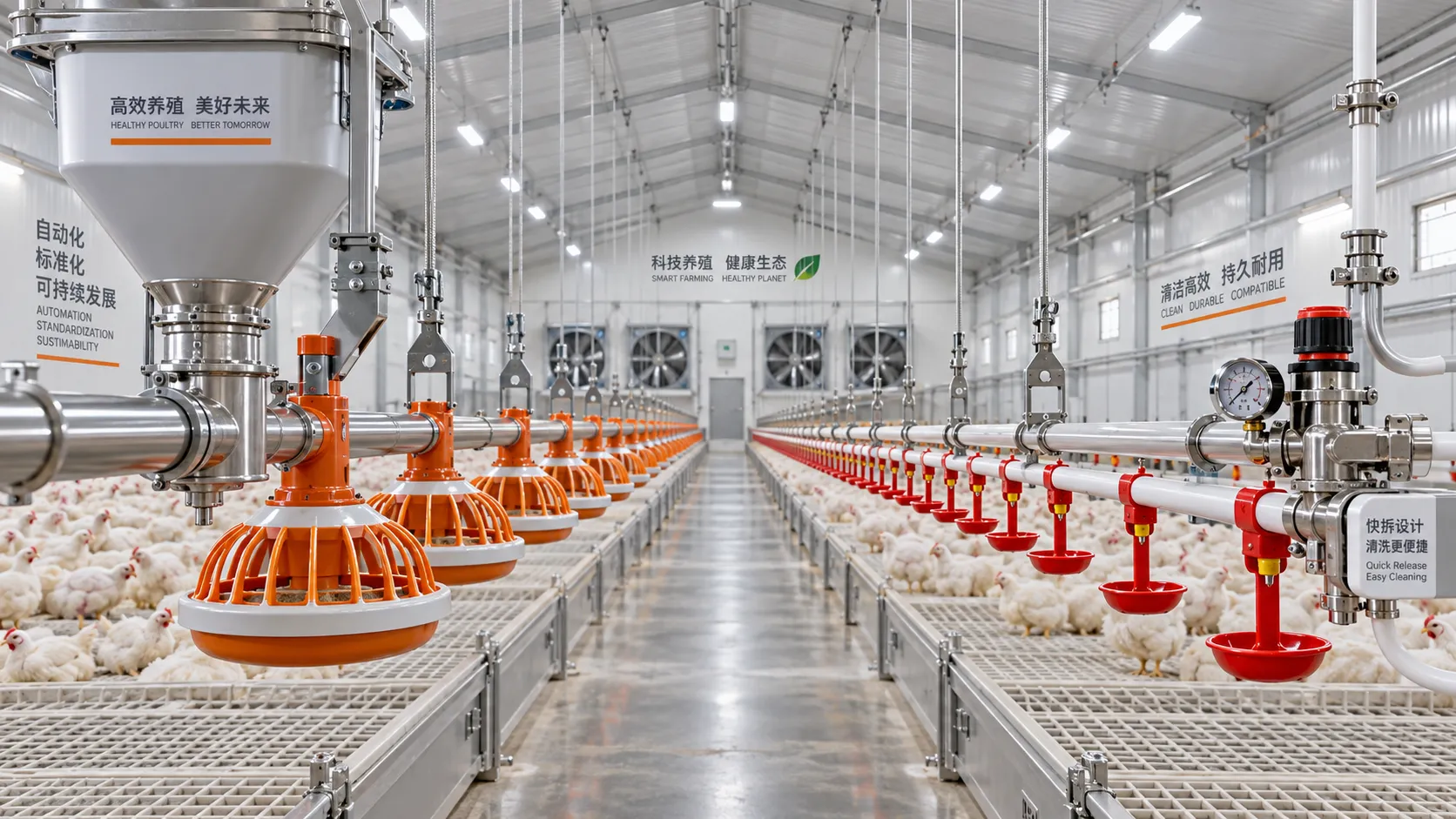
Poultry Equipment Selection: Evaluating Durability, Cleaning, and Compatibility
Poultry equipments selection guide: evaluate durability, cleaning access, and system compatibility to improve hygiene, reduce downtime, and support efficient flock management.
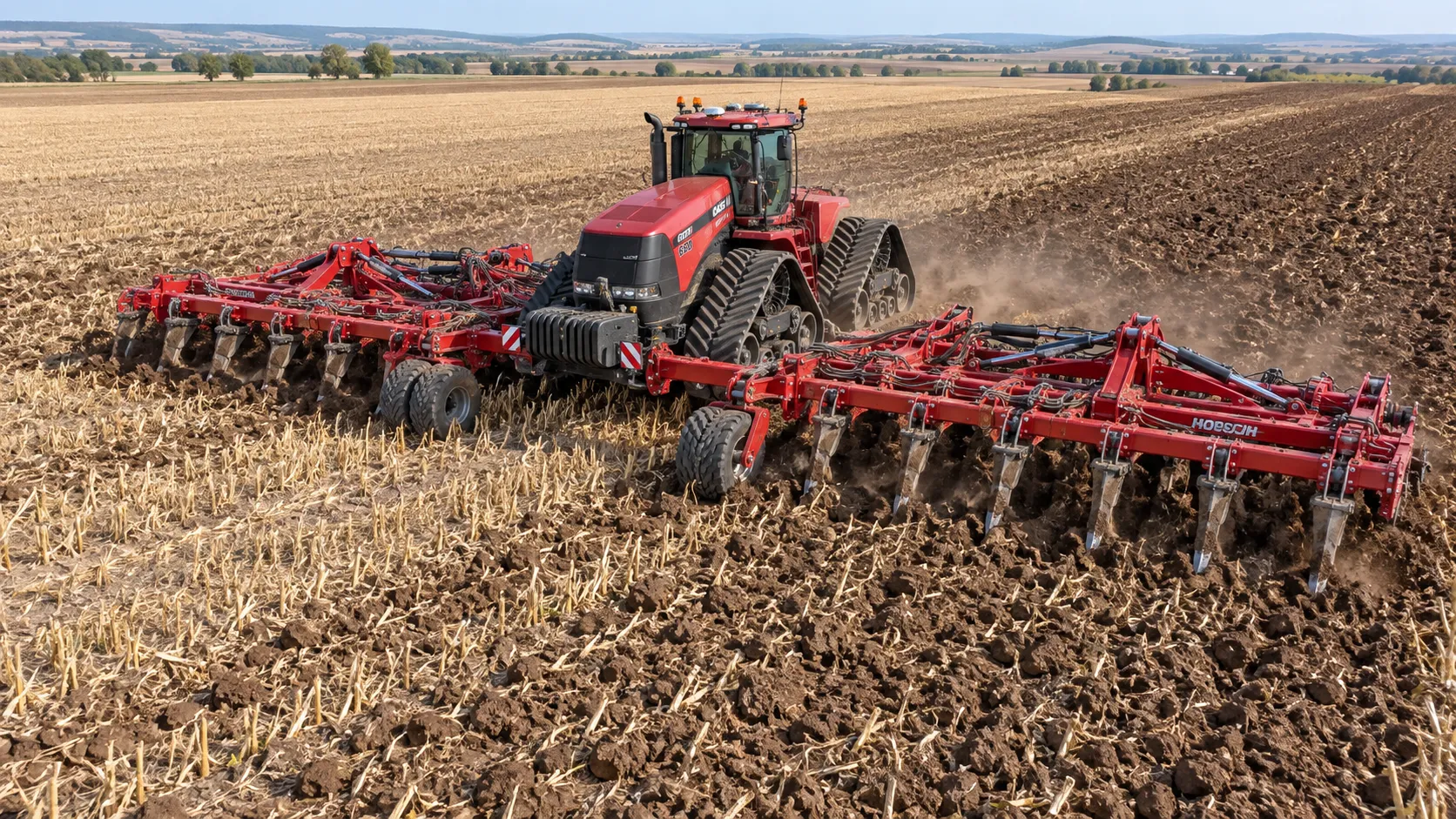
How to Select Heavy-Duty Farm Implements for High-Acreage, High-Horsepower Operations
Heavy duty farm implements: learn how to match draft, hydraulics, hitch capacity, frame strength, and field conditions for reliable high-acreage performance.
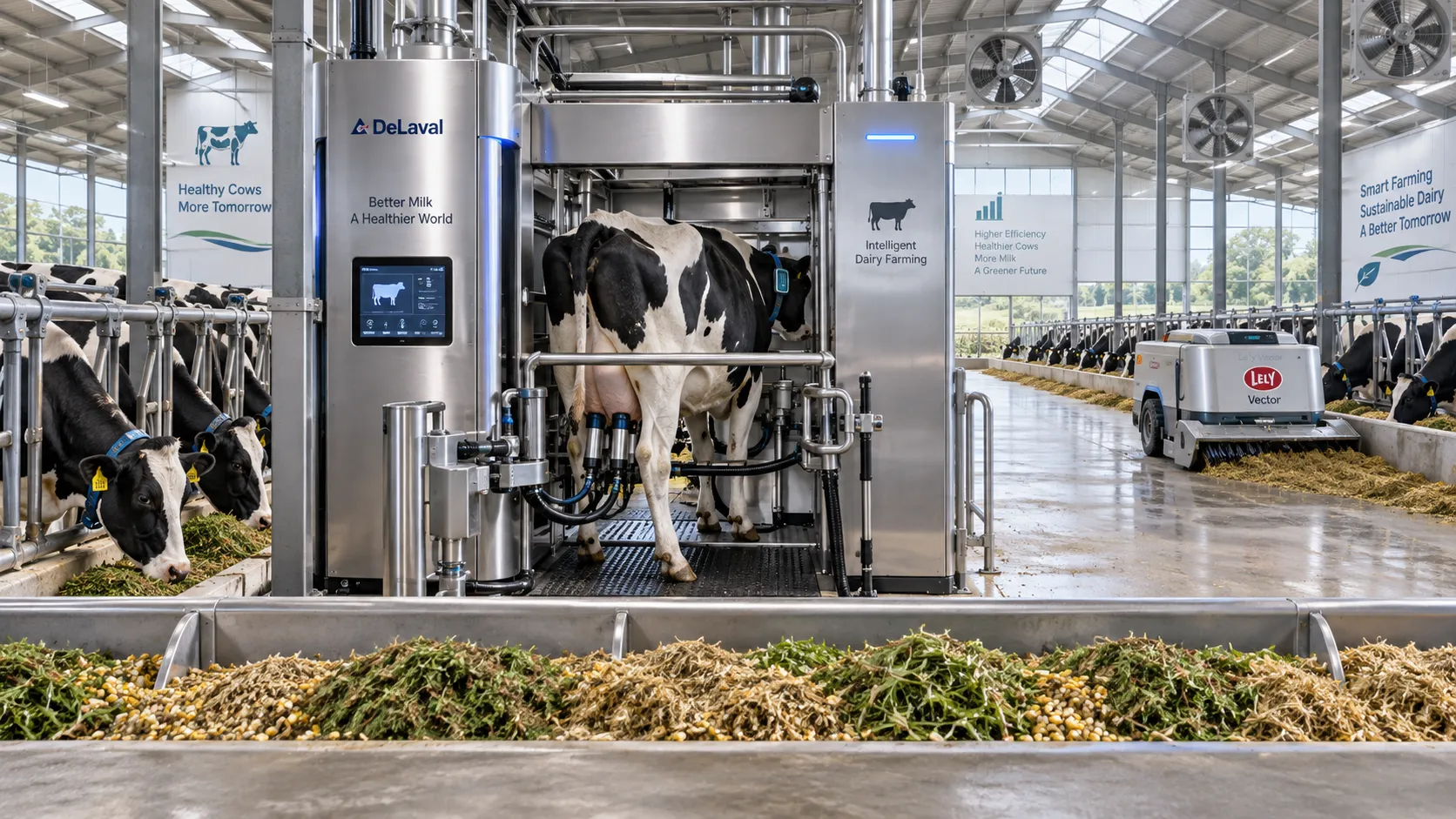
Smart Farming Technology for Dairy Farms: Where Automation Delivers Measurable ROI
Smart farming technology for dairy farms delivers measurable ROI through automation, precision feeding, health monitoring, and data-driven cost control.
Related News
- 00
0000-00
Automated Water-Saving Irrigation: How to Cut Water Use Without Reducing Crop Yields - 00
0000-00
How to Evaluate Drip Irrigation System Manufacturers for Large Farm Projects - 00
0000-00
Wireless Agricultural Automation for Remote Irrigation and Field Monitoring - 00
0000-00
Designing Water-Saving Drip Irrigation Systems for High-Value Orchards - 00
0000-00
How to Choose Irrigation Solutions for Arid Regions Based on Water Source and Crop Needs
Popular Tags
Hydrological Resource Strategist
Weekly Insights
Stay ahead with our curated technology reports delivered every Monday.