
What digital agriculture platforms must prove before rollout
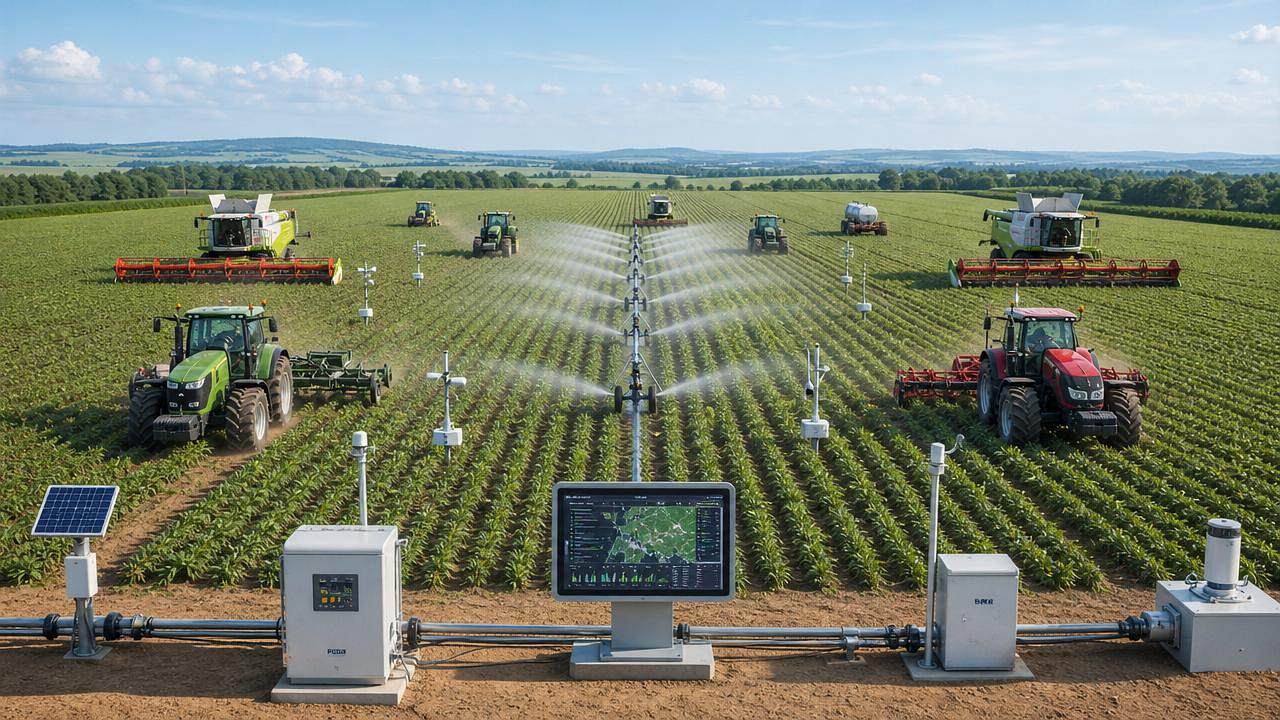




Before rollout, digital agriculture platforms must prove more than technical promise. They must show measurable return, stable field performance, clean interoperability, and practical decision value.
That standard matters across mechanization, harvesting, tractor systems, precision tools, and smart irrigation. In real operations, software only matters when it improves timing, input use, uptime, and harvest outcomes.
For large agricultural businesses, the key test is simple. Can digital agriculture platforms convert machine data and agronomy signals into scalable commercial results under changing weather, labor, and market pressure?
What must digital agriculture platforms prove first?
The first proof point is business value. Many digital agriculture platforms look impressive in demos, yet fail when asked to reduce costs or increase yield consistency.
A credible platform should show evidence in four areas:
- Clear ROI from fuel, labor, water, fertilizer, or downtime savings
- Reliable performance across seasons, soil types, and machinery fleets
- Interoperability with tractors, combines, sensors, and irrigation controls
- Decision support that improves timing, not just reporting
If one of these pillars is weak, rollout risk rises sharply. Data without action becomes a dashboard expense rather than an operating advantage.
Why technical features alone are not enough
Feature lists often emphasize AI, satellite layers, variable-rate maps, and remote monitoring. Those features matter, but only if they survive rough farm conditions.
A harvest platform, for example, should help reduce grain loss, idle time, and cleaning adjustment errors. It should not merely display machine status.
How should ROI be measured before rollout?
ROI should be measured at field level and enterprise level. Digital agriculture platforms must connect operational improvements to financial outcomes that remain visible after one full season.
Useful ROI metrics often include:
- Reduced fuel per hectare during tillage, spraying, or harvesting
- Lower water use through smart irrigation scheduling
- Reduced overlap and missed zones in field operations
- Better machine uptime through predictive maintenance alerts
- Improved crop quality or reduced harvesting loss
The strongest business case compares baseline performance with controlled pilot results. Without a baseline, claimed gains from digital agriculture platforms are difficult to verify.
What makes ROI evidence convincing?
Convincing evidence uses seasonally adjusted data, not isolated success stories. It also separates gains created by weather from gains created by the platform itself.
AP-Strategy often sees the best evaluations combine machinery telemetry, agronomic records, and irrigation response data. That stitched intelligence reveals whether savings are repeatable.
How can field reliability be tested under real agricultural conditions?
Reliability testing should happen before full deployment. Digital agriculture platforms must work in dust, uneven connectivity, mixed fleets, and changing crop cycles.
A practical pilot should test the platform across different operating moments:
- Peak planting windows with tight timing pressure
- Mid-season irrigation decisions during heat stress
- Harvest periods with long machine operating hours
- Maintenance intervals when equipment data should trigger action
If signals drop, maps lag, or recommendations arrive too late, the platform may be technically functional but commercially weak.
Which reliability checks matter most?
- Sensor consistency across temperature and moisture shifts
- Telematics stability during long working hours
- Offline data capture when networks are weak
- Alert accuracy for maintenance, irrigation, or field intervention
- Low failure rates in multi-brand equipment environments
Why is interoperability a non-negotiable proof point?
Most operations do not run one machine brand, one software stack, or one sensor supplier. Therefore, digital agriculture platforms must connect fragmented data into one usable view.
Interoperability affects daily execution. A prescription map has little value if it cannot sync with tractor terminals or implement controllers at the right moment.
The same applies to combine harvesting. Yield maps, grain loss data, and machine load signals should move into analysis tools without costly manual conversion.
What should be verified before commitment?
Strong digital agriculture platforms reduce friction between systems. Weak ones increase labor in the name of automation.
What decision value should a platform deliver in machinery and irrigation operations?
Decision value means the platform changes what happens next. It must help decide when to irrigate, where to service machines, how to adjust speed, or when to harvest.
For example, intelligent irrigation should combine evapotranspiration trends, soil feedback, and weather risk. The output should be an actionable irrigation plan, not raw charts.
In combine operations, digital agriculture platforms should translate cleaning loss trends and throughput data into settings advice that protects yield and machine efficiency.
How can decision value be judged quickly?
- Does the system recommend actions within operating windows?
- Are recommendations specific by field, crop stage, or machine?
- Can users trace why the recommendation was generated?
- Do actions improve outcomes after execution?
What risks and misconceptions delay successful rollout?
One common mistake is assuming digital agriculture platforms fail because operators resist change. In many cases, the real issue is poor workflow design or weak onboarding.
Another mistake is starting too large. A broad rollout before proof often hides integration gaps, bad data habits, and unrealistic performance expectations.
Data ownership also matters. If access rights, export rules, or vendor dependencies remain unclear, long-term control over operational intelligence becomes fragile.
Risk reminder table
How should rollout readiness be judged step by step?
A disciplined sequence reduces risk. Digital agriculture platforms should earn broader deployment through staged proof, not presentation quality.
- Define operational pain points by machinery, irrigation, and agronomy workflow
- Set baseline metrics for cost, output, uptime, and response speed
- Run a seasonal pilot across representative fields and equipment
- Verify integration, data quality, and action adoption
- Scale only after repeatable value appears
This method helps separate promising digital agriculture platforms from software that remains impressive only in theory.
In the Agriculture 4.0 landscape observed by AP-Strategy, the platforms most ready for rollout are those that unite equipment intelligence, agronomic timing, and sustainability targets in one operating logic.
The next step is practical. Review current machinery data flows, irrigation controls, and field decision gaps. Then test digital agriculture platforms against measurable proof points before scaling investment.
Related News
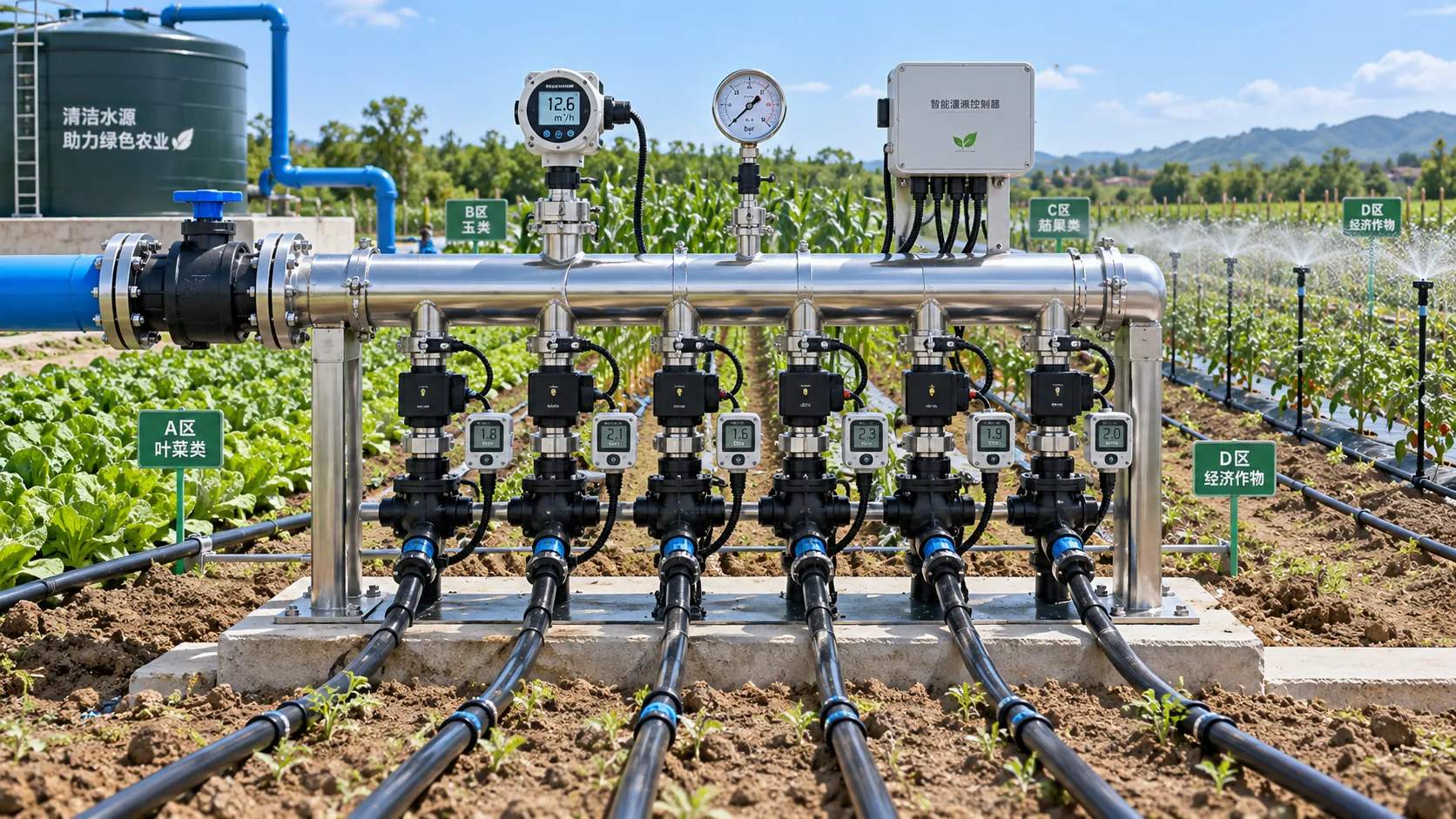
How to Select Smart Irrigation Valves for Multi-Zone Water Management?
Intelligent irrigation systems valves: learn how to match smart valves with multi-zone flow, pressure, control, feedback, and communication needs for reliable water management.
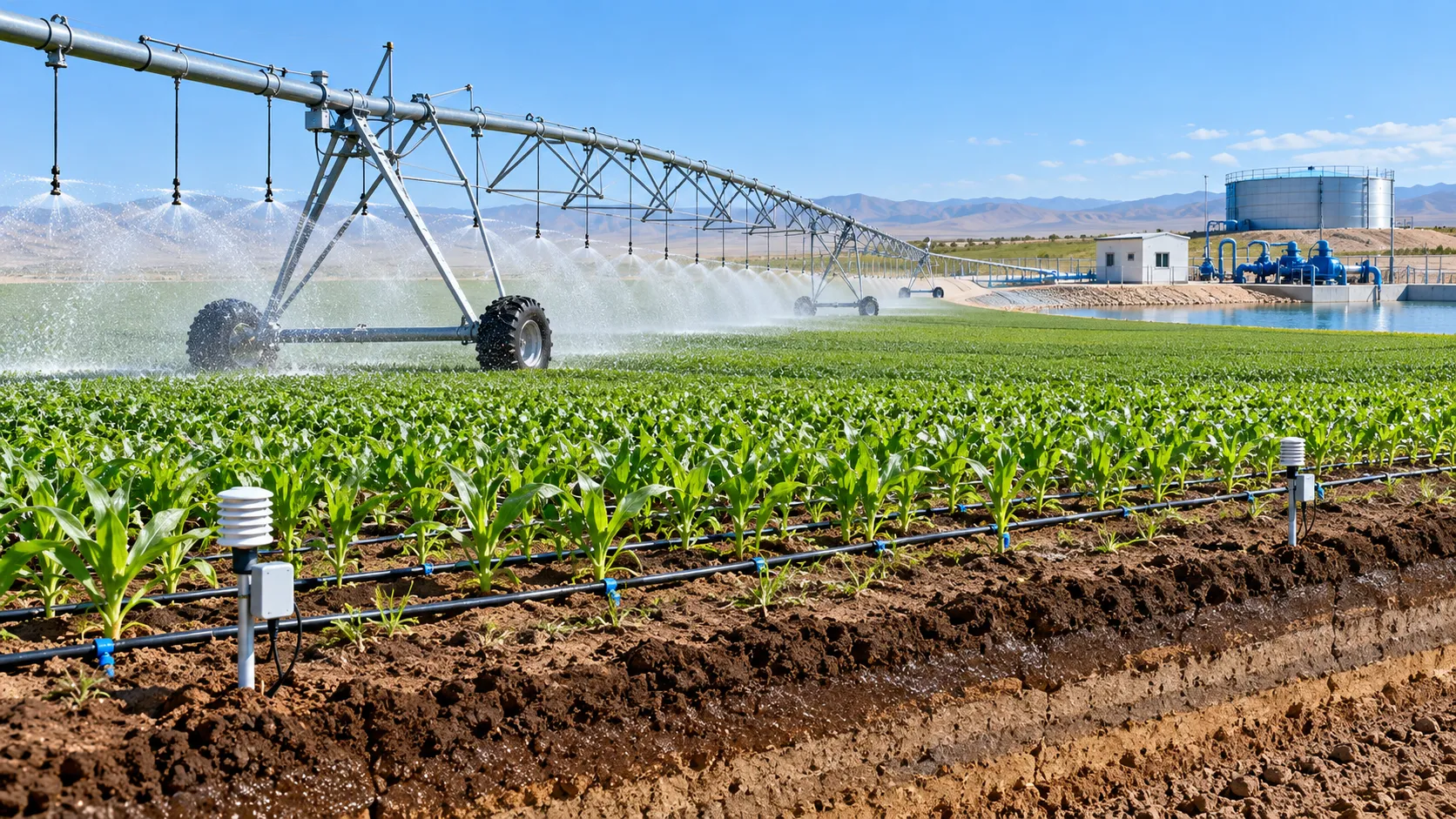
Climate-Smart Farming for Drought: A Practical Plan for Protecting Yields
Climate-smart farming for drought: build smarter water budgets, protect critical crop stages, improve irrigation uniformity, and safeguard yields with practical field-proven strategies.
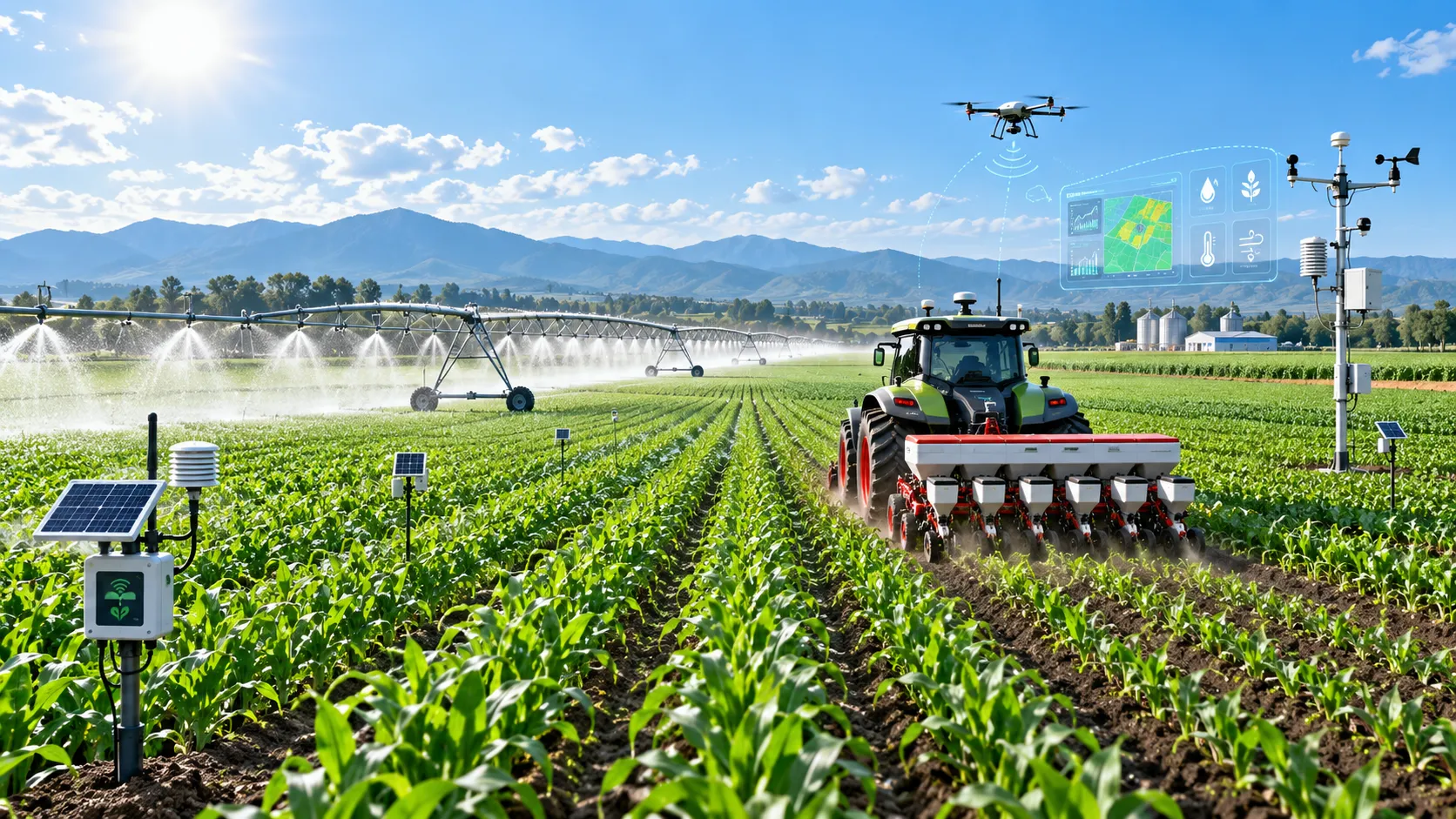
How Digital Agriculture Platforms Turn Field Data Into Better Input Decisions
Digital agriculture platforms turn field data into smarter fertilizer, water, seed, and equipment decisions—helping farms cut risk, improve margins, and scale sustainability.
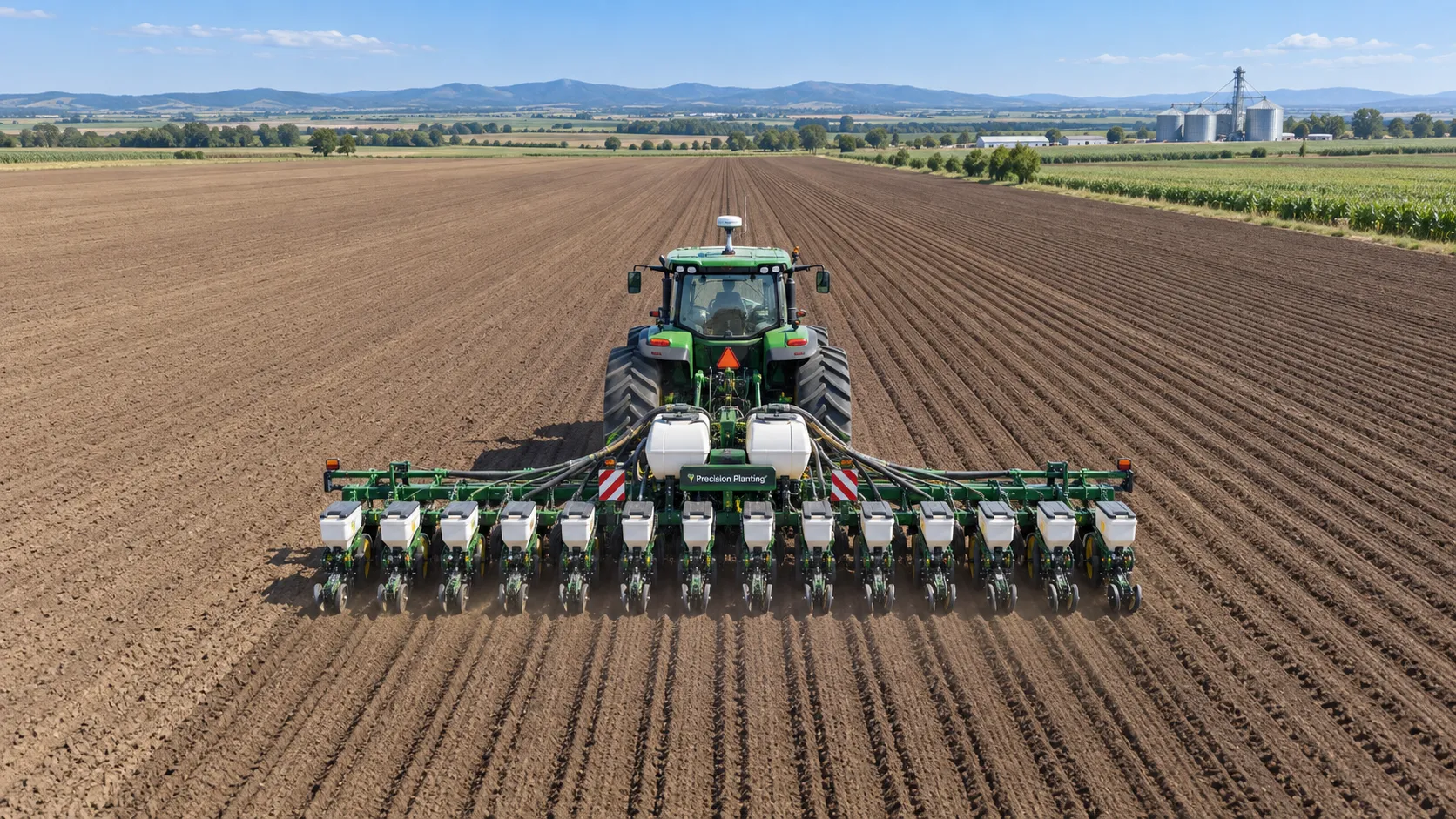
GPS-Guided Farm Machinery: Where It Delivers Measurable Field Efficiency Gains
Agri-mechanization GPS guided systems deliver measurable field efficiency gains through reduced overlap, precise planting, smarter inputs, and reliable farm data.
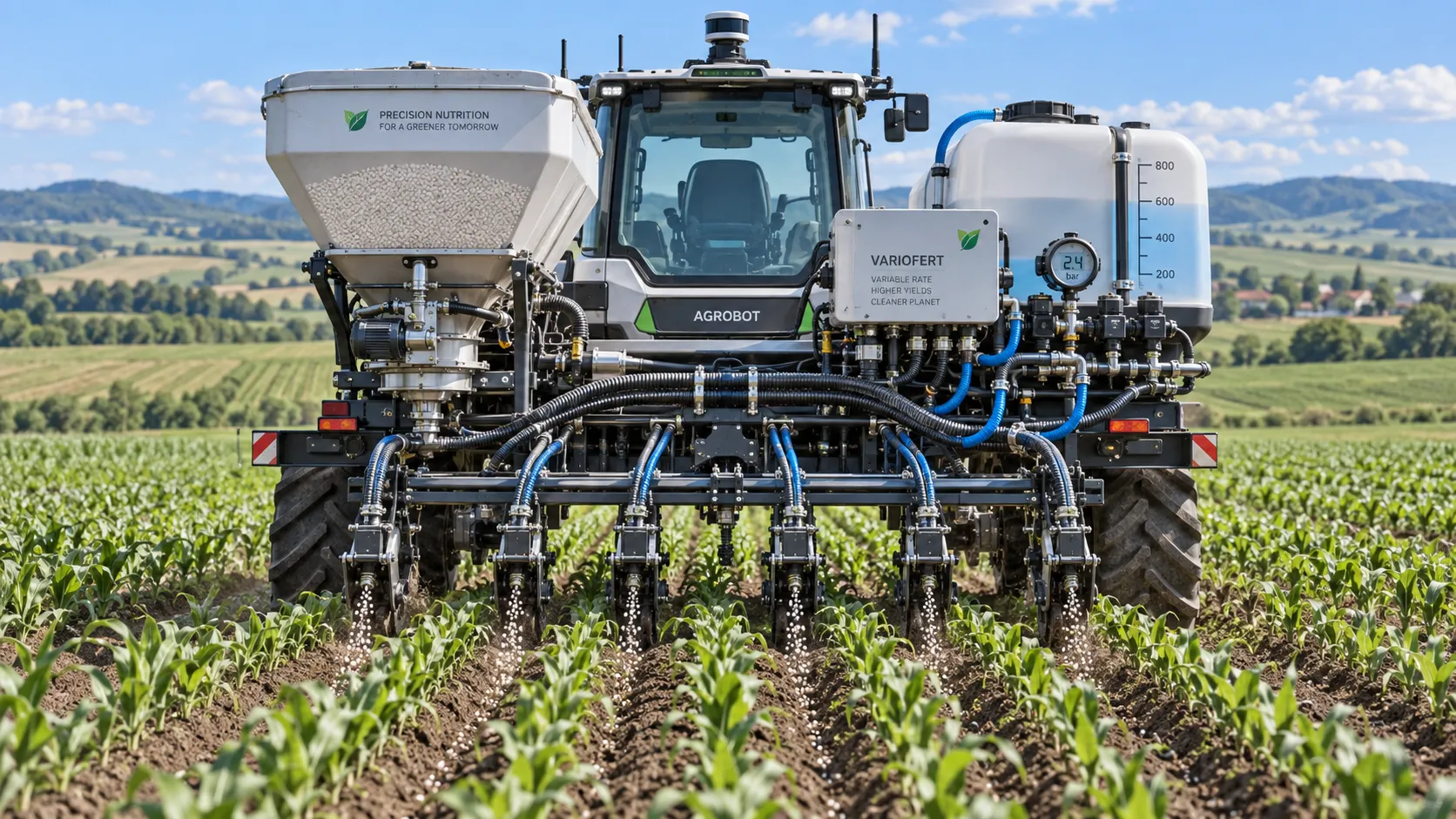
How Sensor Feedback Enables Accurate Variable-Rate Fertilization in Field Conditions
Precision fertilization systems with sensor feedback improve variable-rate accuracy by verifying flow, managing latency, and ensuring reliable field application.
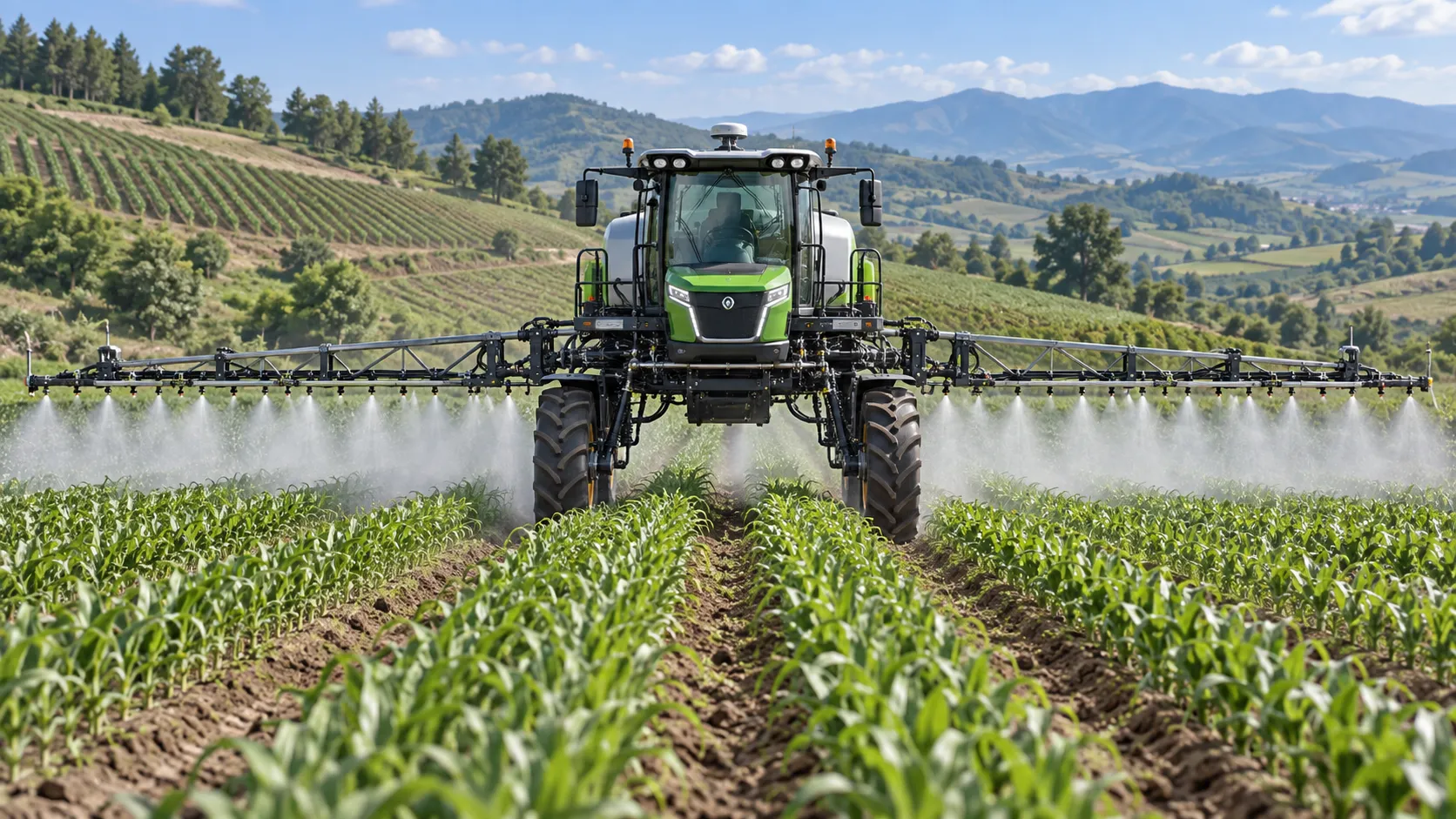
How to Select Precision Crop Protection Equipment for Variable Field Conditions
Precision crop protection equipment selection made simple: compare terrain, canopy, weather, control accuracy, and data workflows for reliable applications.
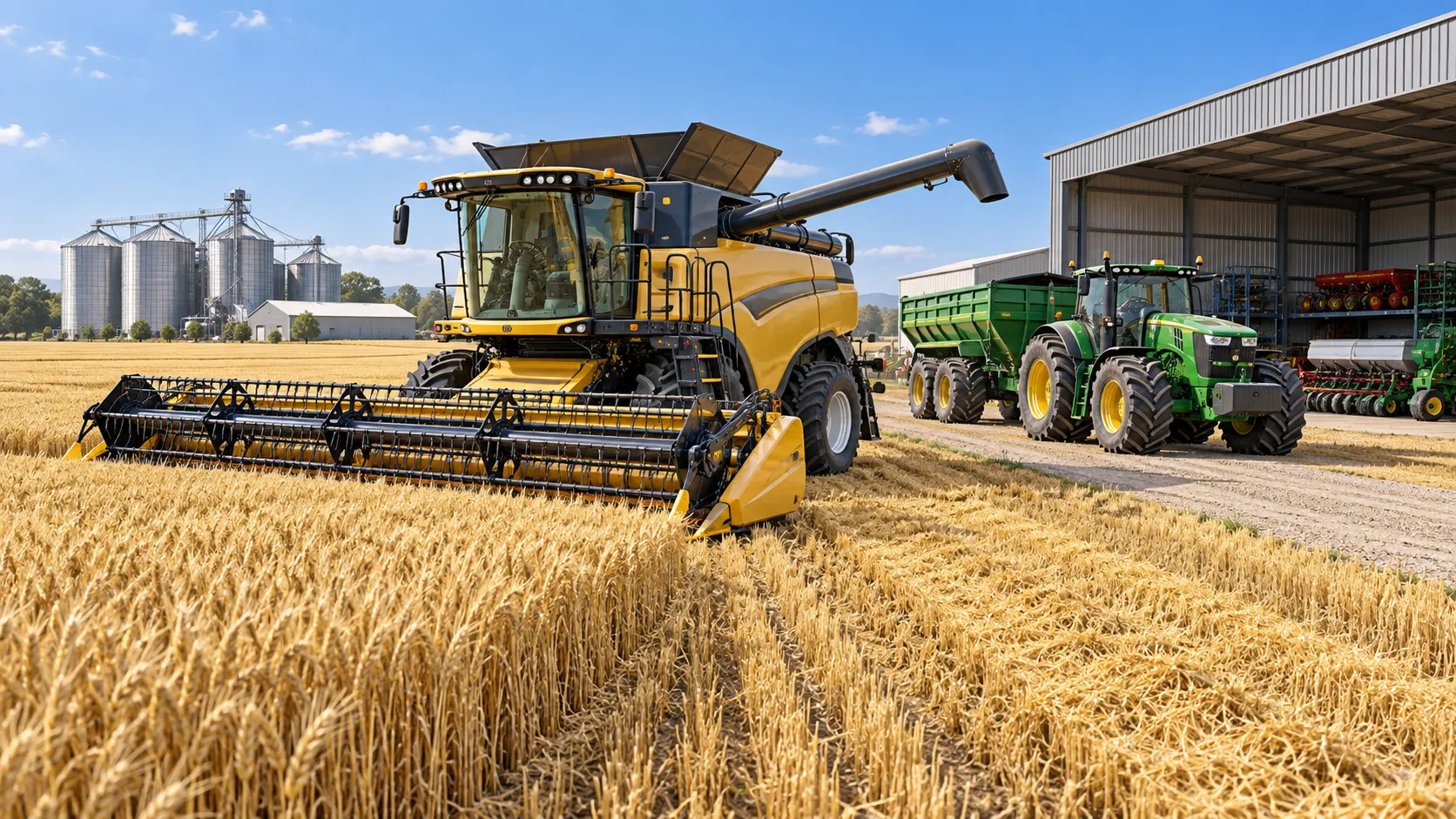
When Does Agricultural Machinery Leasing Cost Less Than Owning Equipment?
Agricultural machinery leasing can lower farm costs when use is seasonal or uncertain. Compare utilization, maintenance, cash flow, and risk to make a smarter equipment decision.
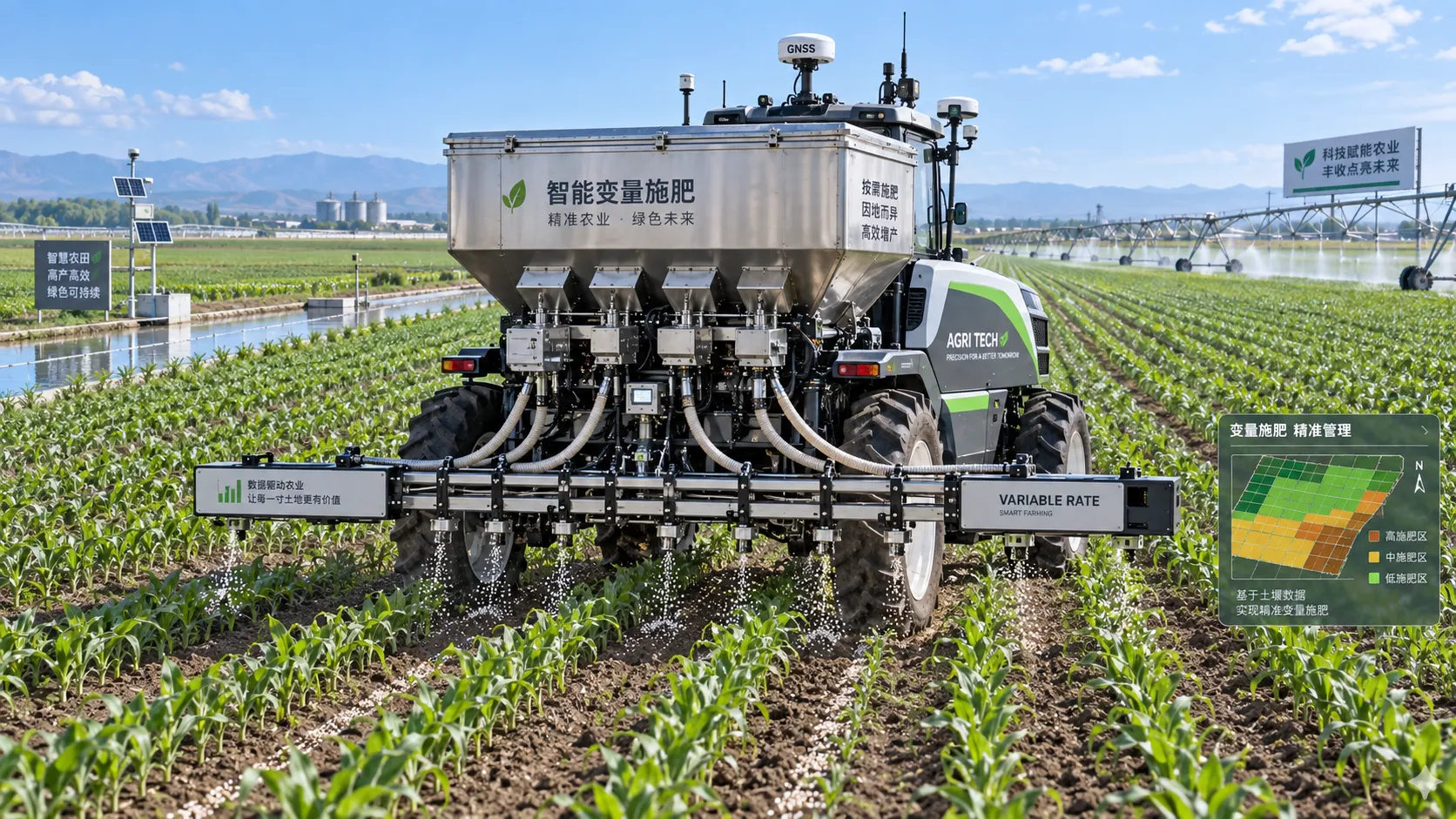
How to Evaluate Precision Fertilization System Suppliers for Farm-Scale Deployment
Precision fertilization systems suppliers: learn how to compare accuracy, integration, uptime, service, and total cost for confident farm-scale deployment.
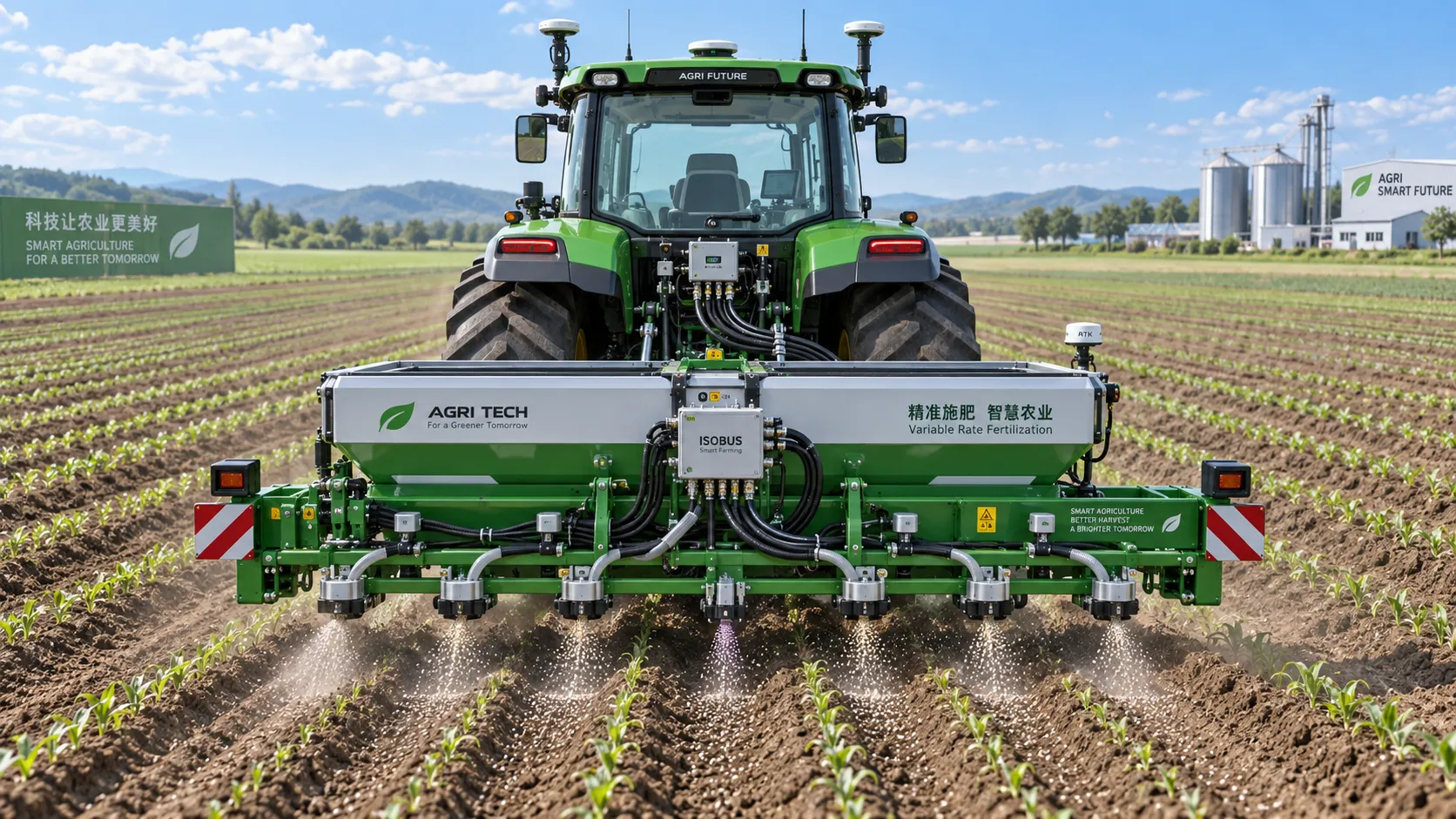
ISOBUS for Smart Agriculture: How It Connects Tractors, Implements, and Farm Data
ISOBUS for smart agriculture connects tractors, implements, terminals, and farm data—helping growers improve precision, documentation, and smarter field decisions.
Related News
- 00
0000-00
How to Select Smart Irrigation Valves for Multi-Zone Water Management? - 00
0000-00
Climate-Smart Farming for Drought: A Practical Plan for Protecting Yields - 00
0000-00
How Digital Agriculture Platforms Turn Field Data Into Better Input Decisions - 00
0000-00
GPS-Guided Farm Machinery: Where It Delivers Measurable Field Efficiency Gains - 00
0000-00
How Sensor Feedback Enables Accurate Variable-Rate Fertilization in Field Conditions
Popular Tags
Industry Global
Weekly Insights
Stay ahead with our curated technology reports delivered every Monday.