
How crop monitoring technology helps catch yield risks early
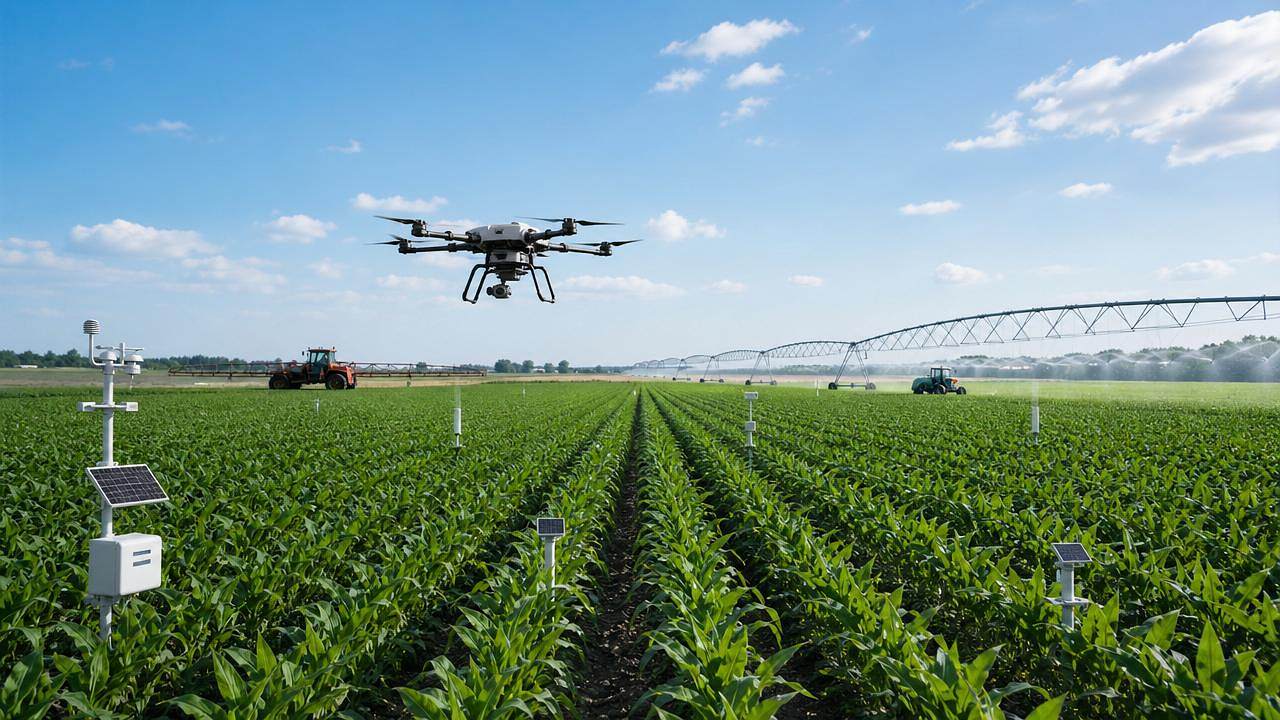




In modern agriculture, crop monitoring technology is no longer a niche digital upgrade. It is one of the most practical ways to detect yield threats early, reduce uncertainty, and support faster operational decisions across increasingly complex farming systems.
For information seekers following Agriculture 4.0, the key takeaway is simple: these tools matter because they turn scattered field signals into earlier action. That means problems can be identified while there is still time to protect yield, quality, and input efficiency.
Whether the risk comes from water stress, nutrient imbalance, pest pressure, disease spread, uneven emergence, or equipment-related field variability, early visibility changes the economics of response. Instead of reacting after losses are visible, farms can intervene while outcomes are still manageable.
That is why crop monitoring technology is drawing attention not only from growers, but also from machinery planners, distributors, agronomy teams, and market analysts. It sits at the intersection of sensors, remote imaging, field operations, and predictive intelligence.
Why early yield-risk detection matters more than ever
Yield risk has always been part of agriculture, but modern production systems are less forgiving of delayed decisions. Larger farm sizes, tighter labor availability, volatile weather, and rising input costs mean that unnoticed problems can scale quickly across many hectares.
In conventional scouting models, risks are often discovered too late. By the time visible symptoms appear across the field, the biological or environmental stress may already have reduced plant potential. The response then becomes damage control rather than performance protection.
Crop monitoring technology helps close that timing gap. It provides repeated, structured observation rather than occasional manual inspection. This continuous visibility is what allows farms to move from “What happened?” to “What is changing now?” and “What should we do next?”
For strategic readers, this is the central value proposition. The technology does not eliminate uncertainty, but it makes uncertainty more measurable. That improves planning for irrigation, fertilization, pest control, harvest scheduling, equipment deployment, and yield forecasting.
What crop monitoring technology actually includes
Many readers hear the term and think only of drones or satellite images. In practice, crop monitoring technology is a broader system of data collection and interpretation that combines several tools, each serving a different role in risk detection.
Satellite imagery is often the widest lens. It helps identify vegetation patterns, canopy stress, growth variability, and field zones that need closer inspection. Its strength is scale, especially for large operations tracking broad changes across multiple fields.
Drones provide more detailed and flexible observation. They can capture high-resolution imagery at specific moments, making them useful when farms need to investigate anomalies, monitor disease spread, or verify irrigation issues that satellites flag but cannot fully explain.
Ground-based sensors add another layer. Soil moisture probes, weather stations, leaf wetness sensors, and nutrient monitoring devices help explain why crop performance is changing. They are critical because images alone show symptoms, while sensors often reveal likely causes.
Machine data also matters. Modern tractors, sprayers, harvesters, and intelligent farm tools generate operational records linked to application rates, travel paths, overlap, compaction, and timing. These records help connect crop variability with management actions or equipment performance.
Finally, analytics platforms bring the pieces together. They transform raw field data into dashboards, alerts, trend lines, and predictive models. Without this interpretation layer, monitoring remains fragmented and difficult to act on at the speed commercial farming requires.
Which yield risks can be detected early
The strongest reason to invest attention in crop monitoring technology is its ability to reveal subtle warning signs before losses become obvious. Different technologies detect different forms of stress, but together they build a practical early-warning framework.
Water stress is one of the clearest use cases. Satellite and drone imagery can show uneven vigor or canopy temperature patterns, while soil moisture sensors indicate whether root zones are drying faster than expected. This helps irrigation teams respond before stress becomes irreversible.
Nutrient imbalance is another common risk. Variable growth patterns, chlorophyll-related signals, and tissue or soil data can indicate underperformance linked to nitrogen, potassium, or micronutrient issues. Early identification supports more targeted corrective applications rather than blanket treatments.
Pest and disease pressure can also emerge in patterns before they become visually widespread. Thermal anomalies, moisture conditions favorable to pathogens, and localized canopy decline may all signal the need for field inspection and intervention in vulnerable zones.
Emergence problems are especially important early in the season. Monitoring tools can reveal poor stand establishment, planter inconsistency, crusting, or waterlogging. Catching these issues early helps agronomy teams assess replant decisions and avoid misreading later-season performance data.
Weather-related stress, including heat, frost, wind damage, and excess rainfall, is another major category. Monitoring platforms can compare expected and actual crop development after extreme events, helping farms estimate potential yield impact sooner and prioritize recovery actions.
Even operational issues can be detected. Non-uniform spraying, blocked irrigation lines, drainage failures, and machinery-induced compaction often leave spatial signatures in the crop. Monitoring makes these patterns visible, allowing managers to investigate underlying system performance, not just plant symptoms.
How the technology turns raw data into useful decisions
Data collection alone does not protect yield. The real value of crop monitoring technology comes from how quickly data can be converted into decisions that are specific, timely, and operationally realistic.
The first step is anomaly detection. A platform identifies a field area behaving differently from baseline expectations, historical patterns, or nearby zones with similar management. This narrows attention and prevents teams from wasting time searching blindly across large acreages.
The second step is verification. Once a stress signal appears, farms use drone passes, field scouting, sensor readings, or machine records to confirm the issue. This matters because not every visual anomaly represents a true economic threat.
The third step is prioritization. Not all risks justify the same response. A minor patch of temporary stress may need only observation, while expanding disease pressure near a sensitive growth stage may require immediate action. Good monitoring systems support this distinction.
The fourth step is intervention planning. This could involve variable-rate irrigation, zone-specific fertilizer correction, targeted crop protection, drainage adjustment, or harvest sequencing. The most effective platforms do not stop at diagnosis; they support management choices.
The fifth step is feedback. After intervention, the same monitoring tools can evaluate whether crop conditions stabilize or continue to decline. This closes the loop and improves future decisions, especially when farms compare outcomes across seasons, hybrids, fields, and equipment setups.
Why large-scale farms and agri-equipment stakeholders pay close attention
On small farms, experienced observation can still catch many problems. On large-scale operations, however, field complexity makes continuous human visibility difficult. That is where crop monitoring technology becomes less of a convenience and more of a management necessity.
Large operations may manage different soil types, planting dates, irrigation zones, and machinery passes across wide geographies. A yield threat can emerge in one area long before it is noticed elsewhere. Digital monitoring helps avoid blind spots created by operational scale.
This is also highly relevant to farm equipment strategy. Intelligent irrigation systems, guidance-enabled tractors, precision applicators, and advanced combine harvesters all perform better when linked with timely field intelligence. Monitoring data gives those machines context for smarter action.
For example, irrigation systems become more efficient when moisture and crop stress signals indicate where water is truly needed. Sprayers become more precise when pressure zones are mapped clearly. Harvest planning improves when crop maturity and lodging risk are tracked ahead of time.
Distributors and equipment investors also benefit from understanding this trend. As growers shift toward integrated decision systems, demand is moving beyond standalone machinery toward connected ecosystems that combine hardware, software, and agronomic analytics.
What information seekers should evaluate before judging value
Readers researching this topic are often not asking whether the technology sounds innovative. They want to know whether it produces reliable insight, fits real farm workflows, and supports measurable decisions rather than generating more digital noise.
The first question is data quality. How often is the data updated? What is the spatial resolution? Can cloud cover disrupt visibility? Are sensors calibrated? Weak data creates false confidence, which can be as harmful as not monitoring at all.
The second question is interpretability. A useful system should not require every user to be a remote-sensing specialist. It should highlight exceptions, explain patterns clearly, and connect observations with likely agronomic or operational causes.
The third question is actionability. If a platform shows stress but does not help users decide what to check, where to go, or how to respond, its value remains limited. Good monitoring supports field operations, not just reporting.
The fourth question is integration. Can the technology connect with irrigation controls, machine telemetry, scouting apps, farm management software, or yield maps? Isolated tools often create fragmented insight and weaker returns.
The fifth question is timing. Some systems are excellent for retrospective analysis but weak for in-season intervention. For early yield-risk detection, the timing of alerts is just as important as the accuracy of diagnosis.
Common limitations and where expectations should stay realistic
Crop monitoring technology is powerful, but it should not be treated as magic. Readers make better decisions when they understand both capability and limitation.
First, the technology often identifies symptoms faster than causes. A low-vigor zone may be linked to moisture deficit, disease, compaction, emergence problems, or nutrient stress. Ground truthing remains essential for correct response.
Second, signal quality can vary by crop stage. Very early growth, dense canopies, and late-season senescence all create interpretation challenges. Models are strongest when they account for crop physiology, local conditions, and management history.
Third, remote visibility does not guarantee intervention feasibility. A farm may detect a problem early but still face limits from labor, weather windows, equipment availability, or input supply. Monitoring improves awareness, not operational capacity by itself.
Fourth, return on value depends on implementation discipline. Farms that collect data without structured follow-up often see weak results. The real gains come when monitoring is embedded in scouting routines, irrigation planning, and agronomic decision protocols.
Finally, not every field requires the same monitoring intensity. High-value crops, water-limited regions, and large mechanized farms may benefit most. In lower-intensity systems, simpler monitoring models may be more practical than full-stack digital investment.
How this fits into the broader Agriculture 4.0 transition
Crop monitoring technology is not an isolated trend. It is part of a larger shift toward intelligent, connected, and resource-efficient farming systems. In Agriculture 4.0, observation, prediction, and mechanized response are increasingly linked.
That connection matters because modern farm performance depends less on one machine or one input in isolation. Value now comes from coordination across planting, irrigation, nutrition, crop protection, and harvest, guided by better real-time intelligence.
For organizations following mechanization, combine harvesting, tractor systems, and water-saving irrigation, this creates a clear strategic pattern. Monitoring is becoming the information layer that helps every downstream asset work more precisely and more profitably.
It also supports sustainability goals. Earlier detection of stress can reduce over-irrigation, unnecessary input use, and avoidable crop loss. In a world shaped by climate volatility and food security pressure, this efficiency is no longer optional background value.
Final assessment: why it matters now
For anyone researching future-ready agriculture, the main conclusion is straightforward: crop monitoring technology helps catch yield risks early because it shortens the time between field change and management response.
Its importance lies not in digital novelty, but in practical decision advantage. When farms can detect stress sooner, verify causes faster, and intervene more precisely, they improve the odds of protecting both output and resource efficiency.
The strongest systems combine remote imagery, field sensors, equipment data, and analytics in a way that supports action, not just observation. That is where the real commercial and agronomic value emerges.
As agriculture becomes more data-driven, large-scale, and climate-sensitive, early warning will increasingly define operational resilience. Crop monitoring technology is therefore best understood not as a gadget category, but as core infrastructure for modern yield-risk management.
Related News
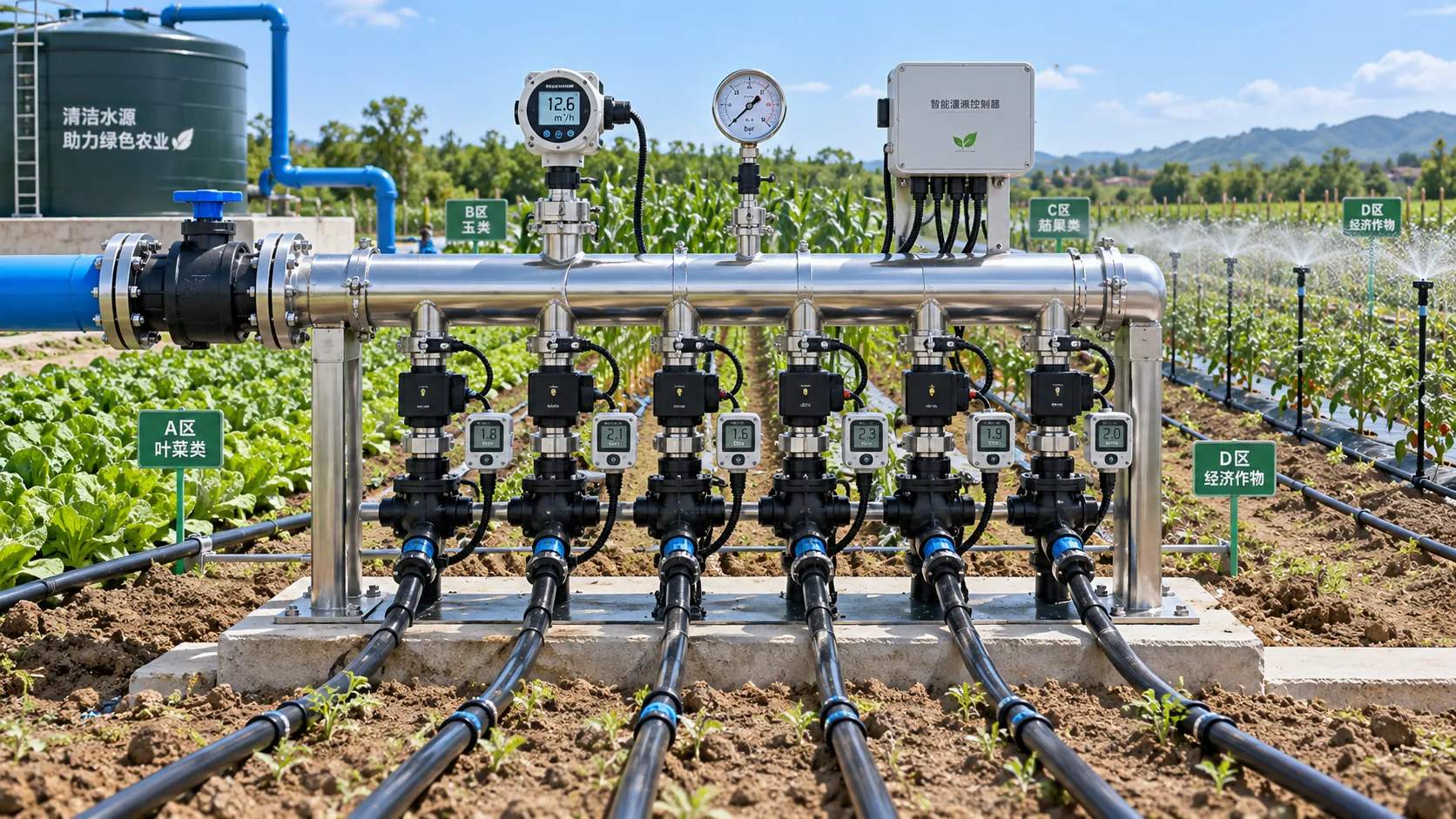
How to Select Smart Irrigation Valves for Multi-Zone Water Management?
Intelligent irrigation systems valves: learn how to match smart valves with multi-zone flow, pressure, control, feedback, and communication needs for reliable water management.
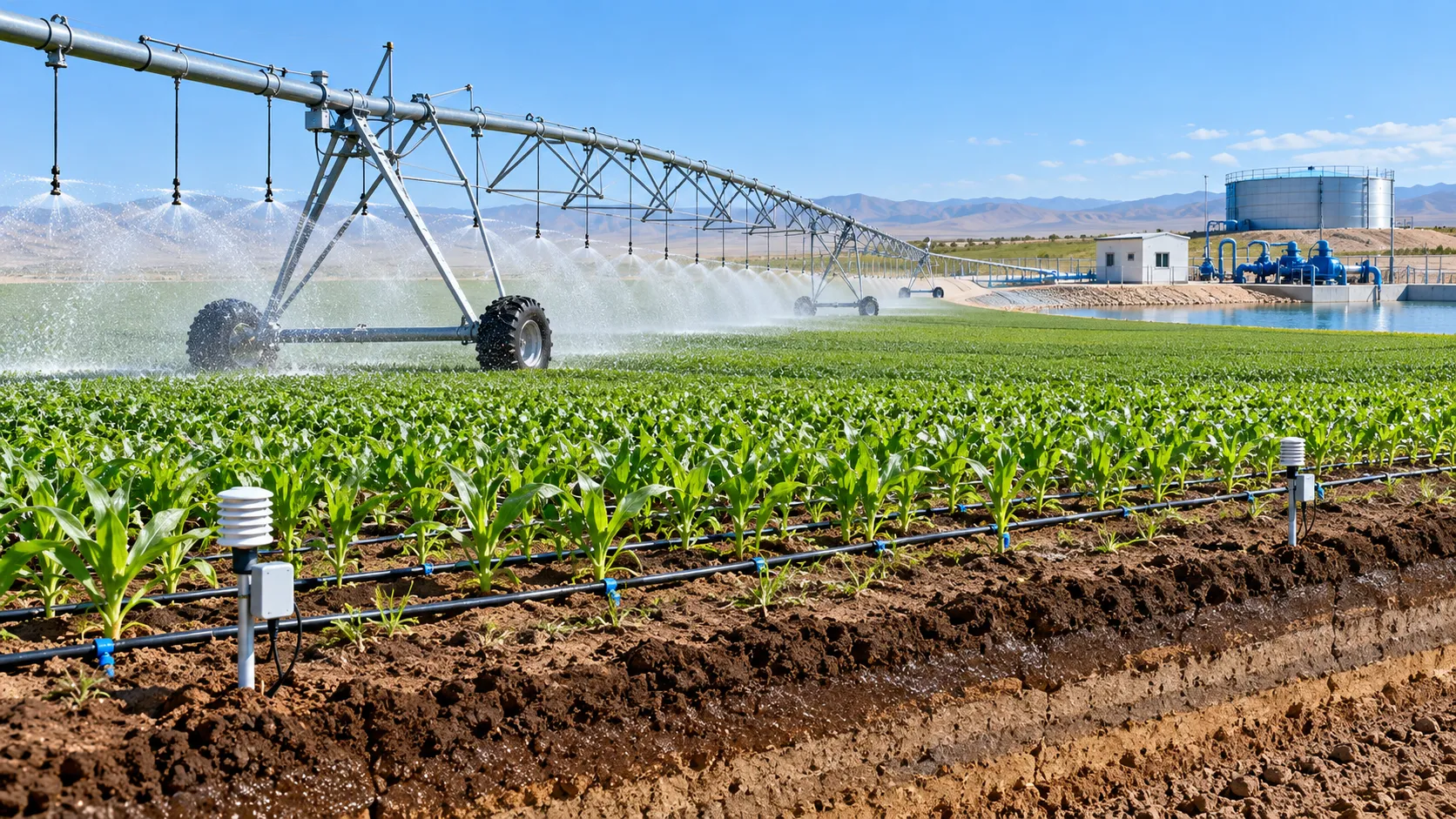
Climate-Smart Farming for Drought: A Practical Plan for Protecting Yields
Climate-smart farming for drought: build smarter water budgets, protect critical crop stages, improve irrigation uniformity, and safeguard yields with practical field-proven strategies.
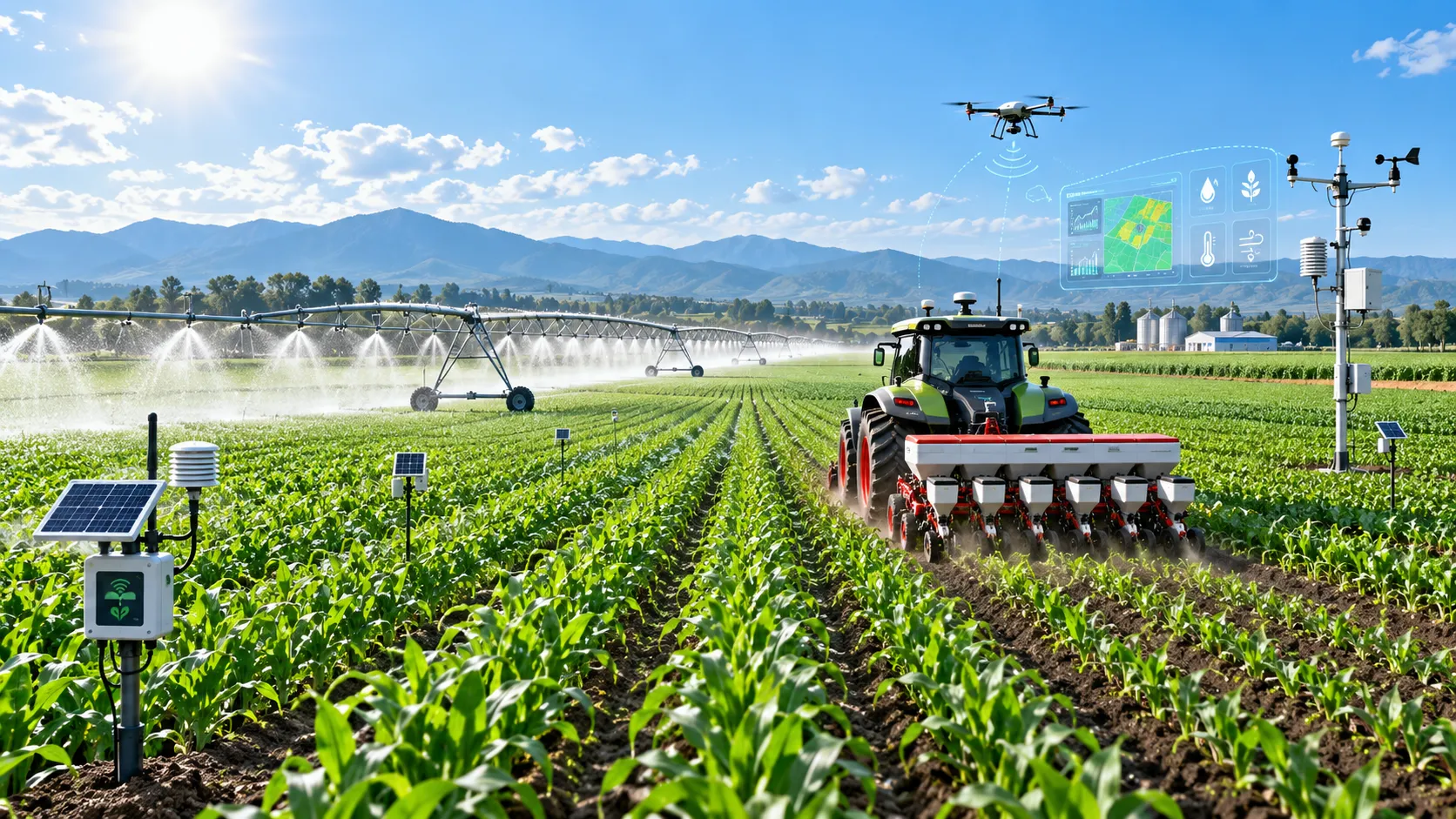
How Digital Agriculture Platforms Turn Field Data Into Better Input Decisions
Digital agriculture platforms turn field data into smarter fertilizer, water, seed, and equipment decisions—helping farms cut risk, improve margins, and scale sustainability.
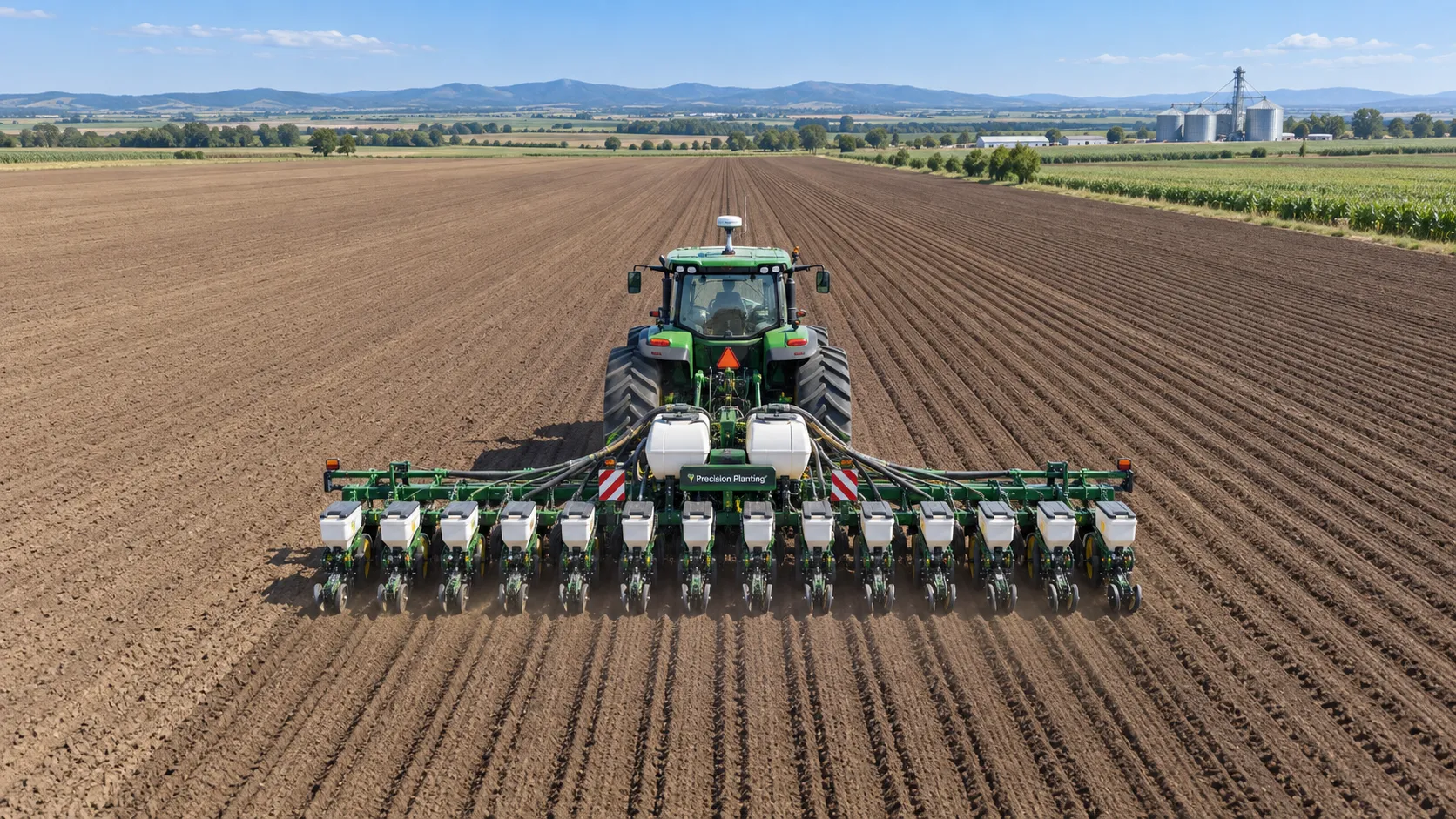
GPS-Guided Farm Machinery: Where It Delivers Measurable Field Efficiency Gains
Agri-mechanization GPS guided systems deliver measurable field efficiency gains through reduced overlap, precise planting, smarter inputs, and reliable farm data.
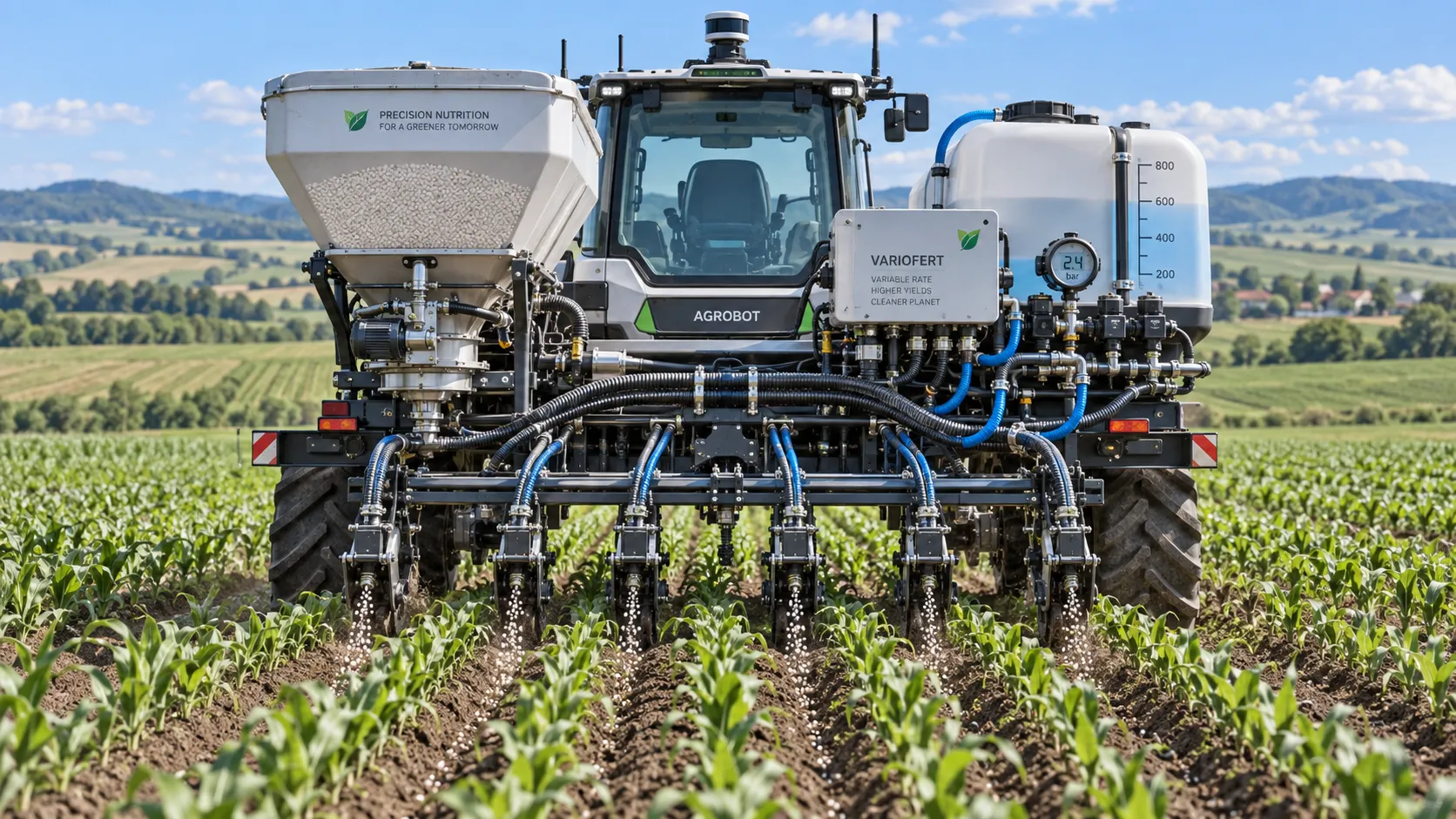
How Sensor Feedback Enables Accurate Variable-Rate Fertilization in Field Conditions
Precision fertilization systems with sensor feedback improve variable-rate accuracy by verifying flow, managing latency, and ensuring reliable field application.
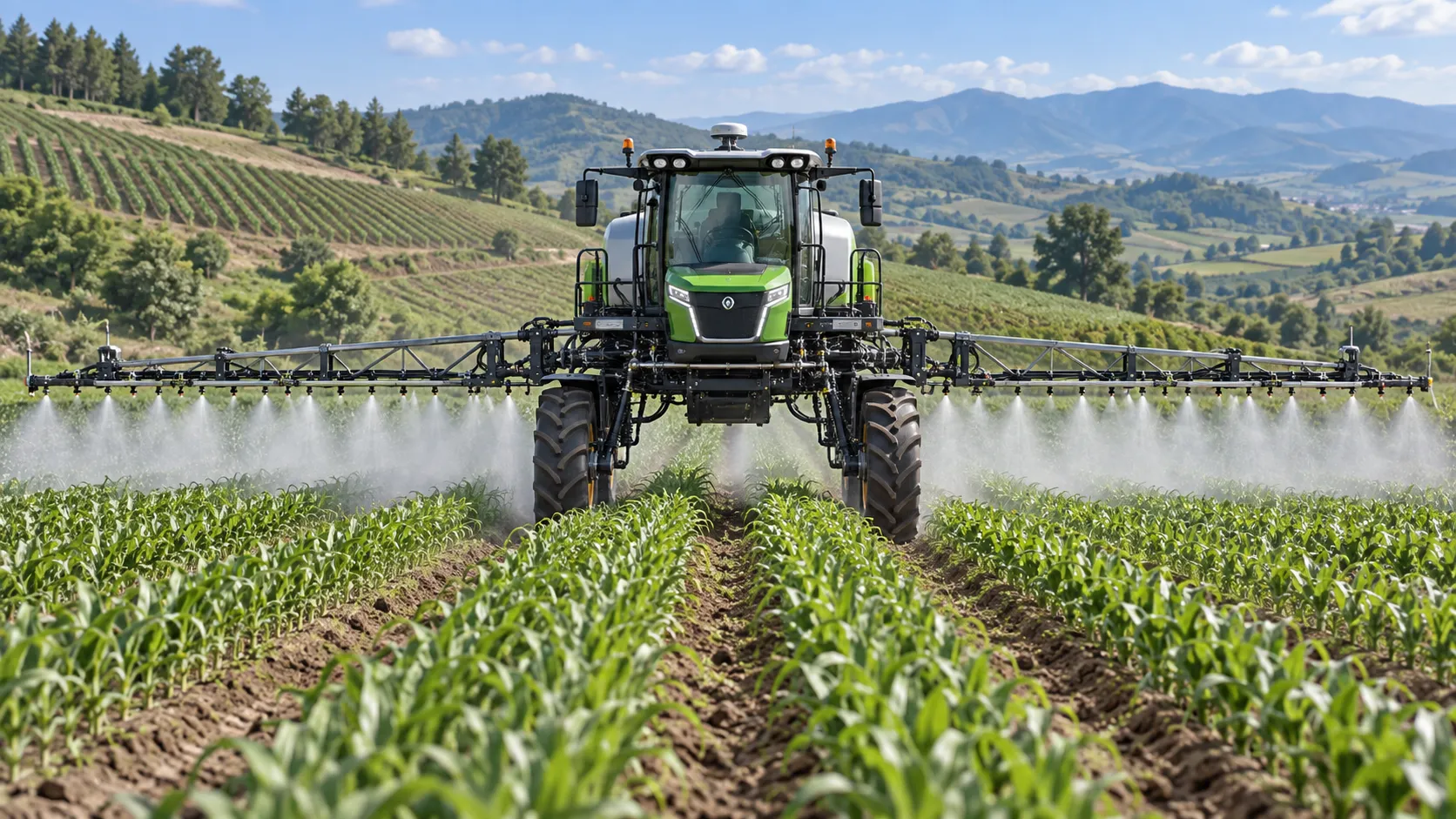
How to Select Precision Crop Protection Equipment for Variable Field Conditions
Precision crop protection equipment selection made simple: compare terrain, canopy, weather, control accuracy, and data workflows for reliable applications.
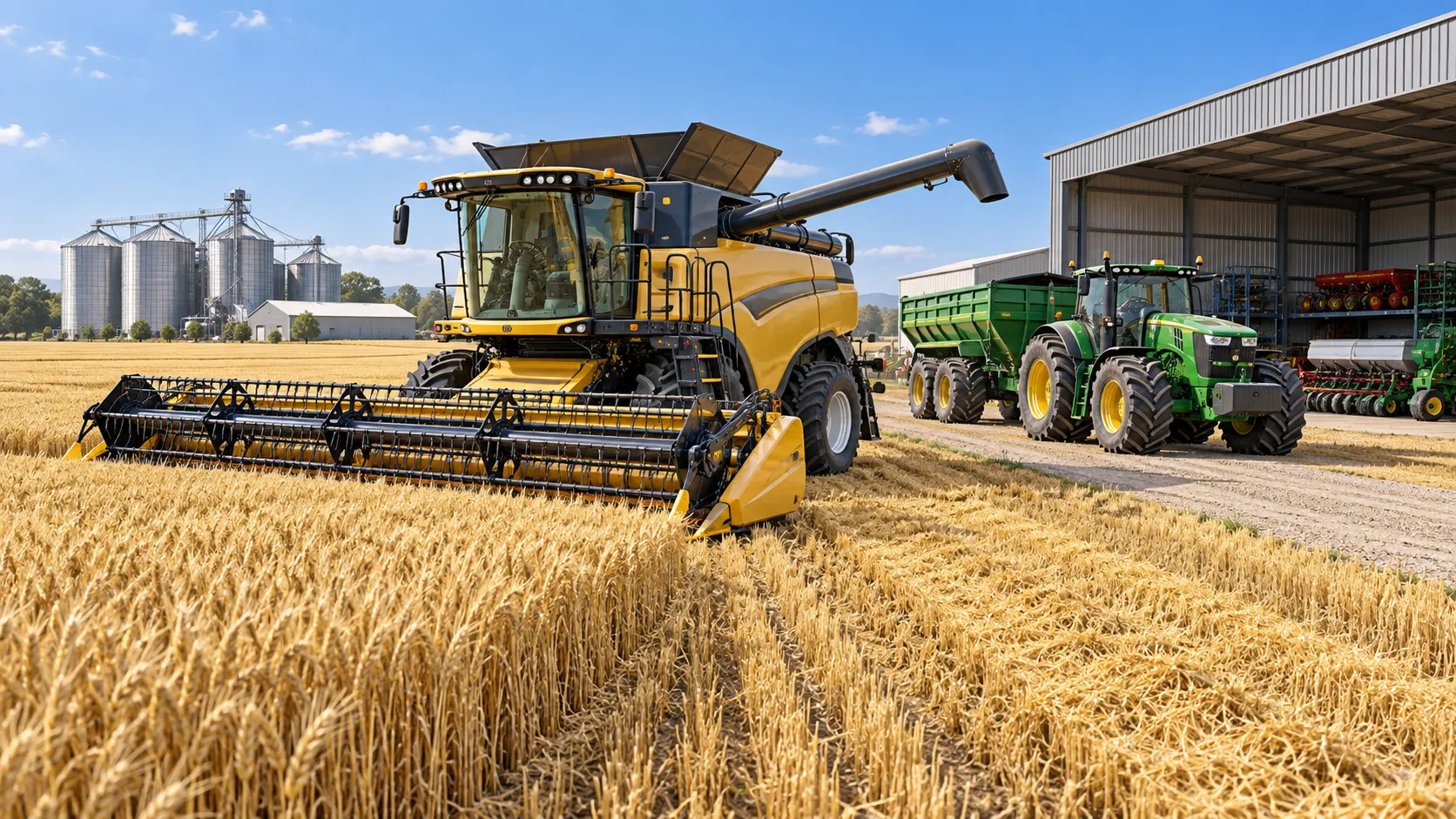
When Does Agricultural Machinery Leasing Cost Less Than Owning Equipment?
Agricultural machinery leasing can lower farm costs when use is seasonal or uncertain. Compare utilization, maintenance, cash flow, and risk to make a smarter equipment decision.
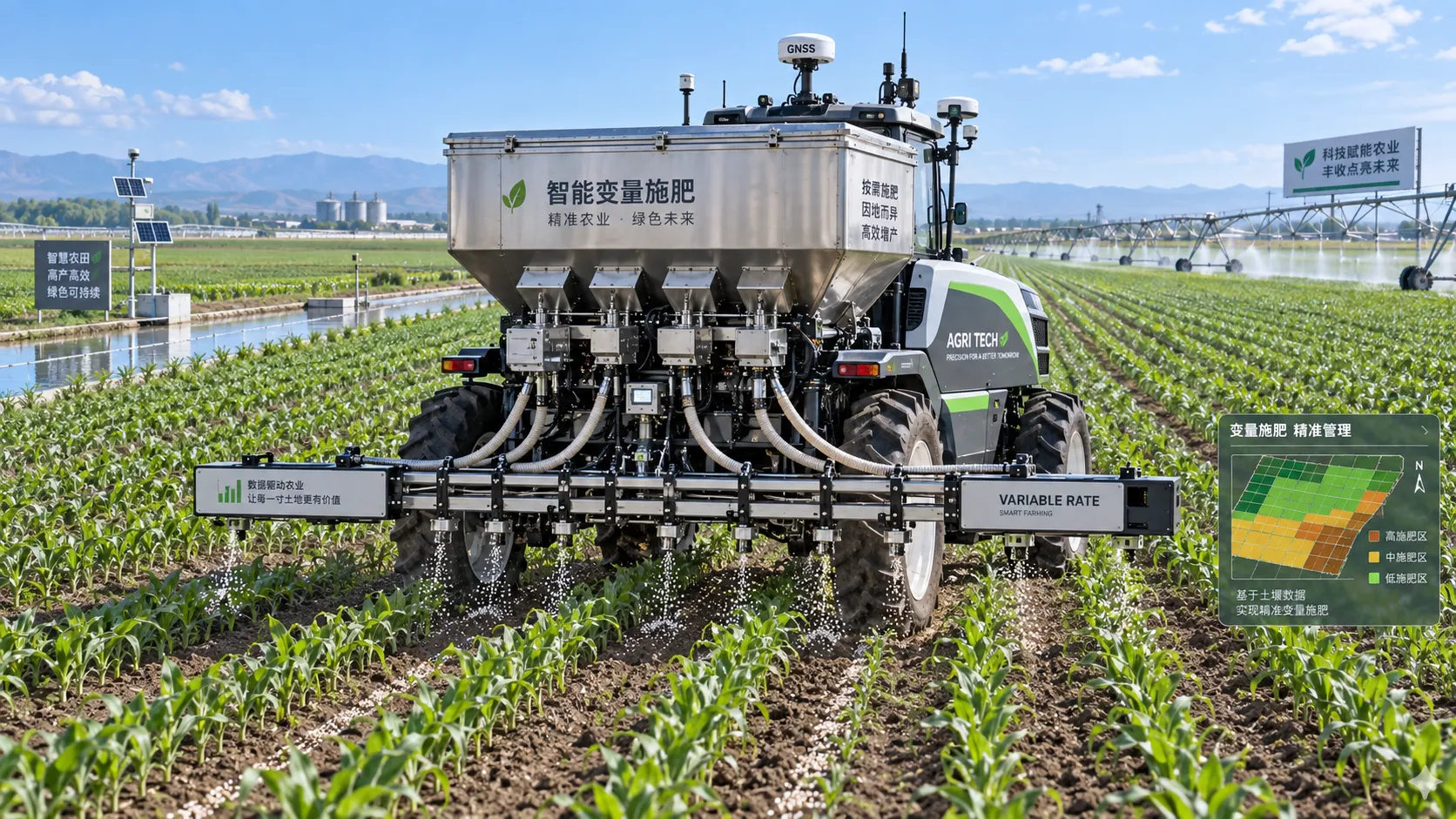
How to Evaluate Precision Fertilization System Suppliers for Farm-Scale Deployment
Precision fertilization systems suppliers: learn how to compare accuracy, integration, uptime, service, and total cost for confident farm-scale deployment.
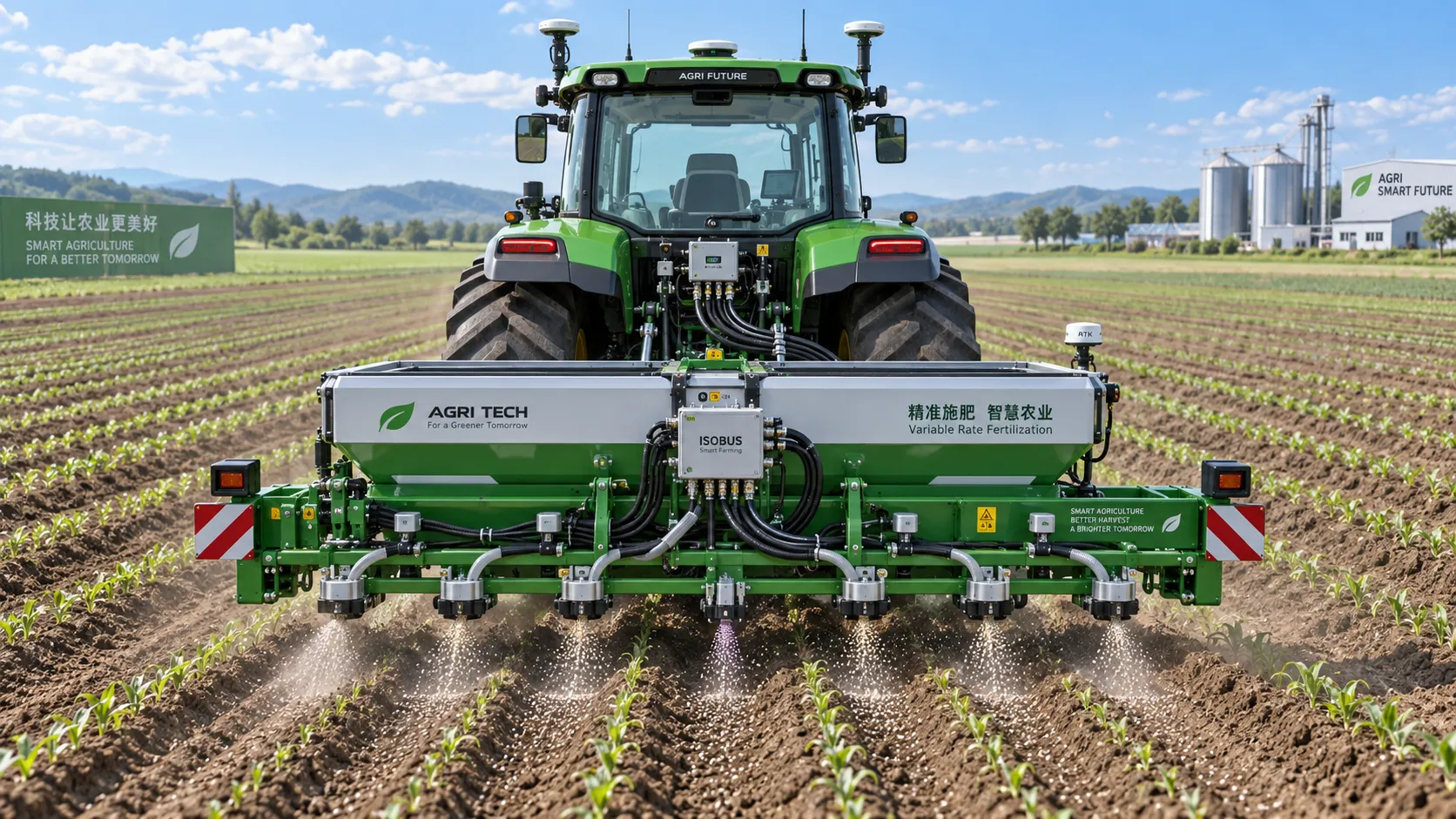
ISOBUS for Smart Agriculture: How It Connects Tractors, Implements, and Farm Data
ISOBUS for smart agriculture connects tractors, implements, terminals, and farm data—helping growers improve precision, documentation, and smarter field decisions.
Related News
- 00
0000-00
How to Select Smart Irrigation Valves for Multi-Zone Water Management? - 00
0000-00
Climate-Smart Farming for Drought: A Practical Plan for Protecting Yields - 00
0000-00
How Digital Agriculture Platforms Turn Field Data Into Better Input Decisions - 00
0000-00
GPS-Guided Farm Machinery: Where It Delivers Measurable Field Efficiency Gains - 00
0000-00
How Sensor Feedback Enables Accurate Variable-Rate Fertilization in Field Conditions
Popular Tags
Industry Global
Weekly Insights
Stay ahead with our curated technology reports delivered every Monday.