
Digital farming solutions can fail without clean field data
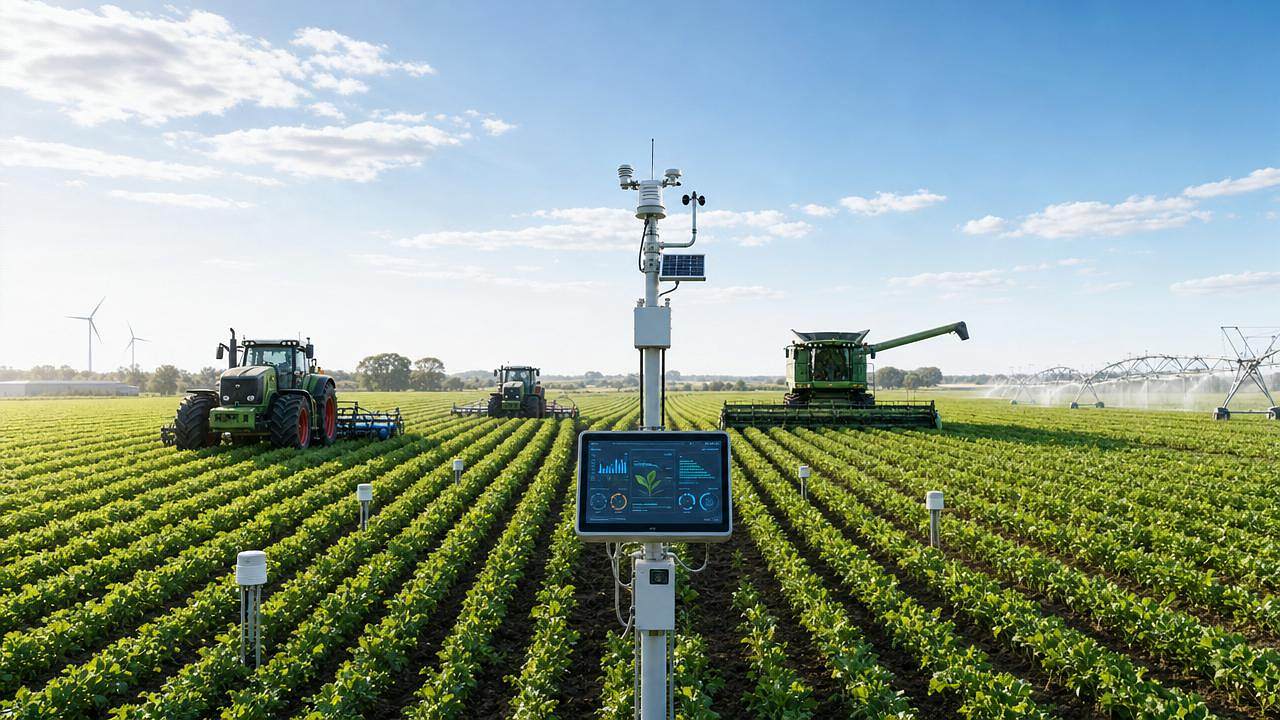




Digital farming solutions can unlock major gains in yield, input efficiency, and machine performance, but they often fail when field data is incomplete, inconsistent, or poorly validated. For technical evaluators, the real challenge is not choosing the most advanced platform, but confirming whether data quality can support reliable decisions across machinery, irrigation, and precision operations.
Why do digital farming solutions break down at the data layer?
In large-scale agriculture, software rarely fails first. The failure usually begins with weak agronomic, mechanical, or environmental inputs. When field boundaries are outdated, sensor calibration drifts, or machine logs are incomplete, digital farming solutions produce outputs that look precise but guide poor decisions.
This issue matters most to technical evaluation teams. They are expected to compare platforms, verify compatibility, control implementation risk, and justify investment. A polished dashboard is not enough. The key question is whether the underlying field data is trustworthy across tractors, combines, irrigation assets, and intelligent farm tools.
AP-Strategy focuses on this exact problem space. Its intelligence coverage connects machinery performance, precision farming algorithms, and water-management logic, helping evaluators judge whether a digital stack can operate under real farm conditions rather than ideal test scenarios.
- Machine data may be present but structurally inconsistent between OEM terminals, telematics units, and retrofit sensors.
- Agronomic layers may be too coarse for prescription tasks, especially where sampling density is low or seasonal variation is strong.
- Irrigation decisions often depend on weather, soil moisture, and evapotranspiration models that are not aligned in time or location.
- Harvest analytics can be distorted when yield monitors, loss sensors, and speed records are not synchronized or validated.
What “clean field data” actually means
Clean field data is not simply data without missing values. For digital farming solutions, it means the data is accurate enough for operational decisions, time-aligned across sources, geospatially correct, and traceable to a known collection method. It also means anomalies can be explained rather than hidden.
For example, a harvester may report acceptable throughput while the cleaning-loss model shows instability. Without synchronized crop moisture, ground speed, header load, and terrain data, the evaluator cannot tell whether the issue is machine setup, crop condition, or sensor noise.
Which data problems most often undermine digital farming solutions?
Technical evaluators need a practical fault map. The table below summarizes common field data failures that directly reduce the value of digital farming solutions in mechanization, harvesting, and irrigation environments.
These issues are rarely isolated. A boundary error can distort machine-area metrics, which then affects fuel-per-hectare analysis, operator benchmarking, and irrigation zoning. Evaluators should therefore assess data chains, not just individual sensors or applications.
Why agriculture is harder than other digital environments
Agriculture combines moving machines, biological variation, weather instability, and long decision cycles. A tractor chassis operating under variable load, a combine crossing mixed-moisture crop zones, and an irrigation block responding to microclimate shifts all generate data that changes faster than many enterprise systems are designed to interpret.
That is why digital farming solutions must be judged against field complexity. AP-Strategy’s cross-domain coverage is valuable here because evaluators cannot separate machine intelligence from agronomic logic or hydrological context when selecting platforms for Agriculture 4.0 operations.
How should technical evaluators assess digital farming solutions before purchase?
A disciplined procurement review should test data readiness first, then software features. Many organizations reverse this order and end up buying capable systems that cannot produce reliable field recommendations under local conditions.
- Map all data sources, including machine terminals, farm management records, soil tests, weather feeds, and irrigation controllers.
- Check data granularity by task. Variable-rate seeding, combine loss analysis, and smart irrigation scheduling do not require the same sampling depth.
- Review interoperability with mixed fleets and legacy devices before scoring analytics modules.
- Ask vendors how anomalies are flagged, corrected, and documented, not just how reports are displayed.
- Run a pilot on one field or one operational block with known historical records to compare output quality.
The following selection table helps technical evaluators compare digital farming solutions from a field-data perspective rather than a software-marketing perspective.
A strong platform should show where uncertainty exists. If digital farming solutions always produce firm prescriptions regardless of data quality, the risk shifts from software usability to operational liability.
Questions evaluators should ask vendors
- How does the system handle missing telemetry during harvest or irrigation events?
- Can operators trace a recommendation back to its source layers and timestamps?
- What is the calibration process for yield monitors, moisture sensors, and flow meters?
- Which open interfaces or common agricultural data standards are supported?
- How are mixed fleets and legacy irrigation controllers integrated without losing resolution?
What does clean data look like in key farm scenarios?
Combine harvesting and loss analysis
In combine operations, digital farming solutions often promise better throughput, lower losses, and stronger post-harvest analytics. But if crop moisture, forward speed, rotor load, and cleaning-loss readings are not aligned, the recommendations may misdiagnose the source of grain loss.
Evaluators should verify whether the platform can distinguish machine settings from crop-condition effects. AP-Strategy’s focus on harvester cleaning-loss feedback and performance benchmarking is useful because it frames software evaluation around operational physics, not only interface design.
Tractor chassis performance and field execution
For heavy-duty field work, the quality of chassis and hydraulic data affects traction analysis, fuel productivity, and implement stability. If wheel slip, hydraulic pressure, engine load, and geolocation records are sampled at different intervals, digital farming solutions can misinterpret field efficiency.
This matters when comparing autonomous guidance support, route optimization, or prescription execution. A system may seem to reduce passes on paper while actually ignoring missed strips or inefficient turning patterns caused by incomplete machine telemetry.
Intelligent irrigation and water-saving networks
Irrigation is a high-risk area for poor data assumptions. Soil moisture probes may represent only limited points, weather stations may sit too far from the field, and evapotranspiration models may not capture canopy-stage variation. As a result, digital farming solutions can trigger over-irrigation or delayed watering.
AP-Strategy’s attention to transpiration prediction and smart water networks aligns with the needs of technical evaluators who must judge whether irrigation intelligence is robust enough for climate variability, water constraints, and infrastructure limitations.
How to reduce implementation risk after selecting digital farming solutions
Selection is only half the job. Many projects fail during rollout because the implementation plan assumes that field teams, machine operators, and irrigation managers already follow standardized data practices. In reality, collection habits are often fragmented.
- Create a field-data governance checklist covering calibration, naming conventions, time synchronization, and geospatial updates.
- Assign ownership for each data stream so errors do not sit between agronomy, machinery, and IT teams.
- Pilot one operational season before full deployment, especially for mixed machinery and irrigation estates.
- Define acceptable confidence thresholds for recommendations instead of treating every output as equally actionable.
When implementation is staged this way, digital farming solutions become measurable operational systems rather than expensive reporting layers. Evaluators can then separate platform limitations from poor field discipline.
Common misconceptions about digital farming solutions
“More data automatically means better decisions”
High data volume does not equal high decision quality. If collection rules differ by field, machine, or season, extra data only increases processing noise. Technical evaluators should prefer validated and traceable datasets over broad but unstable data lakes.
“A single platform can normalize every farm instantly”
Mixed fleets, regional farming practices, and irrigation infrastructure diversity make instant normalization unrealistic. Good digital farming solutions reduce complexity over time, but they still depend on careful configuration and operational discipline.
“If dashboards look detailed, the field model must be accurate”
Visualization quality can hide agronomic or mechanical uncertainty. Evaluators should inspect input assumptions, update frequencies, and exception handling before trusting any polished analytics layer.
FAQ for technical evaluators reviewing digital farming solutions
How do I know whether digital farming solutions are suitable for a mixed machinery fleet?
Start with compatibility mapping, not feature scoring. Check file formats, telematics interfaces, task-data exchange, and support for older terminals or retrofit devices. If integration depends on repeated manual transformation, long-term operating cost will rise and data reliability will fall.
What should I prioritize first: analytics features or field-data validation?
Field-data validation should come first. Advanced analytics built on low-confidence inputs create faster errors, not better management. A platform with moderate analytics and strong validation often delivers more practical value than a feature-rich system with weak data controls.
Are digital farming solutions only useful for very large enterprises?
No, but the deployment model should match operational complexity. Large farms benefit from cross-machine orchestration and zone-based irrigation intelligence. Smaller or regional operators may gain more from focused modules, such as harvest analytics or irrigation scheduling, if the data foundation is well maintained.
What compliance or standards topics should evaluators watch?
Look for practical alignment with common agricultural data exchange practices, sensor maintenance procedures, data traceability, and documentation discipline. Where irrigation or machinery automation is involved, safety procedures, communication reliability, and record retention also deserve attention.
Why choose us for intelligence on digital farming solutions?
AP-Strategy supports technical evaluators who need more than product brochures. Our value lies in connecting large-scale agri-machinery, combine harvesting technology, tractor chassis performance, intelligent farm tools, and water-saving irrigation systems into one decision framework.
If you are reviewing digital farming solutions, we can help you assess data-readiness risks, compare operational fit across machinery and irrigation scenarios, and refine evaluation criteria before procurement commitments are made. This is especially useful when your team must balance budget discipline, integration complexity, delivery timing, and long-cycle asset planning.
- Consult on parameter confirmation for harvesting, chassis telemetry, and irrigation data requirements.
- Discuss platform selection logic for mixed fleets, intelligent farm tools, and phased digital deployment.
- Review delivery-cycle considerations for pilots, integrations, and seasonal implementation windows.
- Clarify certification, documentation, and operational compliance expectations where relevant.
- Open structured discussions on customized solution planning and quotation alignment for long-term programs.
When digital farming solutions are evaluated through the lens of clean field data, procurement becomes more defensible and implementation becomes more predictable. If your next decision involves machine intelligence, irrigation control, or precision task execution, AP-Strategy can help you test the data assumptions before they become operating risks.
Related News
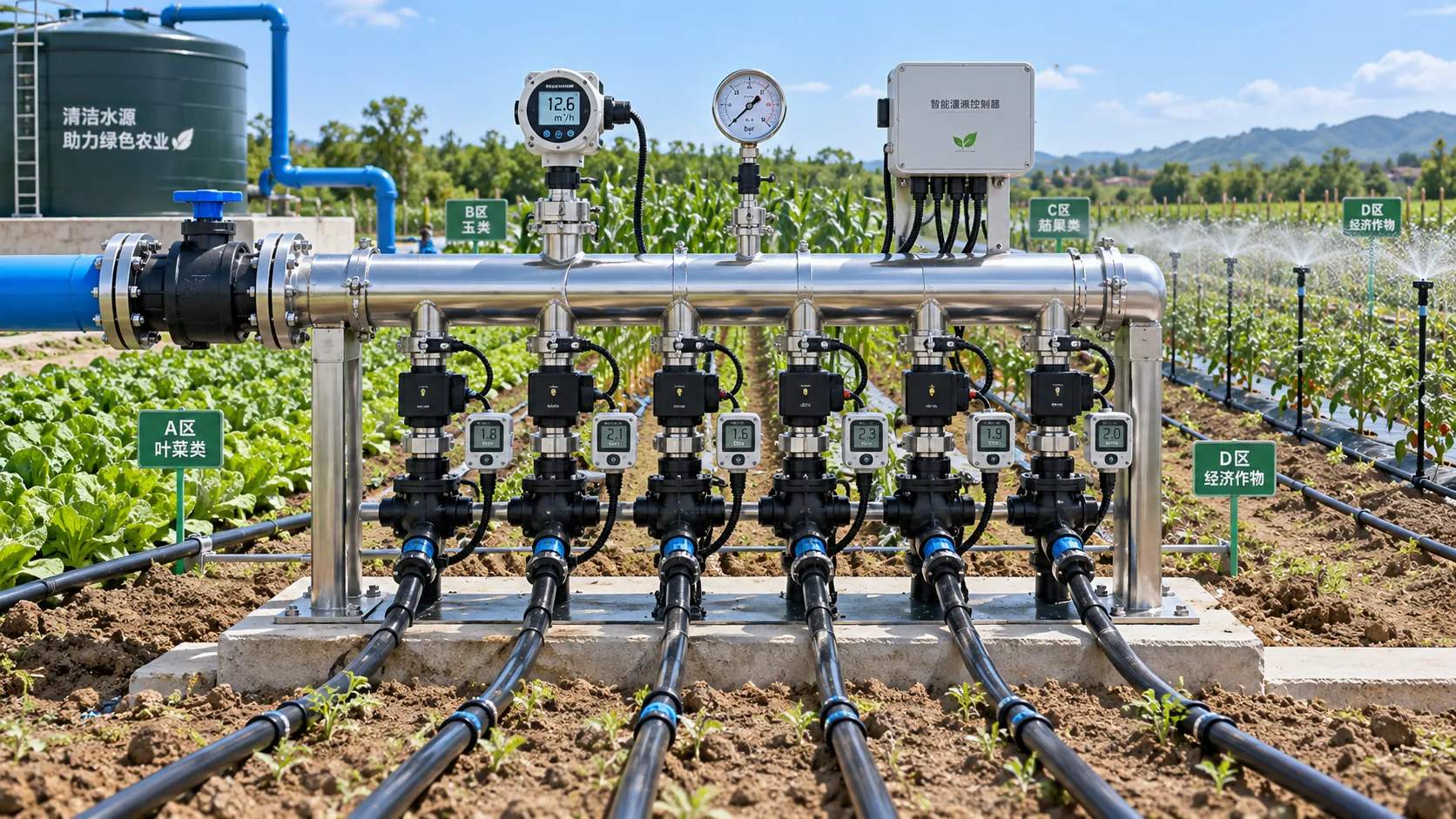
How to Select Smart Irrigation Valves for Multi-Zone Water Management?
Intelligent irrigation systems valves: learn how to match smart valves with multi-zone flow, pressure, control, feedback, and communication needs for reliable water management.
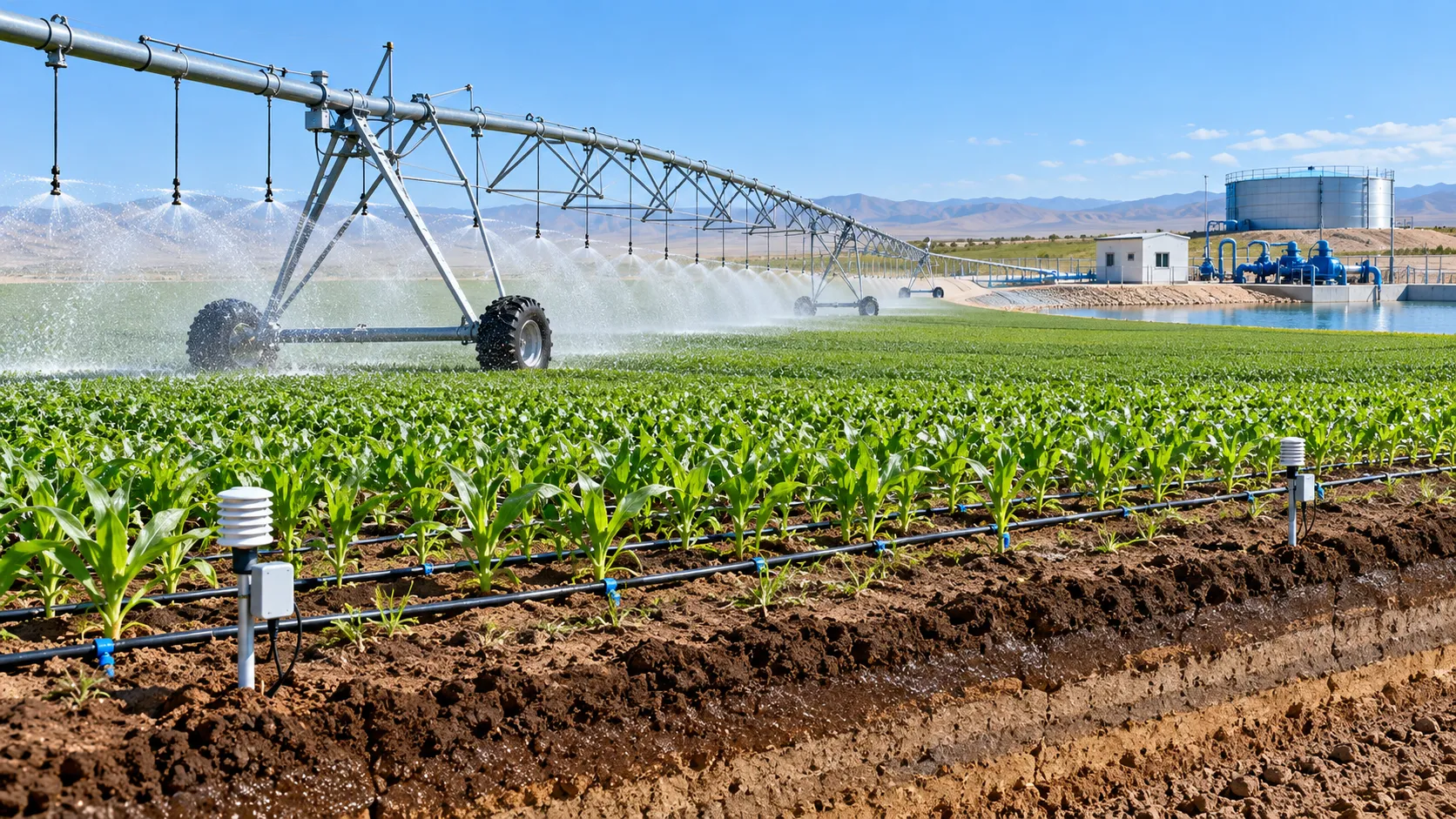
Climate-Smart Farming for Drought: A Practical Plan for Protecting Yields
Climate-smart farming for drought: build smarter water budgets, protect critical crop stages, improve irrigation uniformity, and safeguard yields with practical field-proven strategies.
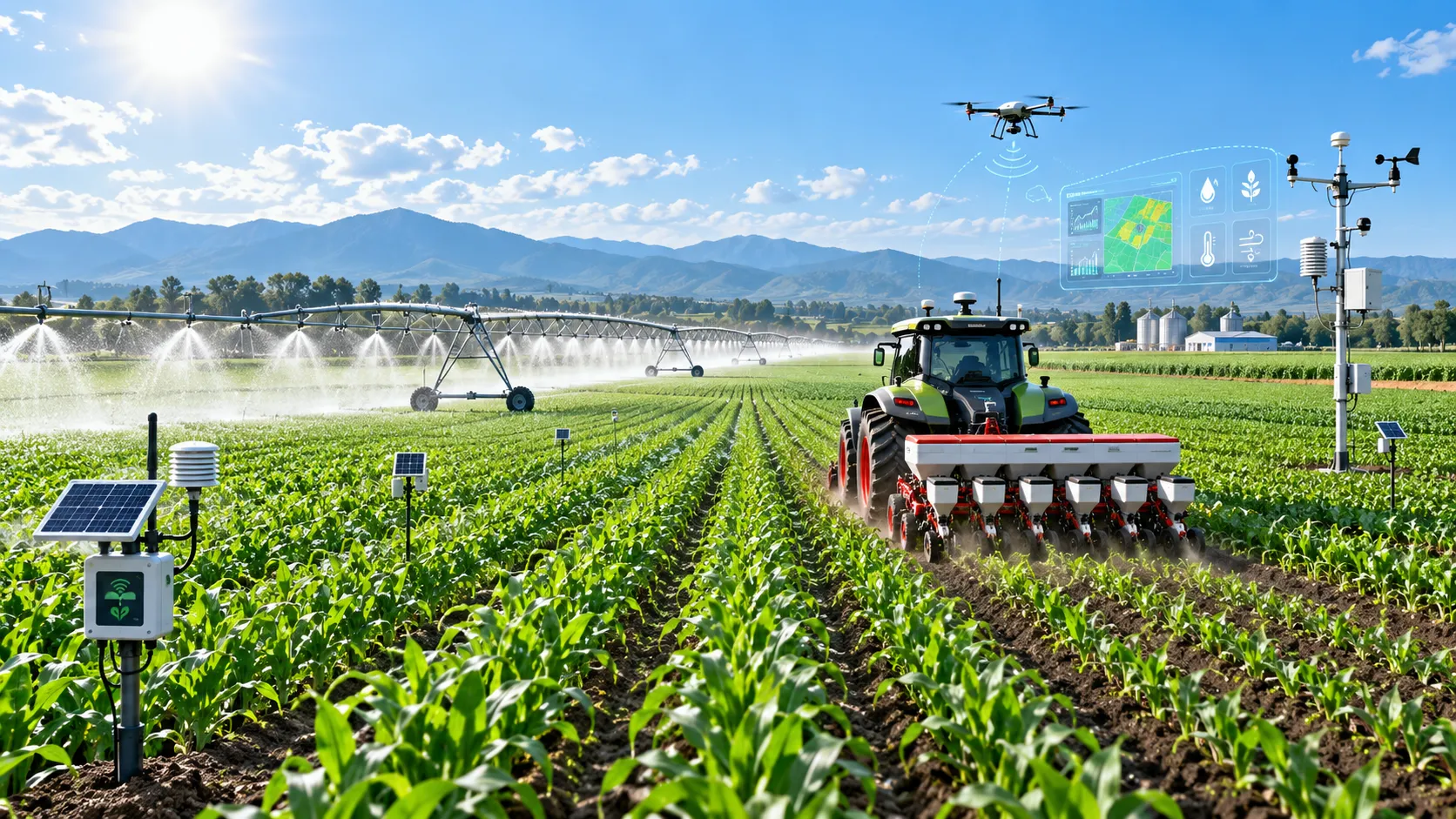
How Digital Agriculture Platforms Turn Field Data Into Better Input Decisions
Digital agriculture platforms turn field data into smarter fertilizer, water, seed, and equipment decisions—helping farms cut risk, improve margins, and scale sustainability.
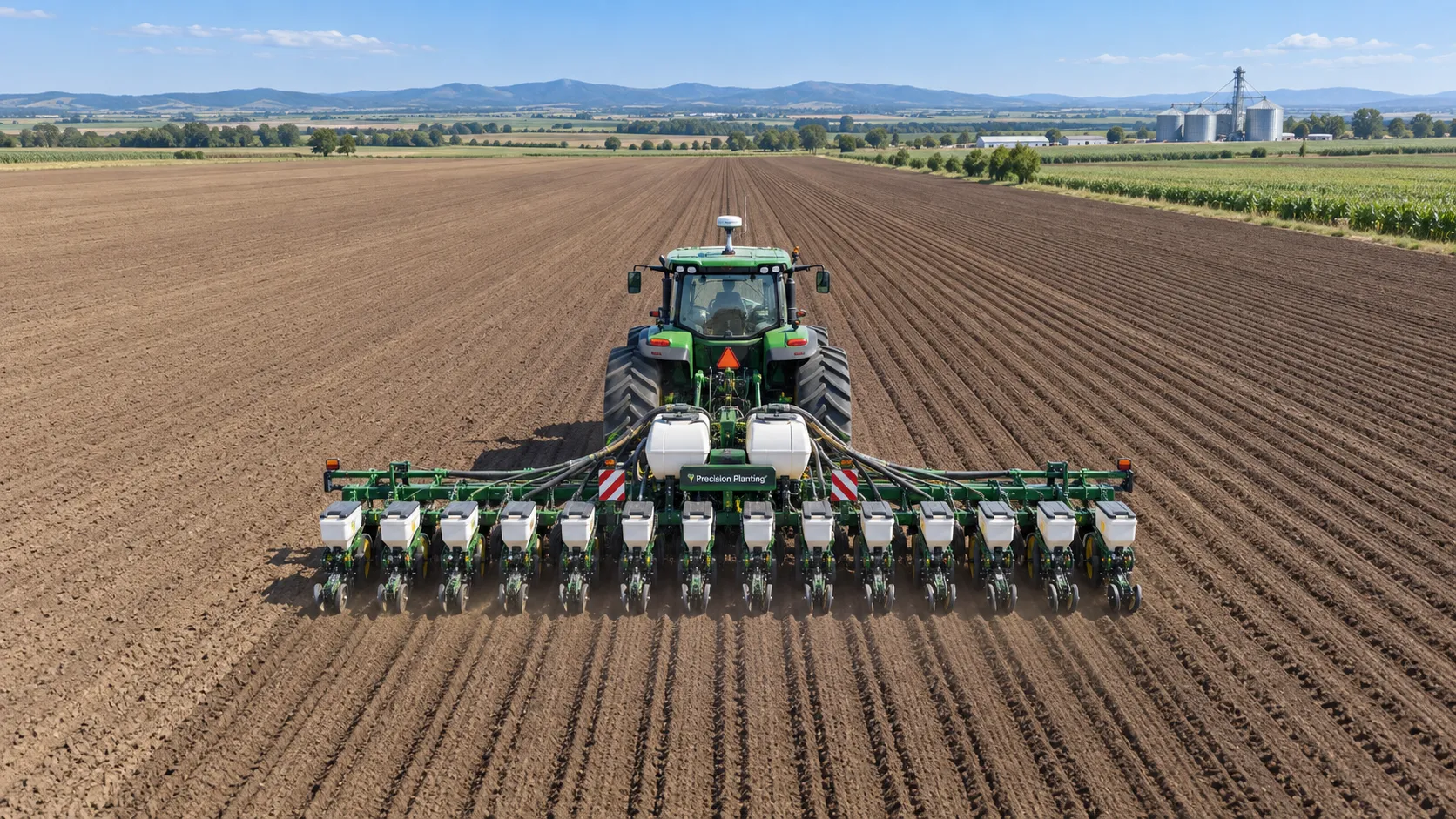
GPS-Guided Farm Machinery: Where It Delivers Measurable Field Efficiency Gains
Agri-mechanization GPS guided systems deliver measurable field efficiency gains through reduced overlap, precise planting, smarter inputs, and reliable farm data.
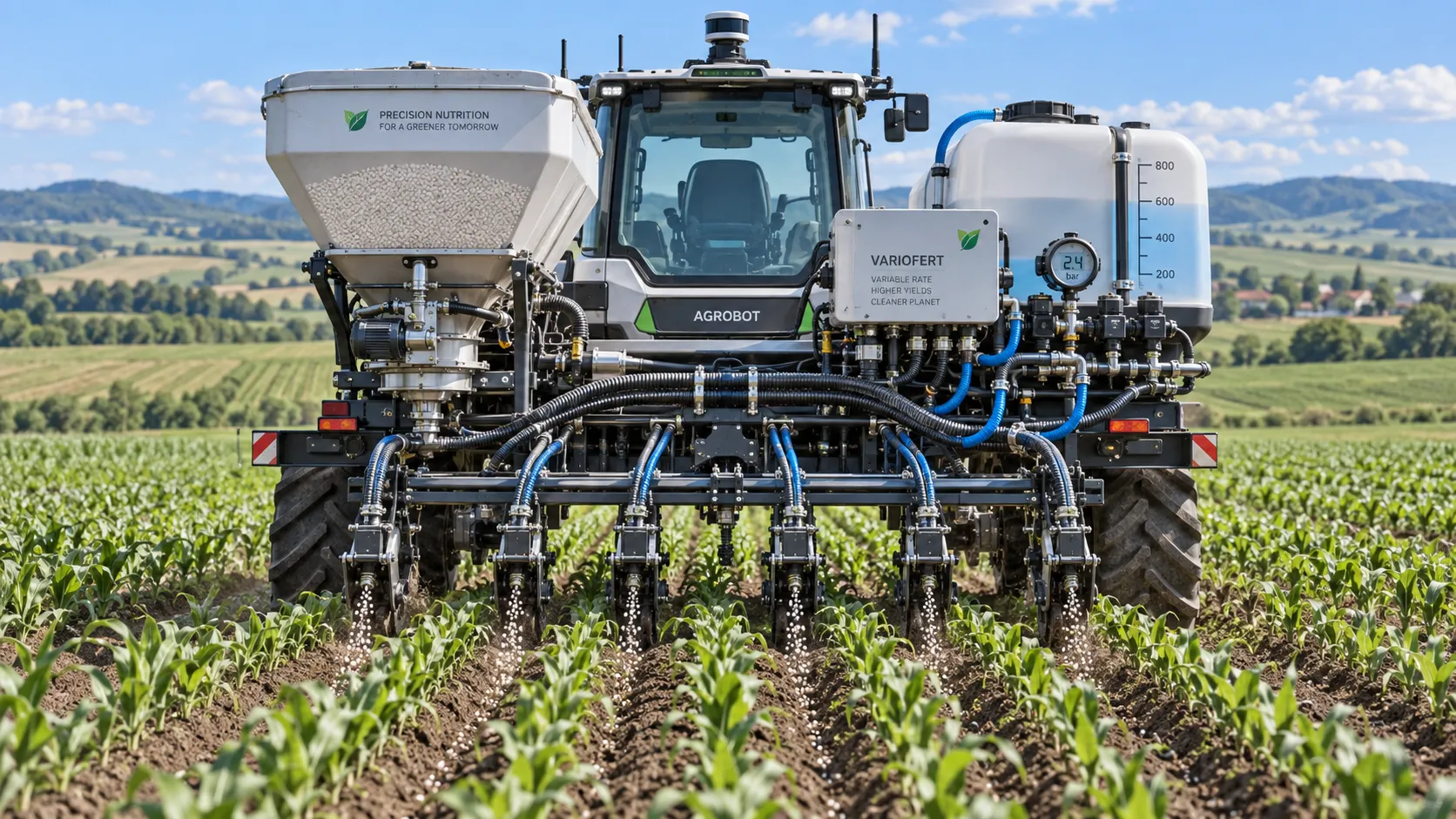
How Sensor Feedback Enables Accurate Variable-Rate Fertilization in Field Conditions
Precision fertilization systems with sensor feedback improve variable-rate accuracy by verifying flow, managing latency, and ensuring reliable field application.
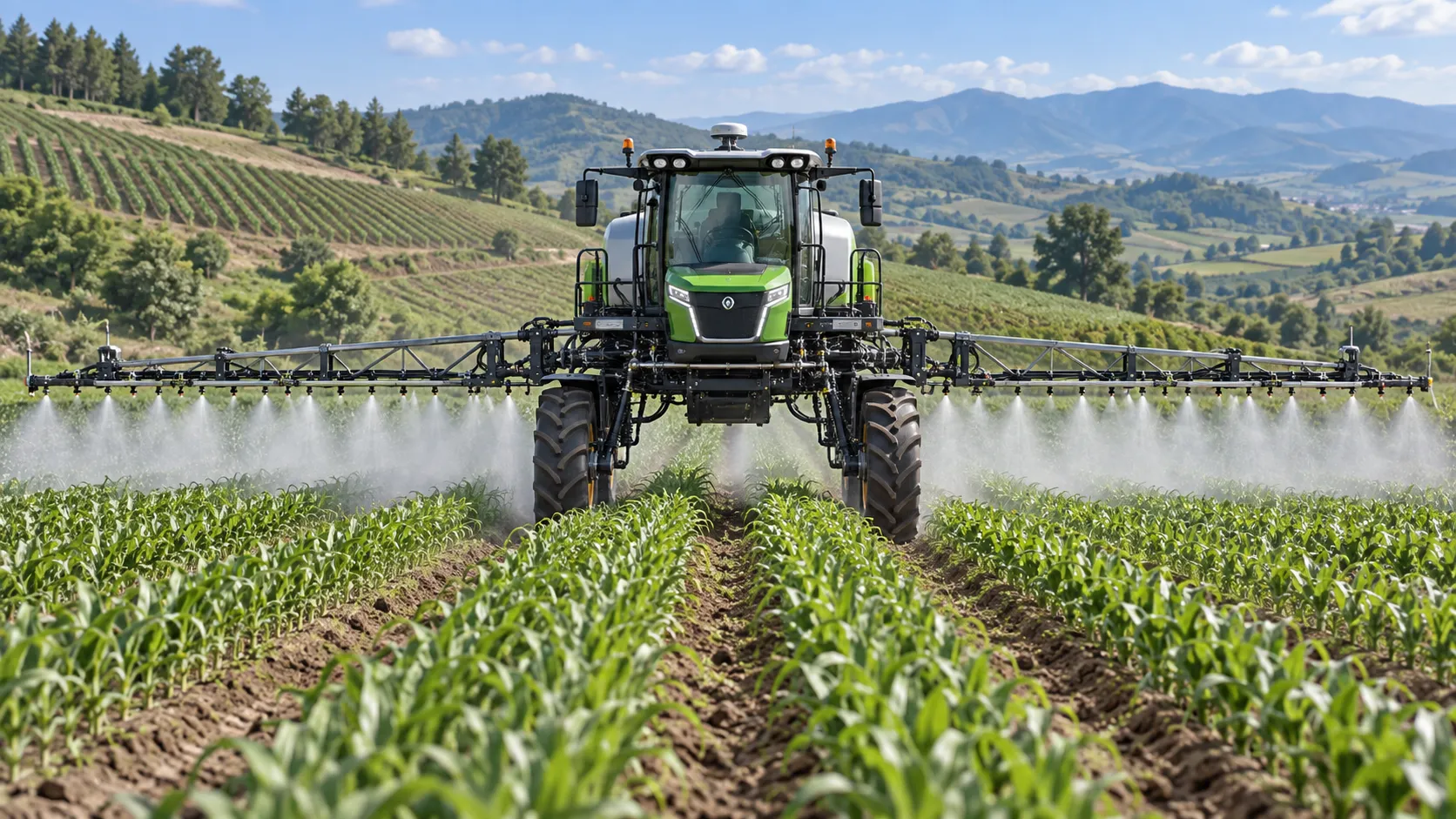
How to Select Precision Crop Protection Equipment for Variable Field Conditions
Precision crop protection equipment selection made simple: compare terrain, canopy, weather, control accuracy, and data workflows for reliable applications.
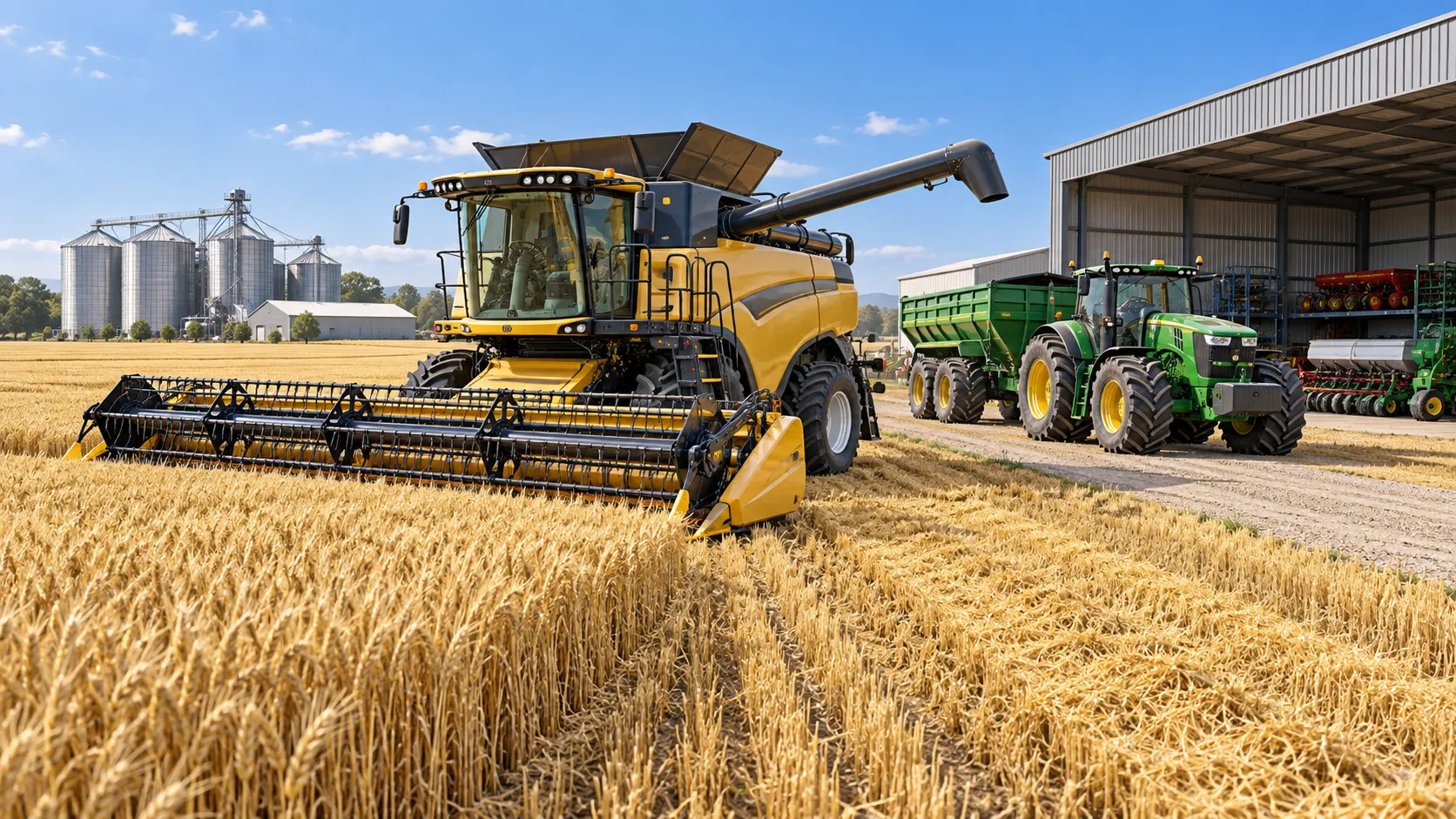
When Does Agricultural Machinery Leasing Cost Less Than Owning Equipment?
Agricultural machinery leasing can lower farm costs when use is seasonal or uncertain. Compare utilization, maintenance, cash flow, and risk to make a smarter equipment decision.
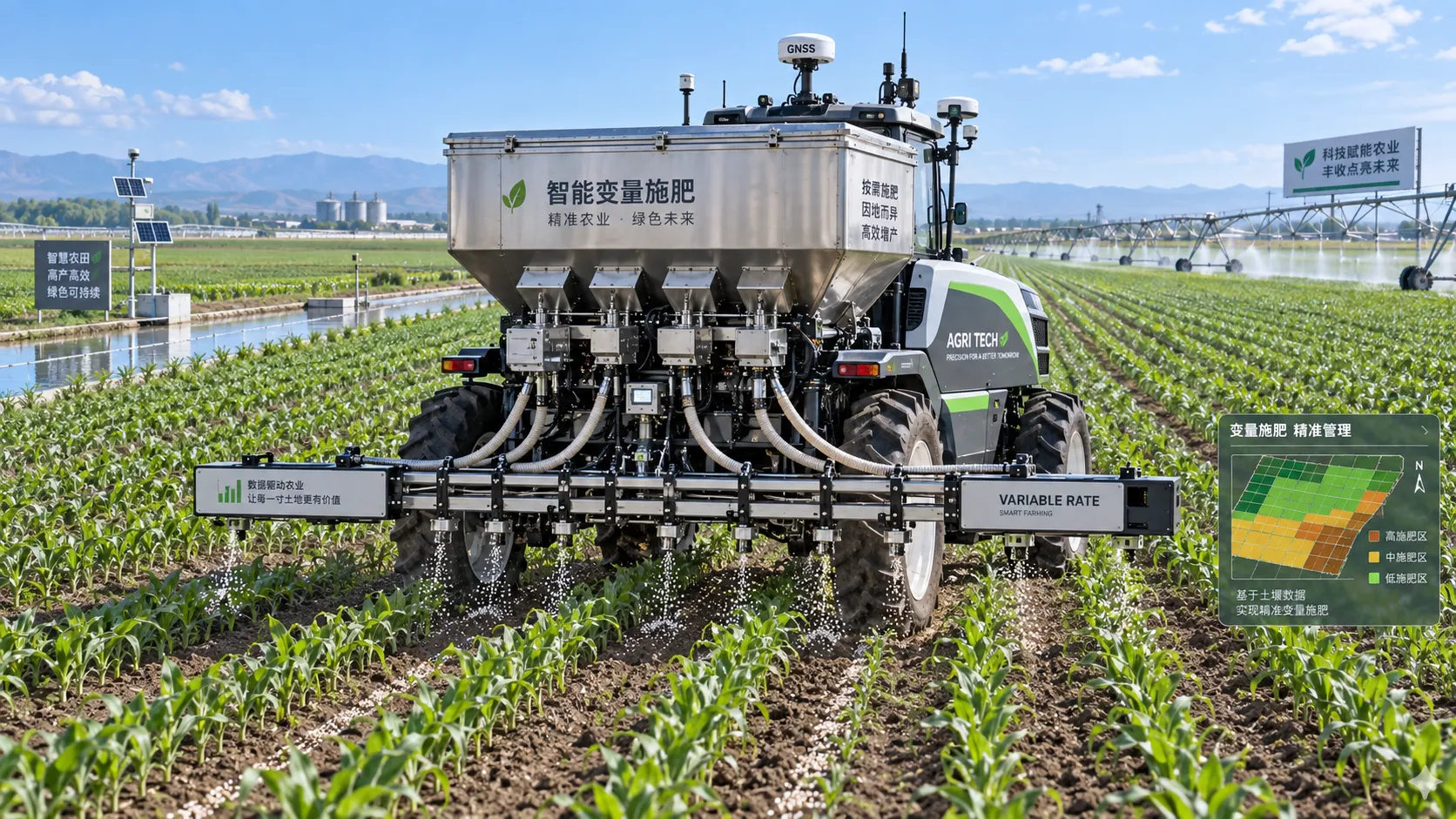
How to Evaluate Precision Fertilization System Suppliers for Farm-Scale Deployment
Precision fertilization systems suppliers: learn how to compare accuracy, integration, uptime, service, and total cost for confident farm-scale deployment.
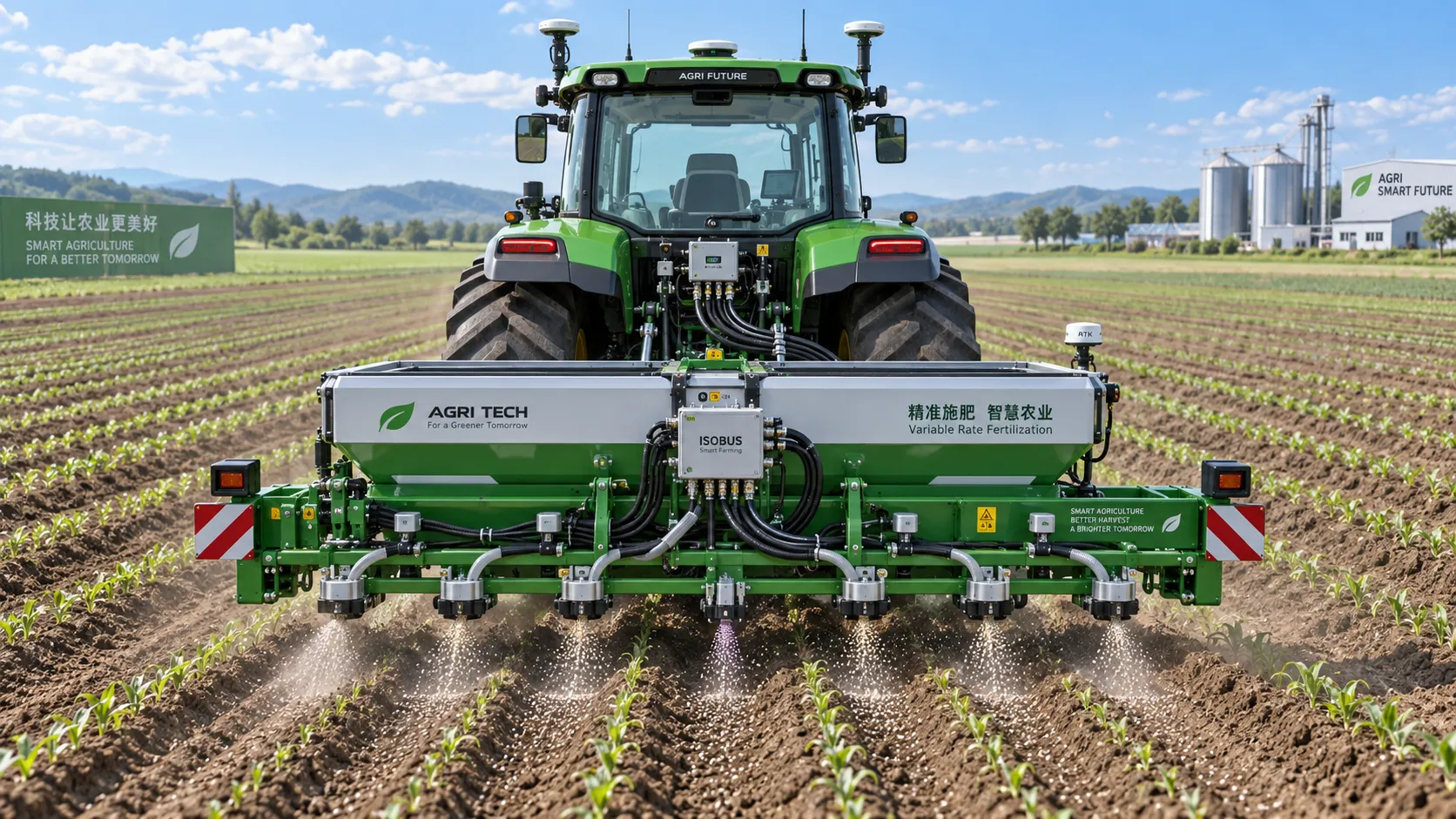
ISOBUS for Smart Agriculture: How It Connects Tractors, Implements, and Farm Data
ISOBUS for smart agriculture connects tractors, implements, terminals, and farm data—helping growers improve precision, documentation, and smarter field decisions.
Related News
- 00
0000-00
How to Select Smart Irrigation Valves for Multi-Zone Water Management? - 00
0000-00
Climate-Smart Farming for Drought: A Practical Plan for Protecting Yields - 00
0000-00
How Digital Agriculture Platforms Turn Field Data Into Better Input Decisions - 00
0000-00
GPS-Guided Farm Machinery: Where It Delivers Measurable Field Efficiency Gains - 00
0000-00
How Sensor Feedback Enables Accurate Variable-Rate Fertilization in Field Conditions
Popular Tags
Industry Global
Weekly Insights
Stay ahead with our curated technology reports delivered every Monday.