
Vietnam Tightens Agri-Tech Export Rules Amid Digital Farming Push
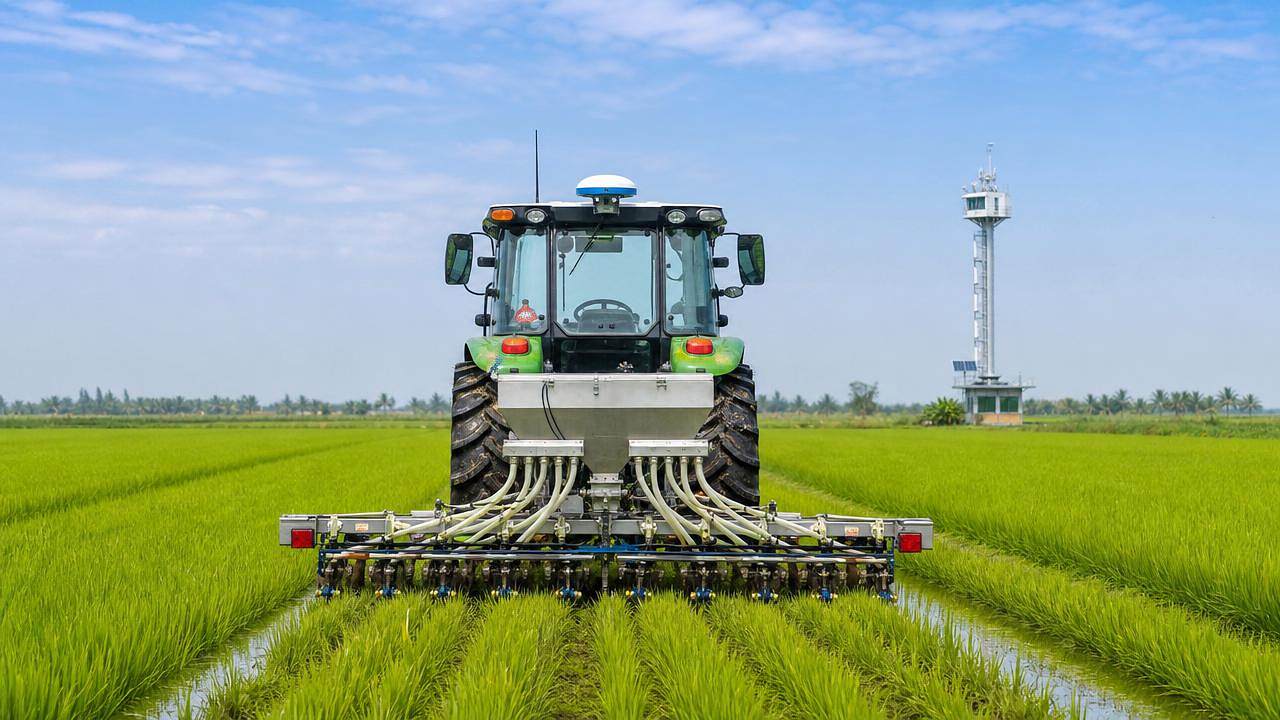




Vietnam’s Ministry of Industry and Trade (MOIT) and Ministry of Agriculture and Rural Development (MARD) jointly launched a regulatory upgrade on 29 May 2026, targeting enhanced traceability and sustainability compliance for agricultural technology imports — particularly GPS Guidance Systems and Variable Rate Technology (VRT) equipment supplied by Chinese manufacturers.
Regulatory Upgrade Announced on 29 May 2026
On 29 May 2026, MOIT and MARD introduced automated issuance of planting zone codes and digital origin certification, alongside an upgraded trade defense early-warning system. This initiative is explicitly designed to align Vietnam’s domestic agricultural supply chain transparency standards with the stringent requirements of the EU’s EUDR (EU Deforestation Regulation) and CBAM (Carbon Border Adjustment Mechanism). The measures directly apply to imported smart farming hardware, mandating that suppliers provide verifiable spatial data interfaces, tamper-resistant operation log traceability, and preliminary carbon footprint declarations.
Impact Across Supply Chain Roles
Direct Exporters
Chinese exporters of GPS Guidance Systems and VRT solutions must now embed interoperable geospatial APIs and structured logging protocols into their device firmware or accompanying software platforms — not as optional features, but as mandatory preconditions for customs clearance and market access in Vietnam.
Component and Subsystem Suppliers
Manufacturers of GNSS modules, ISOBUS controllers, or variable-rate actuators face cascading verification demands: upstream suppliers may need to validate data lineage from sensor to cloud, including timestamped location metadata and calibration provenance — all subject to Vietnamese authority audit.
Equipment Integrators and System Builders
Firms assembling turnkey precision agriculture systems must ensure end-to-end data integrity across hardware-software stacks. This includes documenting how field operation logs are generated, encrypted, stored, and retrieved — with evidence supporting immutability and time-stamping aligned to Vietnam’s national time standard.
Logistics and Certification Service Providers
Third-party conformity assessment bodies and logistics operators handling agri-tech shipments will increasingly be asked to verify documentation packages containing digital origin certificates, planting zone code mappings, and carbon disclosure summaries — adding new checkpoints to pre-shipment review workflows.
Key Compliance Priorities for Exporters
Integration of Verifiable Spatial Data Interfaces
Suppliers must implement standardized, documented APIs (e.g., ISO 11783-10 compliant or OGC SensorThings API-aligned endpoints) enabling real-time exchange of georeferenced operational data with Vietnamese authorities’ traceability platform.
Deployment of Tamper-Evident Operation Logging
Devices must generate cryptographically signed, UTC-synchronized field activity logs — covering guidance path execution, application rate adjustments, and diagnostic events — with storage mechanisms meeting Vietnam’s minimum data retention and accessibility criteria.
Submission of Preliminary Carbon Footprint Statements
While full LCA certification is not yet mandated, exporters must submit supplier-verified, scope-1-and-2 carbon intensity estimates per unit, referencing internationally accepted calculation methodologies (e.g., GHG Protocol Product Standard), and declare assumptions transparently.
Industry Perspective: Beyond Compliance Toward Interoperability Readiness
Analysis shows this move signals a broader regional shift: Vietnam is no longer treating digital agriculture infrastructure as a standalone procurement category, but as a critical node in global sustainability governance networks. From an industry perspective, the emphasis on verifiable spatial interfaces and immutable logs reflects growing convergence between EUDR-style due diligence and precision agriculture’s inherent data architecture. What deserves closer attention is the implied timeline — automation of origin certification suggests Vietnam aims to enforce these requirements at scale within 12–18 months. Observably, manufacturers who treat data architecture as a core compliance layer — rather than an after-market add-on — will gain faster market entry and lower long-term audit risk.
Strategic Implications for Global Agri-Tech Suppliers
This development underscores that regulatory alignment in emerging markets is increasingly driven by extraterritorial frameworks like EUDR and CBAM — not local policy alone. For exporters, success hinges less on hardware performance alone and more on demonstrable data stewardship, system-level transparency, and proactive carbon accounting discipline. It is more appropriate to understand this as the beginning of a new benchmark for responsible agri-tech trade — one where technical capability and ethical traceability are inseparable.
Source Information and Verification Notes
This article is based exclusively on the user-provided title, event date (29 May 2026), and summary. Specific official source links were not provided in the input and should be verified continuously. Stakeholders are advised to monitor updates from MOIT, MARD, and Vietnam’s National Agency for Technical Standards and Quality (TCVN) regarding implementation guidelines, technical specifications for data interfaces, and formal recognition pathways for carbon footprint declarations. Further observation is warranted on sector-specific enforcement timelines, third-party verification protocols, and potential alignment with ASEAN-wide digital agriculture standards.
Related News
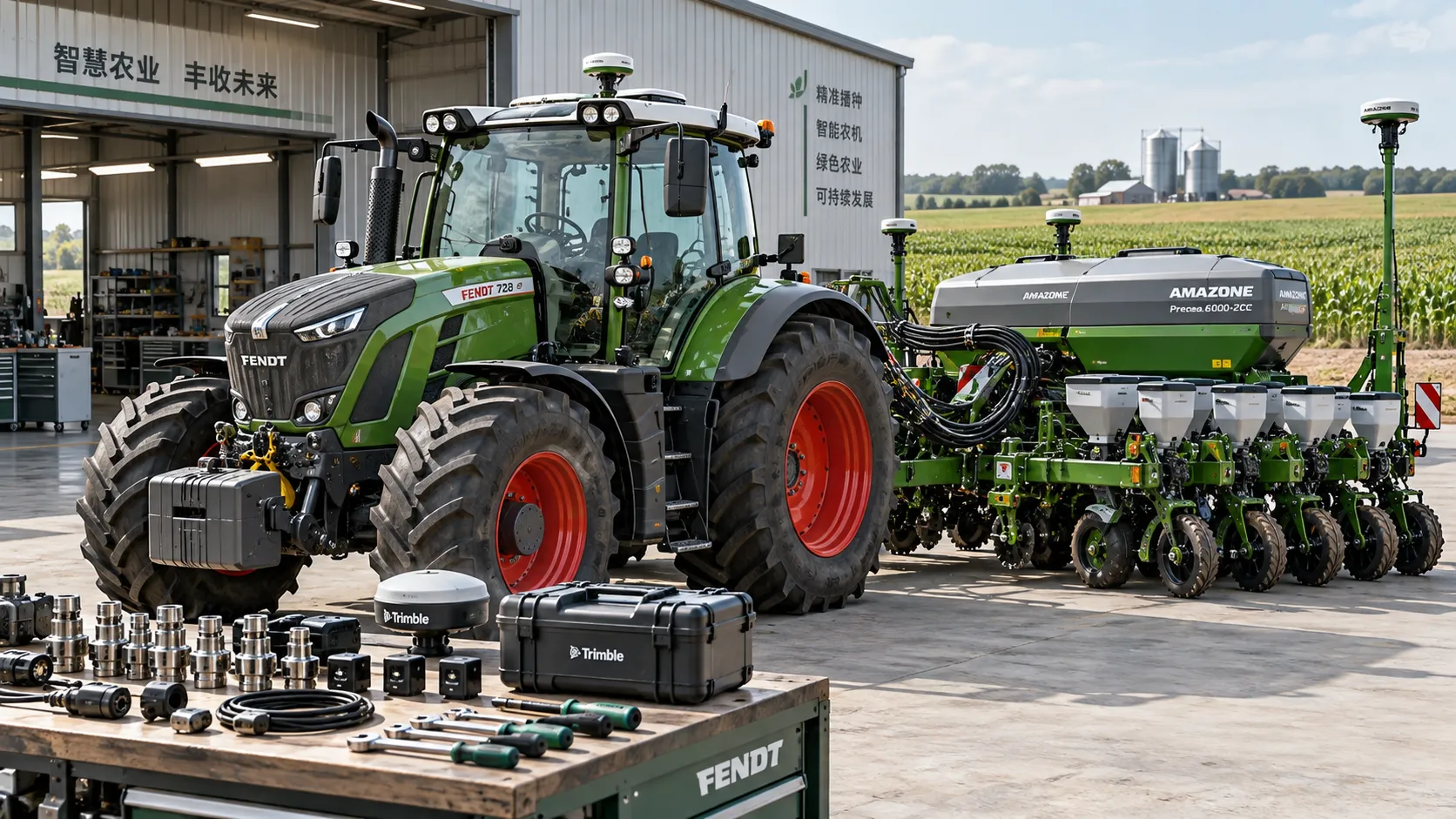
Choosing an Agriculture 4.0 Supplier: Compatibility, Support, and Total Cost
Choose an Agriculture 4.0 supplier with confidence. Learn how to verify compatibility, assess support, and compare total ownership costs to avoid hidden fees and costly downtime.
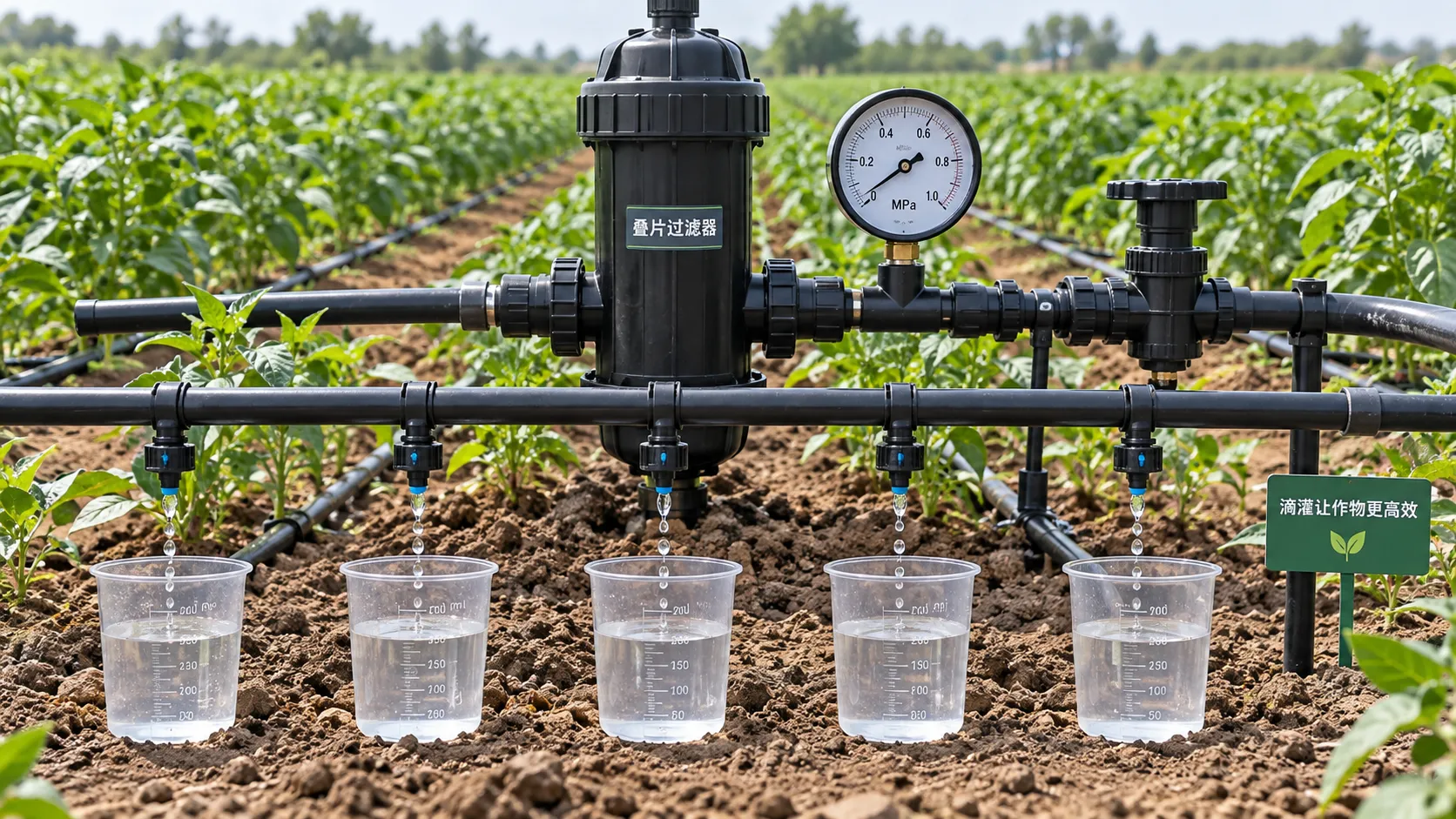
Low-Pressure Drip Irrigation: How to Fix Uneven Watering Without Raising Pressure
Optimize low pressure water-saving irrigation systems: discover how to fix uneven watering, clear blockages, and reduce hydraulic losses without raising supply pressure.
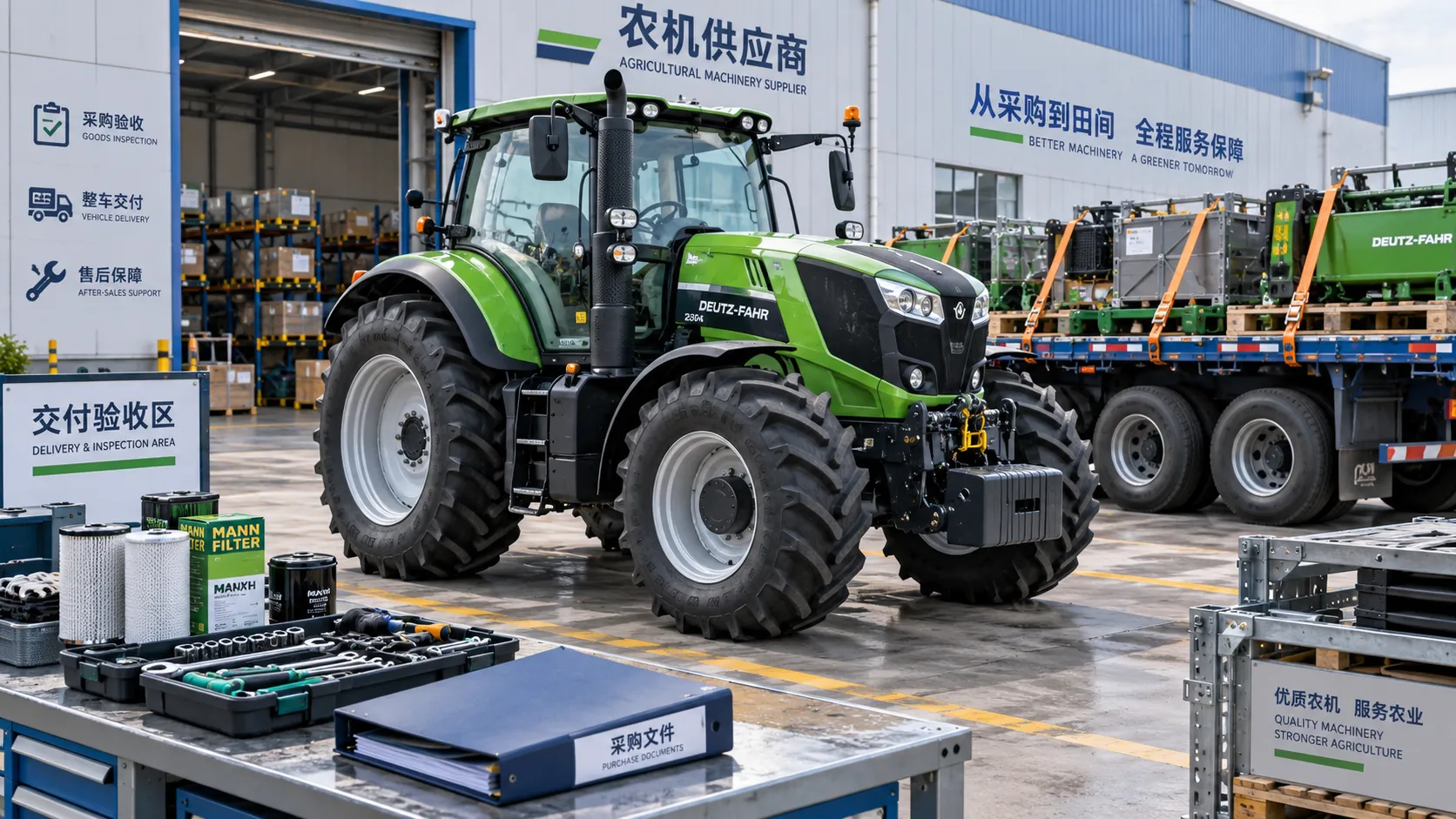
Comparing Farm Equipment Supplier Quotes: Price, Freight, and Warranty
Simplify supplier comparison for farm equipment price: assess freight, field-ready costs, and warranty coverage. Learn how to avoid hidden charges and choose a reliable supplier.
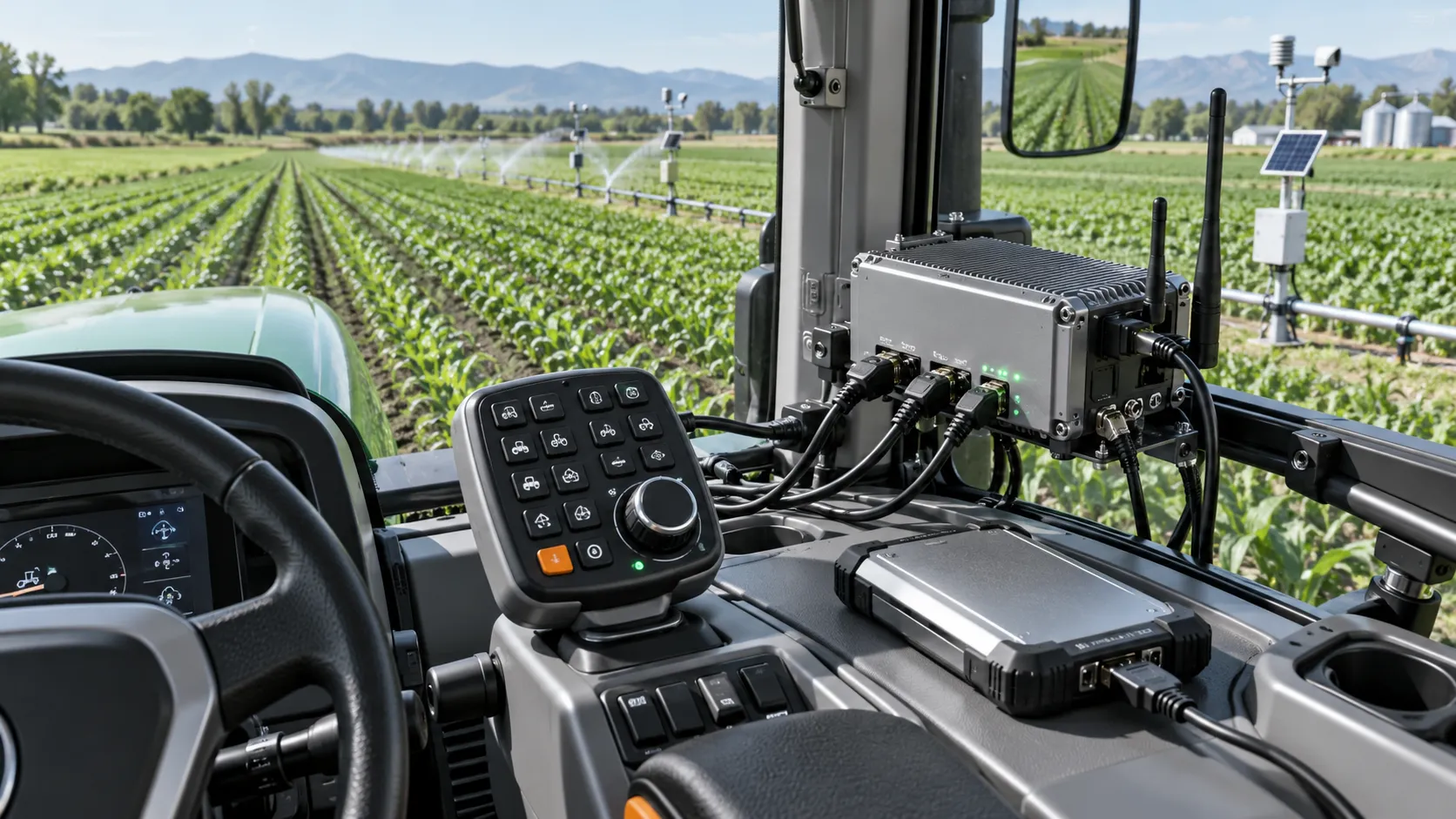
Choosing a Digital Farming Platform Provider: Compatibility and Data Ownership
Compare digital farming platforms providers on equipment compatibility, data ownership, and export rights. Discover practical checks to avoid lock-in and choose with confidence.
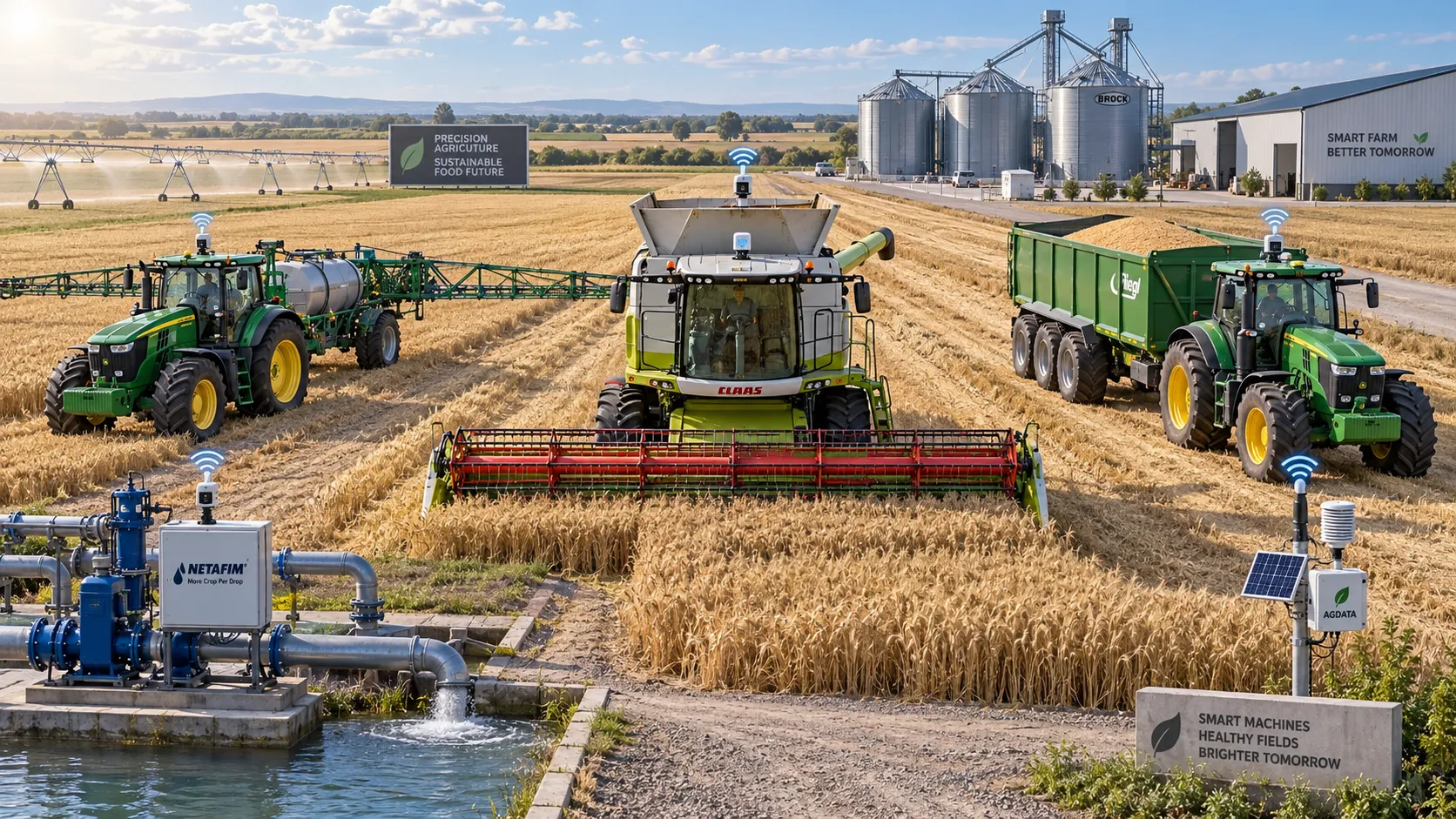
How Large-Scale Farm Telematics Cuts Downtime Across Mixed Fleets
Large-scale farm equipment telematics cuts mixed-fleet downtime with real-time alerts, smarter maintenance, and stronger operational control. Learn how to protect critical farm workflows.
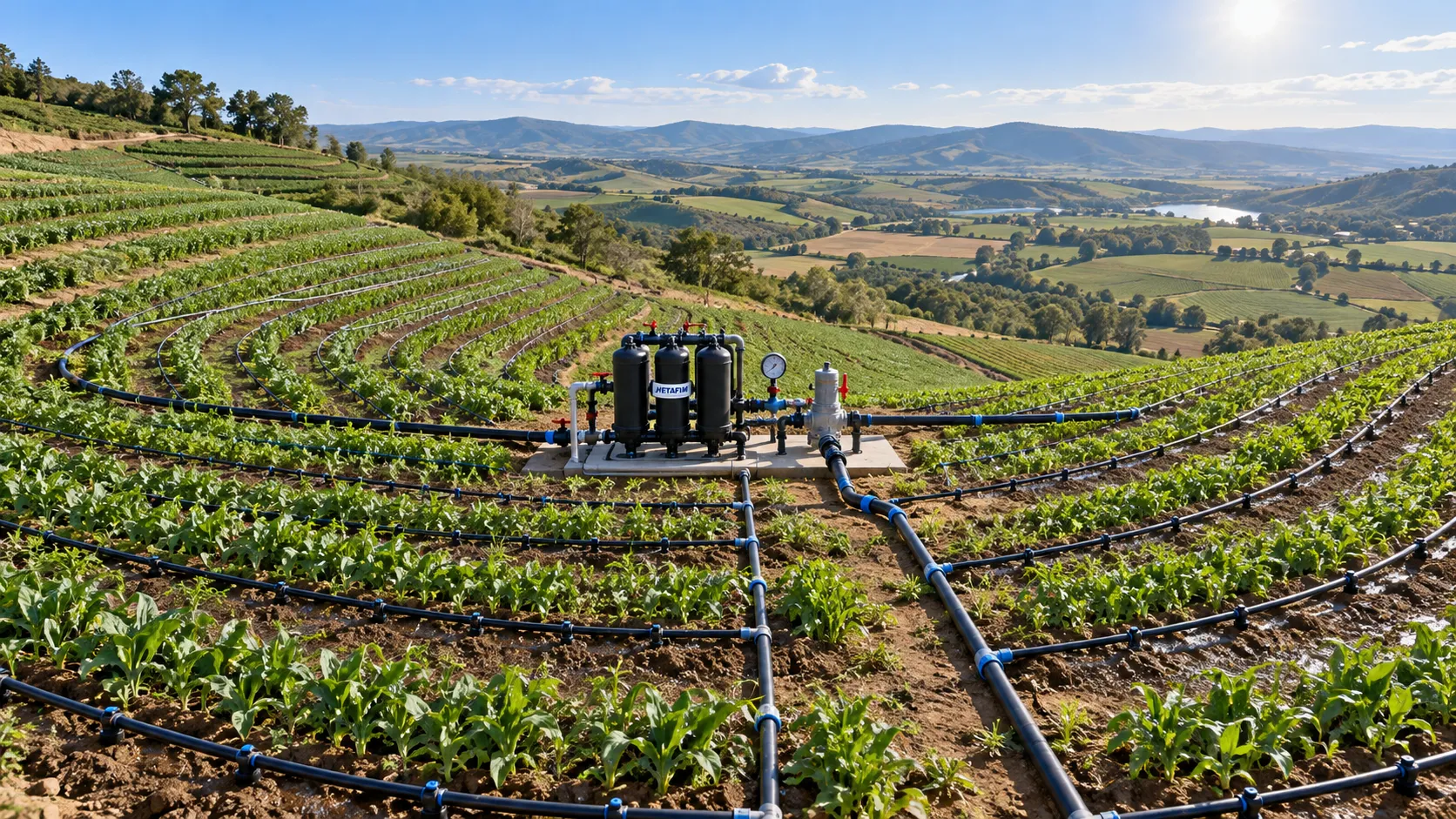
How to Size Low-Pressure Water-Saving Irrigation Systems for Uneven Fields
Low pressure water-saving irrigation systems for uneven fields: learn zoning, pressure mapping, pipe sizing, and pump selection to improve uniformity and reduce water waste.
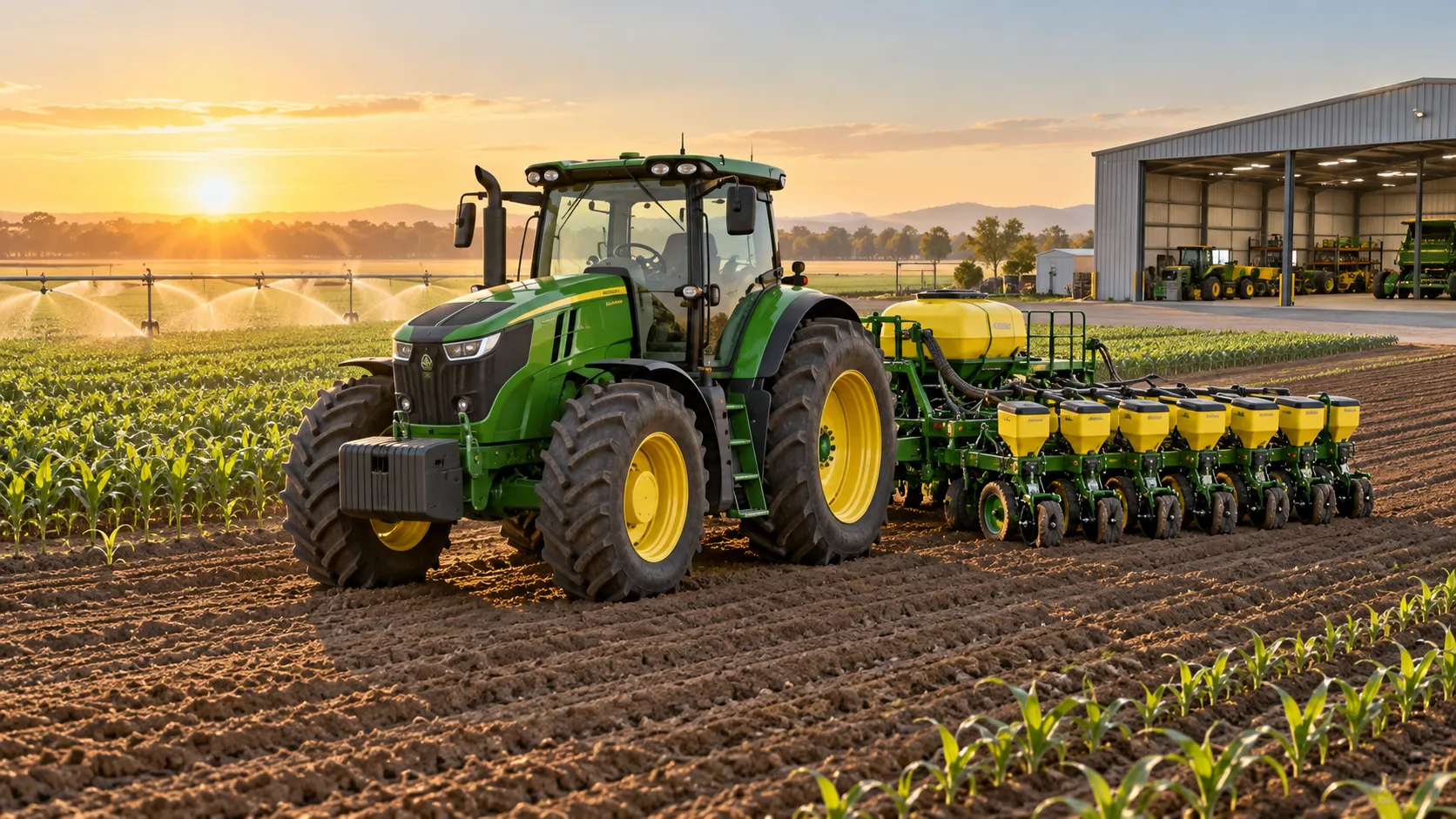
Farm Machinery Sourcing: How to Vet Suppliers, Specs, and Lifecycle Costs
Farm machinery information for sourcing: learn to vet suppliers, compare specifications, control lifecycle costs, and secure reliable uptime for smarter equipment purchases.
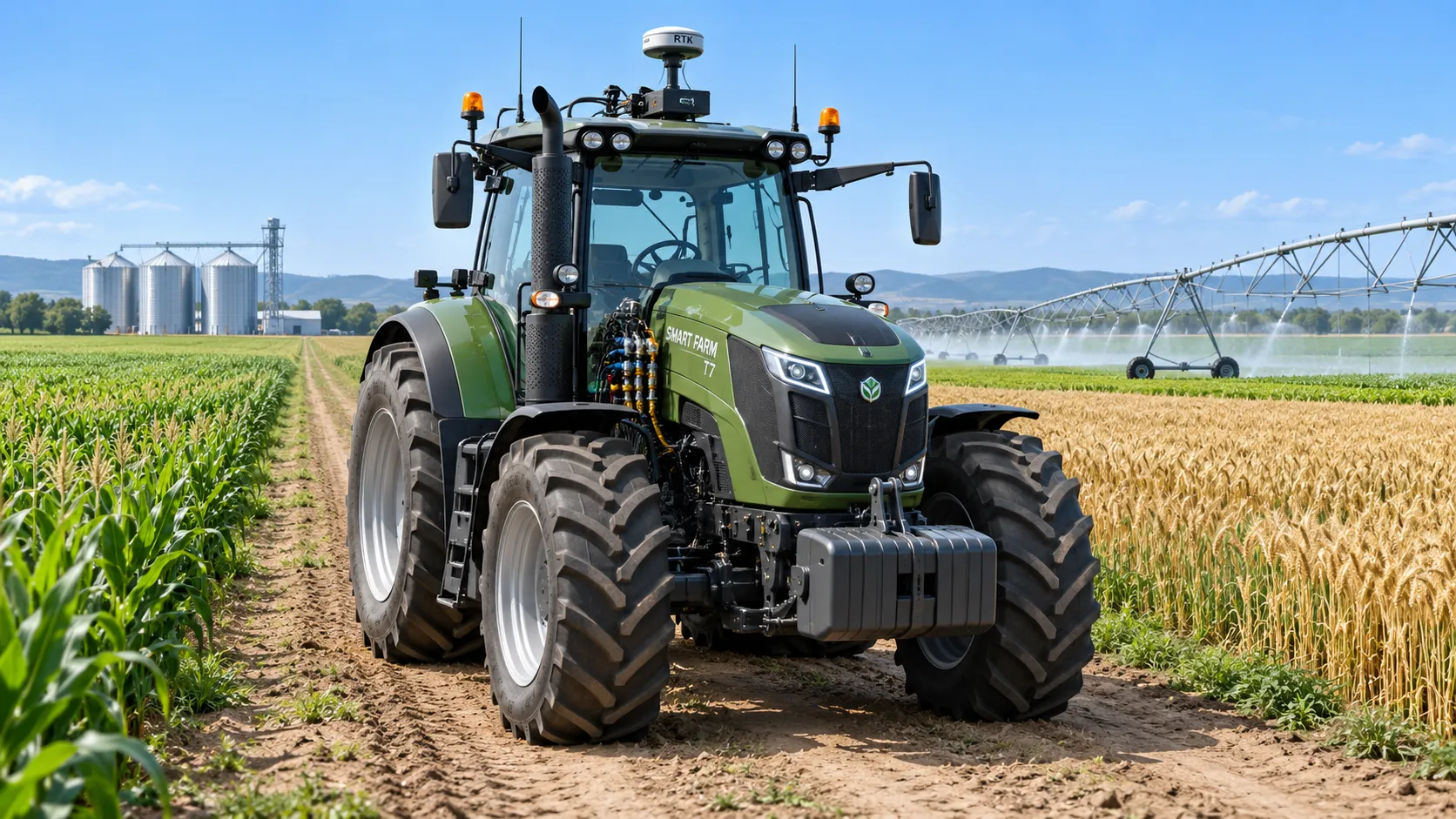
How telemetry for agriculture helps identify equipment downtime
Telemetry for agriculture helps detect early warning signs, prioritize maintenance, and reduce costly equipment downtime before field operations are disrupted.
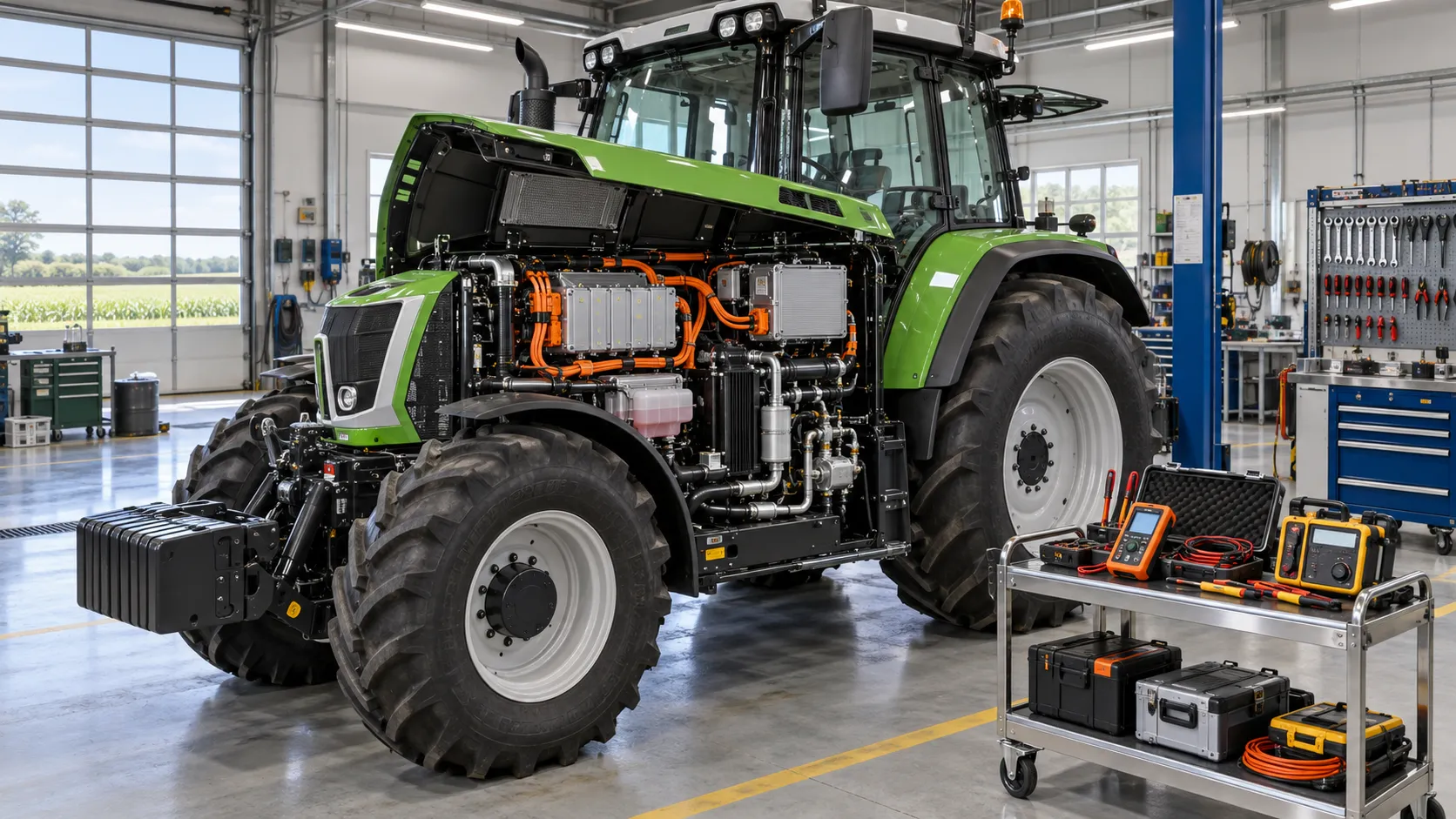
What maintenance challenges come with hybrid agricultural machines?
Hybrid agricultural machines demand smarter maintenance. Discover key challenges in high-voltage safety, batteries, software diagnostics, cooling, and parts planning.
Related News
- 00
0000-00
Choosing an Agriculture 4.0 Supplier: Compatibility, Support, and Total Cost - 00
0000-00
Low-Pressure Drip Irrigation: How to Fix Uneven Watering Without Raising Pressure - 00
0000-00
Comparing Farm Equipment Supplier Quotes: Price, Freight, and Warranty - 00
0000-00
Choosing a Digital Farming Platform Provider: Compatibility and Data Ownership - 00
0000-00
How Large-Scale Farm Telematics Cuts Downtime Across Mixed Fleets
Popular Tags
Industry Global
Weekly Insights
Stay ahead with our curated technology reports delivered every Monday.