
RCEP Origin Rules Updated: Zero Tariffs for Seeders & Planters Exported to ASEAN
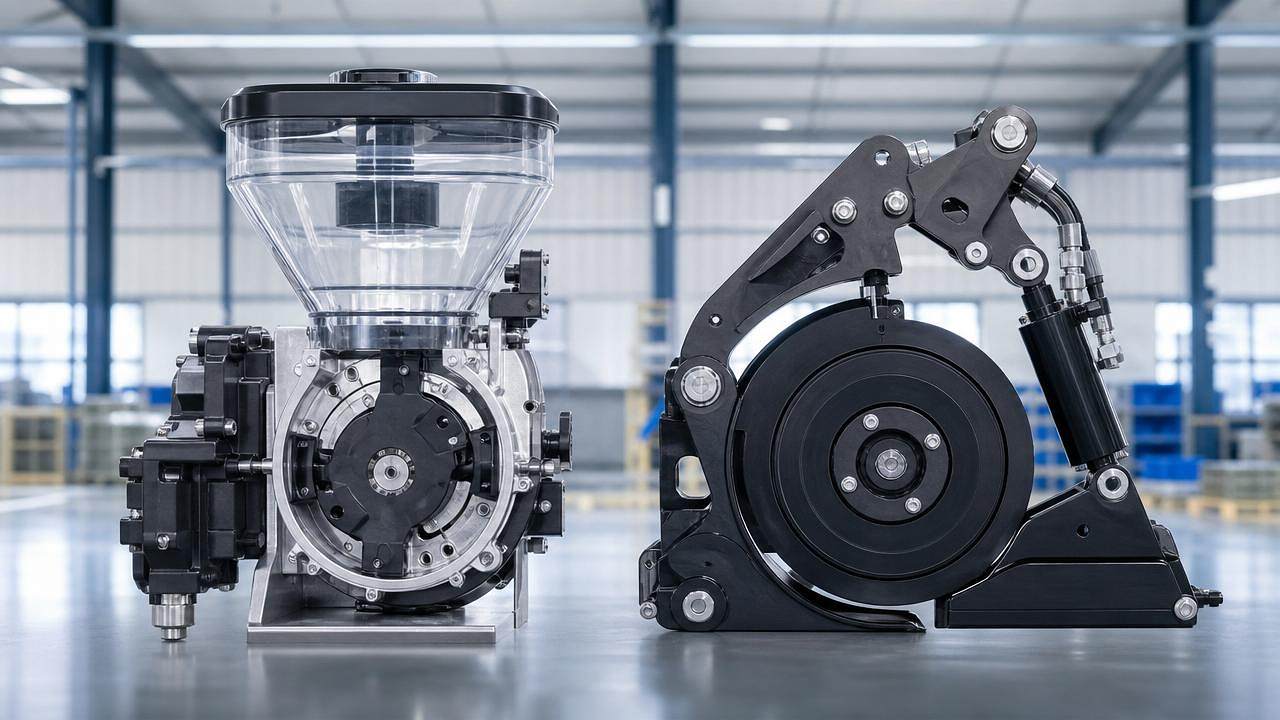




Effective 1 June 2026, revised RCEP origin rules introduce a new 'cumulative minor processing' provision, enabling Chinese-made key components of seeders and planters — such as electronic seed meters and hydraulic press wheels — to retain zero-tariff eligibility under RCEP when final assembly occurs in Vietnam or Thailand. This development directly affects agricultural machinery exporters, component suppliers, and regional OEM partners serving ASEAN markets.
Event Overview
On 1 June 2026, the Regional Comprehensive Economic Partnership (RCEP) implemented updated origin rule guidelines, specifically adding a cumulative minor processing clause. Under this provision, certain critical parts for seeders and planters manufactured in China qualify as originating goods even if final assembly takes place in Vietnam or Thailand. The adjustment applies exclusively to those components explicitly listed — including electric-controlled seed meters and hydraulic press wheels — and is confirmed in official RCEP origin protocol amendments published prior to the effective date.
Industries Affected by the Update
Direct Exporters of Agricultural Machinery Components
Chinese manufacturers exporting core seeding and planting components face reduced tariff barriers when supplying ASEAN-based assemblers. The change lowers landed cost for buyers in Vietnam and Thailand, potentially increasing order volume and reinforcing long-term supply relationships.
OEM and Contract Assembly Operators in ASEAN
Firms in Vietnam and Thailand engaged in local assembly of seeders and planters can now import key Chinese components without incurring import duties, provided the final product meets the updated RCEP origin criteria. This improves margin flexibility and supports localized production strategies.
Supply Chain Service Providers
Logistics, customs brokerage, and origin certification service providers must adapt documentation workflows to verify and attest compliance with the new cumulative minor processing standard — particularly for mixed-source component shipments and multi-stage assembly scenarios.
What Relevant Enterprises or Practitioners Should Focus On
Monitor official implementation guidance from national customs authorities
While the rule entered force on 1 June 2026, country-level customs administrations may issue supplementary notices on documentation requirements, certification formats, or verification procedures. Enterprises should track updates from ASEAN member state customs departments and China’s General Administration of Customs.
Verify component eligibility and assembly scope before shipment
Only specified components — namely electric-controlled seed meters and hydraulic press wheels — are confirmed under the new provision. Other parts, even if functionally similar, are not automatically covered. Exporters and assemblers must confirm part classification against the official RCEP Annex list before committing to zero-tariff treatment.
Distinguish between policy intent and operational readiness
The rule enables zero tariffs in principle, but actual duty exemption depends on accurate origin declaration, compliant documentation (e.g., RCEP Certificate of Origin Form AK), and post-import verification. Enterprises should treat initial shipments as test cases and allow buffer time for customs clearance adjustments.
Review sourcing and assembly coordination with ASEAN partners
For Chinese component suppliers and ASEAN assemblers operating under OEM agreements, alignment on bill-of-materials attribution, traceability records, and joint origin certification is now operationally essential. Proactive communication and shared compliance protocols reduce administrative friction at the border.
Editorial Perspective / Industry Observation
Observably, this update reflects an incremental refinement rather than a structural shift in RCEP’s origin framework. It targets a narrow but strategically relevant segment — high-value agricultural equipment components — where regional value chain integration has already advanced. Analysis shows the provision is less about opening new markets and more about formalizing existing de facto trade patterns. From an industry perspective, it signals growing institutional recognition of cross-border assembly models in ASEAN manufacturing. However, its practical impact remains contingent on consistent interpretation across multiple customs jurisdictions — a factor requiring ongoing monitoring beyond the rule’s effective date.
Concluding, this RCEP origin rule update represents a targeted facilitation measure for specific agricultural machinery supply chains linking China and ASEAN. It does not broadly lower tariffs for all farm equipment exports, nor does it eliminate origin compliance complexity. Instead, it offers a clarified pathway for verified component-based assembly — one that rewards precision in documentation, classification, and partner coordination. Current understanding should center on its role as an operational enabler, not a market-access breakthrough.
Source: Official RCEP Protocol Amendments (2025 Edition), published by the RCEP Secretariat; Implementation Notice No. 2026-08 issued by China’s General Administration of Customs; ASEAN Joint Committee on Trade Facilitation public bulletins (Q1 2026).
Note: National-level implementation details — especially verification standards and appeals mechanisms — remain subject to further clarification and are recommended for continuous observation.
Related News
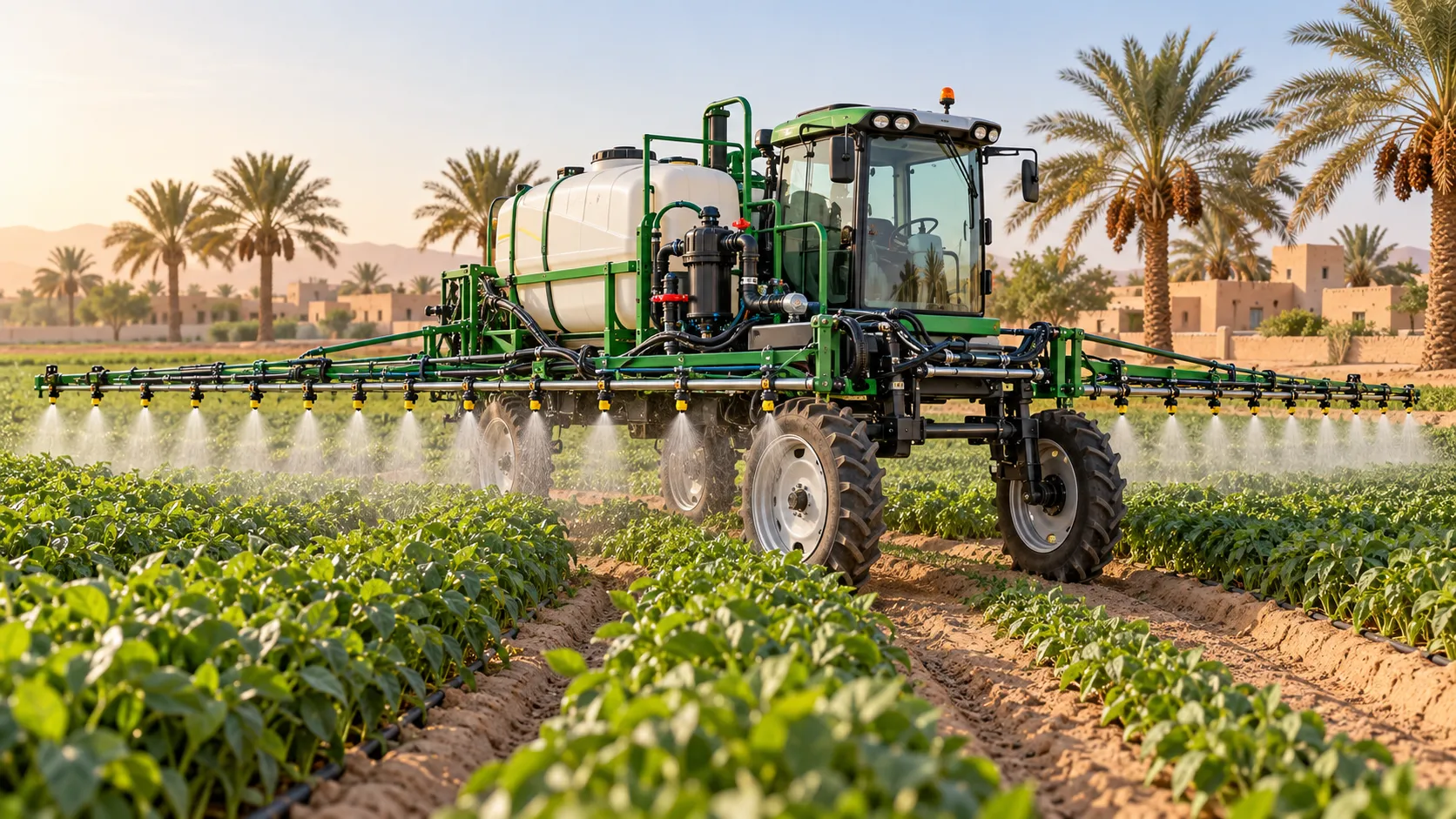
Choosing Crop Protection Equipment for Hot, Windy Middle Eastern Farms
Compare crop protection equipment Middle East farms need for hot, windy conditions. Discover key nozzle, drift-control, and durability checks to choose the right sprayer.
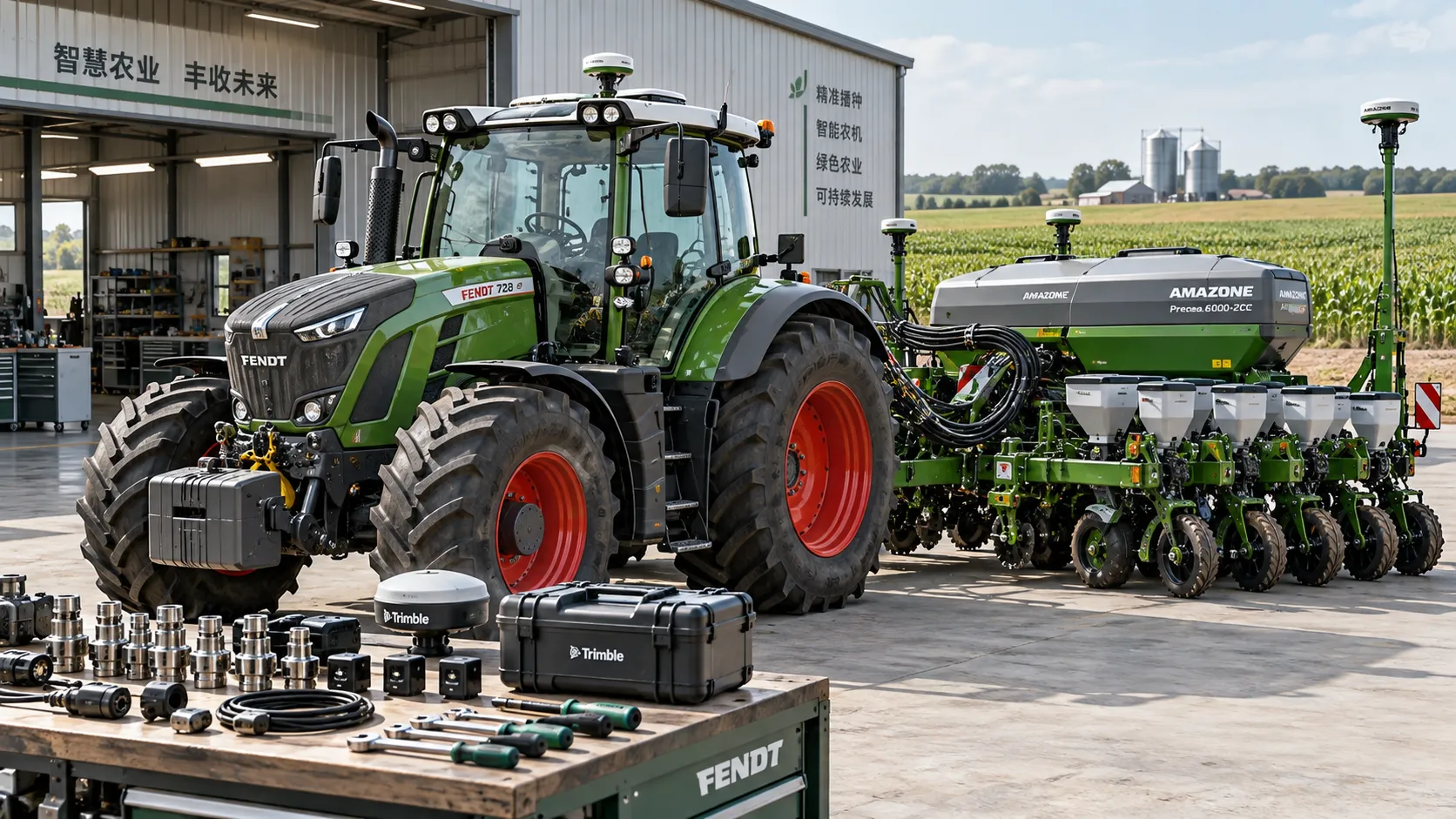
Choosing an Agriculture 4.0 Supplier: Compatibility, Support, and Total Cost
Choose an Agriculture 4.0 supplier with confidence. Learn how to verify compatibility, assess support, and compare total ownership costs to avoid hidden fees and costly downtime.
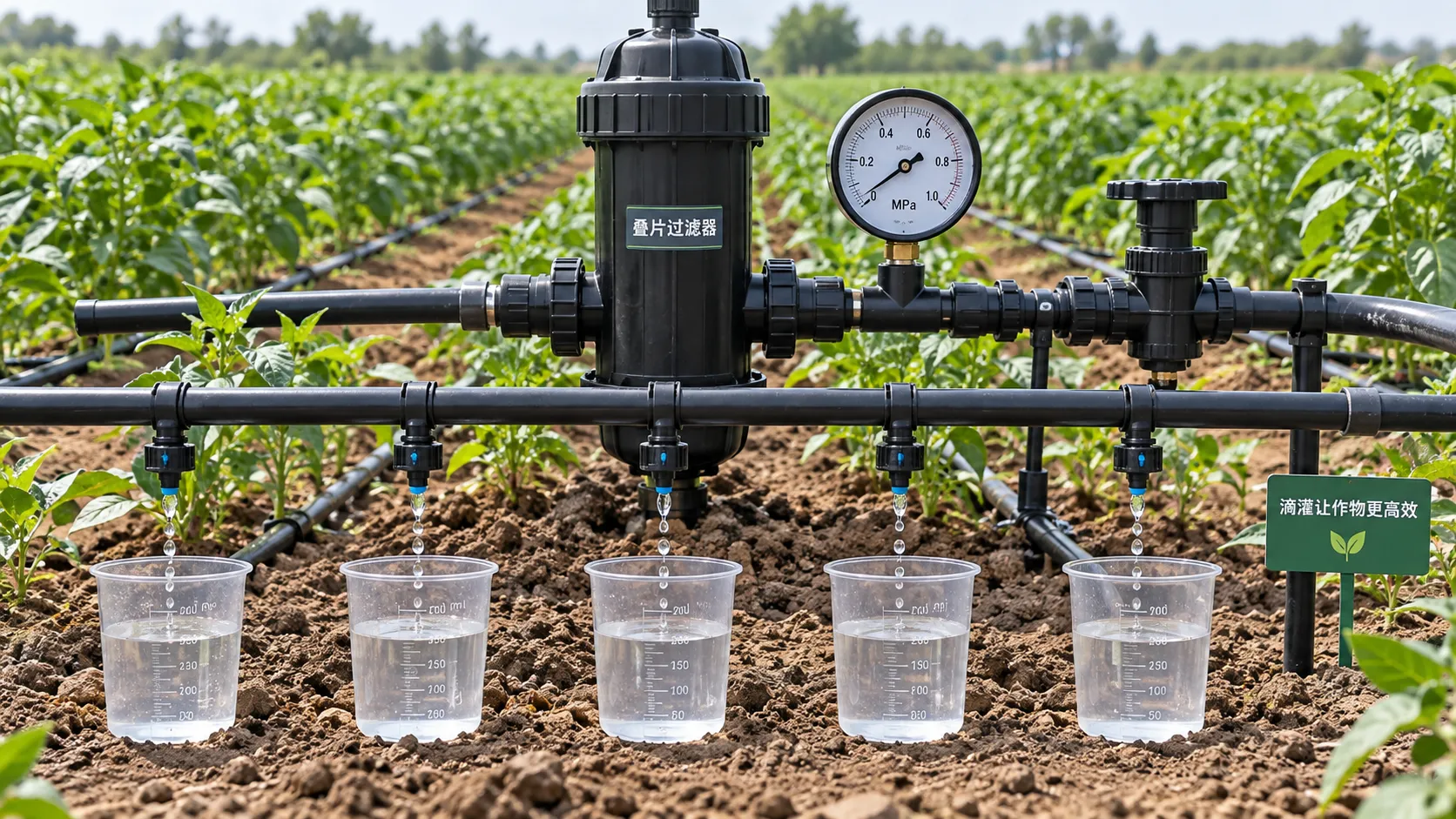
Low-Pressure Drip Irrigation: How to Fix Uneven Watering Without Raising Pressure
Optimize low pressure water-saving irrigation systems: discover how to fix uneven watering, clear blockages, and reduce hydraulic losses without raising supply pressure.
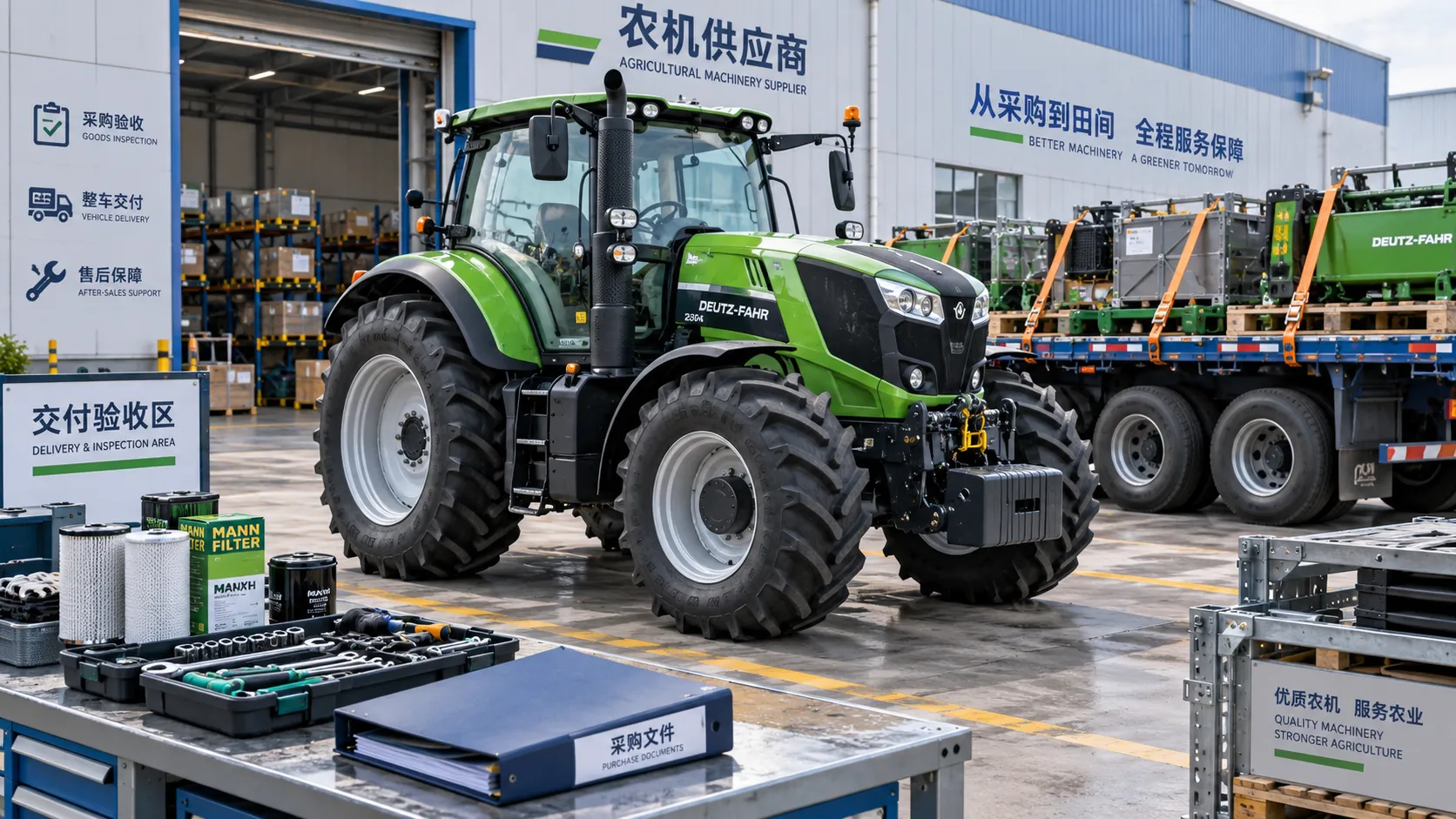
Comparing Farm Equipment Supplier Quotes: Price, Freight, and Warranty
Simplify supplier comparison for farm equipment price: assess freight, field-ready costs, and warranty coverage. Learn how to avoid hidden charges and choose a reliable supplier.
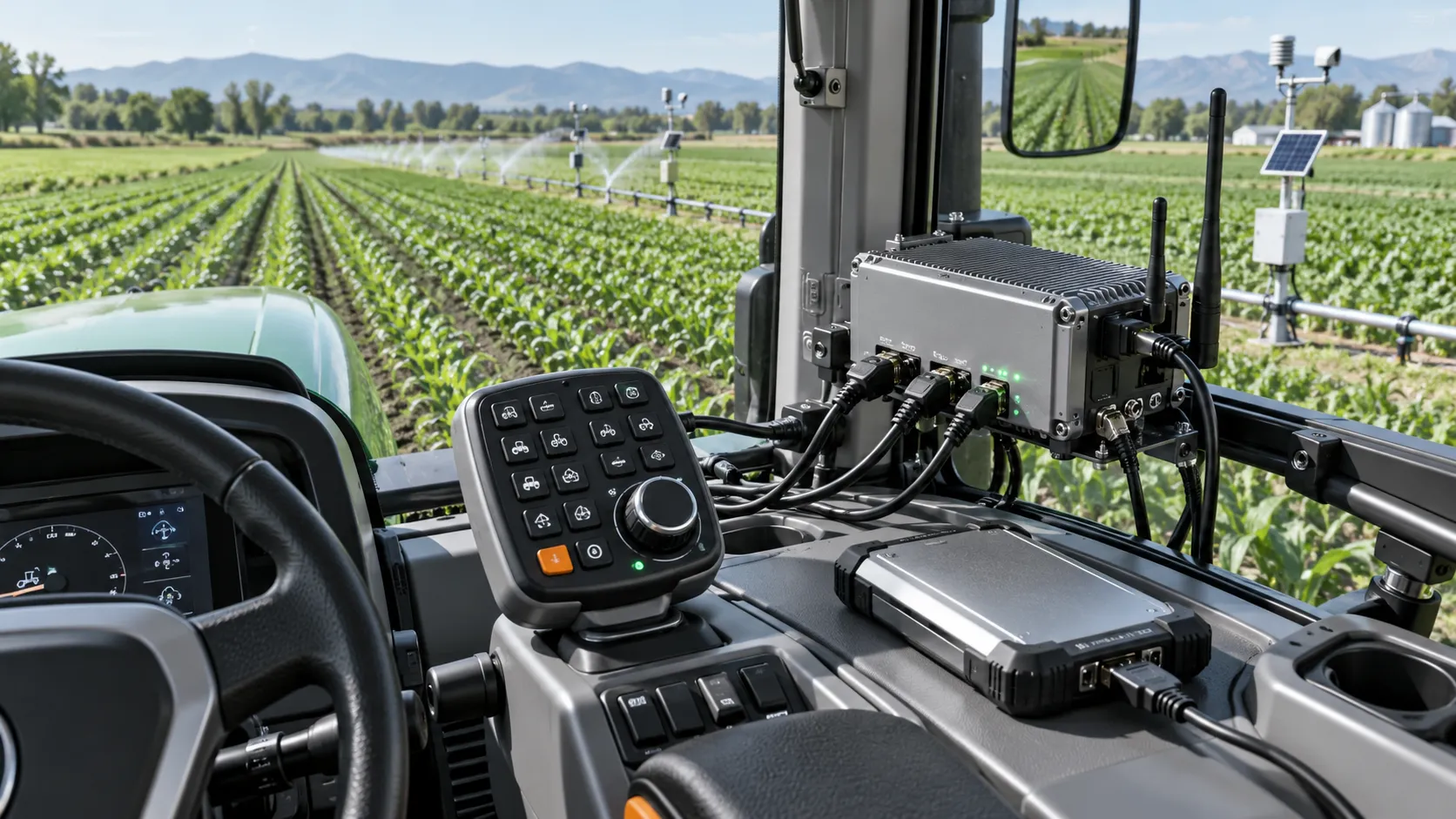
Choosing a Digital Farming Platform Provider: Compatibility and Data Ownership
Compare digital farming platforms providers on equipment compatibility, data ownership, and export rights. Discover practical checks to avoid lock-in and choose with confidence.
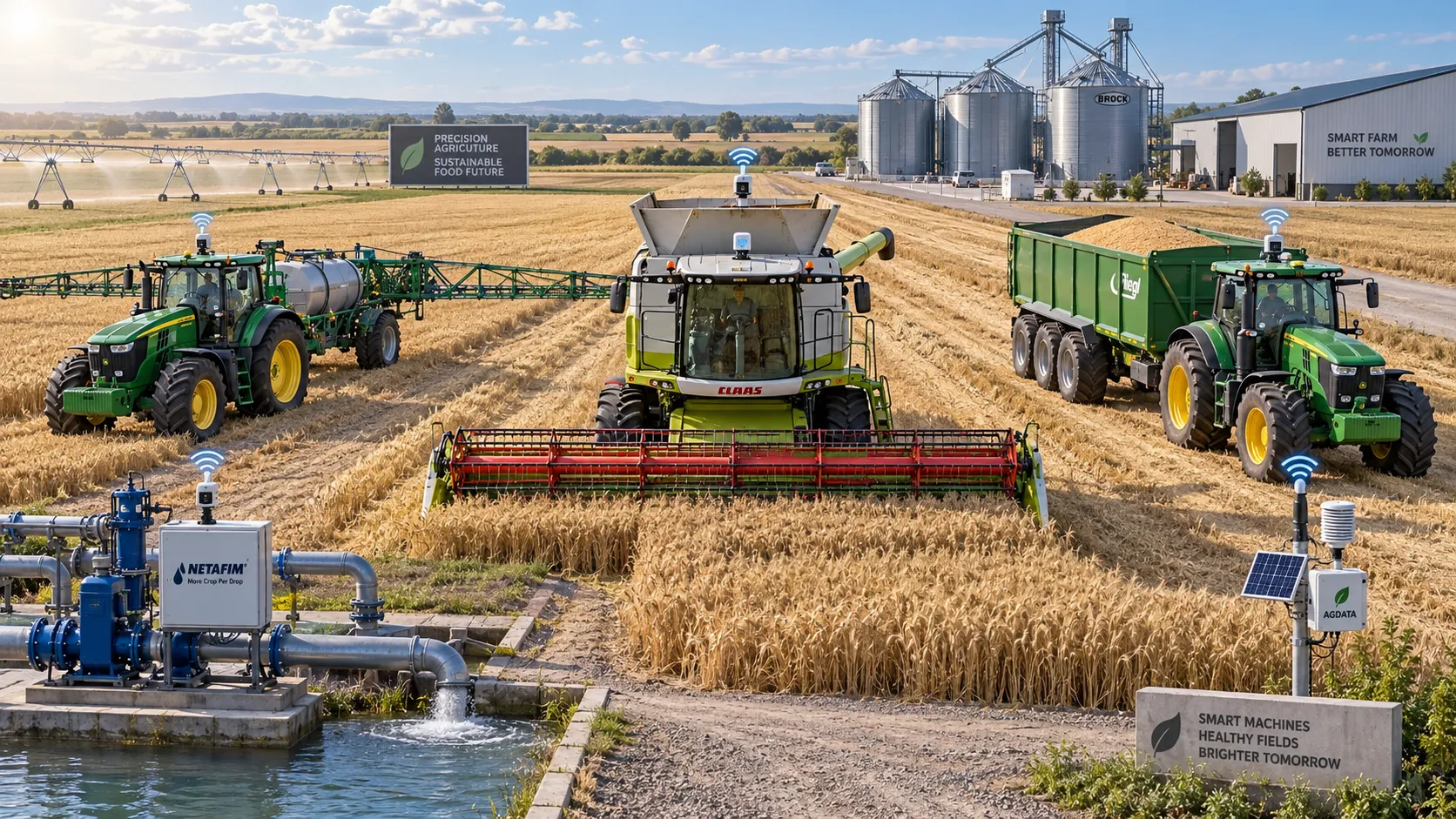
How Large-Scale Farm Telematics Cuts Downtime Across Mixed Fleets
Large-scale farm equipment telematics cuts mixed-fleet downtime with real-time alerts, smarter maintenance, and stronger operational control. Learn how to protect critical farm workflows.
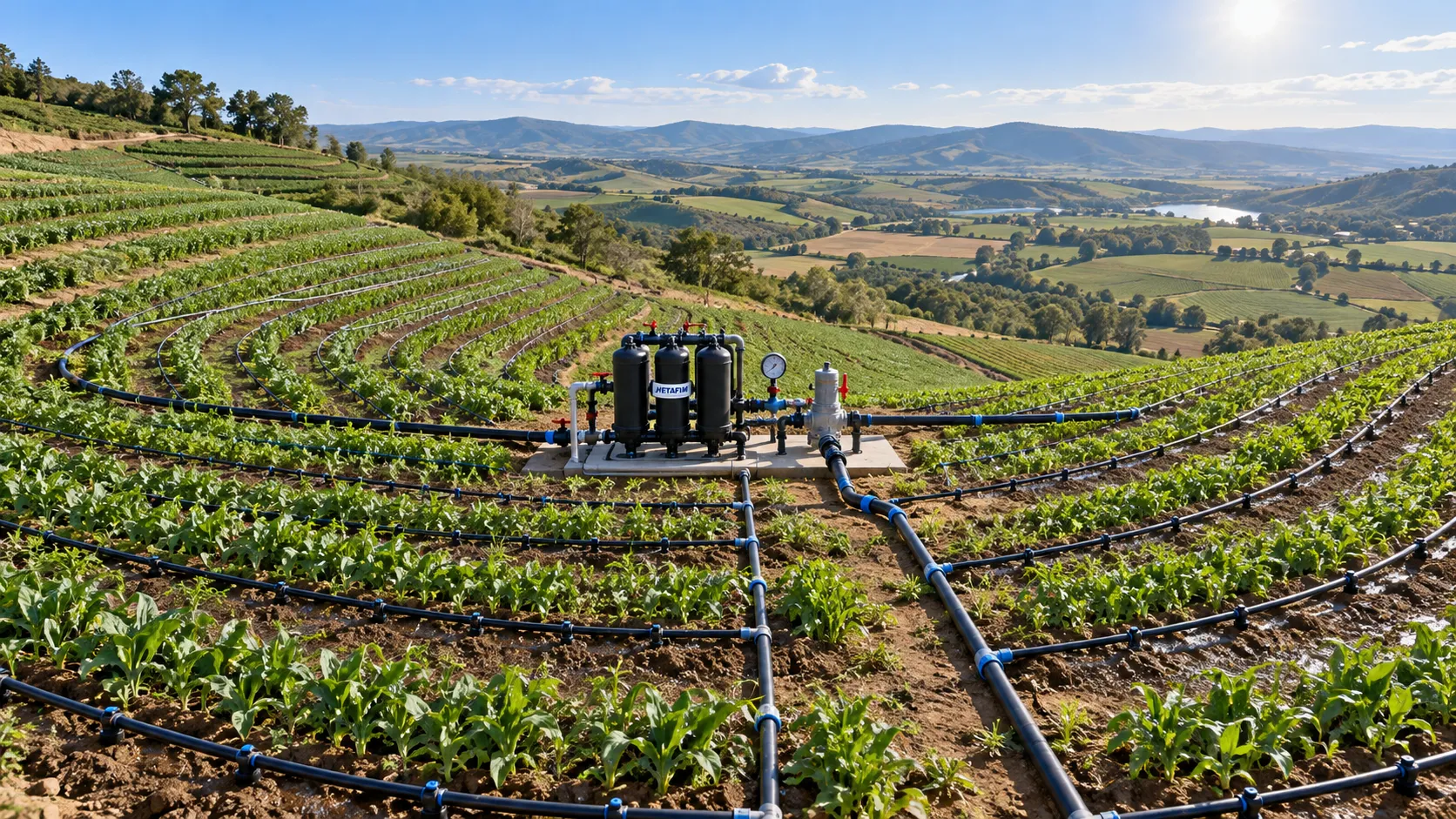
How to Size Low-Pressure Water-Saving Irrigation Systems for Uneven Fields
Low pressure water-saving irrigation systems for uneven fields: learn zoning, pressure mapping, pipe sizing, and pump selection to improve uniformity and reduce water waste.
Farm Machinery Sourcing: How to Vet Suppliers, Specs, and Lifecycle Costs
Farm machinery information for sourcing: learn to vet suppliers, compare specifications, control lifecycle costs, and secure reliable uptime for smarter equipment purchases.
How telemetry for agriculture helps identify equipment downtime
Telemetry for agriculture helps detect early warning signs, prioritize maintenance, and reduce costly equipment downtime before field operations are disrupted.
Related News
- 00
0000-00
Choosing Crop Protection Equipment for Hot, Windy Middle Eastern Farms - 00
0000-00
Choosing an Agriculture 4.0 Supplier: Compatibility, Support, and Total Cost - 00
0000-00
Low-Pressure Drip Irrigation: How to Fix Uneven Watering Without Raising Pressure - 00
0000-00
Comparing Farm Equipment Supplier Quotes: Price, Freight, and Warranty - 00
0000-00
Choosing a Digital Farming Platform Provider: Compatibility and Data Ownership
Popular Tags
Industry Global
Weekly Insights
Stay ahead with our curated technology reports delivered every Monday.