
EU Stage V Emission Rules Enforce OBD for CVT Transmissions from June 2026
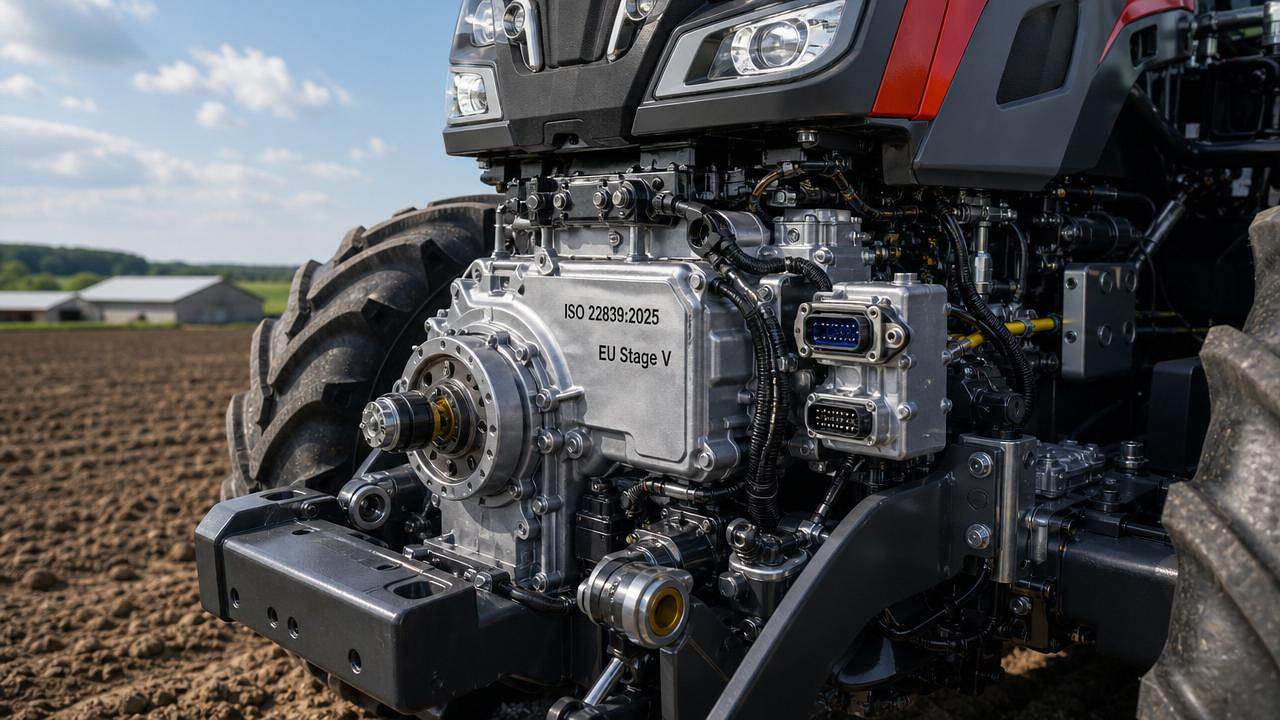




Starting 1 June 2026, all agricultural power machinery—including tractors and self-propelled sprayers equipped with CVT transmissions—imported into the European Union must comply with Stage V emission limits and integrate an on-board diagnostic (OBD) system conforming to ISO 22839:2025. This regulatory shift directly affects Chinese CVT transmission suppliers whose products lack embedded CAN-bus–level diagnostic protocol stacks and standardized fault-code mapping tables, as such noncompliance blocks CE marking and jeopardizes whole-machine export clearance.
Regulatory Requirements Effective 1 June 2026
As of 1 June 2026, EU Regulation (EU) 2016/1628—as amended to incorporate Stage V emission limits—mandates full compliance for new type-approval and placing-on-market of agricultural and forestry vehicles. Specifically, machines incorporating CVT transmissions must meet both exhaust emission thresholds and real-time OBD functionality per ISO 22839:2025. CE certification will be withheld if the CVT unit does not support standardized diagnostic communication via CAN bus, including defined message structures, data identifiers, and fault code definitions (DTCs).
Impact Across Supply Chain Roles
Export-Oriented Equipment Manufacturers
Manufacturers integrating CVTs into tractors or sprayers face immediate type-approval delays if their CVT suppliers cannot demonstrate ISO 22839:2025–compliant OBD readiness. Certification timelines may extend significantly, affecting delivery schedules for EU-bound orders.
CVT Component Suppliers
Chinese CVT producers must now embed certified diagnostic software stacks—not just hardware interfaces—into their control units. Absence of pre-integrated protocol stacks and DTC mapping tables renders retrofitting impractical under current CE assessment procedures.
System Integrators & Tier-1 Assemblers
Companies responsible for vehicle-level integration must verify OBD interoperability between CVT modules and engine management systems early in development. Incompatibility risks invalidating entire OBD system validation reports required for EU type approval.
Compliance & Certification Service Providers
Testing laboratories and notified bodies are updating evaluation protocols to include functional OBD verification per ISO 22839:2025—especially diagnostic trouble code triggering, freeze frame data capture, and readiness monitor status reporting—adding complexity to conformity assessments.
Key Compliance Actions for Affected Enterprises
Validate OBD Protocol Stack Integration Early
Confirm that CVT control units implement the full ISO 22839:2025 diagnostic message set—including service $01 (current data), $03 (stored DTCs), $07 (pending DTCs), and $0A (permanent DTCs)—and support mandatory monitoring functions like catalyst efficiency and EGR system performance.
Secure Documentation for CE Technical File
Prepare and retain evidence of diagnostic software versioning, CAN ID allocation tables, DTC definition documents aligned with ISO 15031–6, and traceable test reports verifying OBD behavior under representative operating conditions.
Engage Notified Bodies Before Prototype Finalization
Initiate pre-assessment discussions with EU-notified bodies to align on interpretation of ISO 22839:2025 requirements—particularly regarding diagnostic readiness monitor sequencing and failure response timing—before committing to final control unit firmware releases.
Review Supplier Contracts for Diagnostic Liability
Update procurement agreements with CVT suppliers to explicitly assign responsibility for OBD compliance, software updates, and technical documentation provision—ensuring contractual enforceability should CE certification fail due to diagnostic deficiencies.
Industry Perspective: Beyond Compliance to Embedded Intelligence
Analysis shows this requirement marks a structural shift: EU regulation is no longer focused solely on emissions reduction, but increasingly on verifiable, real-time system health monitoring. From an industry perspective, ISO 22839:2025 effectively mandates diagnostic intelligence as infrastructure—not optional add-on—within powertrain components. What deserves closer attention is the implied timeline pressure: developing, validating, and certifying compliant diagnostic stacks typically requires 9–12 months, suggesting suppliers who delayed design work past mid-2025 face high risk of missing the June 2026 deadline. It is more appropriate to understand this as a de facto entry requirement for digital-ready powertrain components—not merely an emissions footnote.
Strategic Implication for Global Powertrain Suppliers
This rule elevates diagnostic capability from a secondary feature to a foundational compliance prerequisite. For CVT suppliers targeting global markets, achieving ISO 22839:2025 alignment strengthens eligibility not only for EU access but also for future regulatory frameworks—such as upcoming U.S. EPA OBD II extensions or Japan’s post-2027 off-road diagnostic mandates—that follow similar architecture principles. Success hinges less on mechanical redesign and more on disciplined software engineering discipline, traceable documentation, and proactive certification engagement.
Source Information and Verification Notes
This article is generated exclusively from the provided title, event date (2026-06-01), and summary text. Specific official source links were not provided in the input and should be verified continuously. Stakeholders are advised to monitor updates from the European Commission’s Directorate-General for Mobility and Transport (DG MOVE), official notifications from EU notified bodies, and revisions to harmonized standards referenced under Regulation (EU) 2016/1628. Further clarification on implementation guidance, transitional arrangements, and testing methodology remains subject to ongoing consultation and may evolve prior to the enforcement date.
Related News
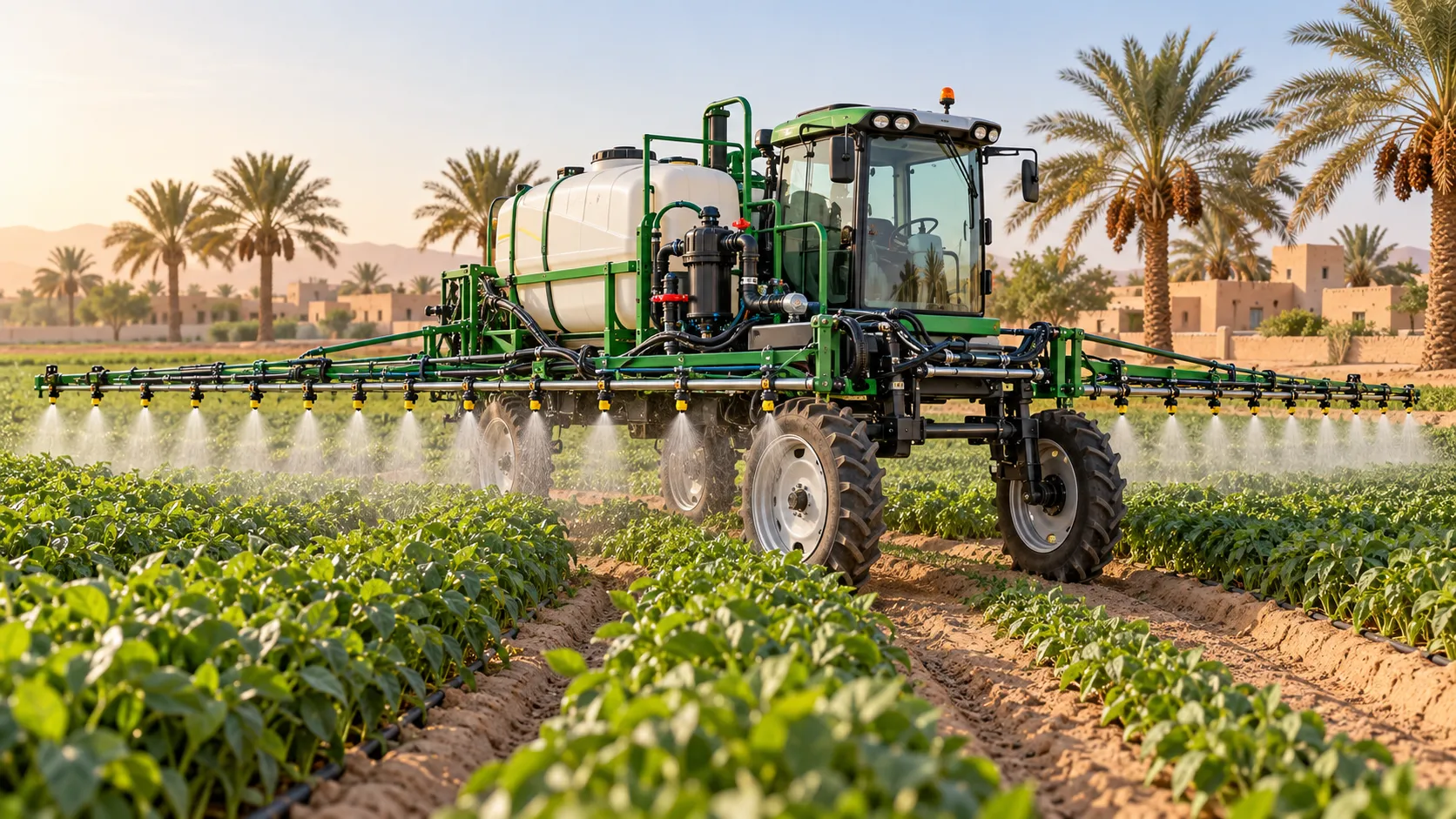
Choosing Crop Protection Equipment for Hot, Windy Middle Eastern Farms
Compare crop protection equipment Middle East farms need for hot, windy conditions. Discover key nozzle, drift-control, and durability checks to choose the right sprayer.
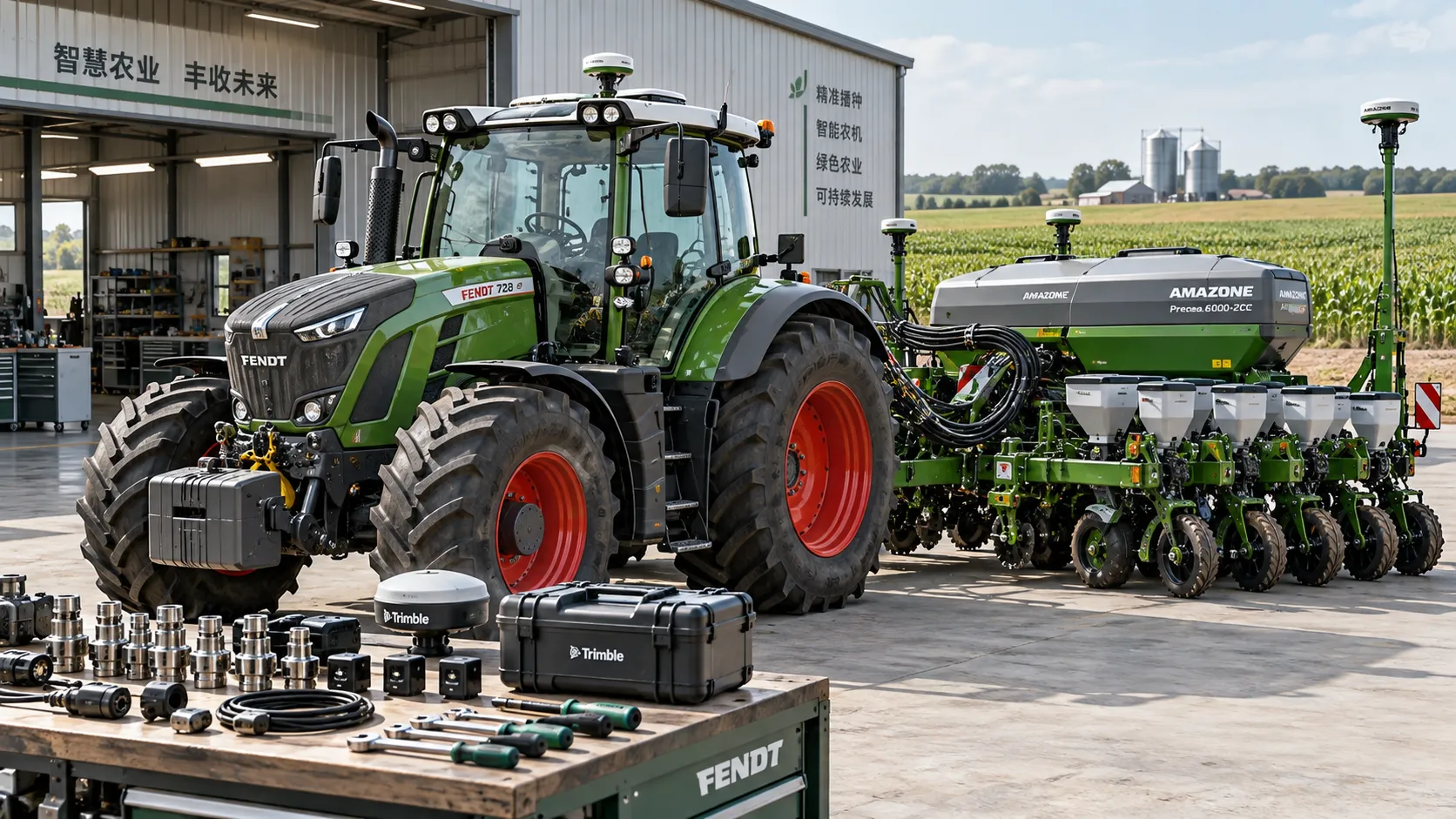
Choosing an Agriculture 4.0 Supplier: Compatibility, Support, and Total Cost
Choose an Agriculture 4.0 supplier with confidence. Learn how to verify compatibility, assess support, and compare total ownership costs to avoid hidden fees and costly downtime.
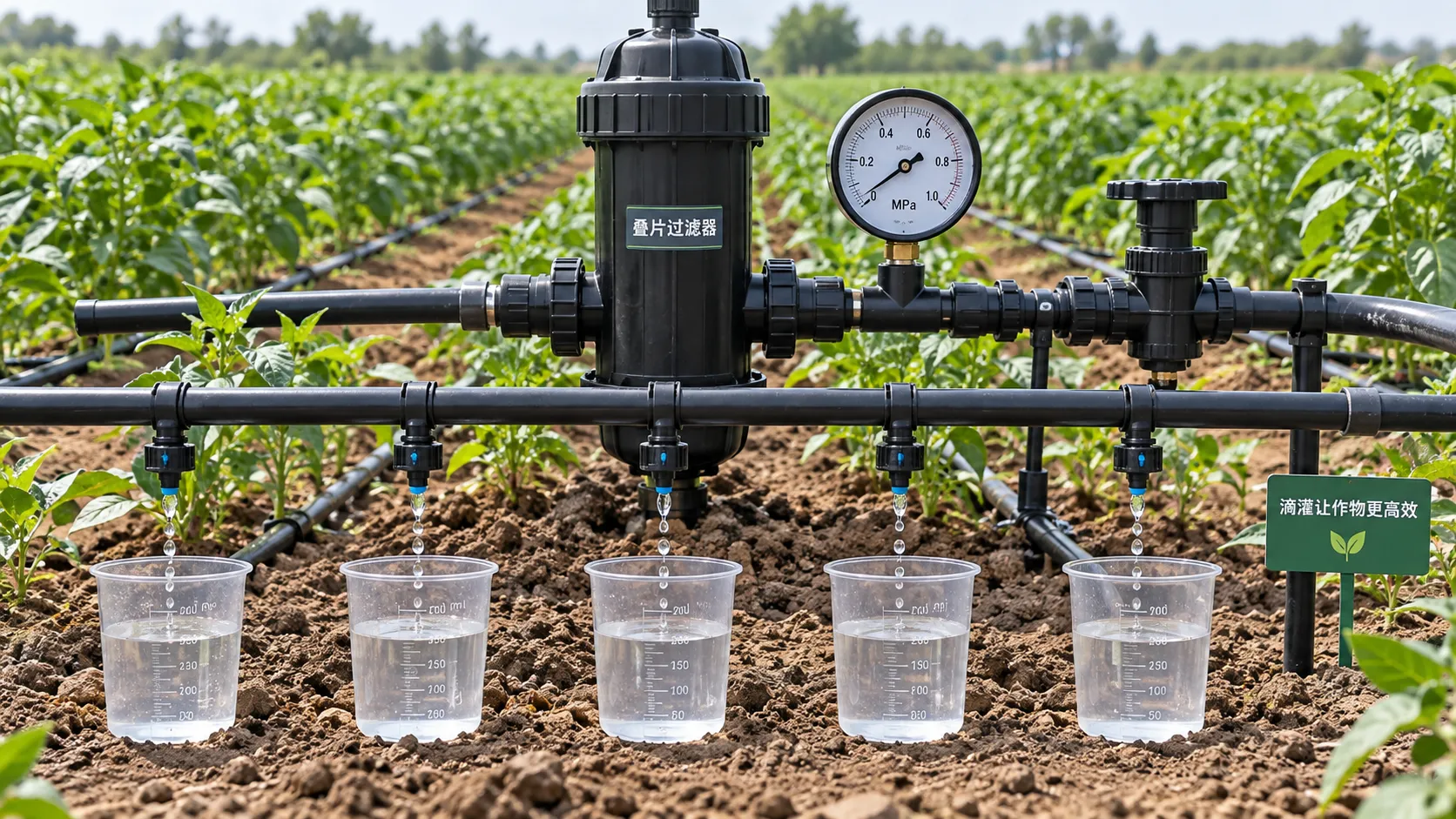
Low-Pressure Drip Irrigation: How to Fix Uneven Watering Without Raising Pressure
Optimize low pressure water-saving irrigation systems: discover how to fix uneven watering, clear blockages, and reduce hydraulic losses without raising supply pressure.
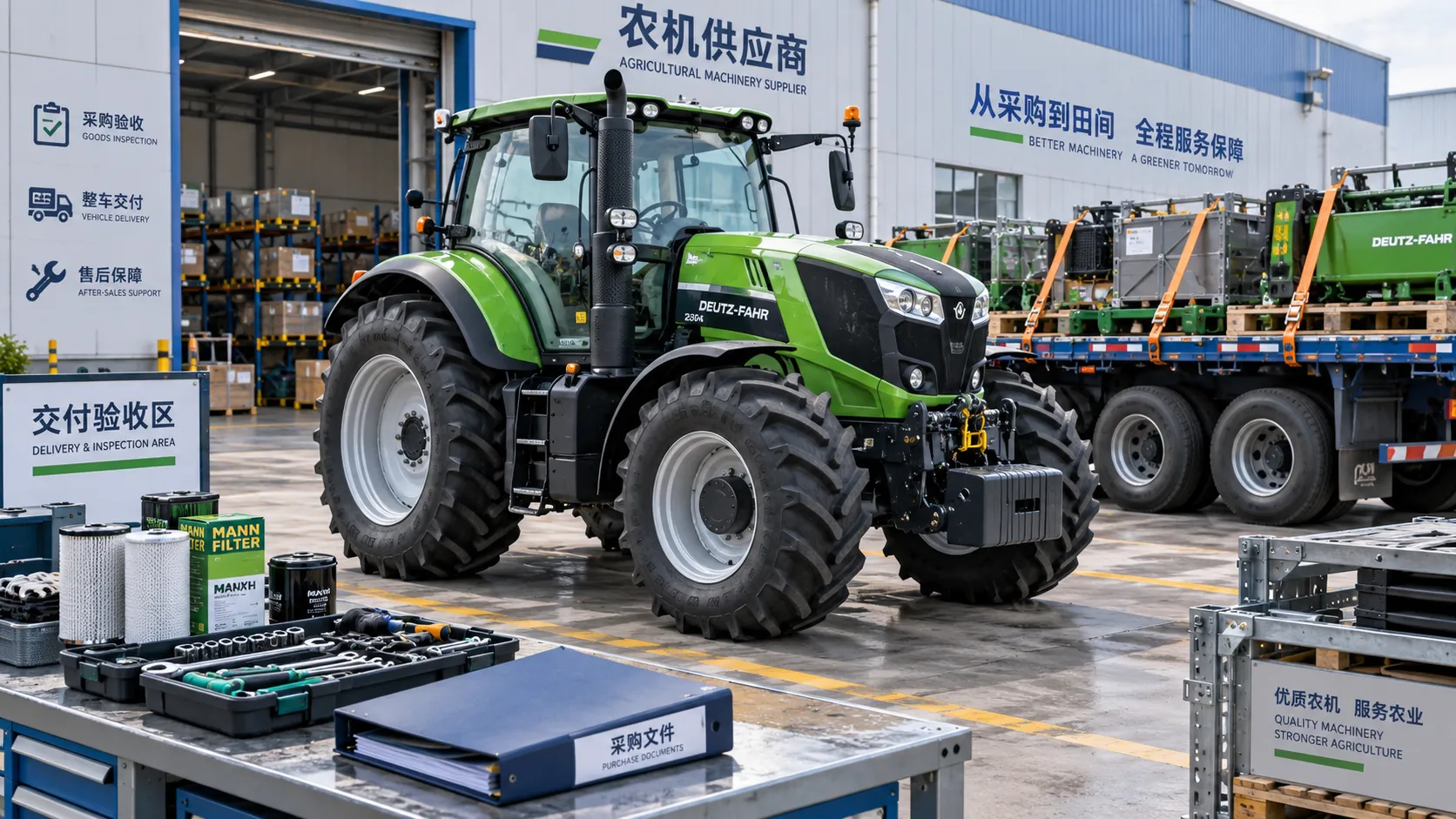
Comparing Farm Equipment Supplier Quotes: Price, Freight, and Warranty
Simplify supplier comparison for farm equipment price: assess freight, field-ready costs, and warranty coverage. Learn how to avoid hidden charges and choose a reliable supplier.
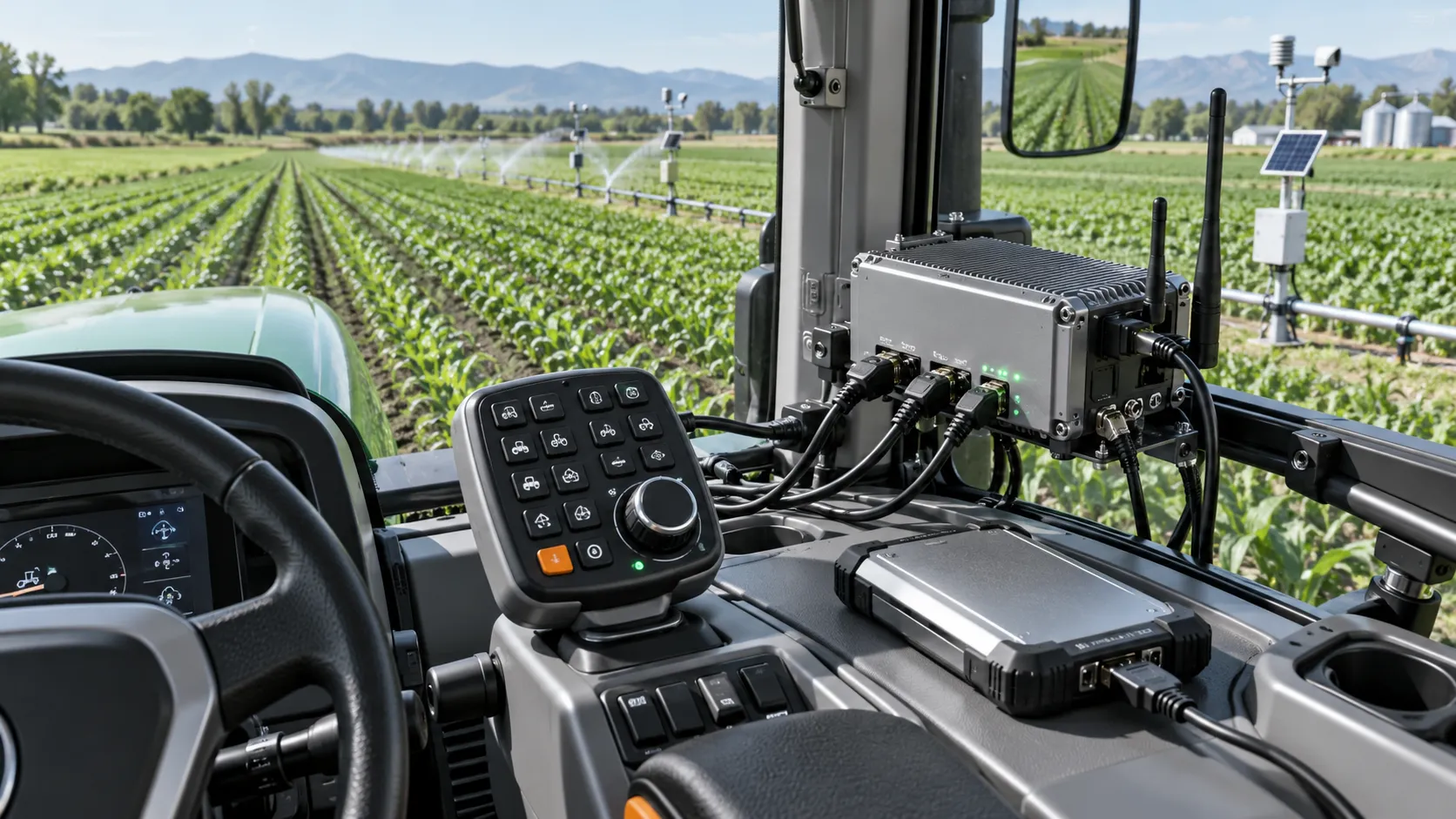
Choosing a Digital Farming Platform Provider: Compatibility and Data Ownership
Compare digital farming platforms providers on equipment compatibility, data ownership, and export rights. Discover practical checks to avoid lock-in and choose with confidence.
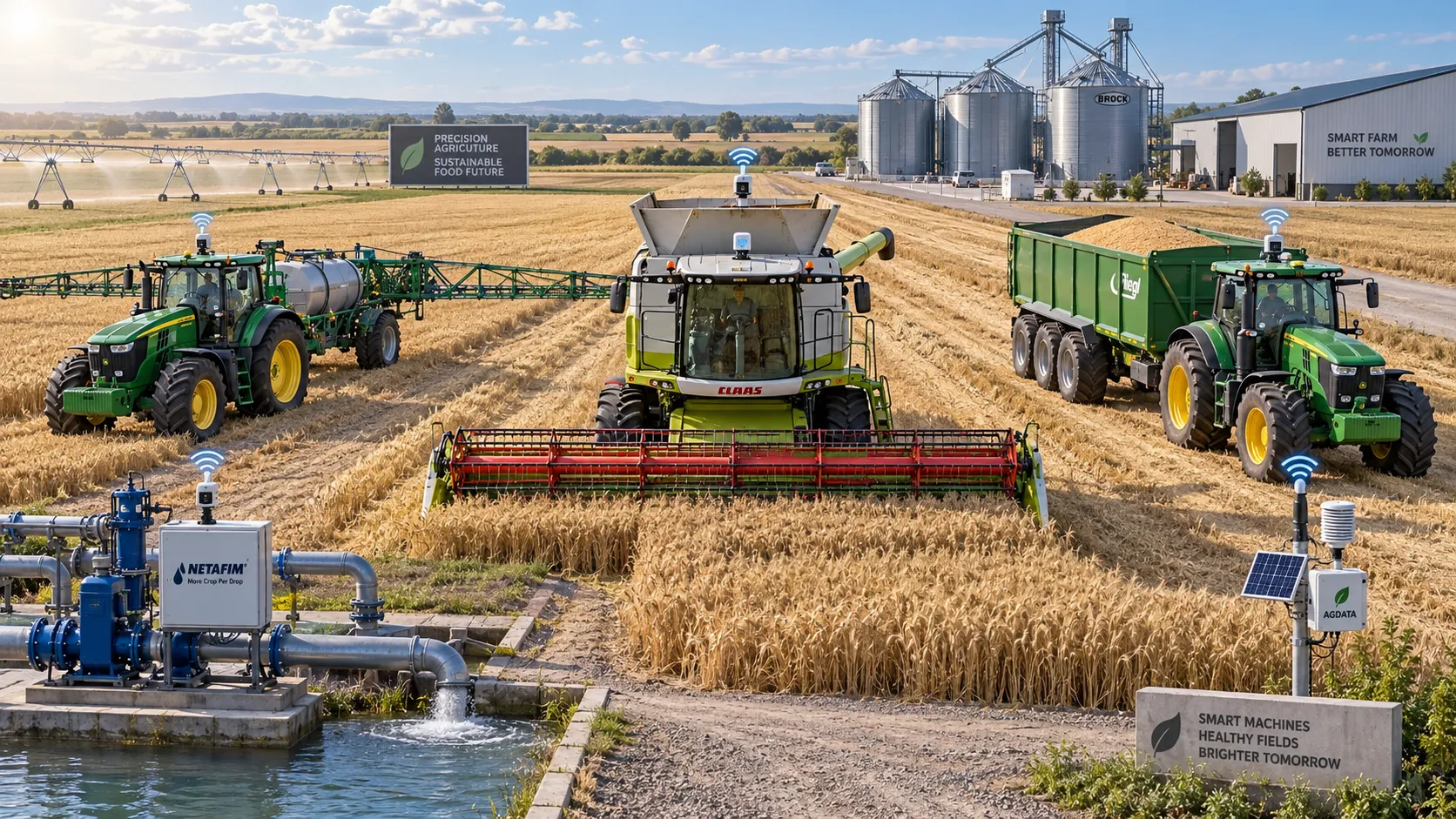
How Large-Scale Farm Telematics Cuts Downtime Across Mixed Fleets
Large-scale farm equipment telematics cuts mixed-fleet downtime with real-time alerts, smarter maintenance, and stronger operational control. Learn how to protect critical farm workflows.
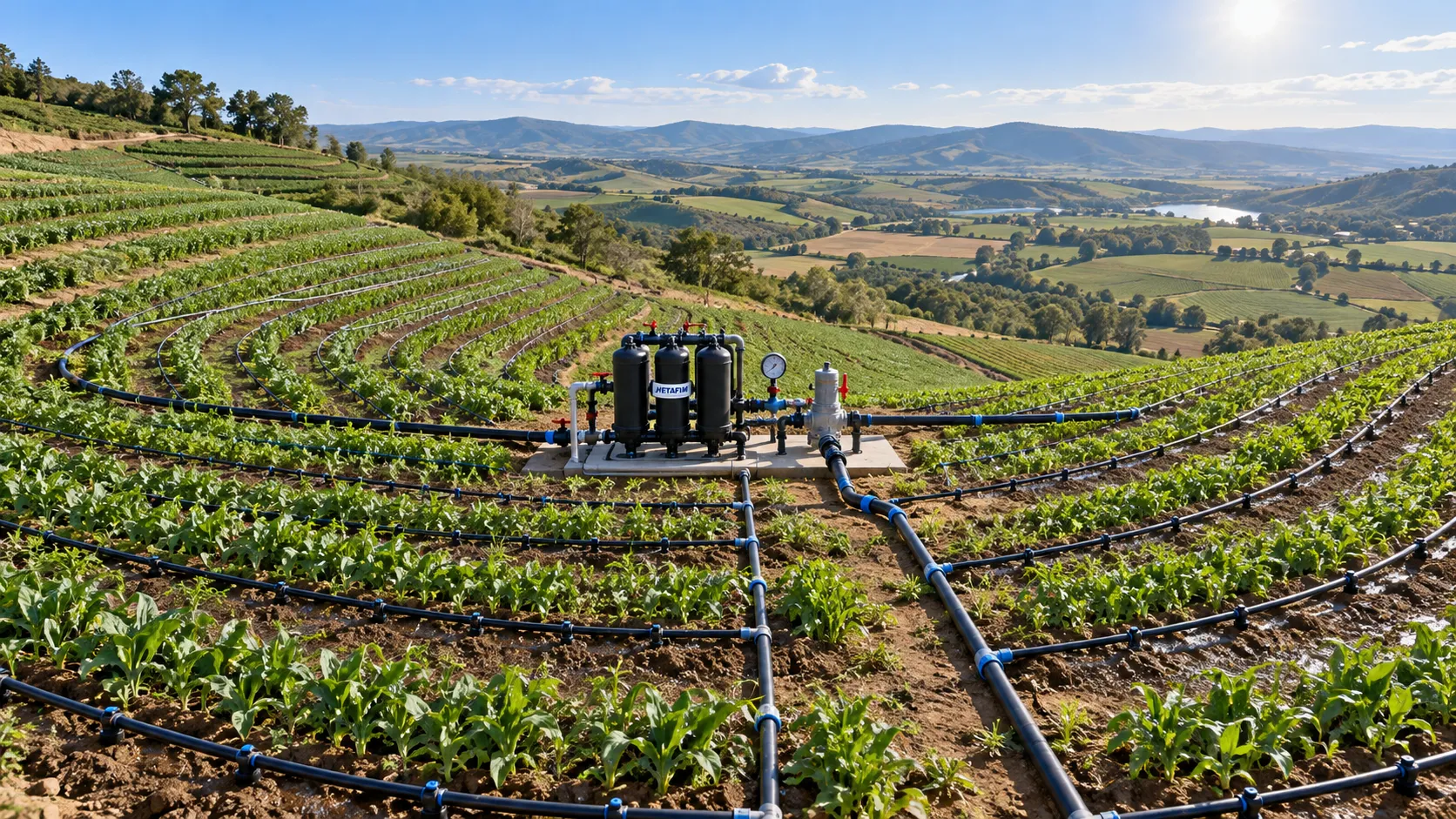
How to Size Low-Pressure Water-Saving Irrigation Systems for Uneven Fields
Low pressure water-saving irrigation systems for uneven fields: learn zoning, pressure mapping, pipe sizing, and pump selection to improve uniformity and reduce water waste.
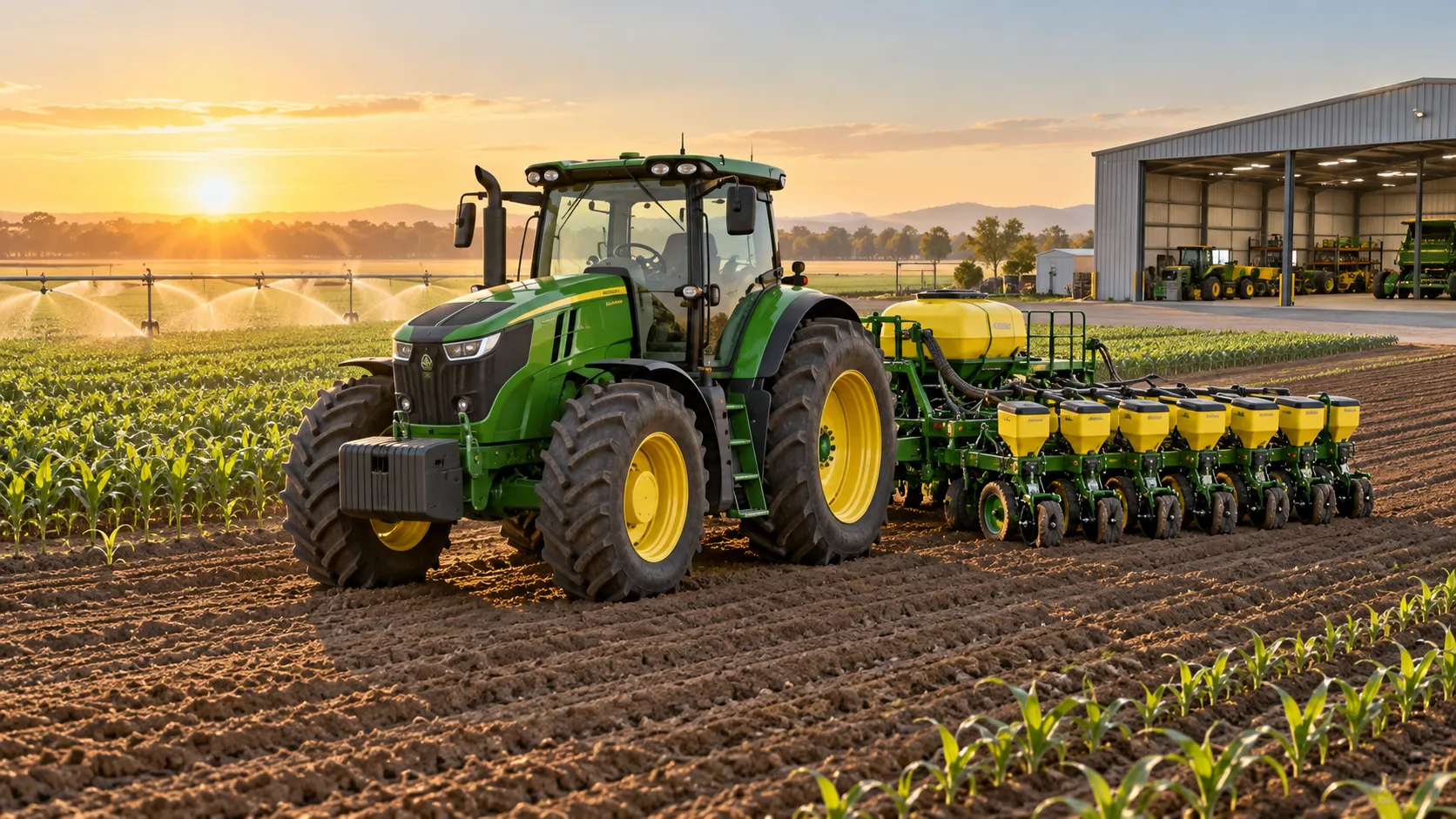
Farm Machinery Sourcing: How to Vet Suppliers, Specs, and Lifecycle Costs
Farm machinery information for sourcing: learn to vet suppliers, compare specifications, control lifecycle costs, and secure reliable uptime for smarter equipment purchases.
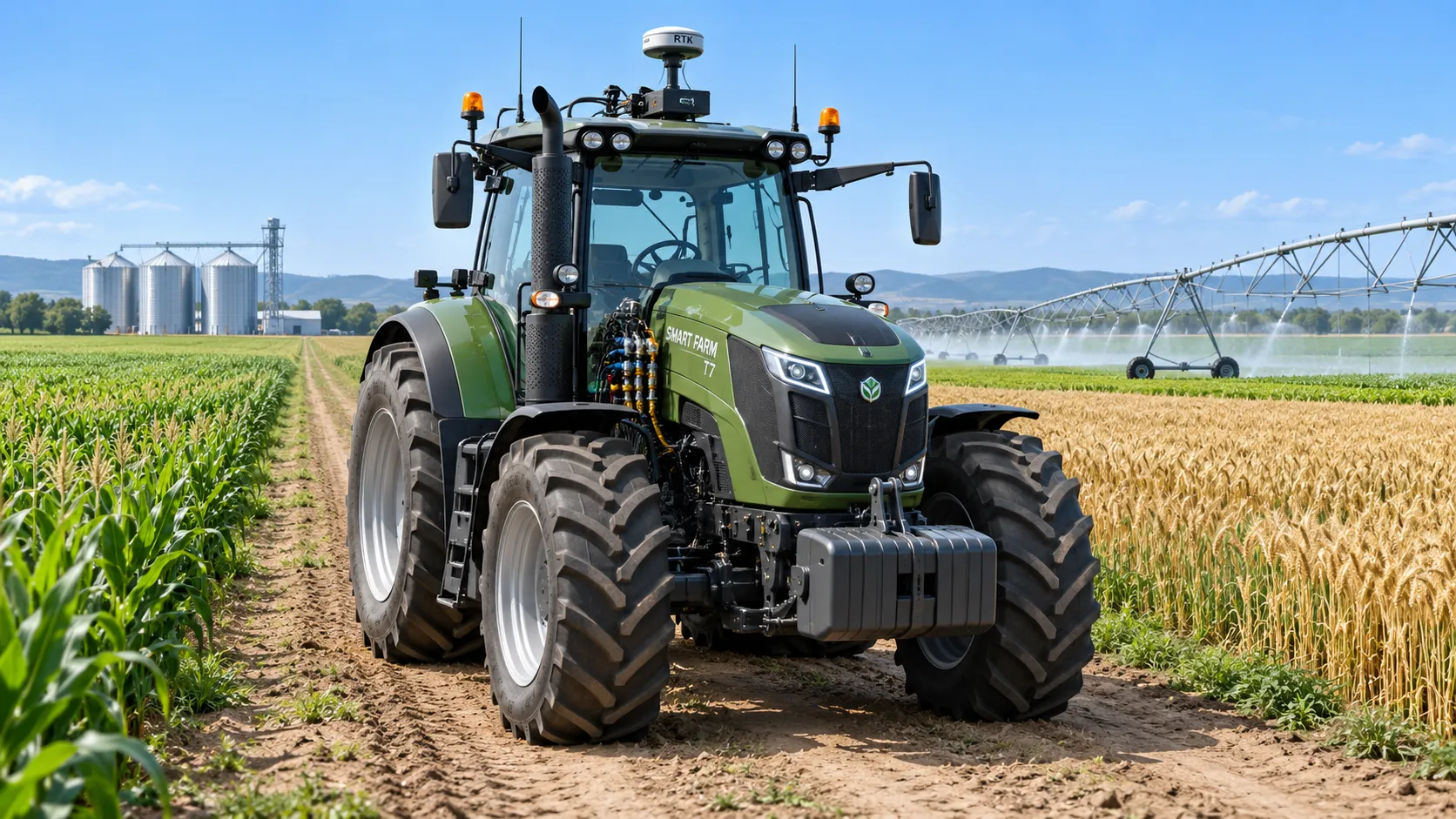
How telemetry for agriculture helps identify equipment downtime
Telemetry for agriculture helps detect early warning signs, prioritize maintenance, and reduce costly equipment downtime before field operations are disrupted.
Related News
- 00
0000-00
Choosing Crop Protection Equipment for Hot, Windy Middle Eastern Farms - 00
0000-00
Choosing an Agriculture 4.0 Supplier: Compatibility, Support, and Total Cost - 00
0000-00
Low-Pressure Drip Irrigation: How to Fix Uneven Watering Without Raising Pressure - 00
0000-00
Comparing Farm Equipment Supplier Quotes: Price, Freight, and Warranty - 00
0000-00
Choosing a Digital Farming Platform Provider: Compatibility and Data Ownership
Popular Tags
Industry Global
Weekly Insights
Stay ahead with our curated technology reports delivered every Monday.