
Vietnam Cement Expo Spurs Bulk Inquiries for Drip Irrigation Logic in SEA Infrastructure
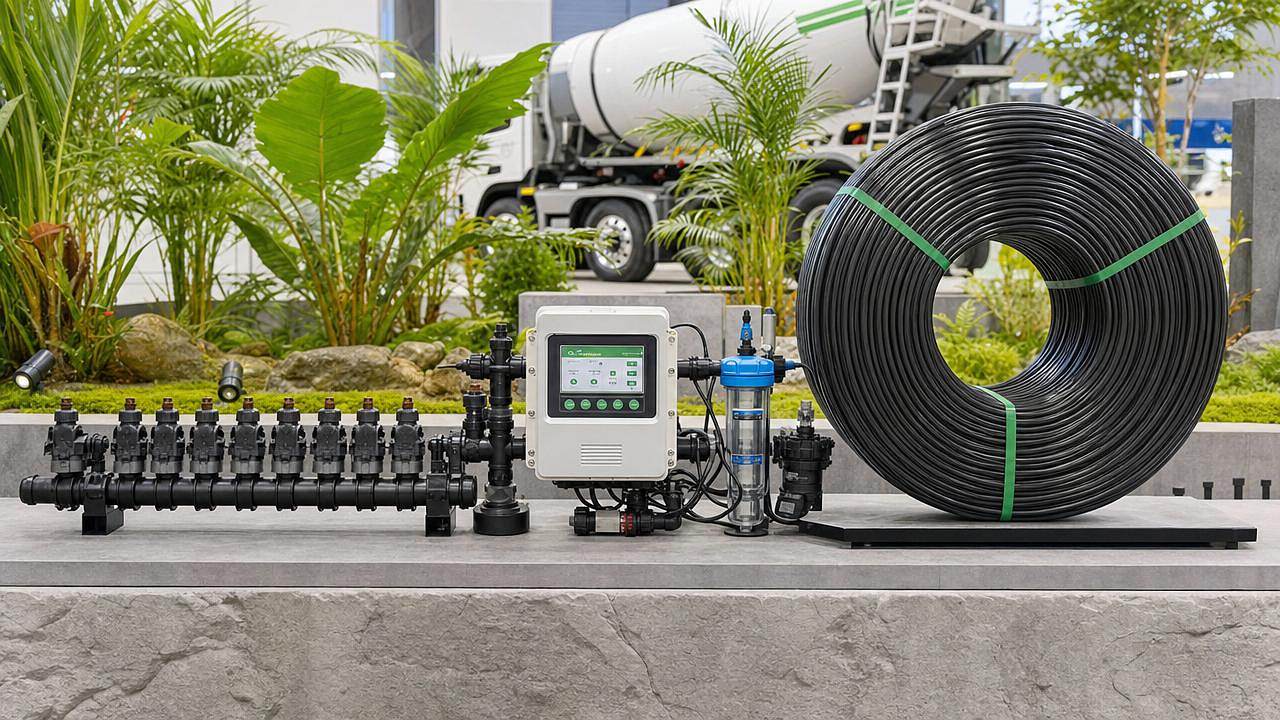




At the conclusion of the sixth Vietnam International Cement & Concrete Exhibition (May 27–28, 2026), Chinese smart irrigation suppliers showcasing Drip Irrigation Logic systems—featuring pressure-compensating emitters, remote fertigation controllers, and soil-moisture联动 algorithms—received concentrated bulk inquiries from Vietnamese EPC contractors under the Ministry of Agriculture and Rural Development, as well as infrastructure distributors from the Philippines and Indonesia. Single-project意向 procurement volumes reached 50,000–120,000 meters of drip line systems. This development signals emerging cross-sector demand at the intersection of cement/construction infrastructure and precision water management—particularly relevant for trade, manufacturing, and distribution stakeholders serving tropical Southeast Asian markets.
Event Overview
The sixth Vietnam International Cement & Concrete Exhibition took place on May 27–28, 2026. During the event, multiple Chinese enterprises demonstrated Drip Irrigation Logic systems tailored for tropical infrastructure applications. These systems integrate pressure-compensating drip emitters, remote-controlled water-fertilizer integration controllers, and soil moisture–triggered irrigation algorithms. Vietnamese EPC contractors affiliated with the national Ministry of Agriculture and Rural Development—as well as infrastructure-focused distributors from the Philippines and Indonesia—submitted bulk inquiries. Confirmed inquiry volumes for individual infrastructure projects ranged between 50,000 and 120,000 linear meters of drip irrigation tubing.
Industries Affected by This Development
Direct Exporters and Trade Enterprises: These firms face immediate implications for product positioning and documentation alignment. The inquiries originated from EPC contractors and infrastructure distributors—not end farmers—indicating a shift toward B2B2G (business-to-business-to-government) procurement channels. Impact manifests in tender readiness, compliance with local infrastructure material specifications (e.g., UV resistance, pressure rating), and certification requirements for public-sector projects.
Manufacturers of Precision Irrigation Components: Demand signals point to increased volume expectations for pressure-compensating emitters and integrated controller-housing assemblies. Since the quoted systems include algorithm-driven soil moisture linkage, manufacturers may need to assess firmware localization capacity and interoperability with regional weather or agronomic data platforms—even if not yet deployed.
Distribution and Channel Partners in ASEAN: Distributors engaged in construction-adjacent sectors (e.g., civil works supply, utility infrastructure logistics) are now encountering irrigation hardware as a complementary category. Impact includes inventory planning for longer-length drip tubing (not just standard coil formats), technical pre-sales support capability for EPC engineering teams, and coordination with local civil standards bodies for installation guidelines.
Supply Chain and Logistics Providers: The scale of quoted volumes (50k–120k meters per project) implies containerized shipment patterns distinct from traditional agricultural parcel shipments. Impact centers on palletization standards for coiled tubing, customs classification clarity (e.g., HTS codes distinguishing irrigation hardware from general plastic piping), and lead-time sensitivity tied to infrastructure project milestones rather than planting seasons.
What Relevant Enterprises or Practitioners Should Monitor and Act On
Track official procurement frameworks—not just commercial inquiries
While bulk inquiries were received, no formal contracts or government tenders have been publicly confirmed. Enterprises should monitor Vietnam’s Ministry of Agriculture and Rural Development and Philippine Department of Public Works and Highways for upcoming infrastructure package announcements referencing ‘integrated water efficiency’ or ‘climate-resilient irrigation’—as these may signal actual tender windows.
Validate specification alignment for tropical civil infrastructure use cases
Current inquiries reference ‘tropical infrastructure scenarios’. This likely entails requirements beyond standard agricultural drip specs—such as resistance to prolonged UV exposure, tolerance to fluctuating municipal water pressure, and mechanical durability during road/bridge construction proximity. Firms should cross-check existing product test reports against ASTM D4976 (for polyethylene tubing) or ISO 9261 (for emitter flow uniformity under variable pressure).
Prepare for hybrid technical-commercial engagement
EPC contractors require system-level performance validation—not just component datasheets. Firms should compile engineering briefs showing how Drip Irrigation Logic integrates with common civil design software (e.g., AutoCAD Civil 3D annotation layers) and prepare localized installation schematics compliant with ASEAN civil works drawing conventions.
Avoid conflating inquiry volume with near-term revenue realization
Procurement cycles for infrastructure-linked irrigation remain longer than agricultural season cycles. A 50,000-meter inquiry does not equate to Q3 2026 shipment. Companies should distinguish between sales pipeline visibility (useful for capacity planning) and confirmed order intake (required for financial forecasting).
Editorial Perspective / Industry Observation
Observably, this episode reflects a structural expansion of irrigation technology’s application scope—from standalone farm plots into engineered civil infrastructure. It is not yet evidence of scaled deployment, but rather a signal that water-efficiency logic is becoming a modular consideration within broader infrastructure planning. Analysis shows that such cross-sectoral recognition typically precedes formal inclusion in national infrastructure standards by 12–24 months. From an industry perspective, the key implication lies less in immediate export spikes and more in the recalibration of product development timelines, technical documentation depth, and channel partner capability building—especially where irrigation intersects with public-sector civil works procurement.
Concluding, this development underscores a gradual but measurable convergence between construction-grade infrastructure delivery and precision water management systems in tropical ASEAN markets. It is best understood not as a discrete commercial opportunity, but as an early indicator of evolving technical procurement norms—one requiring sustained attention to specification evolution, not just sales momentum.
Source: Official exhibition records and participant statements from the sixth Vietnam International Cement & Concrete Exhibition (May 27–28, 2026). Note: Contract awards, tender issuances, and regulatory updates related to irrigation integration in civil infrastructure remain pending confirmation and are subject to ongoing observation.
Related News
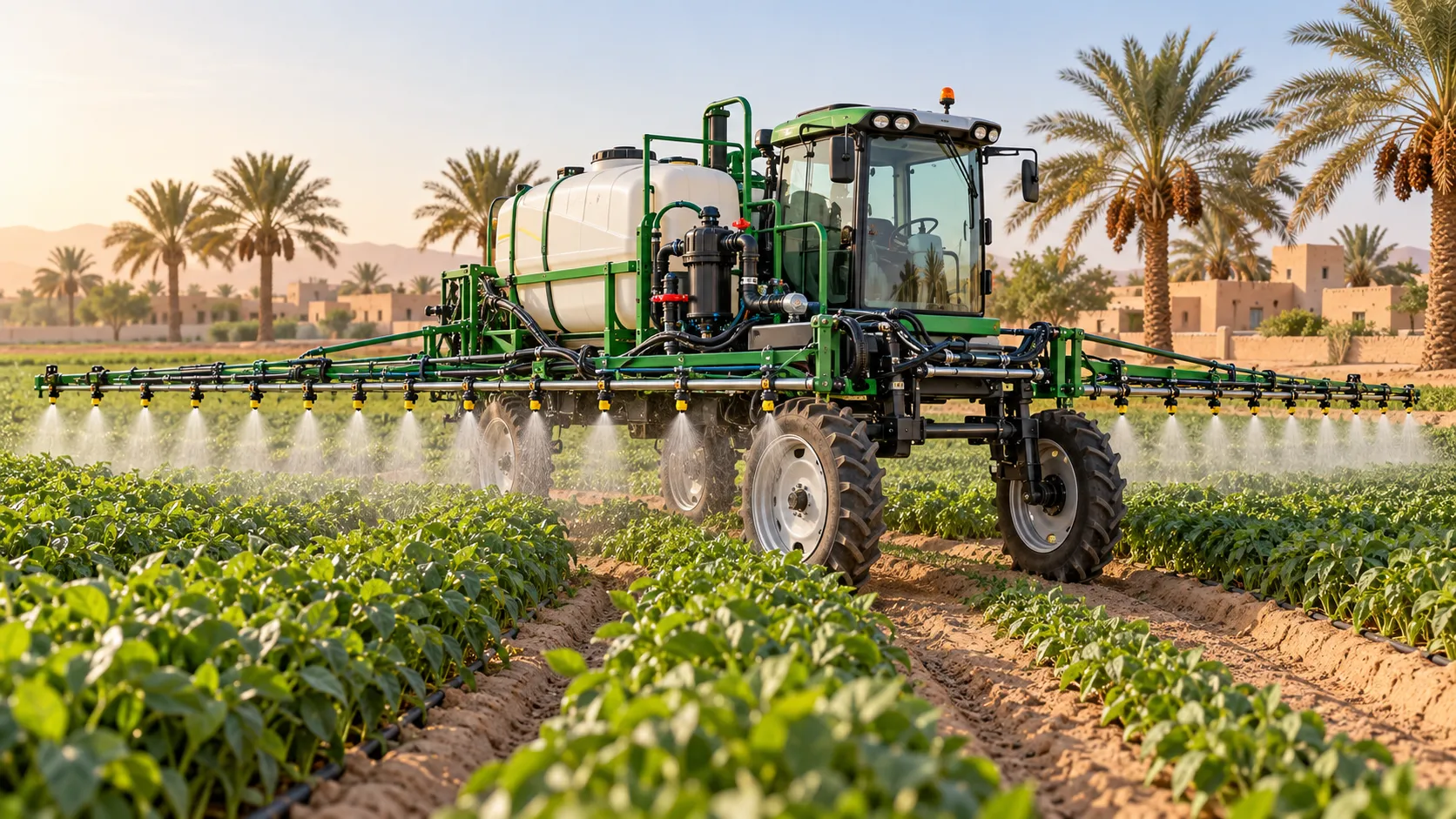
Choosing Crop Protection Equipment for Hot, Windy Middle Eastern Farms
Compare crop protection equipment Middle East farms need for hot, windy conditions. Discover key nozzle, drift-control, and durability checks to choose the right sprayer.
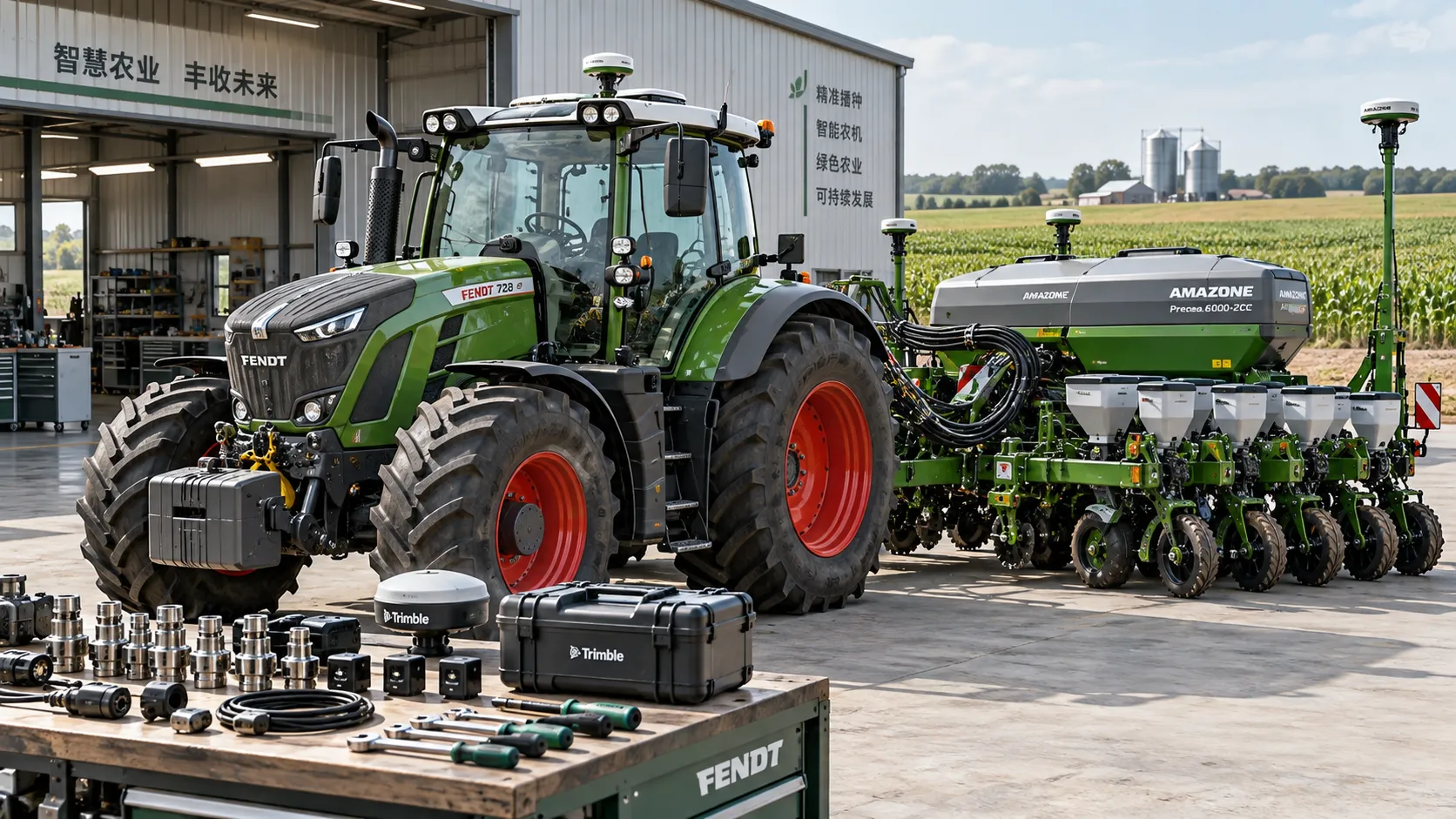
Choosing an Agriculture 4.0 Supplier: Compatibility, Support, and Total Cost
Choose an Agriculture 4.0 supplier with confidence. Learn how to verify compatibility, assess support, and compare total ownership costs to avoid hidden fees and costly downtime.
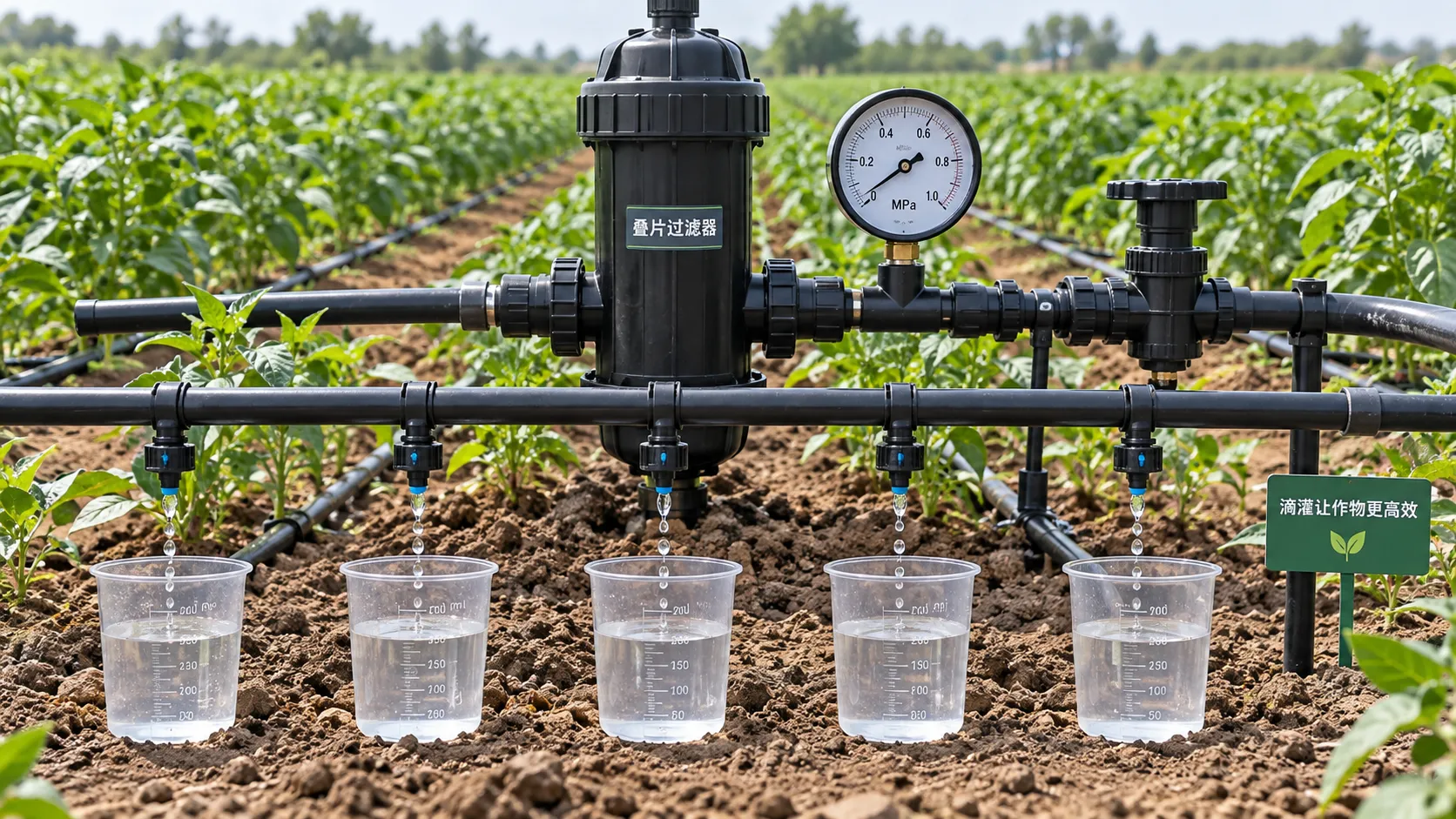
Low-Pressure Drip Irrigation: How to Fix Uneven Watering Without Raising Pressure
Optimize low pressure water-saving irrigation systems: discover how to fix uneven watering, clear blockages, and reduce hydraulic losses without raising supply pressure.
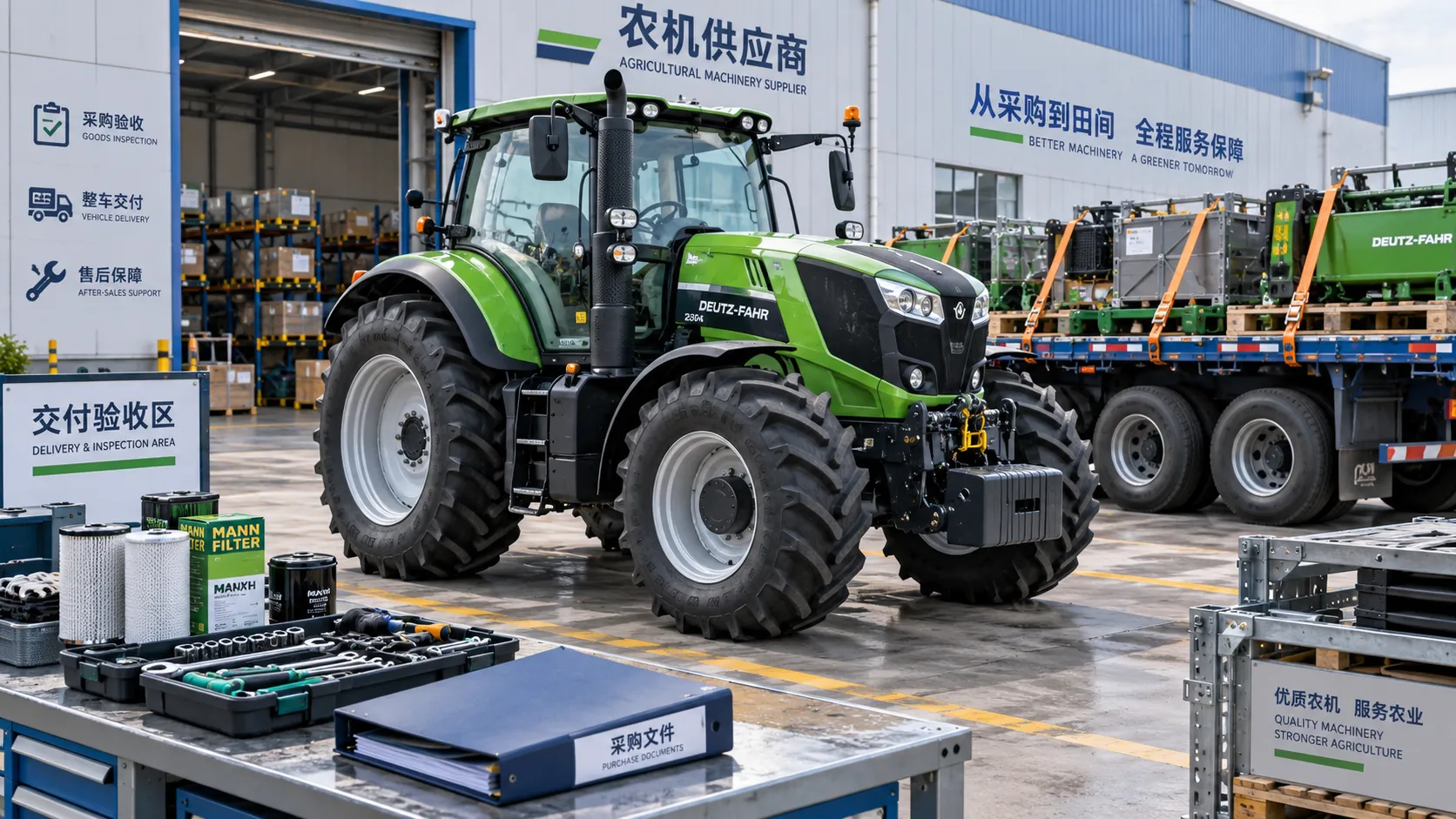
Comparing Farm Equipment Supplier Quotes: Price, Freight, and Warranty
Simplify supplier comparison for farm equipment price: assess freight, field-ready costs, and warranty coverage. Learn how to avoid hidden charges and choose a reliable supplier.
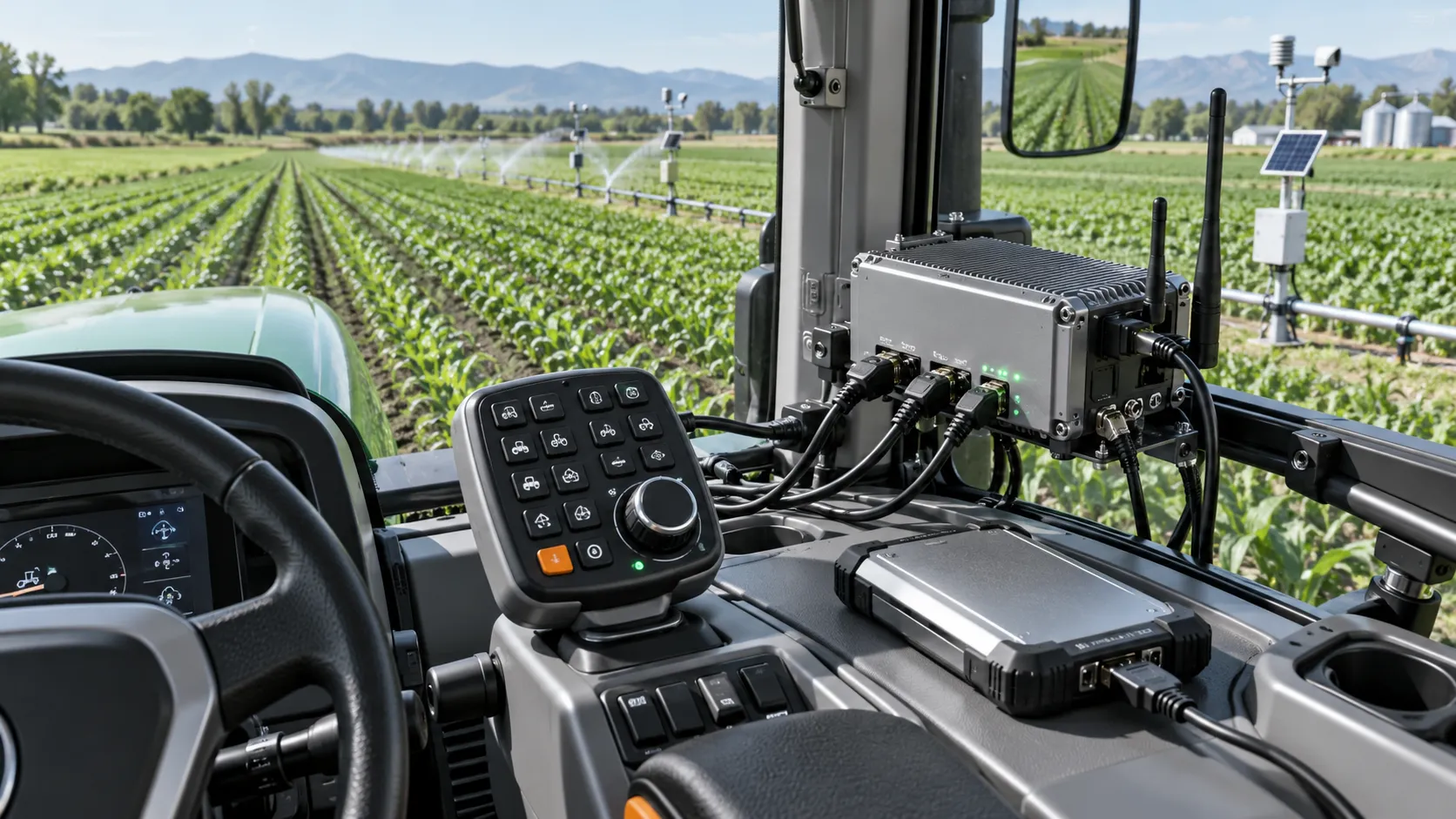
Choosing a Digital Farming Platform Provider: Compatibility and Data Ownership
Compare digital farming platforms providers on equipment compatibility, data ownership, and export rights. Discover practical checks to avoid lock-in and choose with confidence.
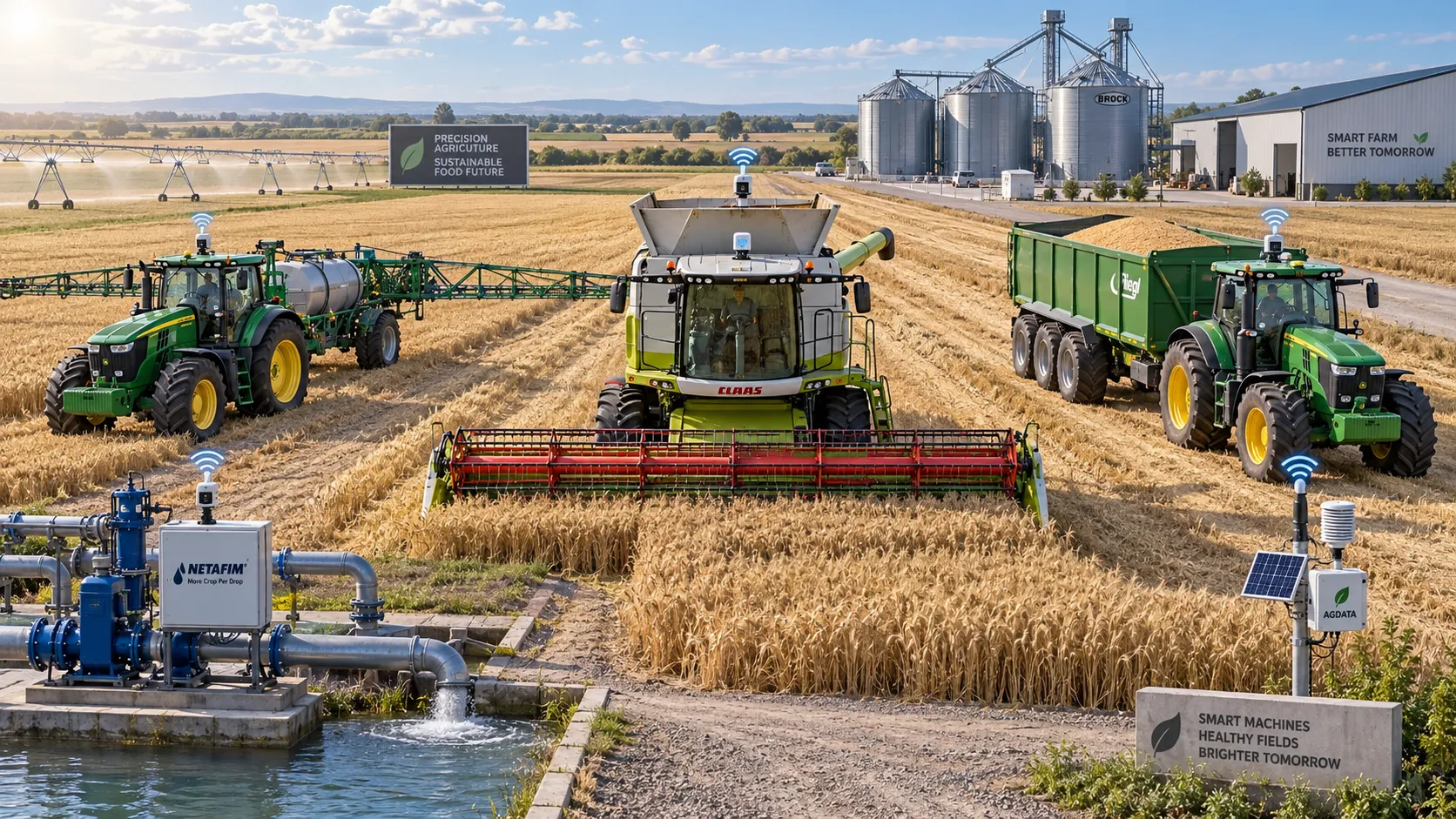
How Large-Scale Farm Telematics Cuts Downtime Across Mixed Fleets
Large-scale farm equipment telematics cuts mixed-fleet downtime with real-time alerts, smarter maintenance, and stronger operational control. Learn how to protect critical farm workflows.
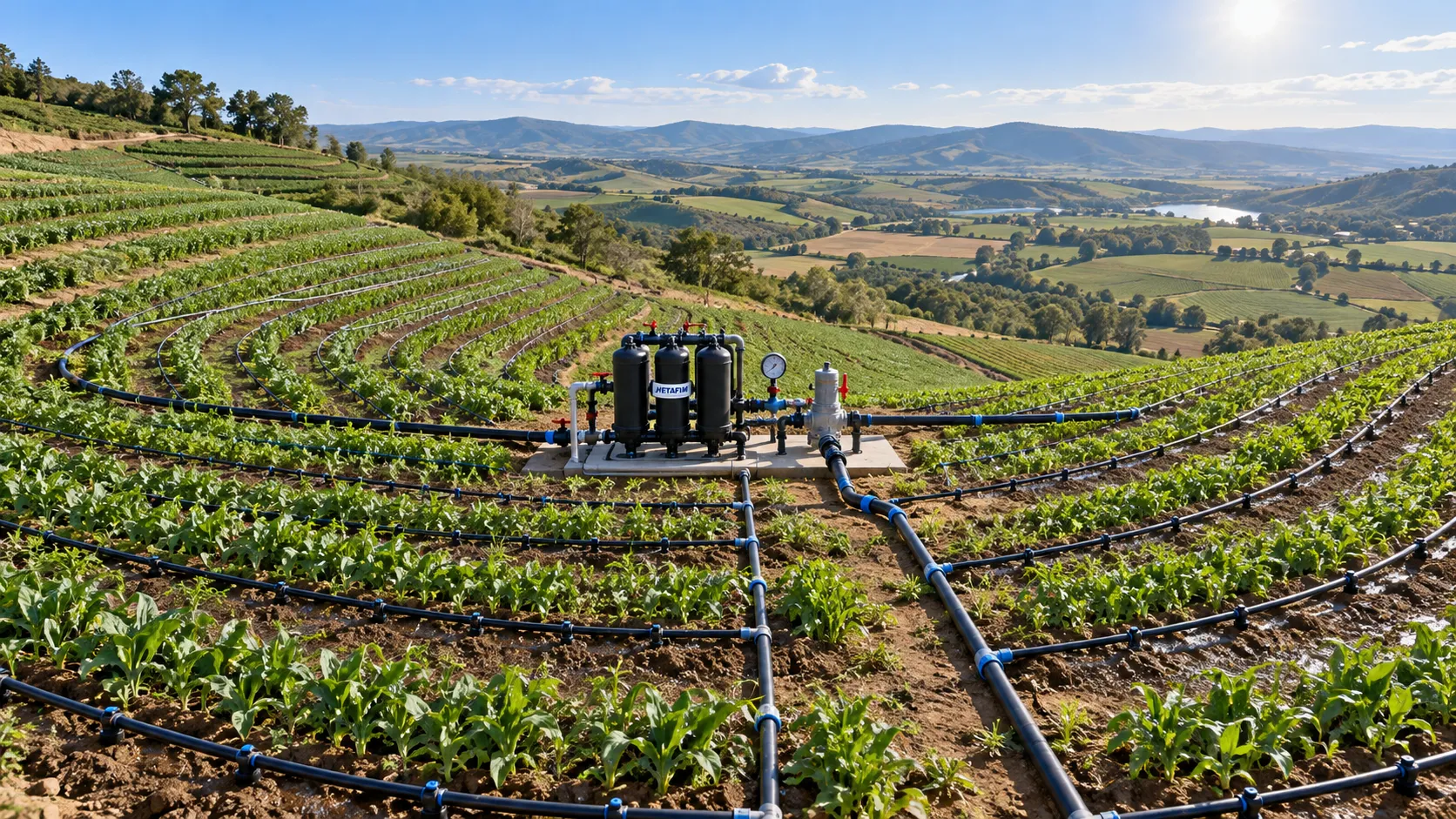
How to Size Low-Pressure Water-Saving Irrigation Systems for Uneven Fields
Low pressure water-saving irrigation systems for uneven fields: learn zoning, pressure mapping, pipe sizing, and pump selection to improve uniformity and reduce water waste.
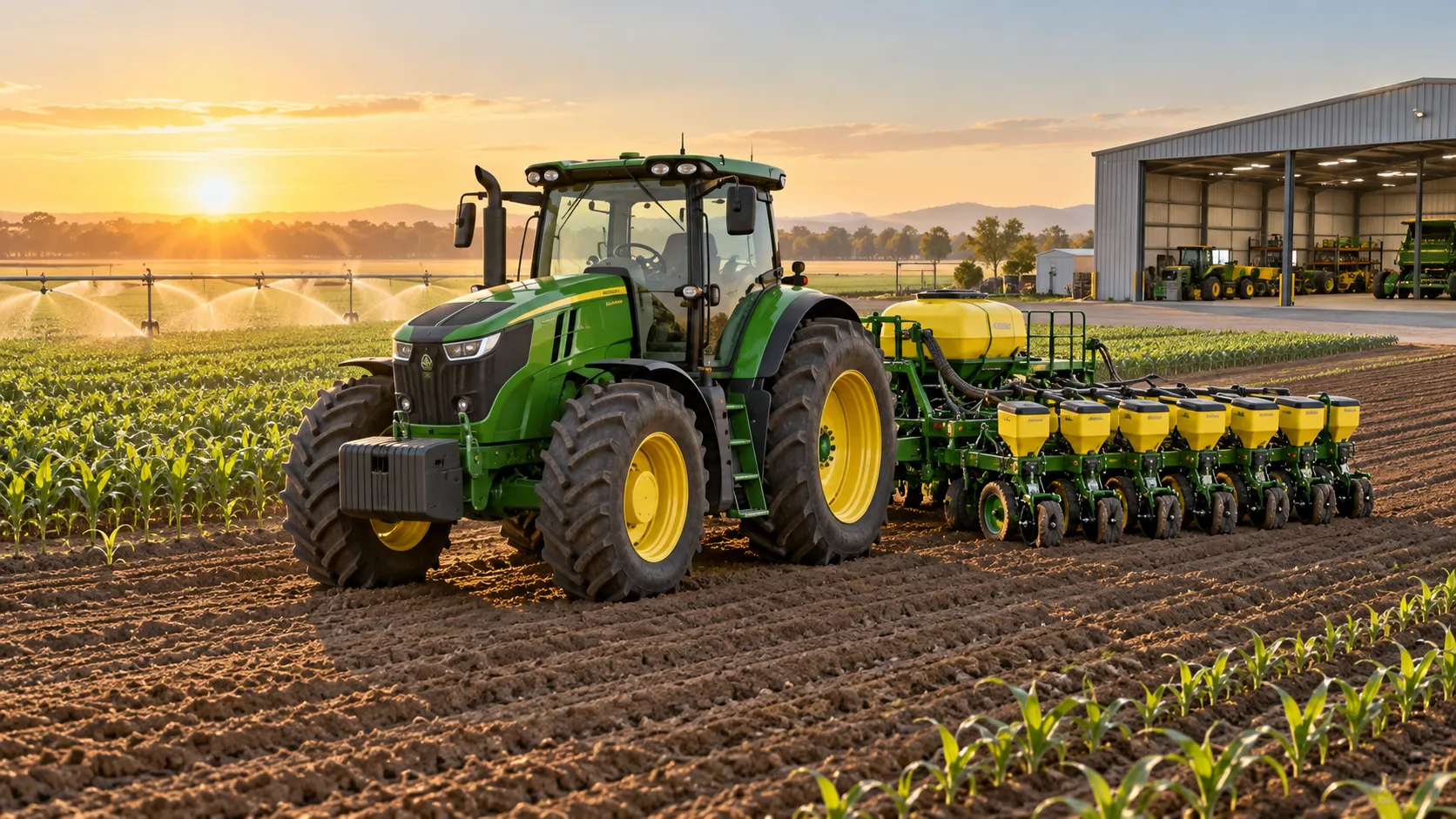
Farm Machinery Sourcing: How to Vet Suppliers, Specs, and Lifecycle Costs
Farm machinery information for sourcing: learn to vet suppliers, compare specifications, control lifecycle costs, and secure reliable uptime for smarter equipment purchases.
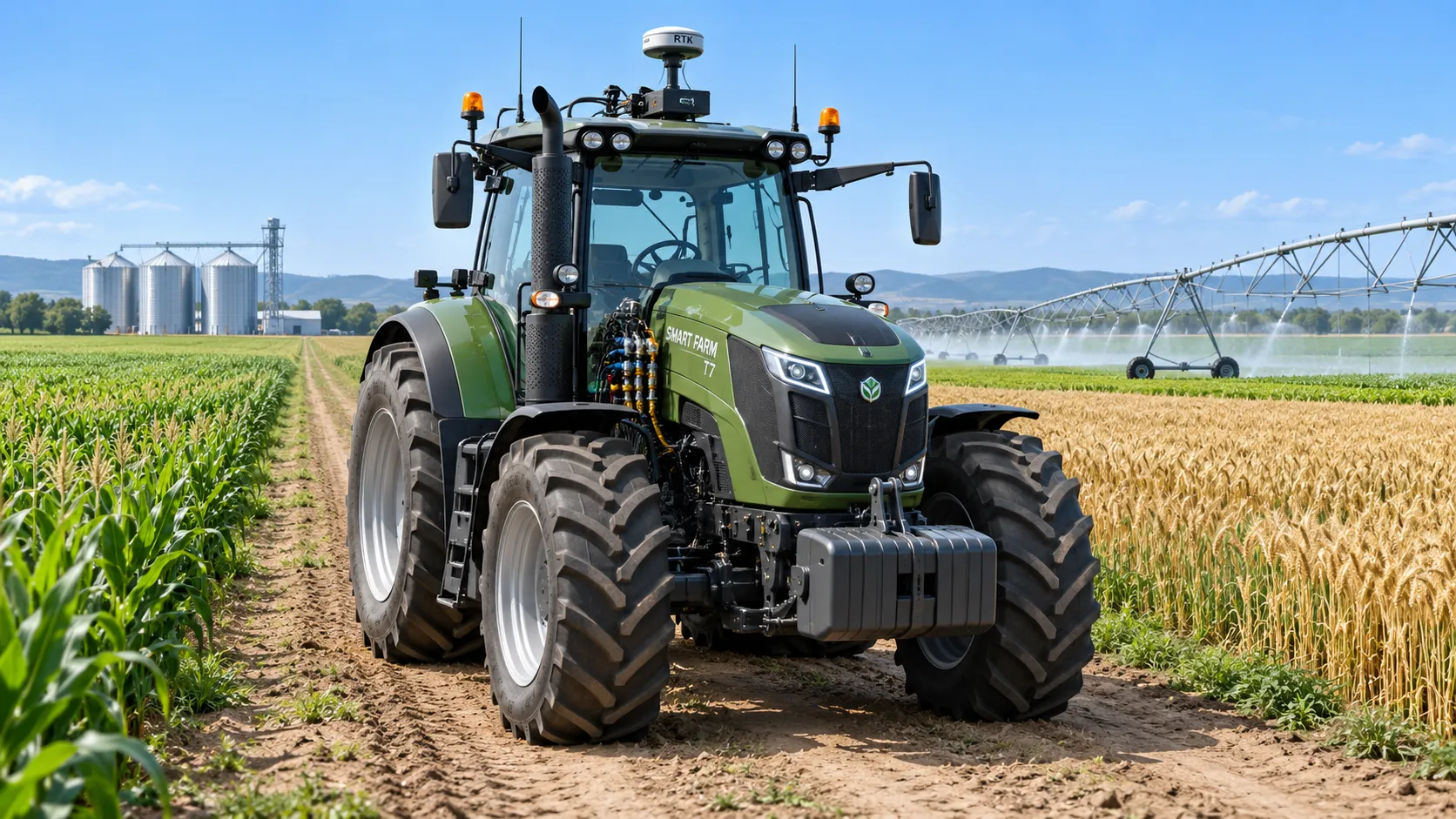
How telemetry for agriculture helps identify equipment downtime
Telemetry for agriculture helps detect early warning signs, prioritize maintenance, and reduce costly equipment downtime before field operations are disrupted.
Related News
- 00
0000-00
Choosing Crop Protection Equipment for Hot, Windy Middle Eastern Farms - 00
0000-00
Choosing an Agriculture 4.0 Supplier: Compatibility, Support, and Total Cost - 00
0000-00
Low-Pressure Drip Irrigation: How to Fix Uneven Watering Without Raising Pressure - 00
0000-00
Comparing Farm Equipment Supplier Quotes: Price, Freight, and Warranty - 00
0000-00
Choosing a Digital Farming Platform Provider: Compatibility and Data Ownership
Popular Tags
Industry Global
Weekly Insights
Stay ahead with our curated technology reports delivered every Monday.