
China Launches Trade Barrier Investigation on U.S. Green Farm Machinery Export Restrictions
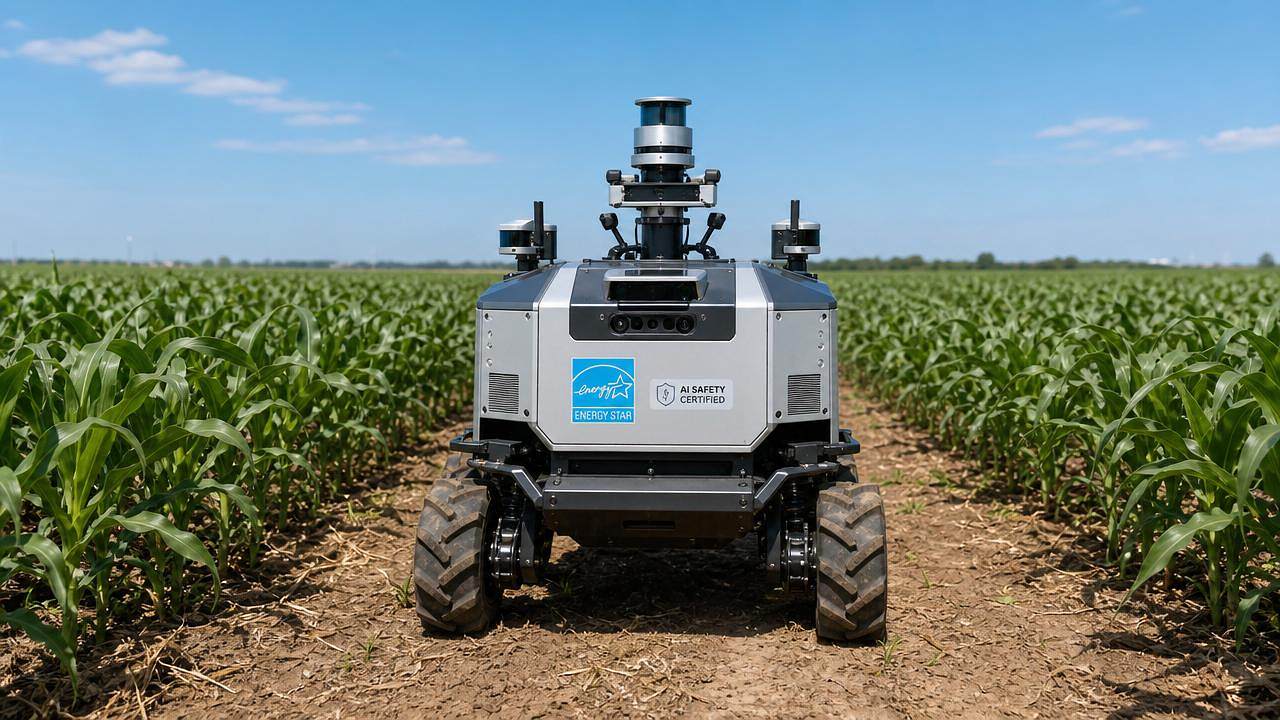




On May 31, 2026, China’s Ministry of Commerce initiated a trade barrier investigation into U.S. restrictions on exports of Chinese intelligent agricultural machinery—including autonomous robots—citing discriminatory practices against green technologies. This development is particularly relevant for manufacturers and exporters of smart farming equipment, AI-integrated robotics suppliers, and cross-border logistics and compliance service providers serving the North American market.
Event Overview
On May 31, 2026, China’s Ministry of Commerce issued an official announcement launching a trade barrier investigation concerning U.S. export restrictions on Chinese intelligent agricultural machinery, including autonomous robots. The investigation focuses on U.S. measures that deny market access to Chinese unmanned agricultural platforms based on requirements such as ‘energy efficiency labeling’ and an ‘AI safety whitelist.’ These measures have reportedly disrupted the delivery stability of already-signed orders in the North American market.
Industries Affected by Segment
Direct Exporters and OEMs of Intelligent Agricultural Machinery
These enterprises face immediate operational uncertainty, as U.S. import clearance delays or rejections may trigger contractual penalties, shipment cancellations, or renegotiation pressure. The impact manifests primarily in delayed revenue recognition, increased pre-shipment compliance verification costs, and heightened risk exposure in order fulfillment.
Suppliers of Core Components for Autonomous Robots (e.g., AI chips, navigation modules, battery systems)
While not directly named in the investigation, component suppliers are indirectly affected: U.S. importers may tighten upstream vendor audits or impose additional technical documentation requirements—especially around energy efficiency certification and AI behavior transparency—to meet the ‘whitelist’ criteria. This may lead to longer qualification cycles and revised procurement terms from downstream integrators.
Export Compliance and Certification Service Providers
Firms offering regulatory advisory, labeling validation, or AI safety assessment services for agricultural robotics now face rising demand—but also greater scrutiny. Their deliverables must align with evolving U.S. interpretations of ‘energy efficiency’ and ‘AI safety,’ which remain undefined in binding regulation. The lack of standardized benchmarks increases service complexity and liability exposure.
North America–Focused Distribution and After-Sales Support Networks
Distributors and service partners relying on just-in-time inventory models may experience supply chain fragmentation. If U.S. customs holds shipments pending verification against unclear whitelist criteria, local warehousing, warranty activation, and technician deployment timelines could be compromised—potentially affecting customer retention and brand reputation.
Key Points for Enterprises and Practitioners to Monitor and Act Upon
Track official updates from both MOFCOM and U.S. agencies
The investigation is at an early procedural stage. Enterprises should monitor MOFCOM’s published scope of evidence collection and any follow-up notices, while simultaneously reviewing guidance from U.S. DOE (Department of Energy) and NIST (National Institute of Standards and Technology) on energy labeling and AI risk management frameworks—even if non-binding, these inform enforcement practice.
Identify and isolate high-exposure product lines and certifications
Not all autonomous farm robots are equally impacted. Companies should map current exports against the two cited U.S. gateways: (1) products requiring ENERGY STAR or similar energy-efficiency labeling; and (2) those incorporating AI functions subject to emerging U.S. AI governance expectations. Prioritize internal gap assessments for these specific categories—not broad ‘AI compliance’ overhauls.
Distinguish between policy signals and enforceable requirements
The U.S. ‘AI safety whitelist’ referenced in the announcement has not been codified into law or published as a formal regulatory list. Analysis shows it is more likely an internal screening protocol used by U.S. Customs or sectoral agencies. Companies should avoid assuming its existence as a static, public registry—and instead treat it as a dynamic, case-by-case evaluation standard requiring documented traceability of AI decision logic and energy performance test reports.
Prepare contingency documentation and communication protocols
For active North American orders, proactively compile technical dossiers covering energy consumption test data (per ANSI/ASHRAE or ISO 50001-aligned methods), AI system architecture summaries, and third-party verification statements. Internally align sales, legal, and logistics teams on escalation pathways should U.S. customs request supplementary information—reducing response time from days to hours.
Editorial Perspective / Industry Observation
Observably, this investigation is less a near-term trade sanction and more a formalized diplomatic signal highlighting structural friction at the intersection of green technology policy and AI governance. From an industry perspective, it reflects growing divergence in how jurisdictions define and verify ‘sustainable automation’—not only in environmental metrics but also in algorithmic accountability. Current developments are best understood as a warning phase: no tariffs or quotas have been imposed, and no U.S. regulation has been formally challenged under WTO rules yet. However, the timing—coinciding with upcoming U.S. federal AI Executive Order implementation reviews—suggests coordinated interagency attention. Industry stakeholders should therefore treat this as a leading indicator of tightening transatlantic compliance expectations for embedded AI in physical infrastructure, rather than an isolated trade dispute.
This announcement underscores a broader shift: green technology export competitiveness is increasingly contingent on dual compliance—not only with climate-related standards but also with jurisdiction-specific AI governance norms. For now, the investigation serves as a procedural catalyst, not an enforcement trigger. Its primary value lies in clarifying where regulatory ambiguity exists—and where proactive alignment may prevent future disruption.
Information Sources
Main source: Official announcement issued by China’s Ministry of Commerce on May 31, 2026. No additional background documents, supporting data, or U.S. agency responses have been publicly confirmed as of publication. Ongoing developments—including MOFCOM’s evidence solicitation period and any U.S. interagency statements—remain subject to observation.
Related News
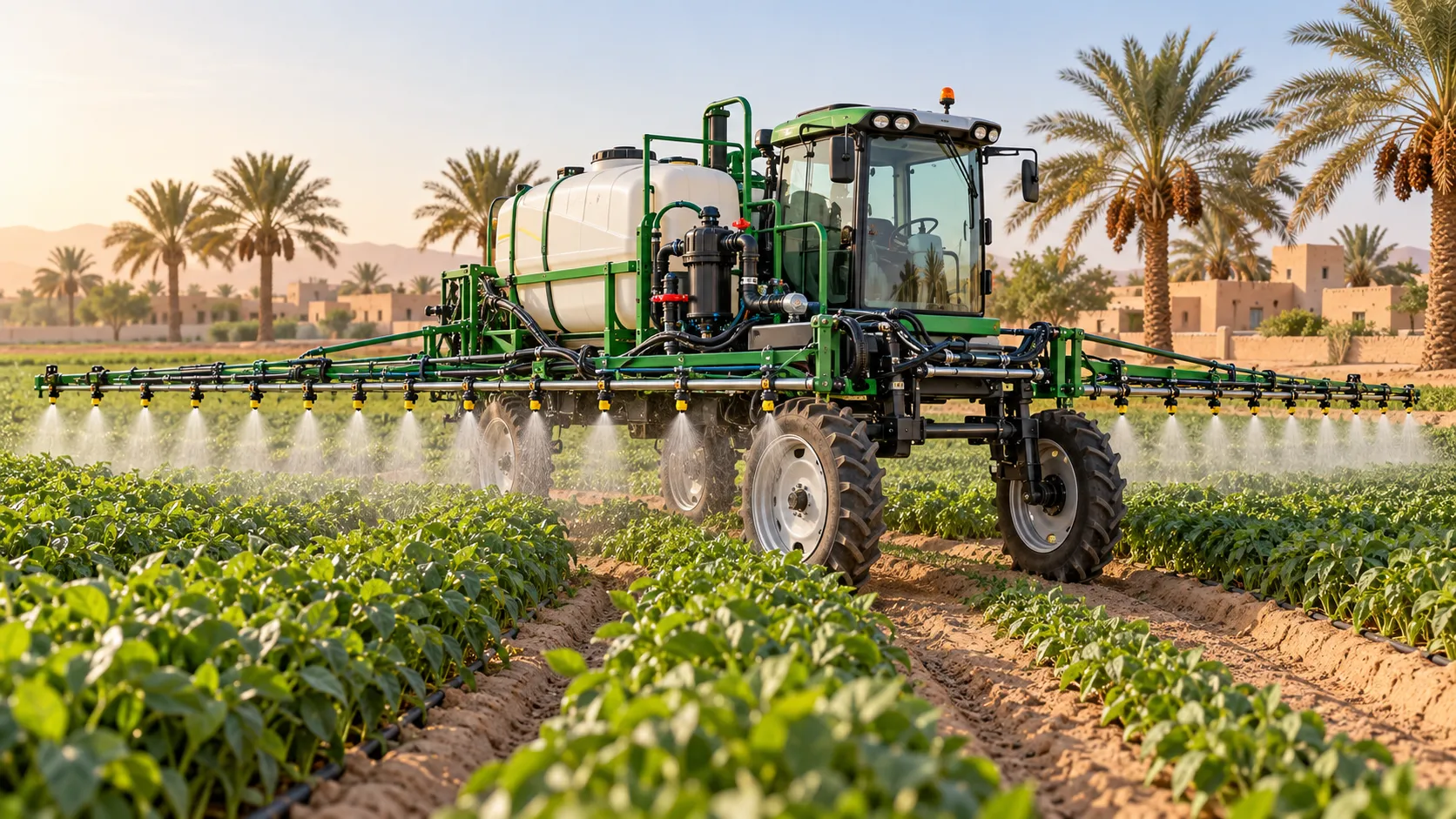
Choosing Crop Protection Equipment for Hot, Windy Middle Eastern Farms
Compare crop protection equipment Middle East farms need for hot, windy conditions. Discover key nozzle, drift-control, and durability checks to choose the right sprayer.
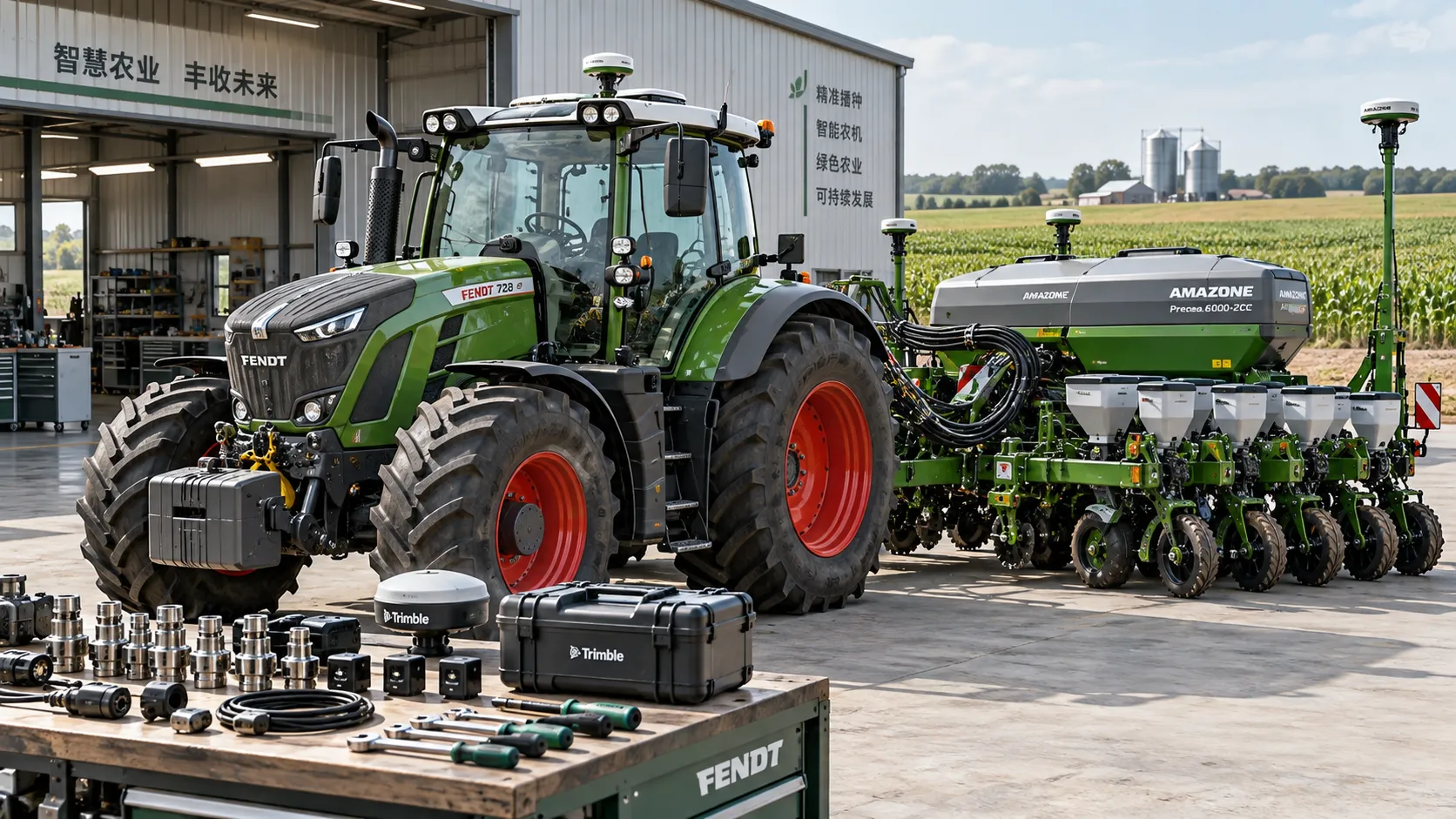
Choosing an Agriculture 4.0 Supplier: Compatibility, Support, and Total Cost
Choose an Agriculture 4.0 supplier with confidence. Learn how to verify compatibility, assess support, and compare total ownership costs to avoid hidden fees and costly downtime.
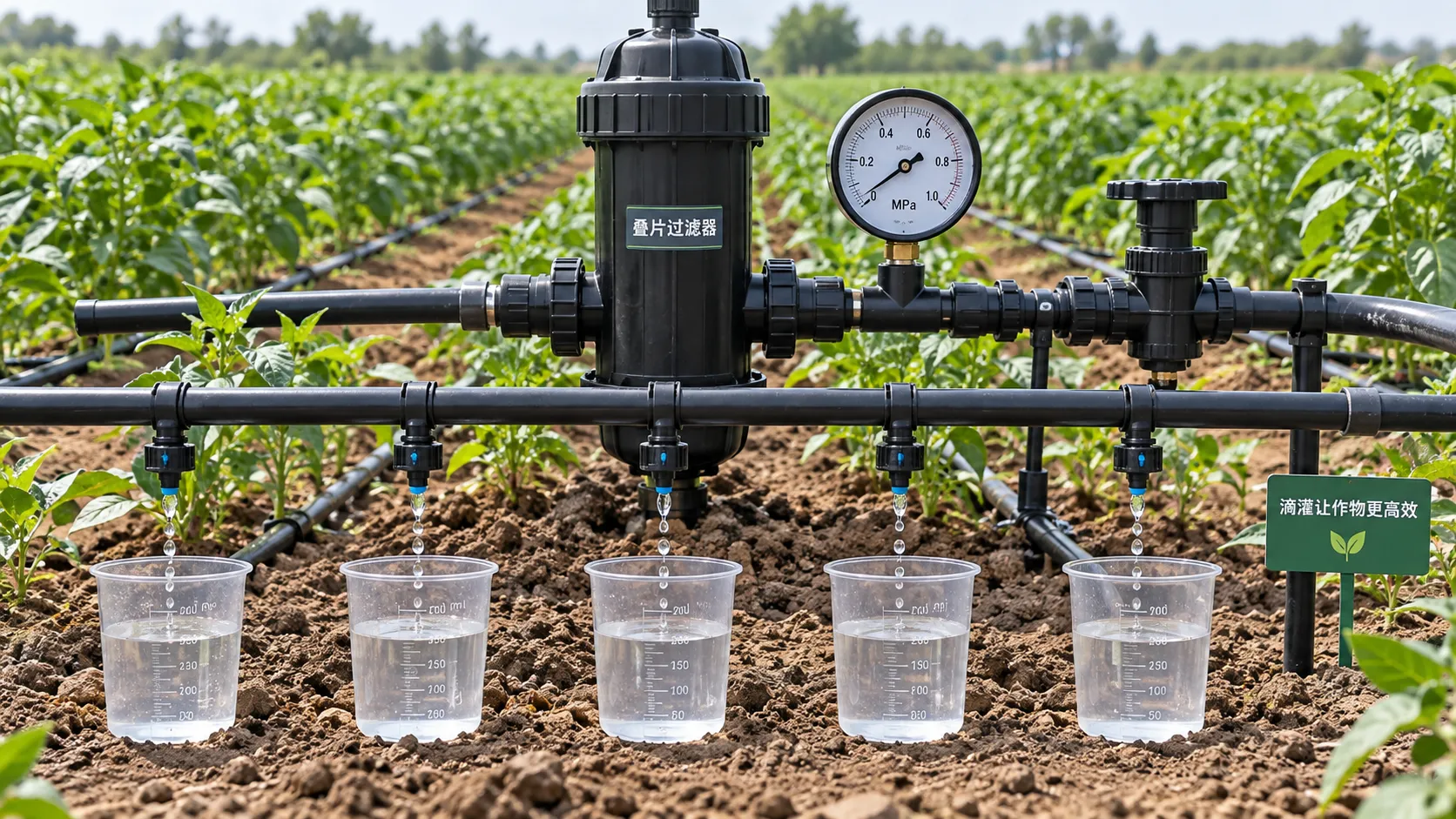
Low-Pressure Drip Irrigation: How to Fix Uneven Watering Without Raising Pressure
Optimize low pressure water-saving irrigation systems: discover how to fix uneven watering, clear blockages, and reduce hydraulic losses without raising supply pressure.
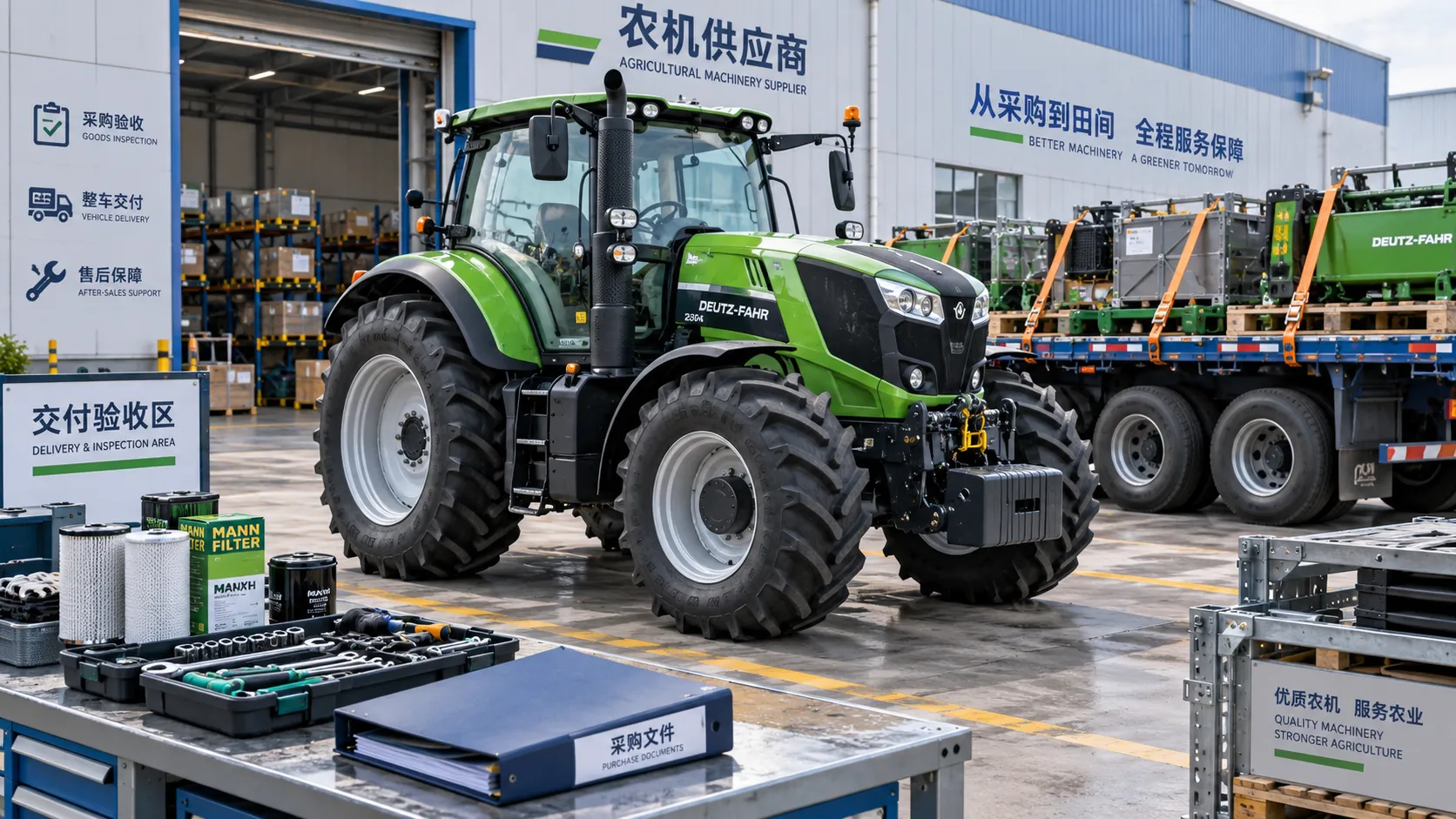
Comparing Farm Equipment Supplier Quotes: Price, Freight, and Warranty
Simplify supplier comparison for farm equipment price: assess freight, field-ready costs, and warranty coverage. Learn how to avoid hidden charges and choose a reliable supplier.
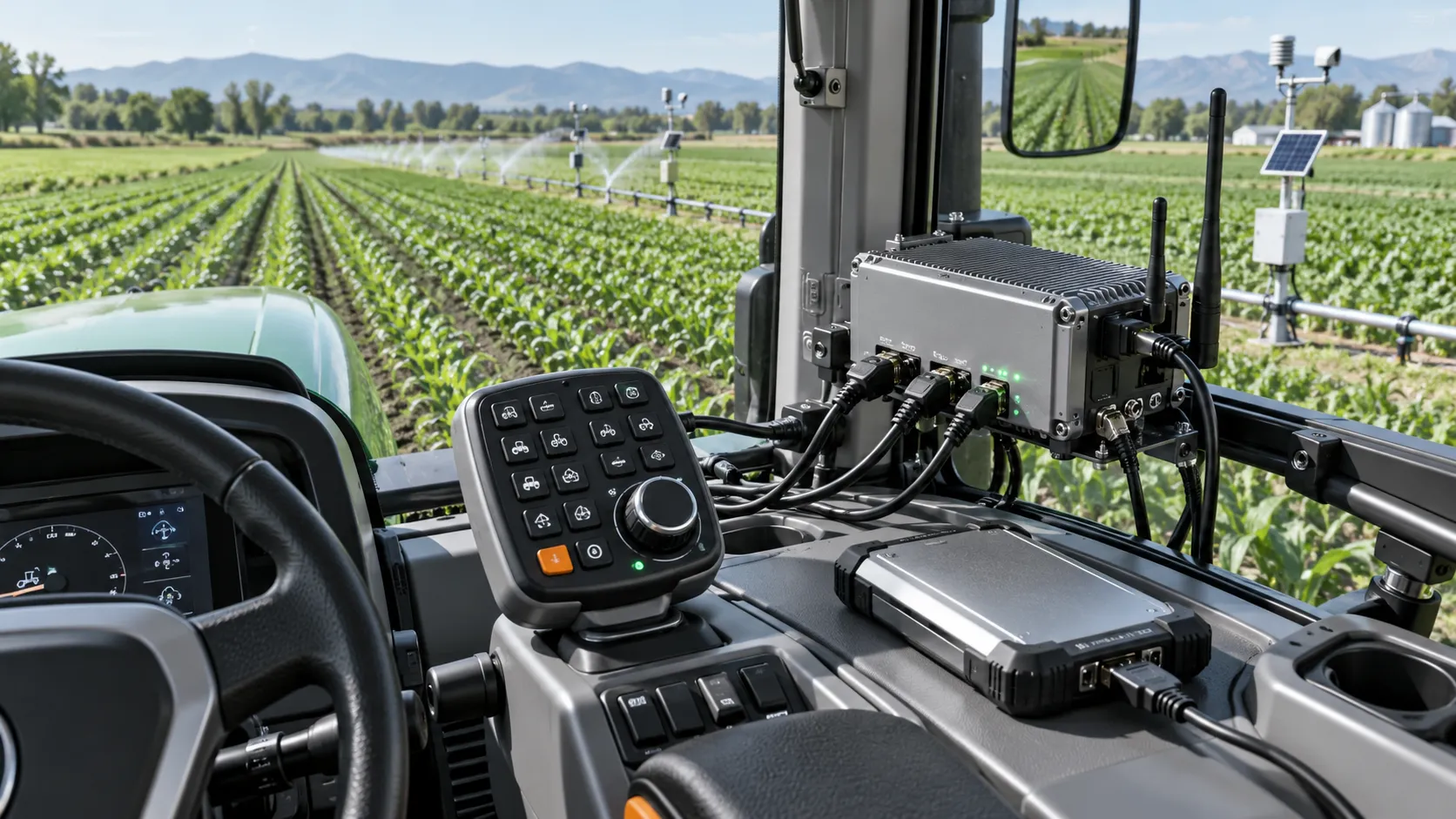
Choosing a Digital Farming Platform Provider: Compatibility and Data Ownership
Compare digital farming platforms providers on equipment compatibility, data ownership, and export rights. Discover practical checks to avoid lock-in and choose with confidence.
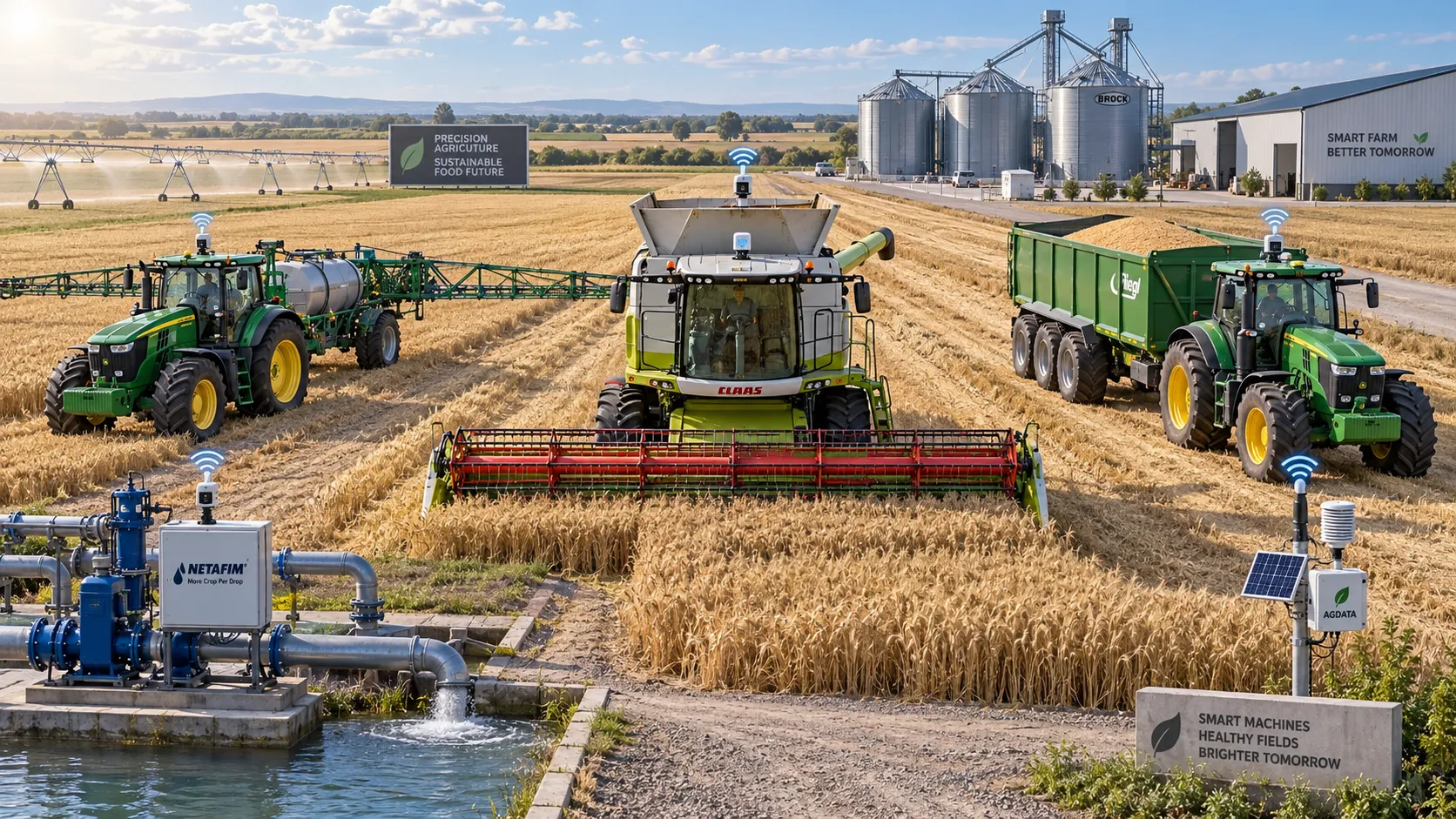
How Large-Scale Farm Telematics Cuts Downtime Across Mixed Fleets
Large-scale farm equipment telematics cuts mixed-fleet downtime with real-time alerts, smarter maintenance, and stronger operational control. Learn how to protect critical farm workflows.
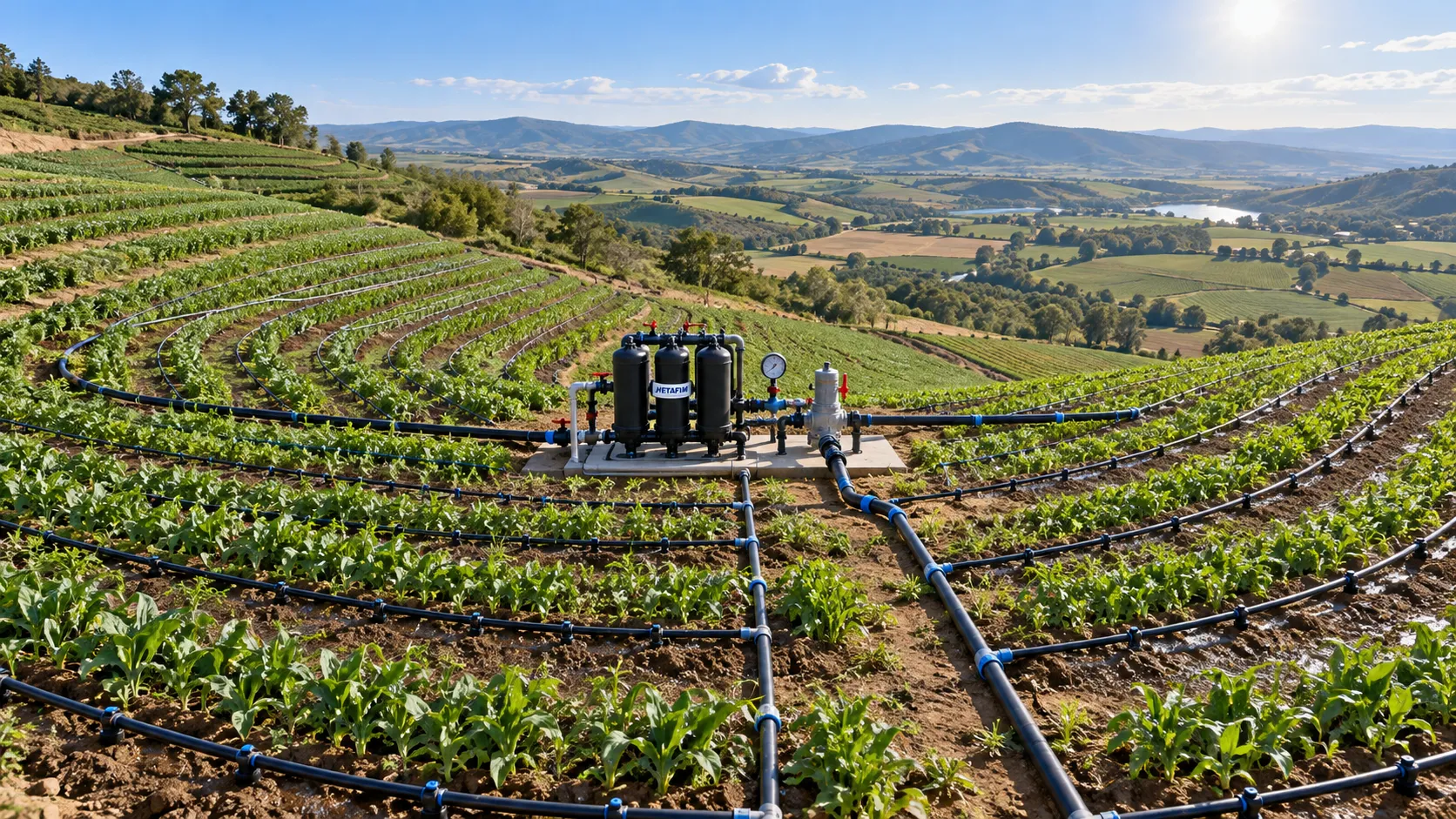
How to Size Low-Pressure Water-Saving Irrigation Systems for Uneven Fields
Low pressure water-saving irrigation systems for uneven fields: learn zoning, pressure mapping, pipe sizing, and pump selection to improve uniformity and reduce water waste.
Farm Machinery Sourcing: How to Vet Suppliers, Specs, and Lifecycle Costs
Farm machinery information for sourcing: learn to vet suppliers, compare specifications, control lifecycle costs, and secure reliable uptime for smarter equipment purchases.
How telemetry for agriculture helps identify equipment downtime
Telemetry for agriculture helps detect early warning signs, prioritize maintenance, and reduce costly equipment downtime before field operations are disrupted.
Related News
- 00
0000-00
Choosing Crop Protection Equipment for Hot, Windy Middle Eastern Farms - 00
0000-00
Choosing an Agriculture 4.0 Supplier: Compatibility, Support, and Total Cost - 00
0000-00
Low-Pressure Drip Irrigation: How to Fix Uneven Watering Without Raising Pressure - 00
0000-00
Comparing Farm Equipment Supplier Quotes: Price, Freight, and Warranty - 00
0000-00
Choosing a Digital Farming Platform Provider: Compatibility and Data Ownership
Popular Tags
Industry Global
Weekly Insights
Stay ahead with our curated technology reports delivered every Monday.