
EU Proposes Full PFAS Restriction Under REACH; Hydraulic Lift Coating Compliance Urgent
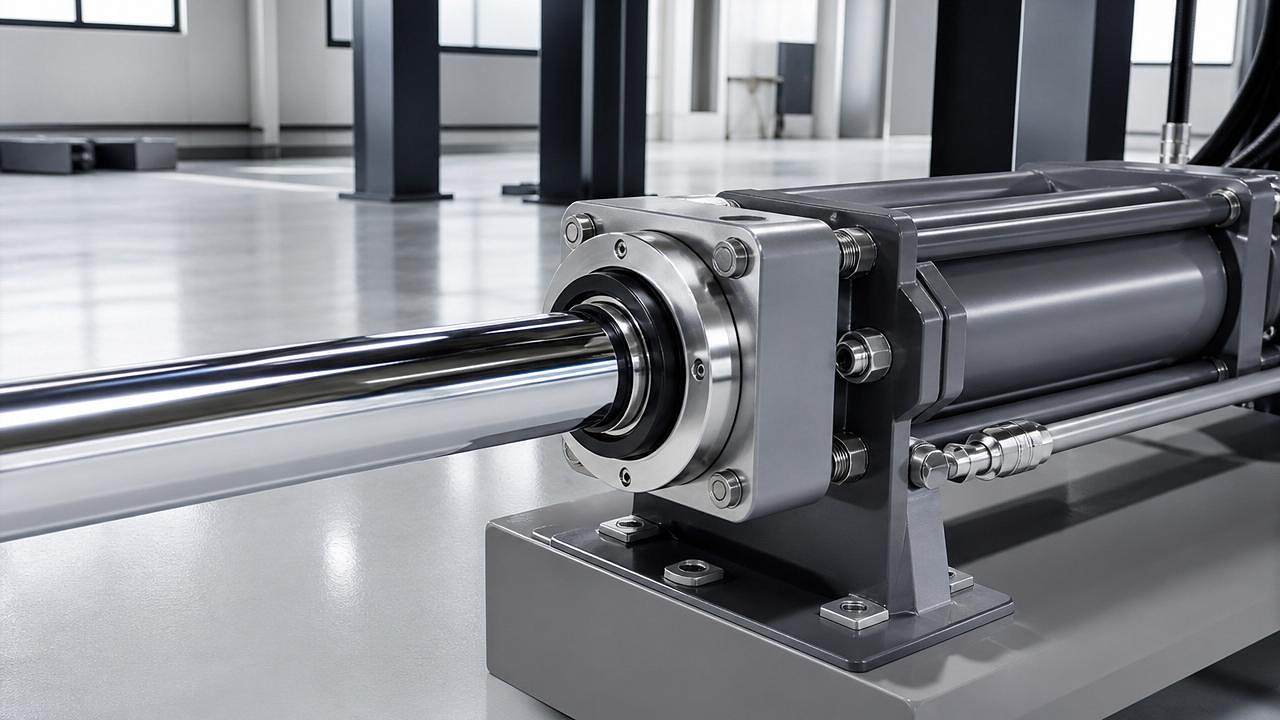




On 28 May 2026, the European Chemicals Agency (ECHA) published a new restriction proposal under the REACH Regulation targeting all per- and polyfluoroalkyl substances (PFAS), with direct implications for hydraulic lift systems—particularly components such as seals and piston rod coatings. Non-compliant products containing PFAS-based anti-corrosion or wear-resistant coatings will be prohibited from entering the EU market starting in 2027.
Key Facts of the ECHA PFAS Restriction Proposal
The European Chemicals Agency (ECHA) formally announced the PFAS restriction proposal on 28 May 2026. The proposal seeks to restrict the manufacture, placing on the market, and use of all PFAS substances across all applications, explicitly including those used in hydraulic system seals and piston rod coatings. Hydraulic lift systems incorporating PFAS-containing functional coatings will no longer meet EU market access requirements from 1 January 2027 onward. Several Chinese manufacturers have initiated verification testing of PFAS-free alternative coatings; the first certified samples are scheduled for delivery to overseas testing laboratories by end-June 2026.
Impact Across Supply Chain Roles
Export-oriented equipment manufacturers
Manufacturers exporting hydraulic lift systems to the EU must now reassess coating specifications and technical documentation. Impact arises at the product design, certification, and customs clearance stages—non-compliance may result in shipment rejection or forced withdrawal from EU tenders.
Raw material and coating suppliers
Suppliers providing PFAS-based lubricants, sealants, or surface treatments face immediate demand shifts. They must verify substance composition against the evolving PFAS definition, update safety data sheets (SDS), and prepare for third-party verification of PFAS absence.
Contract manufacturers and coating service providers
These entities are responsible for process control and batch traceability. Their coating application methods, cleaning protocols, and cross-contamination prevention measures must align with strict PFAS-free production requirements—especially where multi-product lines share infrastructure.
Supply chain compliance and certification service providers
Third-party labs and conformity assessment bodies are seeing rising demand for PFAS screening (e.g., via LC-MS/MS), restricted substance declarations, and REACH Annex XVII alignment reports. Turnaround time and analytical scope—especially for polymer-bound or transformational PFAS—are becoming critical differentiators.
Priority Actions for Affected Enterprises
Immediate review of coating material declarations and SDS
Verify whether current piston rod plating, seal elastomers, or anti-rust pretreatments contain any PFAS—including legacy formulations marketed as 'fluorinated' or 'fluoro-enhanced'. Cross-reference against ECHA’s updated PFAS definition (covering >4,700 substances).
Accelerated validation of PFAS-free alternatives
Align coating performance testing (e.g., salt spray resistance, wear life under dynamic load, adhesion strength) with EN 15635 and ISO 12944 service class requirements—not just chemical absence. Confirm compatibility with existing hydraulic fluid standards (e.g., ISO 11171).
Upstream supplier qualification and documentation control
Require written declarations of PFAS absence from all tier-2 and tier-3 suppliers, backed by test reports from accredited labs (e.g., ISO/IEC 17025). Maintain full traceability from raw material lot to finished component.
Proactive engagement with EU importers and notified bodies
Initiate early dialogue on technical file updates, CE marking implications, and potential transitional arrangements. Monitor upcoming guidance from the European Commission on enforcement timelines and derogation pathways for critical industrial uses.
Industry Perspective: Beyond Compliance to Capability Shift
Analysis shows this restriction marks a structural shift—not merely a regulatory update. From an industry perspective, the 2027 deadline compresses typical coating qualification cycles (often 12–18 months) into less than 14 months for many firms. What deserves closer attention is how rapidly PFAS-free alternatives can replicate performance in high-cycle, high-pressure hydraulic environments—particularly regarding micro-pitting resistance and long-term dimensional stability. Observably, manufacturers investing in in-house coating analytics and accelerated aging test capabilities are gaining competitive advantage in tender response speed and documentation credibility.
Taking Stock: Strategic Implications for Hydraulic Equipment Sector
This development underscores that chemical compliance is no longer a back-office function but a core engineering and procurement discipline. It signals growing convergence between environmental regulation and mechanical reliability requirements—where coating choices directly affect both market access and operational safety. A rational conclusion is that PFAS transition readiness will increasingly serve as a de facto benchmark for supplier technical maturity in global tenders.
Source Information and Ongoing Monitoring
This article is based exclusively on the provided title, event date (28 May 2026), and summary. Specific official source links were not provided in the input and should be verified continuously. Stakeholders are advised to monitor forthcoming ECHA opinions, European Commission adoption decisions, and updates to REACH Annex XVII entries. Further attention is warranted for national enforcement guidance (e.g., from Germany’s BAuA or France’s ANSES), tender specification revisions in public infrastructure projects, and harmonized test method developments within CEN/ISO working groups.
Related News
Comparing Farm Equipment Supplier Quotes: Price, Freight, and Warranty
Simplify supplier comparison for farm equipment price: assess freight, field-ready costs, and warranty coverage. Learn how to avoid hidden charges and choose a reliable supplier.
Choosing a Digital Farming Platform Provider: Compatibility and Data Ownership
Compare digital farming platforms providers on equipment compatibility, data ownership, and export rights. Discover practical checks to avoid lock-in and choose with confidence.
How Large-Scale Farm Telematics Cuts Downtime Across Mixed Fleets
Large-scale farm equipment telematics cuts mixed-fleet downtime with real-time alerts, smarter maintenance, and stronger operational control. Learn how to protect critical farm workflows.
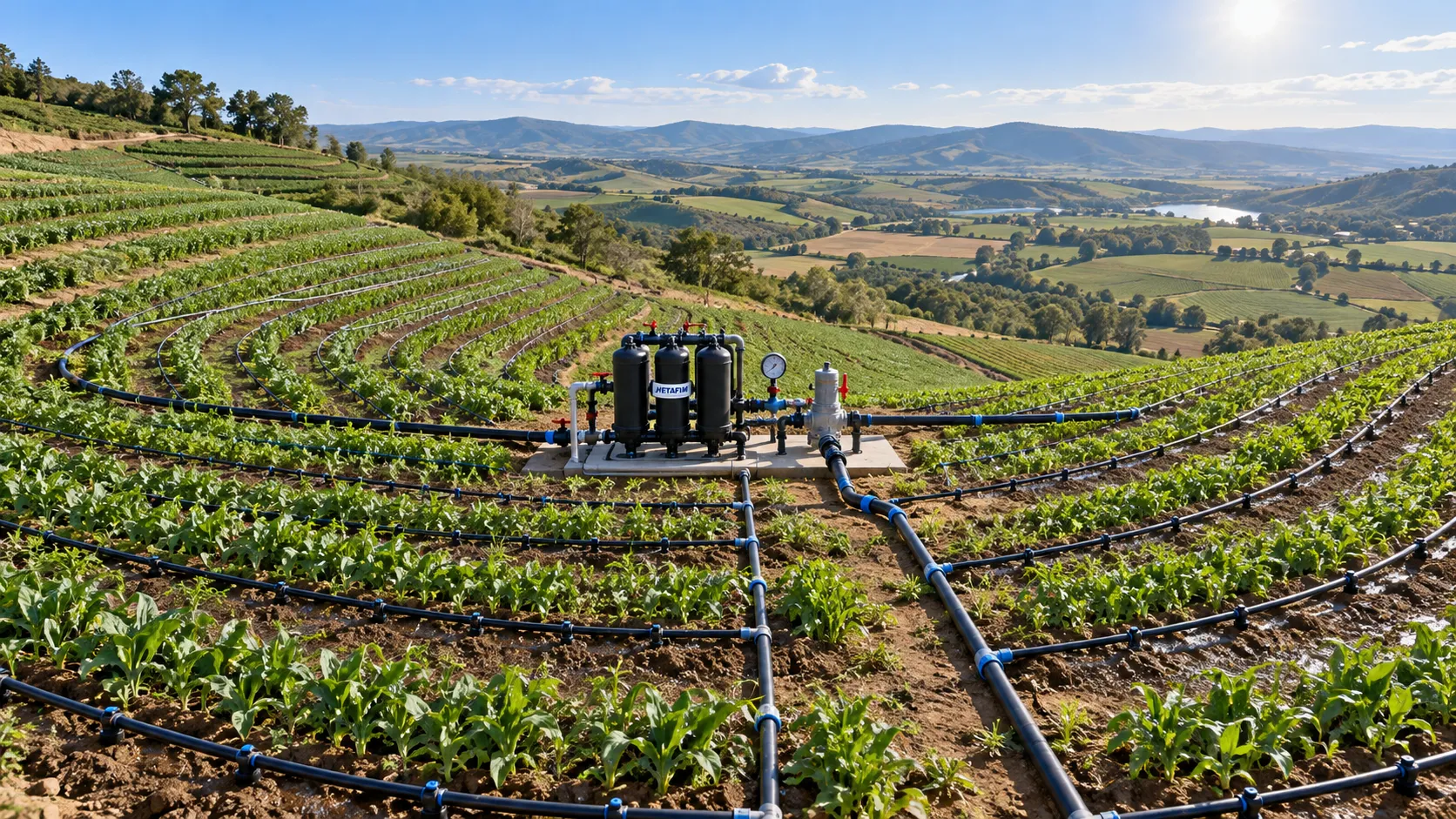
How to Size Low-Pressure Water-Saving Irrigation Systems for Uneven Fields
Low pressure water-saving irrigation systems for uneven fields: learn zoning, pressure mapping, pipe sizing, and pump selection to improve uniformity and reduce water waste.
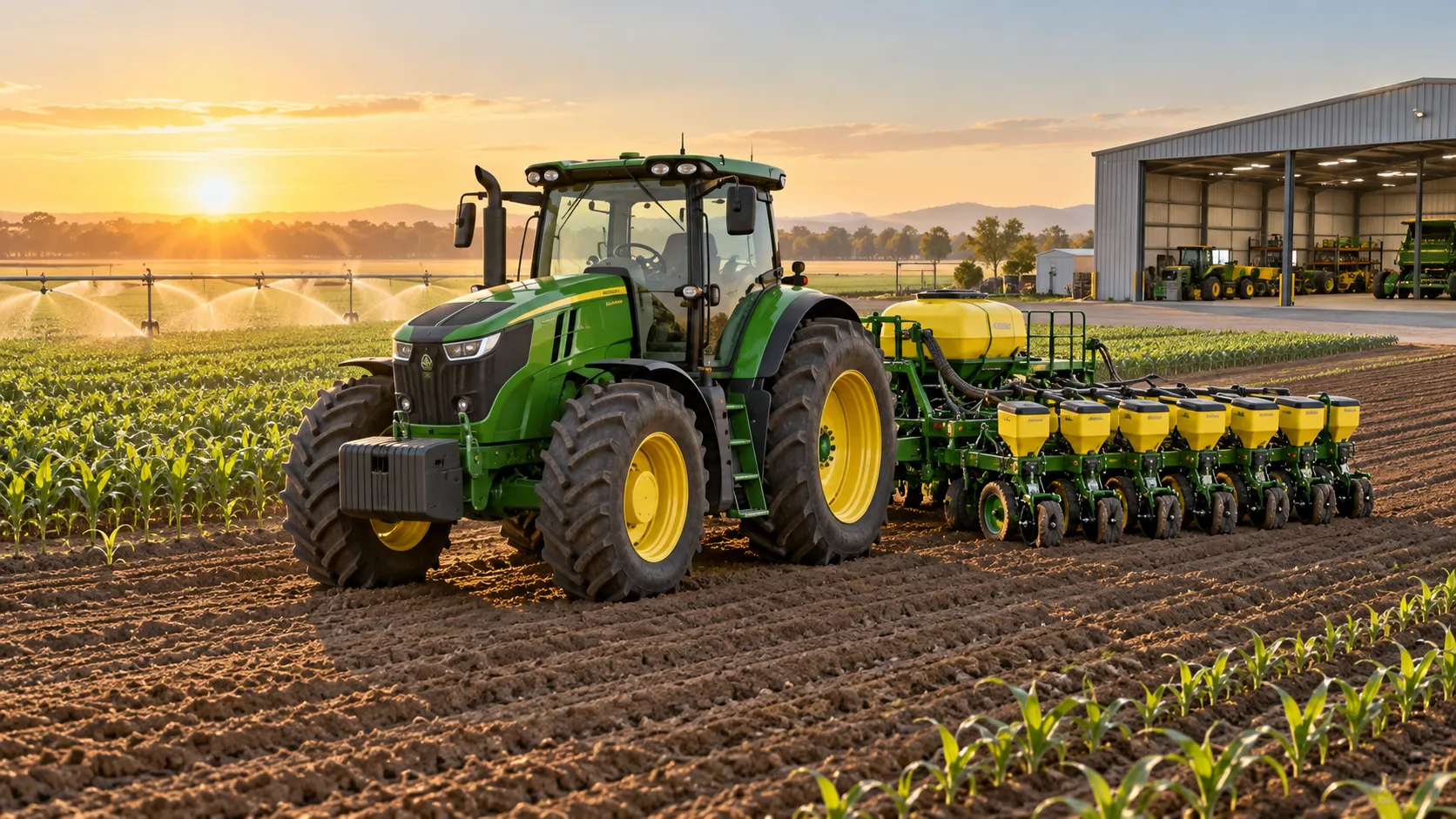
Farm Machinery Sourcing: How to Vet Suppliers, Specs, and Lifecycle Costs
Farm machinery information for sourcing: learn to vet suppliers, compare specifications, control lifecycle costs, and secure reliable uptime for smarter equipment purchases.
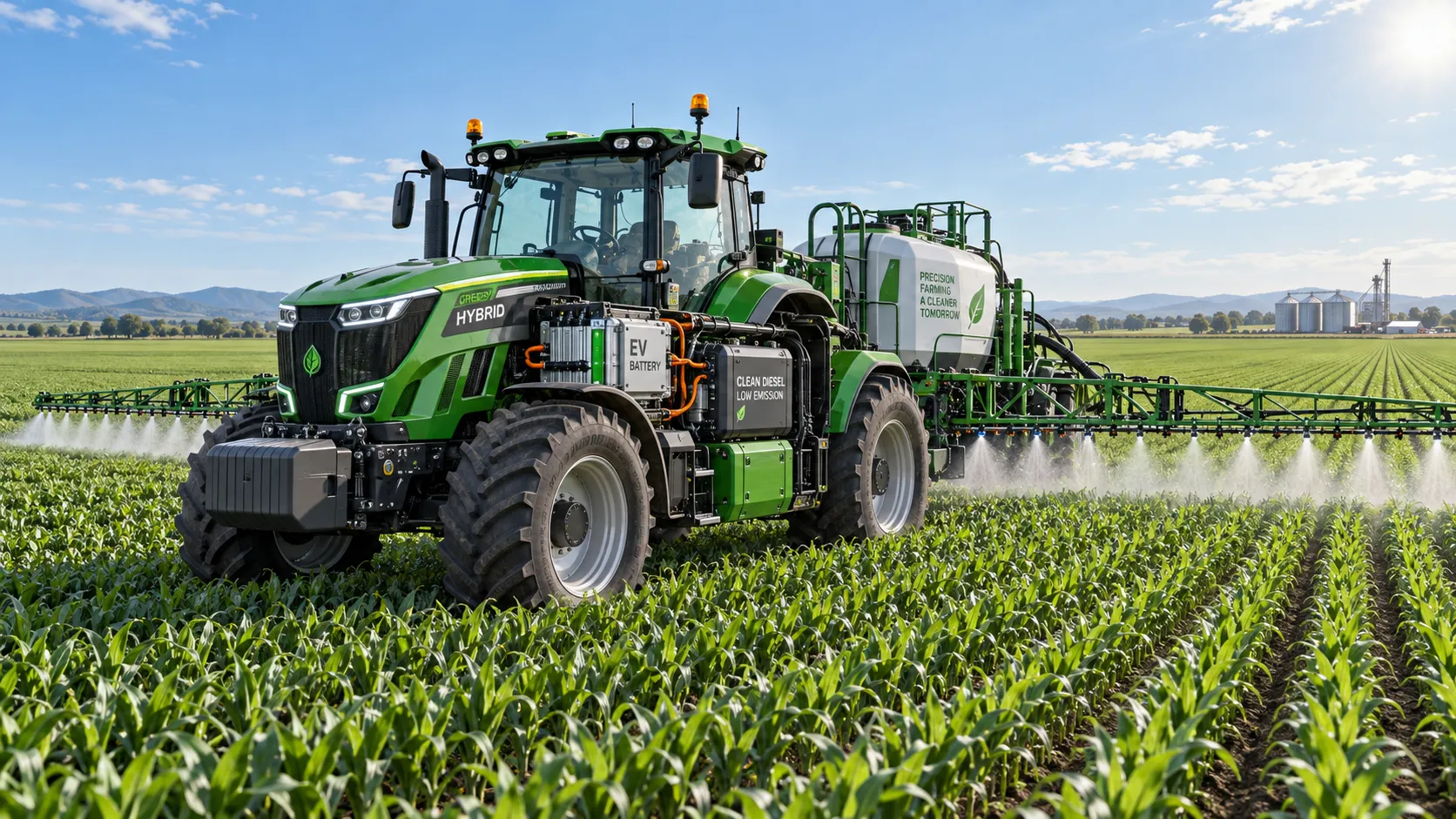
Can hybrid propulsion systems reduce fuel use in farm machinery?
Hybrid propulsion systems for agricultural machinery can cut fuel use and boost productivity. Explore savings potential, key trade-offs, and smart investment factors.
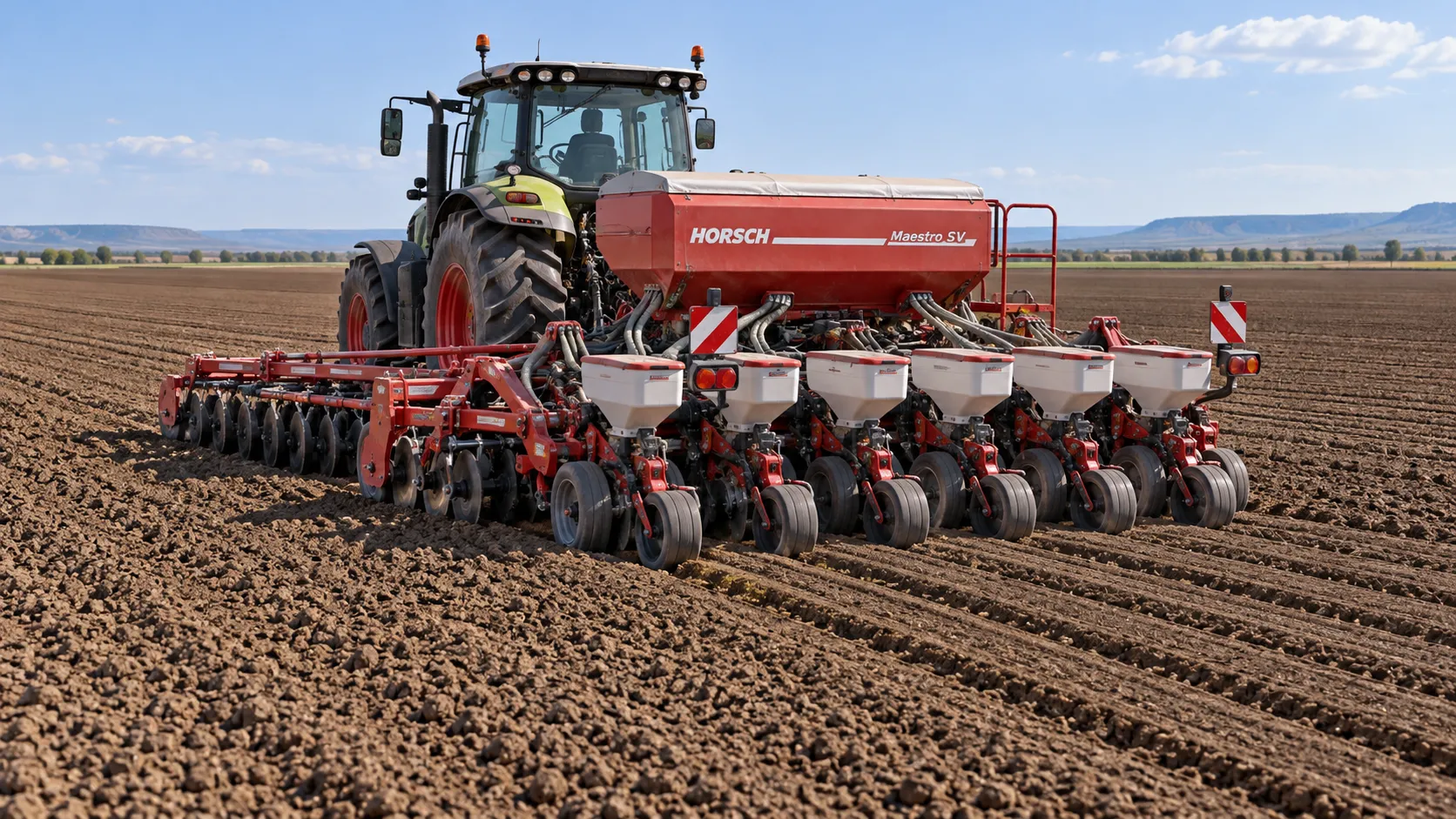
What to compare in integrated seeding combinations for heavy soils
Compare integrated seeding combinations for heavy soils: depth control, residue flow, consolidation, traction, and field capacity for more uniform crop establishment.
When an integrated seeding combination improves field efficiency
Integrated seeding combination improves field efficiency, protects planting windows, and balances speed with seedbed quality, tractor capacity, and reliable establishment.
Which costs matter most when calculating precision agriculture ROI?
Calculating ROI on precision agriculture equipment? Discover the costs that shape returns, from installation and subscriptions to downtime, labor, and data integration.
Related News
- 00
0000-00
Comparing Farm Equipment Supplier Quotes: Price, Freight, and Warranty - 00
0000-00
Choosing a Digital Farming Platform Provider: Compatibility and Data Ownership - 00
0000-00
How Large-Scale Farm Telematics Cuts Downtime Across Mixed Fleets - 00
0000-00
How to Size Low-Pressure Water-Saving Irrigation Systems for Uneven Fields - 00
0000-00
Farm Machinery Sourcing: How to Vet Suppliers, Specs, and Lifecycle Costs
Popular Tags
Industry Global
Weekly Insights
Stay ahead with our curated technology reports delivered every Monday.