
Huang-Huai-Hai Summer Grain Harvest Underway; High-Performance Seeder & Planter Deliveries Tighten
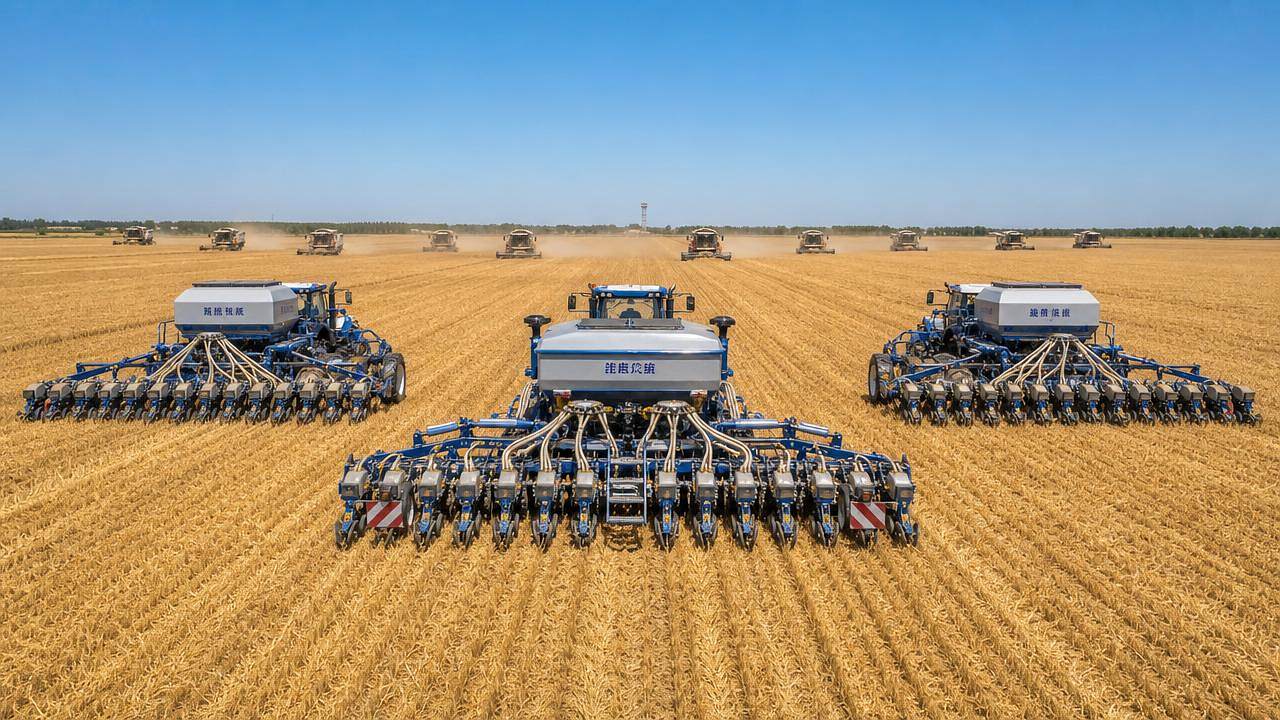




On May 31, 2026, the Ministry of Agriculture and Rural Affairs announced that large-scale summer grain harvesting has commenced across the Huang-Huai-Hai region — a pivotal agricultural window driving urgent demand for high-performance seeders and planters. Favorable weather over the next five days is accelerating field operations, intensifying delivery pressure on equipment manufacturers and reshaping global supply timelines.
Confirmed Event Details
The Ministry of Agriculture and Rural Affairs reported on May 31, 2026, that the main summer grain-producing areas in the Huang-Huai-Hai region have entered the peak harvest phase. Forecasted clear weather over the following five days supports efficient fieldwork. Authorities are coordinating cross-regional combine harvester deployment and collaborating with petroleum and petrochemical enterprises to implement the ‘Safe Fuel Delivery to Fields’ service. This seasonal momentum has sharply increased demand for high-performance seeding and planting equipment — particularly multi-function precision seeders and conservation tillage planters. Domestic leading manufacturers have fully booked production capacity through mid-July; export order lead times have extended by 2–3 weeks, directly affecting overseas distributors’ summer inventory planning.
Impact Across Supply Chain Roles
Direct Exporters and Trading Firms
These firms face compressed shipping windows and delayed order fulfillment due to extended factory lead times. The 2–3 week delay impacts contractual delivery schedules, inventory turnover cycles, and regional market readiness ahead of sowing seasons in key import markets.
Raw Material and Component Procurement Teams
Procurement teams must now prioritize critical subsystems — such as hydraulic seeding units, GPS-guided control modules, and wear-resistant furrow openers — to avoid bottlenecks. Delays in sourcing certified components may further constrain final assembly capacity.
Equipment Manufacturing Enterprises
Manufacturers operating at full capacity through mid-July must manage trade-offs between domestic delivery commitments and export obligations. Production line allocation, certification documentation readiness (e.g., CE marking for EU-bound units), and technical file completeness are under heightened scrutiny.
Logistics and Aftermarket Service Providers
Service networks must anticipate accelerated field commissioning timelines post-delivery. Extended lead times increase pressure on spare parts availability, technician deployment scheduling, and remote diagnostics support — especially for units shipped under time-sensitive agricultural contracts.
Strategic Priorities for Enterprise Response
Reassess Export Order Scheduling and Contract Clauses
Review force majeure provisions, delivery penalty terms, and alternative logistics routing options in active export contracts. Where possible, align new orders with confirmed production slots beyond mid-July to mitigate timeline risk.
Verify Certification Readiness for Target Markets
Confirm validity and scope of existing certifications (e.g., CE, EPA, or regional type approvals) for affected models. For pending applications, prioritize documentation submission to avoid delays once production capacity frees up.
Strengthen Technical Documentation and Compliance Files
Ensure traceability of critical components — including material test reports, calibration records for seeding rate controllers, and conformity declarations — is complete and audit-ready, supporting both regulatory inspections and customer technical bid requirements.
Engage Proactively with Key Distributors on Inventory Planning
Share transparent production outlooks with overseas partners to enable collaborative stock-level forecasting and phased delivery planning — reducing last-minute rush orders and optimizing container utilization.
Industry Observation: Seasonality Meets Supply Chain Maturity
Analysis shows that this delivery crunch reflects not only seasonal demand but also structural shifts in manufacturing responsiveness. Observably, the narrowing delivery window highlights growing reliance on just-in-time component sourcing and tighter integration between OEMs and Tier-1 suppliers. What deserves closer attention is how rapidly evolving field-readiness expectations — driven by coordinated national services like ‘Safe Fuel Delivery to Fields’ — are compressing the acceptable lag between equipment dispatch and operational deployment. It is more appropriate to understand this as an emerging benchmark for supply chain agility in agricultural machinery markets, rather than a transient bottleneck.
Key Takeaway for Stakeholders
This event underscores how synchronized national agricultural logistics — from fuel delivery to cross-regional machinery coordination — directly recalibrates equipment delivery expectations across global markets. Stakeholders should treat mid-July as a de facto inflection point for near-term capacity planning, while recognizing that sustained responsiveness will increasingly depend on certification foresight, modular design standardization, and pre-validated supplier performance — not just production volume.
Source Attribution
This article was generated exclusively from the provided title, event date (May 31, 2026), and summary. No external data, proprietary reports, or unverified institutional sources were referenced. Specific official source links were not provided in the input and should be verified continuously. Ongoing monitoring is recommended for implementation guidance from the Ministry of Agriculture and Rural Affairs, updates to agricultural machinery export compliance protocols, and distributor-level feedback on revised delivery expectations.
Related News
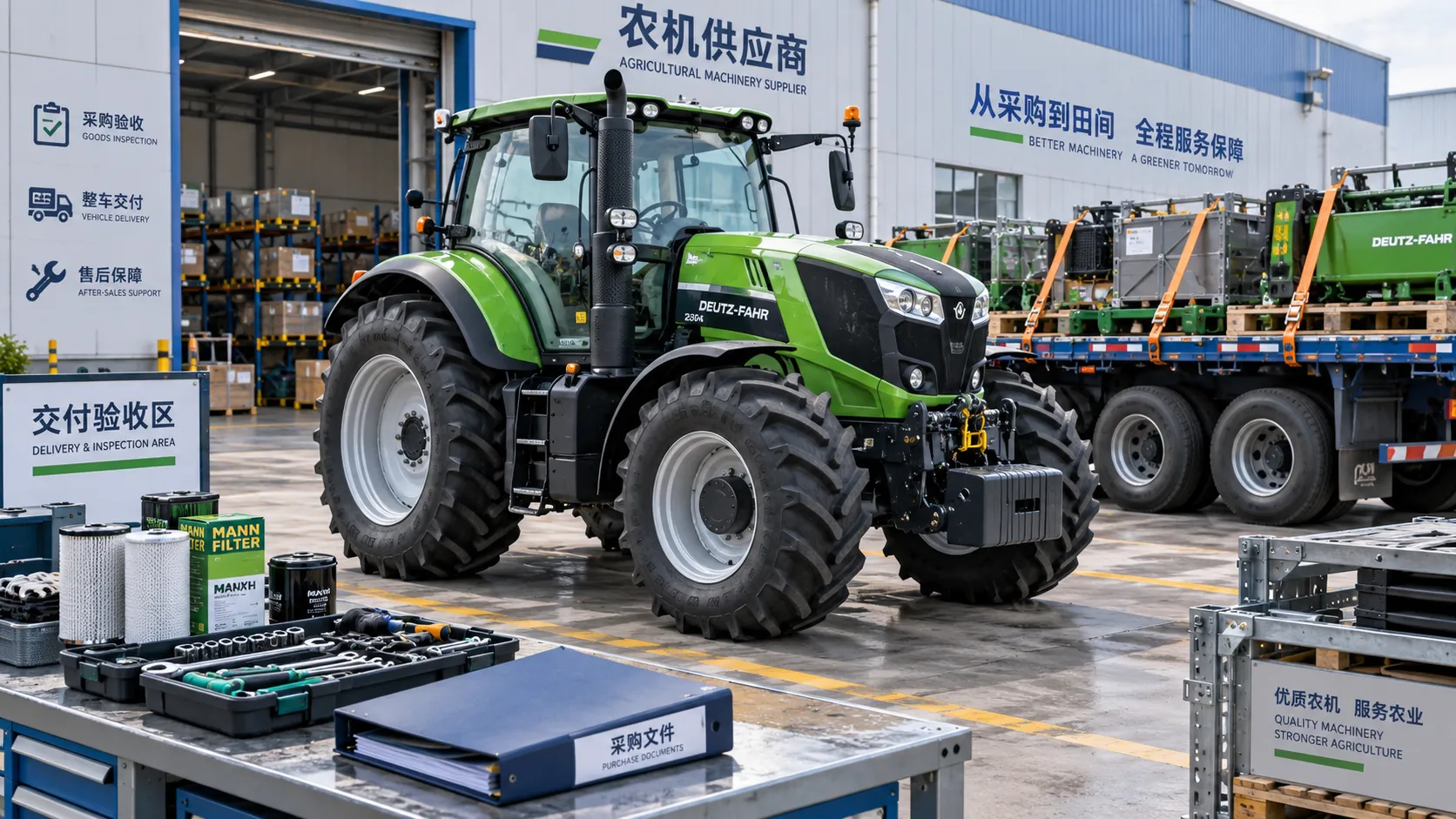
Comparing Farm Equipment Supplier Quotes: Price, Freight, and Warranty
Simplify supplier comparison for farm equipment price: assess freight, field-ready costs, and warranty coverage. Learn how to avoid hidden charges and choose a reliable supplier.
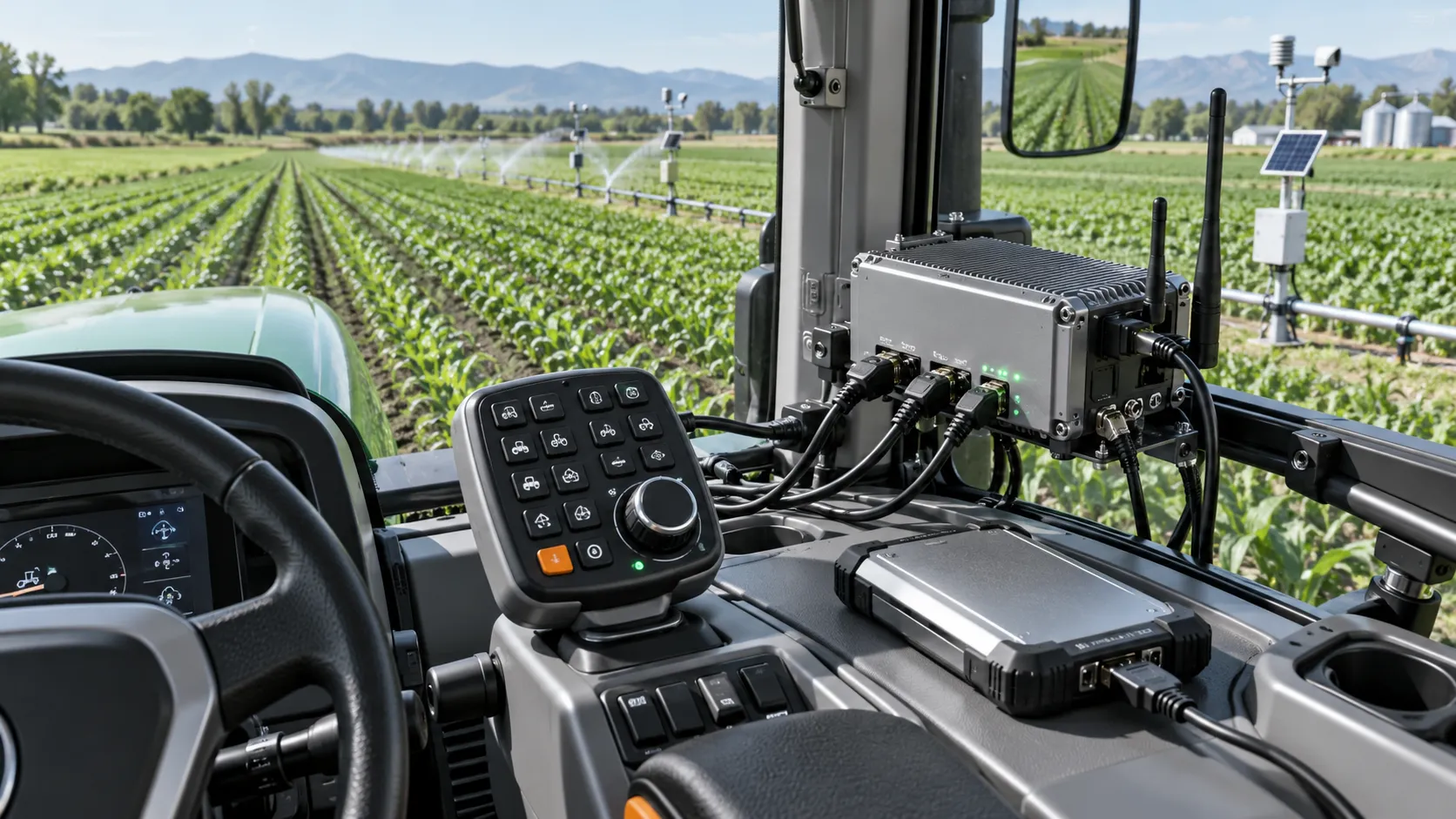
Choosing a Digital Farming Platform Provider: Compatibility and Data Ownership
Compare digital farming platforms providers on equipment compatibility, data ownership, and export rights. Discover practical checks to avoid lock-in and choose with confidence.
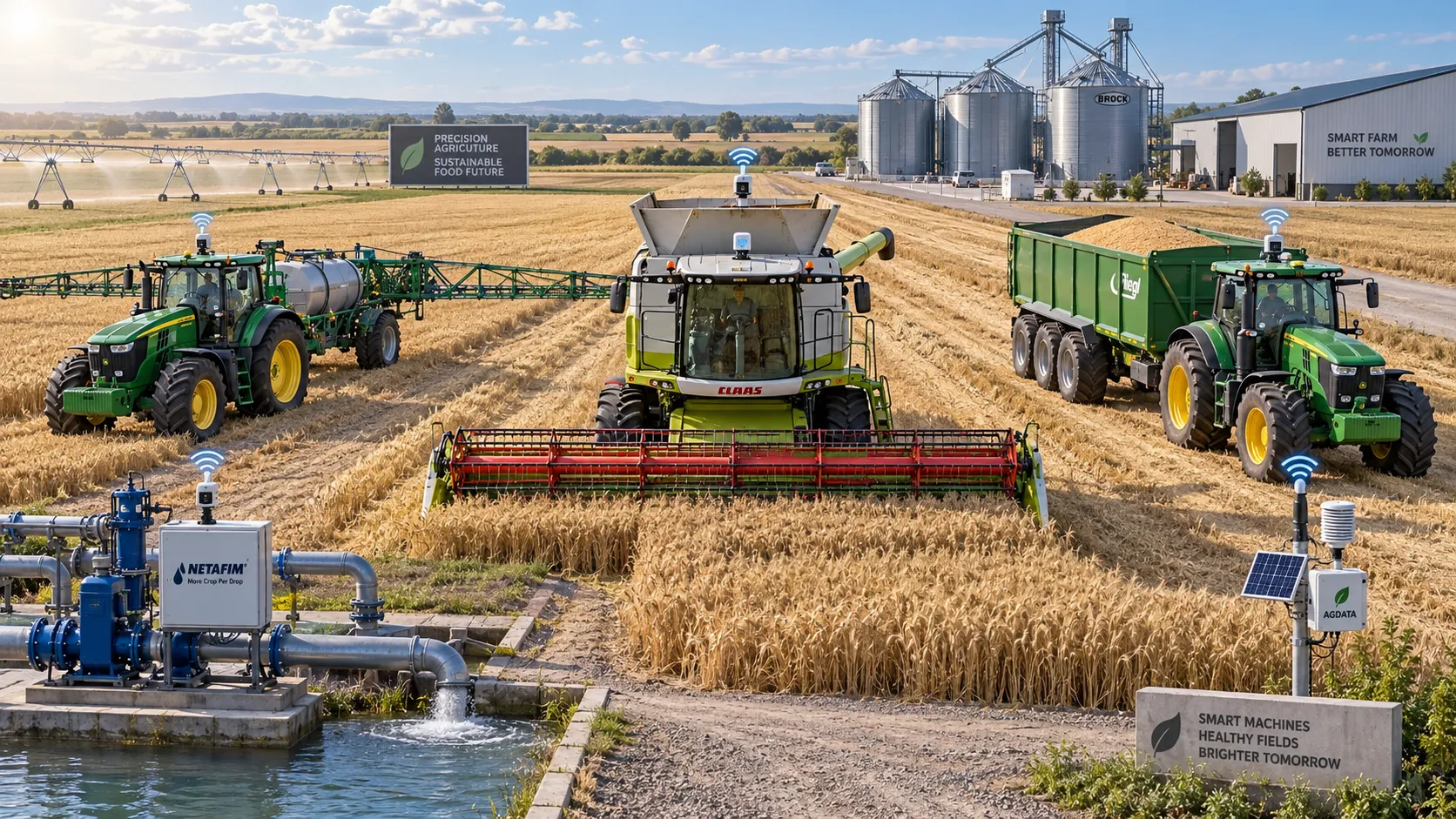
How Large-Scale Farm Telematics Cuts Downtime Across Mixed Fleets
Large-scale farm equipment telematics cuts mixed-fleet downtime with real-time alerts, smarter maintenance, and stronger operational control. Learn how to protect critical farm workflows.
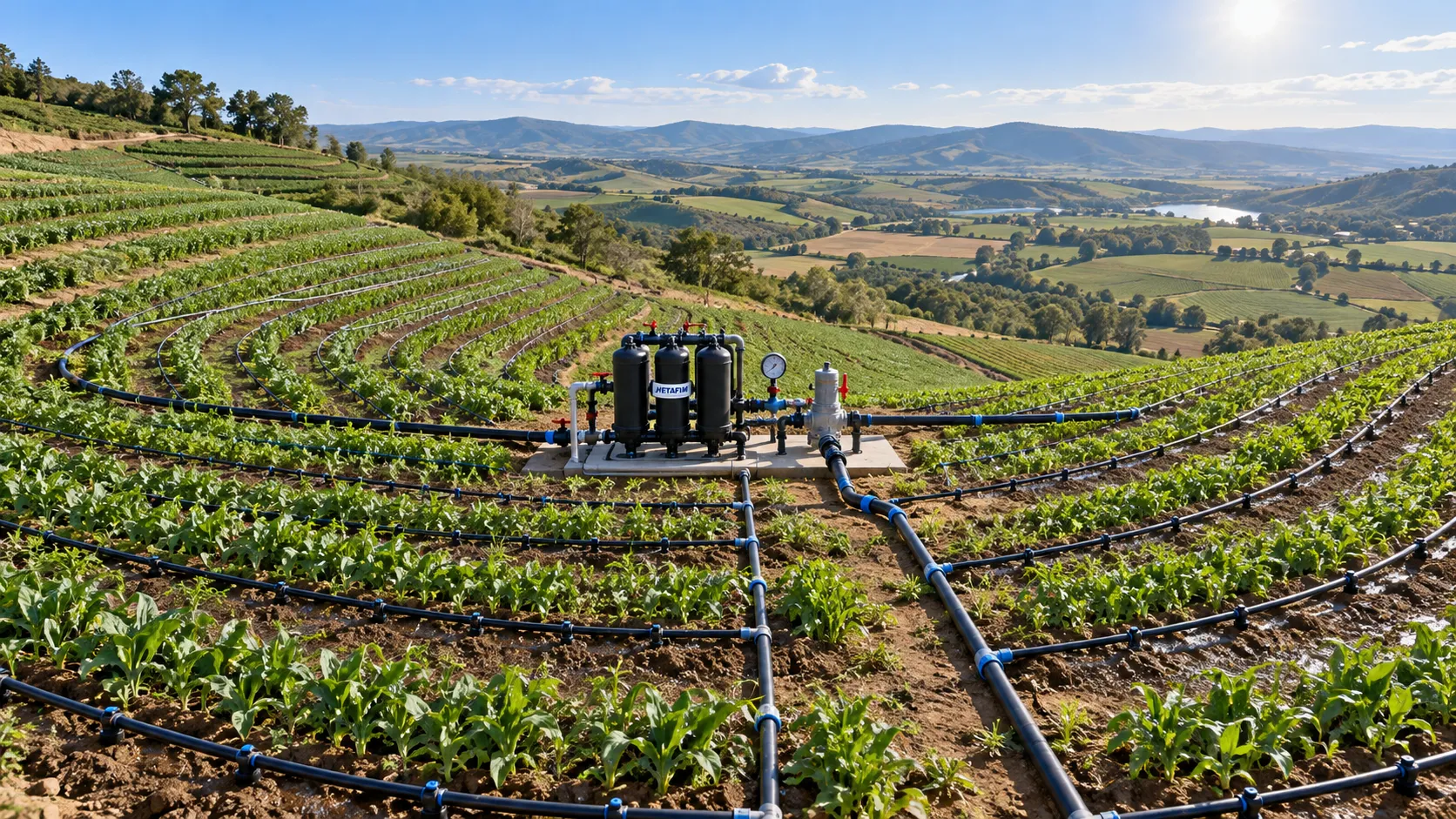
How to Size Low-Pressure Water-Saving Irrigation Systems for Uneven Fields
Low pressure water-saving irrigation systems for uneven fields: learn zoning, pressure mapping, pipe sizing, and pump selection to improve uniformity and reduce water waste.
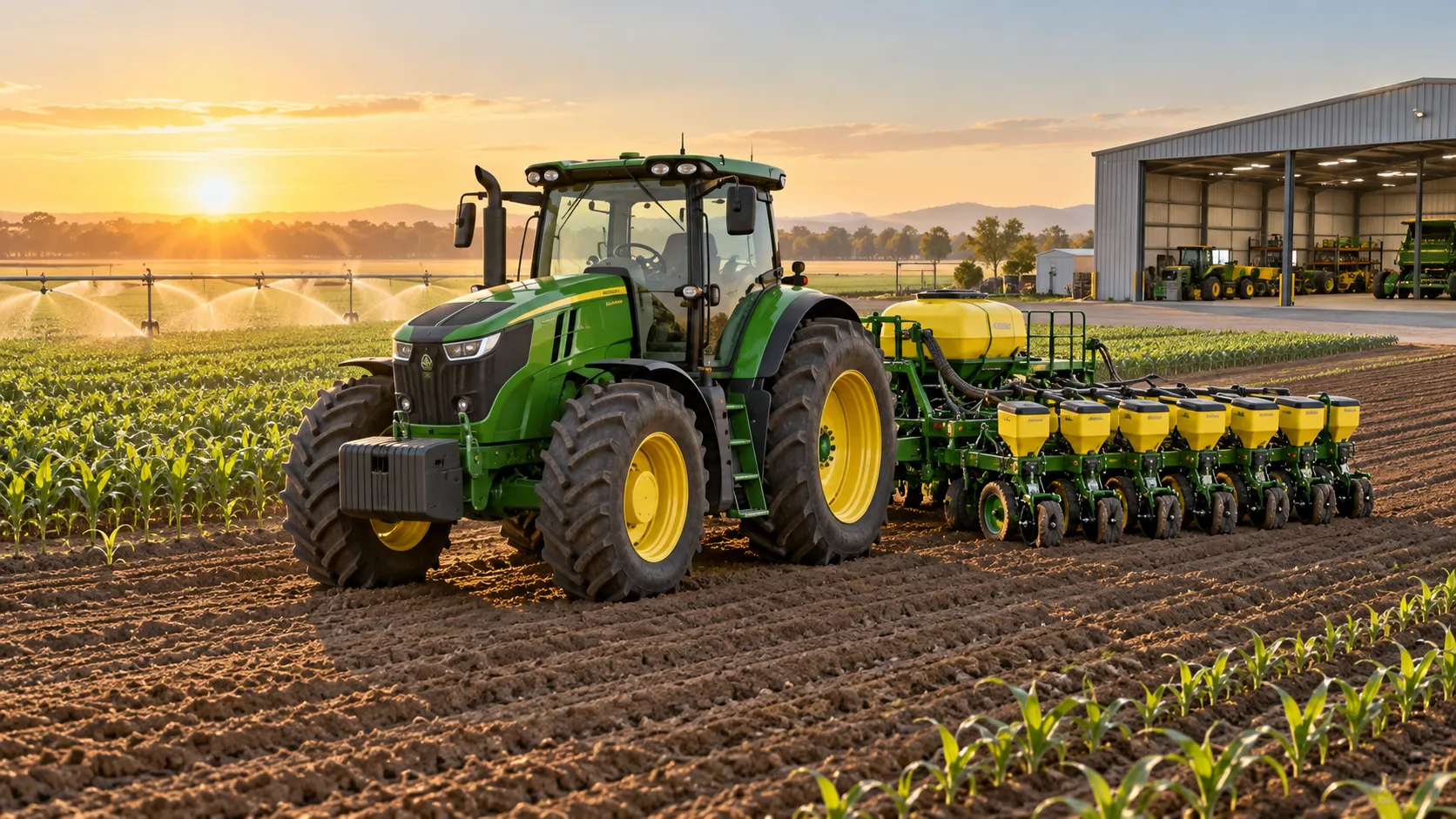
Farm Machinery Sourcing: How to Vet Suppliers, Specs, and Lifecycle Costs
Farm machinery information for sourcing: learn to vet suppliers, compare specifications, control lifecycle costs, and secure reliable uptime for smarter equipment purchases.
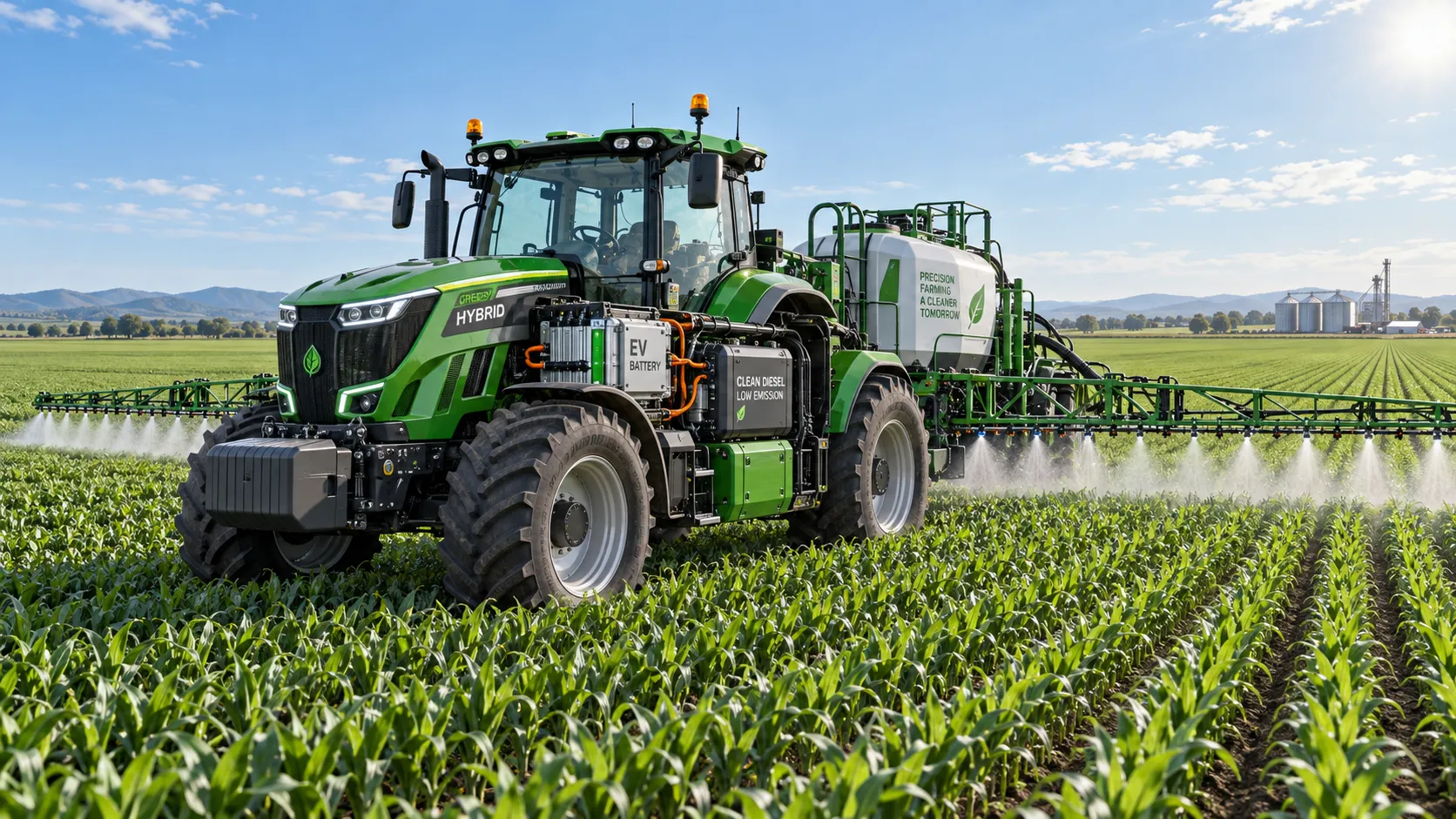
Can hybrid propulsion systems reduce fuel use in farm machinery?
Hybrid propulsion systems for agricultural machinery can cut fuel use and boost productivity. Explore savings potential, key trade-offs, and smart investment factors.
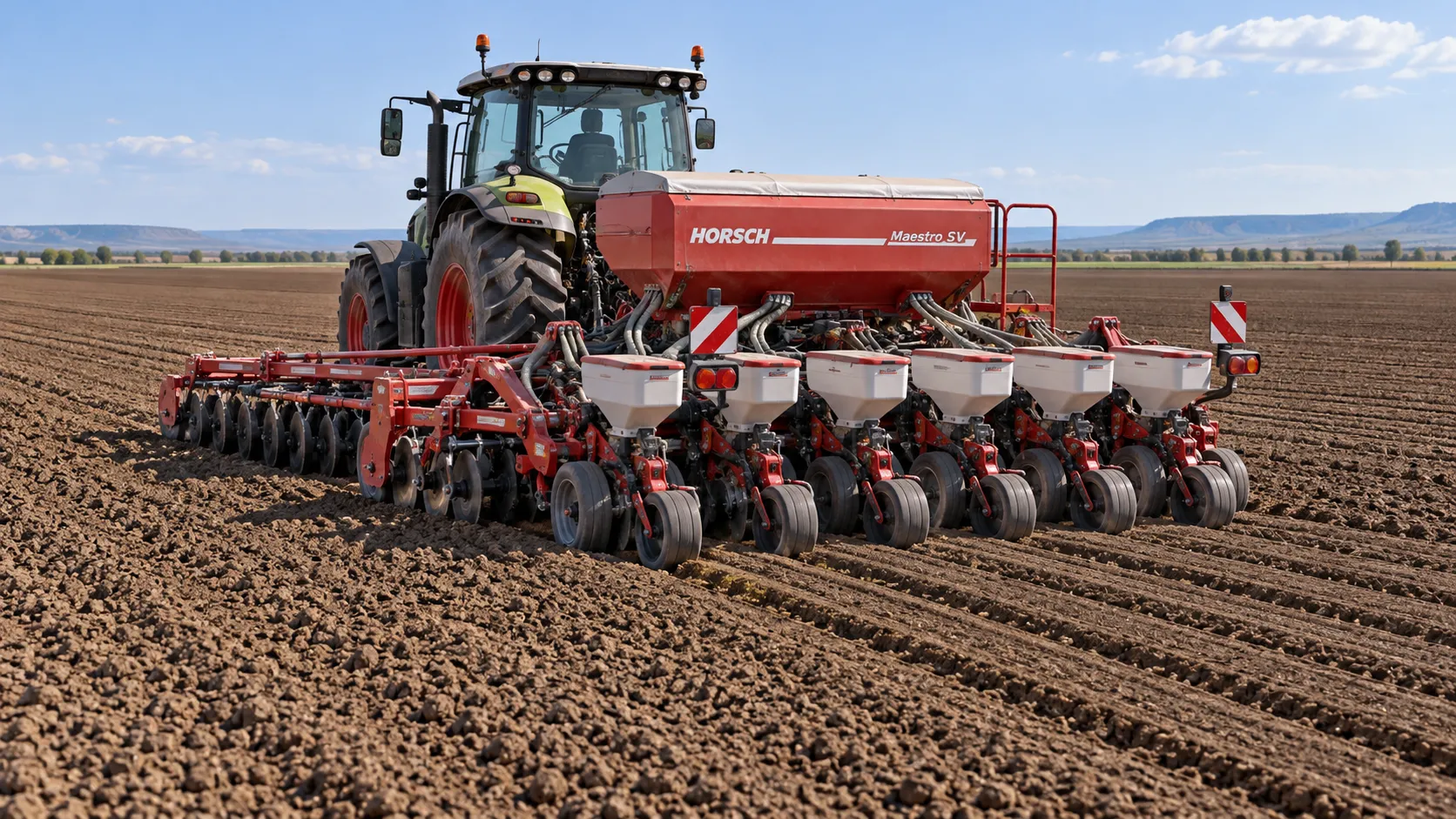
What to compare in integrated seeding combinations for heavy soils
Compare integrated seeding combinations for heavy soils: depth control, residue flow, consolidation, traction, and field capacity for more uniform crop establishment.
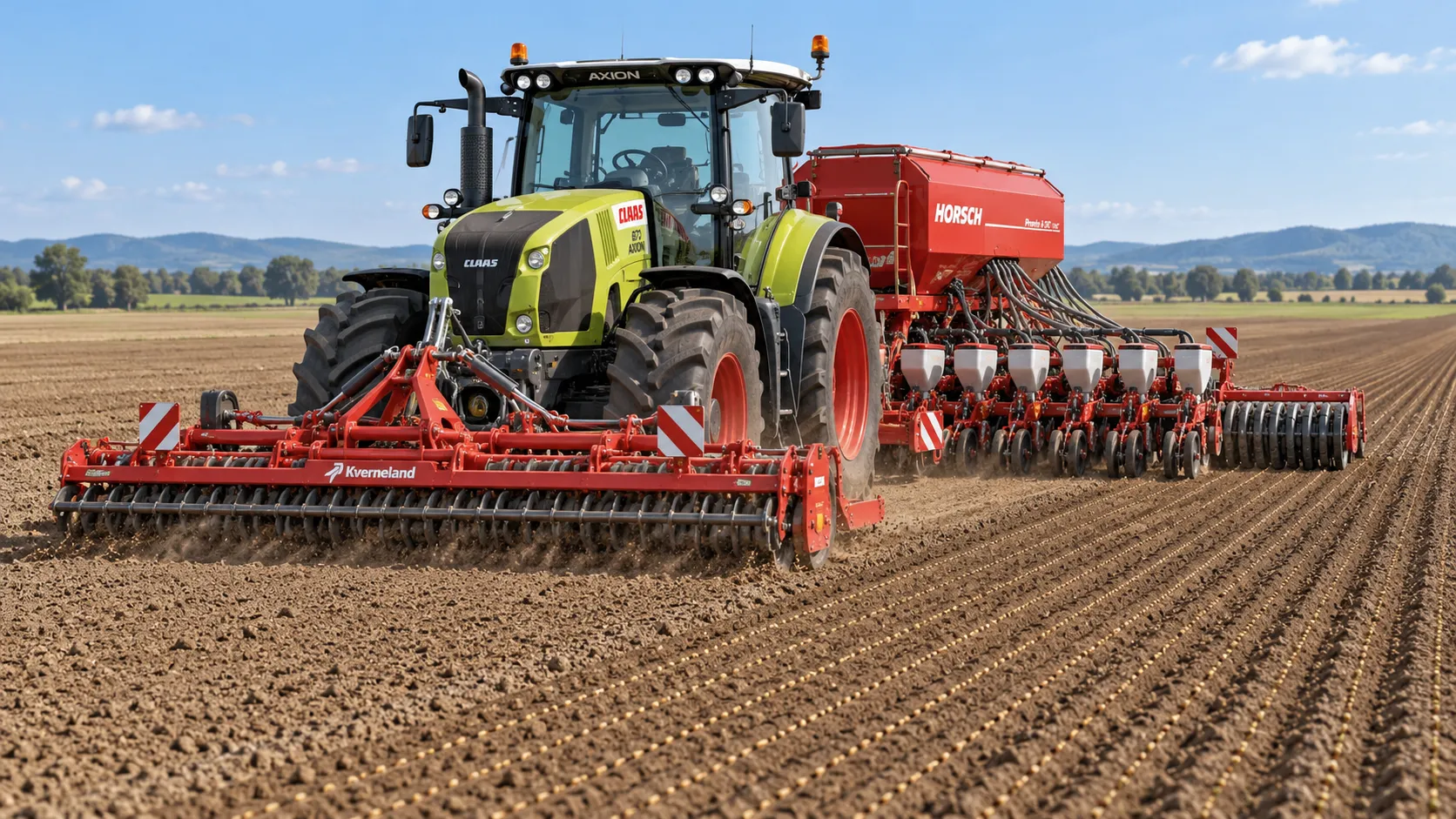
When an integrated seeding combination improves field efficiency
Integrated seeding combination improves field efficiency, protects planting windows, and balances speed with seedbed quality, tractor capacity, and reliable establishment.
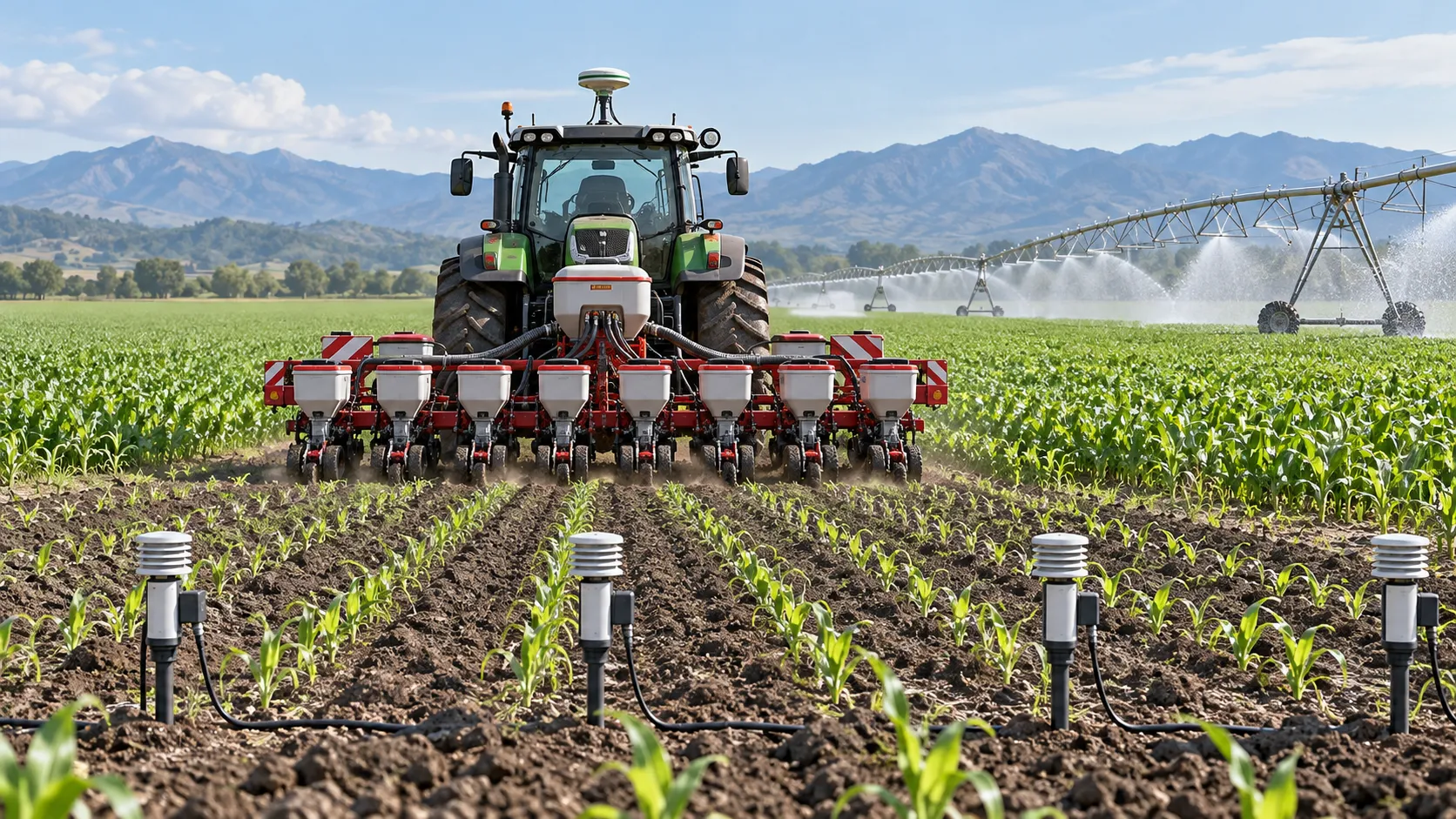
Which costs matter most when calculating precision agriculture ROI?
Calculating ROI on precision agriculture equipment? Discover the costs that shape returns, from installation and subscriptions to downtime, labor, and data integration.
Related News
- 00
0000-00
Comparing Farm Equipment Supplier Quotes: Price, Freight, and Warranty - 00
0000-00
Choosing a Digital Farming Platform Provider: Compatibility and Data Ownership - 00
0000-00
How Large-Scale Farm Telematics Cuts Downtime Across Mixed Fleets - 00
0000-00
How to Size Low-Pressure Water-Saving Irrigation Systems for Uneven Fields - 00
0000-00
Farm Machinery Sourcing: How to Vet Suppliers, Specs, and Lifecycle Costs
Popular Tags
Industry Global
Weekly Insights
Stay ahead with our curated technology reports delivered every Monday.