
Fed Delays Rate Cuts to Late 2026; RMB Weakness Lifts Agri-Machinery Export Prices




On March 27, 2026, the U.S. Federal Reserve held its policy rate steady at 5.25%–5.5%, revised inflation forecasts upward, and pushed expected first rate cuts from June to late 2026. The dollar strengthened (DXY rose to 100.5), pressuring the RMB. This development carries direct implications for agricultural machinery exporters, component manufacturers, and global supply chain participants — particularly those pricing in USD while sourcing or serving markets sensitive to foreign exchange volatility.
Event Overview
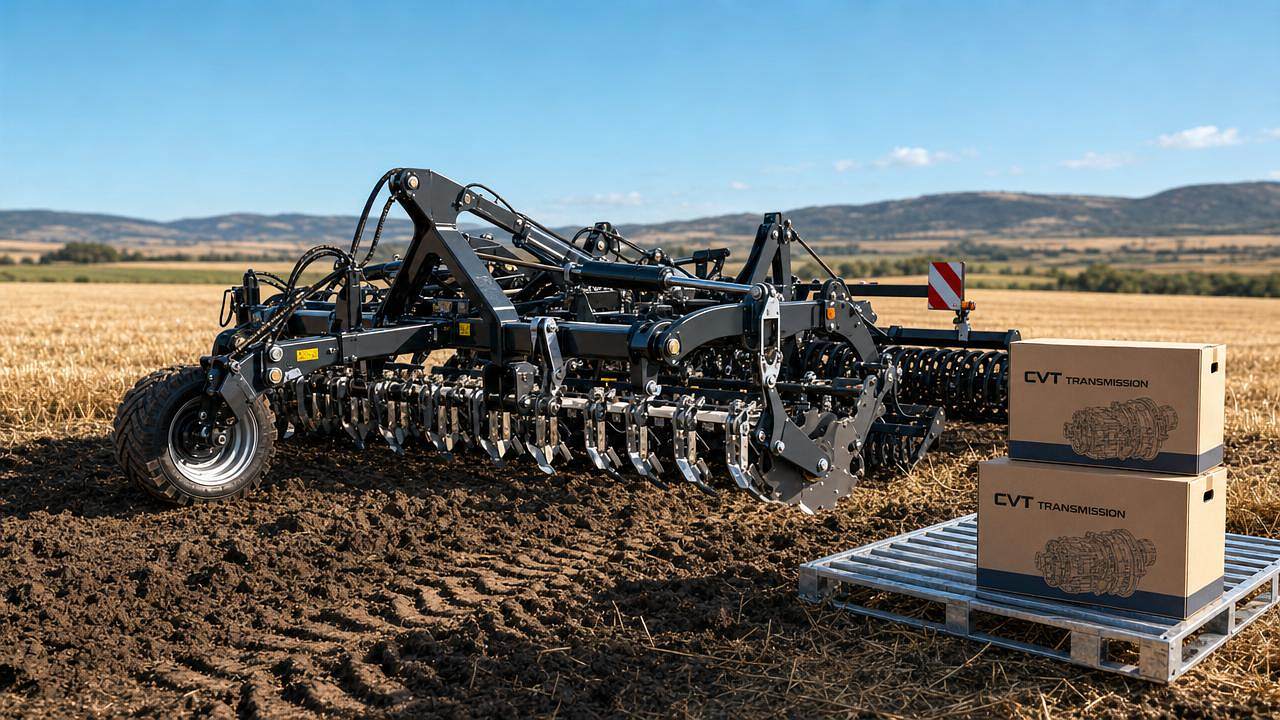
On March 27, 2026, the Federal Open Market Committee (FOMC) maintained the target federal funds rate at 5.25%–5.5%. It also raised its median projection for core PCE inflation in 2026 and delayed the anticipated timing of the first interest rate cut to late 2026. Concurrently, the U.S. Dollar Index climbed to 100.5, contributing to RMB depreciation against the USD. As a result, USD-denominated export quotations for soil tillers, CVT transmissions, and other key agricultural machinery components rose in RMB terms — increasing nominal export revenue but also raising landed costs for overseas buyers.
Industries Affected
Direct Exporters of Agricultural Machinery and Components
These firms quote and invoice in USD. With RMB depreciation, their reported RMB revenue per unit increases — improving short-term financial reporting metrics. However, the higher USD-equivalent cost faced by international buyers may reduce order conversion, especially for mid- to high-end models where price sensitivity is elevated and budget cycles are rigid.
Domestic Component Manufacturers Supplying Exporters
Manufacturers supplying soil tillers, CVT transmissions, and related subsystems to OEMs or export-focused assemblers face indirect FX exposure. While they typically transact in RMB, prolonged RMB weakness may compress margins if input costs (e.g., imported bearings, electronics, or specialty steel) rise in RMB terms — especially if suppliers adjust pricing with lag or pass through USD-cost increases.
International Distributors and Aftermarket Channel Partners
Distributors purchasing USD-priced inventory face higher local-currency acquisition costs. This pressure may delay restocking, narrow markup buffers, or trigger localized price adjustments — potentially dampening demand elasticity in key markets such as Southeast Asia, Latin America, and Africa, where many agri-machinery importers operate on tight working capital cycles.
What Enterprises and Practitioners Should Monitor and Do Now
Track FOMC communications and revisions to the 'dot plot' in upcoming statements
The March 2026 meeting shifted the median rate-cut expectation decisively. Subsequent guidance — especially changes to inflation assumptions or labor market assessments — will signal whether the delay reflects persistent inflation or temporary data noise. Exporters should align quarterly forecasting and hedging strategies with official projections, not market rumors.
Review pricing strategy by product tier and destination market
Mid- and high-end machinery (e.g., electronically controlled tillers, hydrostatic-drive tractors) show greater price elasticity than entry-level units. Firms should assess whether selective USD price stabilization — or localized RMB-denominated contracts with FX adjustment clauses — better preserves order volume without eroding margin sustainability.
Distinguish between headline FX impact and operational cash flow reality
RMB depreciation boosts USD-to-RMB conversion gains on receivables, but delays in collection, letter-of-credit processing, or offshore payment terms may offset those gains. Companies should reconcile actual settlement timelines and bank fees — not just spot-rate movements — when evaluating real FX benefit.
Reassess forward cover coverage for Q2–Q3 2026 shipments
With rate-cut expectations now deferred, USD strength may persist longer than previously assumed. Exporters with unhedged USD receivables due beyond June 2026 should evaluate extending forward cover tenors — particularly for contracts with fixed USD pricing and delivery windows stretching into Q4.
Editorial Perspective / Industry Observation
Observably, this shift is less an immediate shock and more a recalibration of monetary policy trajectory — one that extends near-term USD strength and complicates cross-border pricing discipline. Analysis shows the RMB’s depreciation is not yet driven by domestic fundamentals alone, but amplified by relative U.S. policy firmness. From an industry perspective, the event functions primarily as a signal: it underscores that export competitiveness can no longer rely solely on cost advantages, but must incorporate dynamic FX risk management and buyer-centric commercial flexibility. Current conditions do not indicate a structural reversal in global agri-machinery demand — but they do raise the bar for operational agility in pricing, hedging, and customer communication.
This development marks a pivot from cyclical FX fluctuation toward sustained policy-driven currency pressure. It does not invalidate export opportunities, but redefines the prerequisites for maintaining stable order flow — especially where end-buyer budgets are denominated in local currencies pegged or closely correlated to the USD.
Conclusion
The Fed’s March 2026 decision signals extended U.S. monetary tightness, reinforcing USD strength and adding measurable FX-related friction to agricultural machinery exports priced in USD. For affected enterprises, the primary implication is not reduced demand per se, but increased complexity in balancing revenue recognition, buyer affordability, and margin integrity. It is better understood as a liquidity and pricing calibration challenge — not a demand collapse — requiring targeted operational adjustments rather than strategic retreat.
Source Attribution
Main source: Federal Reserve Board – March 27, 2026 FOMC Statement and Summary of Economic Projections (SEP).
Points requiring ongoing observation: Future revisions to the SEP’s inflation and rate-path projections; RMB exchange rate behavior relative to trade-weighted indices; and regional central bank responses in key agri-machinery import markets.
Related News
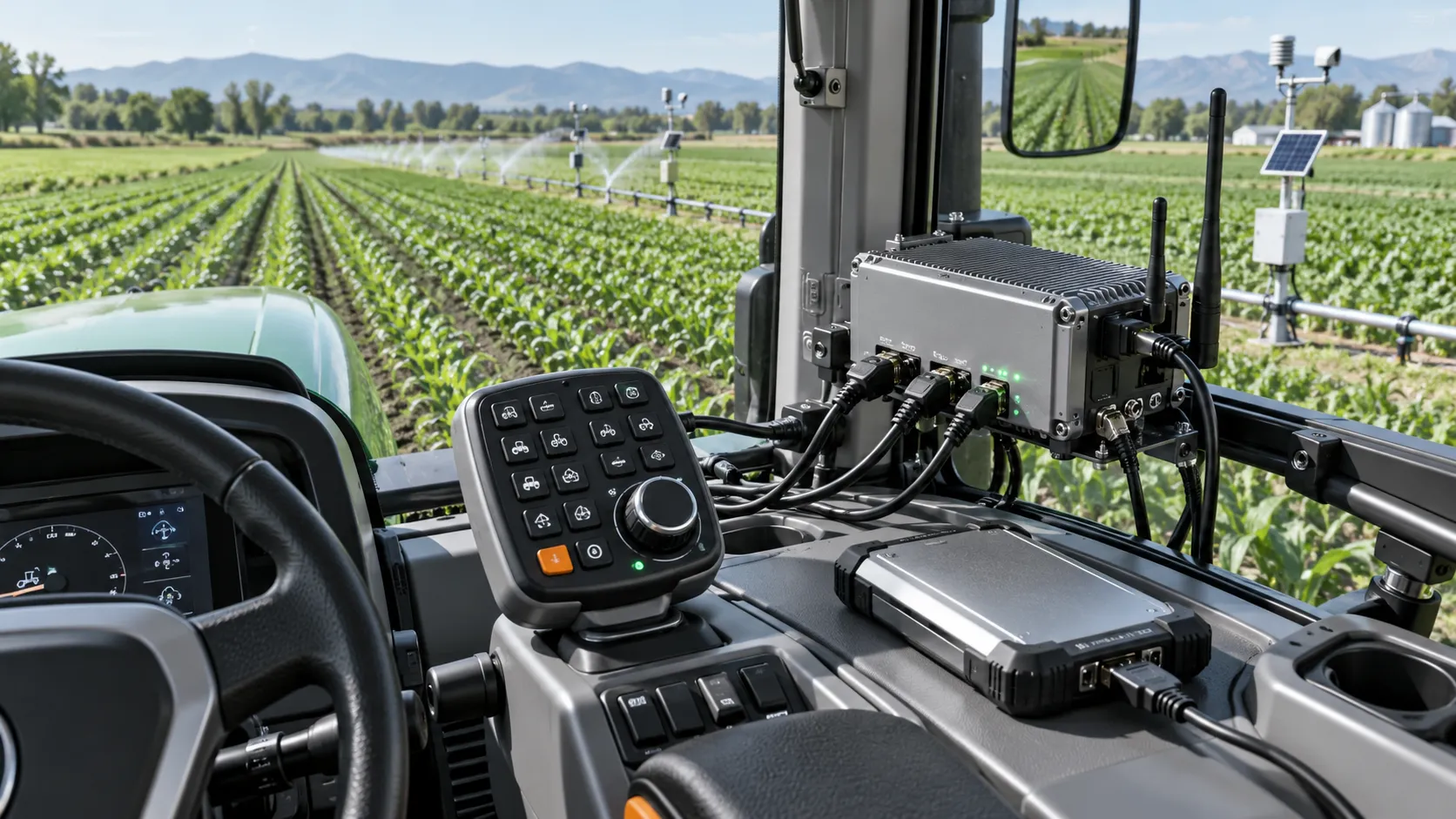
Choosing a Digital Farming Platform Provider: Compatibility and Data Ownership
Compare digital farming platforms providers on equipment compatibility, data ownership, and export rights. Discover practical checks to avoid lock-in and choose with confidence.
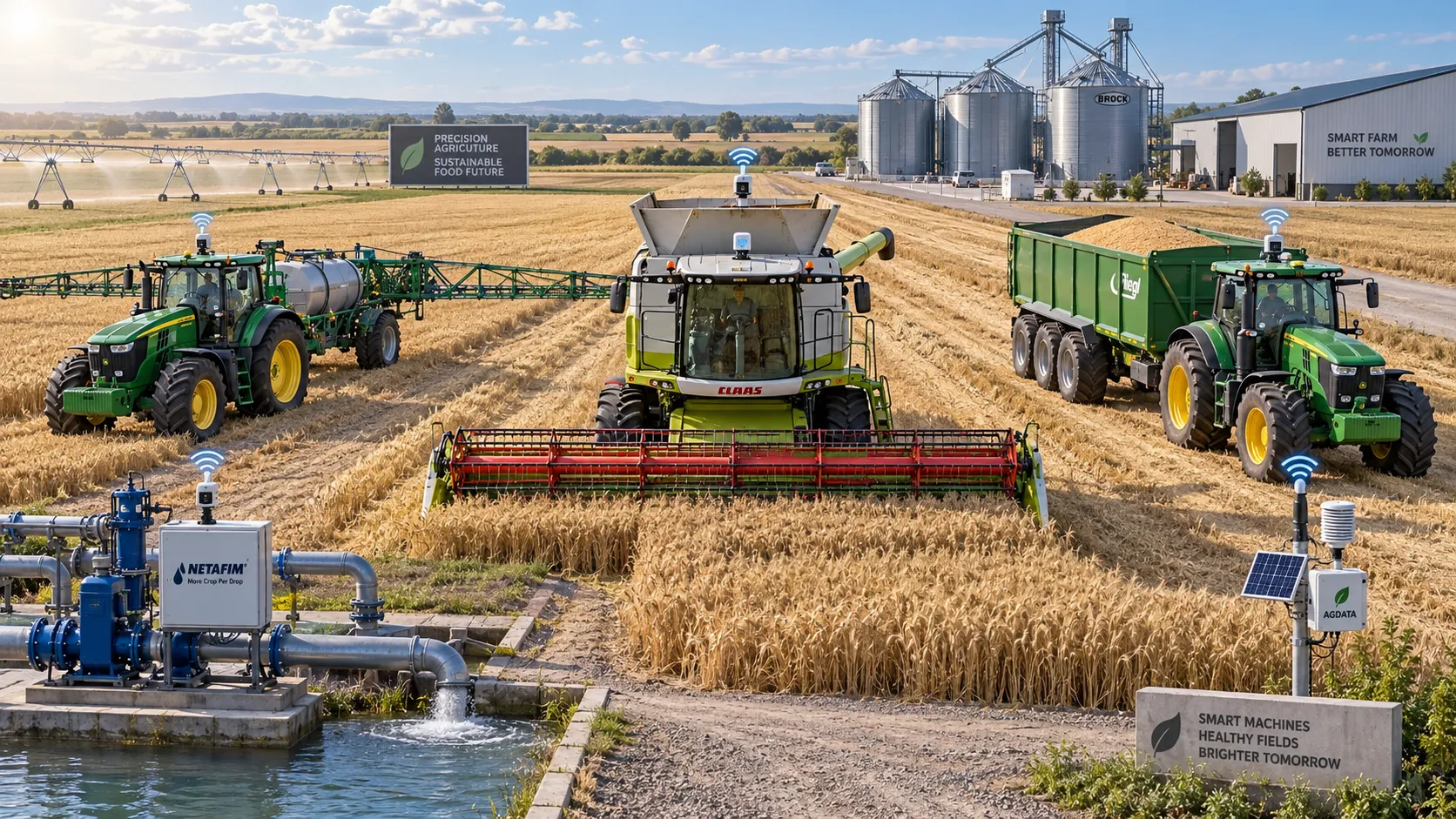
How Large-Scale Farm Telematics Cuts Downtime Across Mixed Fleets
Large-scale farm equipment telematics cuts mixed-fleet downtime with real-time alerts, smarter maintenance, and stronger operational control. Learn how to protect critical farm workflows.
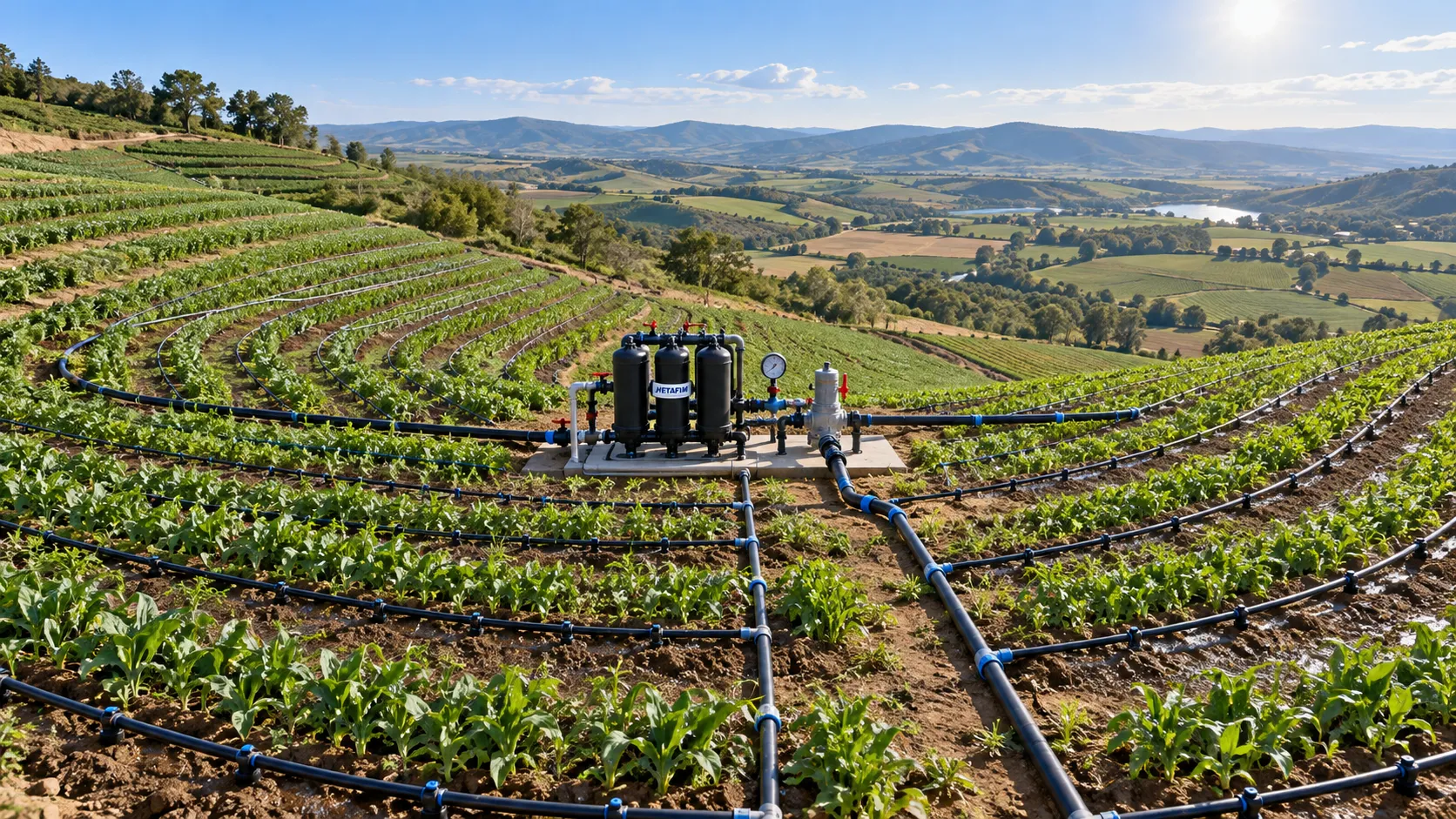
How to Size Low-Pressure Water-Saving Irrigation Systems for Uneven Fields
Low pressure water-saving irrigation systems for uneven fields: learn zoning, pressure mapping, pipe sizing, and pump selection to improve uniformity and reduce water waste.
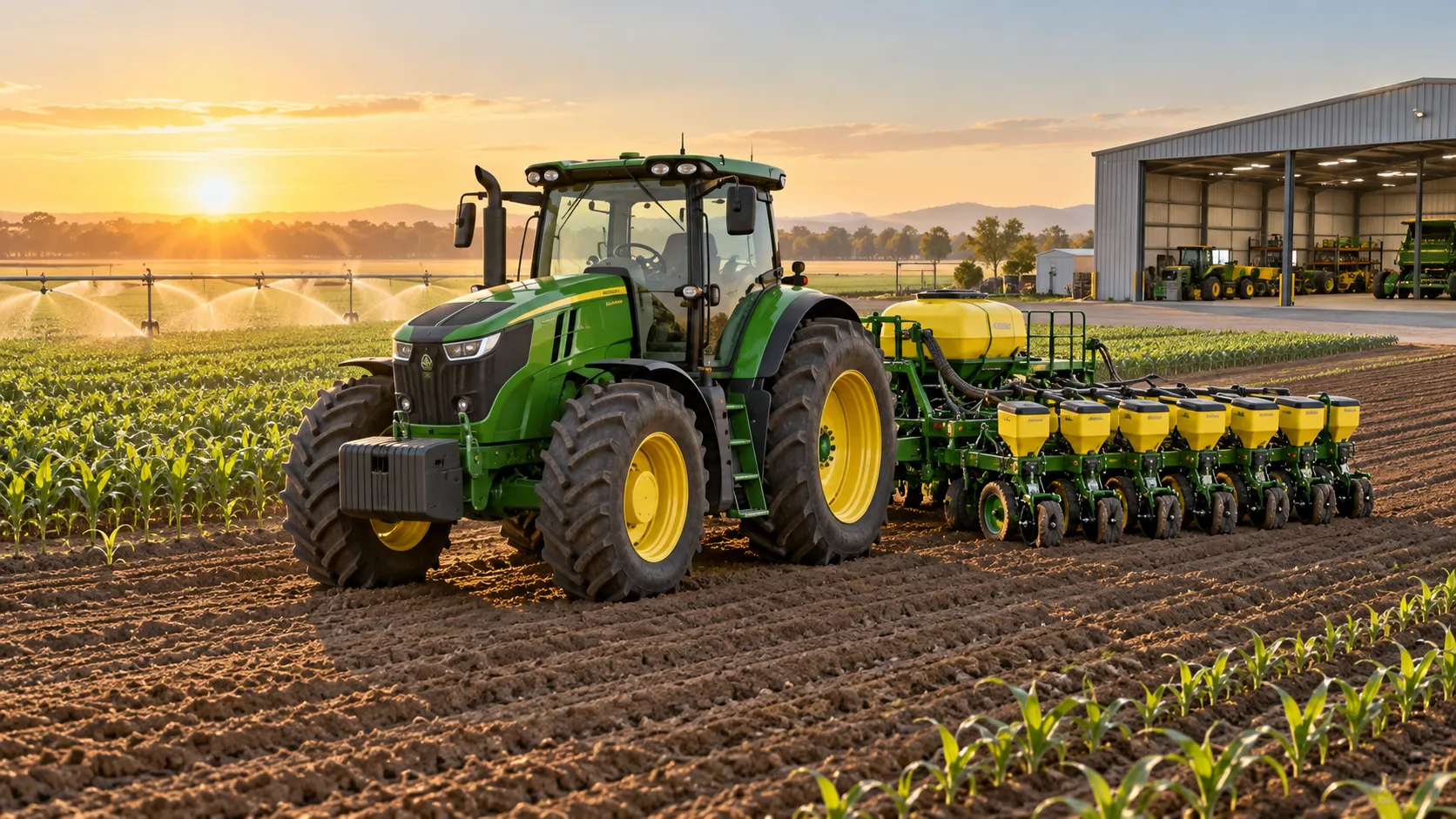
Farm Machinery Sourcing: How to Vet Suppliers, Specs, and Lifecycle Costs
Farm machinery information for sourcing: learn to vet suppliers, compare specifications, control lifecycle costs, and secure reliable uptime for smarter equipment purchases.
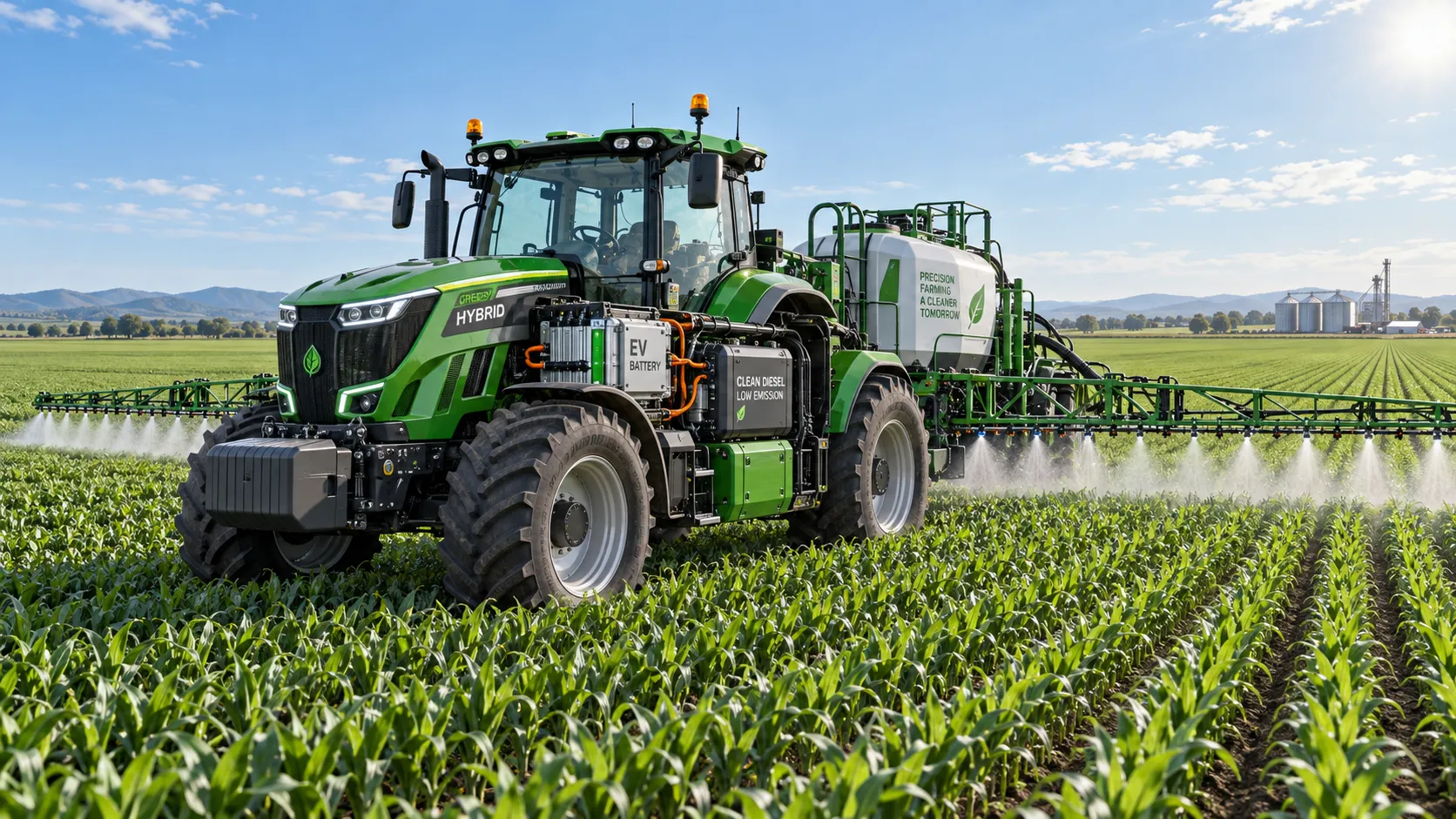
Can hybrid propulsion systems reduce fuel use in farm machinery?
Hybrid propulsion systems for agricultural machinery can cut fuel use and boost productivity. Explore savings potential, key trade-offs, and smart investment factors.
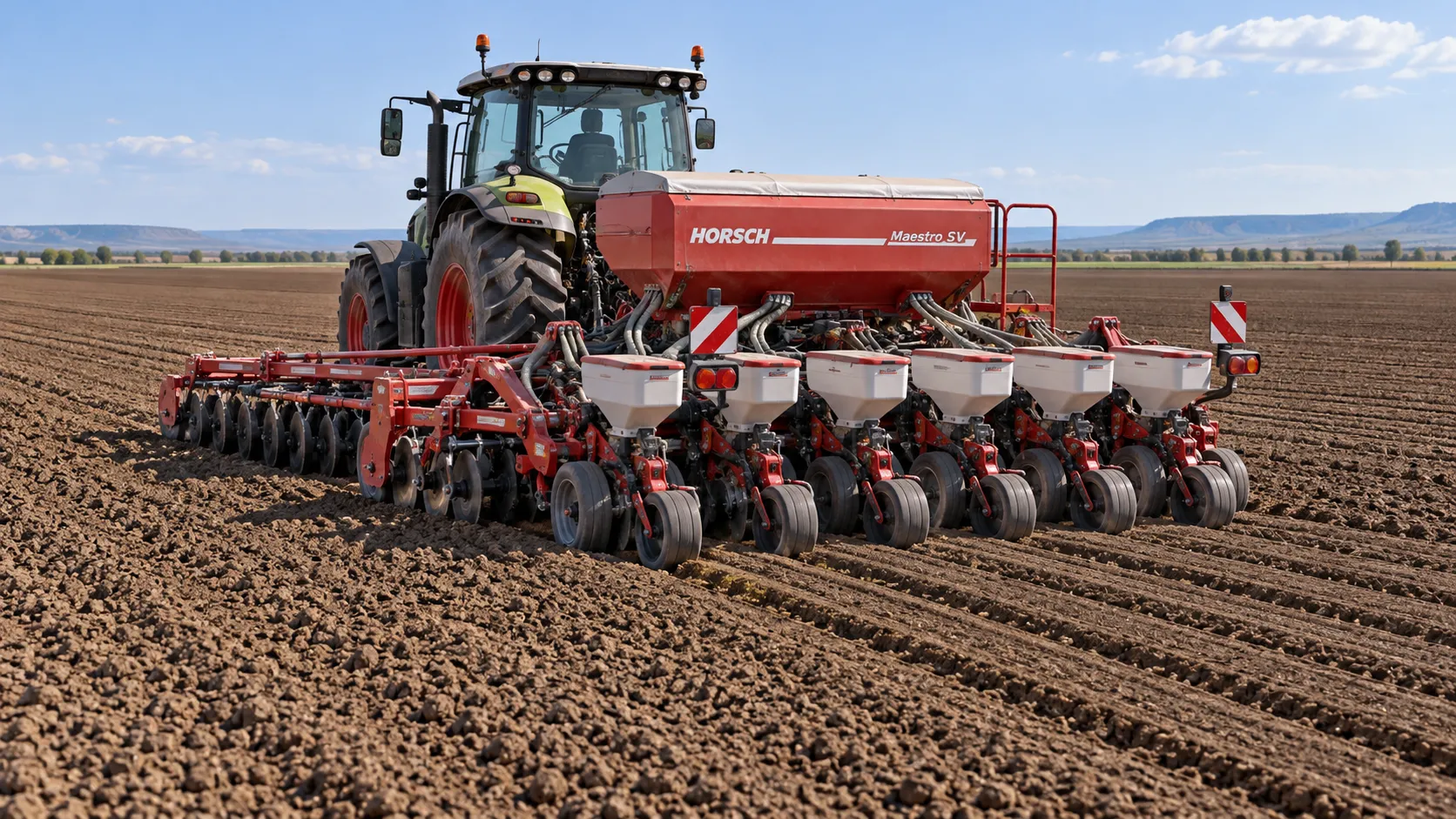
What to compare in integrated seeding combinations for heavy soils
Compare integrated seeding combinations for heavy soils: depth control, residue flow, consolidation, traction, and field capacity for more uniform crop establishment.
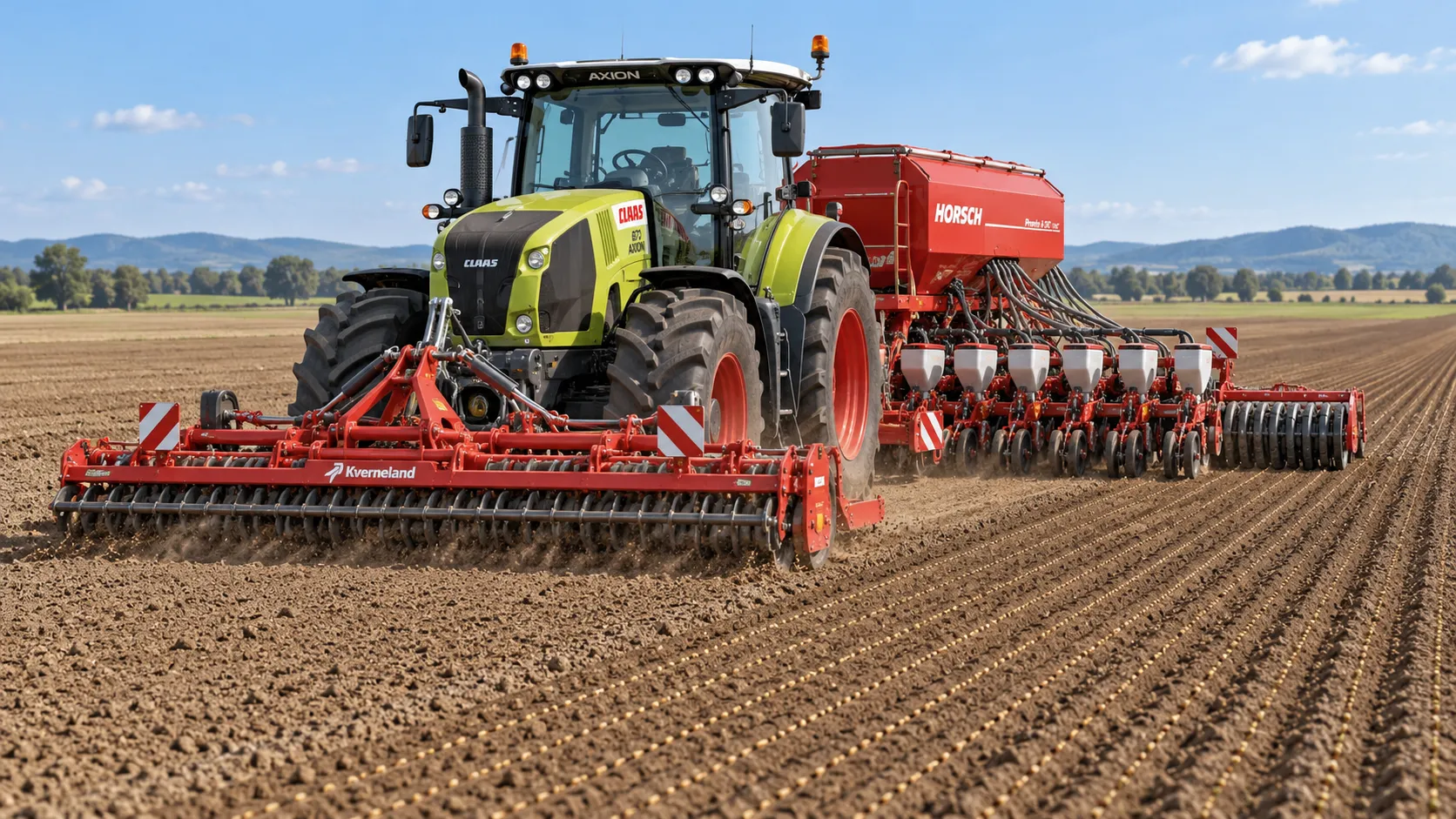
When an integrated seeding combination improves field efficiency
Integrated seeding combination improves field efficiency, protects planting windows, and balances speed with seedbed quality, tractor capacity, and reliable establishment.
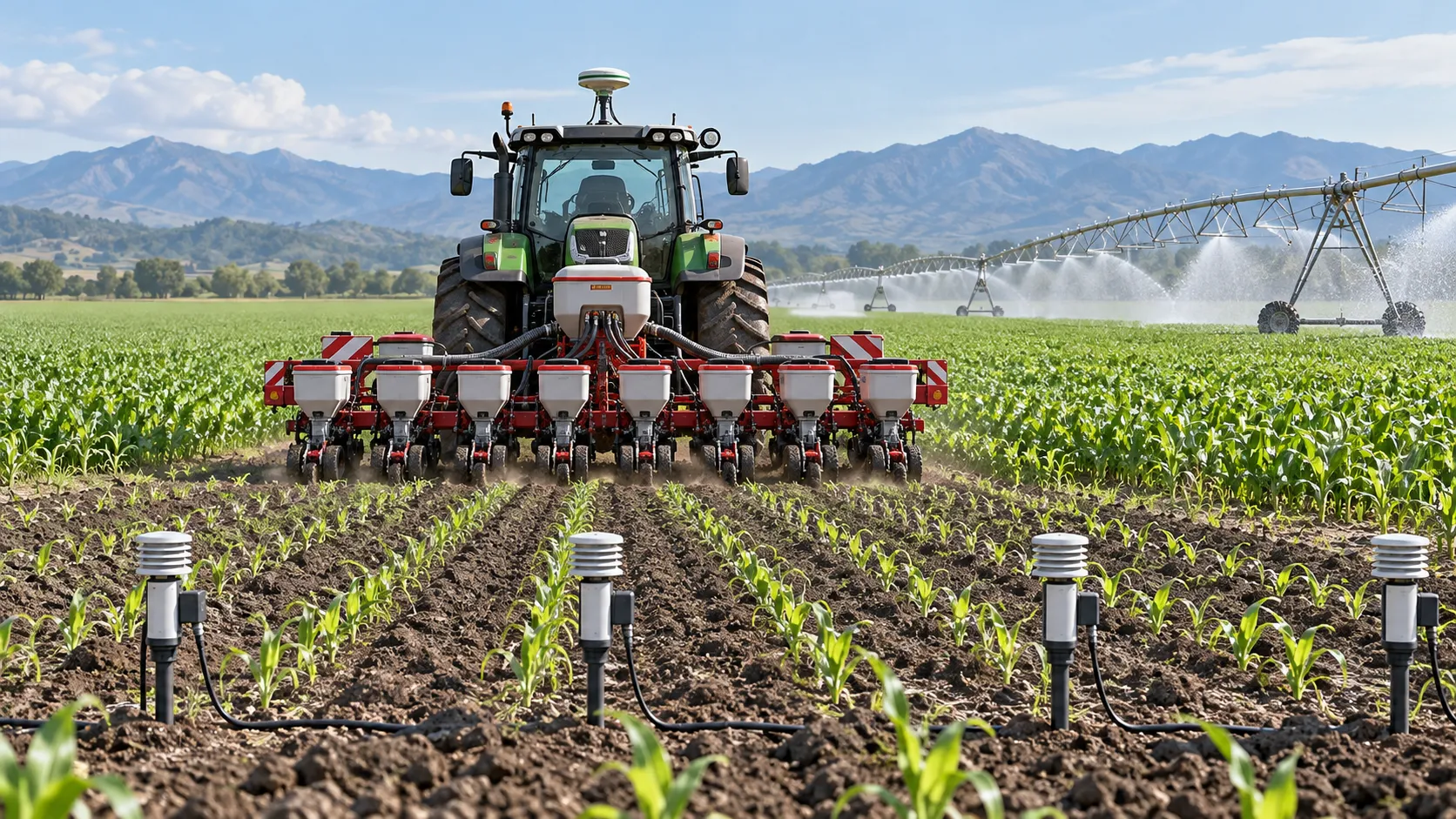
Which costs matter most when calculating precision agriculture ROI?
Calculating ROI on precision agriculture equipment? Discover the costs that shape returns, from installation and subscriptions to downtime, labor, and data integration.
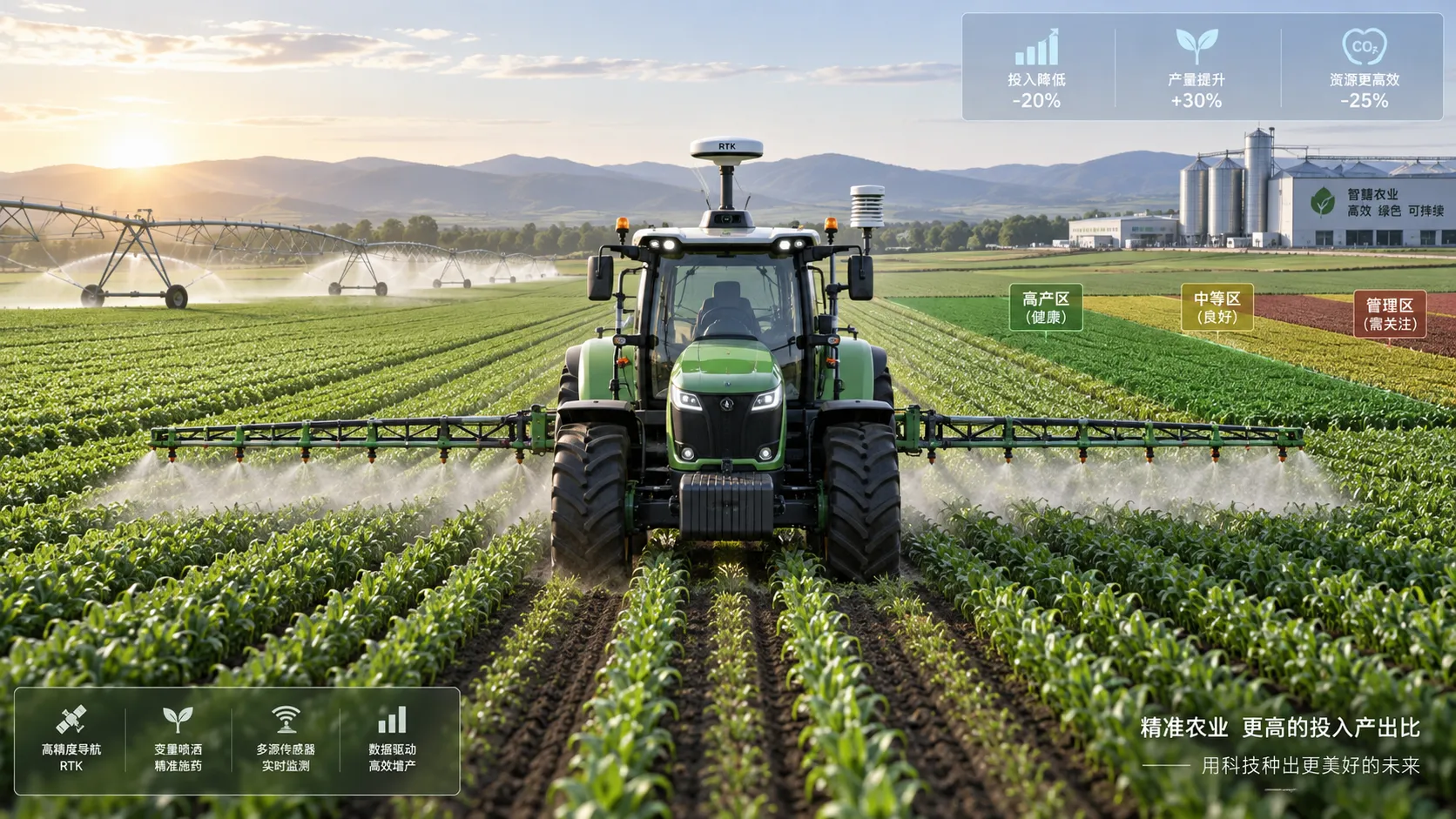
How to calculate ROI on precision agriculture equipment before buying
Calculating ROI on precision agriculture equipment: learn to assess total ownership costs, savings, payback, NPV, risks, and farm-scale value before you buy.
Related News
- 00
0000-00
Choosing a Digital Farming Platform Provider: Compatibility and Data Ownership - 00
0000-00
How Large-Scale Farm Telematics Cuts Downtime Across Mixed Fleets - 00
0000-00
How to Size Low-Pressure Water-Saving Irrigation Systems for Uneven Fields - 00
0000-00
Farm Machinery Sourcing: How to Vet Suppliers, Specs, and Lifecycle Costs - 00
0000-00
Can hybrid propulsion systems reduce fuel use in farm machinery?
Popular Tags
Industry Global
Weekly Insights
Stay ahead with our curated technology reports delivered every Monday.