
Saudi Energy Efficiency Update Affects Smart Irrigation Controller Certification
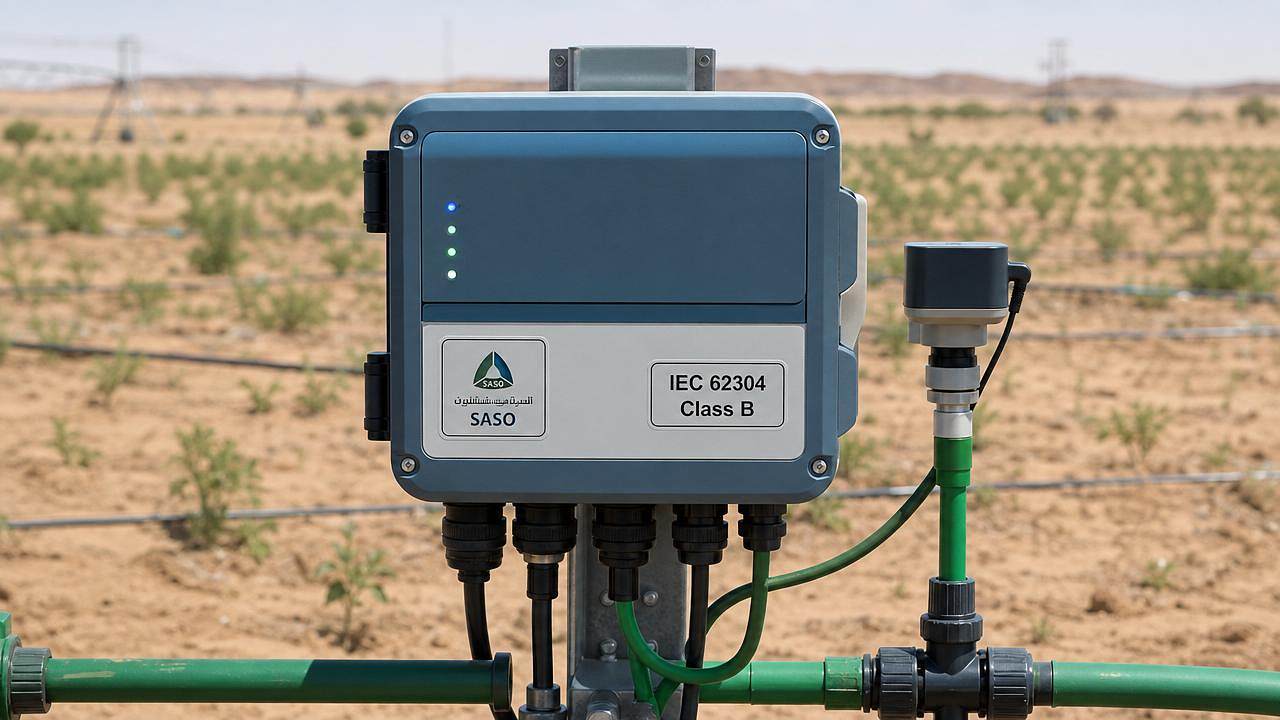




Saudi Arabia’s Standards, Metrology and Quality Organization (SASO) issued the revised Energy and Water Efficiency Standard for Electric Appliances (SASO 2663:2026) on May 20, 2026. Though primarily targeting washing machines, the update introduces new compliance requirements that indirectly impact exporters of smart irrigation controllers—particularly those with microprocessor-based logic units—entering Gulf markets.
New SASO Standard Introduces Two Key Compliance Requirements
On May 20, 2026, SASO published SASO 2663:2026, which—for the first time—mandates testing of smart control module power consumption as part of energy efficiency evaluation. Additionally, the standard explicitly requires all irrigation logic units incorporating microprocessors—including Drip Irrigation Logic controllers—to obtain IEC 62304 Class B software safety certification prior to market access in Saudi Arabia and other GCC member states. These provisions apply to products submitted for SASO conformity assessment after the effective date of the standard.
Cross-Chain Impacts Across Market Participants
Exporters and Trading Companies
Direct trade enterprises exporting smart irrigation devices to the Gulf must now align product documentation, test reports, and certification pathways with both SASO 2663:2026 and IEC 62304. The added software safety verification step extends overall certification lead time by approximately 45 days—potentially delaying shipment schedules and affecting contract fulfillment timelines.
Manufacturers and OEMs
Equipment manufacturers face revised design validation requirements: firmware architecture, runtime power profiling, and traceability of software development lifecycle processes must now meet IEC 62304 Class B criteria. This may necessitate internal process upgrades, third-party audit readiness, and updated technical file compilation—not just for hardware but for embedded control logic.
Component and Subsystem Suppliers
Suppliers providing microcontroller units, motor drivers, or programmable logic modules must ensure their components support verifiable software safety evidence (e.g., hazard analysis, traceability matrices, verification records). Buyers are increasingly requiring supplier declarations aligned with IEC 62304, shifting some compliance burden upstream.
Conformity Assessment and Certification Service Providers
Testing laboratories and notified bodies accredited for SASO and IEC 62304 must expand service offerings to cover integrated power consumption + software safety assessments. Capacity constraints and regional accreditation gaps may further contribute to certification delays in the near term.
Key Actions for Export-Ready Enterprises
Review and Update Certification Strategy
Confirm whether existing SASO CoC applications include IEC 62304 Class B coverage. For pending submissions, reassess timelines and allocate additional buffer for software safety audits, including source code review and hazard analysis documentation.
Validate Firmware Architecture Against IEC 62304
Ensure firmware development follows a defined life cycle model compliant with Class B, including documented risk management, configuration control, and verification of critical software functions—especially those governing pump activation, valve sequencing, and low-power sleep modes.
Reassess Power Consumption Testing Protocols
Expand energy testing beyond steady-state operation to include dynamic scenarios where smart modules transition between active, standby, and deep-sleep states. SASO 2663:2026 requires measurement of cumulative control-module power draw across representative irrigation cycles.
Align Technical Documentation with Dual Requirements
Consolidate technical files to simultaneously satisfy SASO’s energy labeling framework and IEC 62304’s software safety documentation structure—including software requirements specification, architecture diagram, verification report, and release notes with change history.
Industry Observation: Regulatory Convergence Is Accelerating
Analysis shows that SASO is increasingly harmonizing appliance-level standards with functional safety frameworks traditionally applied to medical or industrial systems. What deserves closer attention is how this reflects a broader GCC trend: energy regulations are evolving from pure efficiency metrics toward holistic system-level assurance—including embedded intelligence, real-time decision logic, and adaptive power behavior. From an industry perspective, this signals a structural shift—from component-level compliance to integrated system certification—as a prerequisite for market access.
Strategic Takeaway for Global Suppliers
This regulatory update does not introduce a new product category restriction, but rather redefines the baseline for ‘intelligent’ water management equipment in the Gulf. It underscores that software functionality is no longer ancillary—it is a regulated subsystem. Manufacturers who treat firmware as a compliance-critical element—not just a feature—will be better positioned to navigate future iterations of SASO, UAE ESMA, and other regional energy standards.
Source Information and Verification Notes
This article was generated based solely on the user-provided title, event date (May 20, 2026), and summary. Specific official source links were not provided in the input and should be verified continuously. Stakeholders are advised to monitor SASO’s official portal for implementation guidance, transitional arrangements, and clarification on scope interpretation—particularly regarding legacy controller models, firmware update policies, and recognition of equivalent certifications.
Related News
Choosing a Digital Farming Platform Provider: Compatibility and Data Ownership
Compare digital farming platforms providers on equipment compatibility, data ownership, and export rights. Discover practical checks to avoid lock-in and choose with confidence.
How Large-Scale Farm Telematics Cuts Downtime Across Mixed Fleets
Large-scale farm equipment telematics cuts mixed-fleet downtime with real-time alerts, smarter maintenance, and stronger operational control. Learn how to protect critical farm workflows.
How to Size Low-Pressure Water-Saving Irrigation Systems for Uneven Fields
Low pressure water-saving irrigation systems for uneven fields: learn zoning, pressure mapping, pipe sizing, and pump selection to improve uniformity and reduce water waste.
Farm Machinery Sourcing: How to Vet Suppliers, Specs, and Lifecycle Costs
Farm machinery information for sourcing: learn to vet suppliers, compare specifications, control lifecycle costs, and secure reliable uptime for smarter equipment purchases.
What to compare in integrated seeding combinations for heavy soils
Compare integrated seeding combinations for heavy soils: depth control, residue flow, consolidation, traction, and field capacity for more uniform crop establishment.
When an integrated seeding combination improves field efficiency
Integrated seeding combination improves field efficiency, protects planting windows, and balances speed with seedbed quality, tractor capacity, and reliable establishment.
Which costs matter most when calculating precision agriculture ROI?
Calculating ROI on precision agriculture equipment? Discover the costs that shape returns, from installation and subscriptions to downtime, labor, and data integration.
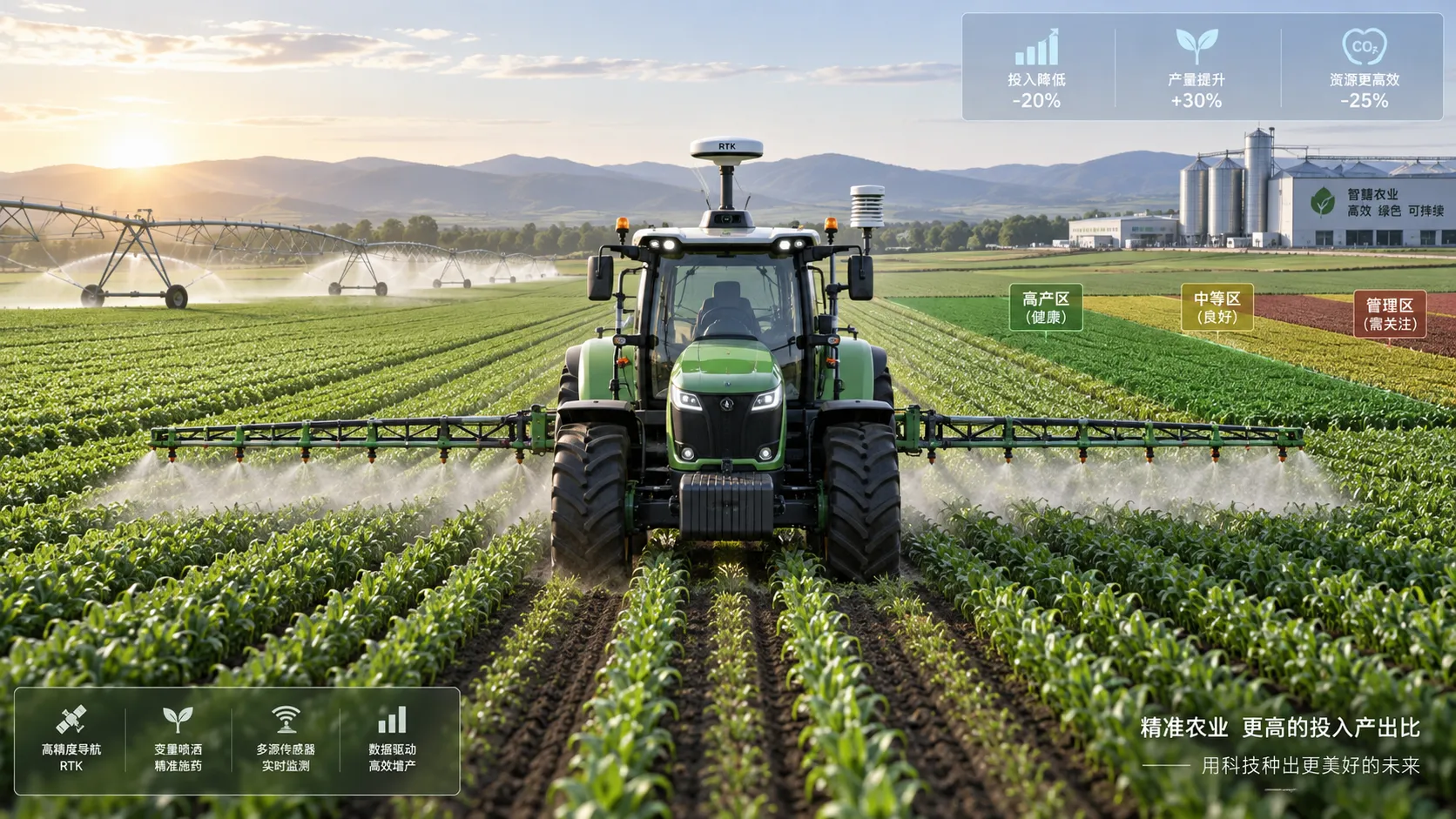
How to calculate ROI on precision agriculture equipment before buying
Calculating ROI on precision agriculture equipment: learn to assess total ownership costs, savings, payback, NPV, risks, and farm-scale value before you buy.
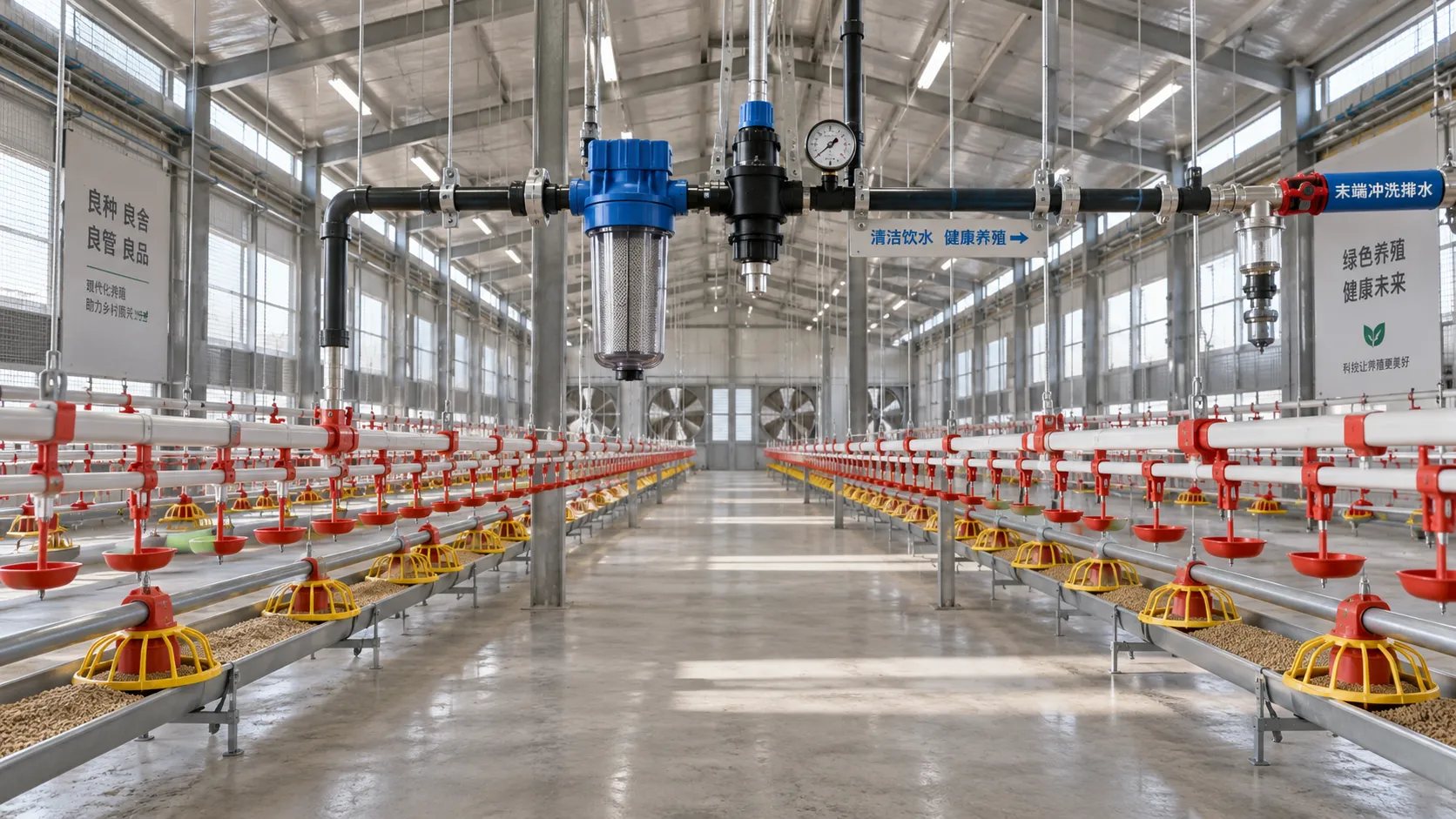
Planning Nipple Drinker Installation for Different Chicken House Layouts
How to install nipple drinker for chicken houses: plan line layouts, pressure control, flushing access, and maintenance for reliable water delivery.
Related News
- 00
0000-00
Choosing a Digital Farming Platform Provider: Compatibility and Data Ownership - 00
0000-00
How Large-Scale Farm Telematics Cuts Downtime Across Mixed Fleets - 00
0000-00
How to Size Low-Pressure Water-Saving Irrigation Systems for Uneven Fields - 00
0000-00
Farm Machinery Sourcing: How to Vet Suppliers, Specs, and Lifecycle Costs - 00
0000-00
What to compare in integrated seeding combinations for heavy soils
Popular Tags
Industry Global
Weekly Insights
Stay ahead with our curated technology reports delivered every Monday.