
China Launches Two Trade Barrier Investigations Against US on Smart Farm Equipment
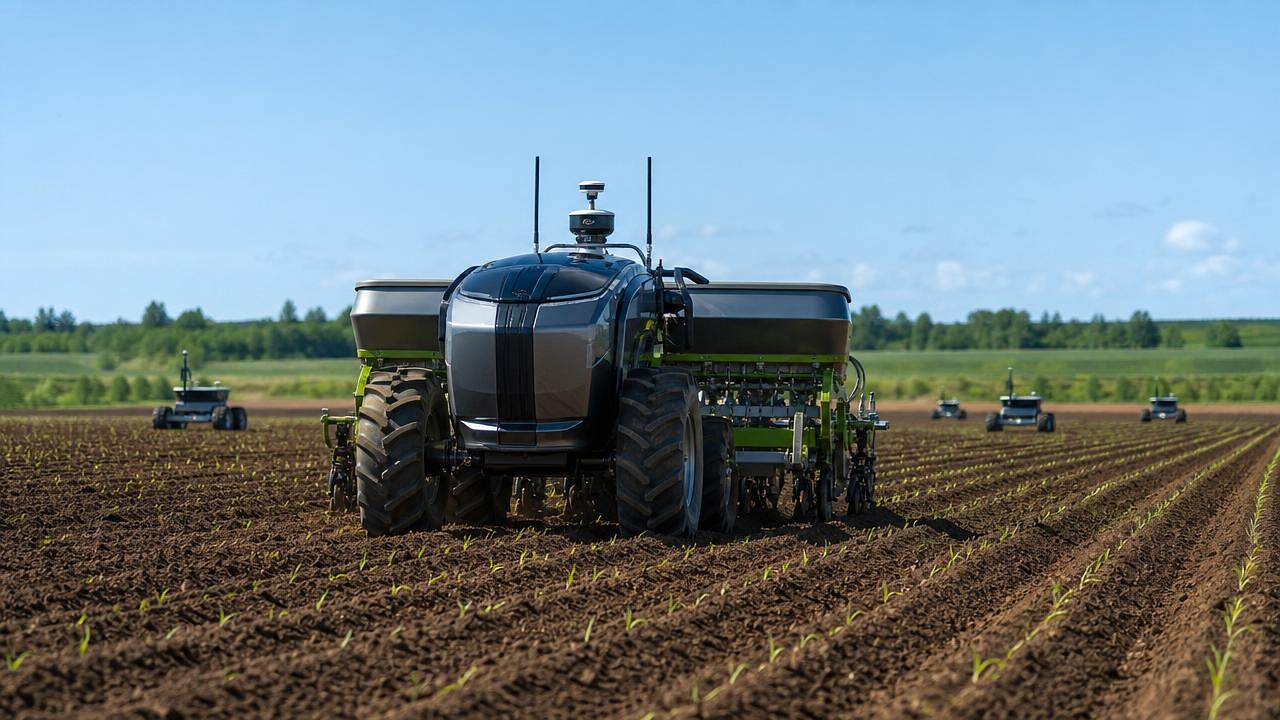




On March 27, 2026, China’s Ministry of Commerce initiated two trade barrier investigations against the United States under the Foreign Trade Law, targeting U.S. unilateral Section 301 measures that obstruct green product trade and misuse allegations such as ‘overcapacity’ and ‘forced labor’. The investigations cover high-value smart agricultural machinery—including GPS guidance systems, variable rate technology, and autonomous robots—and are expected to conclude within six months via questionnaires, hearings, and on-site verification. This development directly affects compliance expectations and long-term procurement strategies for European and U.S. importers of Chinese smart farm equipment.
Event Overview
On March 27, 2026, China’s Ministry of Commerce announced the launch of two trade barrier investigations against the United States. The investigations are grounded in the Foreign Trade Law and focus on U.S. trade practices deemed inconsistent with WTO principles—specifically, the use of unilateral Section 301 actions to restrict green product trade and the repeated invocation of unsubstantiated ‘overcapacity’ and ‘forced labor’ claims. The scope explicitly includes smart agricultural machinery equipped with GPS guidance systems, variable rate technology, and autonomous robots. The investigation process will involve written questionnaires, public hearings, and field verification; a final determination is anticipated within approximately six months.
Industries Affected by Segment
Direct Exporters of Smart Agricultural Machinery
These companies face heightened regulatory uncertainty in the U.S. market. Because the investigation targets U.S. trade barriers—not Chinese exports—the immediate impact lies not in new Chinese restrictions, but in shifting U.S. compliance expectations: importers may delay orders or impose additional due diligence pending clarity on how U.S. enforcement policies (e.g., CBP withhold release orders or UFLPA-related scrutiny) align with China’s formal challenge. This could extend lead times and increase pre-shipment documentation burdens.
Manufacturers Supplying Core Components (e.g., GNSS Modules, Actuators, AI Edge Devices)
Suppliers integrated into smart农机 value chains may experience downstream pressure to provide enhanced traceability and origin documentation—even for non-U.S.-bound shipments—as multinationals standardize compliance protocols across markets. While no new Chinese export controls are triggered, the investigation signals intensified cross-border scrutiny of supply chain integrity, particularly around labor practices and technology sourcing.
Distribution and Import-Related Service Providers (U.S.-Based)
U.S. customs brokers, logistics intermediaries, and compliance consultants serving Chinese smart farm equipment importers may see increased demand for tariff classification support, forced labor risk assessments, and Section 301 exclusion strategy counseling. Their role shifts from routine clearance facilitation toward proactive risk mapping—especially where GPS or autonomy features intersect with U.S. export control or human rights enforcement priorities.
What Relevant Enterprises or Practitioners Should Monitor and Do Now
Track official communications from both MOFCOM and USTR
The investigation is procedural—not punitive—but its findings may inform future WTO dispute consultations or bilateral negotiations. Companies should monitor MOFCOM’s published questionnaire drafts and hearing schedules, as well as concurrent USTR responses or updates to the Section 301 list, to distinguish policy signaling from enforceable changes.
Review current U.S. entry documentation for GPS-guided and autonomy-enabled products
Focus specifically on CBP Form 7501 entries, supplier affidavits related to labor conditions, and technical specifications that could trigger dual-use or EAR99 classification reviews. Even if no violations exist, inconsistency or gaps in documentation may prompt secondary review amid heightened scrutiny.
Assess exposure across procurement and logistics touchpoints—not just final export
Because the investigation cites ‘abuse of forced labor allegations’, upstream sourcing (e.g., battery materials, semiconductor packaging) and third-party logistics providers warrant parallel review. A single unverified subcontractor link could become a focal point in importer-led audits—even absent MOFCOM findings.
Prepare internal alignment between legal, trade compliance, and R&D teams
Product development roadmaps involving U.S.-origin software (e.g., RTK correction services), cloud-based fleet management platforms, or AI training data sources may require early legal input. Technical architecture decisions made today affect future compliance posture more than post-production labeling or certification.
Editorial Perspective / Industry Observation
Observably, this is a procedural and diplomatic signal—not an immediate trade restriction. The investigation does not impose new Chinese export rules or tariffs; rather, it formally challenges the legitimacy of U.S. trade tools used against Chinese green tech. Analysis shows that such investigations often precede broader WTO disputes or serve as leverage in bilateral dialogues, especially ahead of scheduled U.S.–China economic working group meetings. From an industry perspective, the timing and specificity—focusing on GPS, variable rate, and autonomy—suggest targeted attention on technologies where U.S. firms hold legacy IP or market share. It is better understood as a calibration step in trade governance, not a rupture. Continuous monitoring is warranted because outcomes may shape how U.S. agencies interpret ‘national security’ or ‘labor risk’ thresholds for agri-tech imports over the next 12–18 months.
This action underscores how trade policy increasingly intersects with technology governance and sustainability standards. For smart agriculture exporters and their partners, it reinforces that compliance is no longer solely about tariffs or quotas—it now encompasses verifiable supply chain narratives, interoperable technical standards, and anticipatory engagement with evolving regulatory logic in key markets. The investigation itself remains a process, not a verdict; its significance lies less in immediate operational impact and more in its function as a marker of strategic priority and institutional response capacity.
Source: Ministry of Commerce of the People’s Republic of China (MOFCOM) official announcement, March 27, 2026.
Note: Investigation timeline, methodology, and potential outcomes remain subject to official updates; no determinations have been issued as of publication.
Related News
Choosing a Digital Farming Platform Provider: Compatibility and Data Ownership
Compare digital farming platforms providers on equipment compatibility, data ownership, and export rights. Discover practical checks to avoid lock-in and choose with confidence.
How Large-Scale Farm Telematics Cuts Downtime Across Mixed Fleets
Large-scale farm equipment telematics cuts mixed-fleet downtime with real-time alerts, smarter maintenance, and stronger operational control. Learn how to protect critical farm workflows.
How to Size Low-Pressure Water-Saving Irrigation Systems for Uneven Fields
Low pressure water-saving irrigation systems for uneven fields: learn zoning, pressure mapping, pipe sizing, and pump selection to improve uniformity and reduce water waste.

Farm Machinery Sourcing: How to Vet Suppliers, Specs, and Lifecycle Costs
Farm machinery information for sourcing: learn to vet suppliers, compare specifications, control lifecycle costs, and secure reliable uptime for smarter equipment purchases.

Can hybrid propulsion systems reduce fuel use in farm machinery?
Hybrid propulsion systems for agricultural machinery can cut fuel use and boost productivity. Explore savings potential, key trade-offs, and smart investment factors.
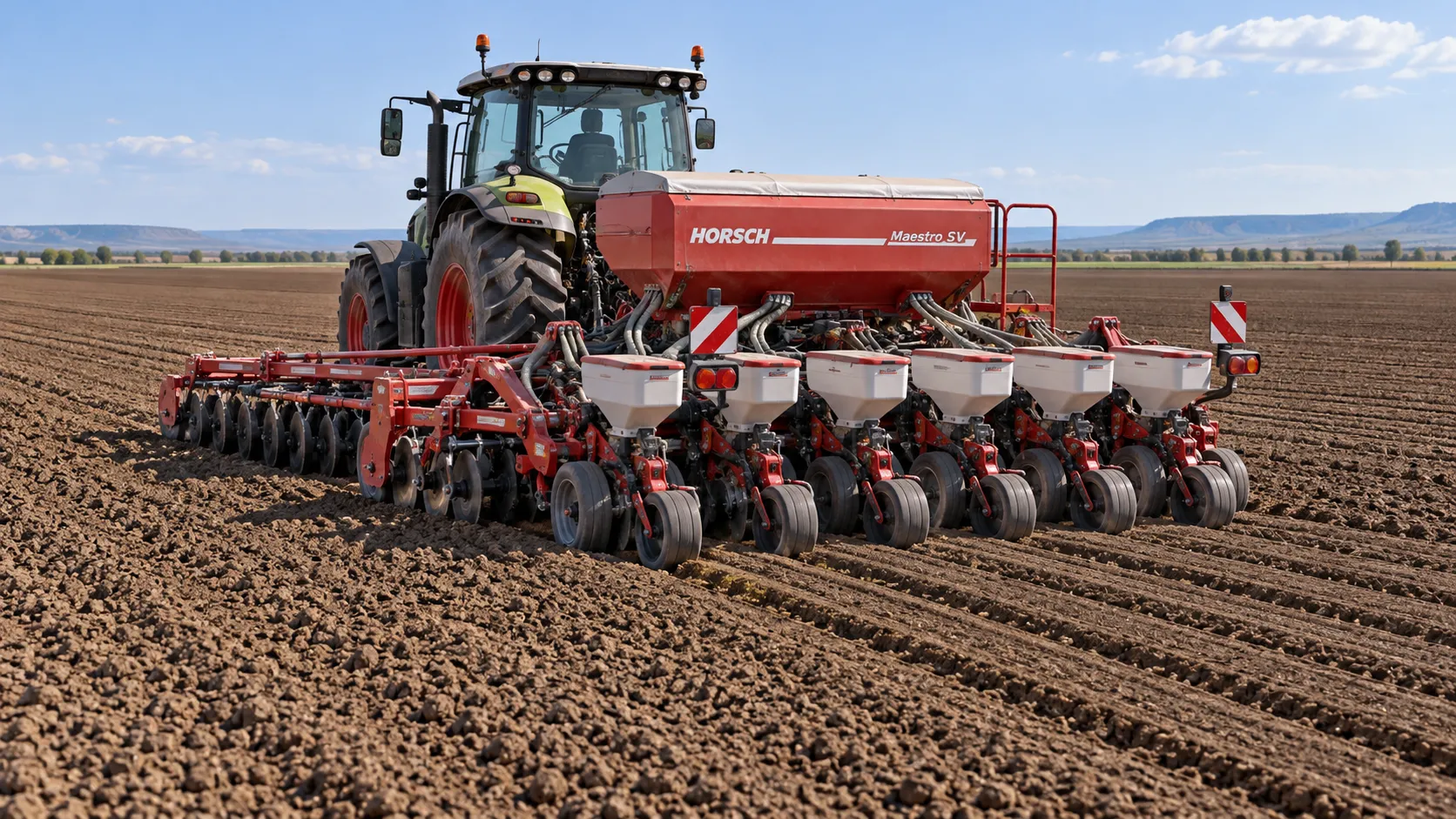
What to compare in integrated seeding combinations for heavy soils
Compare integrated seeding combinations for heavy soils: depth control, residue flow, consolidation, traction, and field capacity for more uniform crop establishment.
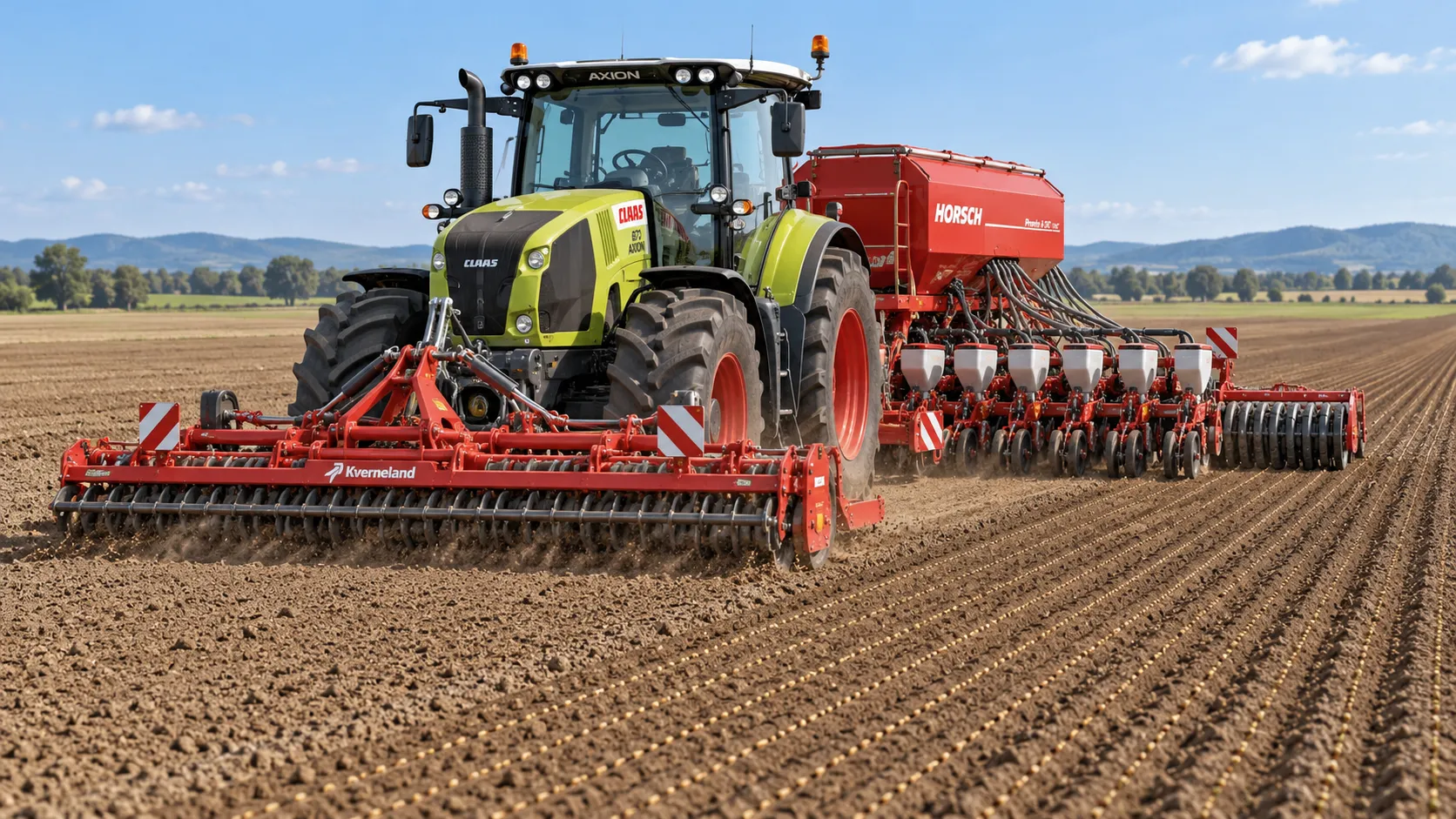
When an integrated seeding combination improves field efficiency
Integrated seeding combination improves field efficiency, protects planting windows, and balances speed with seedbed quality, tractor capacity, and reliable establishment.
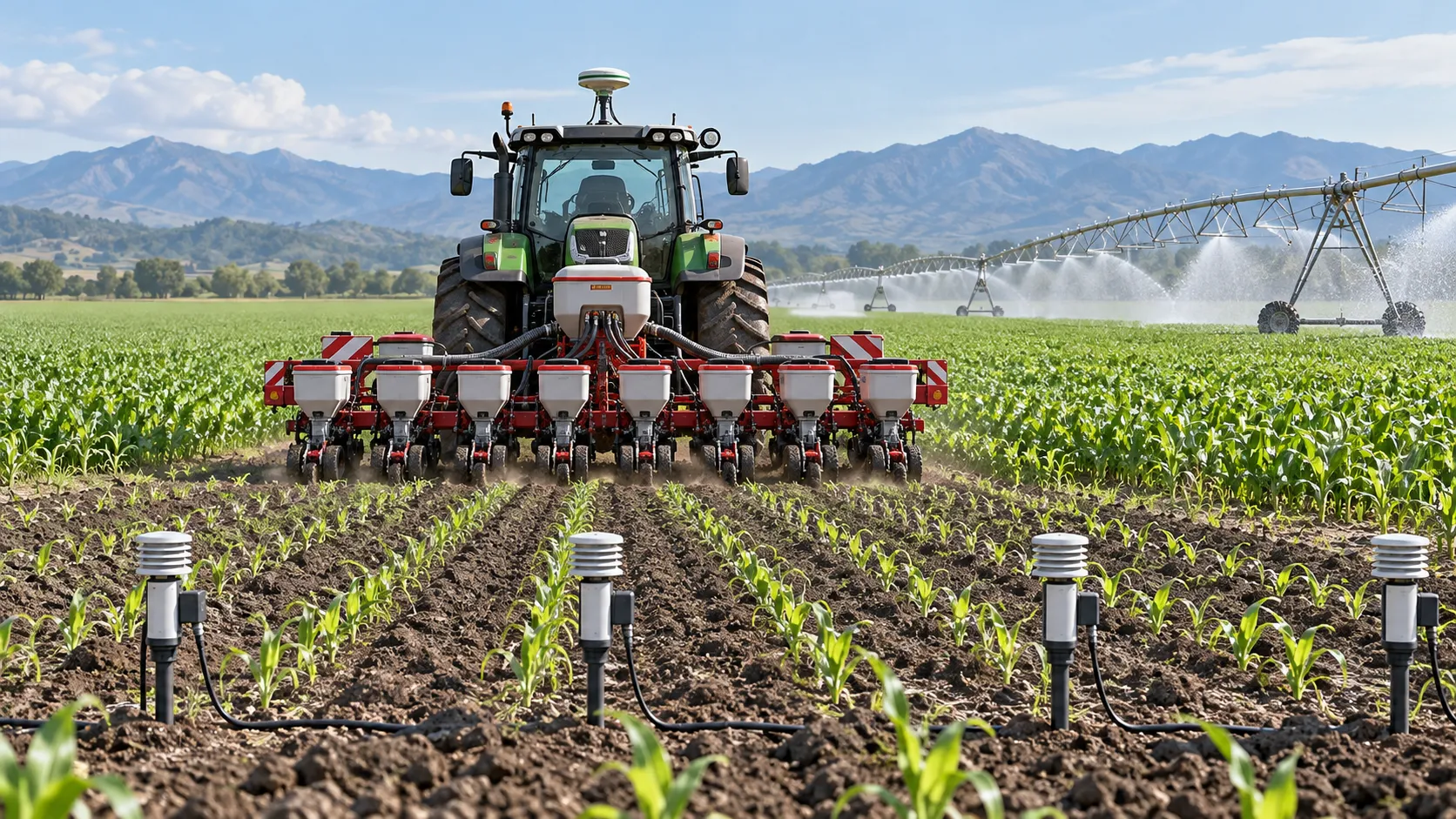
Which costs matter most when calculating precision agriculture ROI?
Calculating ROI on precision agriculture equipment? Discover the costs that shape returns, from installation and subscriptions to downtime, labor, and data integration.
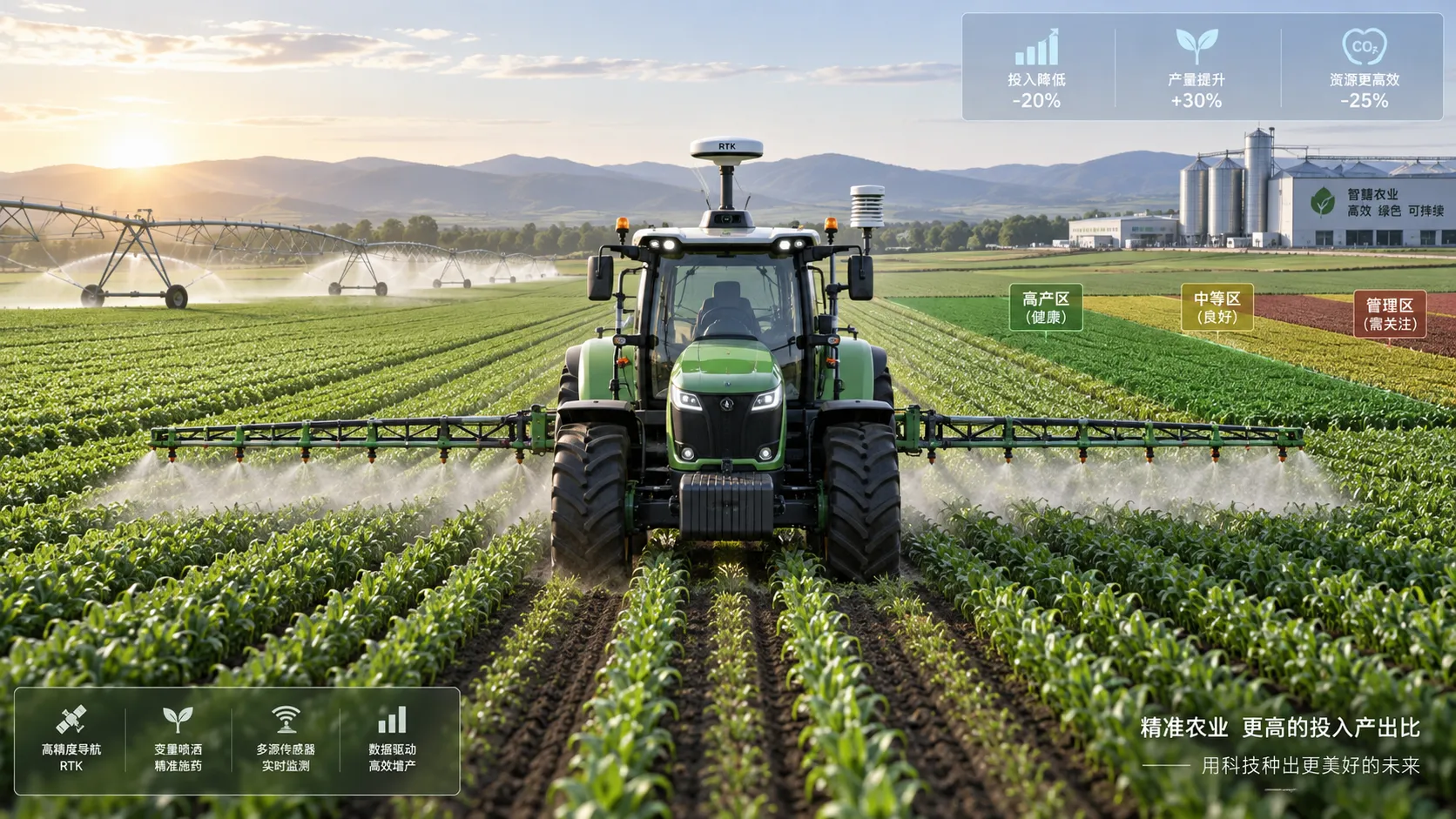
How to calculate ROI on precision agriculture equipment before buying
Calculating ROI on precision agriculture equipment: learn to assess total ownership costs, savings, payback, NPV, risks, and farm-scale value before you buy.
Related News
- 00
0000-00
Choosing a Digital Farming Platform Provider: Compatibility and Data Ownership - 00
0000-00
How Large-Scale Farm Telematics Cuts Downtime Across Mixed Fleets - 00
0000-00
How to Size Low-Pressure Water-Saving Irrigation Systems for Uneven Fields - 00
0000-00
Farm Machinery Sourcing: How to Vet Suppliers, Specs, and Lifecycle Costs - 00
0000-00
Can hybrid propulsion systems reduce fuel use in farm machinery?
Popular Tags
Industry Global
Weekly Insights
Stay ahead with our curated technology reports delivered every Monday.