
How Dynamic Feedback Algorithms Improve Cleaning Shoe Control in Modern Combines
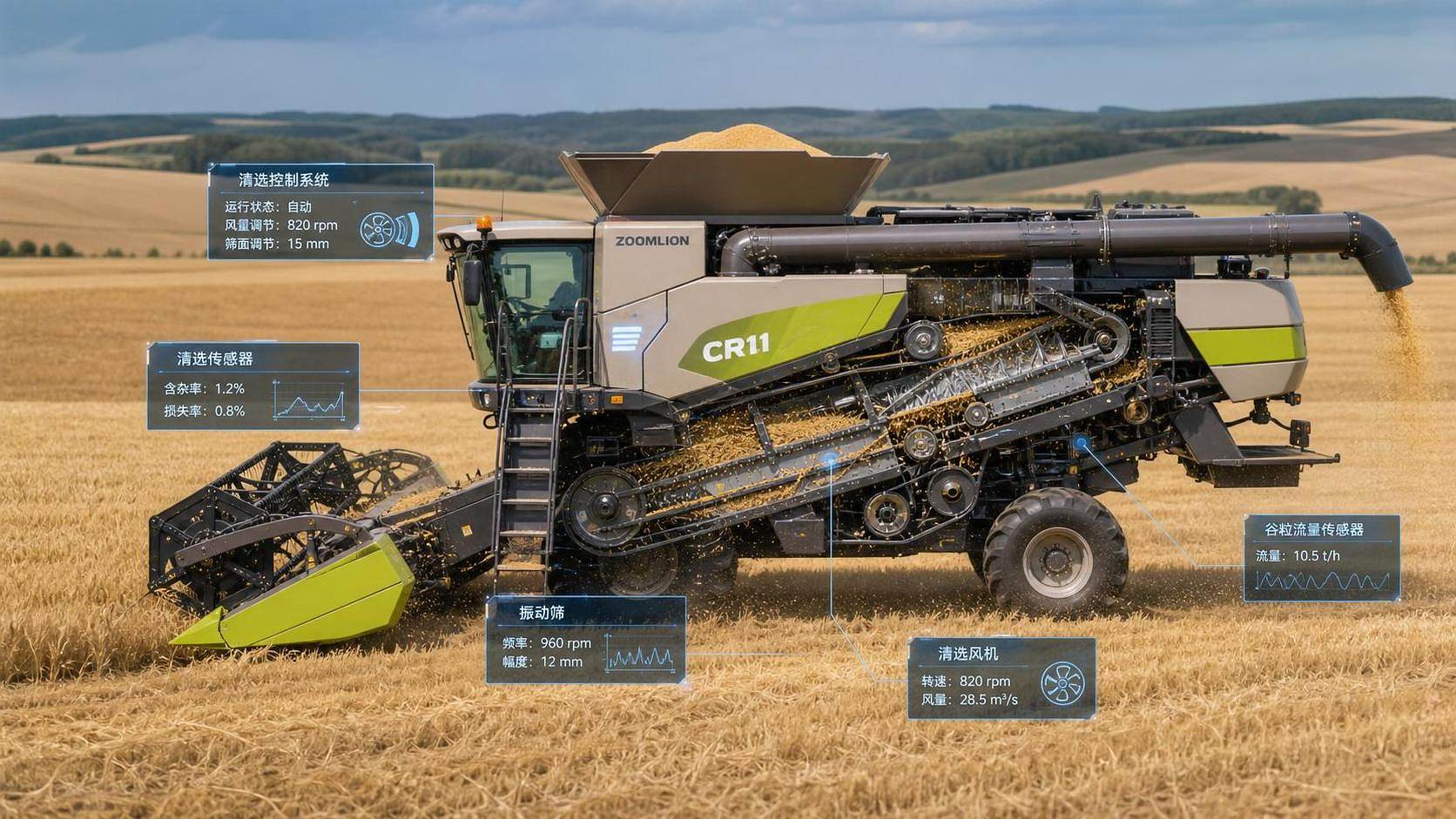




In modern combines, cleaning performance no longer depends only on fixed settings and operator experience. Dynamic feedback algorithms now help the cleaning shoe react to changing crop flow, slope, moisture, and loss signals in real time, making harvest control more consistent and easier to evaluate under field pressure.
That shift matters because grain markets, labor constraints, and sustainability targets are pushing harvesting systems toward tighter efficiency margins. For platforms such as AP-Strategy, which track the intersection of machinery performance and precision control, cleaning shoe intelligence has become a practical indicator of how Agriculture 4.0 moves from concept to measurable field value.
Why cleaning shoe control has become a priority
The cleaning shoe sits at a sensitive point in the combine process. It must separate grain from chaff and material other than grain while handling unstable feed conditions from the threshing and separation system.
In older control logic, fan speed, sieve opening, and shoe motion were often adjusted with static targets. That approach works reasonably well in uniform crops, but it weakens when the field stops behaving like a laboratory.
Yield variation across a single pass, side-hill operation, green stems, damp straw, and sudden slug feeding all change the cleaning load. A fixed setup may protect grain quality in one moment, then create losses or overload in the next.
This is where dynamic feedback algorithms matter. They turn cleaning shoe control from a mostly preset function into an adaptive process built around live operating conditions.
What dynamic feedback algorithms actually do
At a basic level, dynamic feedback algorithms collect machine signals, compare them with target outcomes, and adjust control outputs continuously. In combines, those signals come from several interacting sources rather than one isolated sensor.
Typical inputs include grain loss sensors, fan load, sieve pressure trends, feed rate estimation, terrain angle, engine load, and sometimes optical grain quality monitoring. The algorithm interprets those inputs as a live picture of cleaning balance.
The outputs usually affect fan speed, upper and lower sieve positions, cross-distribution control, and compensation strategies for slope or asymmetric material flow. Some systems also coordinate with upstream threshing settings.
The point is not simple automation. The real advantage is closed-loop adaptation. Dynamic feedback algorithms keep correcting the machine after each disturbance instead of waiting for visible losses or manual intervention.
From settings to response logic
A useful way to understand the change is to compare static tuning with adaptive control. Static tuning asks, “What setting should work today?” Adaptive logic asks, “What is the machine experiencing right now?”
That distinction is important in high-capacity harvesting. As machine throughput rises, the time available to absorb instability shrinks. Dynamic feedback algorithms therefore become part of capacity protection, not only loss reduction.
Where the industry is paying closest attention
Current attention is focused less on whether automation exists and more on how reliably it performs in mixed operating environments. A combine that self-adjusts in dry wheat may behave very differently in lodged barley or high-moisture corn.
That is why evaluation increasingly centers on robustness, sensor fusion quality, and control transparency. A system should not only react quickly. It should also react in the right direction and avoid unstable oscillation.
AP-Strategy’s coverage of combine harvesting technology reflects this broader trend. Intelligence value now comes from connecting mechanical architecture with algorithm behavior, serviceability, and long-cycle performance under global operating diversity.
Operational value beyond lower loss numbers
Lower grain loss is the most visible result, but it is not the only one. Dynamic feedback algorithms can also improve the consistency of grain sample quality by stabilizing how the cleaning system handles abrupt crop changes.
That consistency matters commercially. Cleaner grain can reduce downstream handling issues, while fewer fluctuations in returns volume can improve operator trust in machine settings over long harvesting days.
There is also a labor effect. Skilled operators remain important, yet adaptive cleaning logic reduces dependence on constant manual tuning. In regions facing labor shortages, that can translate into steadier machine output across different crews.
A broader systems value appears when data from cleaning control is linked with other machine domains. In Agriculture 4.0, the combine is increasingly judged as a connected platform rather than a set of separate mechanical functions.
How value shows up in field performance
- More stable grain loss performance across changing yield zones.
- Better adaptation on slopes and uneven crop stands.
- Reduced need for repeated manual fan and sieve correction.
- Improved confidence when pushing machine throughput near limits.
- Stronger data records for post-season machine comparison.
Typical use conditions where adaptive control proves its worth
The strongest case for dynamic feedback algorithms appears in unstable harvesting environments. Uniform test plots are useful, but they rarely reveal the full advantage of intelligent cleaning shoe control.
One common case is rolling terrain. As the combine tilts, material distribution across the shoe changes rapidly. Without compensation, one side may overload while the other underuses cleaning air and sieve capacity.
Another case is variable crop moisture late in the day. Straw becomes tougher, separation behavior changes, and returns can rise. Dynamic feedback algorithms help keep the cleaning system aligned with those transitions.
High-yield zones create a third case. Feed spikes can challenge shoe capacity within seconds. Adaptive response can protect throughput by reducing the time the system remains outside its optimal cleaning window.
Mixed residue conditions also matter. Crops with inconsistent straw length, weed pressure, or green material increase the uncertainty that static settings cannot easily absorb.
How to assess system quality in practical terms
A useful evaluation does not stop at feature lists. The key question is whether dynamic feedback algorithms improve cleaning shoe control predictably across field variability, not only in ideal demonstration conditions.
Start with signal architecture. It is worth checking which sensors feed the algorithm, how often adjustments occur, and whether the system distinguishes short disturbances from sustained operating shifts.
Then examine control coordination. Cleaning shoe decisions should not conflict with threshing, separation, or engine load management. A well-designed machine treats these domains as linked control layers.
Visibility also matters. Operators and evaluators benefit when the interface shows why the system is changing fan speed or sieve settings. Hidden automation may work, but visible logic is easier to validate and trust.
Practical checkpoints
- Check whether loss reduction stays consistent across crop types, not one crop only.
- Review logged data for repeated overcorrection or unstable control cycling.
- Compare adaptation speed during sudden feed surges and side-hill transitions.
- Assess serviceability of sensors, calibration routines, and software updates.
- Look for integration with broader telematics or performance analysis platforms.
Why this matters in the wider agri-equipment landscape
Cleaning shoe intelligence is not an isolated upgrade. It reflects the same strategic shift seen across large-scale agri-machinery, tractor chassis control, smart implements, and irrigation networks: better results now depend on responsive data-driven systems.
For AP-Strategy, this connection is central. The value of modern equipment no longer comes only from horsepower or hardware durability. It increasingly comes from how algorithms translate machine potential into repeatable field outcomes.
That is especially relevant where food security and sustainability goals meet. Every reduction in harvest loss, every improvement in grain quality consistency, and every gain in machine stability supports more efficient use of land, fuel, labor, and time.
What to examine next
The next step is to compare cleaning shoe control not as a checkbox feature, but as a measurable control system. That means reviewing sensor inputs, response logic, field data, and cross-system integration together.
It is also useful to match dynamic feedback algorithms to actual operating conditions. Terrain profile, crop mix, harvest window pressure, and operator turnover all affect the real value of adaptive cleaning control.
A structured comparison framework often reveals more than headline specifications. When the goal is long-cycle performance, the most important question is not whether the combine can adjust, but whether it adjusts accurately when the field becomes unpredictable.
Following that path makes the topic less abstract. Dynamic feedback algorithms then become easier to judge as part of a broader harvesting strategy shaped by efficiency, resilience, and intelligent machinery investment.
Related News
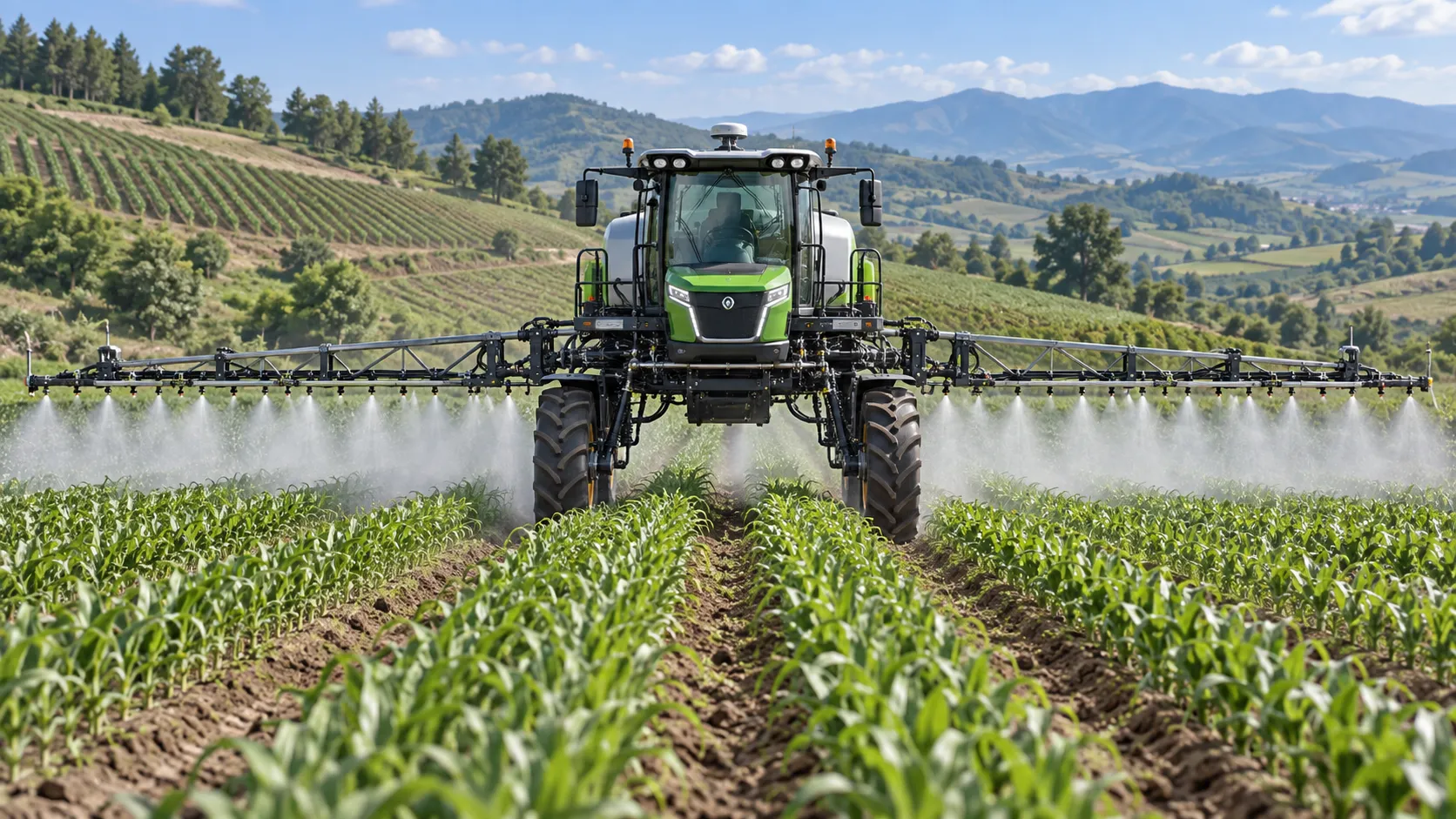
How to Select Precision Crop Protection Equipment for Variable Field Conditions
Precision crop protection equipment selection made simple: compare terrain, canopy, weather, control accuracy, and data workflows for reliable applications.
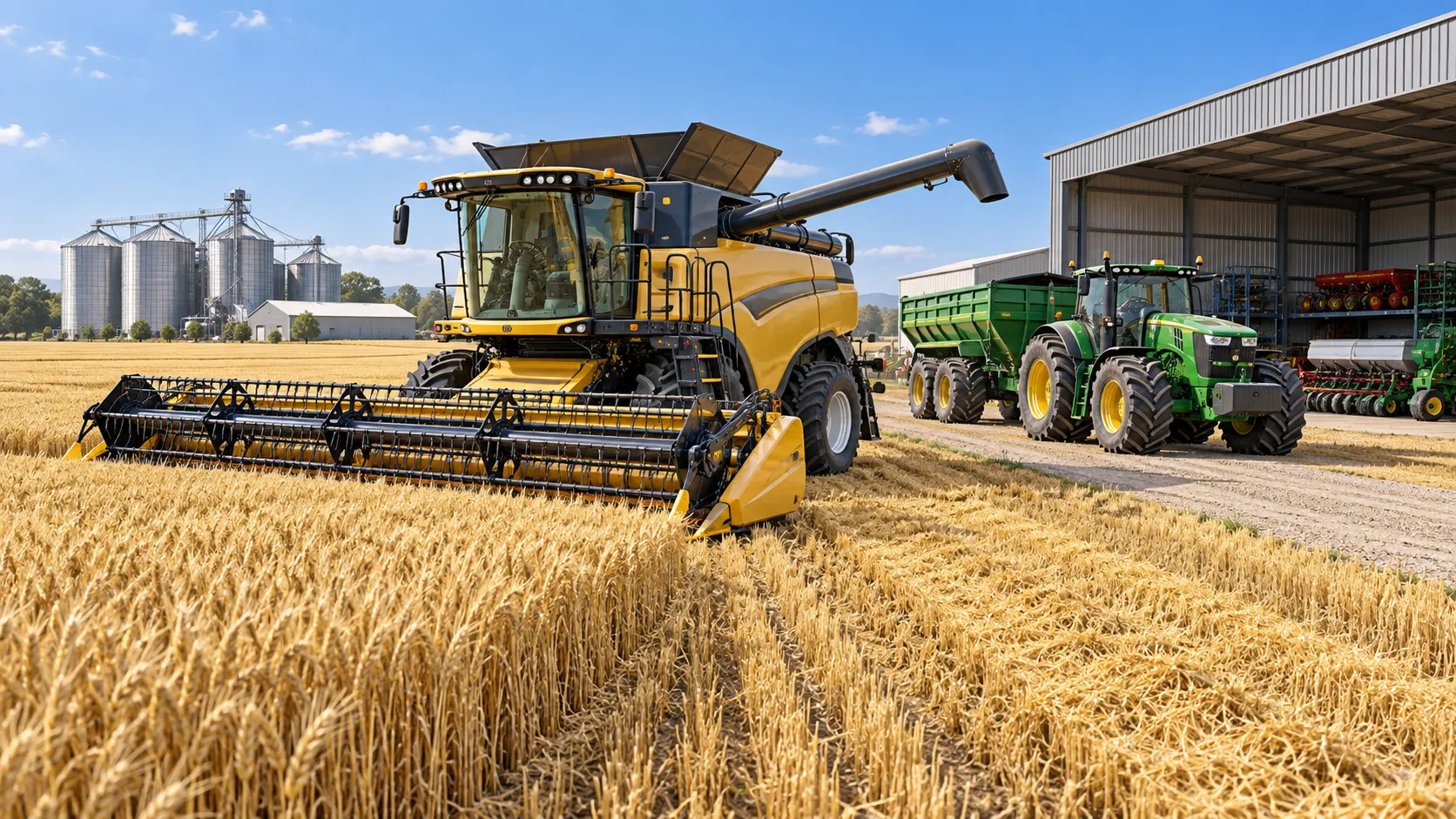
When Does Agricultural Machinery Leasing Cost Less Than Owning Equipment?
Agricultural machinery leasing can lower farm costs when use is seasonal or uncertain. Compare utilization, maintenance, cash flow, and risk to make a smarter equipment decision.
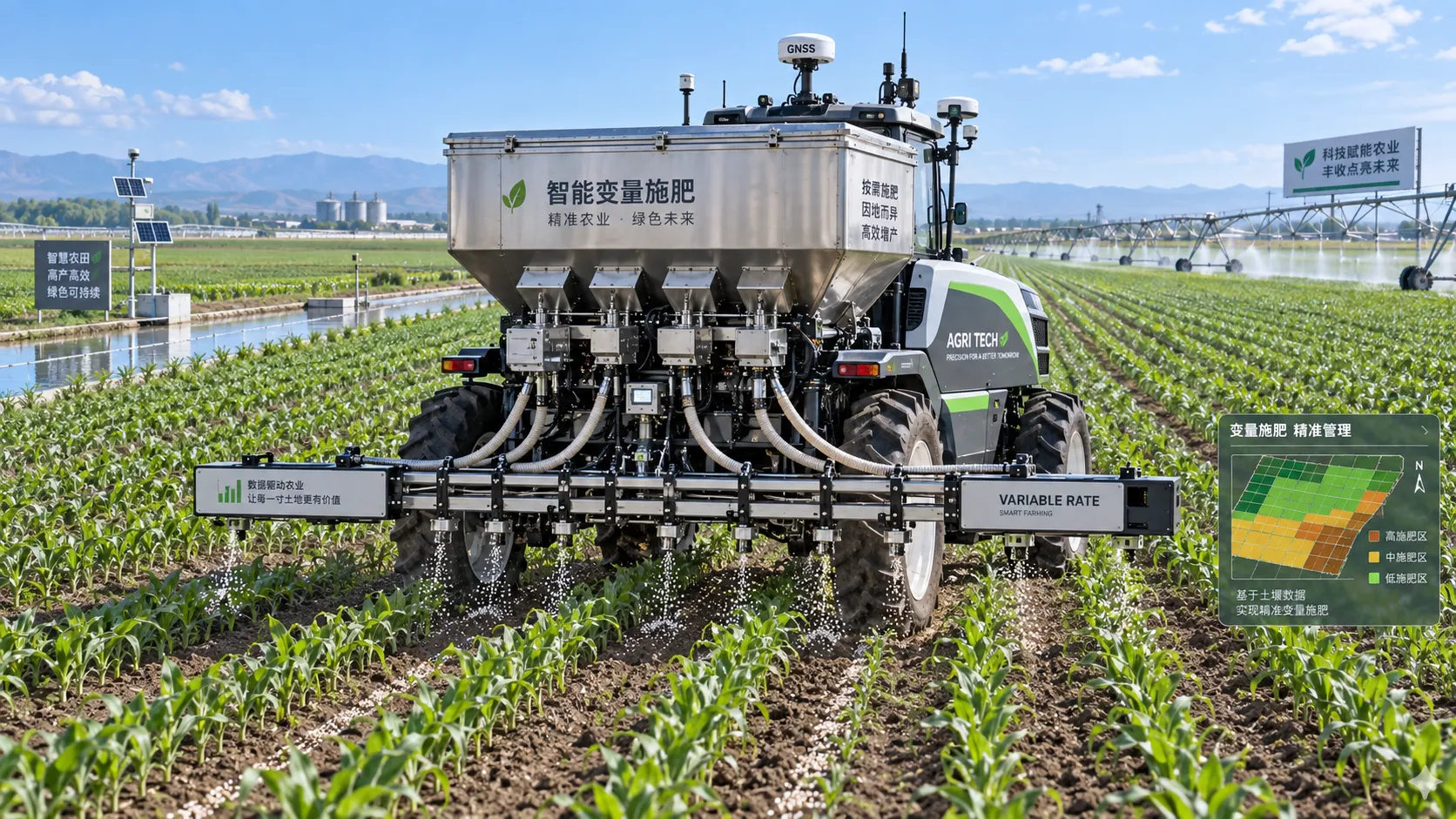
How to Evaluate Precision Fertilization System Suppliers for Farm-Scale Deployment
Precision fertilization systems suppliers: learn how to compare accuracy, integration, uptime, service, and total cost for confident farm-scale deployment.
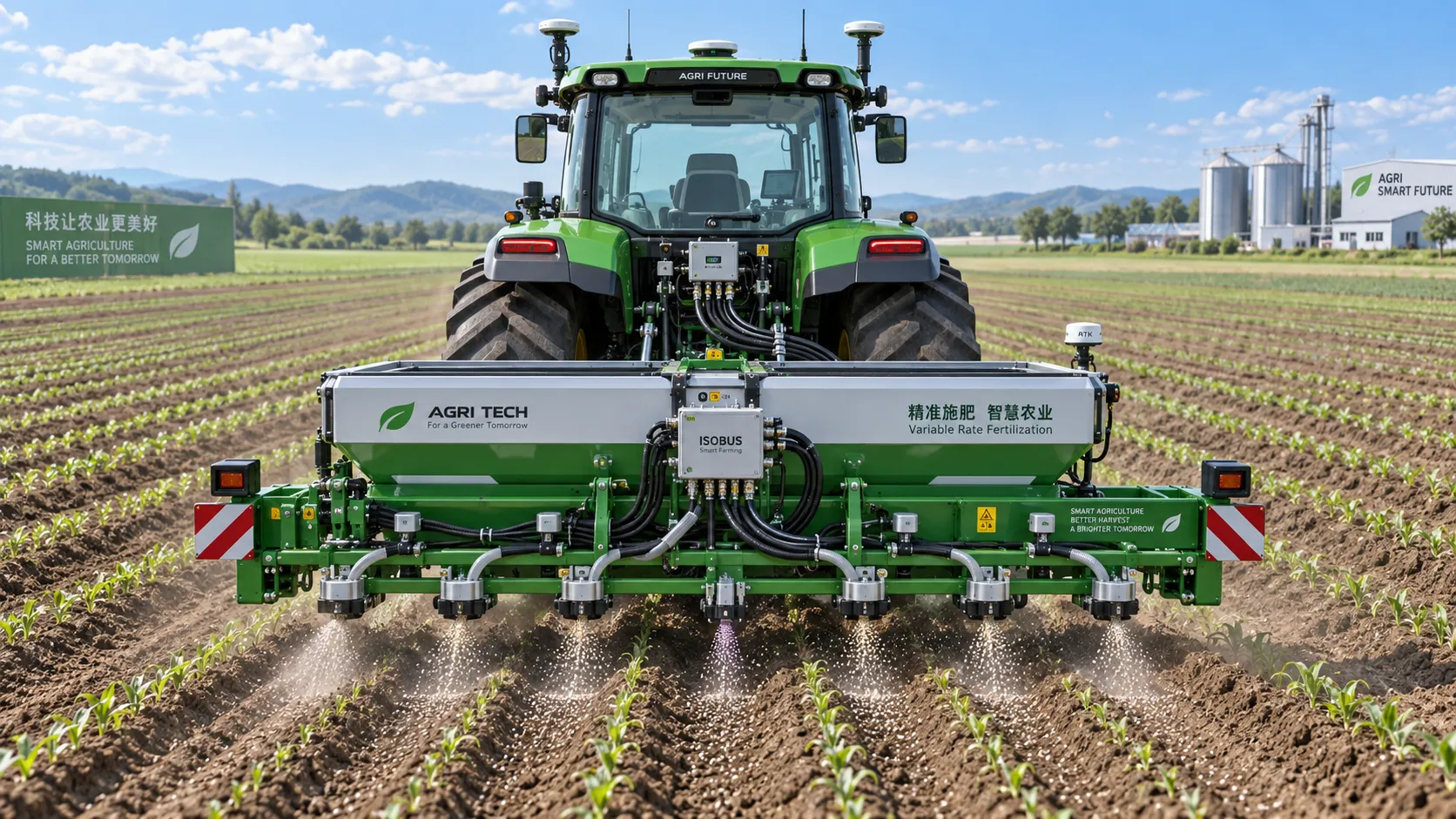
ISOBUS for Smart Agriculture: How It Connects Tractors, Implements, and Farm Data
ISOBUS for smart agriculture connects tractors, implements, terminals, and farm data—helping growers improve precision, documentation, and smarter field decisions.
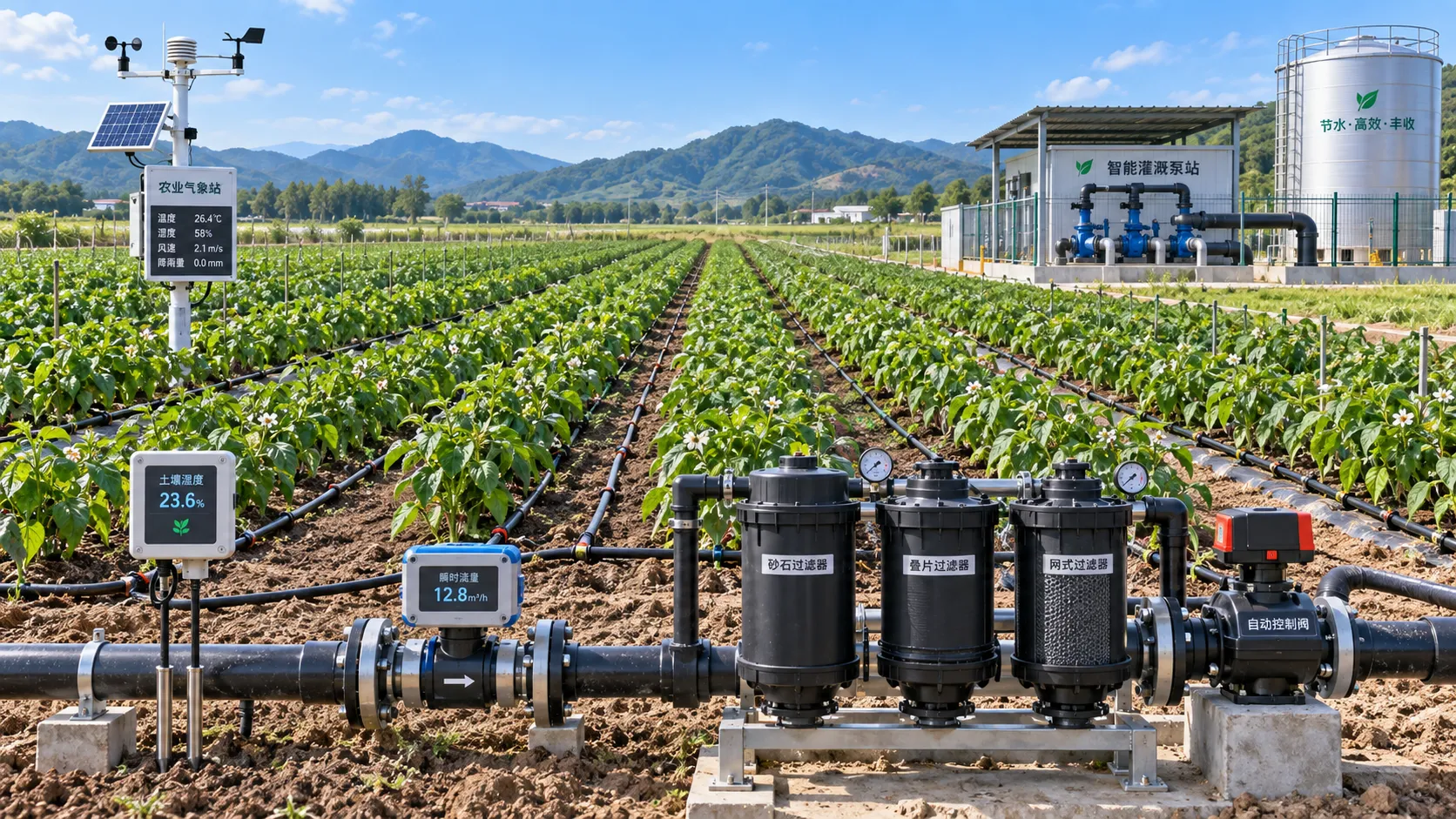
Automated Water-Saving Irrigation: How to Cut Water Use Without Reducing Crop Yields
Automated water-saving irrigation helps farms cut water use, protect crop yields, improve scheduling, and gain reliable control with sensors, flow monitoring, and smart zones.
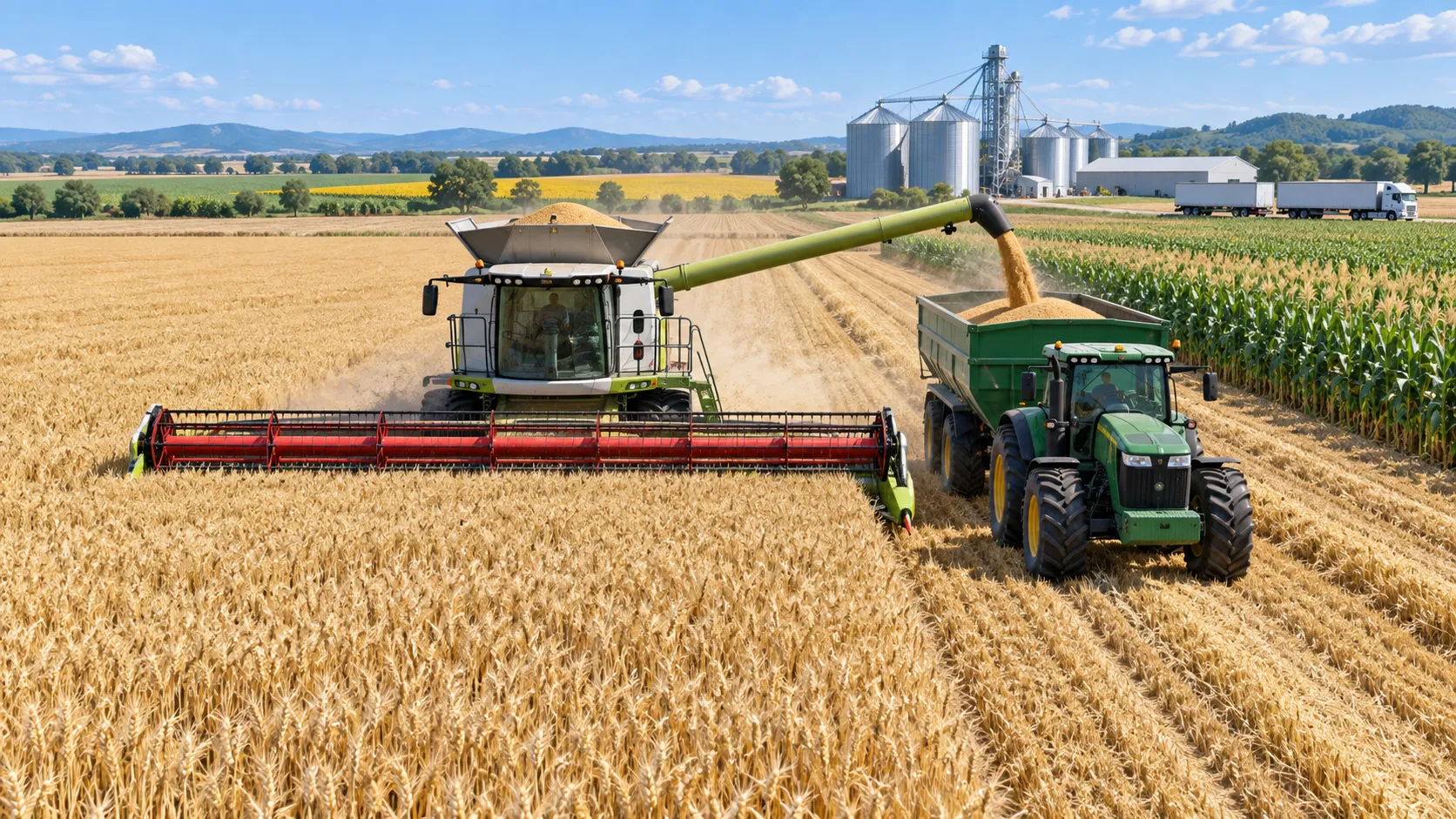
Selecting Grain Farm Equipment by Acreage, Crop Mix, and Harvest Window
Agricultural equipment selection for grain farming: match machinery to acreage, crop mix, and harvest windows to improve uptime, efficiency, and returns.
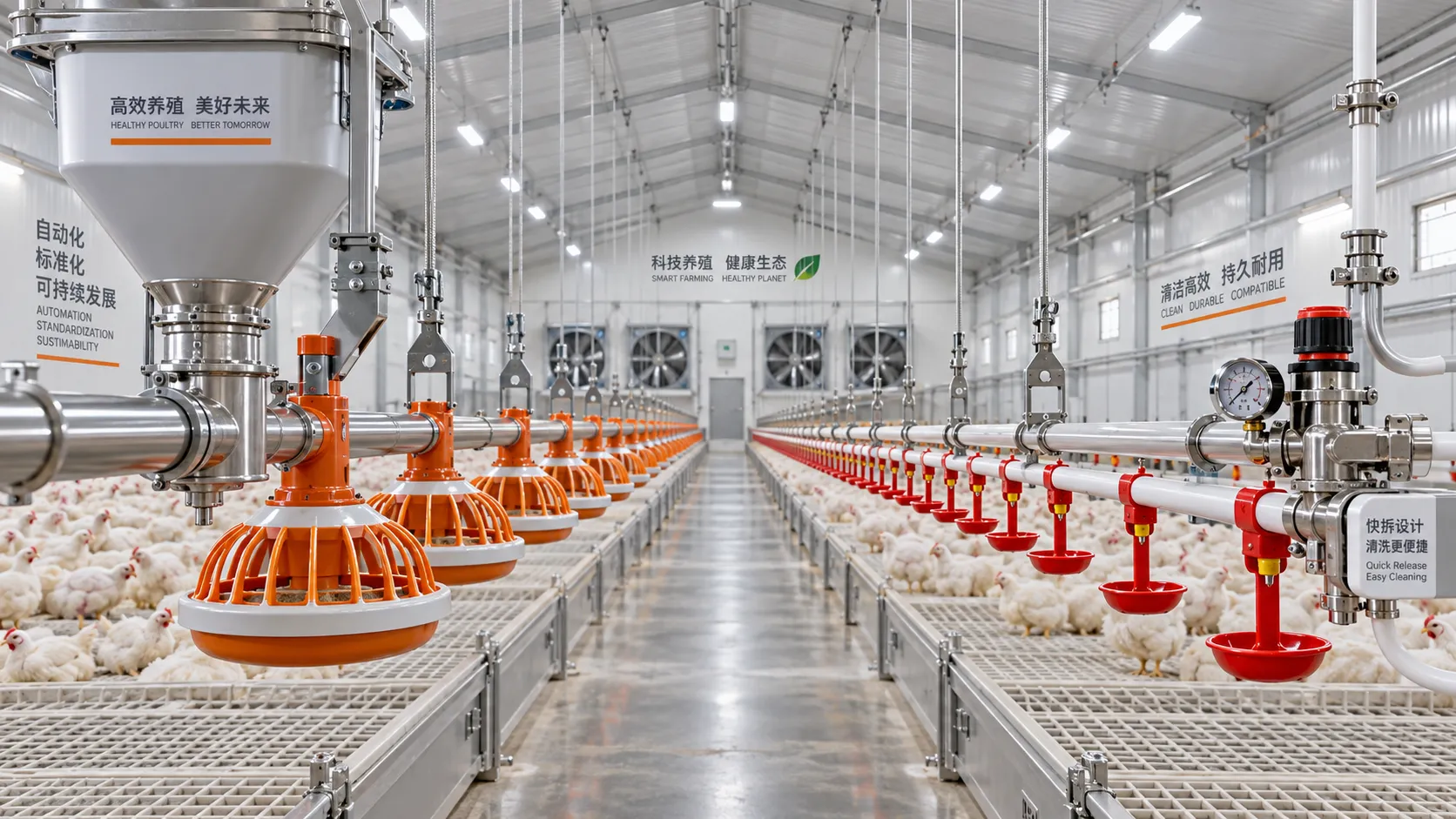
Poultry Equipment Selection: Evaluating Durability, Cleaning, and Compatibility
Poultry equipments selection guide: evaluate durability, cleaning access, and system compatibility to improve hygiene, reduce downtime, and support efficient flock management.
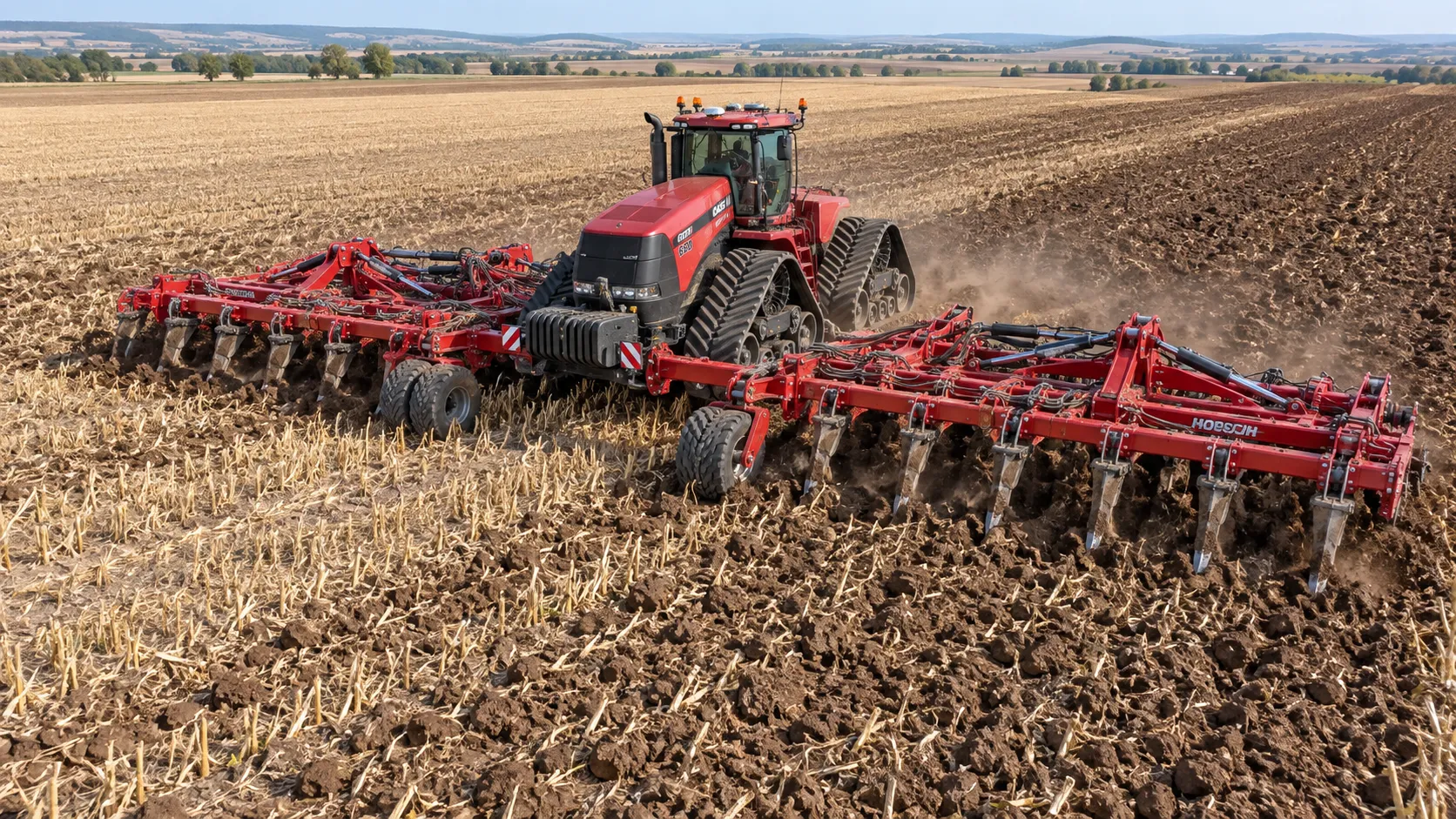
How to Select Heavy-Duty Farm Implements for High-Acreage, High-Horsepower Operations
Heavy duty farm implements: learn how to match draft, hydraulics, hitch capacity, frame strength, and field conditions for reliable high-acreage performance.
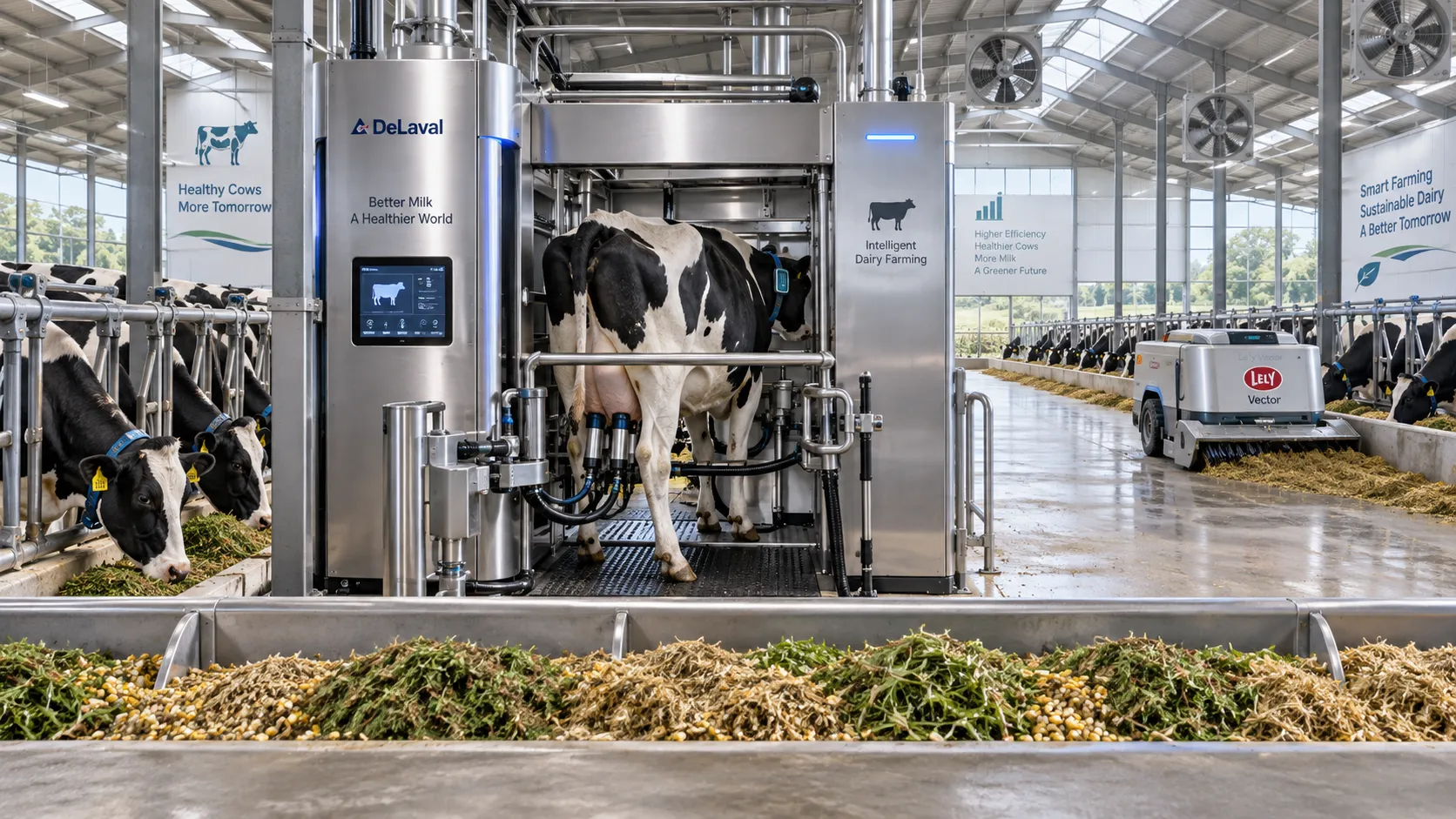
Smart Farming Technology for Dairy Farms: Where Automation Delivers Measurable ROI
Smart farming technology for dairy farms delivers measurable ROI through automation, precision feeding, health monitoring, and data-driven cost control.
Popular Tags
Harvesting Efficiency Expert
Weekly Insights
Stay ahead with our curated technology reports delivered every Monday.