
Chenzhou Farm Machinery Upgrade Signals New Export Requirements





The timing of the event is not specified in the source input, but the development is notable for export-oriented agricultural equipment suppliers. A farm machinery company in Chenzhou, Hunan, redesigned the Cleaning Shoe Logic of a grain cleaning system for Angola’s hot and humid operating environment, and the resulting export growth has coincided with another important signal: the technical approach has been included in Hunan’s white paper promotion catalogue for African farm machinery adaptation. For manufacturers, exporters, procurement teams, and after-sales providers, the issue is not only product optimization, but also a practical indication that market access and delivery performance are becoming more closely tied to climate-specific adaptation, technical documentation, and specification alignment.
What has been confirmed from the disclosed information
According to the provided summary, a farm machinery enterprise in Chenzhou, Hunan, reworked the Cleaning Shoe Logic of its grain cleaning system to better suit Angola’s humid and hot climate. The confirmed technical changes include the use of moisture-resistant electrical components, the installation of cooling fans, and a fully stainless-steel screen body structure.
The same summary states that overseas sales of this model exceeded RMB 20 million in 2025. It also states that orders in the first quarter of 2026 reached RMB 50 million, representing a significant year-on-year increase. In addition, the technical solution has been included in the promotion catalogue of Hunan’s white paper on African farm machinery adaptation technology.
Why this matters across export, sourcing, and delivery
Export suppliers may face tighter specification alignment
From an industry perspective, the inclusion of this technical solution in a regional adaptation white paper is relevant because it can function as an execution signal in export bidding, buyer inquiries, and product selection discussions. Export-oriented manufacturers may need to pay closer attention to whether destination-market operating conditions are being translated into explicit equipment specifications, especially where moisture resistance, heat management, and corrosion-resistant structures affect performance and acceptance.
The business impact is likely to appear first in quotation preparation, technical files, model configuration, and contract appendices. What deserves closer attention is whether buyers and channel partners begin to treat climate-adapted design as a baseline requirement rather than an optional upgrade.
Component procurement may shift toward compliance-ready parts
For procurement teams and upstream suppliers, the reported design adjustments point to a more practical issue: component selection may increasingly need to support export claims and service-life expectations in demanding environments. Moisture-resistant electrical parts, cooling assemblies, and stainless-steel structures can affect not only cost, but also sourcing standards, supplier qualification, and consistency of delivered batches.
Analysis shows that if adaptation requirements become more visible in promotion catalogues or buyer specifications, procurement departments may need stronger records on material descriptions, component traceability, and technical consistency between sample units and shipped equipment.
After-sales and delivery teams may need stronger documentation support
For distributors, service providers, and delivery coordinators, the significance lies in post-shipment reliability and claims management. If export sales are increasingly linked to localized adaptation, then installation guidance, maintenance instructions, spare-parts planning, and fault-tracing records may become more important in reducing disputes over performance under local operating conditions.
Observably, this does not confirm a new formal regulation on its own, but it does suggest that execution quality after delivery may become a more visible part of competitive compliance in overseas agricultural machinery trade.
What companies should monitor next
Watch how adaptation language enters technical documents
Companies active in African agricultural machinery exports should monitor whether adaptation language begins to appear more clearly in technical bid documents, buyer specifications, catalogues, or model descriptions. The current information confirms catalogue inclusion, but it does not define a mandatory execution standard. That means businesses should treat documentation readiness as a priority while continuing to verify how such language is used in practice.
Review evidence for product claims and configuration control
Where companies market equipment as suitable for humid and hot environments, they should pay closer attention to the consistency between product claims and actual component configuration. This includes technical descriptions for electrical parts, cooling arrangements, structural materials, and any related testing or inspection records that may be needed during buyer review, delivery acceptance, or after-sales handling.
Reassess sourcing and lead-time exposure
The reported order growth suggests potential pressure on production scheduling and supply continuity, even though the available information does not disclose execution details. Analysis shows that exporters and manufacturers should therefore review whether key components tied to moisture resistance, heat dissipation, and stainless-steel structures could affect lead times, replacement planning, or supplier qualification.
Prepare for stricter service and traceability expectations
Enterprises should also pay attention to service-side readiness, including spare-parts lists, maintenance documentation, and traceability records linked to the adapted configuration. If overseas buyers increasingly evaluate equipment by its fit for local conditions, then quality follow-up and service evidence may carry greater weight in repeat orders and dispute resolution.
How this signal should be read at this stage
Analysis shows that this development is better understood as an execution signal rather than proof of a fully formalized regulatory shift. The confirmed facts do not establish a new statute, mandatory certification rule, or published trade restriction. However, the combination of export growth and inclusion in a provincial promotion catalogue indicates that climate-adapted design is gaining policy-facing visibility and commercial relevance.
From an industry perspective, that matters because many market changes first appear through guidance documents, catalogue language, procurement preferences, and technical specification alignment before they become standardized purchasing practice. What deserves closer attention is whether subsequent official wording, procurement documents, certification expectations, or buyer-side technical requirements begin to reflect similar adaptation logic more consistently.
What this means for the market now
At this stage, the case points to a practical shift in how export competitiveness may be evaluated in agricultural machinery: not only by basic product availability, but by how clearly equipment is adapted to local operating conditions and how well that adaptation can be documented through sourcing, delivery, and service processes. The current information is therefore more appropriately understood as a concrete market-and-policy signal with operational implications, rather than as a completed rule change with fixed enforcement boundaries.
Basis of this article and what still needs verification
This article is generated from the user-provided news title, event timing, and summary. The specific official source link was not provided in the input and still requires further verification. For events of this type, commonly relevant source categories may include official notices, regulatory releases, trade or customs authorities, industry association materials, standard-setting documents, and reporting by authoritative media.
Further observation is still needed on detailed policy language, certification or compliance interpretation, possible changes in tender specifications, buyer-side technical requirements, industry feedback, and how enterprises implement adaptation measures in actual export, delivery, and after-sales workflows.
Related News

How to Evaluate Agricultural Product Information Sources for Reliable Farm Decisions
Agricultural product information reference guide: evaluate reliable farm data, verify claims, and make smarter machinery, irrigation, and crop decisions.

Farm Machinery Guide: Matching Tractor Horsepower and Implements to Farm Size
Farm machinery guide for tractors: match horsepower, implement width, hydraulics, traction, and fleet capacity to farm size for lower costs and reliable field performance.
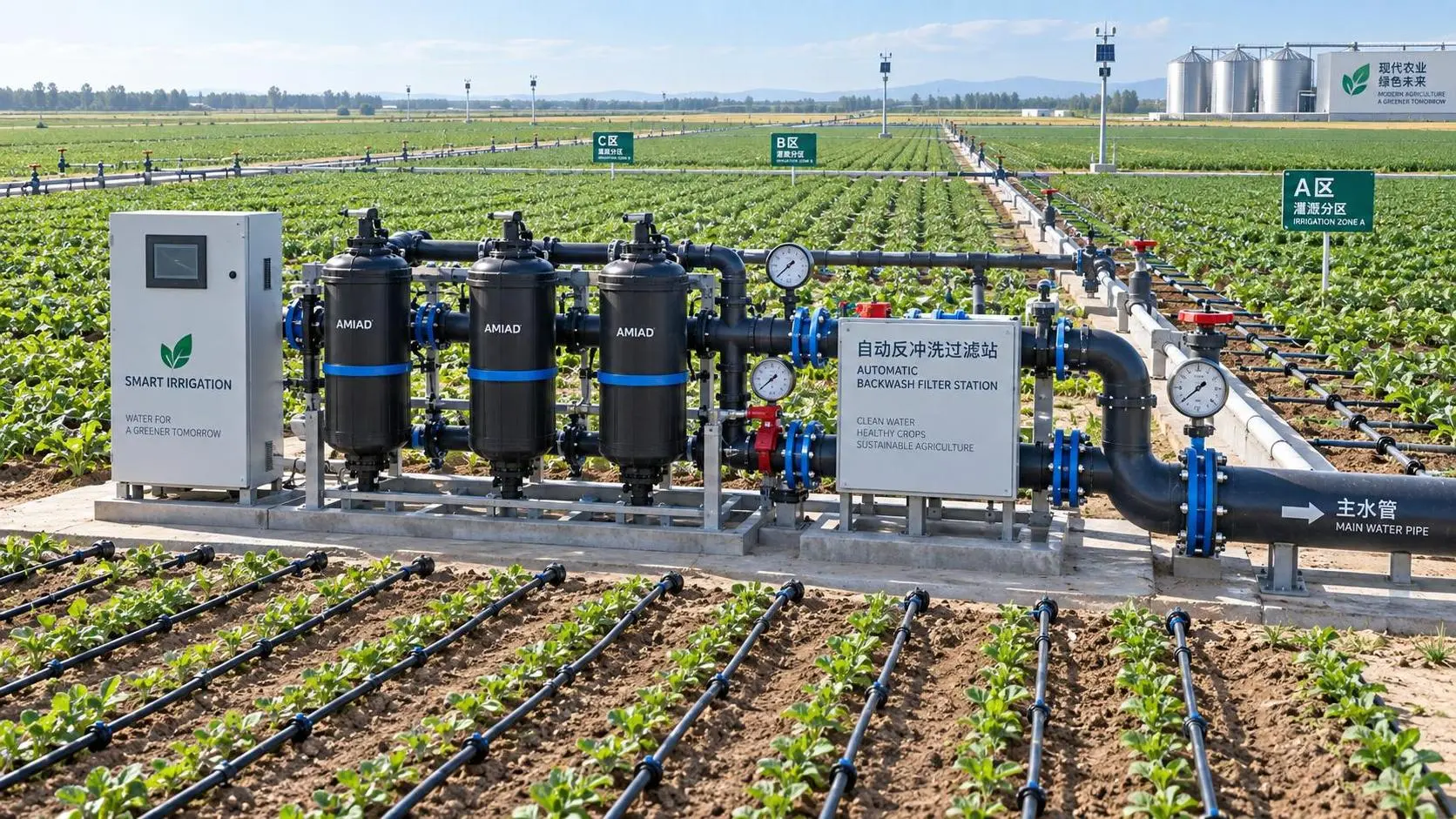
How to Evaluate Drip Irrigation System Manufacturers for Large Farm Projects
Drip irrigation systems manufacturer evaluation guide for large farms: compare hydraulic design, filtration, quality control, scalability, delivery, and support.
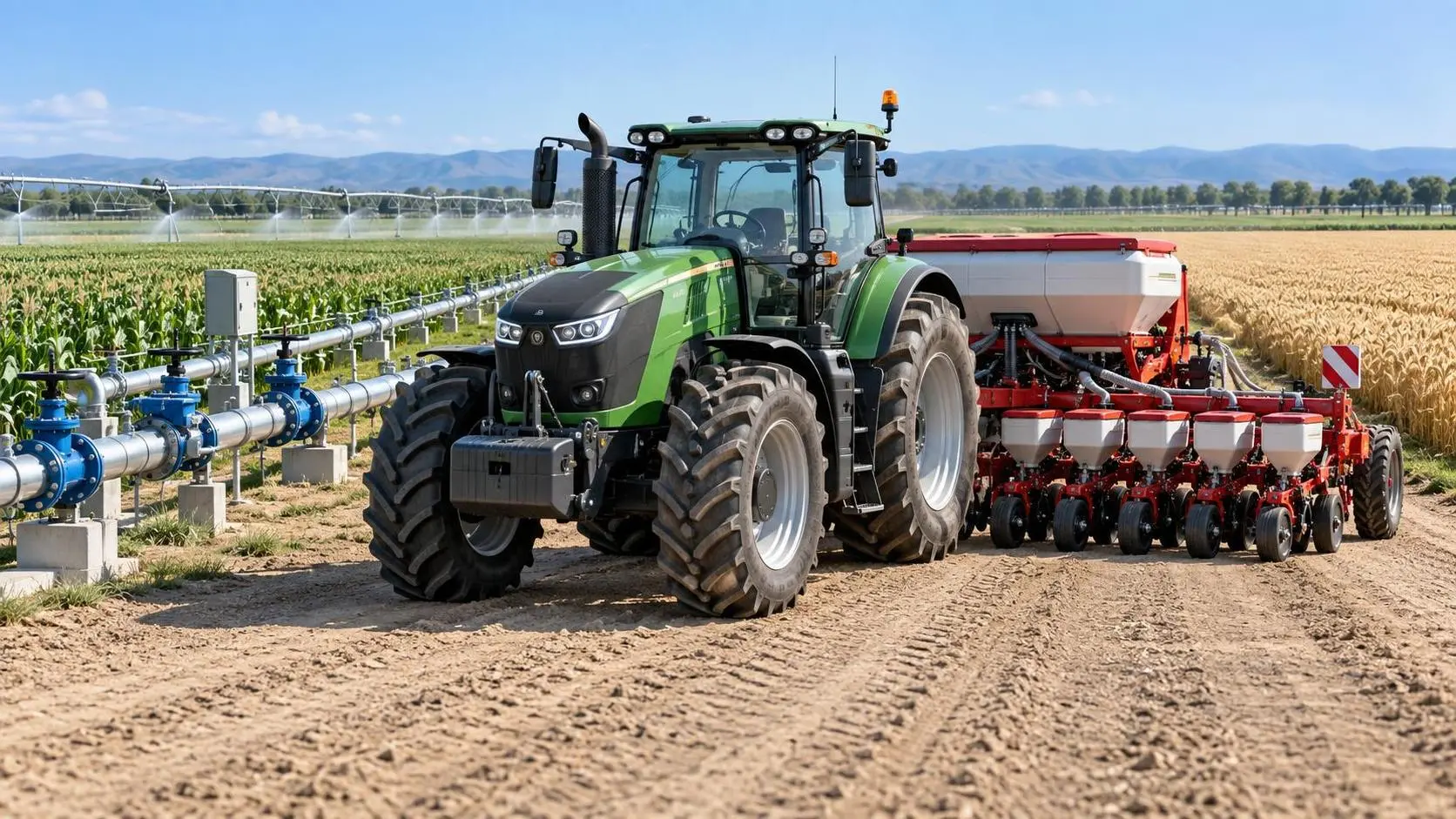
Specification Planning: A Practical Framework for Defining Equipment Requirements
Application guidance for specification planning: define measurable equipment requirements, prioritize performance, and avoid costly procurement mistakes.

How North American Farms Can Select Crop Monitoring Systems by Acreage and Connectivity
Crop monitoring systems North America: learn how to match acreage, connectivity, sensors, and data workflows for reliable, actionable farm decisions.

Where to Find Reliable Product Information for Comparing Farm Equipment
Product information resources agriculture buyers can trust: compare farm equipment with technical specs, manuals, field data, dealer support, and lifecycle insights.
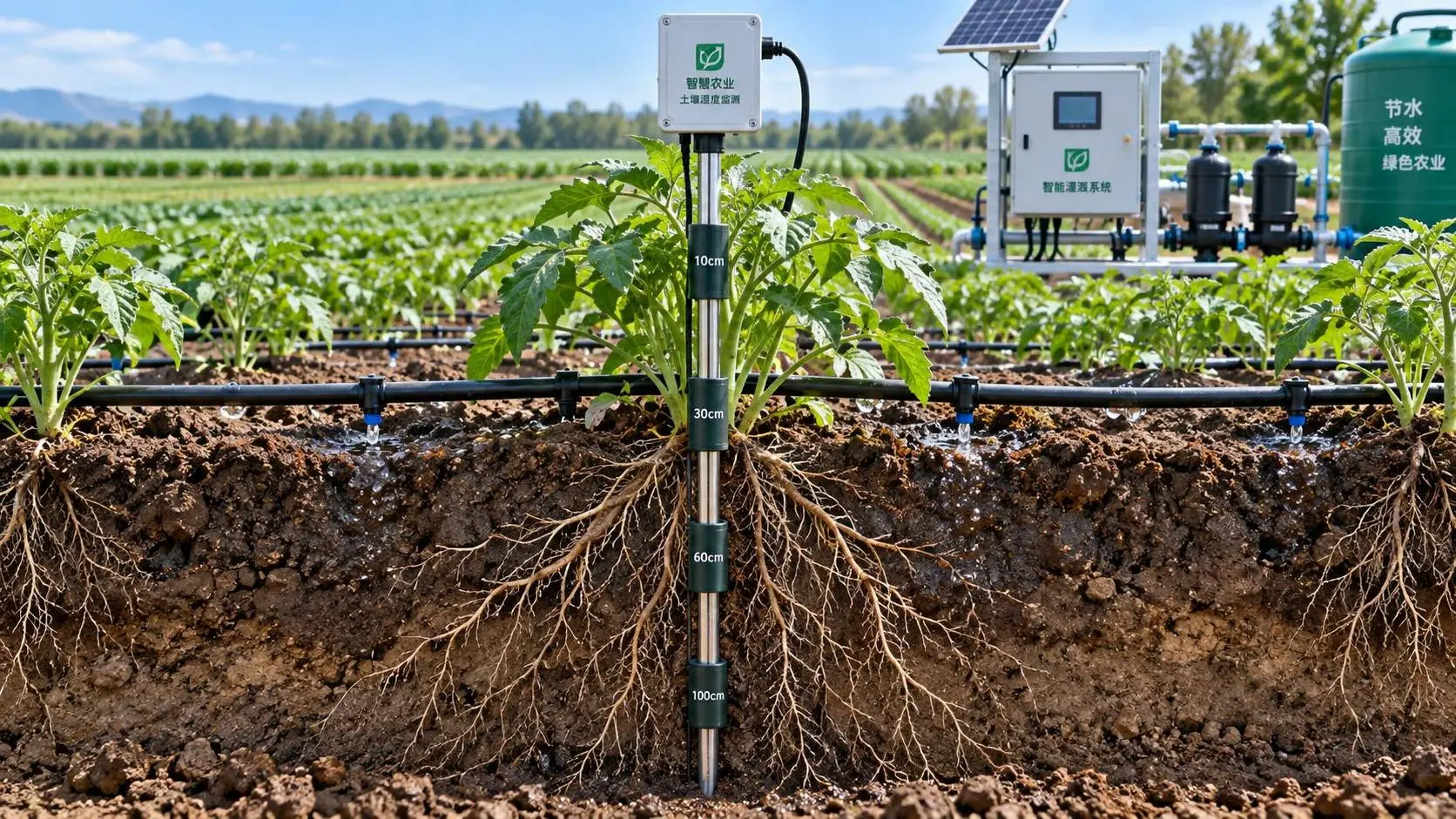
Selecting Real-Time Soil Moisture Sensors for Irrigation Zone Control
Soil moisture sensors real time: learn how to select reliable probes, optimize zone control, improve irrigation decisions, and scale precision water management.
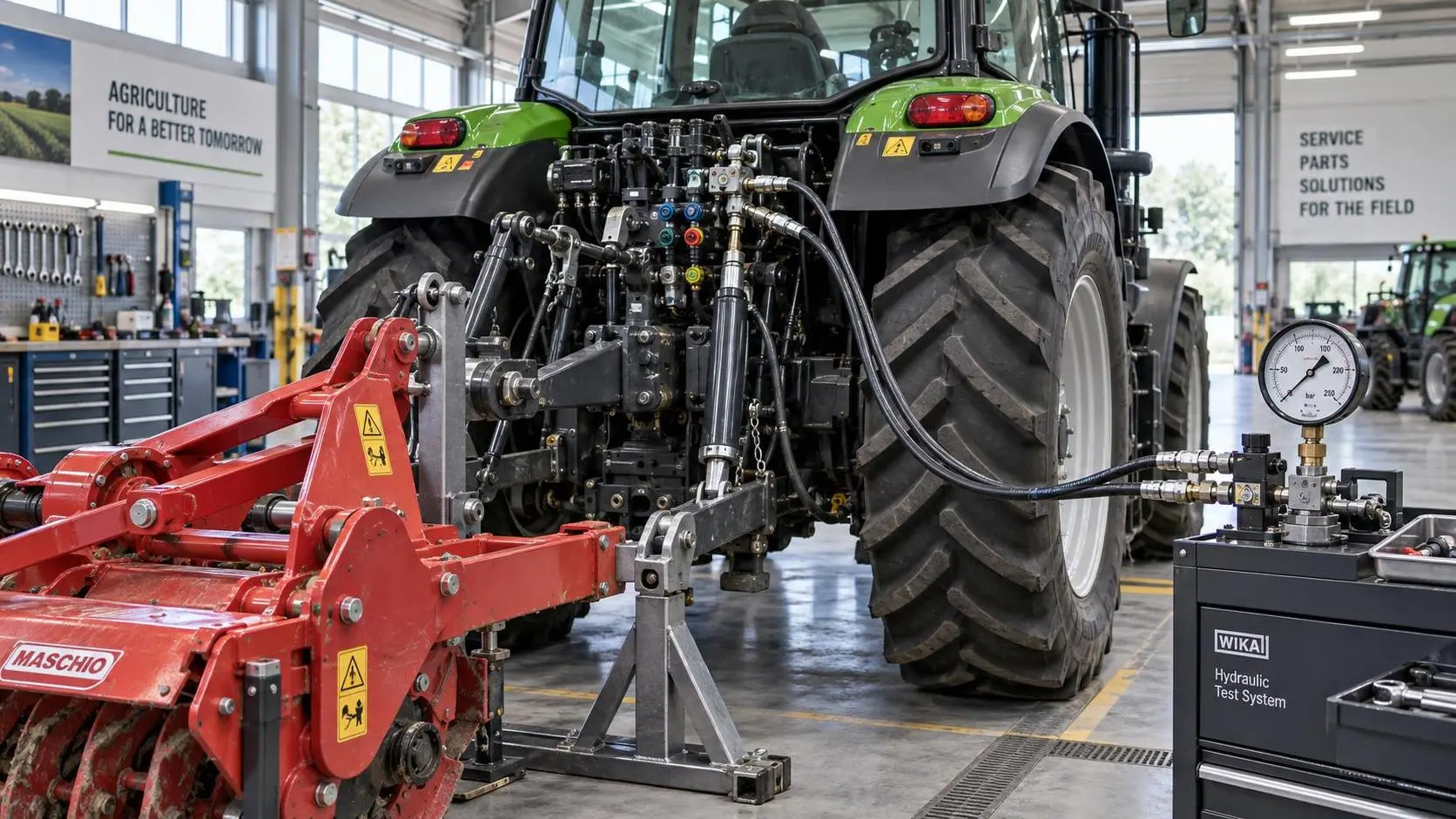
Tractor Hydraulic Systems Troubleshooting: Diagnosing Weak Lift and Slow Implements
Tractor hydraulic systems troubleshooting made practical: diagnose weak lifts and slow implements with proven pressure, flow, valve, and oil-supply checks.
How Tractor Intelligence Systems Improve Field Efficiency and Input Accuracy
Agricultural machinery intelligence for tractors improves field efficiency, input accuracy, data traceability, and implement control. Explore smarter evaluation strategies.
Popular Tags
Harvesting Efficiency Expert
Weekly Insights
Stay ahead with our curated technology reports delivered every Monday.