
Wuhan Electronics Expo 2026 Focuses on AI Chips for Agricultural Machinery





The Wuhan International Electronics Technology Expo, opening on May 20, 2026, introduces a dedicated zone—'Intelligent Agricultural Machinery Compute Foundation'—highlighting domestically developed AI inference chips, industrial-grade edge computing modules, and automotive-grade CAN FD gateways. This event signals evolving technical requirements for agricultural automation, particularly for OEMs and Tier-1 suppliers serving global farm equipment markets.
Event Overview
The Wuhan International Electronics Technology Expo opens on May 20, 2026. It features a newly established 'Intelligent Agricultural Machinery Compute Foundation' exhibition zone. Confirmed exhibits include: (1) domestic AI inference chips compatible with TensorFlow Lite Micro; (2) industrial edge computing modules rated for -40°C to 85°C operation, designed to withstand mechanical vibration typical in agricultural machinery; and (3) CAN FD gateways certified to AEC-Q100 Grade 2. Overseas OEMs attending the event may obtain an ISO 26262 ASIL-B functional safety development package.
Impact on Specific Industry Segments
Original Equipment Manufacturers (OEMs) of Agricultural Machinery
OEMs face growing pressure to integrate AI-driven perception and control capabilities into tractors, harvesters, and sprayers. The availability of domestically produced, vibration-tolerant edge modules and ASIL-B–ready safety tooling suggests potential alternatives to legacy compute solutions—especially where supply chain resilience or regional certification alignment is prioritized.
Electronic Component Distributors & Channel Partners
Distributors handling industrial microcontrollers, sensor interfaces, or CAN transceivers may see shifting demand patterns. The emphasis on AEC-Q100 Grade 2 and wide-temperature operation implies tighter specification thresholds for component sourcing—potentially affecting inventory planning, qualification lead times, and technical support workflows.
Embedded Systems Integrators & Tier-2 Suppliers
Integrators developing machine vision, real-time path planning, or precision actuation firmware must assess compatibility with TensorFlow Lite Micro–enabled chips and CAN FD gateways. The presence of an ASIL-B development package indicates that functional safety considerations are moving earlier into design cycles—even for non-automotive applications where system-level risk assessment is intensifying.
Global Certification & Compliance Service Providers
Providers supporting ISO 26262, IEC 61508, or ISO 13849 compliance may observe increased inquiry volume around hybrid use cases—e.g., adapting automotive-grade safety packages for off-road mobile machinery. The event’s explicit linkage of ASIL-B tooling to agricultural hardware suggests emerging cross-sector regulatory convergence.
What Stakeholders Should Monitor and Act On
Track official documentation accompanying the ASIL-B development package
Analysis shows the availability of an ISO 26262 ASIL-B package does not equate to full system certification. Stakeholders should verify whether the package includes certified compiler toolchains, qualified runtime libraries, or only documentation templates—and whether its scope covers hardware abstraction layers relevant to agricultural MCU platforms.
Assess thermal and mechanical validation reports for edge modules
Observably, wide-temperature rating (-40°C to 85°C) and vibration tolerance are stated as key attributes—but publicly available test methodologies or third-party validation summaries have not been disclosed. Companies evaluating these modules should request detailed environmental stress screening (ESS) and HALT reports before integration into field-deployed systems.
Distinguish between chip-level compatibility and system-level readiness
From the industry perspective, TensorFlow Lite Micro support on a chip does not guarantee out-of-the-box compatibility with existing农机 (agricultural machinery) perception stacks. Developers should confirm support for required operators (e.g., INT8 quantization, custom kernels), memory footprint constraints, and real-time interrupt latency—particularly under sustained CPU load during GNSS/IMU fusion tasks.
Prepare for potential shifts in procurement timelines and qualification pathways
Current more actionable preparation involves reviewing internal component qualification checklists against AEC-Q100 Grade 2 requirements—including accelerated life testing, ESD immunity, and solderability criteria. Firms relying on single-source components should evaluate fallback options if new modules require extended qualification cycles.
Editorial Perspective / Industry Observation
This expo’s dedicated zone reflects a structural shift—not merely a product showcase. Observably, it signals that AI acceleration for agricultural machinery is transitioning from experimental prototyping toward production-intent hardware selection. The inclusion of functional safety tooling alongside ruggedized edge modules suggests convergence between automotive-grade reliability expectations and off-road equipment development practices. Analysis shows this is currently best understood as a technical readiness signal rather than immediate market displacement: no volume production commitments or pricing disclosures have been announced. However, the coordinated presentation of chip, module, and safety assets indicates maturing ecosystem alignment—making sustained monitoring of follow-up technical white papers and pilot deployment announcements advisable.
Conclusion
For stakeholders in agricultural machinery electronics, this event marks a tangible step toward standardized, safety-aware AI compute infrastructure. It does not yet represent a finalized industry specification or mandatory migration path—but it does clarify emerging technical benchmarks and supplier capability thresholds. Currently, it is more appropriately understood as an early indicator of architectural direction, rather than a trigger for immediate platform overhaul.
Information Sources
Main source: Official announcement of the Wuhan International Electronics Technology Expo 2026, including confirmed exhibition zone details and exhibited product specifications. No additional background data, market forecasts, or unconfirmed participant statements were used. Ongoing observation is recommended regarding public release of technical datasheets, safety package documentation, and post-event pilot project disclosures.
Related News
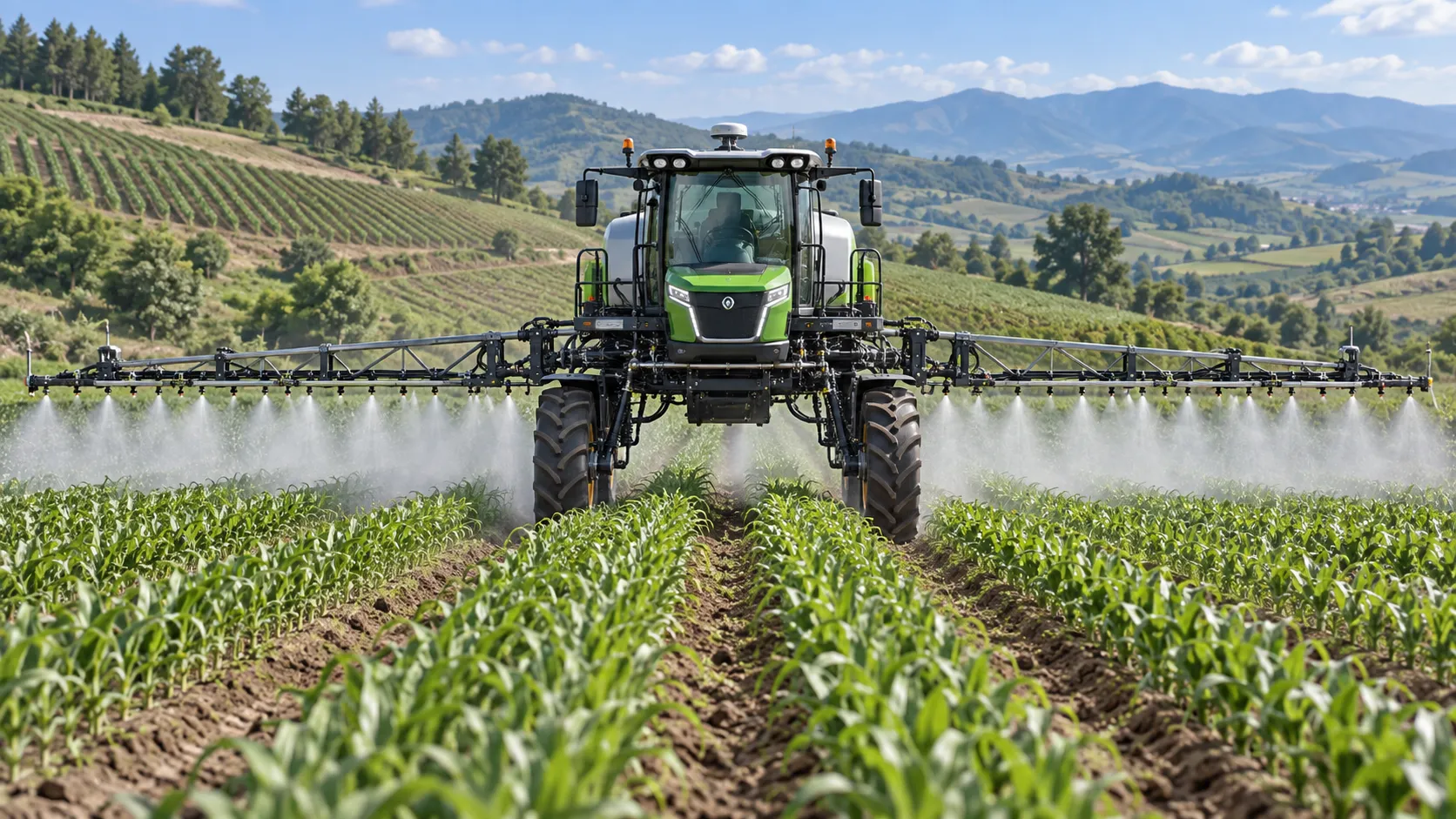
How to Select Precision Crop Protection Equipment for Variable Field Conditions
Precision crop protection equipment selection made simple: compare terrain, canopy, weather, control accuracy, and data workflows for reliable applications.
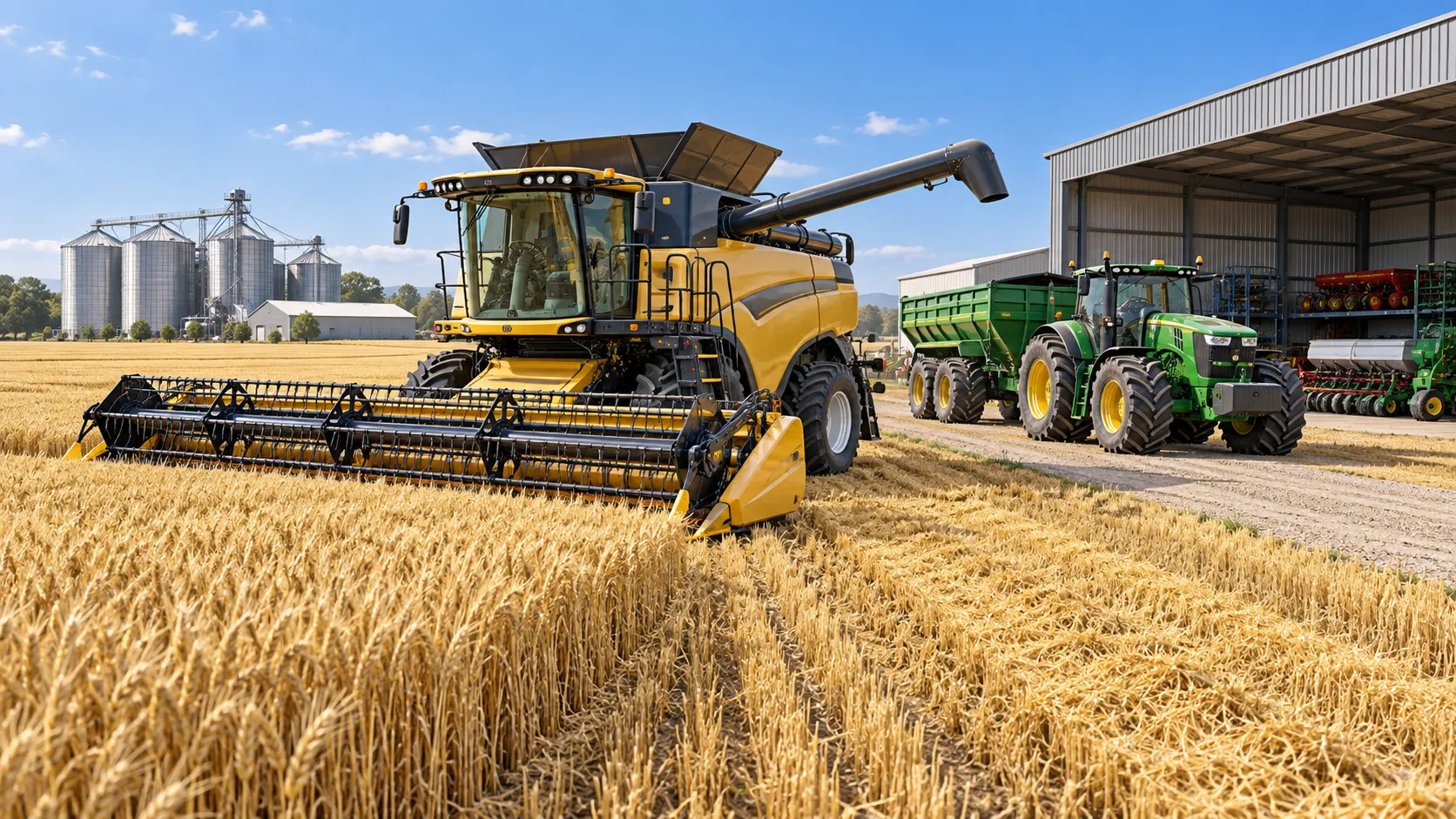
When Does Agricultural Machinery Leasing Cost Less Than Owning Equipment?
Agricultural machinery leasing can lower farm costs when use is seasonal or uncertain. Compare utilization, maintenance, cash flow, and risk to make a smarter equipment decision.
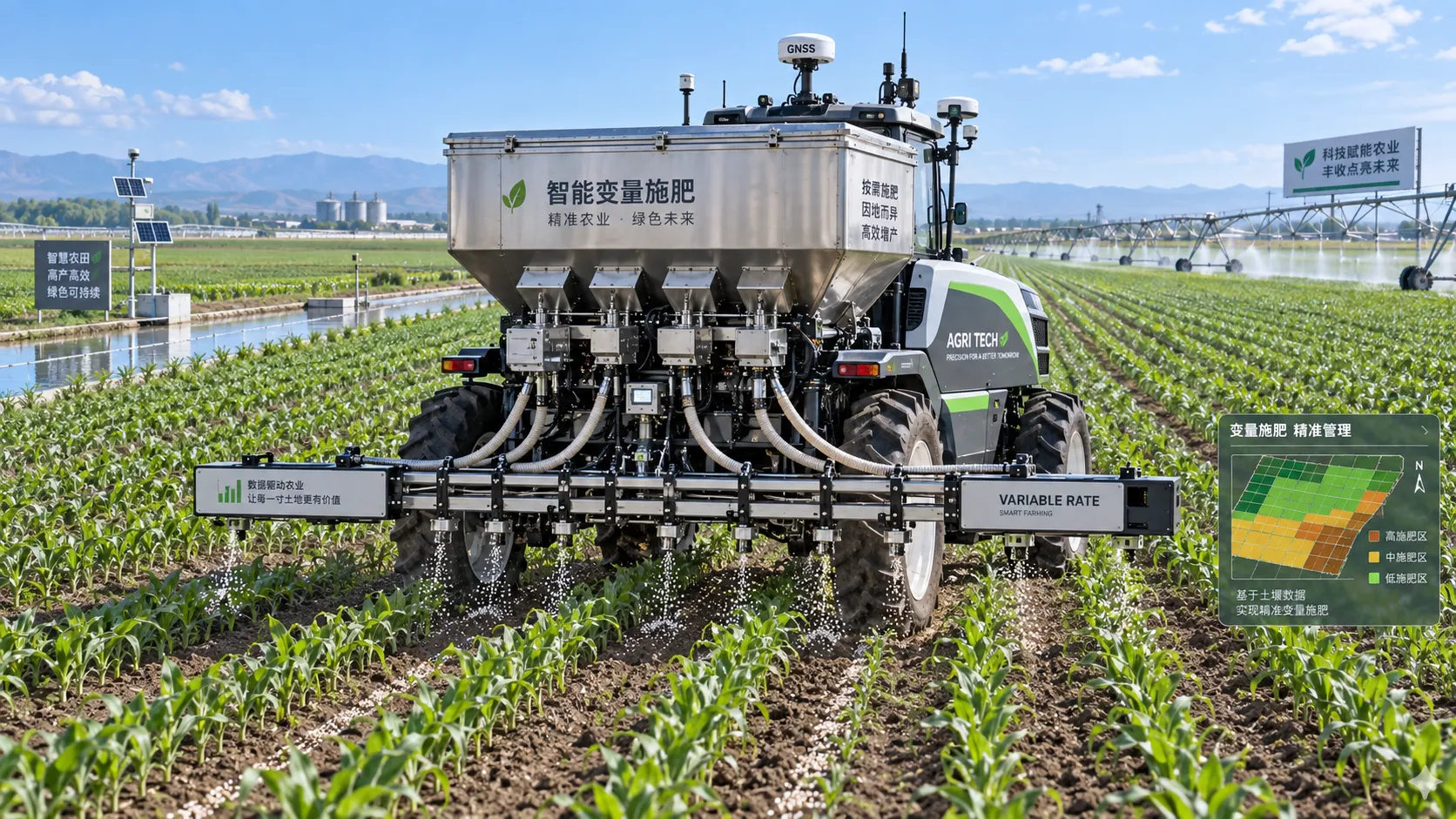
How to Evaluate Precision Fertilization System Suppliers for Farm-Scale Deployment
Precision fertilization systems suppliers: learn how to compare accuracy, integration, uptime, service, and total cost for confident farm-scale deployment.
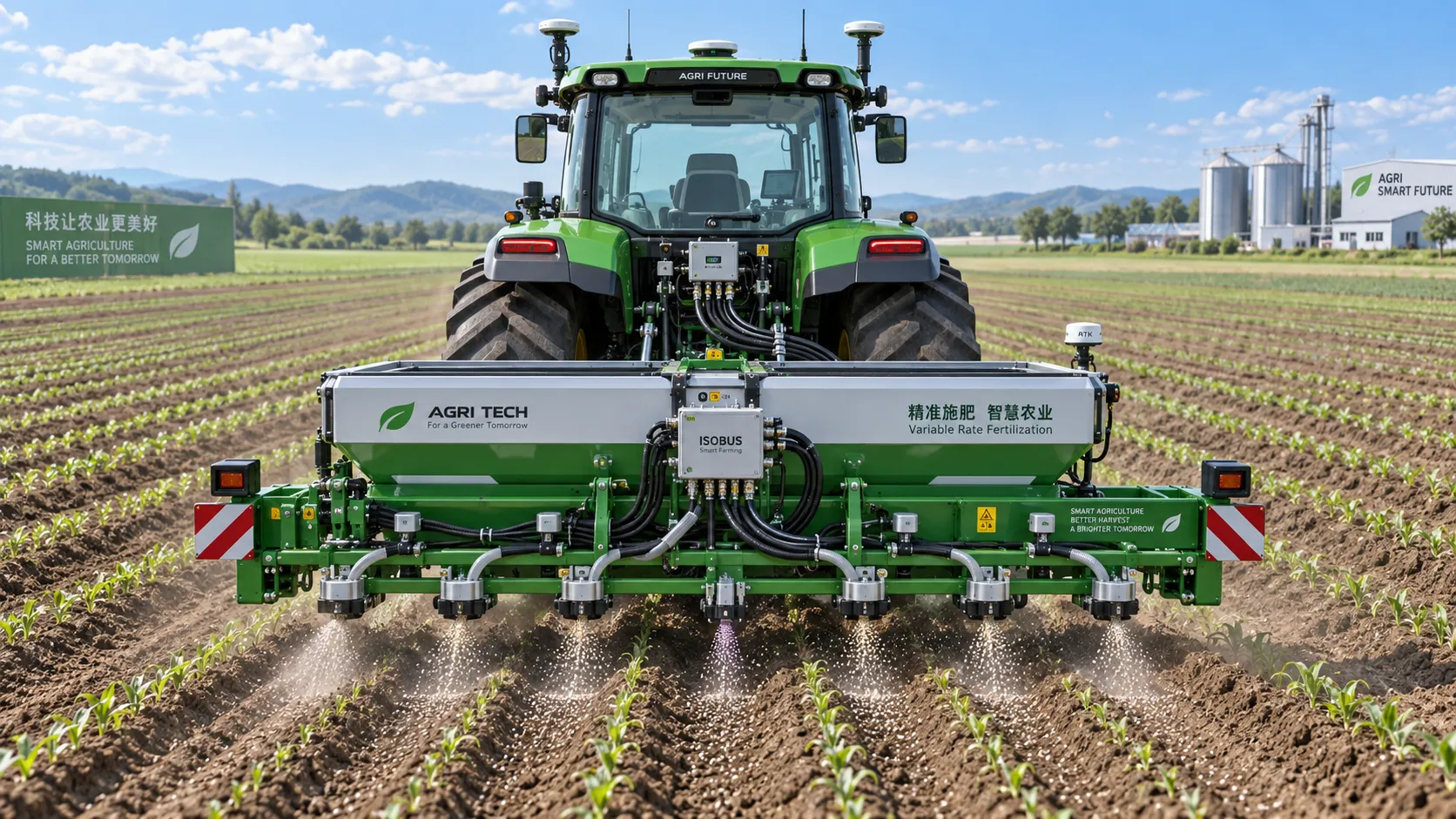
ISOBUS for Smart Agriculture: How It Connects Tractors, Implements, and Farm Data
ISOBUS for smart agriculture connects tractors, implements, terminals, and farm data—helping growers improve precision, documentation, and smarter field decisions.
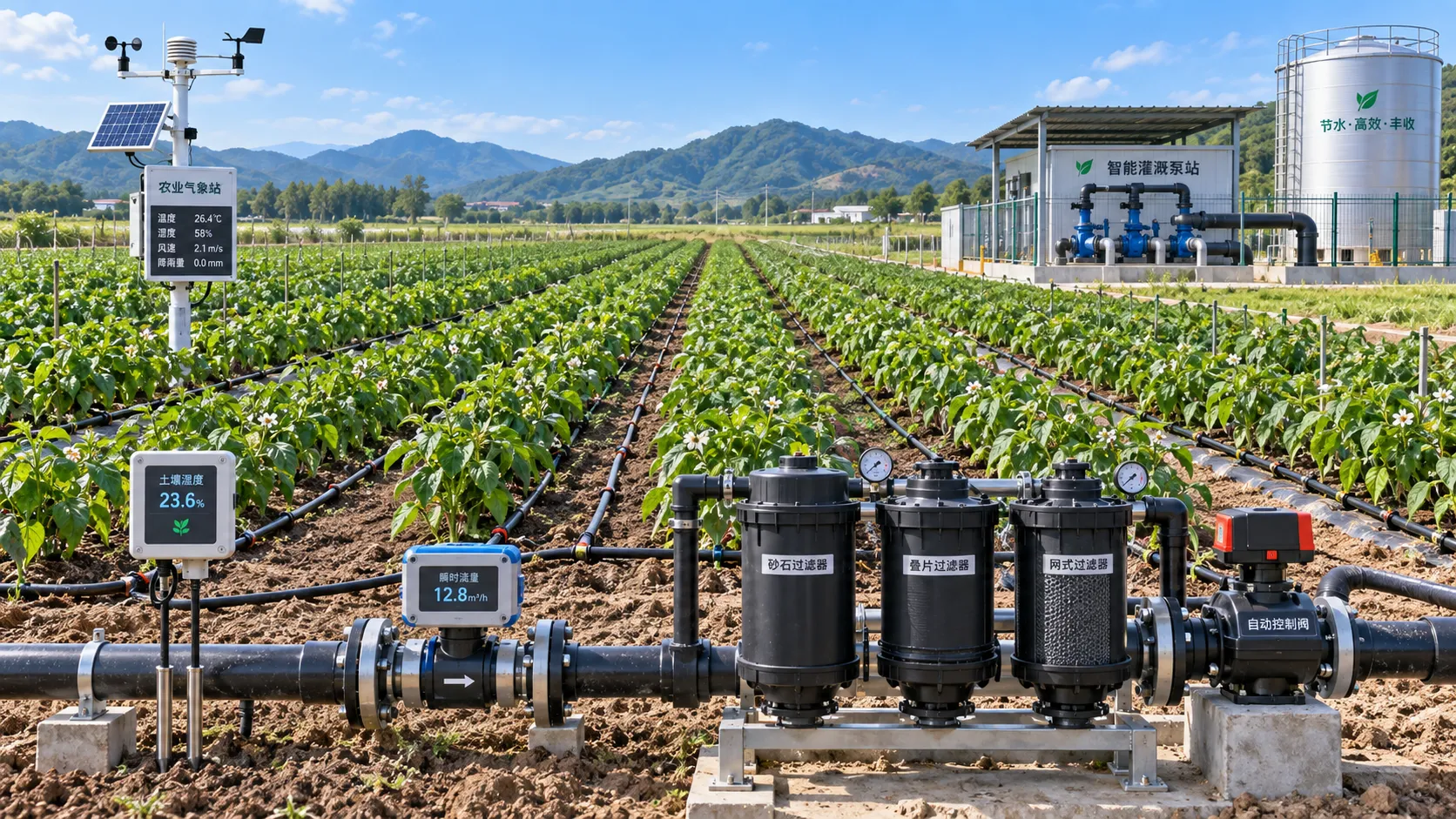
Automated Water-Saving Irrigation: How to Cut Water Use Without Reducing Crop Yields
Automated water-saving irrigation helps farms cut water use, protect crop yields, improve scheduling, and gain reliable control with sensors, flow monitoring, and smart zones.
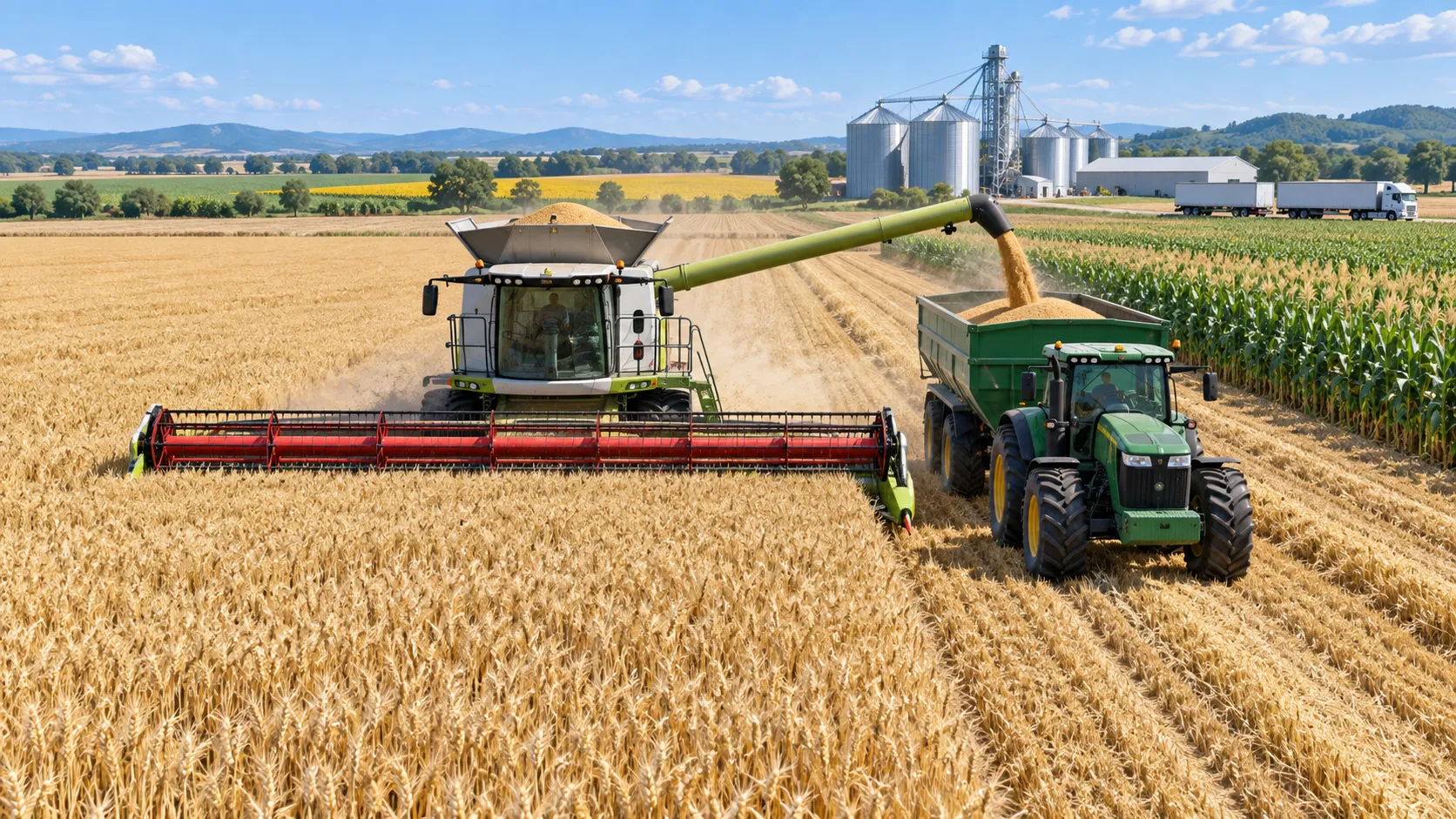
Selecting Grain Farm Equipment by Acreage, Crop Mix, and Harvest Window
Agricultural equipment selection for grain farming: match machinery to acreage, crop mix, and harvest windows to improve uptime, efficiency, and returns.
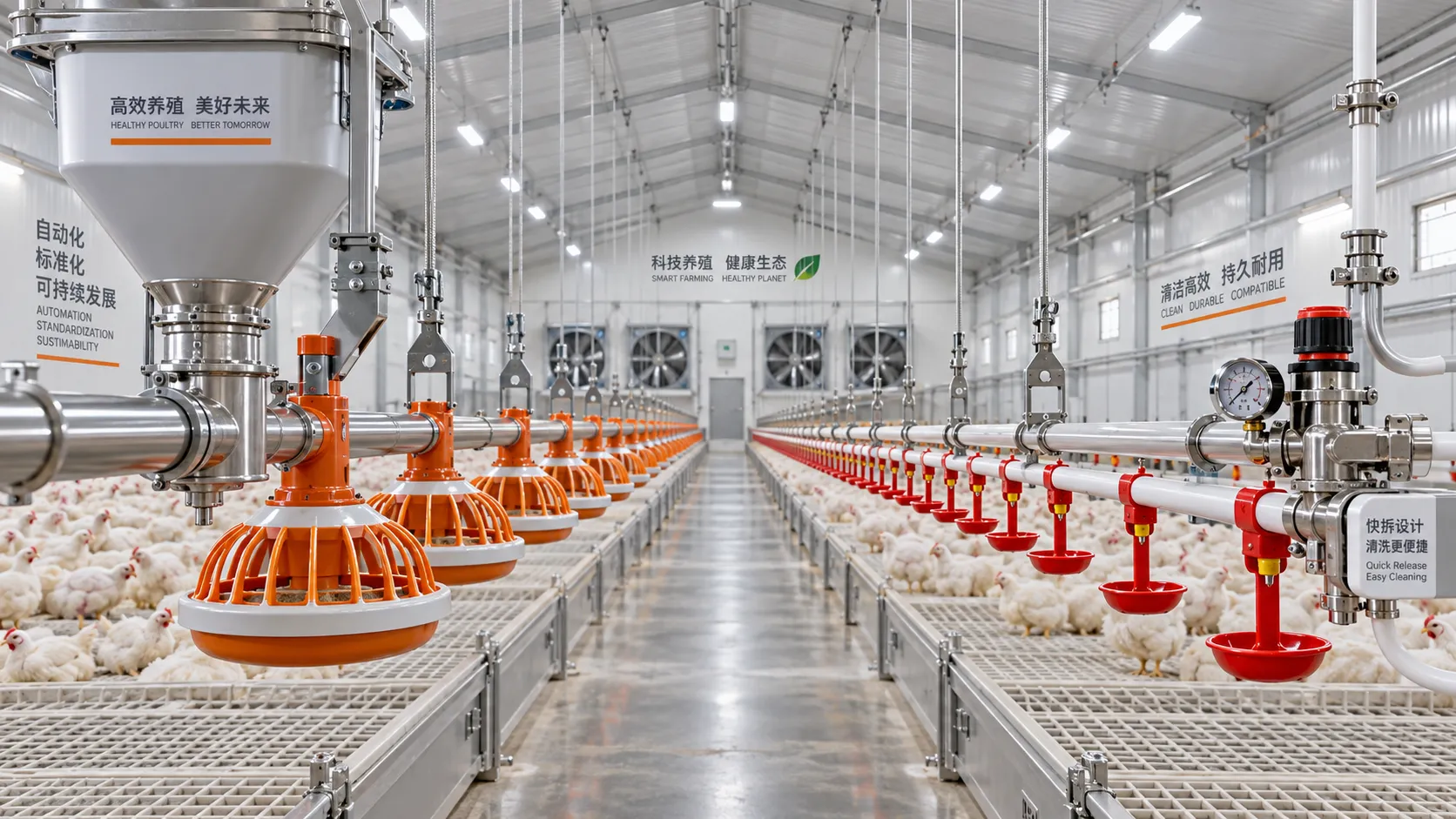
Poultry Equipment Selection: Evaluating Durability, Cleaning, and Compatibility
Poultry equipments selection guide: evaluate durability, cleaning access, and system compatibility to improve hygiene, reduce downtime, and support efficient flock management.
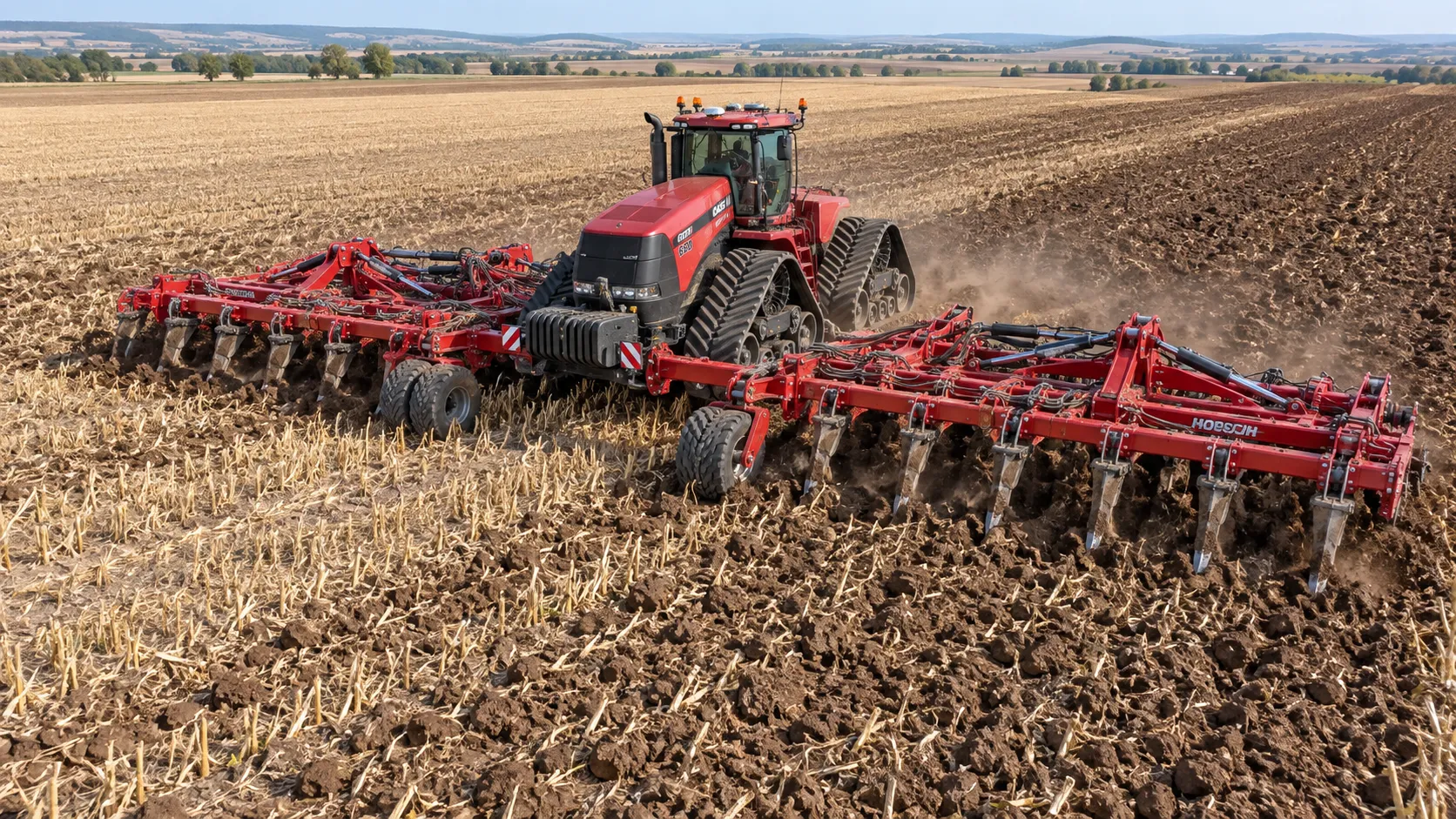
How to Select Heavy-Duty Farm Implements for High-Acreage, High-Horsepower Operations
Heavy duty farm implements: learn how to match draft, hydraulics, hitch capacity, frame strength, and field conditions for reliable high-acreage performance.
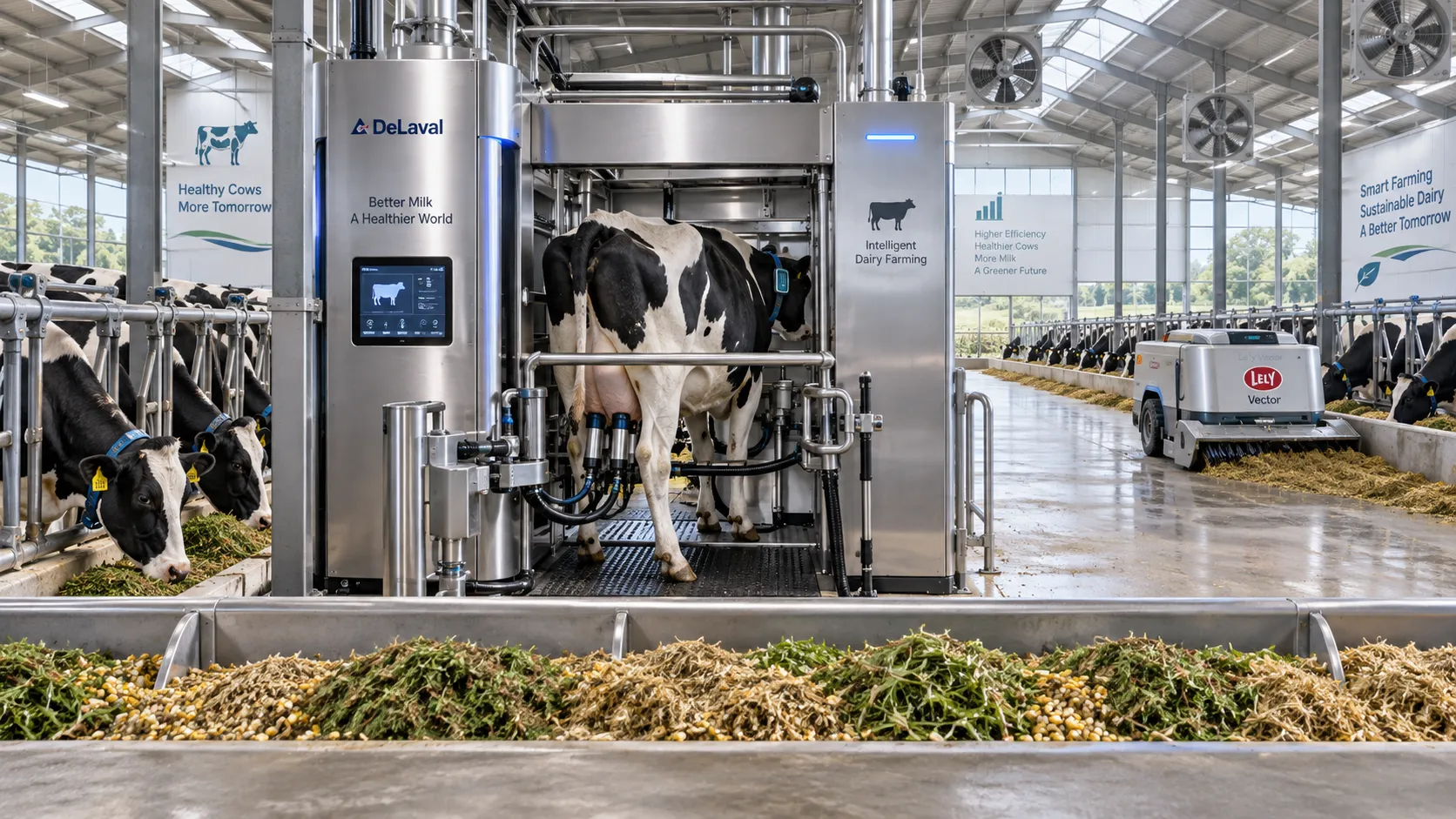
Smart Farming Technology for Dairy Farms: Where Automation Delivers Measurable ROI
Smart farming technology for dairy farms delivers measurable ROI through automation, precision feeding, health monitoring, and data-driven cost control.
Popular Tags
Harvesting Efficiency Expert
Weekly Insights
Stay ahead with our curated technology reports delivered every Monday.