
Noli Intelligent Wins Zhejiang Quality Innovation Award: Scalable Digital Quality Model for Global Markets





Noli Intelligent Equipment has been awarded the Zhejiang Provincial Quality Innovation Award for its new quality management model — 'digital intelligence-driven, end-to-end collaboration' — the exact event date was not specified. This recognition reflects a growing regulatory and market emphasis on verifiable, data-integrated quality assurance in cross-border industrial equipment trade, particularly for exporters targeting the EU and ASEAN regions.
Confirmed Achievement: Award and Certification
Noli Intelligent Equipment received the Zhejiang Provincial Quality Innovation Award for implementing a closed-loop quality system spanning R&D, manufacturing, after-sales service, and data analytics. The system has obtained ISO/IEC 17065 accreditation, enabling Noli to issue third-party-recognized 'quality trust endorsements' for its Grain Tank Automation and Hydraulic Lift Systems exported to the European Union and ASEAN countries. As a result, overseas customers report over 30% reduction in factory audit cycle time.
Impact Across Supply Chain Roles
Direct Exporters
Exporters of industrial automation and lifting systems face tightening pre-shipment compliance expectations. With certified digital quality frameworks now serving as de facto verification tools, traditional audit-based due diligence is being partially replaced by standardized, auditable quality data packages — affecting tender eligibility, contract timelines, and liability clauses.
Raw Material and Component Suppliers
Suppliers providing critical subsystems or materials must align traceability protocols with the OEM’s integrated data architecture. This includes adopting compatible digital identifiers (e.g., QR-coded batch logs), standardized test reporting formats, and real-time quality KPI dashboards — shifting responsibility from post-delivery inspection to upstream process validation.
Manufacturers and System Integrators
Manufacturers adopting similar full-lifecycle quality models may see accelerated acceptance in regulated markets. However, implementation requires synchronization across ERP, MES, and service CRM platforms — raising internal integration demands and exposing gaps in legacy documentation practices, especially around service history and firmware version control.
Supply Chain Service Providers
Logistics, certification support, and technical translation firms must now accommodate structured quality metadata alongside physical shipments — including digitally signed conformity statements, ISO/IEC 17065-accredited test reports, and multilingual service log templates aligned with EU MDR or ASEAN harmonized standards.
Key Operational Considerations for Enterprises
Alignment with ISO/IEC 17065 Certification Requirements
Enterprises seeking comparable credibility should assess whether their existing quality management system meets the impartiality, competence, and transparency criteria under ISO/IEC 17065 — not merely ISO 9001 — especially when issuing declarations for specific product categories like automated grain handling or hydraulic lifting systems.
Preparation of Technical Documentation for EU and ASEAN Markets
Technical files must now include not only design validation records but also live operational data feeds, predictive maintenance logs, and cybersecurity attestations where applicable — reflecting the expanded scope of 'quality' beyond mechanical performance to system integrity and data reliability.
Supplier Qualification and Traceability Integration
OEMs are increasingly requiring tier-2 and tier-3 suppliers to contribute structured quality data into shared platforms. This necessitates reviewing supplier contracts for data rights, interoperability obligations, and audit-readiness clauses tied to digital quality evidence.
After-Sales Service and Quality Recalls Readiness
The closed-loop model implies real-time feedback from field operations feeding back into R&D and manufacturing. Companies must ensure service technicians capture standardized failure codes, firmware versions, and environmental operating conditions — enabling faster root-cause analysis and regulatory reporting under EU Market Surveillance Regulation or ASEAN Product Safety Guidelines.
Industry Observation: From Compliance to Competitive Differentiation
Analysis shows that quality certifications are evolving from static compliance checkpoints into dynamic, data-rich business enablers. What deserves closer attention is how ISO/IEC 17065-accredited quality endorsements — once reserved for high-risk medical or aerospace components — are now becoming strategic assets in mid-tier industrial automation. Observably, this shift compresses procurement cycles but raises the bar for digital maturity across the supply chain. It is more appropriate to understand this as a structural recalibration of trust infrastructure, where verified data flows replace repeated physical audits — yet without uniform interpretation of 'digital quality' across jurisdictions, implementation variance remains a key risk.
Strategic Implication: Quality as an Export Enabler
This award signals a broader transition: quality assurance is no longer solely a cost of market access but a scalable, export-ready capability. For manufacturers targeting EU and ASEAN markets, embedding digital traceability and third-party-accredited quality frameworks early in product development — rather than retrofitting for certification — offers measurable advantages in lead time, customer confidence, and regulatory resilience. The outcome is not guaranteed market entry, but a significantly shortened path to commercial validation.
Source Attribution and Monitoring Guidance
This article was generated exclusively from the provided title, unspecified event timing, and summary description. Specific official source links were not provided in the input and should be verified continuously. Stakeholders are advised to monitor upcoming updates on Zhejiang provincial quality policy implementation guidelines, national interpretations of ISO/IEC 17065 application in industrial equipment sectors, tender document revisions in EU public procurement portals, and ASEAN Mutual Recognition Arrangements on conformity assessment — all of which may influence the operational scope and adoption pace of such digital quality models.
Related News
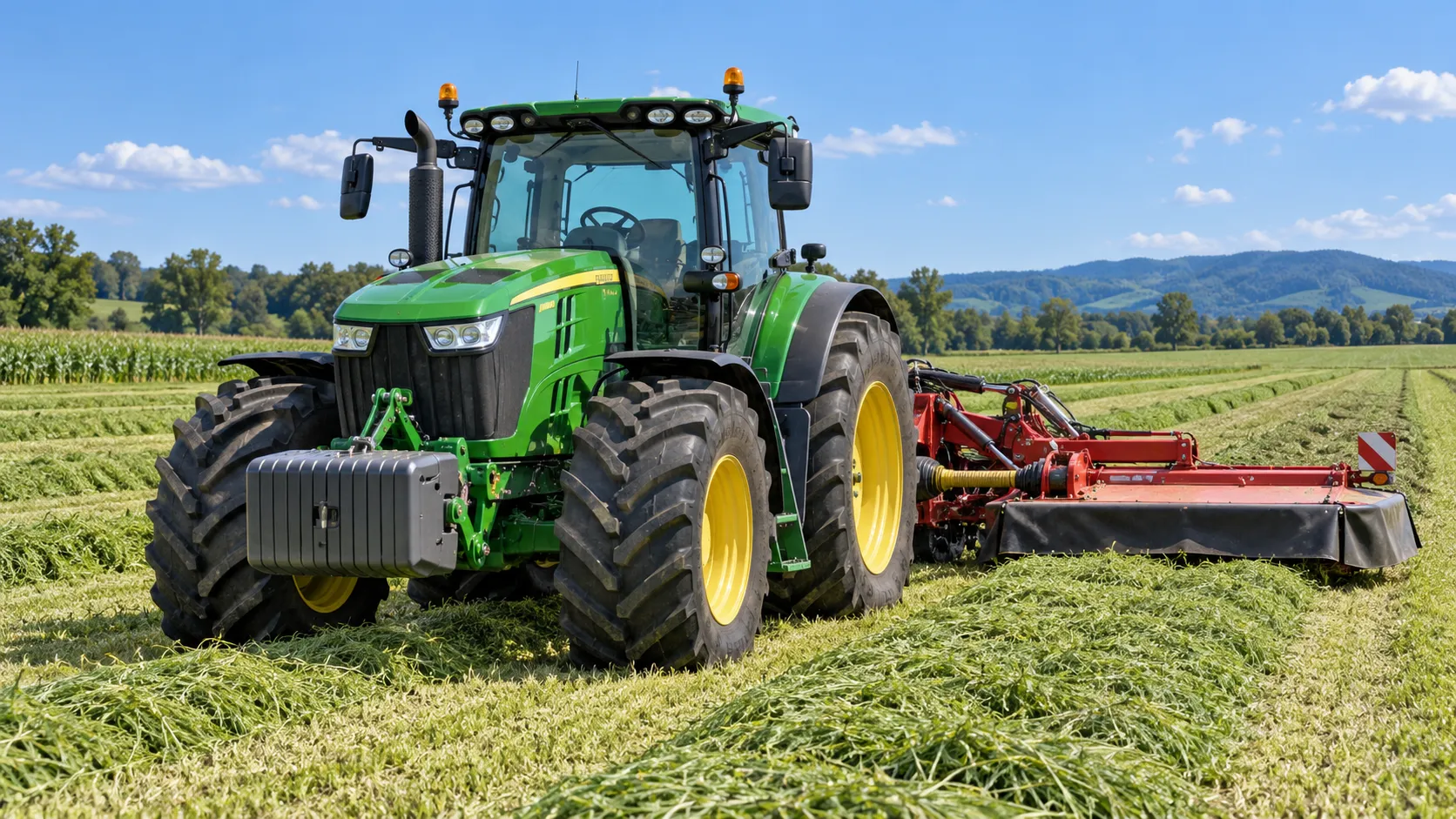
Tractor Specification Sheets: Matching PTO, Hydraulics, and Weight to Farm Tasks
Specification-oriented articles for tractors: match PTO, hydraulics, lift capacity, ballast, and weight to real farm tasks for safer, more efficient equipment choices.
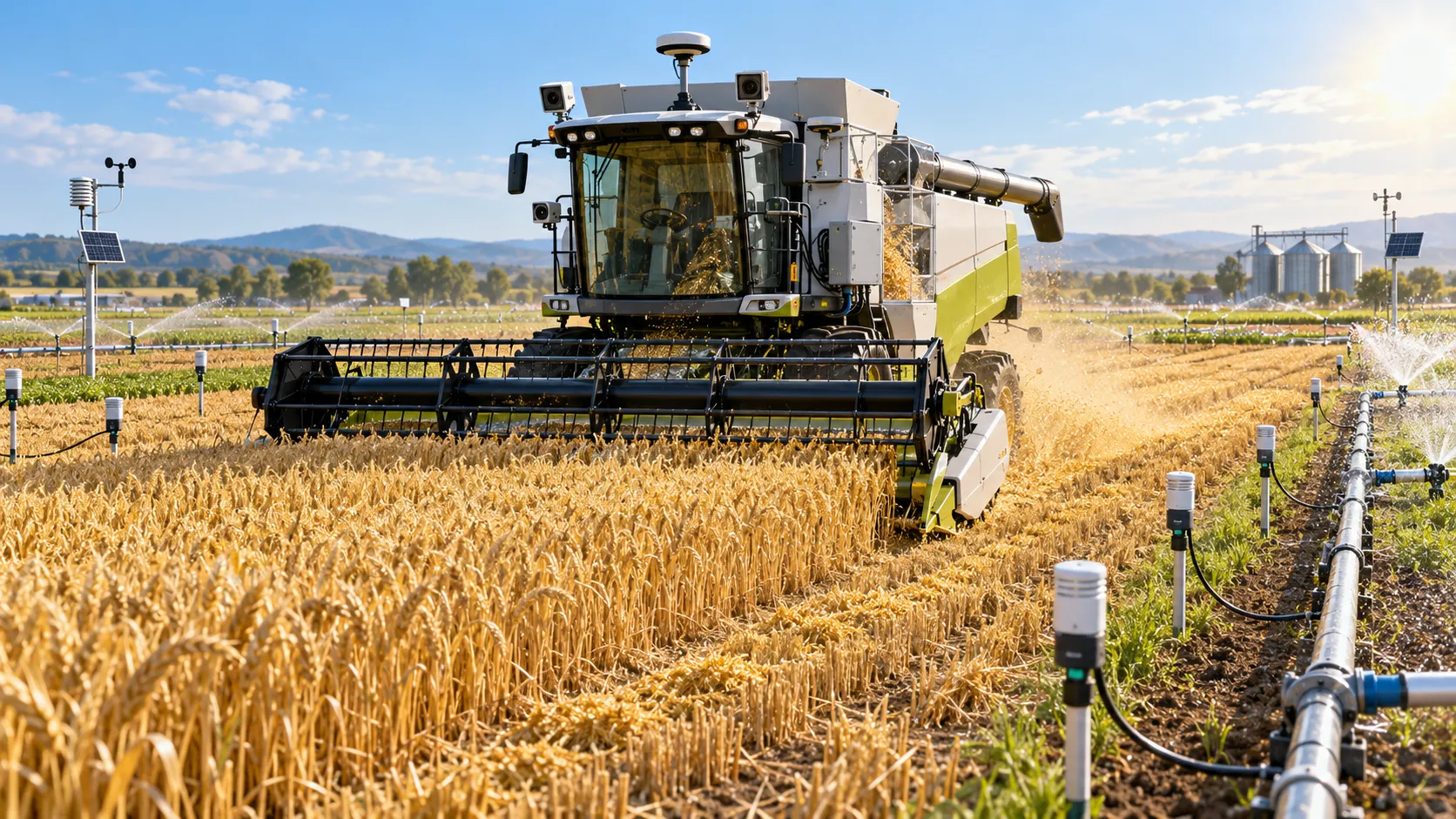
How to Evaluate Dynamic Feedback Algorithm Suppliers for Precision Farming Systems
Dynamic feedback algorithms supplier evaluation guide for precision farming—compare validation, integration, safety, and pilots to choose with confidence.
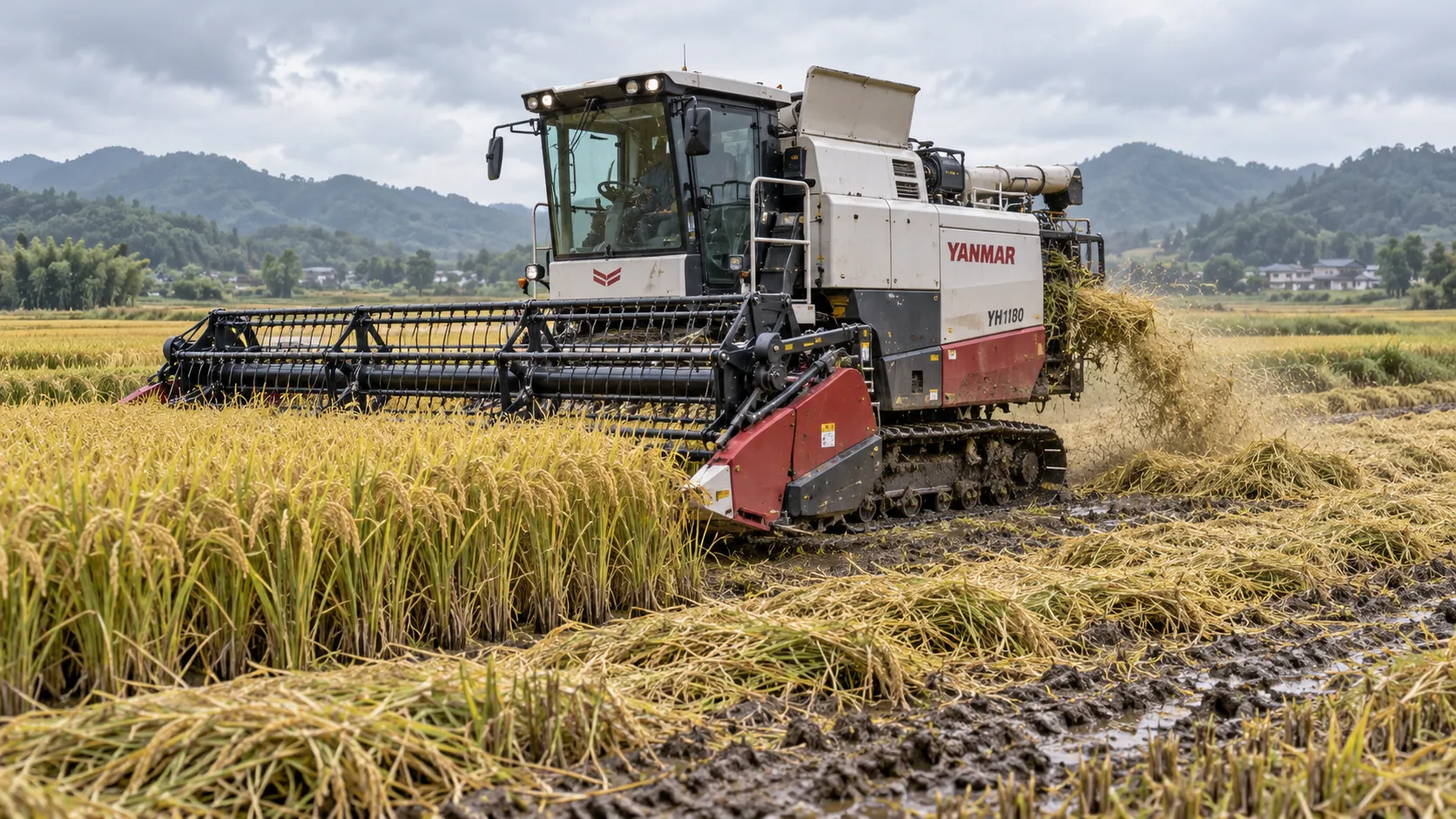
How to Specify Combine Harvester Systems for High-Moisture Grain and Variable Field Conditions
Combine harvester systems for high-moisture grain: learn how to specify threshing, cleaning, headers, traction, and automation for reliable harvests in variable fields.
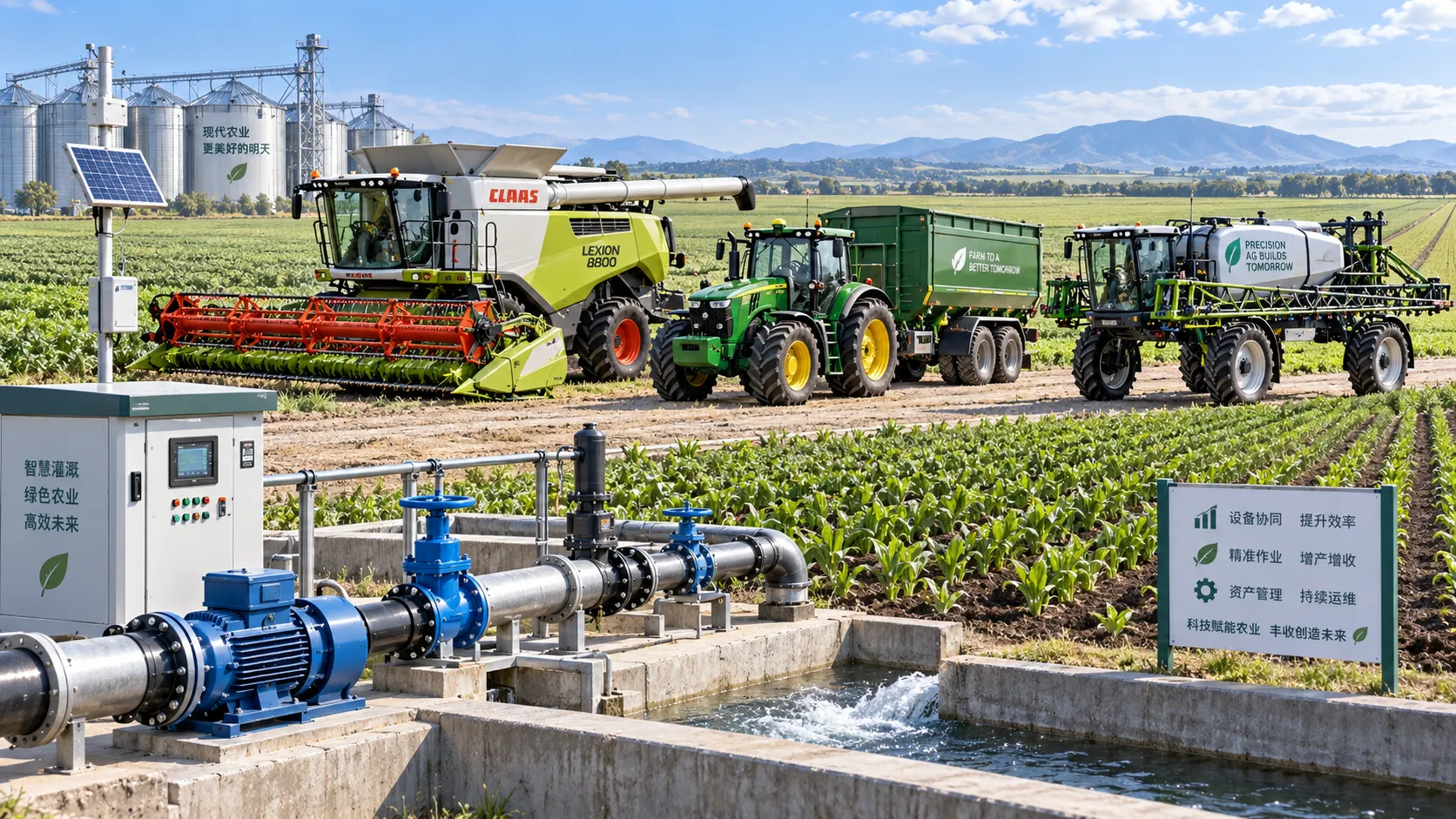
How to Compare Agricultural Equipment Platforms for Fleet Management and ROI
Agricultural equipment platform comparison: evaluate fleet data, maintenance, precision workflows, and ROI to choose a system that delivers measurable results.
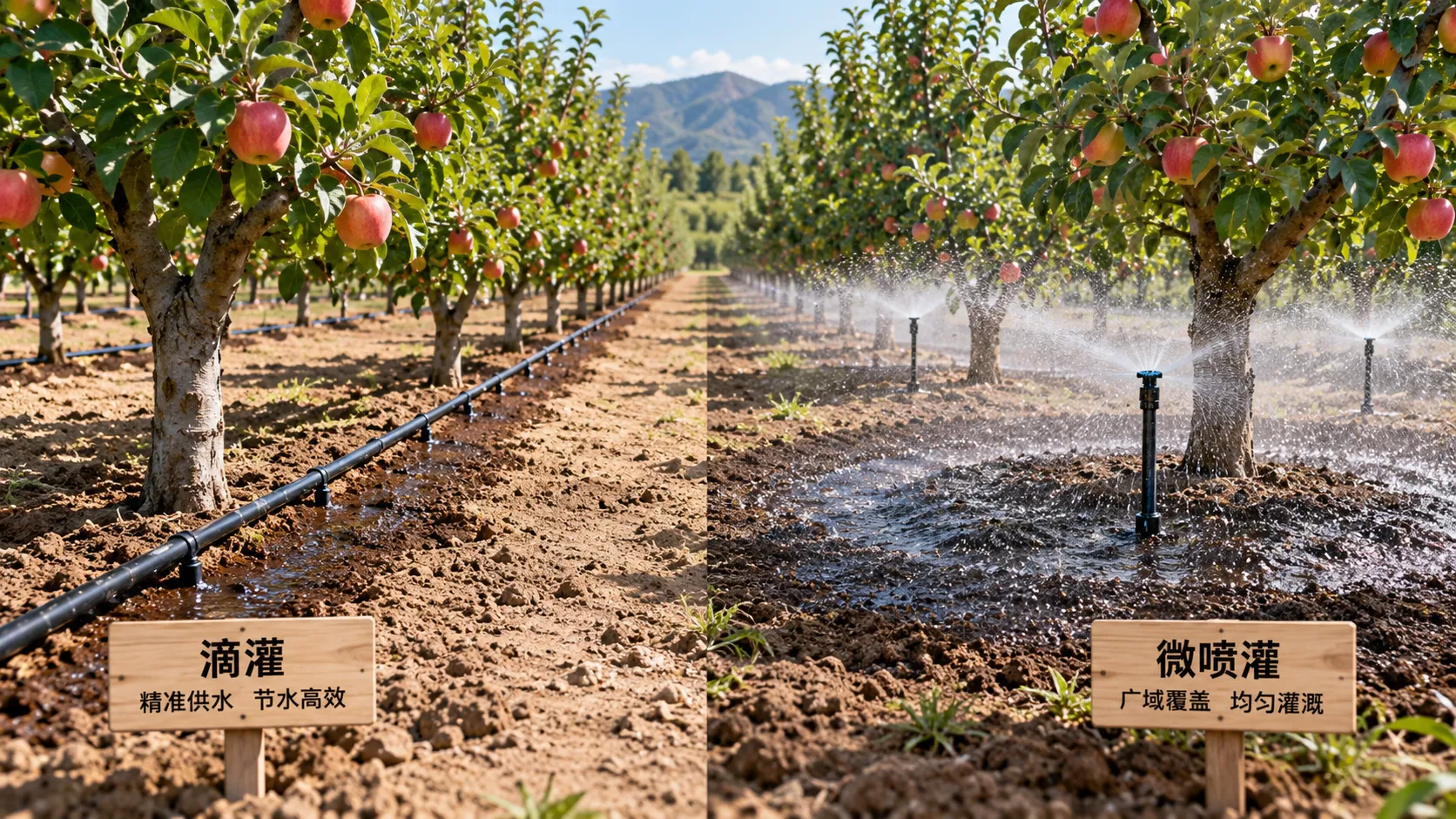
Drip vs. Micro-Sprinkler Irrigation: Which System Fits Your Orchard?
Irrigation solution comparison for orchards: discover whether drip or micro-sprinklers best match your water, soil, roots, fertigation, and frost needs.
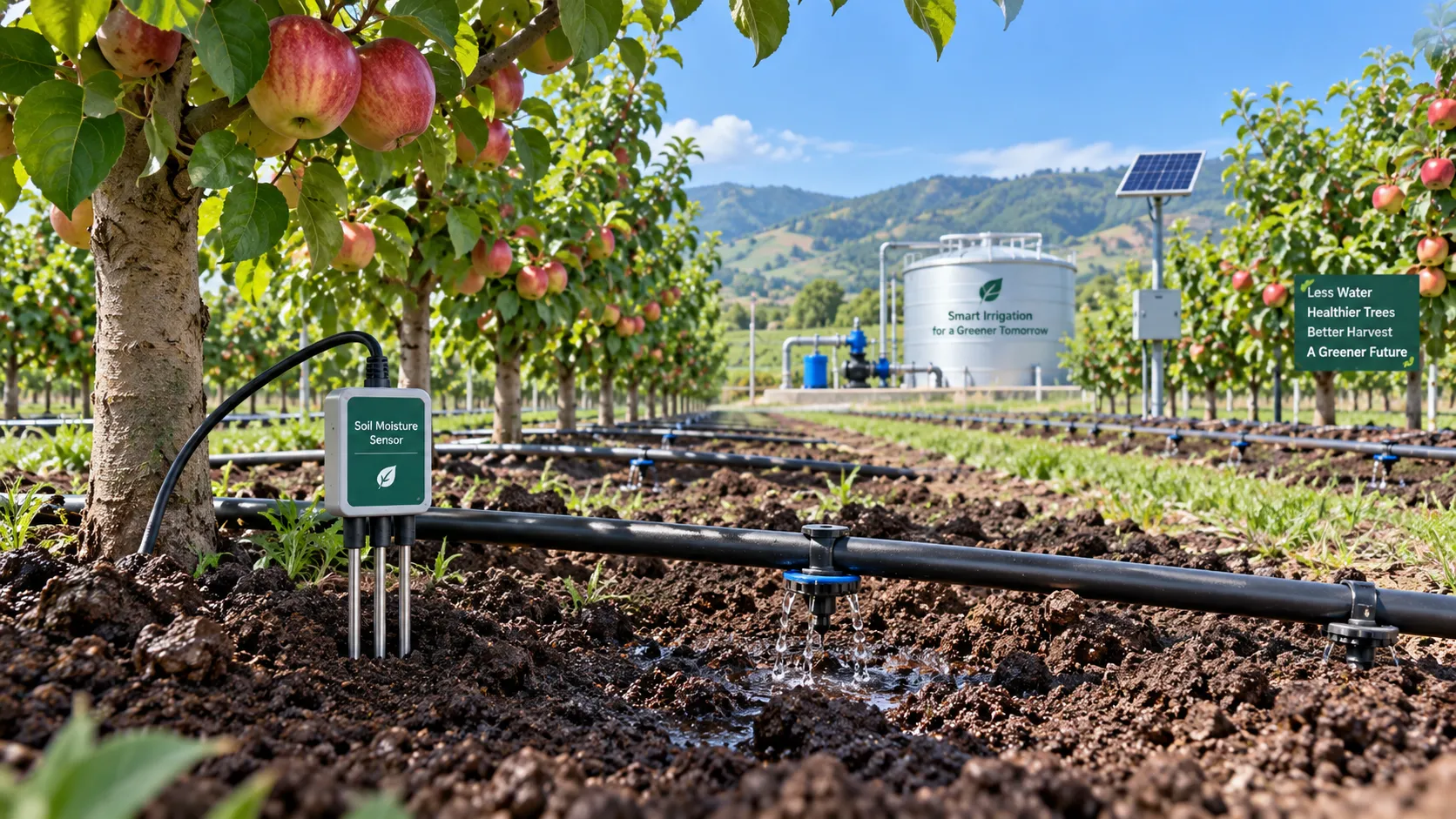
Orchard Water Management: Using Soil Moisture Data to Schedule Irrigation
Agricultural water management for orchards made practical: use soil moisture data to optimize irrigation timing, protect yield, reduce costs, and improve resilience.
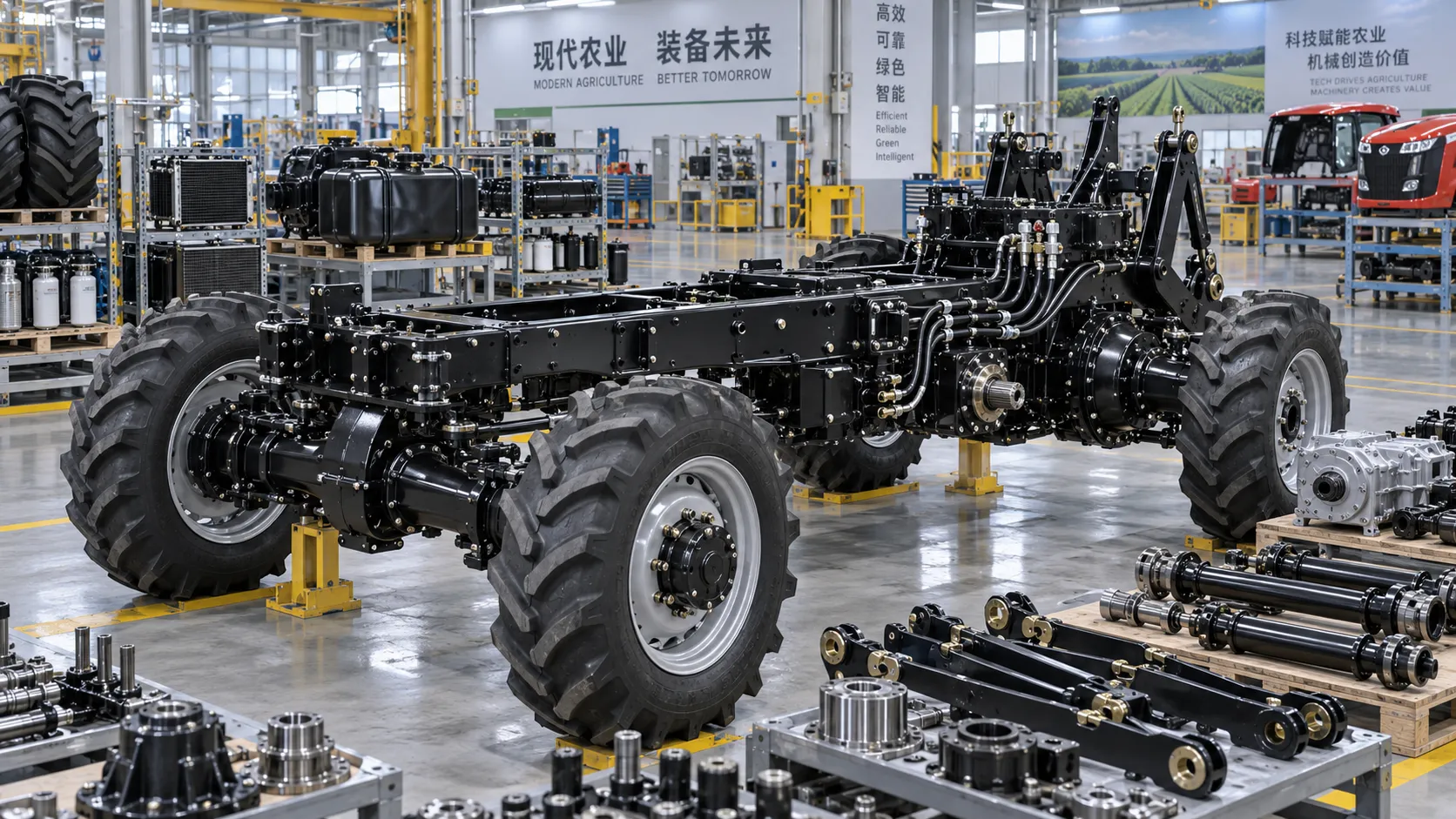
Tractor Chassis Price: What Buyers Should Compare Beyond the Initial Quote
Tractor chassis price is only the start. Compare load capacity, compatibility, durability, and lifecycle costs to choose a reliable, high-value chassis.
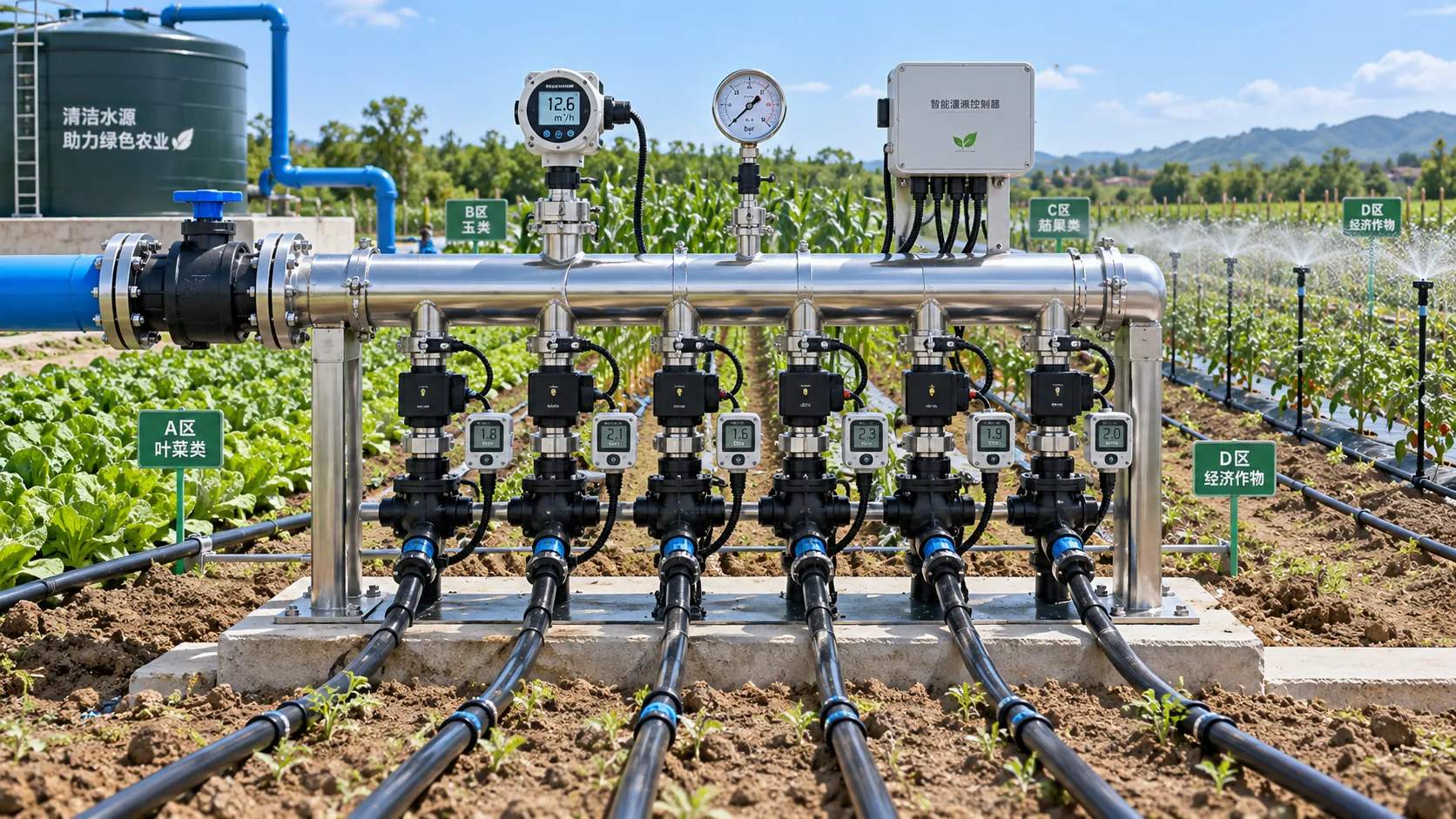
How to Select Smart Irrigation Valves for Multi-Zone Water Management?
Intelligent irrigation systems valves: learn how to match smart valves with multi-zone flow, pressure, control, feedback, and communication needs for reliable water management.
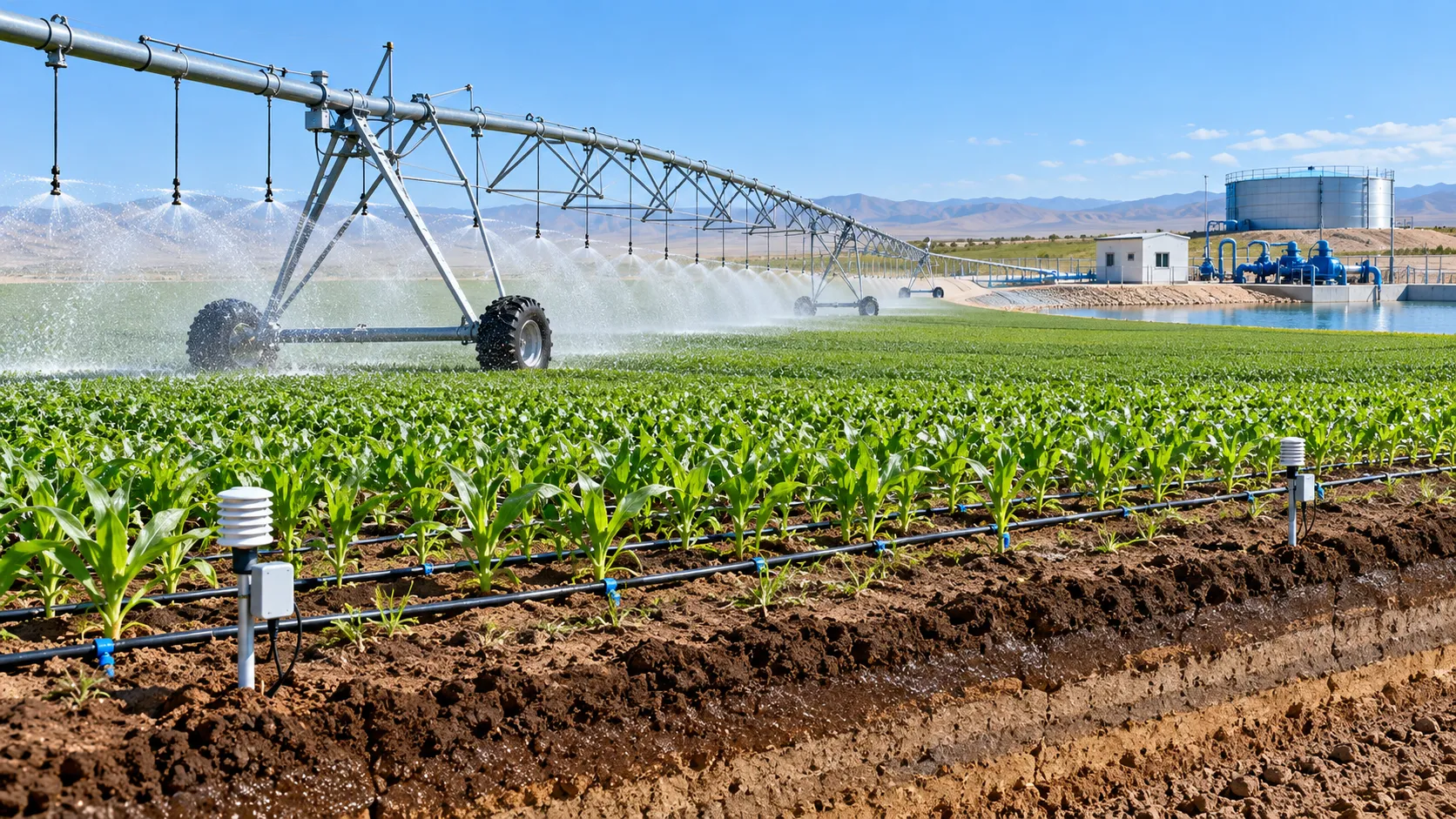
Climate-Smart Farming for Drought: A Practical Plan for Protecting Yields
Climate-smart farming for drought: build smarter water budgets, protect critical crop stages, improve irrigation uniformity, and safeguard yields with practical field-proven strategies.
Related News
- 00
0000-00
Tractor Specification Sheets: Matching PTO, Hydraulics, and Weight to Farm Tasks - 00
0000-00
How to Evaluate Dynamic Feedback Algorithm Suppliers for Precision Farming Systems - 00
0000-00
How to Specify Combine Harvester Systems for High-Moisture Grain and Variable Field Conditions - 00
0000-00
How to Compare Agricultural Equipment Platforms for Fleet Management and ROI - 00
0000-00
Drip vs. Micro-Sprinkler Irrigation: Which System Fits Your Orchard?
Popular Tags
Industry Global
Weekly Insights
Stay ahead with our curated technology reports delivered every Monday.