
Xinjiang Agri-Machinery Expo Closes with $126M in Central Asian Export Deals
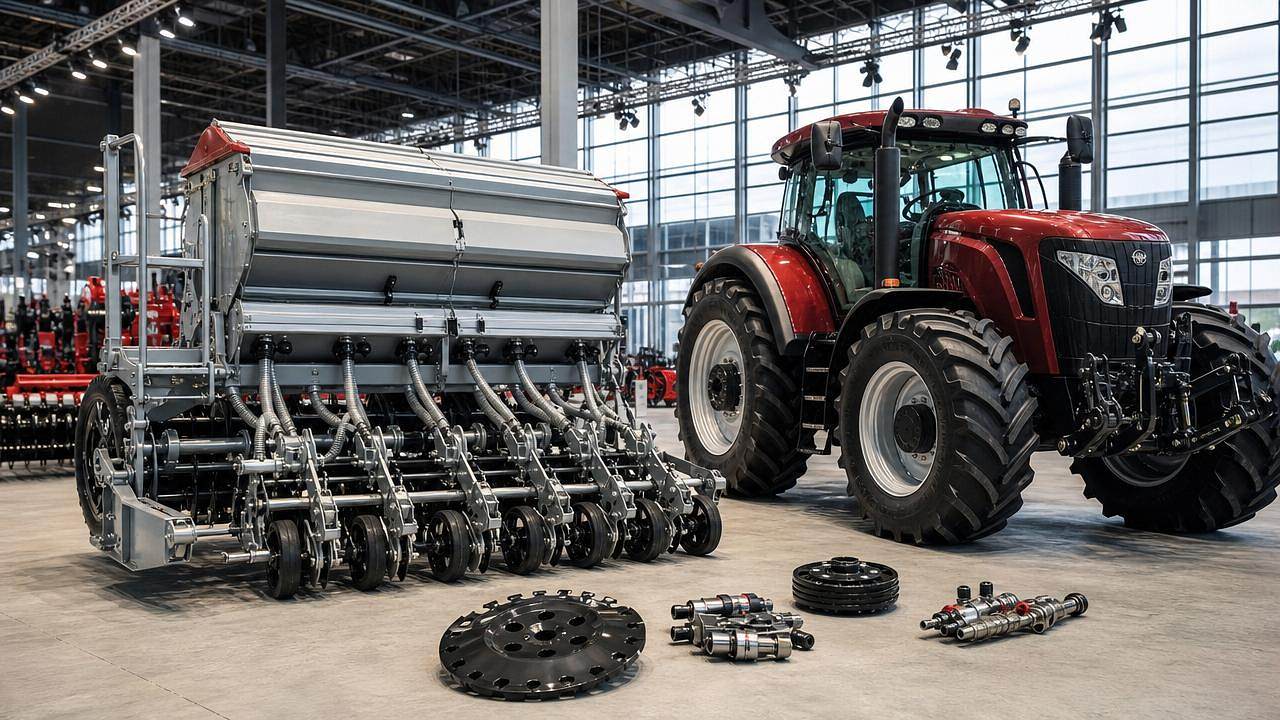




The 2026 Xinjiang International Agricultural Machinery Expo, held from May 25 to May 27, 2026, concluded on May 27 under the theme “Farm Machinery Going Global — Industrial Rooting.” The event served as a strategic platform for export-oriented regulatory alignment, certification coordination, and trade rule engagement across Central Asia and adjacent markets.
Key Facts of the Expo
The 2026 Xinjiang International Agricultural Machinery Expo closed on May 27, 2026. It featured official overseas expansion roadmaps jointly announced by the governments of the five Central Asian countries, Azerbaijan, and Russia. Export agreements covering tractors, intelligent seeders, and self-propelled sprayers totaled USD 126 million. Official procurement delegations from Kazakhstan and Uzbekistan — alongside national certification bodies — engaged in in-depth technical and compliance dialogues throughout the event.
Implications Across the Agricultural Machinery Value Chain
Export-Oriented Trading Enterprises
These firms face immediate demand for certified product documentation and adherence to destination-country regulatory frameworks. The signing of binding export agreements signals urgency in aligning commercial terms with local import requirements, including labeling, safety standards, and post-sale service obligations.
Raw Material and Component Suppliers
Suppliers must anticipate upstream adjustments tied to regional specifications — for instance, climate-resilient materials for arid operating conditions in Central Asia or voltage compatibility for local power infrastructure. Early visibility into certified product configurations is now critical for just-in-time planning.
Manufacturing and Assembly Facilities
Factories need to verify whether existing production lines meet the conformity assessment criteria referenced by participating certification institutions. Capacity planning may shift toward modular designs that accommodate multiple regional regulatory footprints — particularly where CE-equivalent or GOST-R-aligned verification pathways are emerging.
Supply Chain and Compliance Support Providers
Third-party testing labs, certification consultants, and logistics partners must scale readiness for accelerated technical dossier reviews and cross-border conformity validation. Demand is rising for integrated services covering pre-market approval, customs tariff classification, and after-sales technical support localization.
Strategic Priorities for Manufacturers and Exporters
Accelerated Certification and Regulatory Validation
With procurement delegations from Kazakhstan and Uzbekistan engaging directly at the expo, manufacturers should prioritize alignment with national certification authorities — including verification timelines, test report validity periods, and language requirements for technical documentation.
Product Configuration Readiness for Target Markets
Tractors and intelligent seeders signed under these agreements require configuration checks against regional agronomic conditions — such as soil type adaptation, fuel quality tolerances, and seasonal operational windows — which influence durability validation and warranty scope.
Technical Tender Alignment and Specification Review
Government-led procurement processes in Central Asia increasingly emphasize interoperability, data connectivity, and remote diagnostics capabilities. Exporters must review bid specifications for compatibility with local digital agriculture platforms and telemetry standards.
After-Sales Infrastructure Planning
“Industrial rooting,” as emphasized in the expo’s theme, implies long-term service presence — not just equipment delivery. Firms should assess feasibility of establishing local parts depots, technician training partnerships, and digital maintenance log integration with end-user farm management systems.
Industry Observation: Beyond Transactional Export
Analysis shows this event reflects a structural pivot — from one-off equipment sales to embedded industrial cooperation. What deserves closer attention is how national certification institutions from Central Asia are co-developing verification protocols with Chinese manufacturers, rather than applying static foreign standards. Observably, the emphasis on “rooting” suggests longer-term commitments involving technology transfer, localized R&D collaboration, and joint compliance capacity building — all of which raise the bar for entry but also deepen market resilience.
Broader Significance for Agricultural Machinery Trade
This expo marks a formalized step toward harmonizing technical regulations and certification practices across Eurasian agricultural markets. Rather than signaling a simple volume surge, it underscores an institutional shift: export success now hinges less on price competitiveness and more on demonstrable alignment with evolving regulatory expectations, service infrastructure readiness, and lifecycle compliance transparency.
Source Attribution and Monitoring Guidance
This article was generated exclusively from the provided title, event dates (May 25–27, 2026), and summary description. Specific official source links were not provided in the input and should be verified continuously. Stakeholders are advised to monitor forthcoming implementation guidelines from national standardization bodies in Kazakhstan, Uzbekistan, and Russia — particularly regarding conformity assessment procedures for smart agricultural equipment, digital documentation requirements, and post-import verification protocols.
Related News
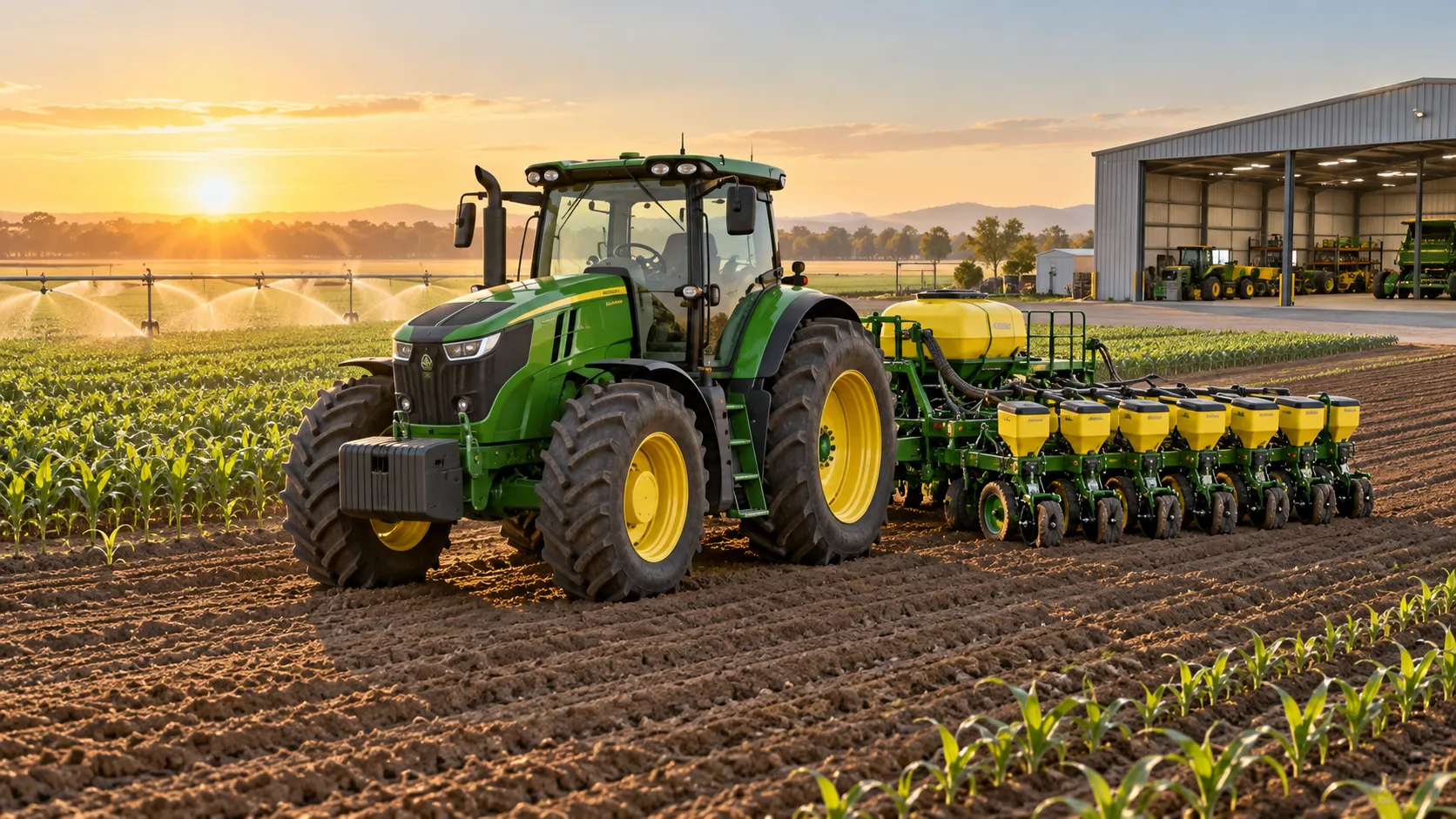
Farm Machinery Sourcing: How to Vet Suppliers, Specs, and Lifecycle Costs
Farm machinery information for sourcing: learn to vet suppliers, compare specifications, control lifecycle costs, and secure reliable uptime for smarter equipment purchases.
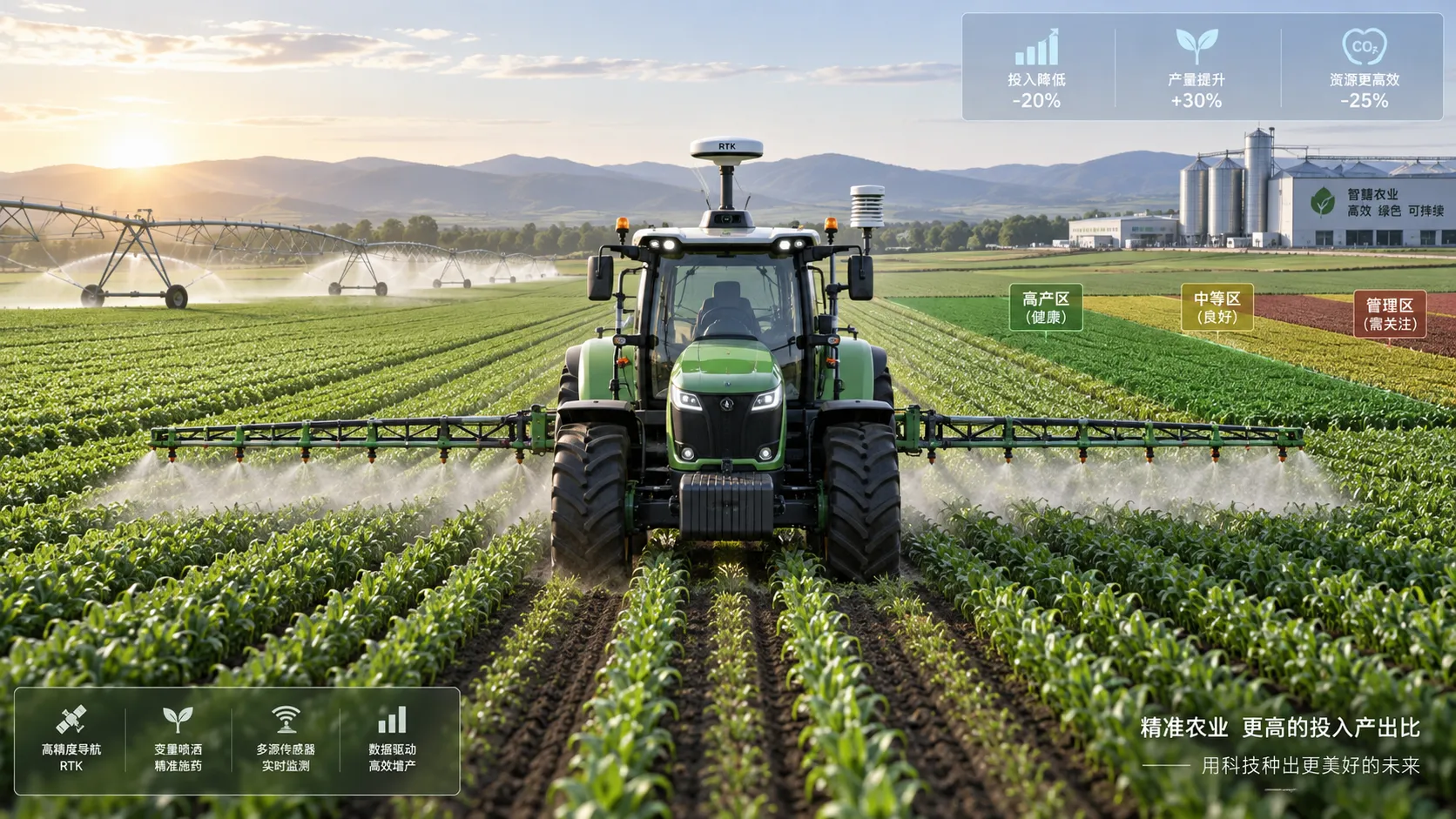
How to calculate ROI on precision agriculture equipment before buying
Calculating ROI on precision agriculture equipment: learn to assess total ownership costs, savings, payback, NPV, risks, and farm-scale value before you buy.
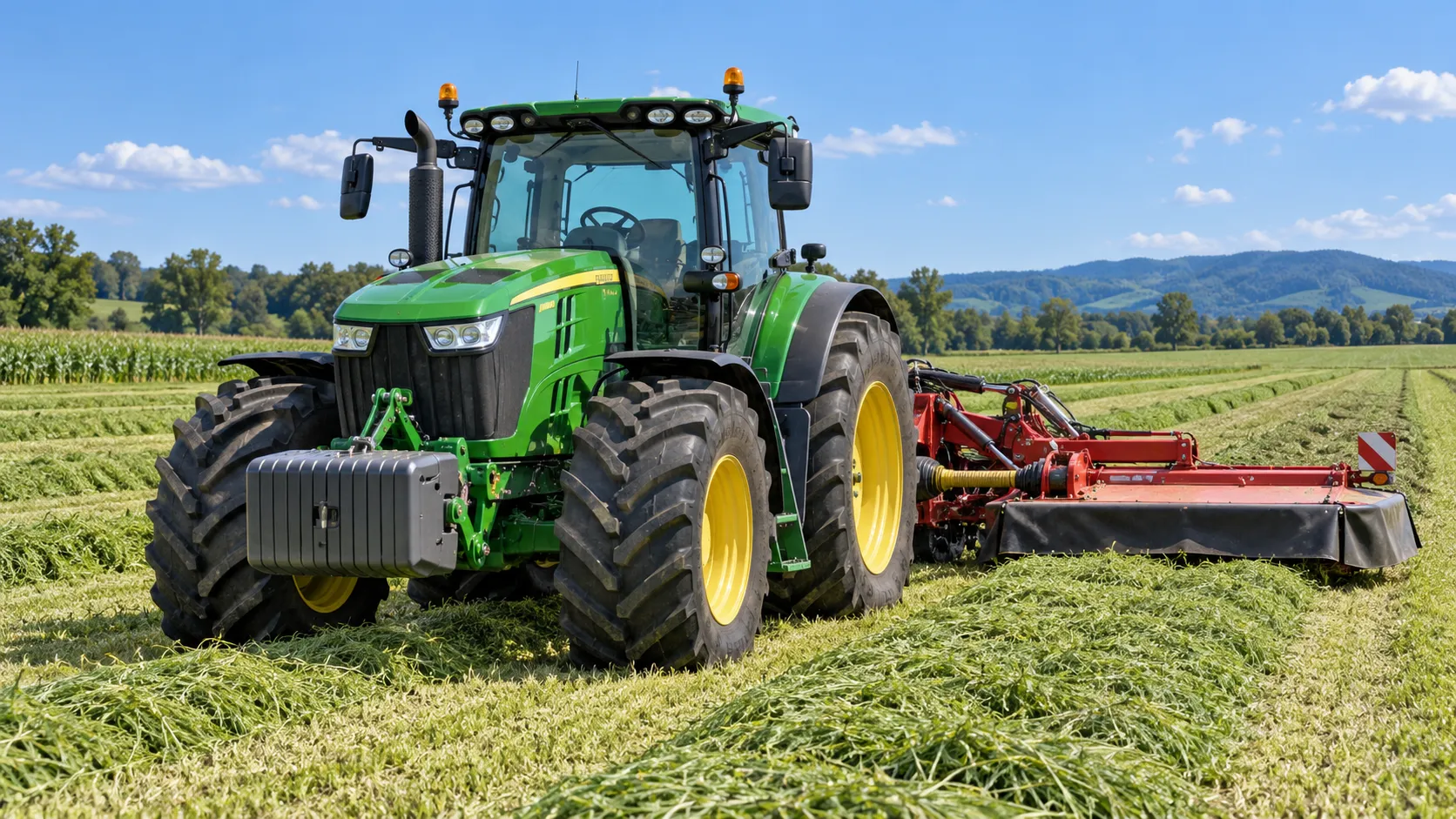
Tractor Specification Sheets: Matching PTO, Hydraulics, and Weight to Farm Tasks
Specification-oriented articles for tractors: match PTO, hydraulics, lift capacity, ballast, and weight to real farm tasks for safer, more efficient equipment choices.
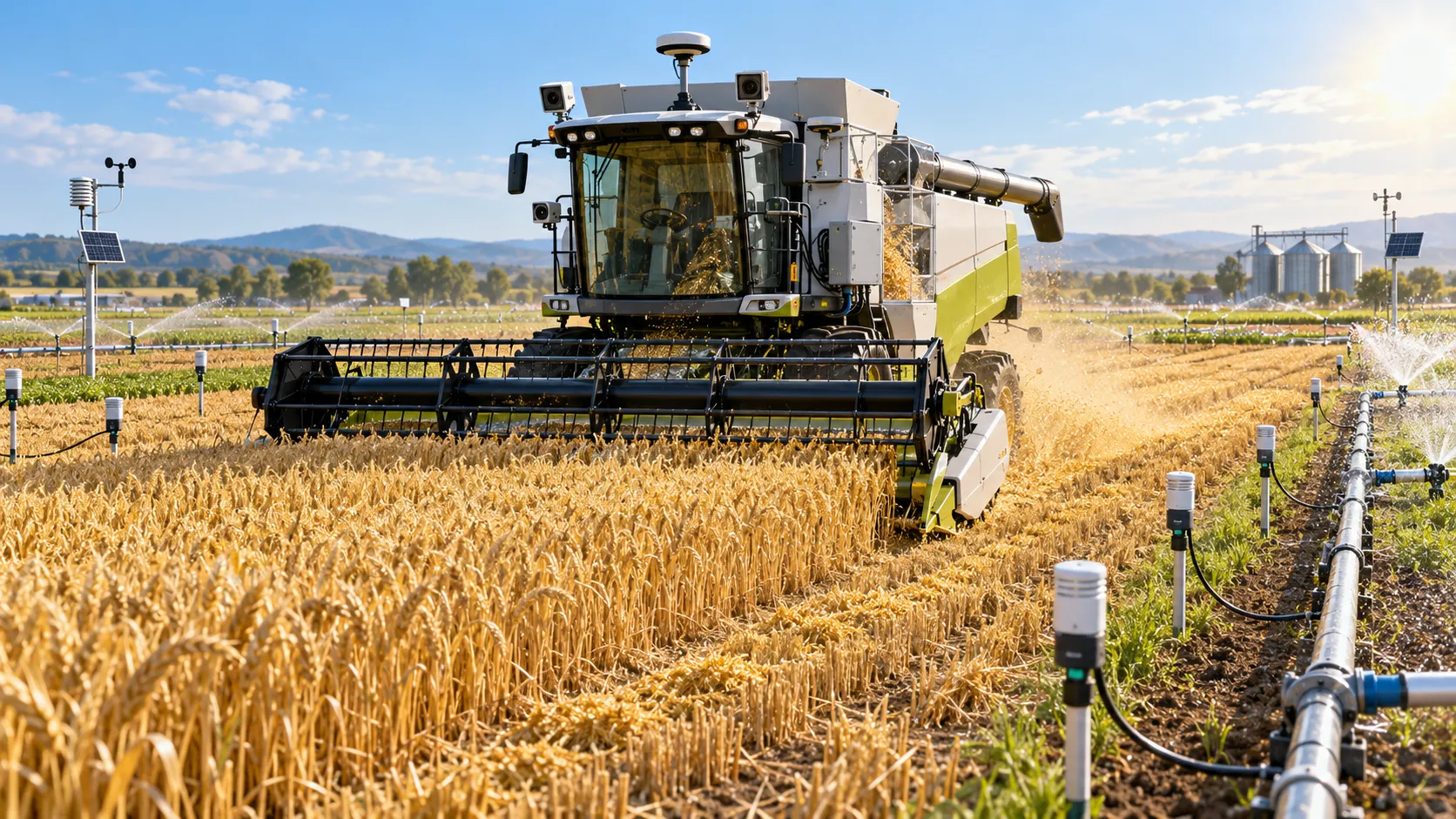
How to Evaluate Dynamic Feedback Algorithm Suppliers for Precision Farming Systems
Dynamic feedback algorithms supplier evaluation guide for precision farming—compare validation, integration, safety, and pilots to choose with confidence.
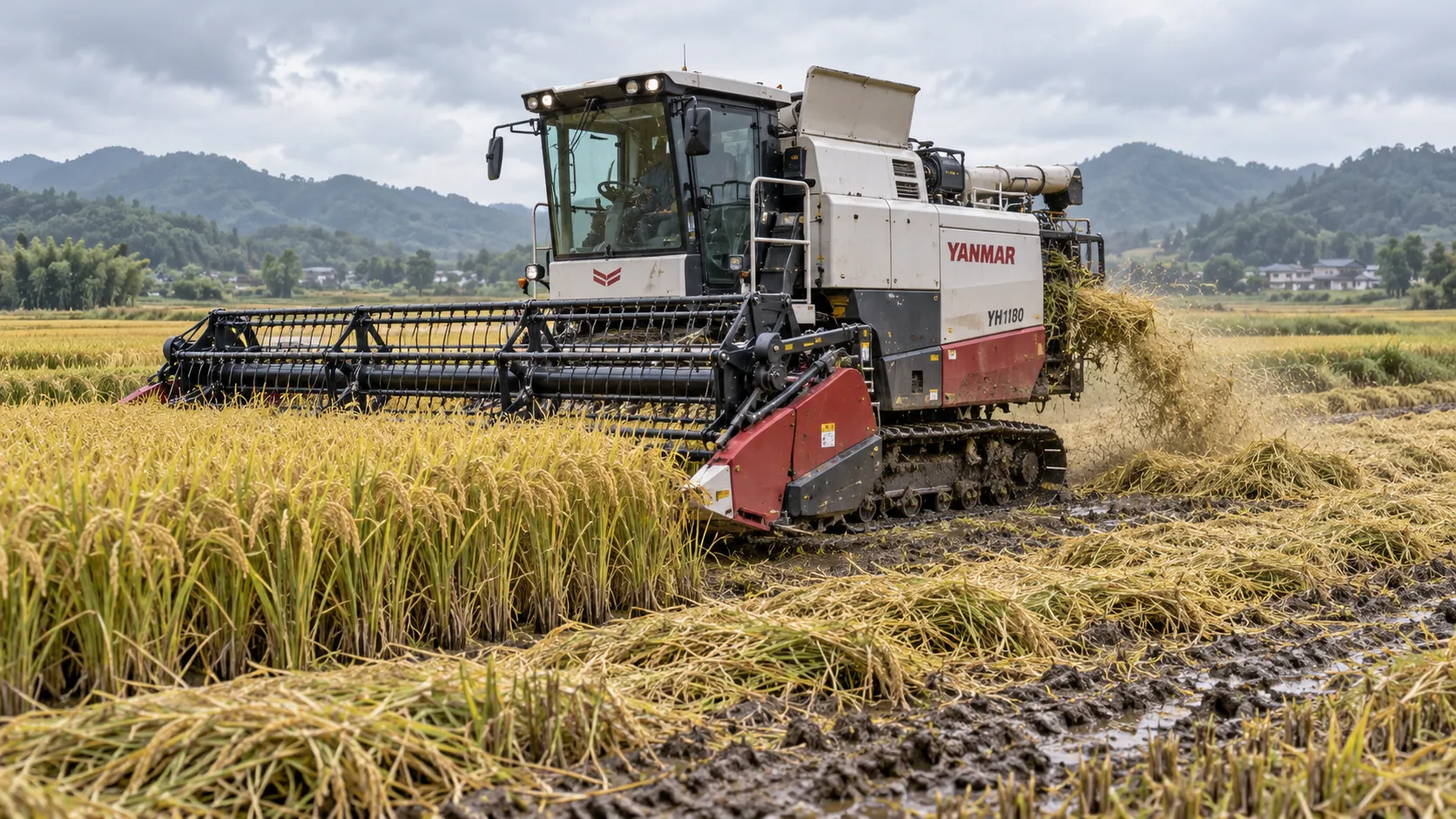
How to Specify Combine Harvester Systems for High-Moisture Grain and Variable Field Conditions
Combine harvester systems for high-moisture grain: learn how to specify threshing, cleaning, headers, traction, and automation for reliable harvests in variable fields.
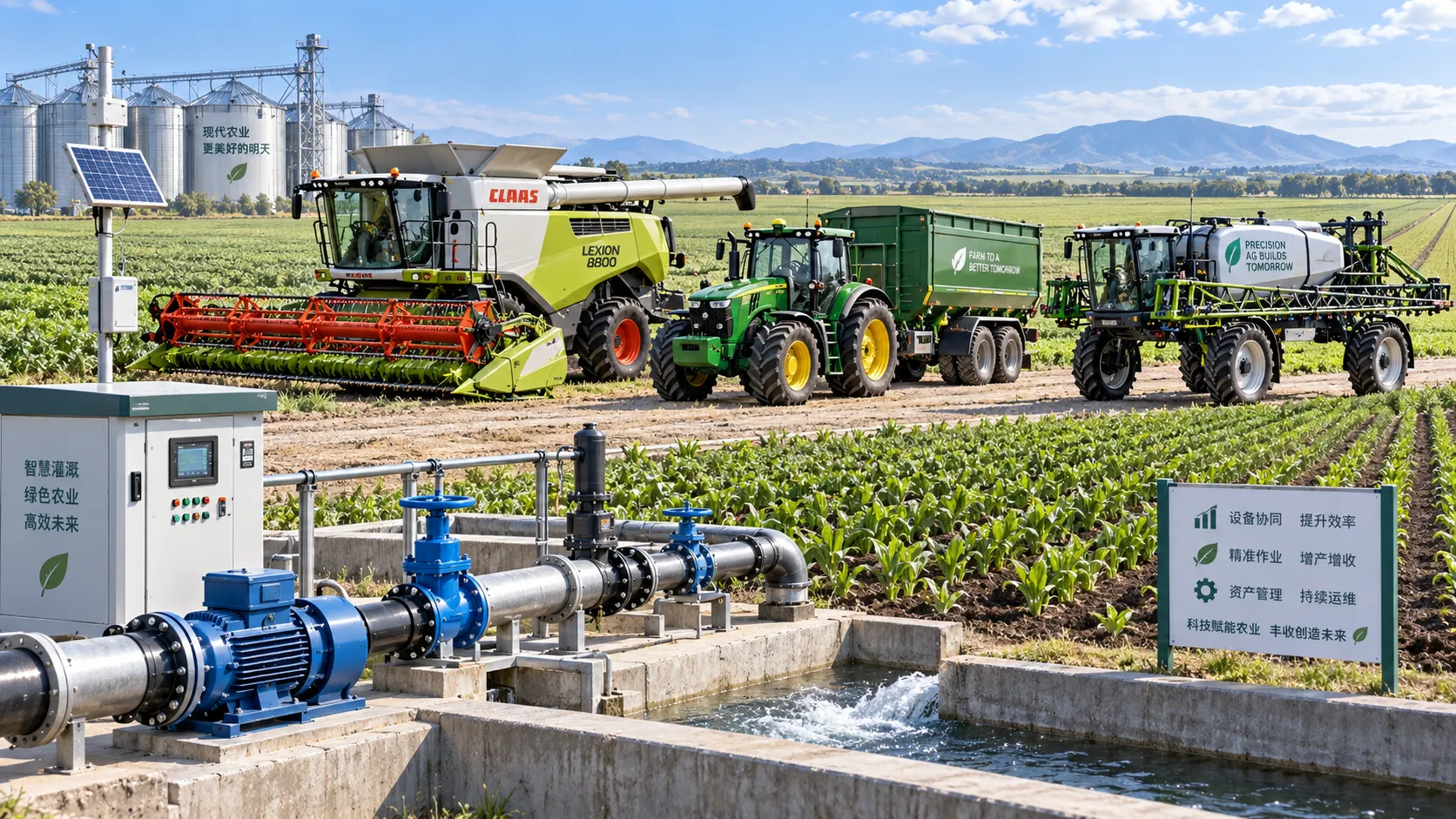
How to Compare Agricultural Equipment Platforms for Fleet Management and ROI
Agricultural equipment platform comparison: evaluate fleet data, maintenance, precision workflows, and ROI to choose a system that delivers measurable results.
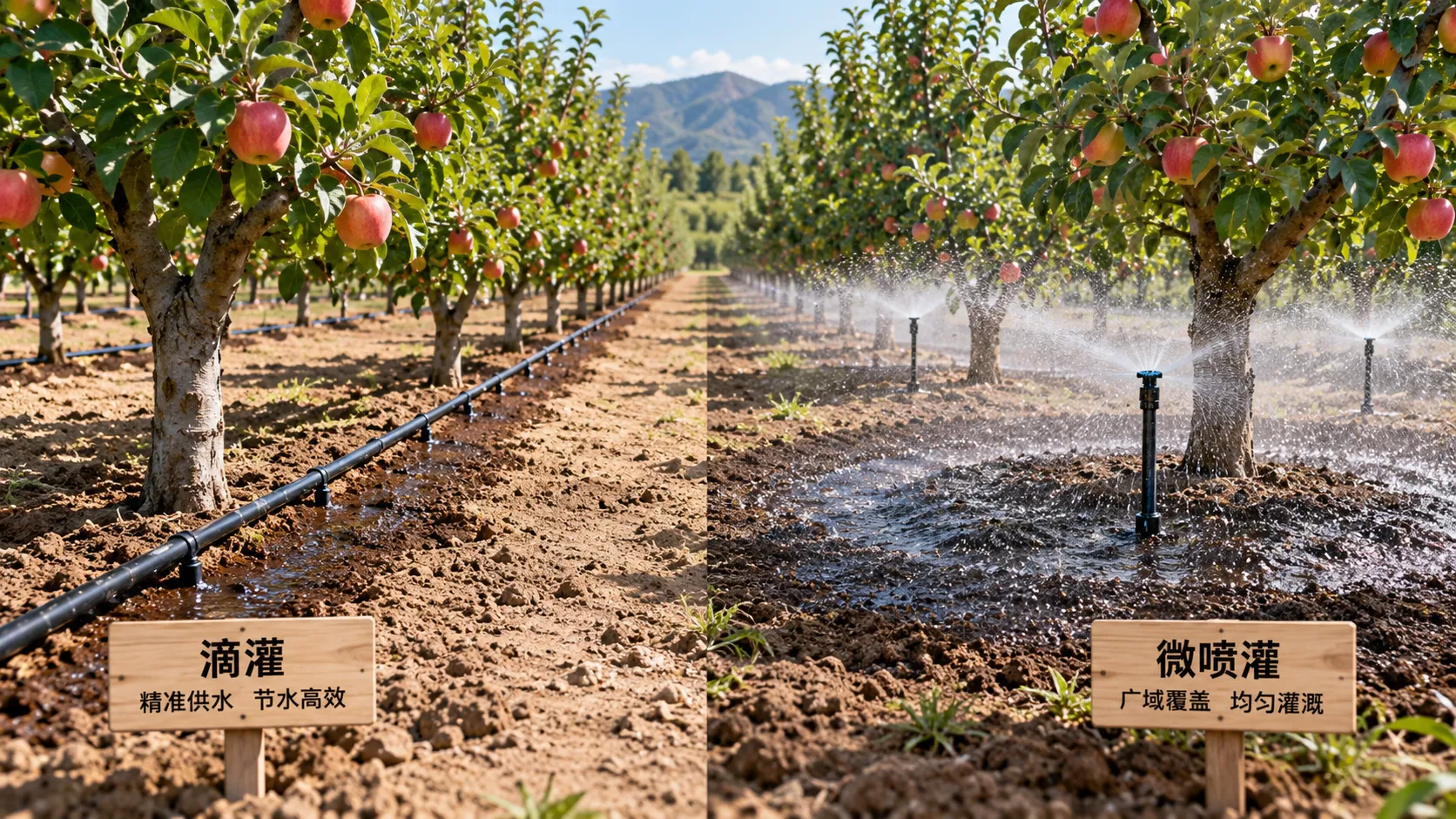
Drip vs. Micro-Sprinkler Irrigation: Which System Fits Your Orchard?
Irrigation solution comparison for orchards: discover whether drip or micro-sprinklers best match your water, soil, roots, fertigation, and frost needs.
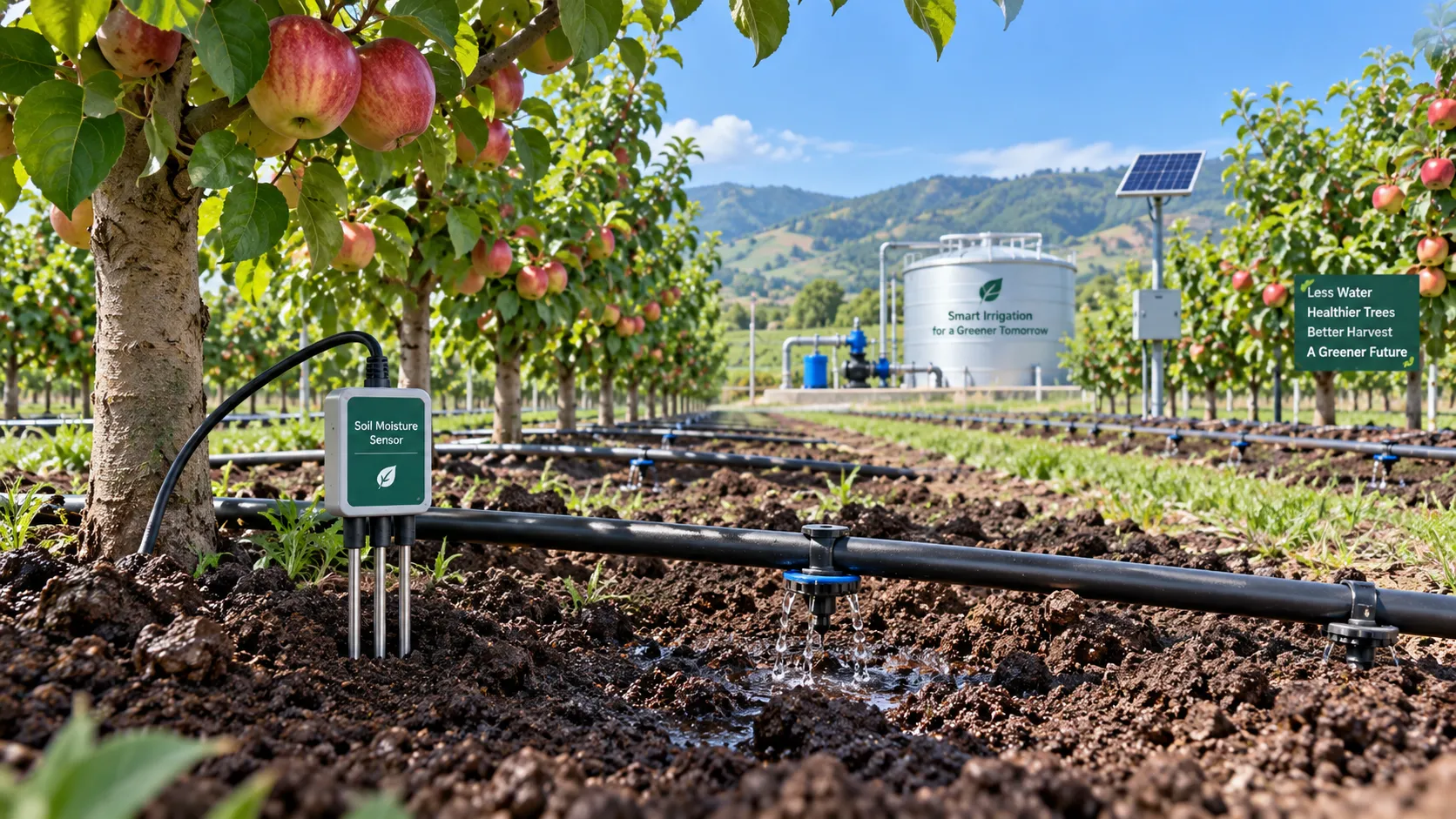
Orchard Water Management: Using Soil Moisture Data to Schedule Irrigation
Agricultural water management for orchards made practical: use soil moisture data to optimize irrigation timing, protect yield, reduce costs, and improve resilience.
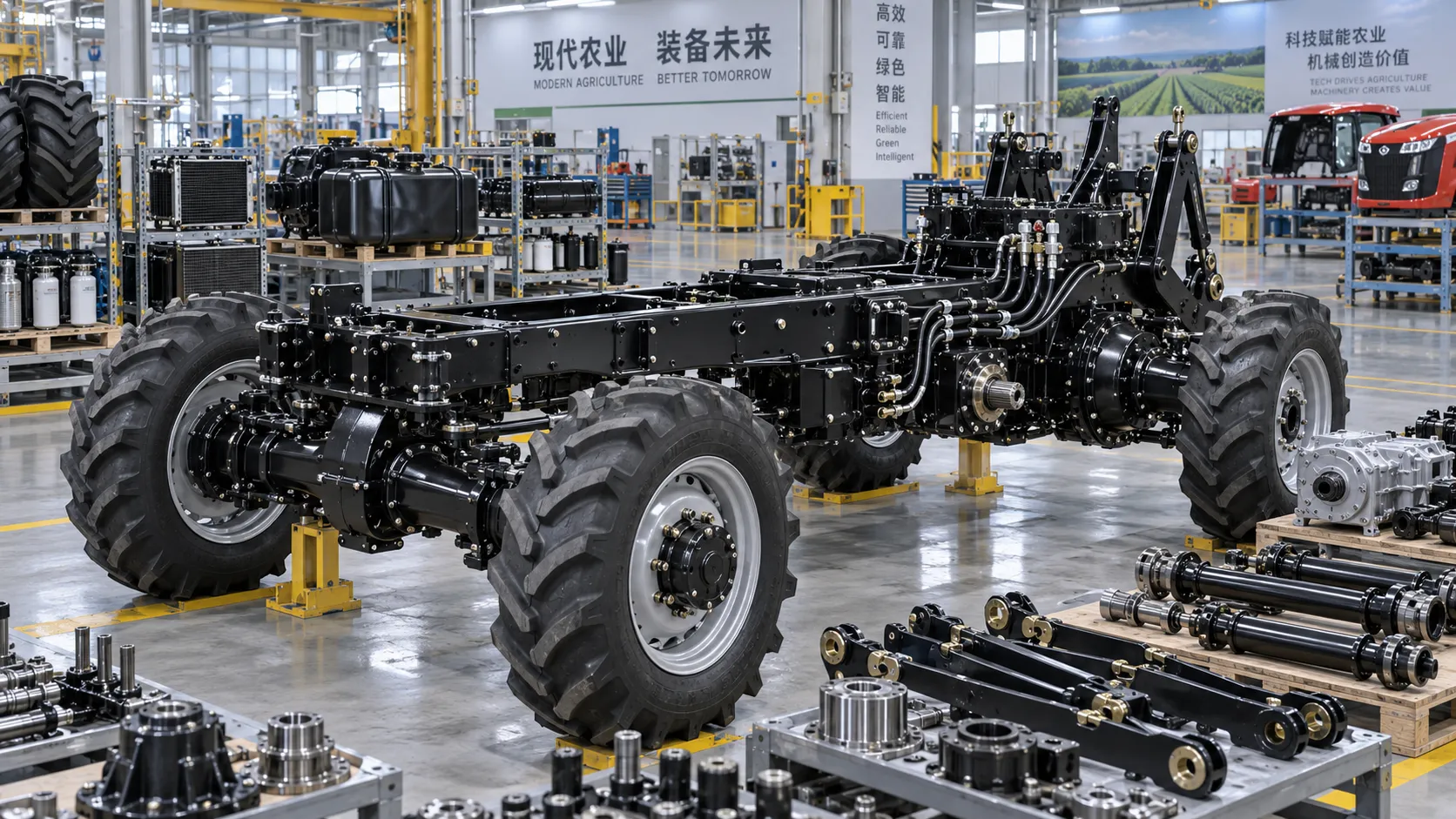
Tractor Chassis Price: What Buyers Should Compare Beyond the Initial Quote
Tractor chassis price is only the start. Compare load capacity, compatibility, durability, and lifecycle costs to choose a reliable, high-value chassis.
Related News
- 00
0000-00
Farm Machinery Sourcing: How to Vet Suppliers, Specs, and Lifecycle Costs - 00
0000-00
How to calculate ROI on precision agriculture equipment before buying - 00
0000-00
Tractor Specification Sheets: Matching PTO, Hydraulics, and Weight to Farm Tasks - 00
0000-00
How to Evaluate Dynamic Feedback Algorithm Suppliers for Precision Farming Systems - 00
0000-00
How to Specify Combine Harvester Systems for High-Moisture Grain and Variable Field Conditions
Popular Tags
Industry Global
Weekly Insights
Stay ahead with our curated technology reports delivered every Monday.