
ASTM F2100-26 Takes Effect: New Benchmark for Agricultural Vehicle Cabin Air Filters





Effective May 1, 2026, the updated ASTM F2100-26 standard for medical face masks has entered into force in the United States. While originally developed for healthcare PPE, its test protocols for bacterial filtration efficiency (BFE), particulate filtration efficiency (PFE), and airflow resistance are now being formally adopted by North American agricultural equipment manufacturers as a technical reference for HEPA-grade cabin air filters—particularly those integrated into all-wheel drive and GPS guidance system-equipped operator cabins destined for U.S. and Canadian markets.
Key Regulatory Update Effective May 2026
The ASTM F2100-26 standard became effective on May 1, 2026. Its defined test methods for BFE, PFE, and pressure drop are now referenced by OEMs in North America to specify performance requirements for cabin air filtration modules. Exported driver cabin systems supporting all-wheel drive and GPS guidance functionalities must comply with these filtration and airflow criteria when entering the U.S. and Canadian markets.
Impact Across the Agricultural Equipment Supply Chain
Export-Oriented Manufacturers
Companies directly exporting complete cabin modules or integrated cockpit systems face immediate compliance obligations. Product certification, technical documentation, and pre-shipment testing must now align with ASTM F2100-26’s filtration and resistance parameters—not just for medical devices, but for agricultural vehicle interior air systems.
Raw Material and Component Suppliers
Suppliers of filter media, gaskets, housings, and sealing components must verify that their materials meet the airflow resistance thresholds and particulate retention levels implied by ASTM F2100-26. Substitution without revalidation may compromise compliance, especially for multi-layer HEPA composites.
Contract Manufacturers and Assembly Facilities
Firms engaged in final assembly or integration of cabin modules must update quality control checkpoints to include standardized BFE/PFE verification (e.g., via sodium chloride or latex sphere challenge tests) and differential pressure measurement under specified flow rates—mirroring ASTM F2100-26’s test conditions.
Logistics and Certification Support Providers
Third-party testing labs, certification consultants, and export documentation services need to expand their scope to cover non-medical applications of ASTM F2100-26. This includes interpreting test reports for regulatory acceptance by agricultural OEM procurement teams and customs authorities in target markets.
Actionable Steps for Exporters and Suppliers
Review Filter Performance Specifications Against ASTM F2100-26 Protocols
Confirm whether existing cabin filter designs satisfy the standard’s minimum BFE ≥ 95% (at 3.0 µm), PFE ≥ 95% (at 0.1 µm), and maximum pressure drop limits at specified airflow rates (e.g., 8 L/min for Level 1). Re-testing under ASTM-specified conditions is recommended—even if prior certifications exist under other standards.
Align Technical Documentation with OEM Procurement Requirements
Update datasheets, test reports, and declarations of conformity to explicitly cite ASTM F2100-26 compliance—including test method version, sample lot traceability, and environmental conditioning details (e.g., 25°C/30% RH preconditioning).
Engage Early with North American OEM Engineering Teams
Clarify whether compliance is required at component level (filter element only) or system level (installed cabin module), and confirm acceptance criteria for aging, vibration, and thermal cycling—since ASTM F2100-26 itself does not address durability beyond initial filtration performance.
Industry Perspective: From Medical Standard to Agricultural Benchmark
Analysis shows this adoption reflects a broader trend: cross-sector repurposing of stringent medical and industrial filtration standards to enhance occupant health in high-dust operational environments. From an industry perspective, it signals growing emphasis on operator wellness as a differentiator in premium agricultural machinery—especially for long-duration field operations. What deserves closer attention is the potential ripple effect: similar referencing of ASTM F2100 variants may emerge in construction, forestry, and mining equipment segments where cabin air quality is similarly critical.
Strategic Implication for Global Suppliers
This development marks a quiet but meaningful shift—from viewing cabin air filters as passive consumables to treating them as certified safety-critical subsystems. It elevates technical due diligence, extends validation timelines, and reinforces the importance of standardized, third-party-verified performance data. For exporters, proactive alignment with ASTM F2100-26 is no longer optional for competitive access to North American OEM supply chains.
Source Information and Verification Notes
This article was generated based solely on the provided title, event date (2026-05-01), and summary text. Specific official source links were not provided in the input and should be verified continuously. Stakeholders are advised to monitor updates from ASTM International, North American agricultural OEM procurement bulletins, and U.S. Customs and Border Protection commodity-specific guidance—particularly as implementation interpretations, enforcement timelines, and audit expectations evolve post-May 2026.
Related News

Tractor Specification Sheets: Matching PTO, Hydraulics, and Weight to Farm Tasks
Specification-oriented articles for tractors: match PTO, hydraulics, lift capacity, ballast, and weight to real farm tasks for safer, more efficient equipment choices.

How to Evaluate Dynamic Feedback Algorithm Suppliers for Precision Farming Systems
Dynamic feedback algorithms supplier evaluation guide for precision farming—compare validation, integration, safety, and pilots to choose with confidence.

How to Specify Combine Harvester Systems for High-Moisture Grain and Variable Field Conditions
Combine harvester systems for high-moisture grain: learn how to specify threshing, cleaning, headers, traction, and automation for reliable harvests in variable fields.
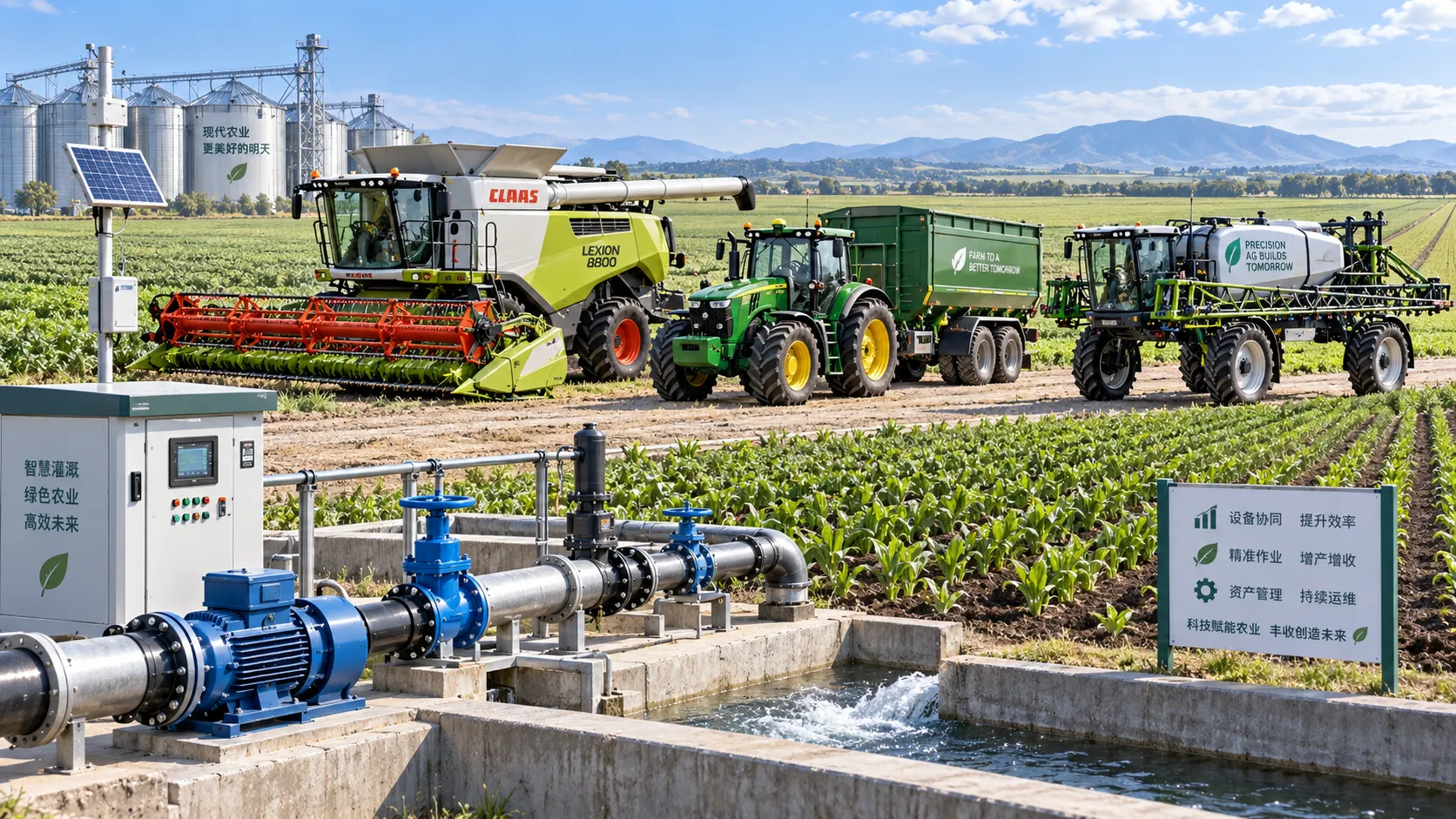
How to Compare Agricultural Equipment Platforms for Fleet Management and ROI
Agricultural equipment platform comparison: evaluate fleet data, maintenance, precision workflows, and ROI to choose a system that delivers measurable results.
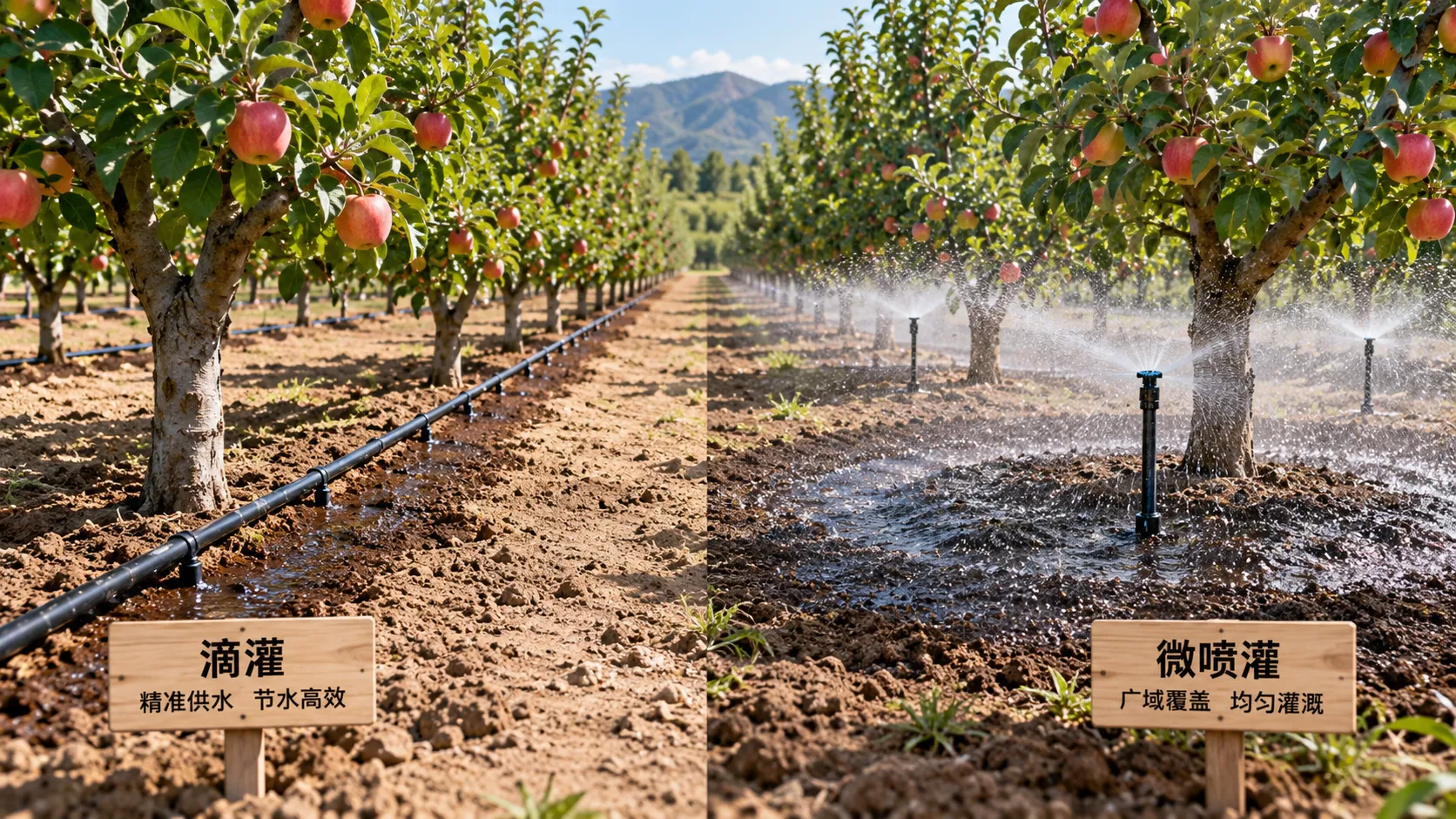
Drip vs. Micro-Sprinkler Irrigation: Which System Fits Your Orchard?
Irrigation solution comparison for orchards: discover whether drip or micro-sprinklers best match your water, soil, roots, fertigation, and frost needs.
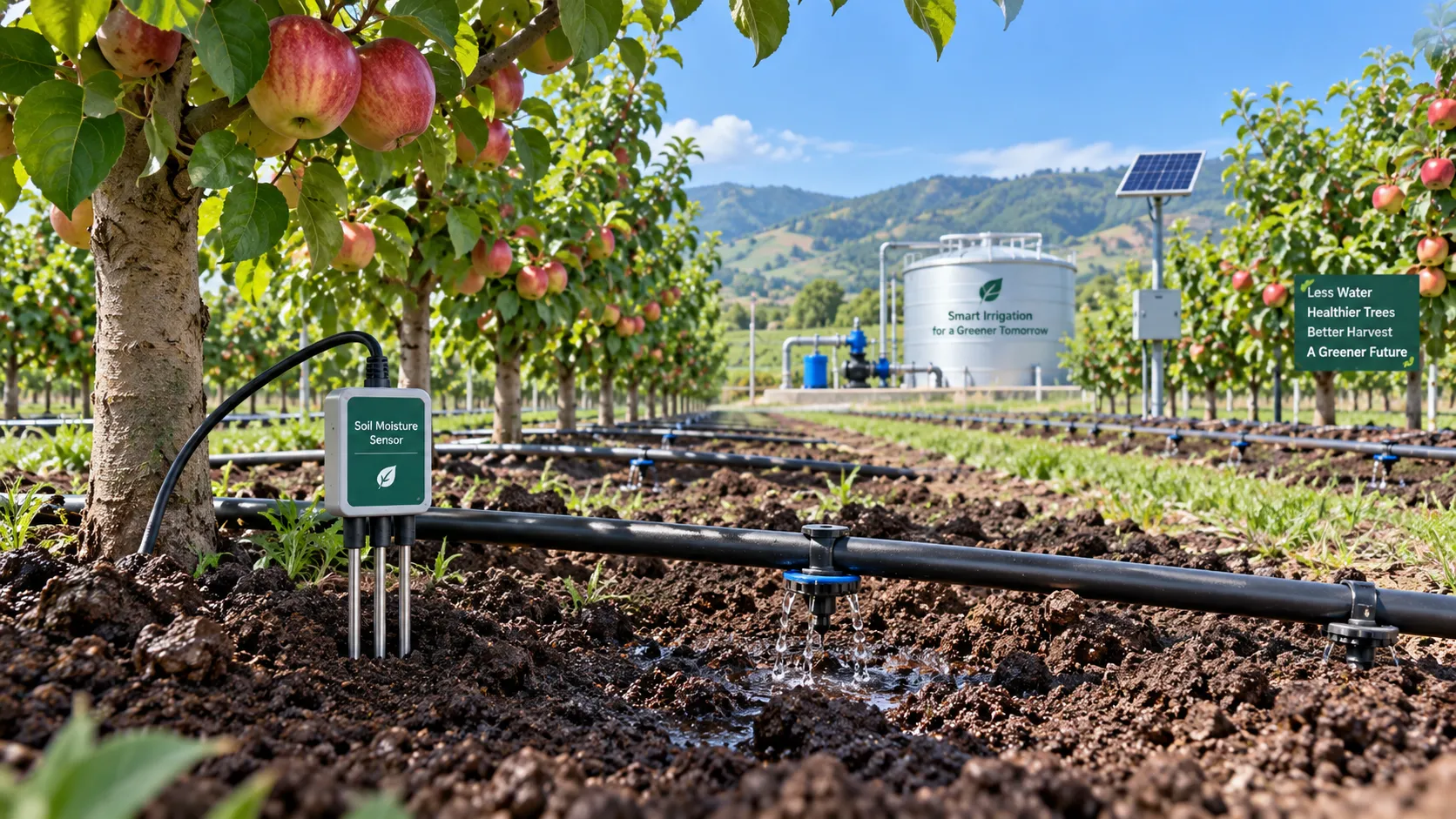
Orchard Water Management: Using Soil Moisture Data to Schedule Irrigation
Agricultural water management for orchards made practical: use soil moisture data to optimize irrigation timing, protect yield, reduce costs, and improve resilience.
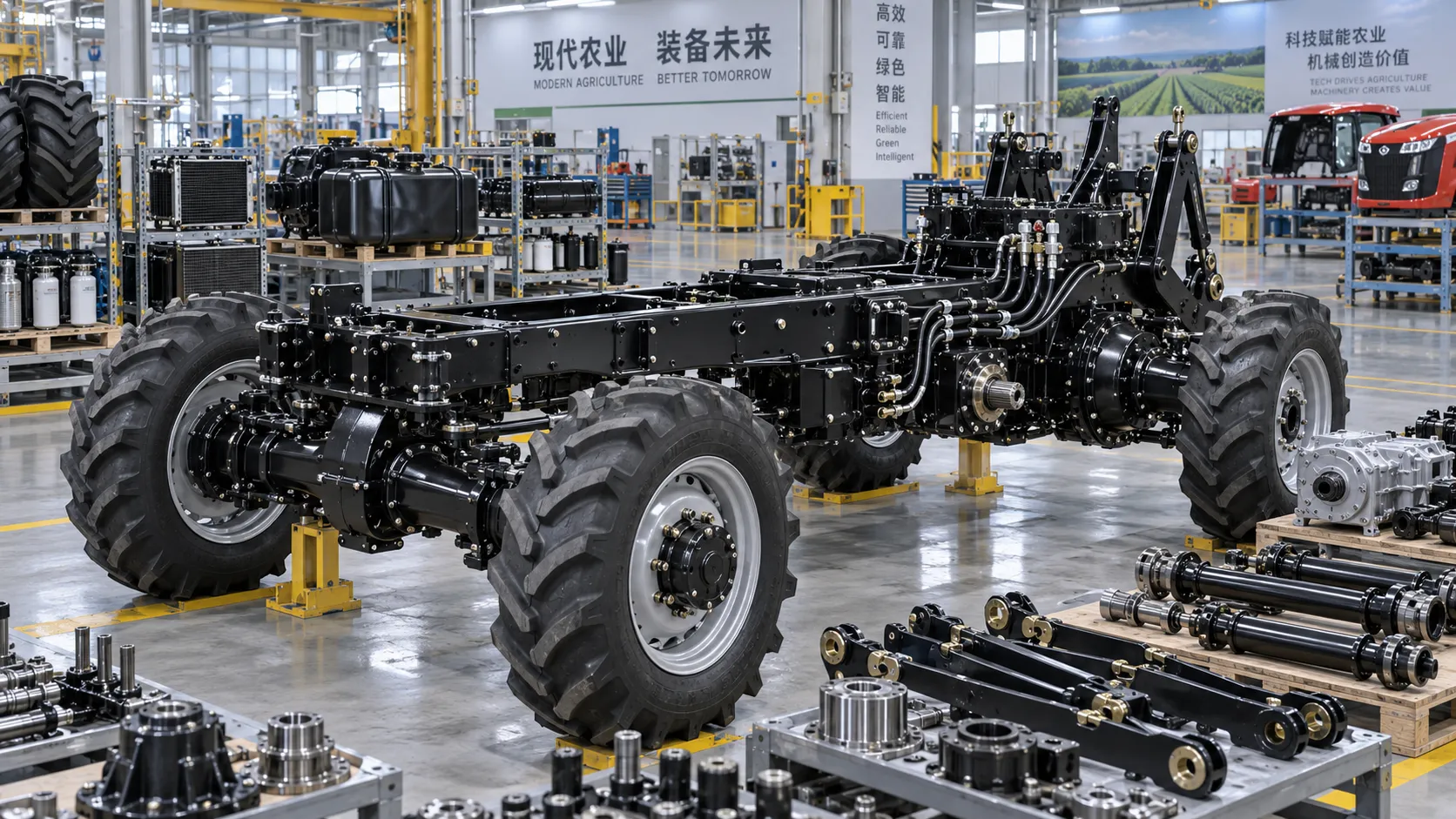
Tractor Chassis Price: What Buyers Should Compare Beyond the Initial Quote
Tractor chassis price is only the start. Compare load capacity, compatibility, durability, and lifecycle costs to choose a reliable, high-value chassis.
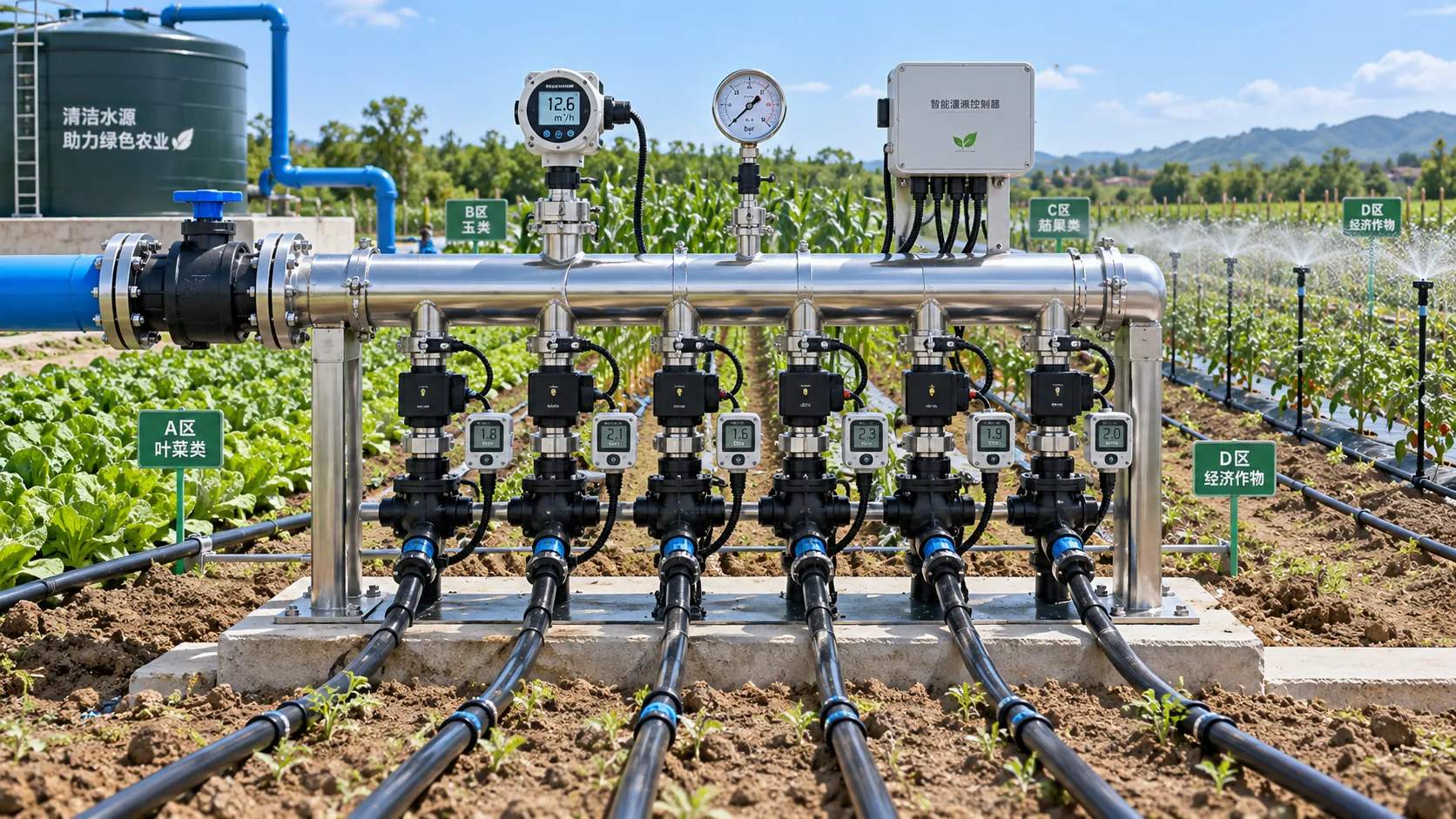
How to Select Smart Irrigation Valves for Multi-Zone Water Management?
Intelligent irrigation systems valves: learn how to match smart valves with multi-zone flow, pressure, control, feedback, and communication needs for reliable water management.

Climate-Smart Farming for Drought: A Practical Plan for Protecting Yields
Climate-smart farming for drought: build smarter water budgets, protect critical crop stages, improve irrigation uniformity, and safeguard yields with practical field-proven strategies.
Related News
- 00
0000-00
Tractor Specification Sheets: Matching PTO, Hydraulics, and Weight to Farm Tasks - 00
0000-00
How to Evaluate Dynamic Feedback Algorithm Suppliers for Precision Farming Systems - 00
0000-00
How to Specify Combine Harvester Systems for High-Moisture Grain and Variable Field Conditions - 00
0000-00
How to Compare Agricultural Equipment Platforms for Fleet Management and ROI - 00
0000-00
Drip vs. Micro-Sprinkler Irrigation: Which System Fits Your Orchard?
Popular Tags
Industry Global
Weekly Insights
Stay ahead with our curated technology reports delivered every Monday.