
When does equipment for sustainable farming justify a higher capital spend?
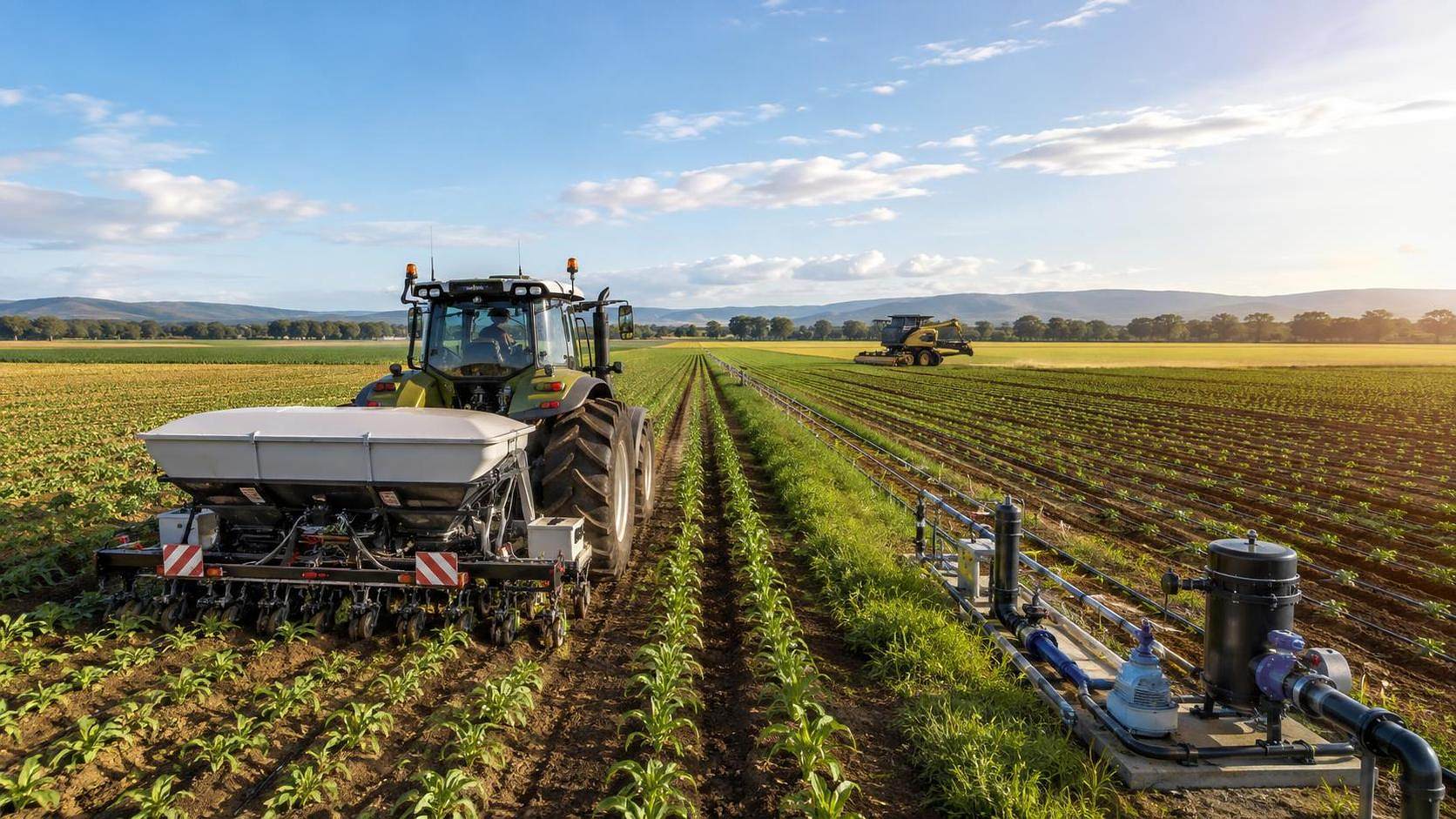




When Does Equipment for Sustainable Farming Justify a Higher Capital Spend?
For a financial approver, the difficult question is rarely whether equipment for sustainable farming carries a higher purchase price. It often does. The real question is whether that premium changes the economics of the operation in ways that can be measured, defended, and sustained over the asset’s working life.
A machine marketed as efficient is not automatically a sound capital investment. A precision irrigation system may reduce unnecessary water application, but its value depends on water cost, field variability, crop sensitivity, pumping requirements, maintenance capacity, and the quality of the control strategy. A combine harvester with advanced loss monitoring may protect more marketable grain, but only if the farm can use its data during a narrow and demanding harvest window. The same discipline applies to high-spec tractor chassis, guidance systems, variable-rate tools, electric drives, and autonomous functions.
Higher capital spend becomes defensible when it buys an operational capability that a lower-cost alternative cannot reliably provide—and when that capability addresses a material cost, production, timing, or compliance risk. The evaluation should therefore move beyond acquisition price toward lifecycle value and downside protection.
Start with the Cost That Actually Constrains the Farm
Sustainability investments are sometimes assessed through a narrow “green premium” lens. That framing can obscure the commercial issue. In large-scale farming, the most expensive inefficiency may not be fuel consumption. It may be a missed planting window, labor shortages during peak operations, recurring irrigation pressure failures, excessive crop loss at harvest, soil compaction, or limited access to water.
The first task is to identify the constraint in financial terms. If labor availability is the limiting factor, automation, improved machine uptime, simpler implement changes, or more accurate guidance may be more valuable than an incremental fuel-saving feature. If water availability is uncertain, the investment case for irrigation automation should focus not only on reduced water use, but also on avoiding stress at critical crop stages and improving control over energy used for pumping. If margins are being eroded by harvest losses or quality penalties, the relevant comparison is between recoverable crop value and the full cost of improving harvesting performance.
This makes capital approval more rigorous. Rather than asking whether a machine is “sustainable,” ask which recurring operational expense, production risk, or bottleneck it changes. If the answer is vague, the premium is likely premature.
A useful test: does the investment change a decision or merely add a feature?
Many intelligent farm tools generate data. Far fewer improve a decision quickly enough to affect field outcomes. Satellite positioning, sensors, telematics, yield maps, and irrigation controls only earn their cost when somebody can act on the information: adjusting an application rate, re-routing machinery, scheduling maintenance, changing cleaning settings, or altering irrigation timing.
Financial teams should be wary of paying for data collection without a defined operating workflow. The question is not “Does it have connectivity?” but “Who reviews the signal, what action follows, and how will the result be verified?” A lower-cost system used consistently may produce more value than a sophisticated platform that remains disconnected from field management.
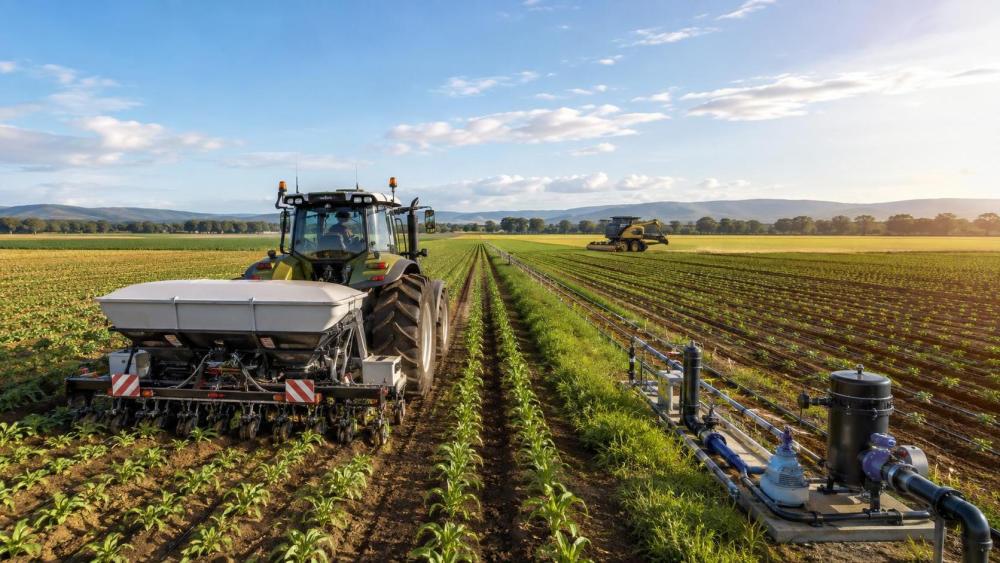
Build the Business Case Around Lifecycle Economics, Not Purchase Price
The purchase price is visible and immediate; lifecycle costs are distributed across years and departments. That imbalance can make a lower-priced machine look safer than it is. A robust approval model should capture the cash effects that are likely to differ between alternatives, while avoiding unsupported assumptions.
The model does not need false precision. It does need a credible baseline. Historical fuel records, maintenance invoices, irrigation energy bills, labor logs, acreage, crop receipts, and machine utilization data can provide a more useful starting point than generic claims. Where evidence is incomplete, it is better to model a conservative range than to convert a supplier estimate into a certainty.
A capital request should also distinguish between savings that improve cash flow and benefits that reduce exposure. A machine that shortens a critical harvest operation may not show a neat monthly saving. Yet it may substantially reduce the chance that adverse weather turns standing crop into a quality or loss problem. That risk reduction can be commercially meaningful, particularly where one delayed operation affects a large area.
Where the Premium Is Often Easier to Defend
Certain operating conditions tend to make higher-spec equipment more rational, although each project still requires local validation. One is high annual utilization. The more hours a tractor, harvester, pumping system, or application tool runs, the more quickly differences in fuel use, reliability, work rate, and maintenance discipline become financially visible. An advanced machine that is underused may remain an expensive asset; the same machine working intensively across a large acreage can have a very different cost profile.
Another is a narrow operational window. Harvesting, planting, spraying, and irrigation response are all time-sensitive in different ways. A combine with better throughput, real-time monitoring, and settings that can be adjusted to changing crop conditions may command a premium if it helps the operator preserve capacity during a compressed season. However, throughput claims should be evaluated alongside grain loss, grain quality, unloading logistics, transport capacity, and field conditions. A faster machine can simply shift the bottleneck elsewhere.
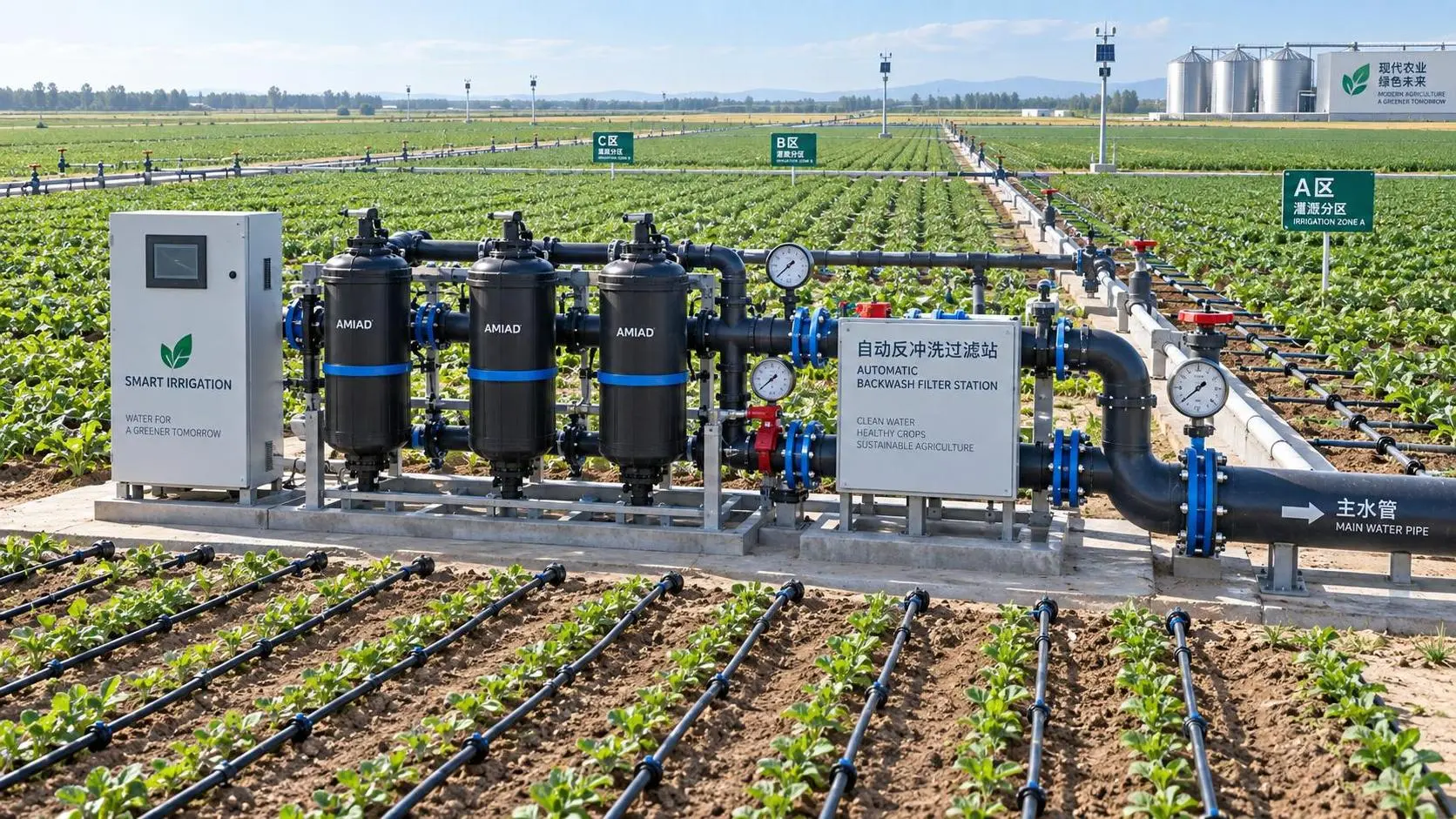
Water-constrained production is a third area. Intelligent irrigation can be justified when it gives the farm meaningful control over application timing, pressure, flow, or zone-level response. The investment case is stronger when the farm already has reliable field data, can maintain filtration and distribution components, and has clear responsibility for monitoring the system. It is weaker when the underlying infrastructure is unreliable or when the operation cannot act on alerts during critical periods.
Precision implements may also warrant additional spend where input costs, field variation, or documentation demands are significant. Yet variable-rate capability is not inherently profitable. The farm needs usable prescriptions, calibrated equipment, compatible data formats, and a process for checking whether commanded and delivered rates match. The capital item is only one part of the system.
Do Not Approve Hardware Without the Operating System Around It
A recurring procurement mistake is to compare machine specifications while treating implementation as a minor afterthought. Sustainable equipment frequently depends on an ecosystem: operator training, dealer support, software access, communications coverage, agronomic interpretation, spare parts, and integration with existing implements or irrigation infrastructure.
This is especially relevant for connected machinery. Before approving an intelligent tractor system or automated implement, establish who owns the operational data, whether it can be exported, which subscriptions are required after the initial term, and how the equipment behaves if connectivity is interrupted. Confirm compatibility rather than assuming that common guidance or file formats will work seamlessly across brands and generations of equipment.
Serviceability deserves equal attention. In remote regions, a technically superior component can become a liability if it has a long repair lead time. Procurement should assess critical spares, local technician capability, diagnostic access, warranty exclusions, and the availability of temporary replacement capacity. The cost of downtime during harvest or irrigation stress is rarely captured by a standard maintenance line item.
Questions that should reach the approval committee
- What baseline operating data supports the claimed savings or performance improvement?
- Which benefit is expected to be realized in the first season, and which depends on future process changes?
- What happens if the machine, software, sensors, or communications fail during peak work?
- Can the farm maintain the equipment and use its decision tools without permanent dependence on external intervention?
- Does the expected residual value reflect the local market for this technology, not just a standard depreciation assumption?
These questions are not designed to slow down modernization. They prevent the organization from treating an operational transformation as a simple equipment purchase.
Risk Reduction Has Value, but It Must Be Specific
Sustainability-related equipment can also strengthen resilience against tightening resource constraints, buyer expectations, and reporting requirements. But “future-proofing” is too broad to carry a capital case on its own. The approver should identify the specific exposure being addressed: possible water allocation limits, fuel-price volatility, labor availability, traceability needs, soil damage from traffic, or pressure to document input use.
A better irrigation network, for example, may offer useful operating records, but whether those records satisfy a local requirement depends on the applicable rules and the quality of the underlying data. Lower-emission or hybrid tractor configurations may reduce fuel dependence in some duty cycles, but their economics depend on charging or fueling arrangements, maintenance competence, and actual field loading. The right approach is to treat regulatory and market benefits as scenario-based value, supported by current local guidance where available, not as automatic returns.
This is one reason why financial approval should include sensitivity testing. If fuel savings are lower than expected, does the investment still make sense because of uptime or labor capacity? If crop prices weaken, does reduced loss remain valuable enough? If the water situation changes, can the irrigation system be used effectively at lower volumes? A resilient case should not depend on one optimistic variable.
Use Intelligence to Separate Durable Value from Feature Inflation
The global agri-equipment market moves quickly, and specifications can make comparison difficult. A feature that appears innovative in a brochure may be standard within a few equipment cycles; another may reflect a genuine advance in hydraulic control, cleaning-loss feedback, application accuracy, or water management. The distinction matters when equipment will sit on the balance sheet for years.
AP-Strategy approaches this question through the connected realities of large-scale machinery, combine harvesting technology, tractor chassis, intelligent farm tools, and water-saving irrigation. Its Strategic Intelligence Center follows not only equipment developments, but also the practical links between mechanical performance, precision-agriculture algorithms, resource conditions, and commercial demand. For an approver, that perspective is useful because a purchase decision is rarely isolated: the harvester affects logistics and grain quality; the chassis affects implement performance and soil loading; irrigation hardware depends on hydrology and control logic.
The purpose of this type of market intelligence is not to declare one technology universally superior. It is to help decision-makers identify which capabilities are mature enough for the intended operating environment, which require supporting infrastructure, and which claims need to be tested against local conditions.
The Approval Standard: Pay More Only for a Measurable Advantage
Equipment for sustainable farming justifies a higher capital spend when it can be tied to a material and measurable advantage: lower operating cost, greater work capacity during a constrained period, reduced loss, improved resource control, stronger uptime, or a clearly defined reduction in exposure. It must also fit the farm’s people, infrastructure, service network, and data practices.
The strongest approvals do not rely on broad promises of efficiency. They compare realistic alternatives, establish a baseline, state the assumptions openly, and test the case under less favorable conditions. Before committing, confirm the duty cycle, support arrangements, recurring software or service costs, compatibility requirements, and the method that will be used to measure results after deployment.
If the premium survives that scrutiny, it is no longer simply a sustainability expense. It is a capital decision built around operational control.
Related News
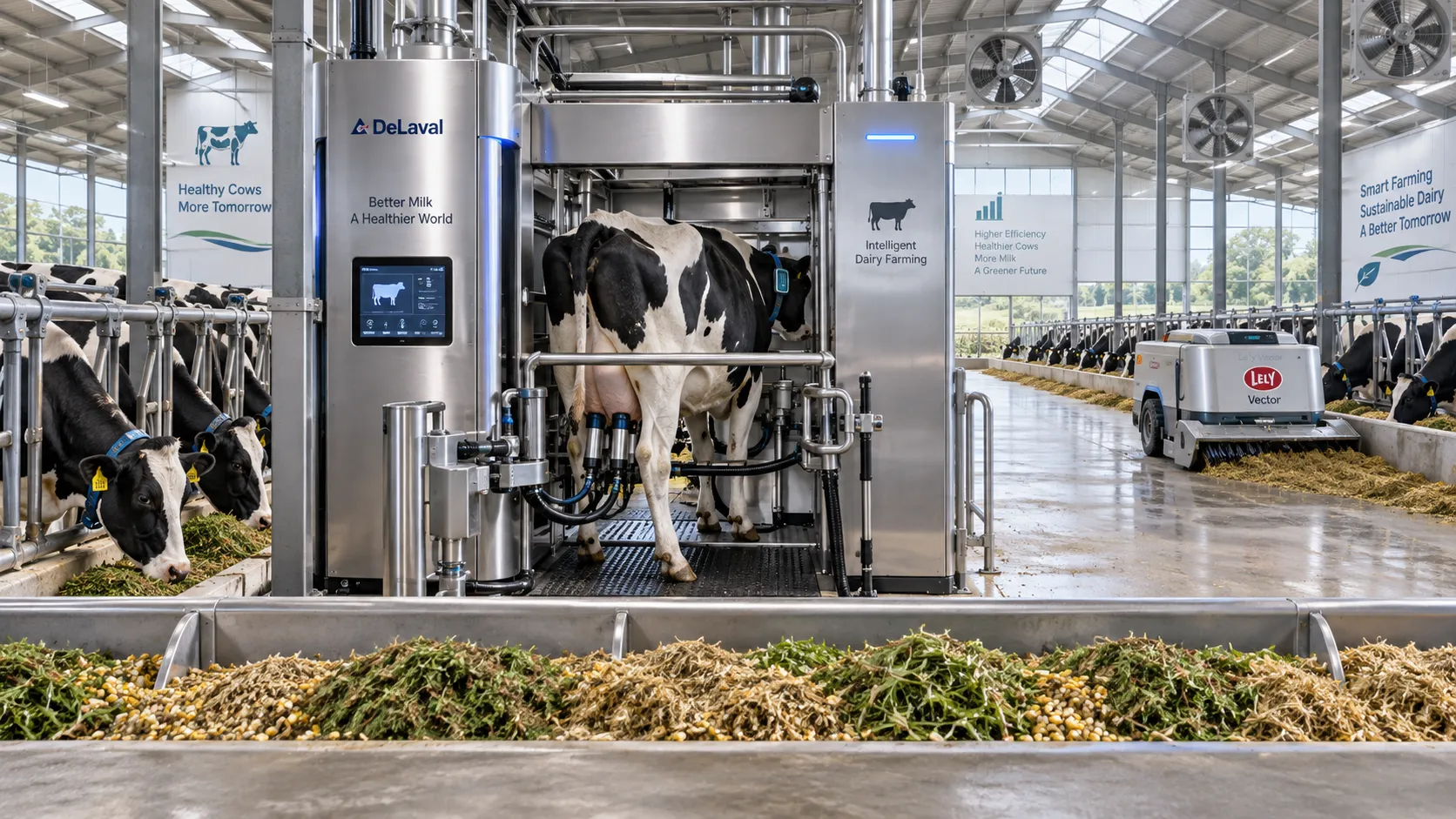
Smart Farming Technology for Dairy Farms: Where Automation Delivers Measurable ROI
Smart farming technology for dairy farms delivers measurable ROI through automation, precision feeding, health monitoring, and data-driven cost control.
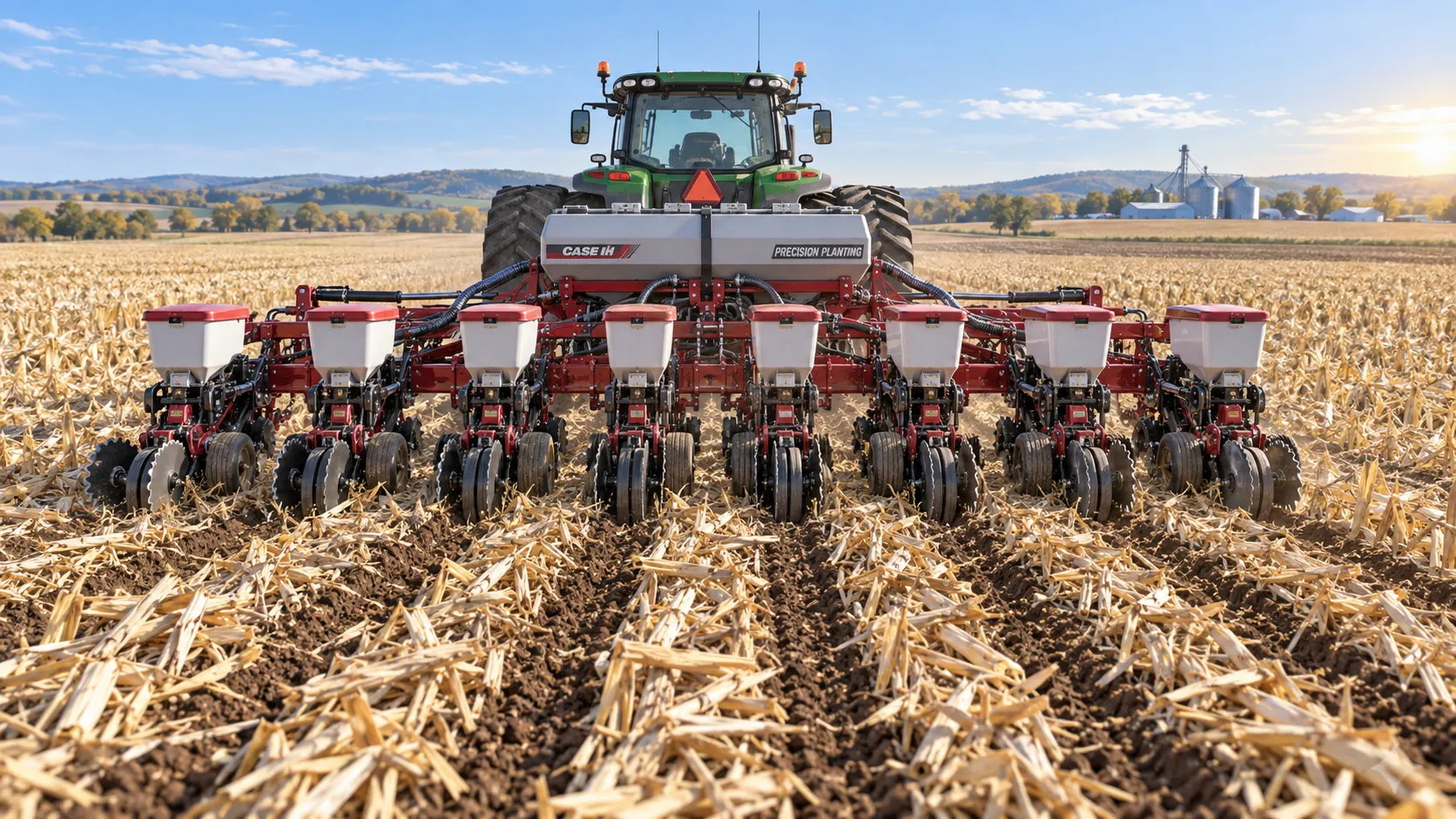
How to Select a Heavy-Duty Seeder for Large Acreage and High-Residue Fields
Heavy duty seeders for large acreage: compare residue handling, depth control, downforce, metering accuracy, and precision features to select the right model.
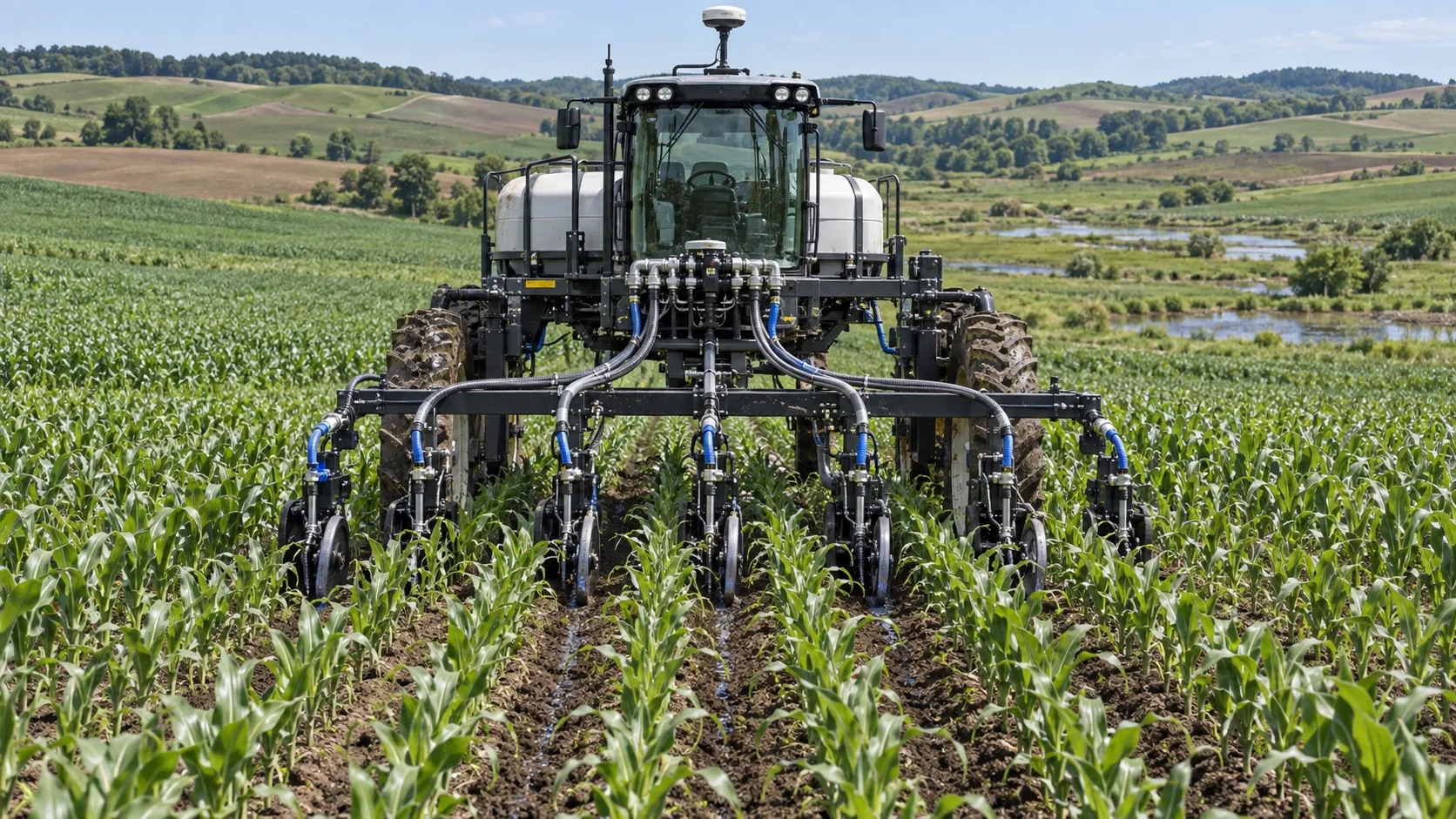
How to Select a Precision Fertilization System for Variable Corn Field Conditions
Precision fertilization systems for corn farming: learn how to match data, placement, control accuracy, and ROI to variable field conditions for better results.
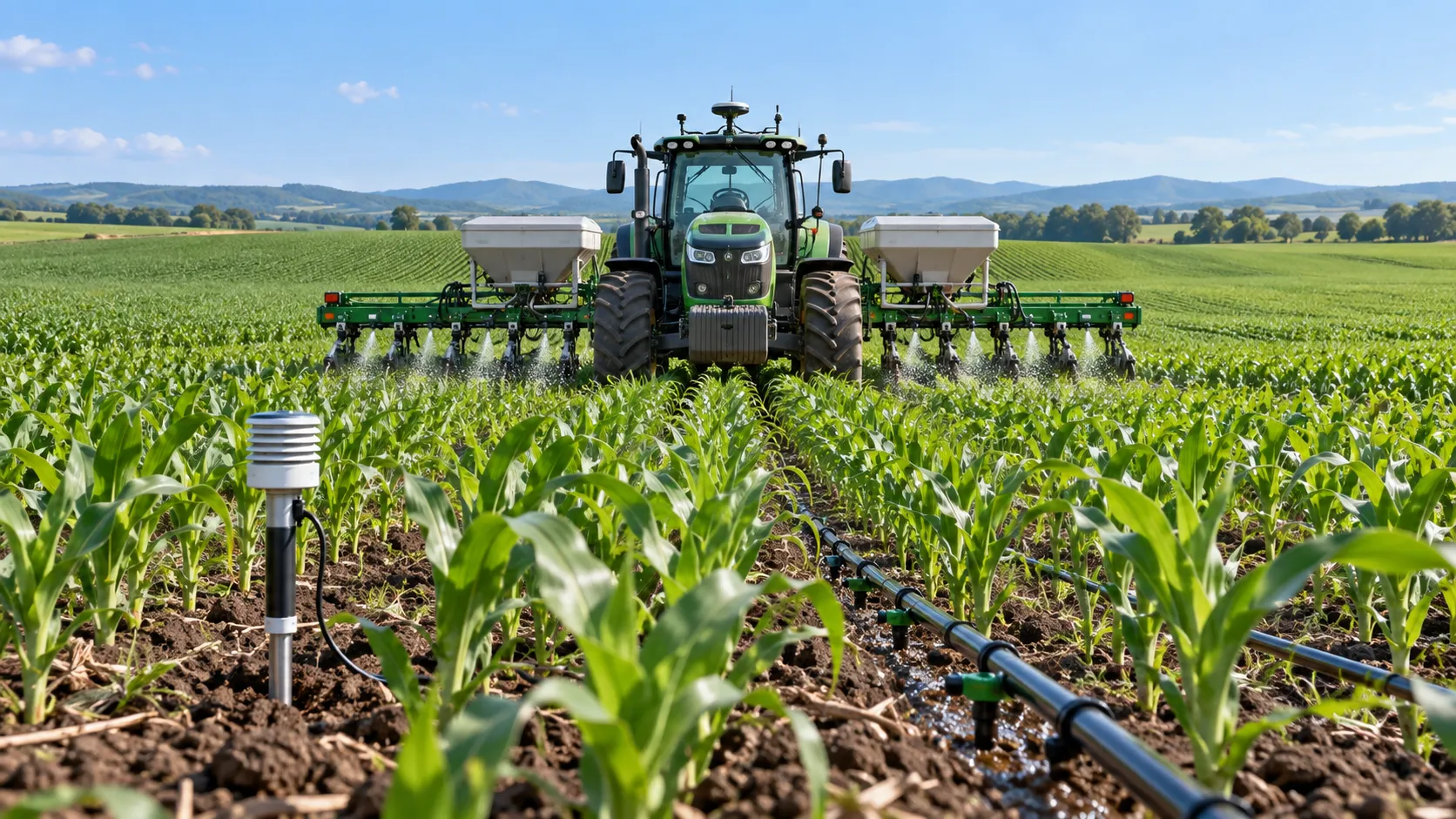
Selecting Precision Farming Products by Application: Field Conditions, Crops, and ROI
Application-based product selection for precision farming: match technology to field conditions, crops, machinery, and ROI for smarter, reliable farm investments.
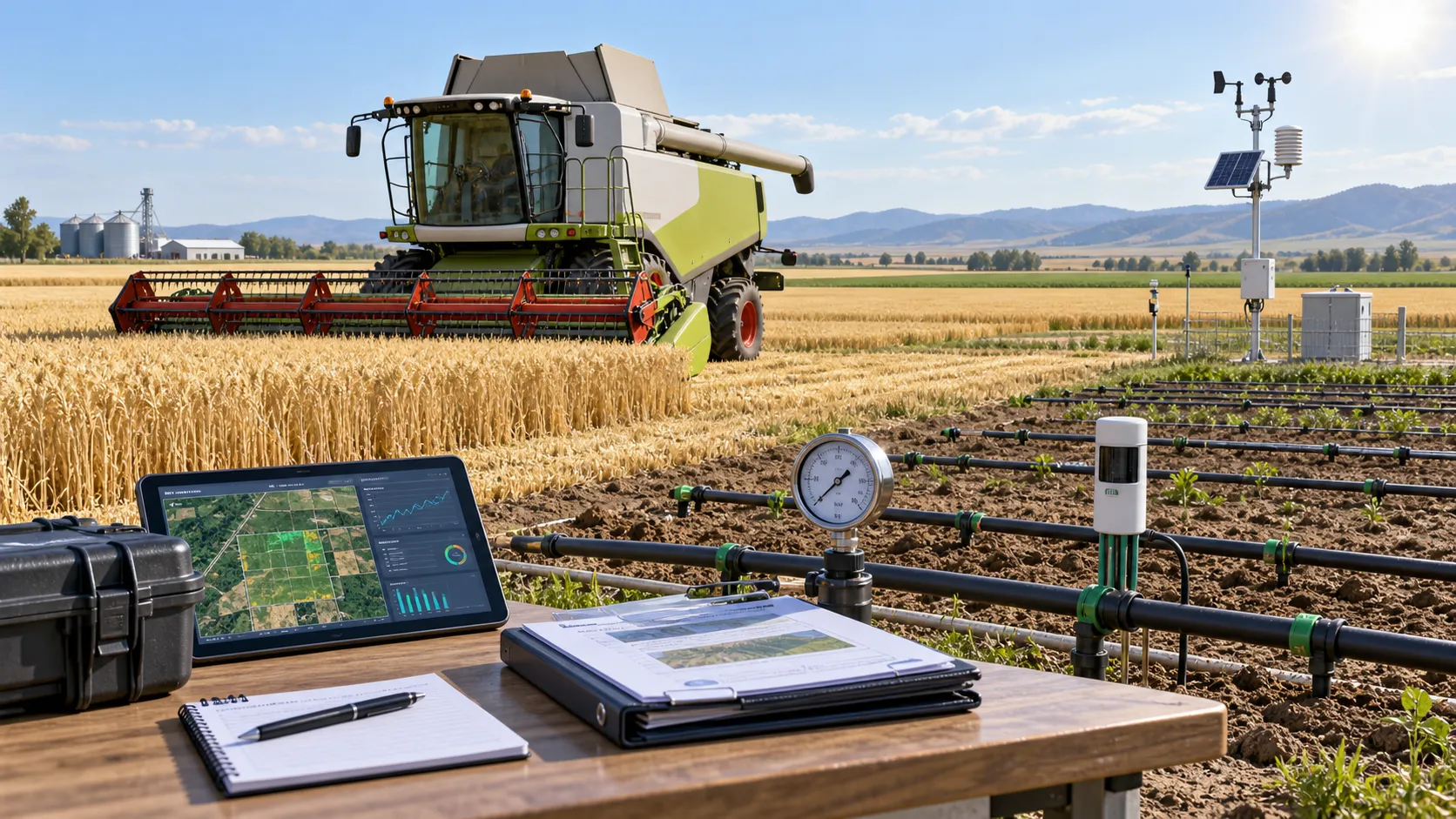
How to Evaluate Agricultural Product Information Sources for Reliable Farm Decisions
Agricultural product information reference guide: evaluate reliable farm data, verify claims, and make smarter machinery, irrigation, and crop decisions.
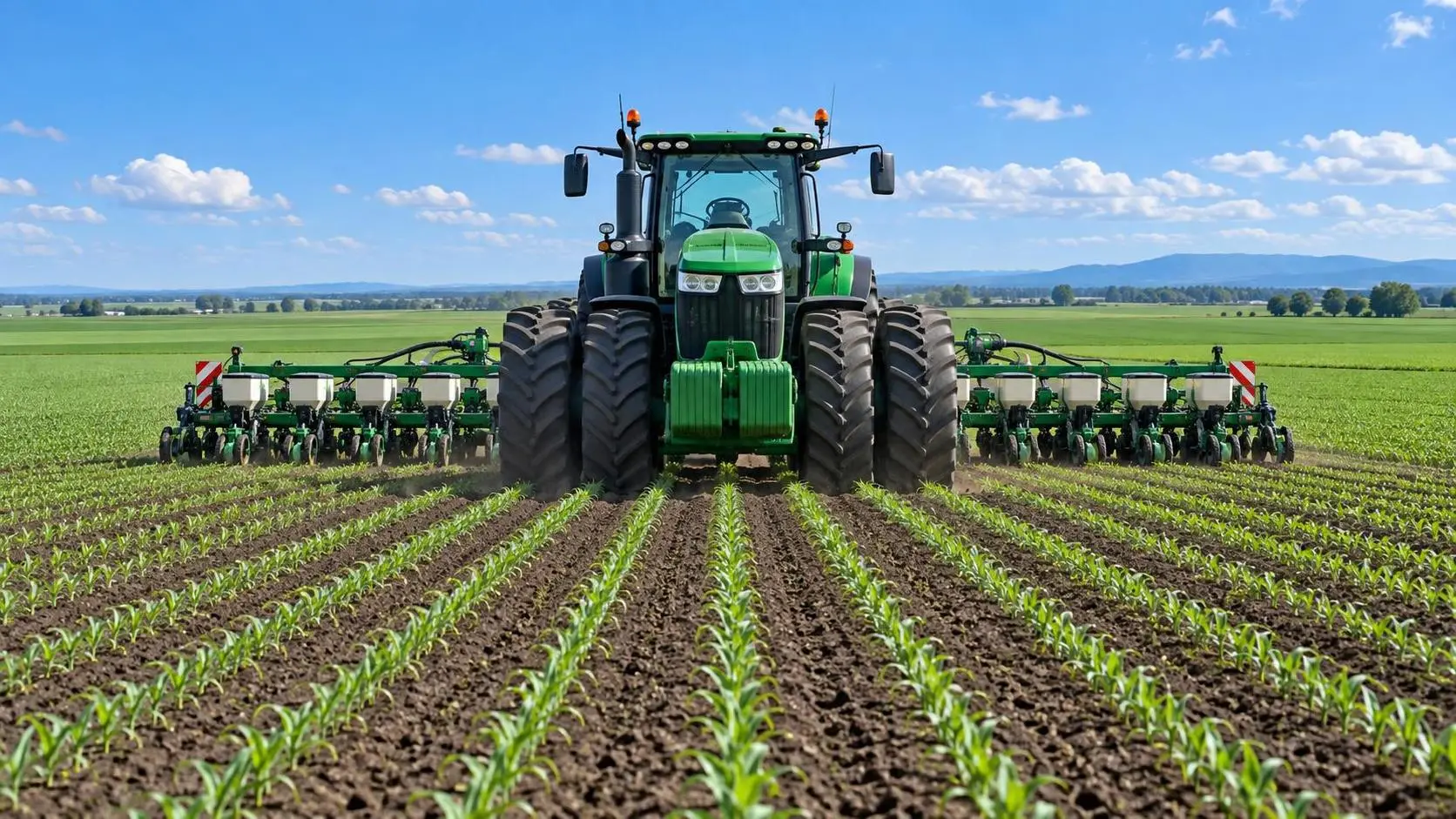
Farm Machinery Guide: Matching Tractor Horsepower and Implements to Farm Size
Farm machinery guide for tractors: match horsepower, implement width, hydraulics, traction, and fleet capacity to farm size for lower costs and reliable field performance.
How to Evaluate Drip Irrigation System Manufacturers for Large Farm Projects
Drip irrigation systems manufacturer evaluation guide for large farms: compare hydraulic design, filtration, quality control, scalability, delivery, and support.
Specification Planning: A Practical Framework for Defining Equipment Requirements
Application guidance for specification planning: define measurable equipment requirements, prioritize performance, and avoid costly procurement mistakes.

How North American Farms Can Select Crop Monitoring Systems by Acreage and Connectivity
Crop monitoring systems North America: learn how to match acreage, connectivity, sensors, and data workflows for reliable, actionable farm decisions.
Related News
- 00
0000-00
How to Select a Precision Fertilization System for Variable Corn Field Conditions - 00
0000-00
When does equipment for sustainable farming justify a higher capital spend? - 00
0000-00
Precision Farming Solutions with Drone Data for Field Mapping and Crop Decisions - 00
0000-00
Precision Farming Systems for Yield Mapping: Key Technologies and Field Applications - 00
0000-00
How to Validate Precision Farming Algorithm Accuracy Before Field Deployment
Popular Tags
Tractor Power Architect
Weekly Insights
Stay ahead with our curated technology reports delivered every Monday.