
Hormuz Strait 'Selective Access' Delays Xinjiang-to-Middle East Agricultural Machinery Shipments by 11 Days
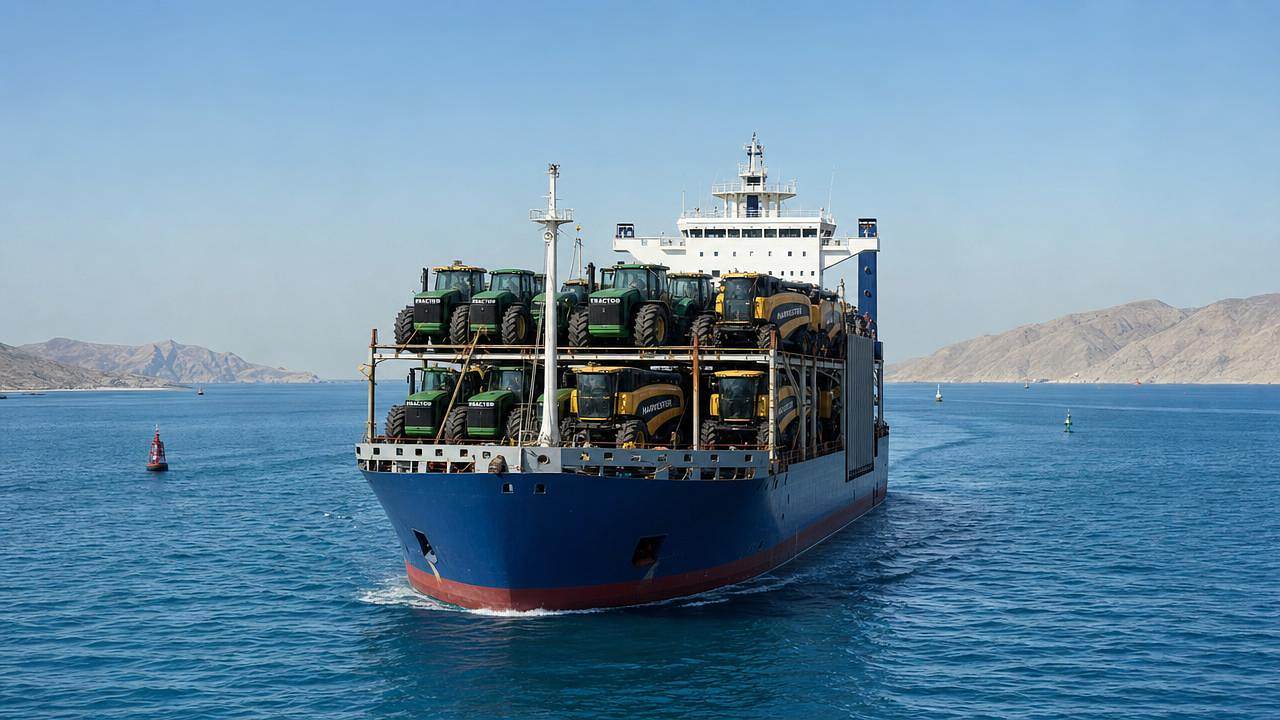




The exact event date was not specified; however, according to a Shanghai Shipping Exchange bulletin issued on May 27, the ongoing 'selective access' policy at the Strait of Hormuz has disrupted maritime logistics for agricultural machinery exports from Xinjiang’s land ports—including Alashankou and Khorgos—to Saudi Arabia, the UAE, and Iran, triggering measurable delays and cost increases across the supply chain.
Confirmed Operational Impact on Export Logistics
Per the Shanghai Shipping Exchange’s May 27 report, containerized shipments of agricultural machinery—such as tractors, harvesters, and large structural components—originating from Xinjiang and transshipped via intermediate ports experienced an average schedule delay of 11 days. Freight rates rose by 23% compared to pre-disruption levels. Exporters participating in the Xinjiang Agricultural Machinery Exhibition confirmed that delivery windows for orders placed in late May have been broadly rescheduled to mid-June.
Multi-Role Supply Chain Implications
Direct Trading Enterprises
These firms face compressed delivery commitments and heightened contractual risk due to extended transit times. The delay directly affects order fulfillment timelines, invoicing cycles, and customer trust—especially where fixed delivery dates are contractually binding or tied to seasonal farming schedules.
Raw Material Procurement Entities
Procurement planning is now misaligned with downstream shipment schedules. Suppliers relying on just-in-time inbound logistics may encounter inventory shortfalls or excess holding costs if upstream manufacturing adjusts production timing in response to shipping uncertainty.
Manufacturing Enterprises
Assembly lines and final testing workflows must accommodate revised dispatch calendars. Extended port dwell times and unpredictable vessel availability complicate production sequencing, particularly for large, non-stackable machinery units requiring specialized stowage and documentation.
Supply Chain Service Providers
Freight forwarders, customs brokers, and inland haulage operators report increased coordination complexity. Documentation verification, transshipment port slot allocation, and real-time container tracking require additional staffing and contingency buffers—raising service overheads and margin pressure.
Strategic Priorities for Export-Oriented Manufacturers
Reassess Delivery Commitments and Contract Clauses
Given the confirmed 11-day average delay and widespread mid-June rescheduling, manufacturers should proactively revise delivery terms in new contracts—and review force majeure, delay penalties, and alternative port clauses in existing agreements.
Strengthen Pre-Shipment Coordination with Transshipment Hubs
Since cargo moves via intermediate ports, early engagement with hub-based agents—particularly on container release windows, customs clearance readiness, and berth availability—is critical to minimize added dwell time.
Validate Documentation Alignment for Middle Eastern Markets
Delays amplify scrutiny of conformity certificates, GCC Standardization Organization (GSO) markings, SASO certification, and Arabic-language technical manuals. Any mismatch risks rejection or detention at destination ports—further extending lead times.
Adjust Inventory and Spare Parts Planning
Extended lead times reduce responsiveness to post-delivery service requests. Firms should reassess safety stock levels for high-demand spare parts and consider regional warehousing partnerships in the Gulf to mitigate after-sales latency.
Industry Perspective: Beyond Transit Delay—A Structural Readjustment Signal
Analysis shows this is not merely a temporary bottleneck but a catalyst for recalibrating export logistics strategy. From an industry perspective, persistent 'selective access' regimes at strategic chokepoints are reshaping how manufacturers assess route resilience, compliance agility, and documentation robustness—not only for the Middle East, but for all markets reliant on Gulf transshipment. What deserves closer attention is the growing premium on end-to-end visibility, dual-port contingency planning, and proactive regulatory intelligence—not just freight rate negotiation.
Broader Industry Significance
This episode underscores how geopolitical constraints on maritime access increasingly function as de facto trade regulations—altering delivery reliability, cost structures, and competitive positioning without formal tariff or quota changes. For agricultural machinery exporters, it signals a shift from purely product-centric competitiveness toward integrated operational resilience: combining technical compliance, logistics adaptability, and contractual foresight.
Source Attribution and Monitoring Guidance
This article synthesizes the provided title, unspecified event timing, and summary details. Specific official source links were not provided in the input and should be verified continuously. Stakeholders are advised to monitor updates from the Shanghai Shipping Exchange, national port authorities, and Gulf customs administrations—particularly regarding evolving definitions of 'selective access', implementation guidelines for cargo classification, and any adjustments to documentation requirements for agricultural equipment imports into Saudi Arabia, the UAE, and Iran.
Related News

Farm Machinery Sourcing: How to Vet Suppliers, Specs, and Lifecycle Costs
Farm machinery information for sourcing: learn to vet suppliers, compare specifications, control lifecycle costs, and secure reliable uptime for smarter equipment purchases.

How to calculate ROI on precision agriculture equipment before buying
Calculating ROI on precision agriculture equipment: learn to assess total ownership costs, savings, payback, NPV, risks, and farm-scale value before you buy.

Tractor Specification Sheets: Matching PTO, Hydraulics, and Weight to Farm Tasks
Specification-oriented articles for tractors: match PTO, hydraulics, lift capacity, ballast, and weight to real farm tasks for safer, more efficient equipment choices.

How to Evaluate Dynamic Feedback Algorithm Suppliers for Precision Farming Systems
Dynamic feedback algorithms supplier evaluation guide for precision farming—compare validation, integration, safety, and pilots to choose with confidence.
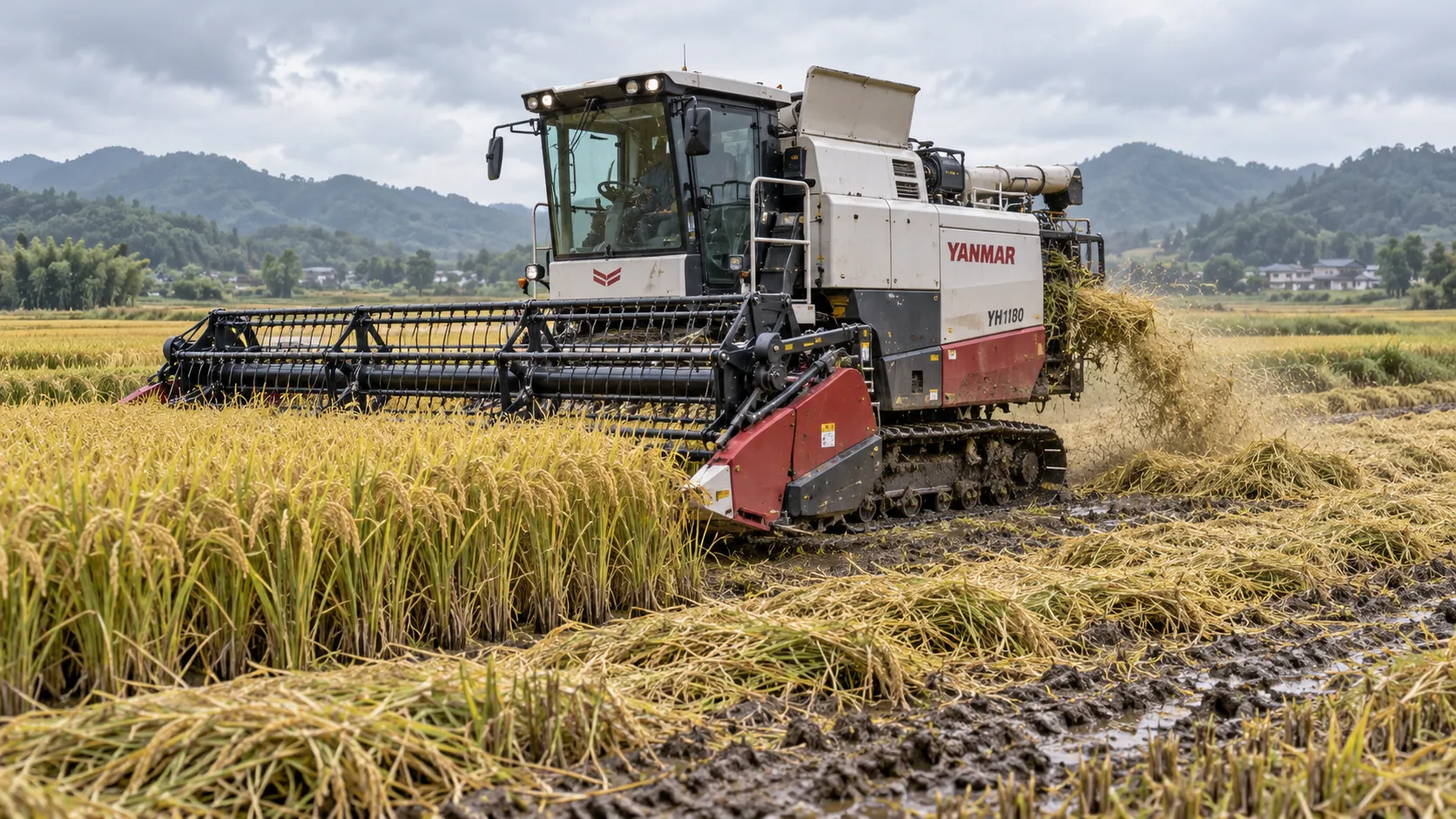
How to Specify Combine Harvester Systems for High-Moisture Grain and Variable Field Conditions
Combine harvester systems for high-moisture grain: learn how to specify threshing, cleaning, headers, traction, and automation for reliable harvests in variable fields.

How to Compare Agricultural Equipment Platforms for Fleet Management and ROI
Agricultural equipment platform comparison: evaluate fleet data, maintenance, precision workflows, and ROI to choose a system that delivers measurable results.
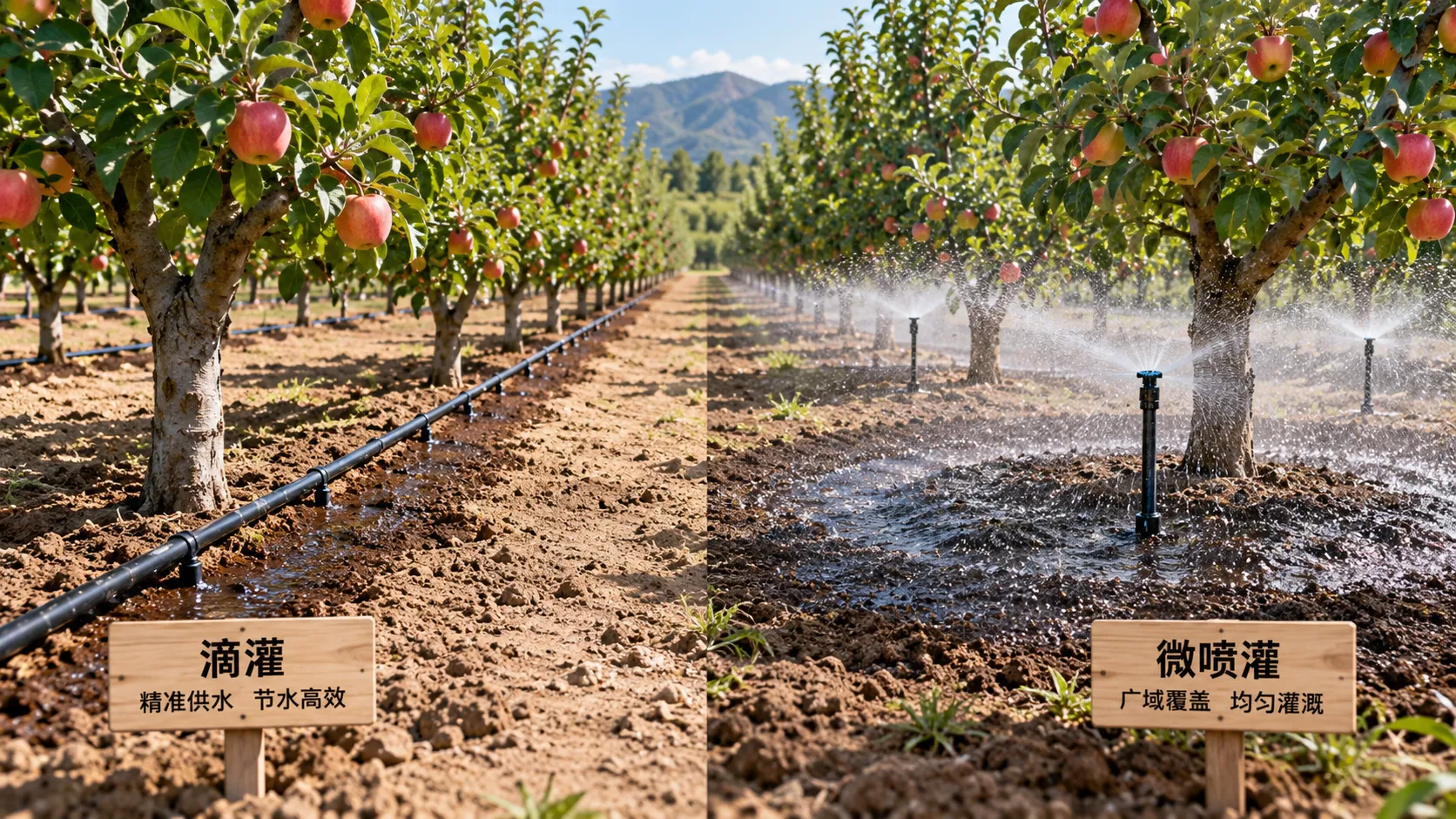
Drip vs. Micro-Sprinkler Irrigation: Which System Fits Your Orchard?
Irrigation solution comparison for orchards: discover whether drip or micro-sprinklers best match your water, soil, roots, fertigation, and frost needs.
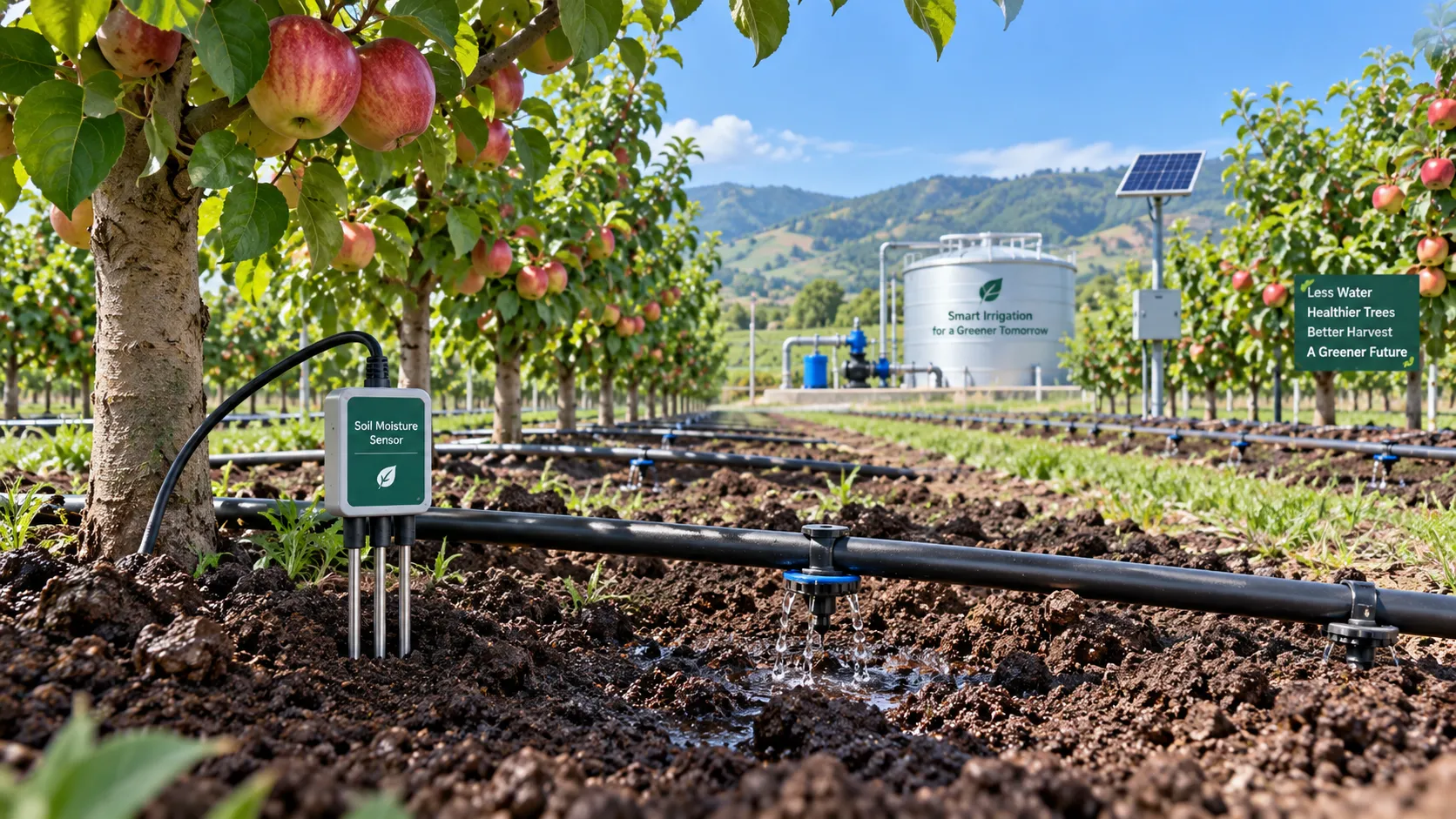
Orchard Water Management: Using Soil Moisture Data to Schedule Irrigation
Agricultural water management for orchards made practical: use soil moisture data to optimize irrigation timing, protect yield, reduce costs, and improve resilience.
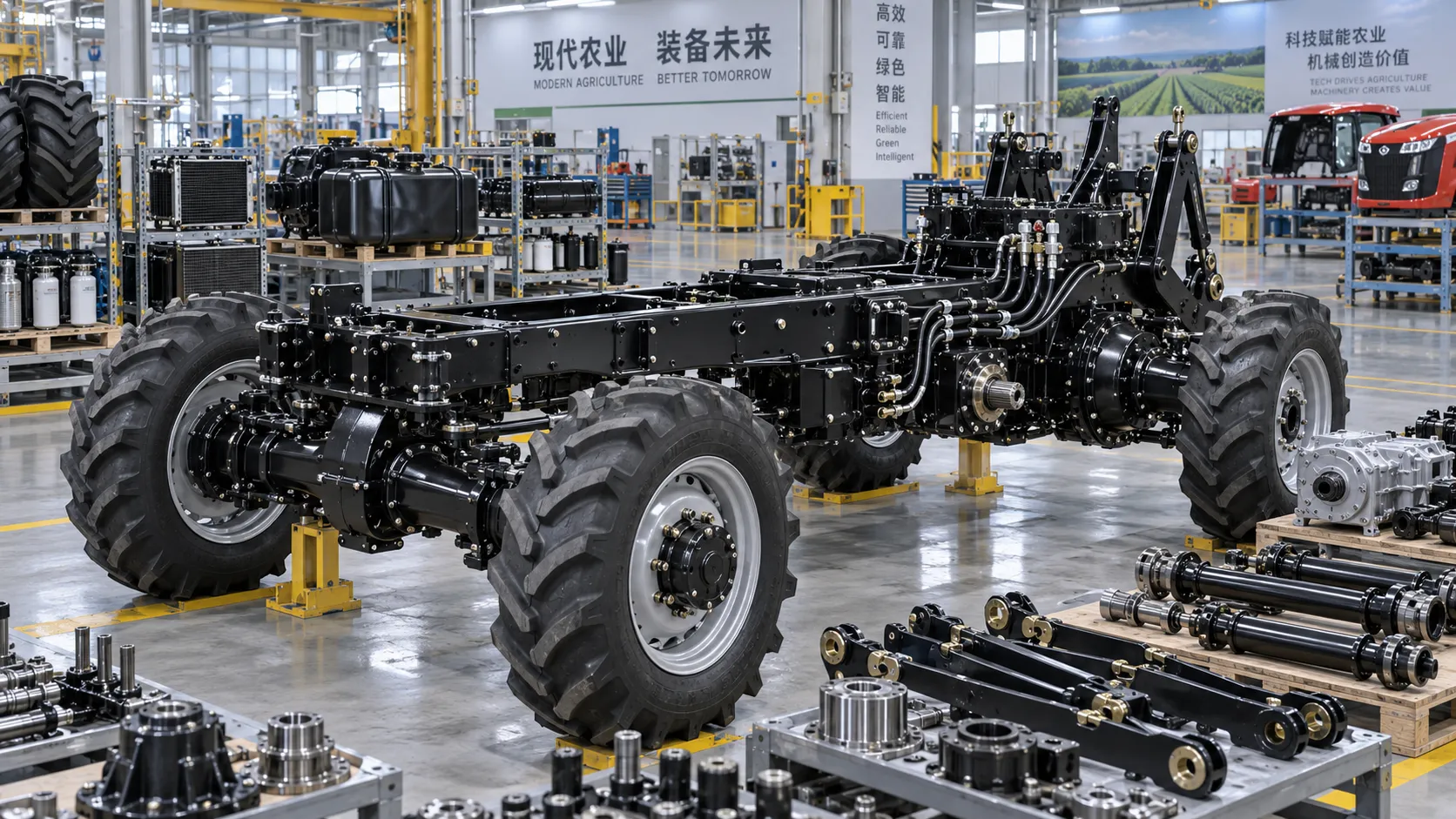
Tractor Chassis Price: What Buyers Should Compare Beyond the Initial Quote
Tractor chassis price is only the start. Compare load capacity, compatibility, durability, and lifecycle costs to choose a reliable, high-value chassis.
Related News
- 00
0000-00
Farm Machinery Sourcing: How to Vet Suppliers, Specs, and Lifecycle Costs - 00
0000-00
How to calculate ROI on precision agriculture equipment before buying - 00
0000-00
Tractor Specification Sheets: Matching PTO, Hydraulics, and Weight to Farm Tasks - 00
0000-00
How to Evaluate Dynamic Feedback Algorithm Suppliers for Precision Farming Systems - 00
0000-00
How to Specify Combine Harvester Systems for High-Moisture Grain and Variable Field Conditions
Popular Tags
Industry Global
Weekly Insights
Stay ahead with our curated technology reports delivered every Monday.