
China Imposes Zero Tariffs on Agricultural Machinery for 20 African Nations
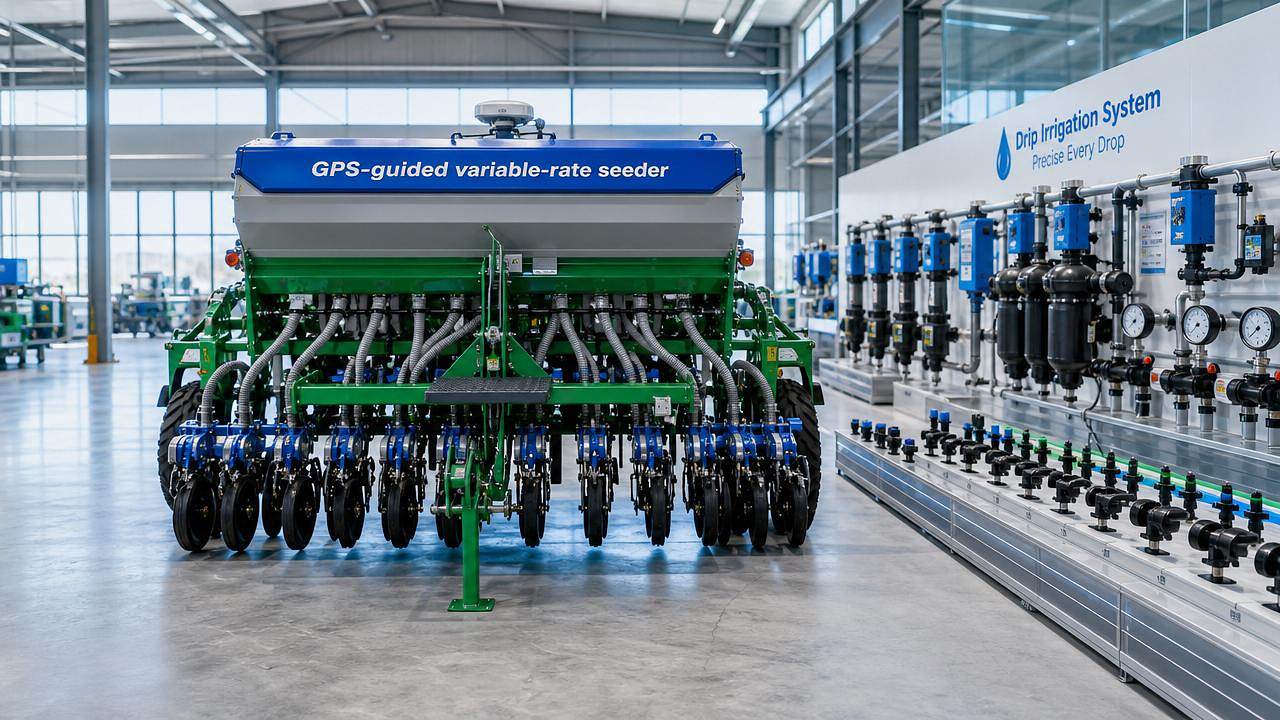




Effective May 26, 2026, China has implemented zero import tariffs on agricultural machinery from 20 eligible African countries—including Ethiopia, Kenya, and Ghana—marking a significant shift in trade policy for irrigation and precision farming equipment. The measure directly affects manufacturers, exporters, and supply chain stakeholders operating at the intersection of agri-tech trade and customs compliance.
Policy Implementation Confirmed as of May 26, 2026
A joint announcement by China’s Ministry of Finance, General Administration of Customs, and State Taxation Administration confirms that, starting May 26, 2026, import duties are fully eliminated for 137 tariff lines of agricultural machinery exported from 20 designated African countries. Covered products include drip irrigation control units, pressure-compensating emitters, and GPS-guided variable-rate seeders. Initial clearance records from Changsha and Qingdao ports indicate customs processing times for these goods have been reduced to within 48 hours.
Impact Across Key Industry Stakeholders
Exporters Engaged in Direct Trade
Companies exporting irrigation and precision seeding equipment to the listed African nations now benefit from tariff elimination on their Chinese-sourced inputs—potentially lowering landed costs and improving bid competitiveness in public tenders. However, they must verify product eligibility under the 137-tariff-line scope and ensure origin documentation meets Chinese customs requirements.
Raw Material and Component Sourcing Firms
Firms supplying critical subcomponents—such as pressure-regulating valves or GNSS modules used in variable-rate seeders—may experience increased demand from African assemblers seeking to localize production. This necessitates closer alignment with origin certification rules and traceability standards applicable to preferential tariff treatment.
Manufacturers Integrating Agri-Tech Systems
Domestic Chinese manufacturers assembling complete drip irrigation systems or smart seeding platforms must reassess bill-of-materials sourcing strategies. With zero tariffs on key imported components, cost structures may shift—prompting recalibration of domestic procurement versus import substitution decisions.
Supply Chain and Logistics Service Providers
Customs brokers and freight forwarders handling shipments through Changsha and Qingdao ports report accelerated clearance cycles for qualifying goods. Yet this efficiency gain hinges on accurate HS code classification and timely submission of origin certificates—making technical accuracy in documentation a critical operational priority.
Key Operational Priorities for Enterprises
Verify Product Eligibility Against the 137-Tariff List
Enterprises must cross-reference their product codes with the official list published under the joint announcement—not all irrigation or seeding equipment qualifies, only those explicitly enumerated. Misclassification risks duty recovery or shipment delays.
Update Origin Certification and Documentation Protocols
Preferential tariff access requires valid Certificate of Origin issued by authorized bodies in the exporting African country. Companies must integrate verification of such documents into pre-shipment quality gates and supplier onboarding workflows.
Align Technical Specifications with Updated Import Requirements
While tariffs are removed, existing regulatory requirements—including safety, electromagnetic compatibility (EMC), and labeling standards—remain fully applicable. Exporters must ensure technical documentation (e.g., test reports, user manuals) complies with Chinese GB standards prior to customs release.
Adjust Procurement and Delivery Timelines
The 48-hour clearance window observed at Changsha and Qingdao ports enables tighter inventory planning—but only if documentation is error-free. Firms should revise internal lead times to accommodate mandatory pre-clearance verification steps without assuming automatic acceleration.
Strategic Implications for Agri-Tech Trade Development
Analysis shows this policy is less about broad market liberalization and more a targeted instrument to strengthen agricultural productivity partnerships with select African economies. From an industry perspective, it incentivizes technology transfer via localized assembly rather than pure equipment export—especially where modular systems like drip controllers or GPS-guided seeders allow partial local integration. What deserves closer attention is how quickly African national standards bodies align technical specifications with Chinese GB benchmarks; divergence here could offset tariff benefits through conformity assessment bottlenecks. It is more appropriate to understand this as an early-stage enabler—not a standalone market access guarantee.
Toward Sustainable Trade Facilitation in Precision Agriculture
This initiative signals a maturing approach to South–South agri-tech cooperation: one that combines tariff relief with procedural streamlining, yet remains contingent on rigorous compliance discipline. Its long-term value will depend not on headline duty elimination, but on consistent implementation across ports, harmonized interpretation of origin rules, and responsive capacity-building among African trade support institutions. For global suppliers, it underscores that regulatory agility—not just cost advantage—defines competitive positioning in emerging agricultural markets.
Source Attribution and Verification Guidance
This article synthesizes information provided in the original briefing: title, event date (May 26, 2026), and summary description. No specific official source links were provided in the input and should be verified continuously. Stakeholders are advised to monitor updates from China’s Ministry of Finance, General Administration of Customs, and State Taxation Administration—and to track subsequent guidance on origin certification procedures, port-level implementation notes, and potential expansions to the beneficiary country or product list.
Related News
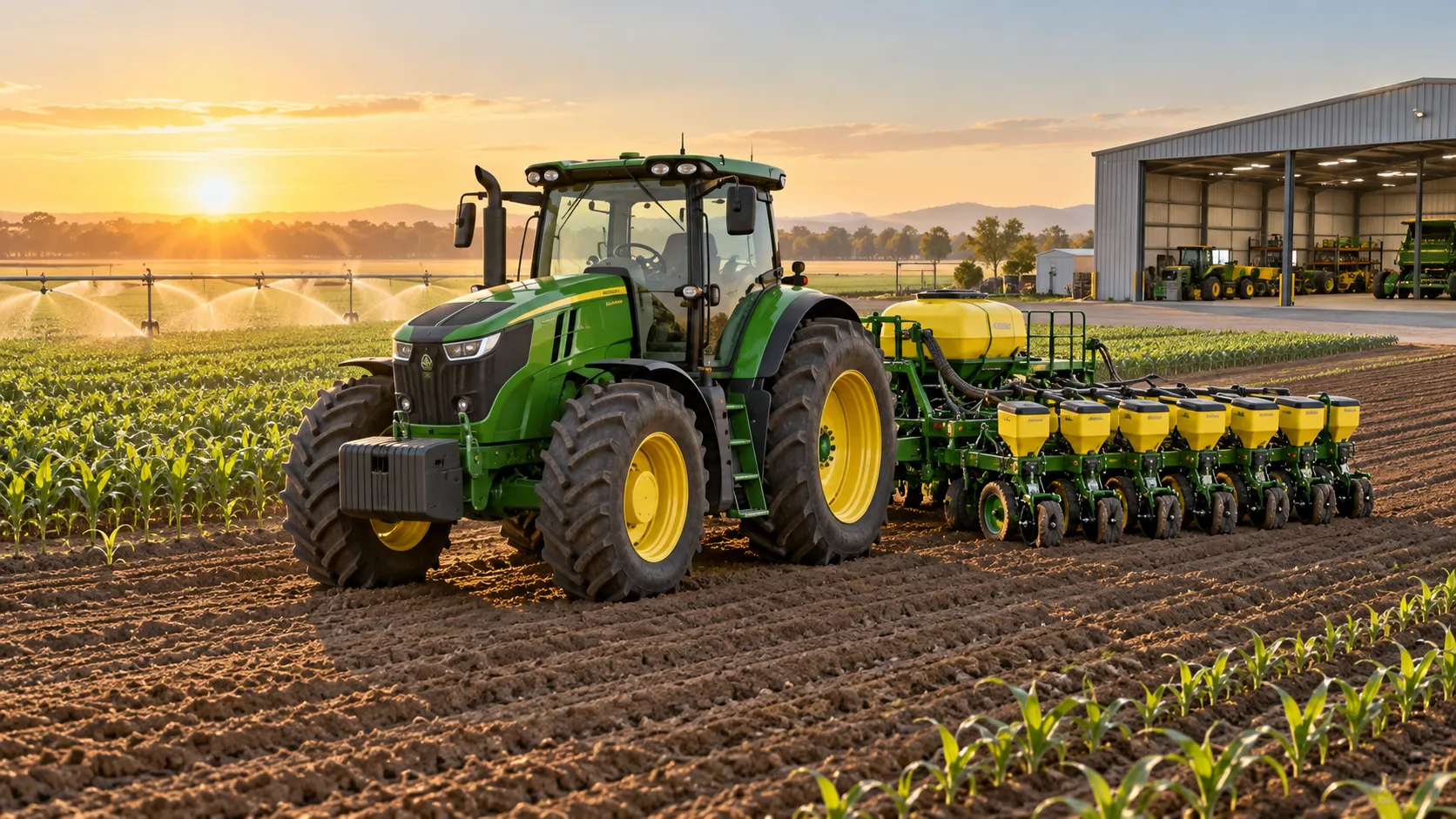
Farm Machinery Sourcing: How to Vet Suppliers, Specs, and Lifecycle Costs
Farm machinery information for sourcing: learn to vet suppliers, compare specifications, control lifecycle costs, and secure reliable uptime for smarter equipment purchases.
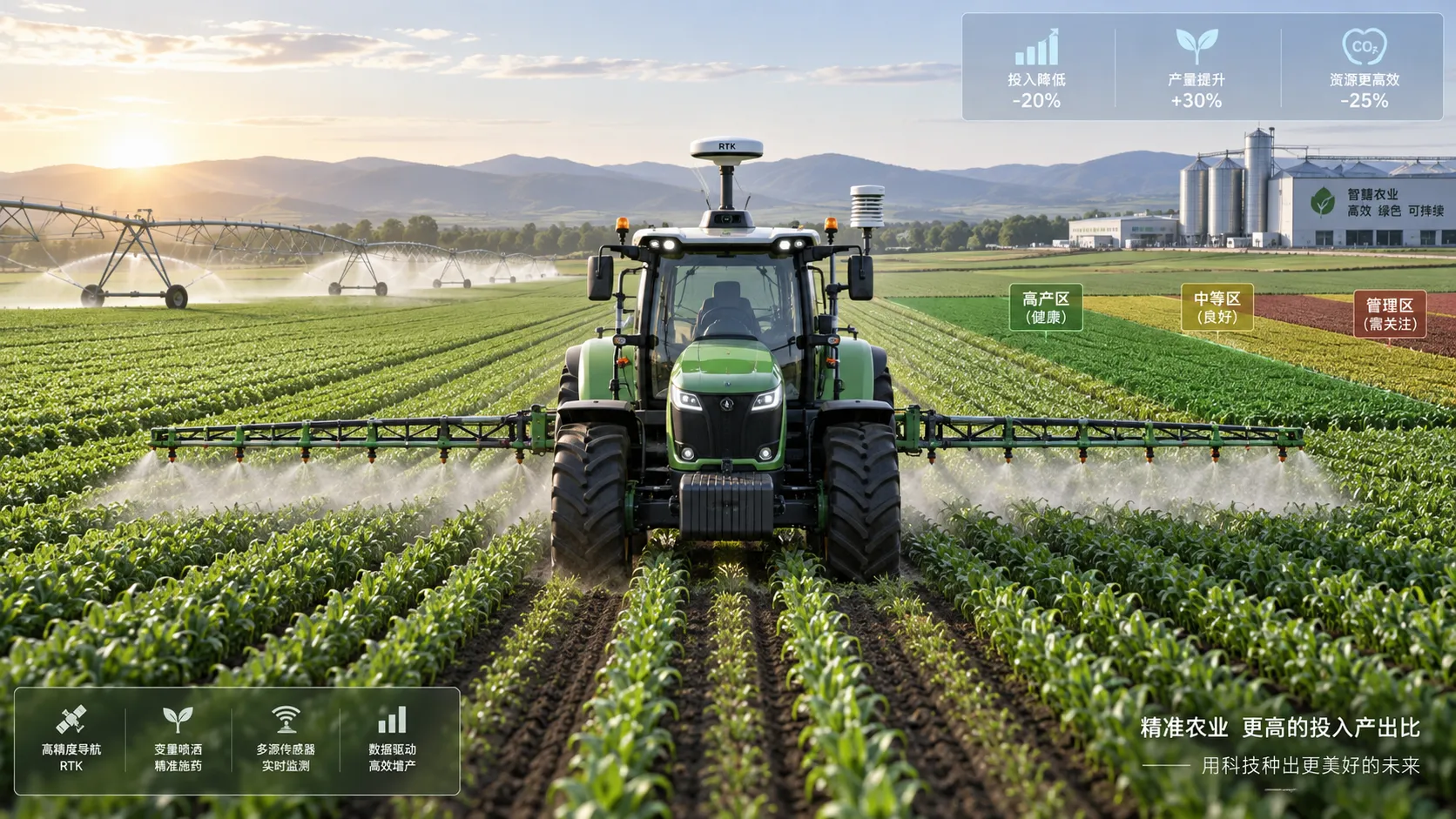
How to calculate ROI on precision agriculture equipment before buying
Calculating ROI on precision agriculture equipment: learn to assess total ownership costs, savings, payback, NPV, risks, and farm-scale value before you buy.
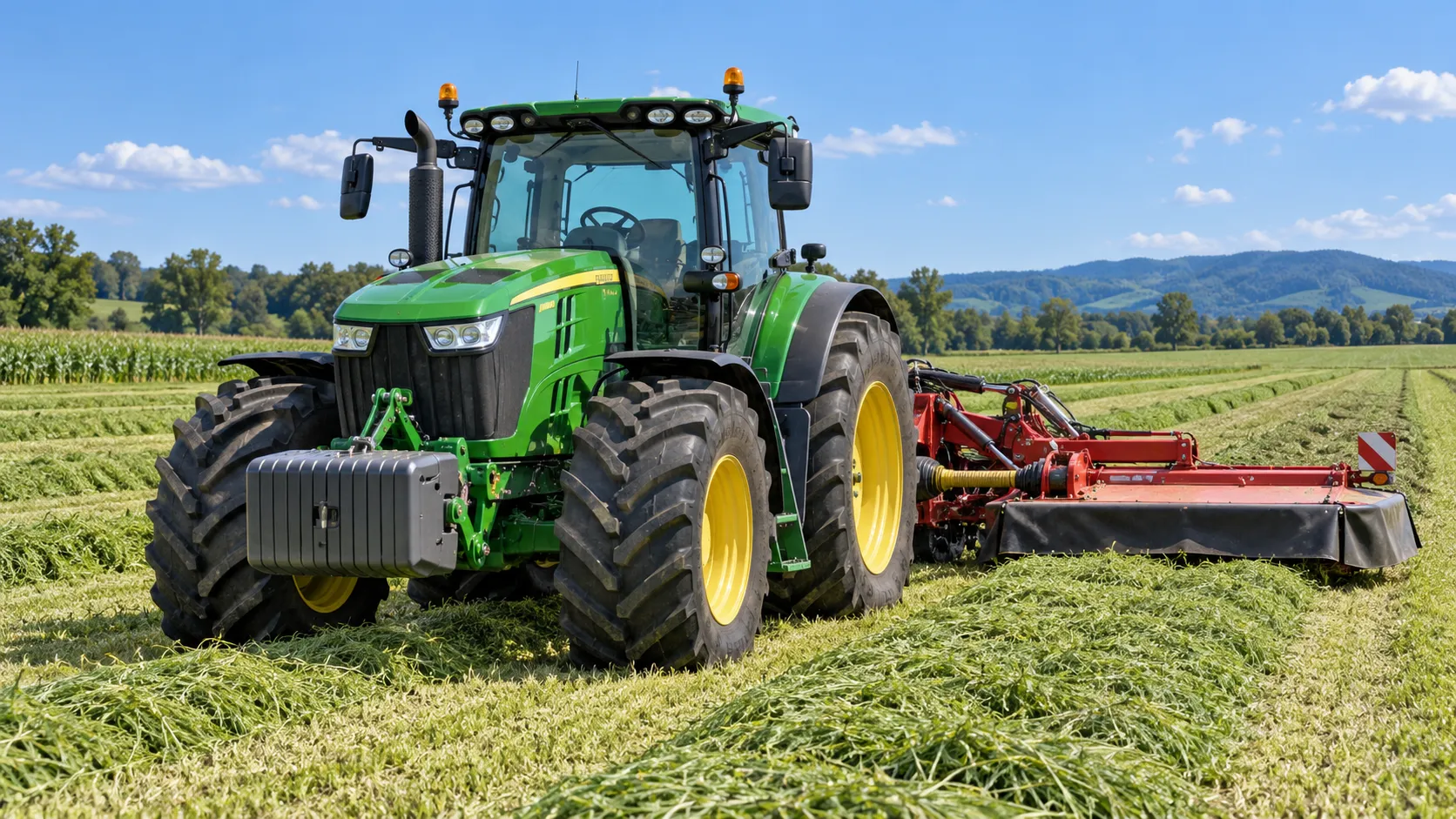
Tractor Specification Sheets: Matching PTO, Hydraulics, and Weight to Farm Tasks
Specification-oriented articles for tractors: match PTO, hydraulics, lift capacity, ballast, and weight to real farm tasks for safer, more efficient equipment choices.
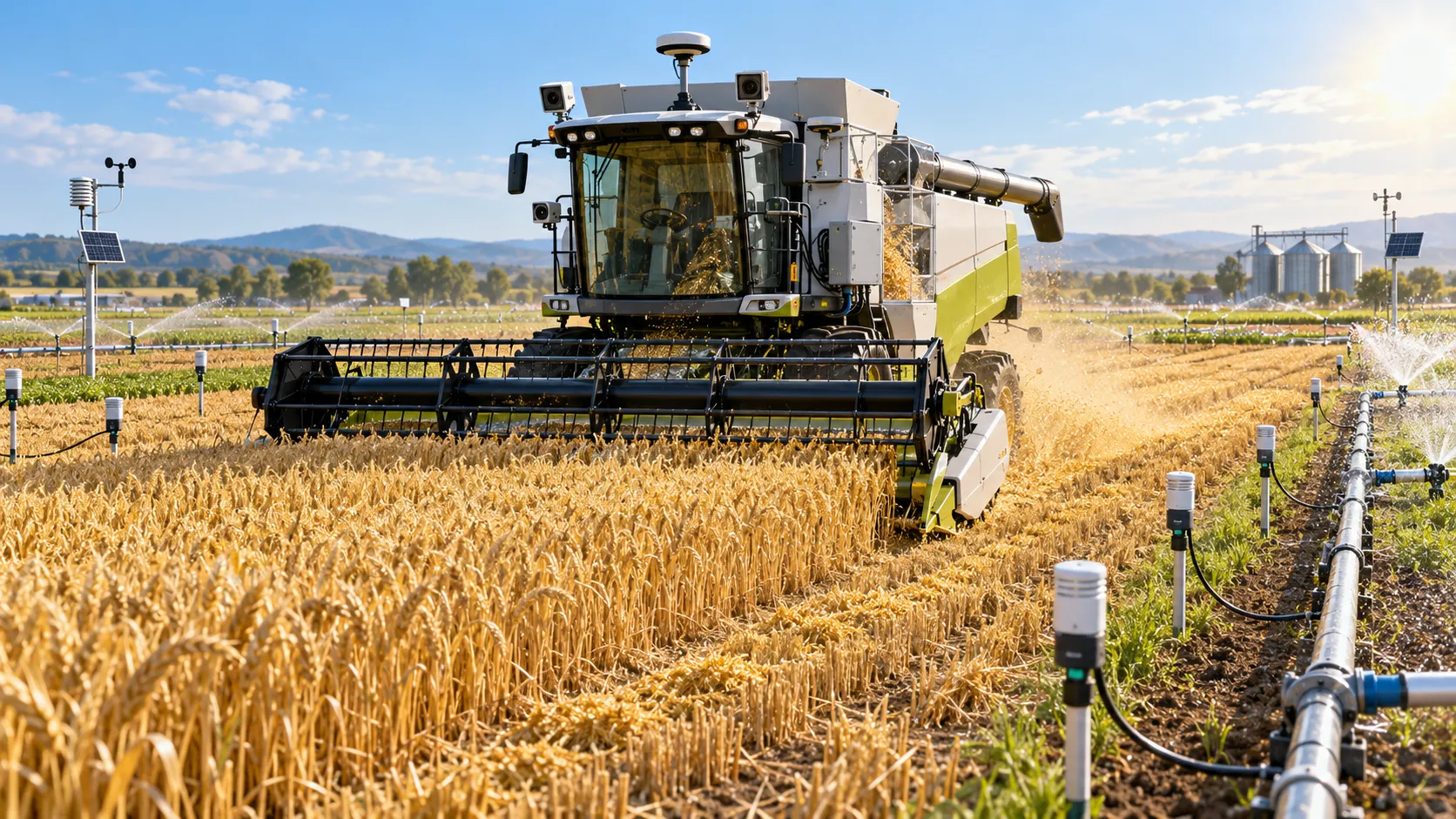
How to Evaluate Dynamic Feedback Algorithm Suppliers for Precision Farming Systems
Dynamic feedback algorithms supplier evaluation guide for precision farming—compare validation, integration, safety, and pilots to choose with confidence.
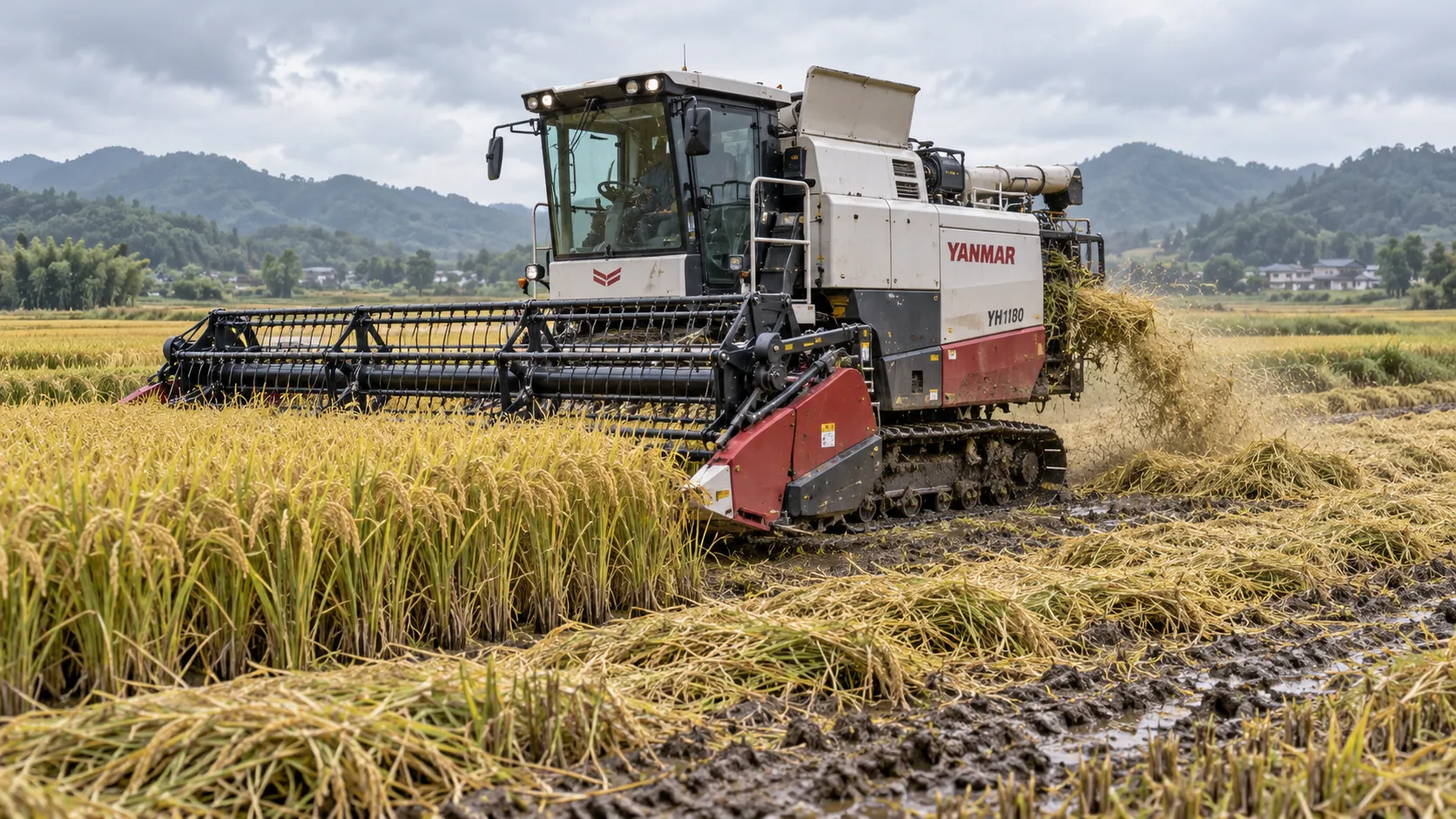
How to Specify Combine Harvester Systems for High-Moisture Grain and Variable Field Conditions
Combine harvester systems for high-moisture grain: learn how to specify threshing, cleaning, headers, traction, and automation for reliable harvests in variable fields.
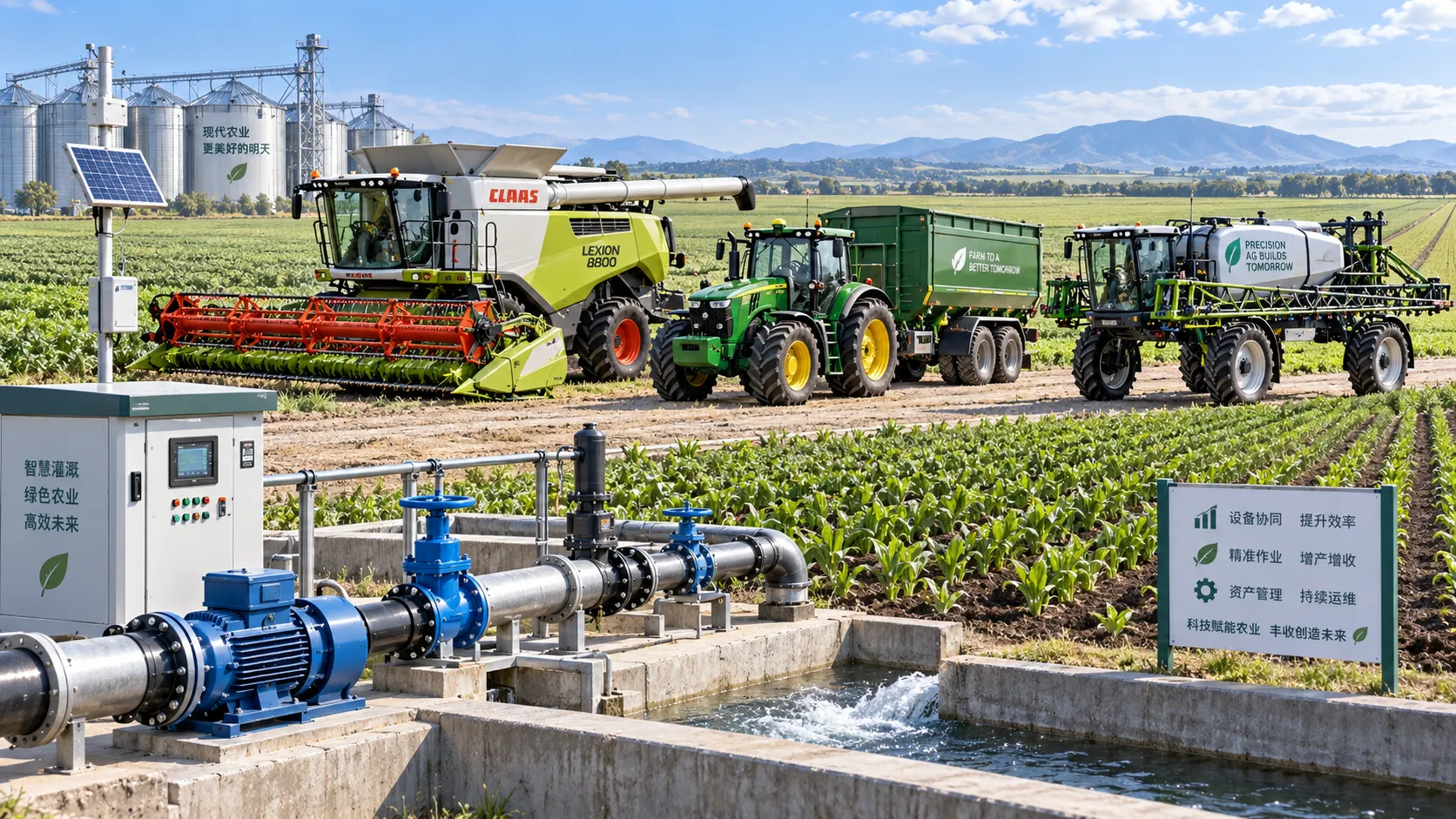
How to Compare Agricultural Equipment Platforms for Fleet Management and ROI
Agricultural equipment platform comparison: evaluate fleet data, maintenance, precision workflows, and ROI to choose a system that delivers measurable results.
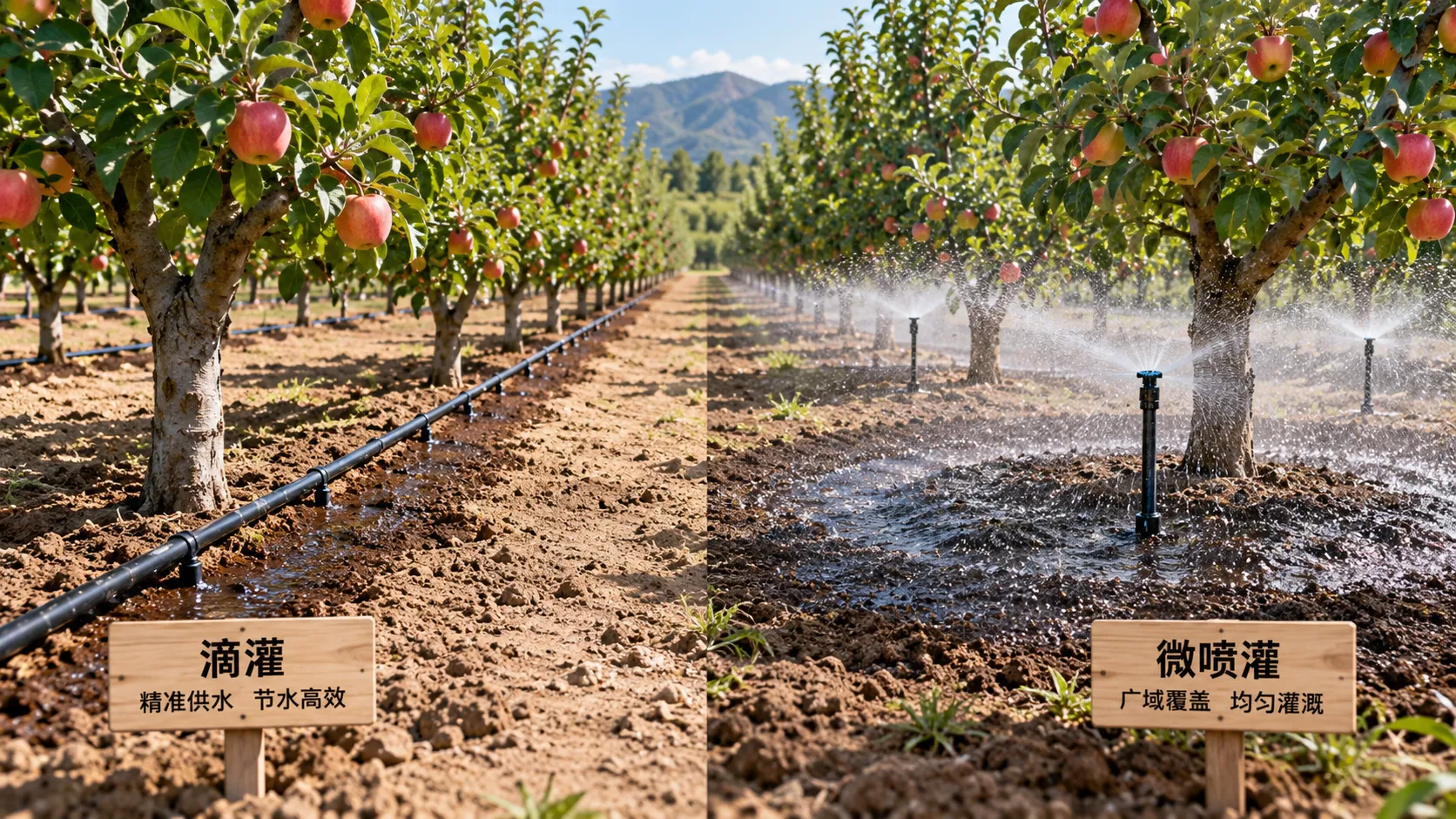
Drip vs. Micro-Sprinkler Irrigation: Which System Fits Your Orchard?
Irrigation solution comparison for orchards: discover whether drip or micro-sprinklers best match your water, soil, roots, fertigation, and frost needs.
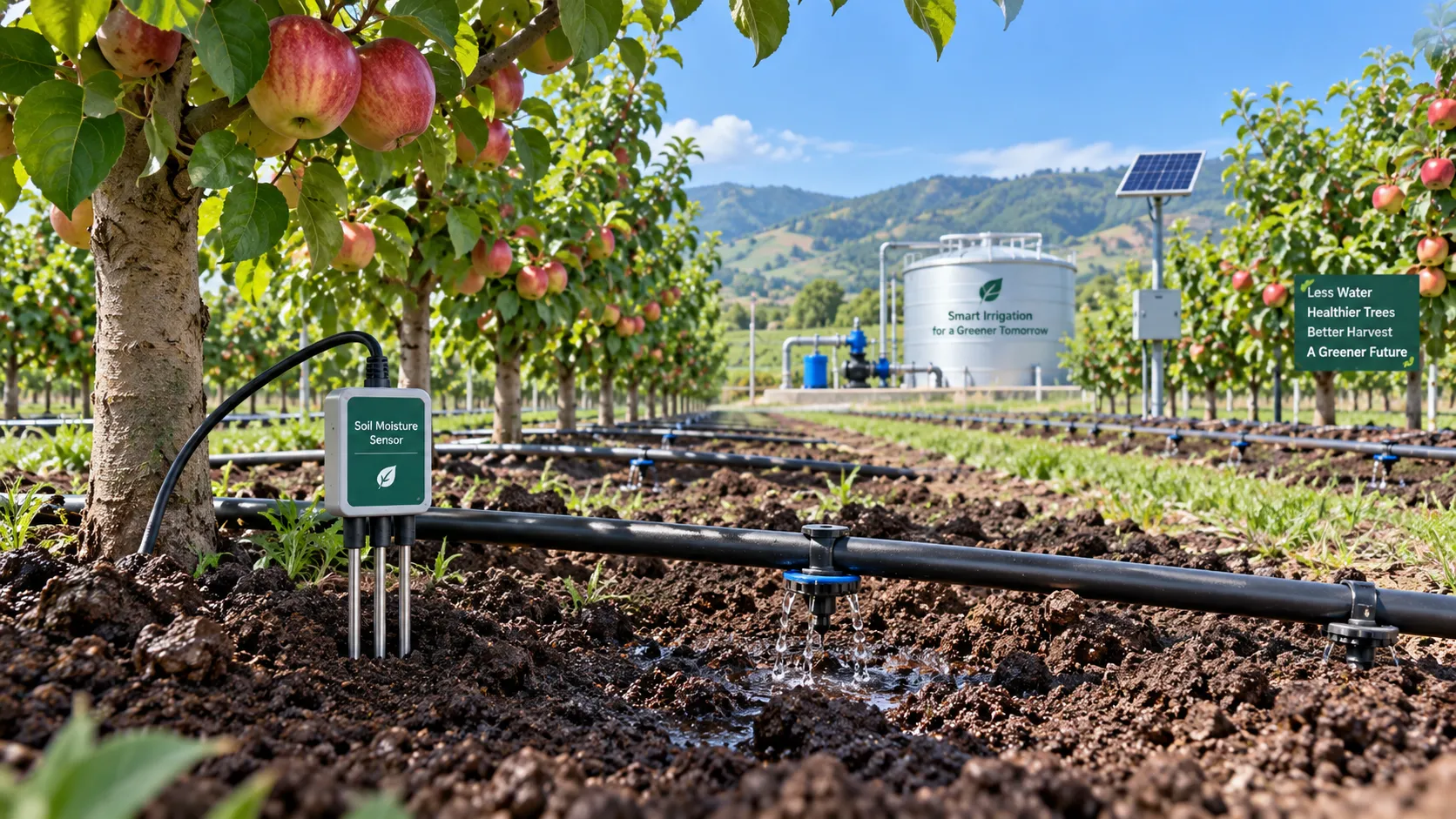
Orchard Water Management: Using Soil Moisture Data to Schedule Irrigation
Agricultural water management for orchards made practical: use soil moisture data to optimize irrigation timing, protect yield, reduce costs, and improve resilience.
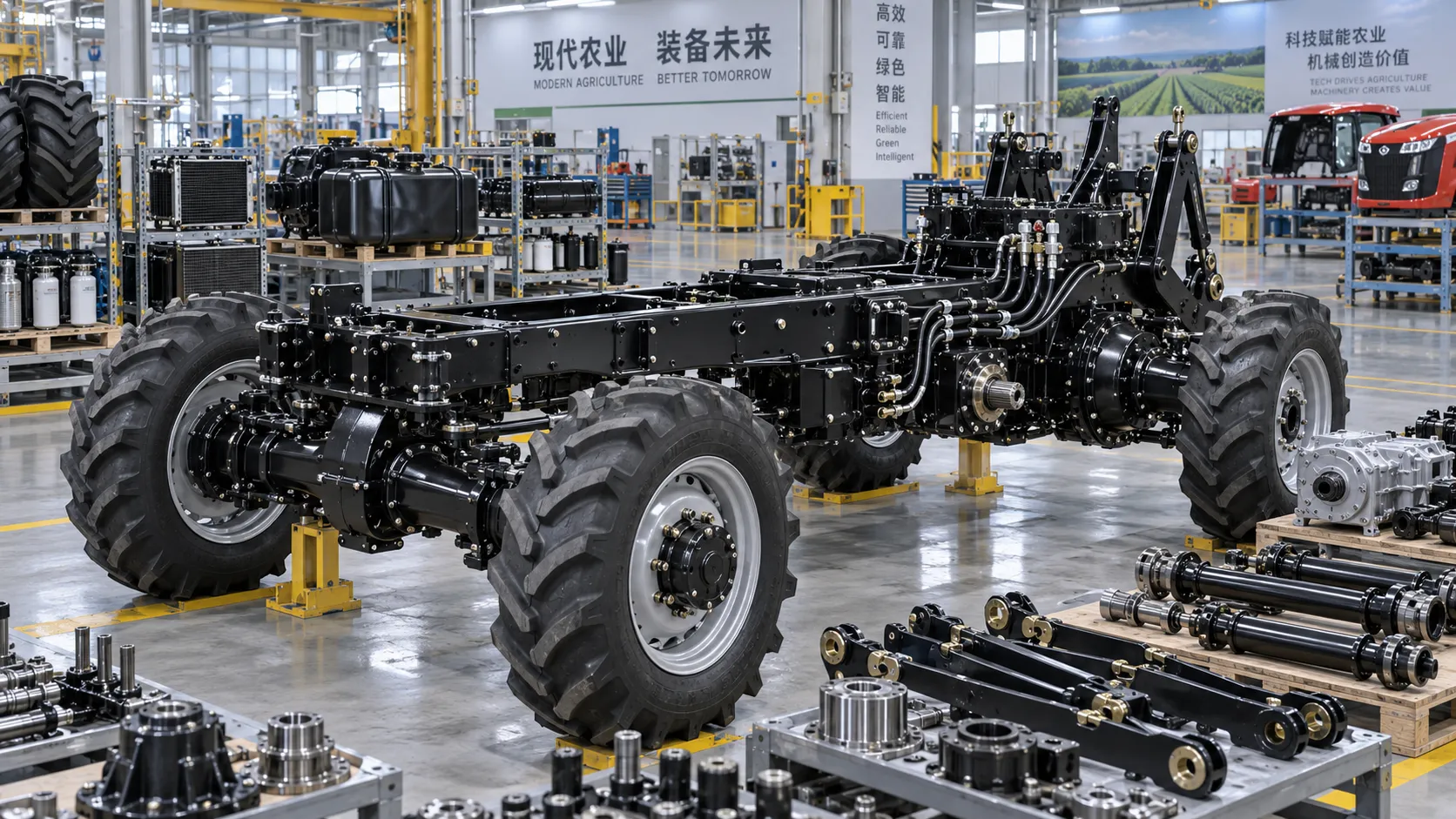
Tractor Chassis Price: What Buyers Should Compare Beyond the Initial Quote
Tractor chassis price is only the start. Compare load capacity, compatibility, durability, and lifecycle costs to choose a reliable, high-value chassis.
Related News
- 00
0000-00
Farm Machinery Sourcing: How to Vet Suppliers, Specs, and Lifecycle Costs - 00
0000-00
How to calculate ROI on precision agriculture equipment before buying - 00
0000-00
Tractor Specification Sheets: Matching PTO, Hydraulics, and Weight to Farm Tasks - 00
0000-00
How to Evaluate Dynamic Feedback Algorithm Suppliers for Precision Farming Systems - 00
0000-00
How to Specify Combine Harvester Systems for High-Moisture Grain and Variable Field Conditions
Popular Tags
Industry Global
Weekly Insights
Stay ahead with our curated technology reports delivered every Monday.