
EAEU Mandates EAC-MID Traceability for Tractor CVT and Hydraulic Systems
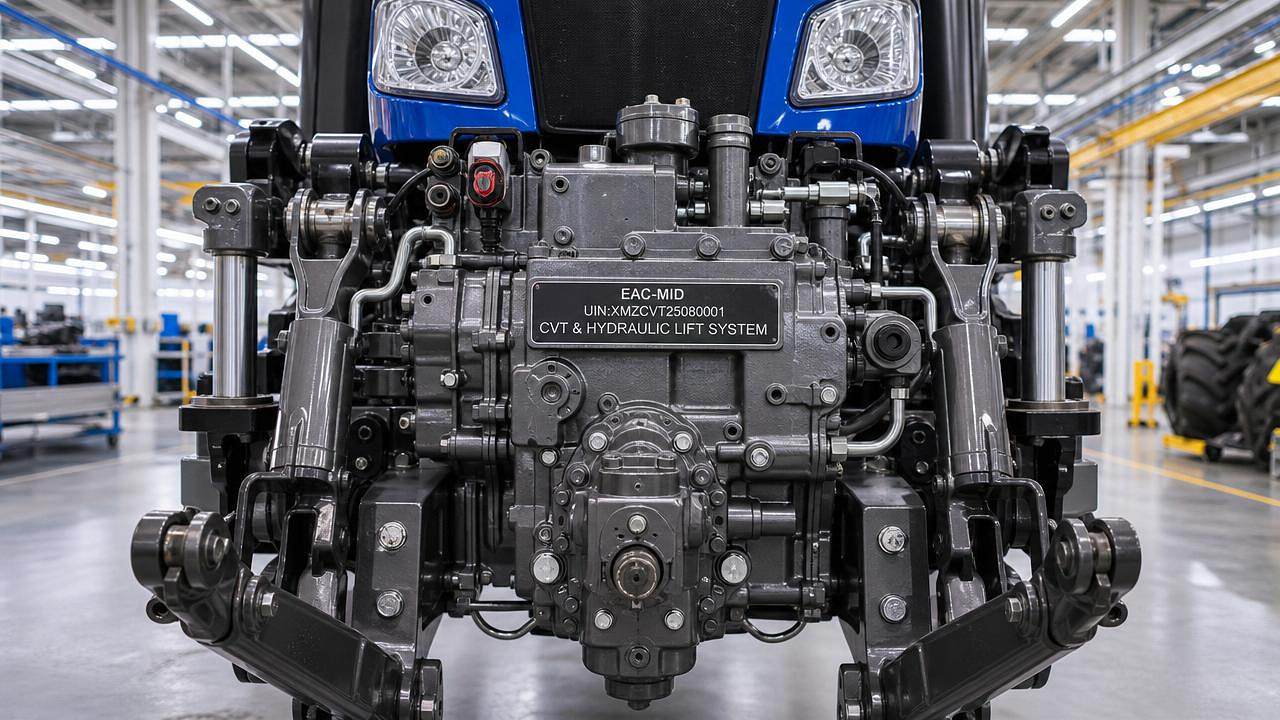




Starting 27 May 2026, the Eurasian Economic Union (EAEU) will enforce mandatory traceability requirements for key agricultural machinery components—including continuously variable transmission (CVT) units and hydraulic lift systems—imported into Kazakhstan, Belarus, Armenia, and other member states. This regulatory shift directly affects agricultural equipment exporters, component suppliers, and customs compliance teams operating across the EAEU market.
Event Overview
On 27 May 2026, the EAEU implemented the Regulation on Mandatory Traceability of Agricultural Machinery. Under this regulation, all imported tractors’ CVT transmissions and hydraulic lifting systems must carry a pre-assigned, unique EAC-MID device identification code and be registered in the EAEU’s central regulatory platform prior to customs clearance. Non-compliant products will be denied market access.
Industries Affected
Direct Exporters and Importers
Companies exporting CVT or hydraulic systems to EAEU member states face immediate customs barriers if their products lack valid EAC-MID codes. Impact includes shipment delays, rejection at border checkpoints, and inability to complete import declarations without verified digital registration.
Component Manufacturers
Manufacturers supplying CVT or hydraulic lift systems to tractor OEMs—or selling such parts independently—must now embed EAC-MID identifiers at the production stage. This requires coordination with certification bodies authorized to issue EAC-MID codes and integration of traceability data into product labeling and documentation workflows.
Supply Chain and Logistics Providers
Fulfillment centers, freight forwarders, and customs brokers handling agricultural machinery shipments must verify EAC-MID assignment and platform registration before release. Absence of verifiable traceability data may trigger mandatory rework, extended inspection timelines, or refusal of entry documentation processing.
Key Considerations and Recommended Actions
Monitor official EAEU technical documentation updates
The EAEU Customs Union and Eurasian Economic Commission are expected to publish detailed implementation guidelines—including approved EAC-MID issuing bodies, technical specifications for code formatting, and platform API access protocols. Stakeholders should track announcements from the Eurasian Economic Commission’s official portal and national customs authorities in Kazakhstan, Belarus, and Armenia.
Verify scope applicability for specific product models and configurations
Current information confirms coverage of CVT transmissions and hydraulic lift systems—but does not specify whether auxiliary hydraulics, retrofit kits, or non-OEM replacement parts fall under the mandate. Companies should cross-check model-level classifications against published EAEU tariff positions and technical annexes before committing to compliance investments.
Distinguish between regulatory signal and operational readiness
While enforcement begins 27 May 2026, full interoperability of national customs IT systems with the central EAC-MID platform remains subject to phased rollout. Observably, initial enforcement may prioritize high-volume commercial imports over low-frequency spare parts shipments—making early engagement with local customs agents critical for realistic timeline assessment.
Prepare documentation and supplier coordination workflows now
Assigning EAC-MID codes requires manufacturer-level data submission (e.g., serial numbers, production dates, batch IDs). Firms should initiate internal alignment between quality assurance, engineering, and export compliance teams—and confirm upstream supplier capability to supply compliant components with embedded identifiers and supporting digital records.
Editorial Observation / Industry Perspective
This regulation is better understood as an enforcement milestone—not a new policy introduction. The EAC-MID framework has existed since 2021 for measuring instruments; its extension to agricultural machinery signals a broader push toward digitalized conformity assessment across EAEU industrial sectors. Analysis shows the move prioritizes supply chain transparency over safety or performance standards, suggesting future expansions may target other regulated subassemblies (e.g., engine control units, GPS guidance modules). From an industry perspective, it reflects tightening administrative oversight rather than a technical standard revision—and therefore demands procedural adaptation more than engineering redesign.
Consequently, stakeholders should treat this less as a one-time compliance task and more as the first visible layer of an evolving digital traceability regime within the EAEU.
It is currently more accurate to interpret this requirement as a binding operational condition for market access—not merely a reporting formality. Its enforcement date is fixed, and no transitional grace period has been publicly announced.
Conclusion
The EAEU’s mandatory EAC-MID traceability rule for CVT and hydraulic systems marks a structural shift in how agricultural machinery components enter the regional market. It introduces a verifiable, platform-linked digital identity requirement that reshapes documentation, supplier coordination, and customs execution—not product design. For affected businesses, the priority is not speculation about future scope, but verification of current obligations, alignment of internal processes with EAC-MID issuance procedures, and proactive communication with national customs and certification authorities ahead of the 27 May 2026 deadline.
Information Sources
Main source: Official announcement by the Eurasian Economic Commission (EEC), dated 27 May 2026, titled Regulation on Mandatory Traceability of Agricultural Machinery. Additional context drawn from EAEU Decision No. 154 (2025) on expansion of EAC-MID application scope. Ongoing implementation details—including platform access procedures and authorized issuing bodies—remain subject to official updates and are noted here as requiring continued observation.
Related News
Choosing a Digital Farming Platform Provider: Compatibility and Data Ownership
Compare digital farming platforms providers on equipment compatibility, data ownership, and export rights. Discover practical checks to avoid lock-in and choose with confidence.
How Large-Scale Farm Telematics Cuts Downtime Across Mixed Fleets
Large-scale farm equipment telematics cuts mixed-fleet downtime with real-time alerts, smarter maintenance, and stronger operational control. Learn how to protect critical farm workflows.
How to Size Low-Pressure Water-Saving Irrigation Systems for Uneven Fields
Low pressure water-saving irrigation systems for uneven fields: learn zoning, pressure mapping, pipe sizing, and pump selection to improve uniformity and reduce water waste.
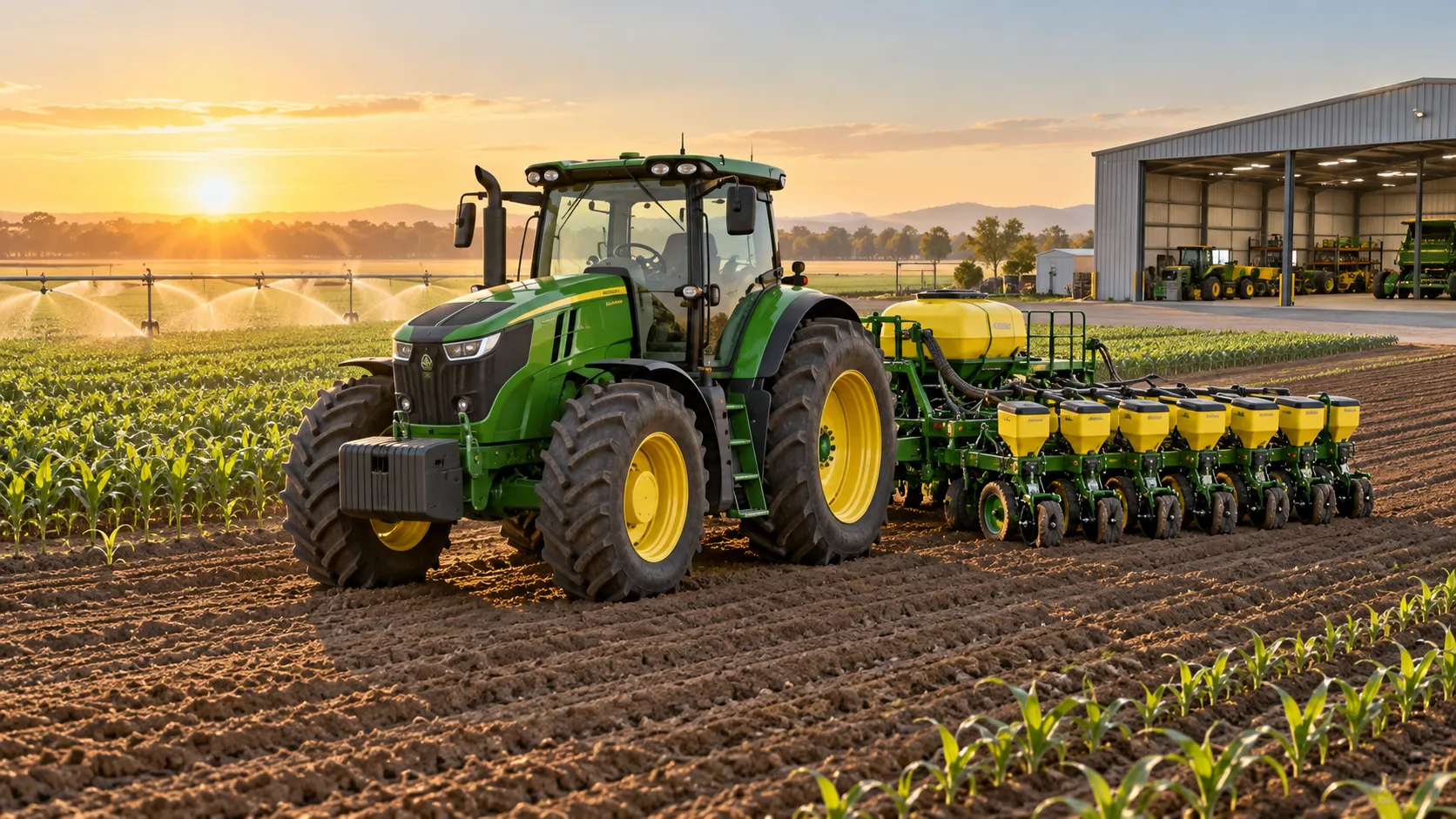
Farm Machinery Sourcing: How to Vet Suppliers, Specs, and Lifecycle Costs
Farm machinery information for sourcing: learn to vet suppliers, compare specifications, control lifecycle costs, and secure reliable uptime for smarter equipment purchases.
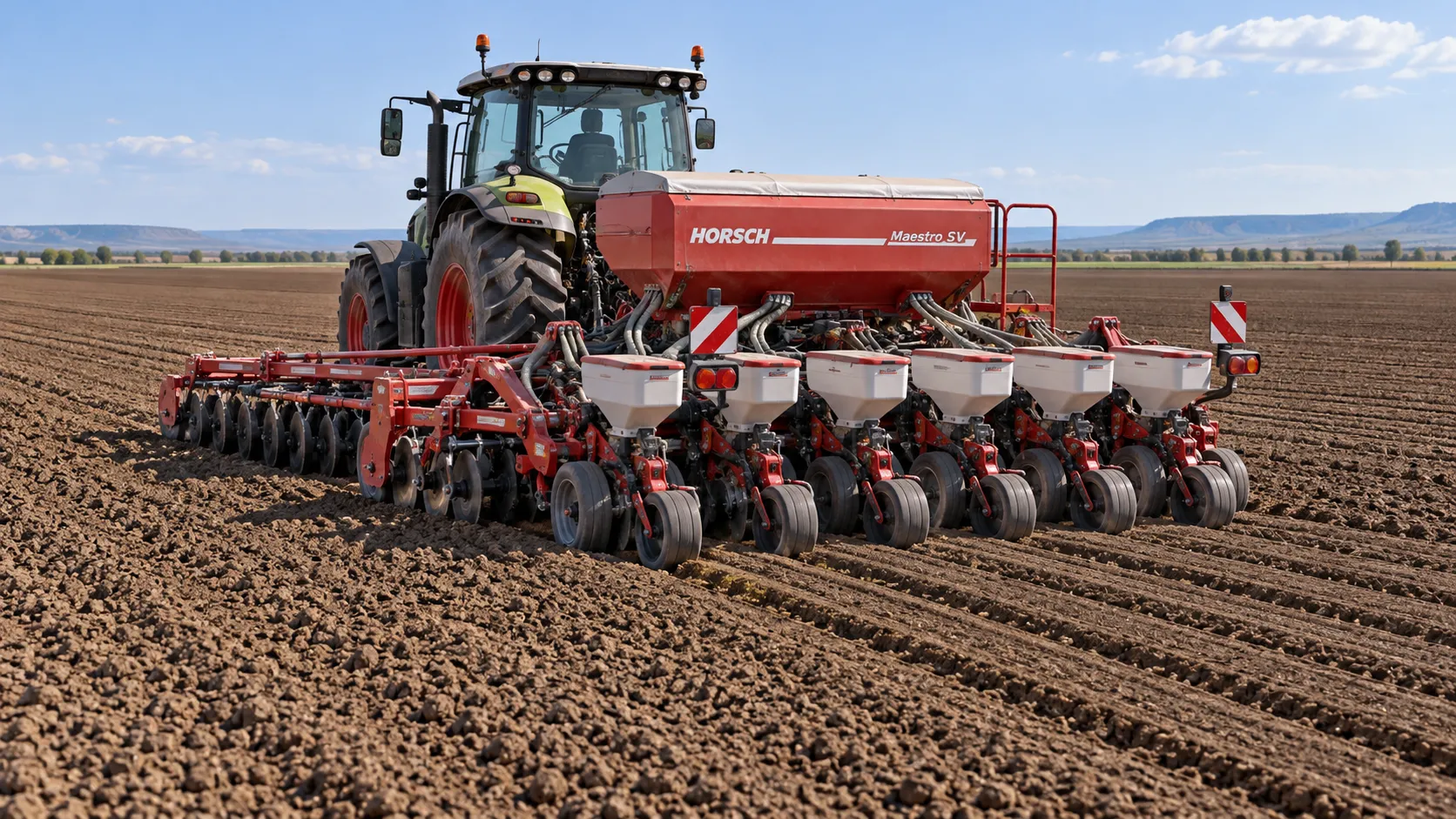
What to compare in integrated seeding combinations for heavy soils
Compare integrated seeding combinations for heavy soils: depth control, residue flow, consolidation, traction, and field capacity for more uniform crop establishment.
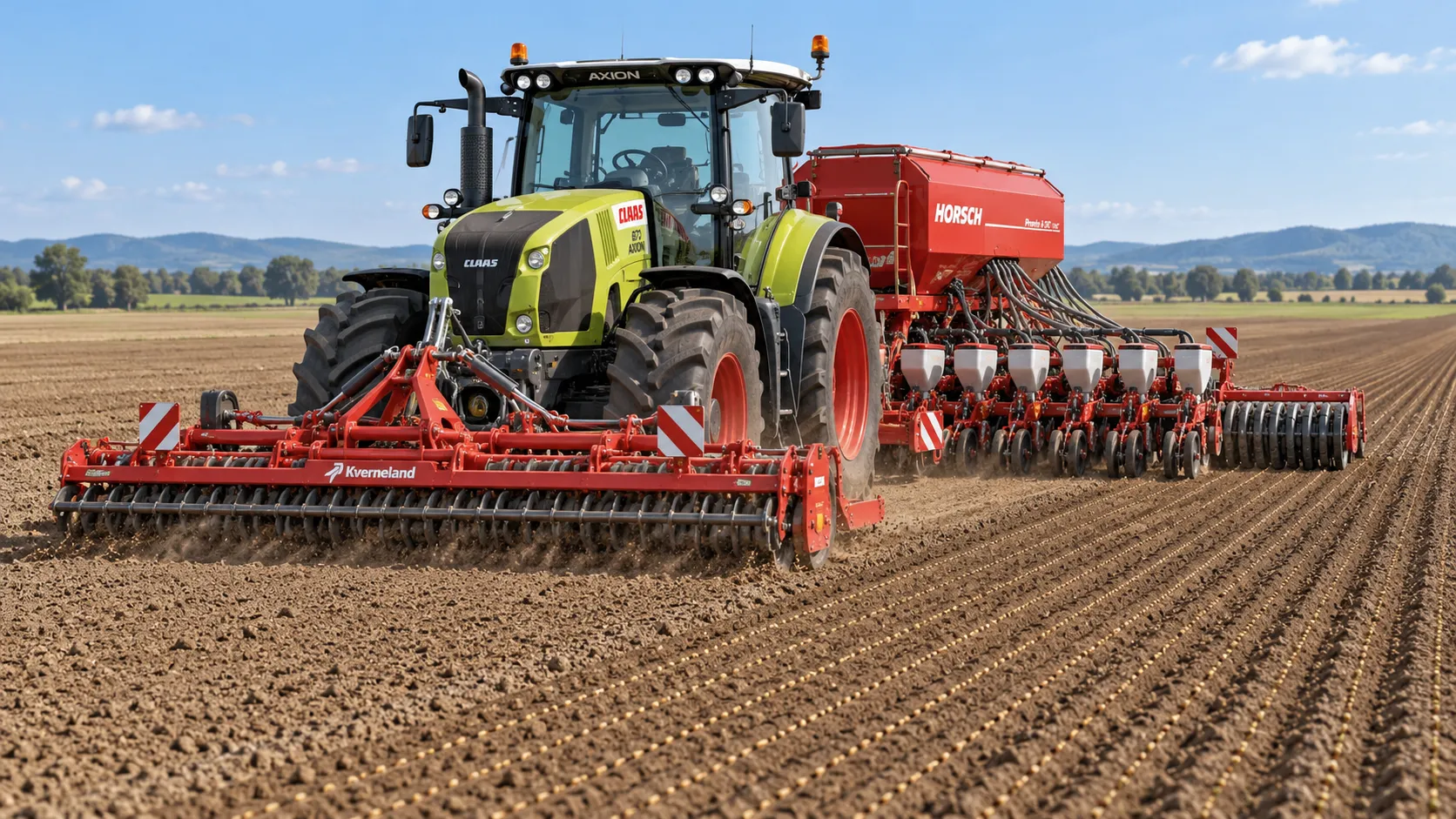
When an integrated seeding combination improves field efficiency
Integrated seeding combination improves field efficiency, protects planting windows, and balances speed with seedbed quality, tractor capacity, and reliable establishment.
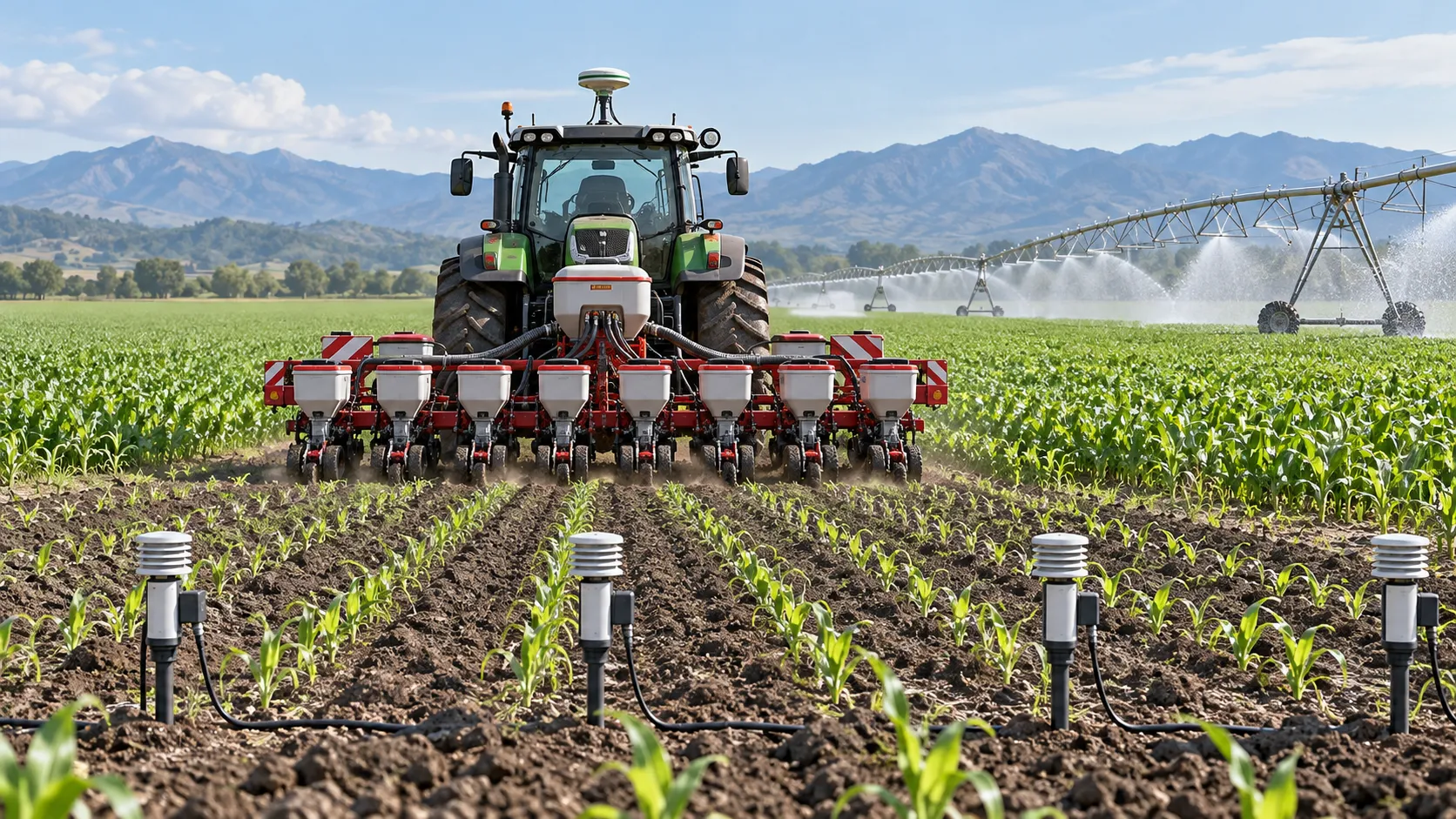
Which costs matter most when calculating precision agriculture ROI?
Calculating ROI on precision agriculture equipment? Discover the costs that shape returns, from installation and subscriptions to downtime, labor, and data integration.

How to calculate ROI on precision agriculture equipment before buying
Calculating ROI on precision agriculture equipment: learn to assess total ownership costs, savings, payback, NPV, risks, and farm-scale value before you buy.
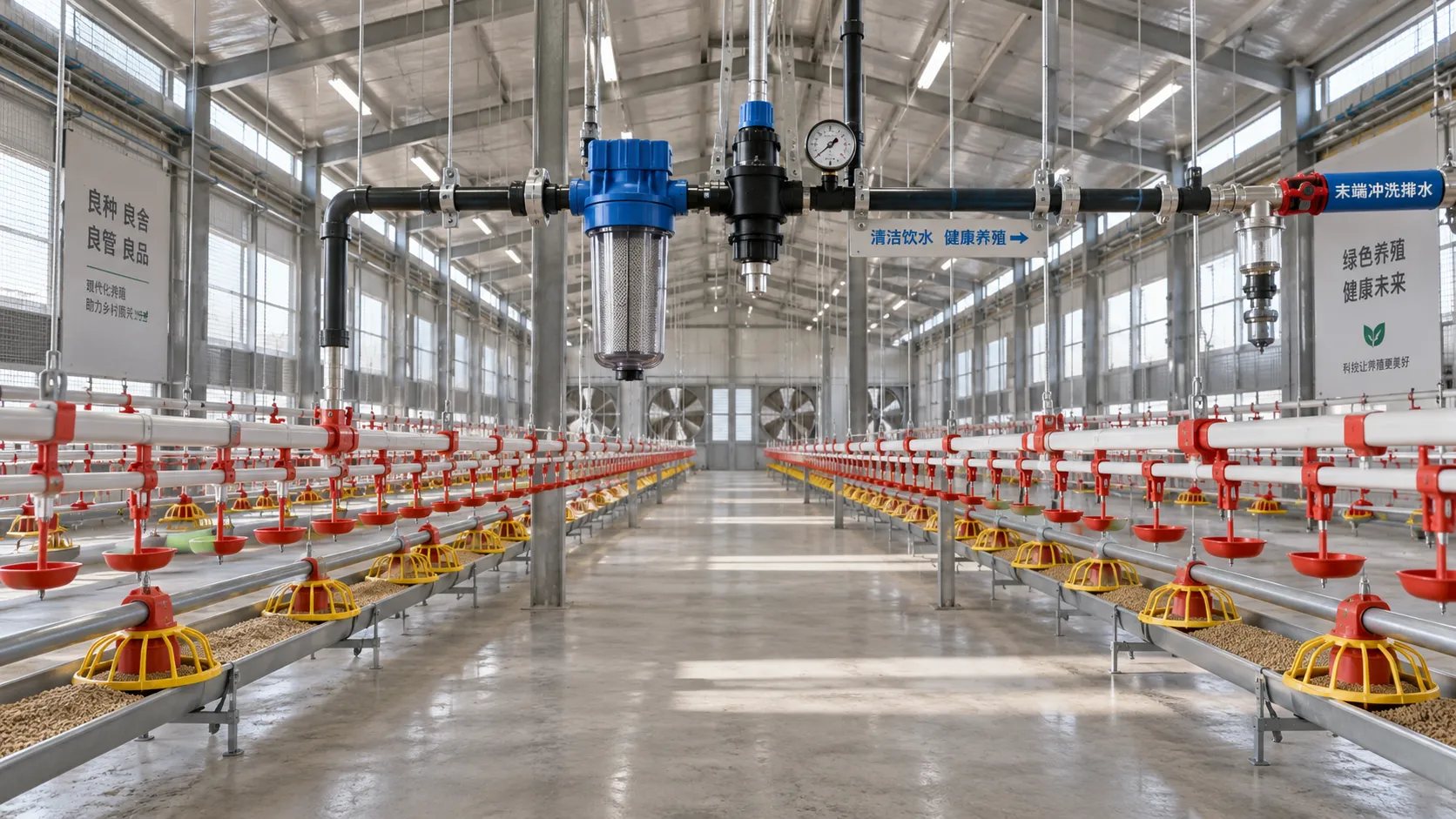
Planning Nipple Drinker Installation for Different Chicken House Layouts
How to install nipple drinker for chicken houses: plan line layouts, pressure control, flushing access, and maintenance for reliable water delivery.
Related News
- 00
0000-00
Choosing a Digital Farming Platform Provider: Compatibility and Data Ownership - 00
0000-00
How Large-Scale Farm Telematics Cuts Downtime Across Mixed Fleets - 00
0000-00
How to Size Low-Pressure Water-Saving Irrigation Systems for Uneven Fields - 00
0000-00
Farm Machinery Sourcing: How to Vet Suppliers, Specs, and Lifecycle Costs - 00
0000-00
What to compare in integrated seeding combinations for heavy soils
Popular Tags
Industry Global
Weekly Insights
Stay ahead with our curated technology reports delivered every Monday.