
Horgos Railway Port Launches Smart Agri-Machinery Export Channel
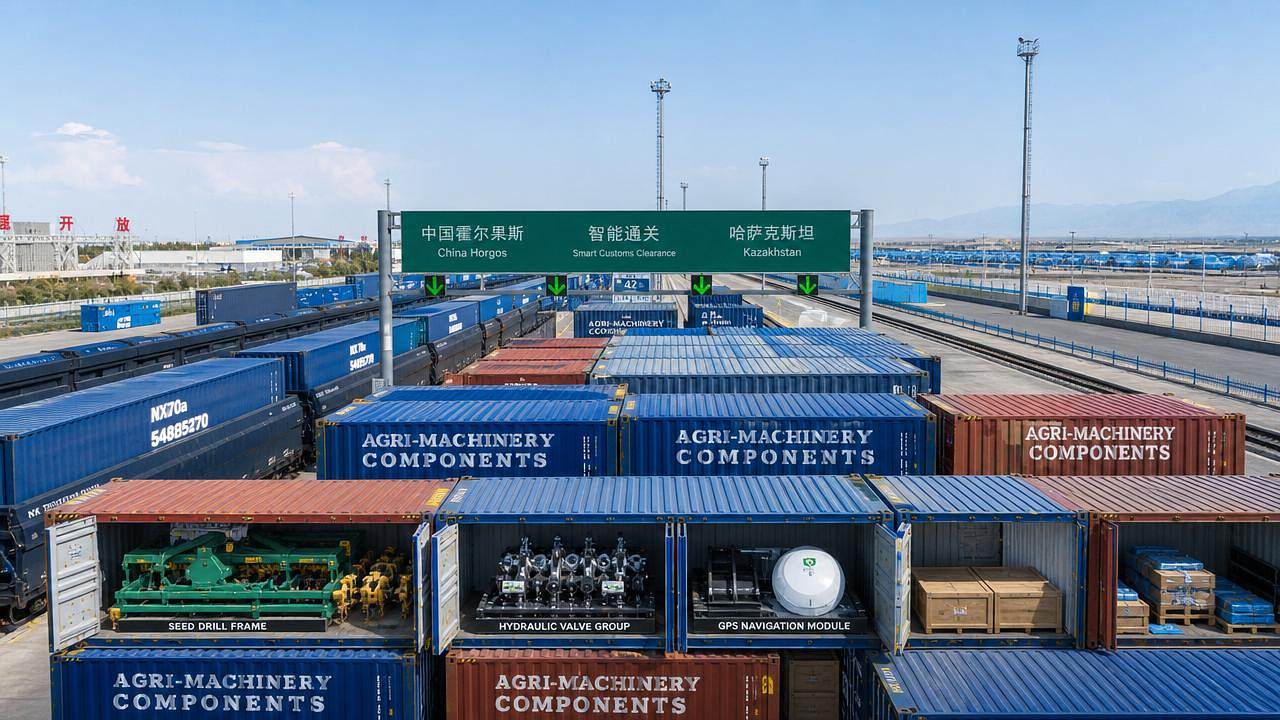




On May 26, 2026, Horgos Railway Port in Xinjiang activated a dedicated green channel for agricultural machinery components destined for Kazakhstan—marking a regulatory and operational shift in cross-border export clearance for assembled tractor kits and related subsystems.
Implementation of the Dedicated Agri-Machinery Clearance Protocol
Effective May 26, 2026, Horgos Railway Port introduced a specialized clearance mechanism for tractor subassemblies exported to Kazakhstan—including seed drill frames, hydraulic valve assemblies, and GPS navigation modules. The protocol enforces three core procedures: immediate on-arrival inspection, parallel processing of customs documentation, and guaranteed release within 48 hours. Initial pilot shipments from YTO Group and Lovol Heavy Industry reported an average reduction of 12 days in total delivery cycle time.
Impact Across Supply Chain Roles
Direct Exporters
Companies shipping disassembled tractors or modular agri-machinery systems face revised documentation sequencing and real-time coordination with port authorities. The 48-hour release window necessitates tighter synchronization between shipment scheduling, document submission, and physical arrival at the border—making pre-clearance validation and digital filing readiness critical.
Component Suppliers
Suppliers of hydraulic valves, structural frames, or embedded navigation modules must ensure traceability alignment with export declarations. Batch-level conformity documentation—such as part-numbered test reports and origin certificates—must be finalized prior to consignment, as post-arrival verification is no longer feasible under the accelerated timeline.
Assembly & Manufacturing Firms
Firms performing final kit assembly before export must adjust their production planning to accommodate just-in-time dispatch windows. The new process shifts inventory holding from transit zones to domestic staging areas, increasing demand for certified packaging, labeling, and modular documentation per SKUs rather than per container.
Logistics & Customs Service Providers
Third-party customs brokers and freight forwarders must now integrate with Horgos’ digital single-window platform to submit declarations concurrently with cargo arrival. Their role evolves toward proactive compliance auditing—verifying that technical specifications, tariff classifications, and country-of-origin statements match the declared ‘agri-machinery component’ status before shipment departure.
Key Operational Considerations for Exporters
Documentation Readiness for Parallel Processing
Exporters must prepare all required documents—including commercial invoices, packing lists, technical data sheets, and Kazakhstan-specific conformity declarations—prior to rail departure. No paper-based corrections or supplementary submissions are permitted after arrival; non-compliant filings trigger automatic reversion to standard clearance timelines.
Product Classification Accuracy
Misclassification risks (e.g., listing GPS modules as general electronics instead of integrated agricultural guidance systems) may disqualify shipments from the green channel. Exporters should confirm HS code alignment with Kazakhstani import regulations and Chinese export control guidelines for dual-use navigation hardware.
Delivery Planning Under Compressed Timelines
With total port clearance reduced to two days, shippers must synchronize rail schedules, inland transport lead times, and factory dispatch dates with precision. A delay of even one day in inland transit may forfeit eligibility for the 48-hour guarantee—requiring fallback to standard customs review.
Supplier Documentation Traceability
Manufacturers must maintain auditable records linking each shipped module to its supplier’s quality certifications, material test reports, and manufacturing batch logs. This traceability supports rapid verification during the ‘on-arrival inspection’ phase and mitigates delays caused by documentation gaps.
Industry Implications Beyond Expedited Clearance
Analysis shows this initiative reflects a broader trend toward sector-specific trade facilitation—not merely procedural optimization. From an industry perspective, it signals growing alignment between China’s export infrastructure upgrades and regional demand for localized agricultural mechanization. What deserves closer attention is how such targeted channels may evolve into de facto technical gateways: future iterations could embed mandatory compliance checks for electromagnetic compatibility (EMC), software update protocols, or cybersecurity features in connected farm equipment—extending beyond customs efficiency into product standardization enforcement.
Strategic Significance for Cross-Border Agri-Tech Trade
This development marks more than a logistics improvement—it establishes a precedent for regulatory segmentation based on end-use application and destination market readiness. For exporters, it underscores the growing importance of anticipatory compliance: aligning technical documentation, supply chain transparency, and certification scope not only with national export rules but also with anticipated regional integration requirements across Central Asia.
Source Attribution & Verification Guidance
This article was generated exclusively from the provided title, event date (May 26, 2026), and factual summary. Specific official source links were not provided in the input and should be verified continuously. Stakeholders are advised to monitor updates from the General Administration of Customs of China, the Xinjiang Uygur Autonomous Region Department of Commerce, and Kazakhstan’s Ministry of National Economy regarding implementation details, eligibility criteria, and potential expansion to other machinery categories.
Related News
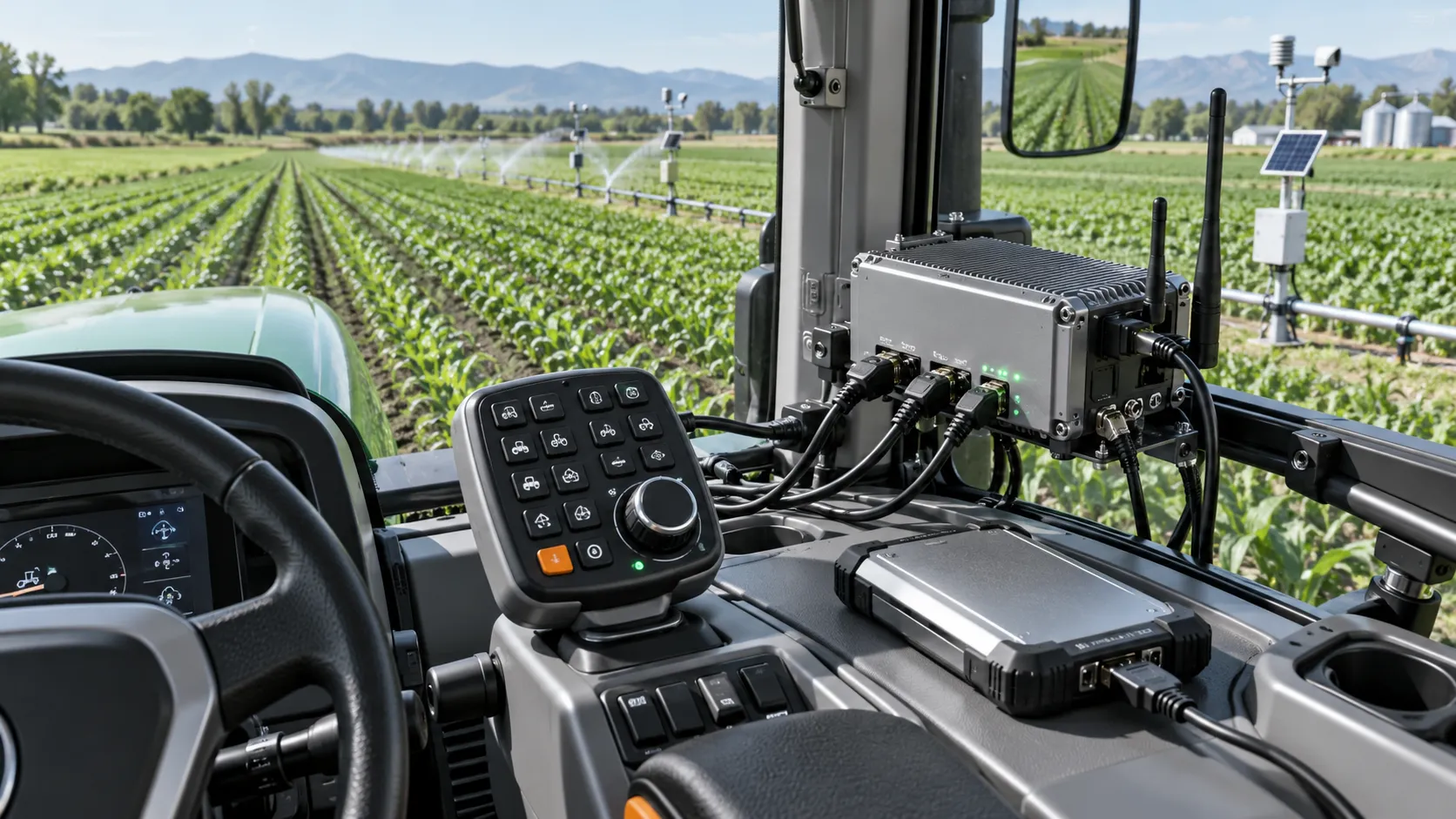
Choosing a Digital Farming Platform Provider: Compatibility and Data Ownership
Compare digital farming platforms providers on equipment compatibility, data ownership, and export rights. Discover practical checks to avoid lock-in and choose with confidence.
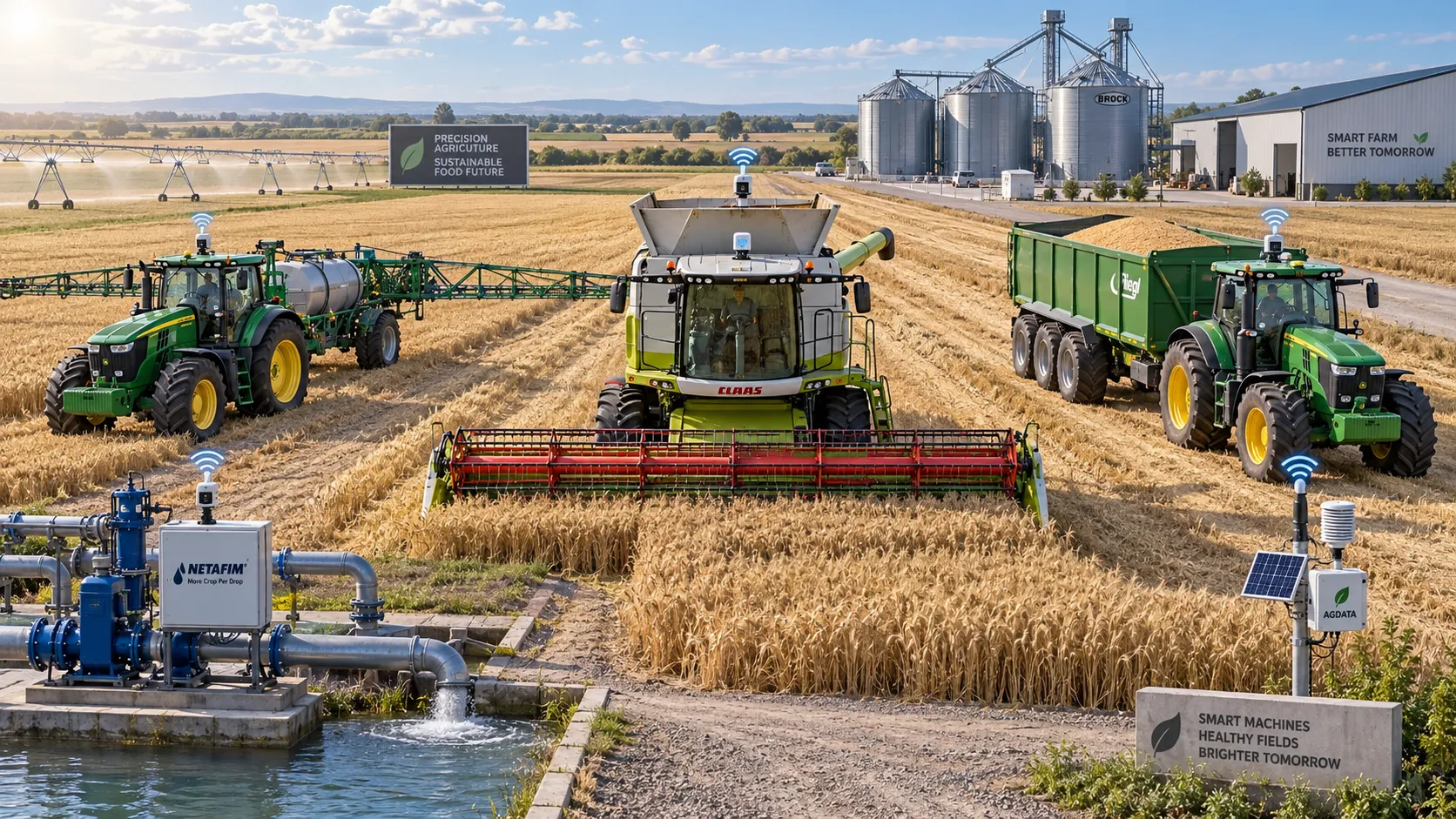
How Large-Scale Farm Telematics Cuts Downtime Across Mixed Fleets
Large-scale farm equipment telematics cuts mixed-fleet downtime with real-time alerts, smarter maintenance, and stronger operational control. Learn how to protect critical farm workflows.
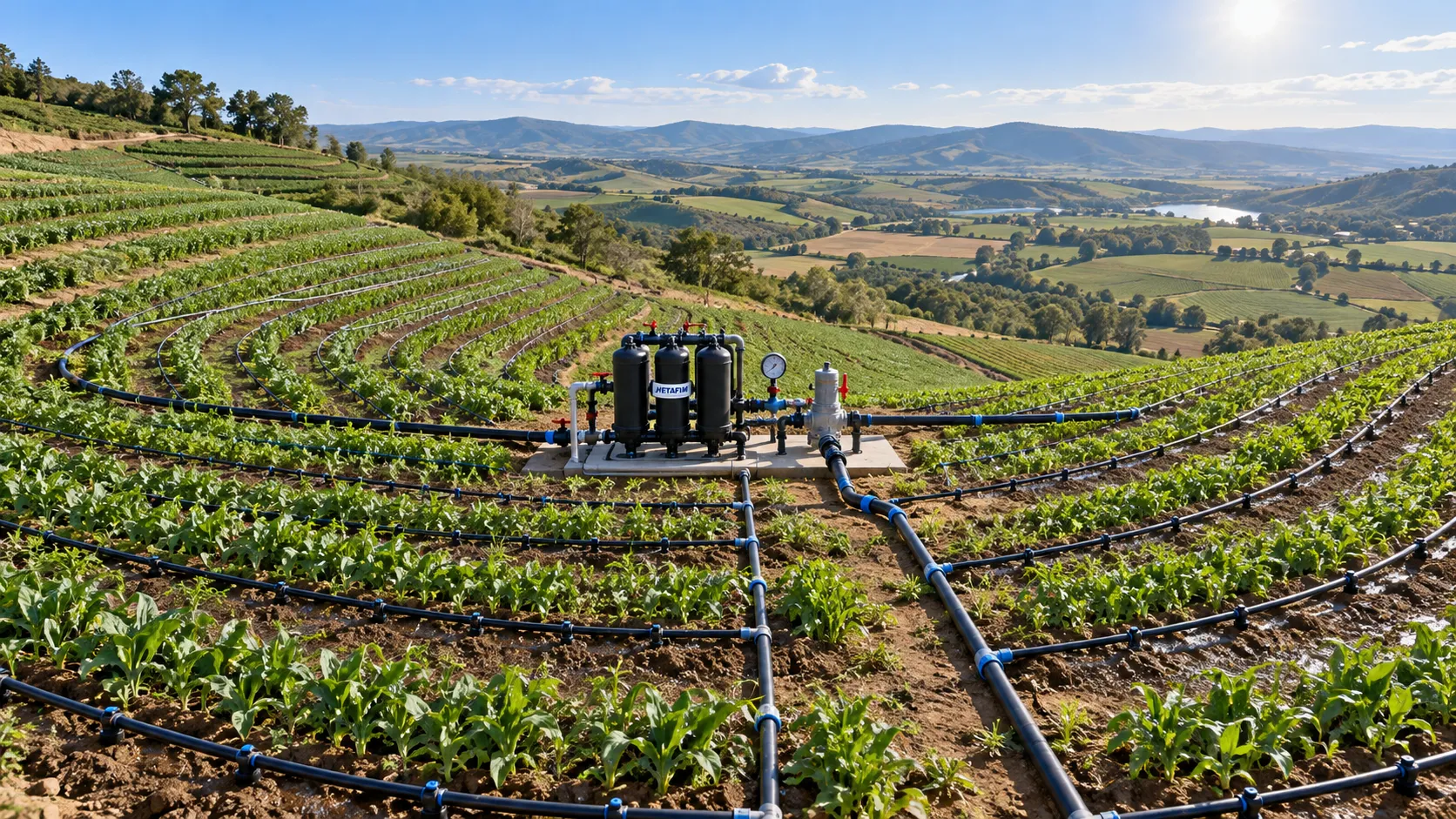
How to Size Low-Pressure Water-Saving Irrigation Systems for Uneven Fields
Low pressure water-saving irrigation systems for uneven fields: learn zoning, pressure mapping, pipe sizing, and pump selection to improve uniformity and reduce water waste.

Farm Machinery Sourcing: How to Vet Suppliers, Specs, and Lifecycle Costs
Farm machinery information for sourcing: learn to vet suppliers, compare specifications, control lifecycle costs, and secure reliable uptime for smarter equipment purchases.
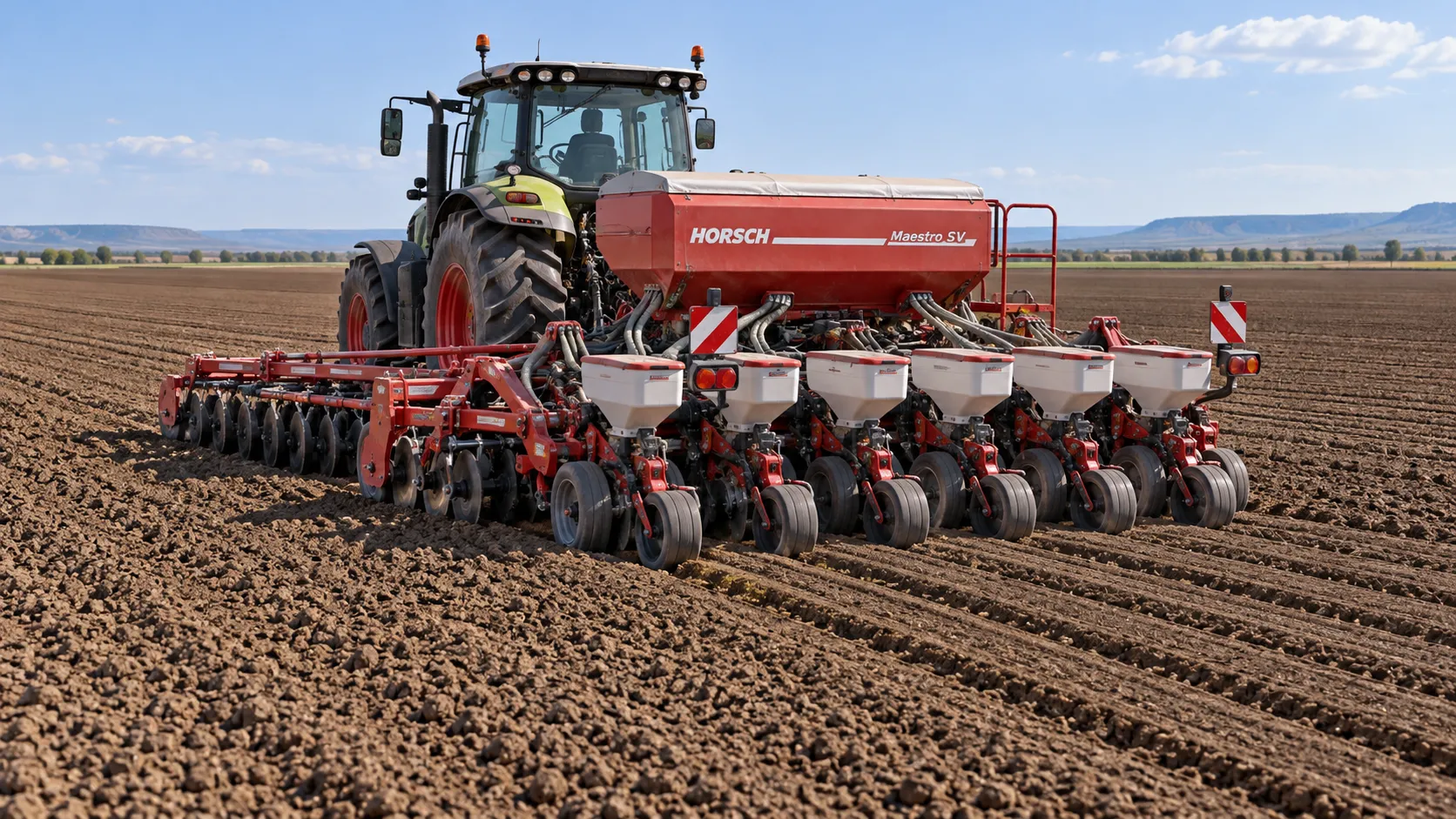
What to compare in integrated seeding combinations for heavy soils
Compare integrated seeding combinations for heavy soils: depth control, residue flow, consolidation, traction, and field capacity for more uniform crop establishment.
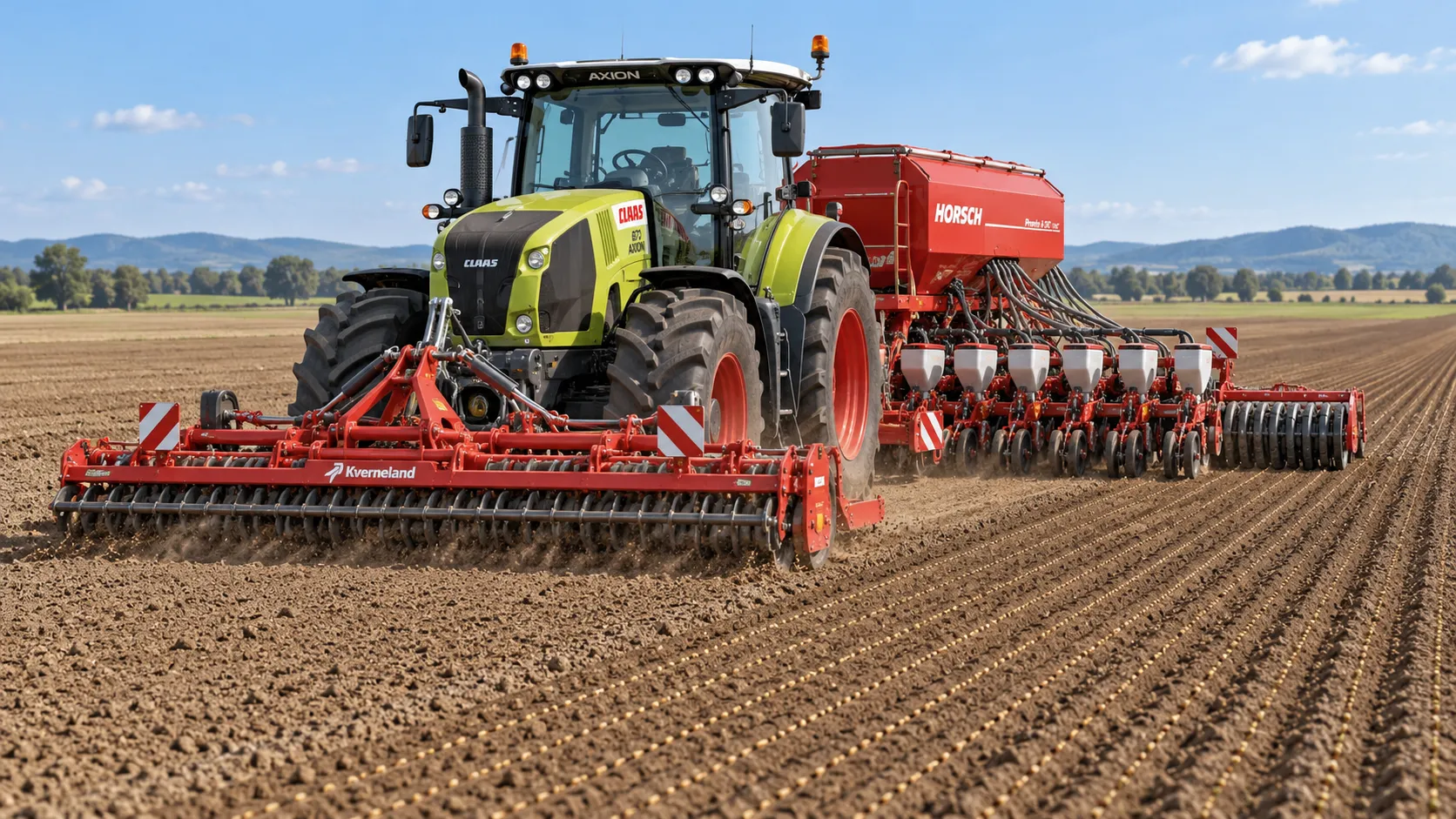
When an integrated seeding combination improves field efficiency
Integrated seeding combination improves field efficiency, protects planting windows, and balances speed with seedbed quality, tractor capacity, and reliable establishment.
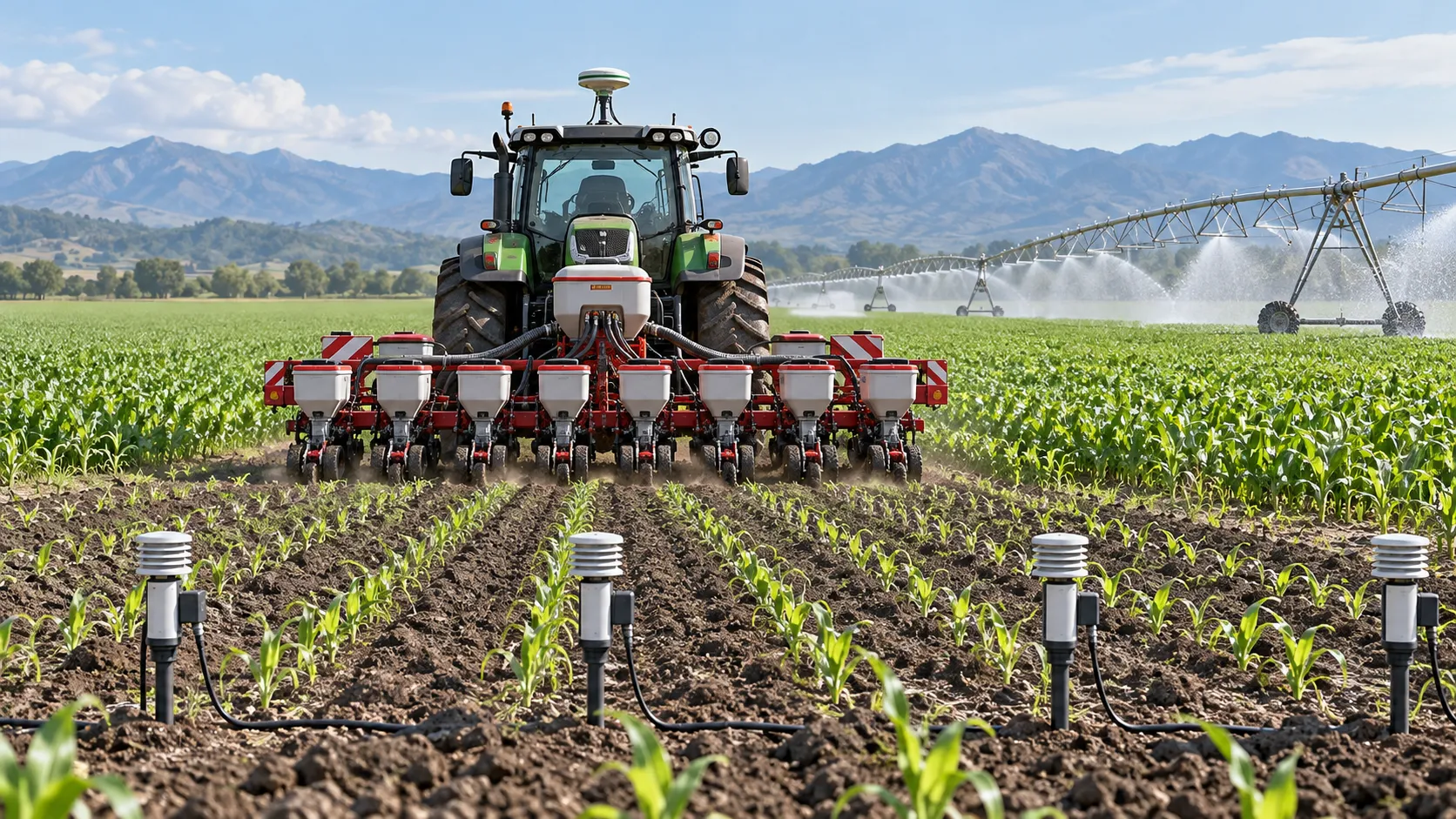
Which costs matter most when calculating precision agriculture ROI?
Calculating ROI on precision agriculture equipment? Discover the costs that shape returns, from installation and subscriptions to downtime, labor, and data integration.
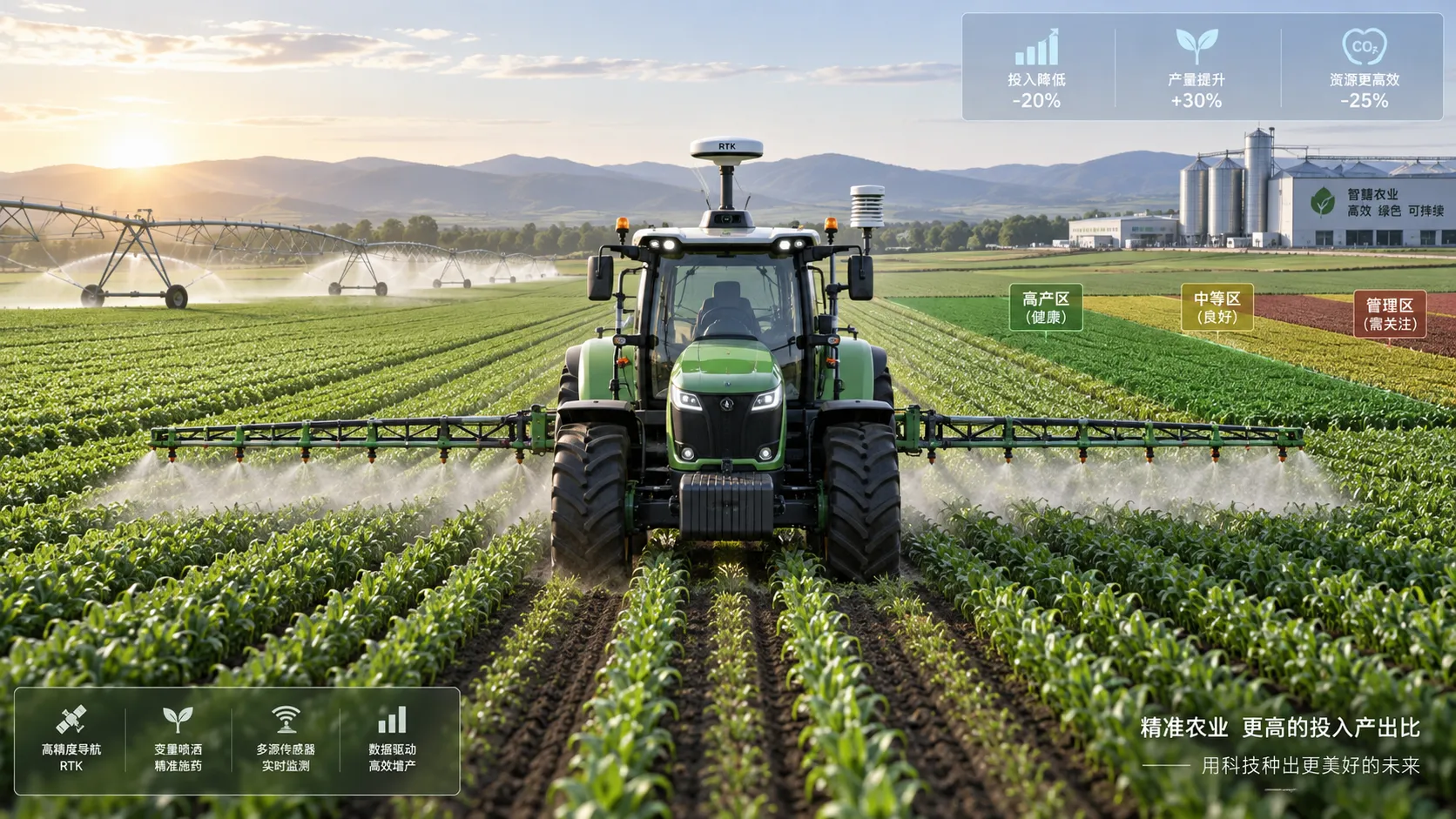
How to calculate ROI on precision agriculture equipment before buying
Calculating ROI on precision agriculture equipment: learn to assess total ownership costs, savings, payback, NPV, risks, and farm-scale value before you buy.
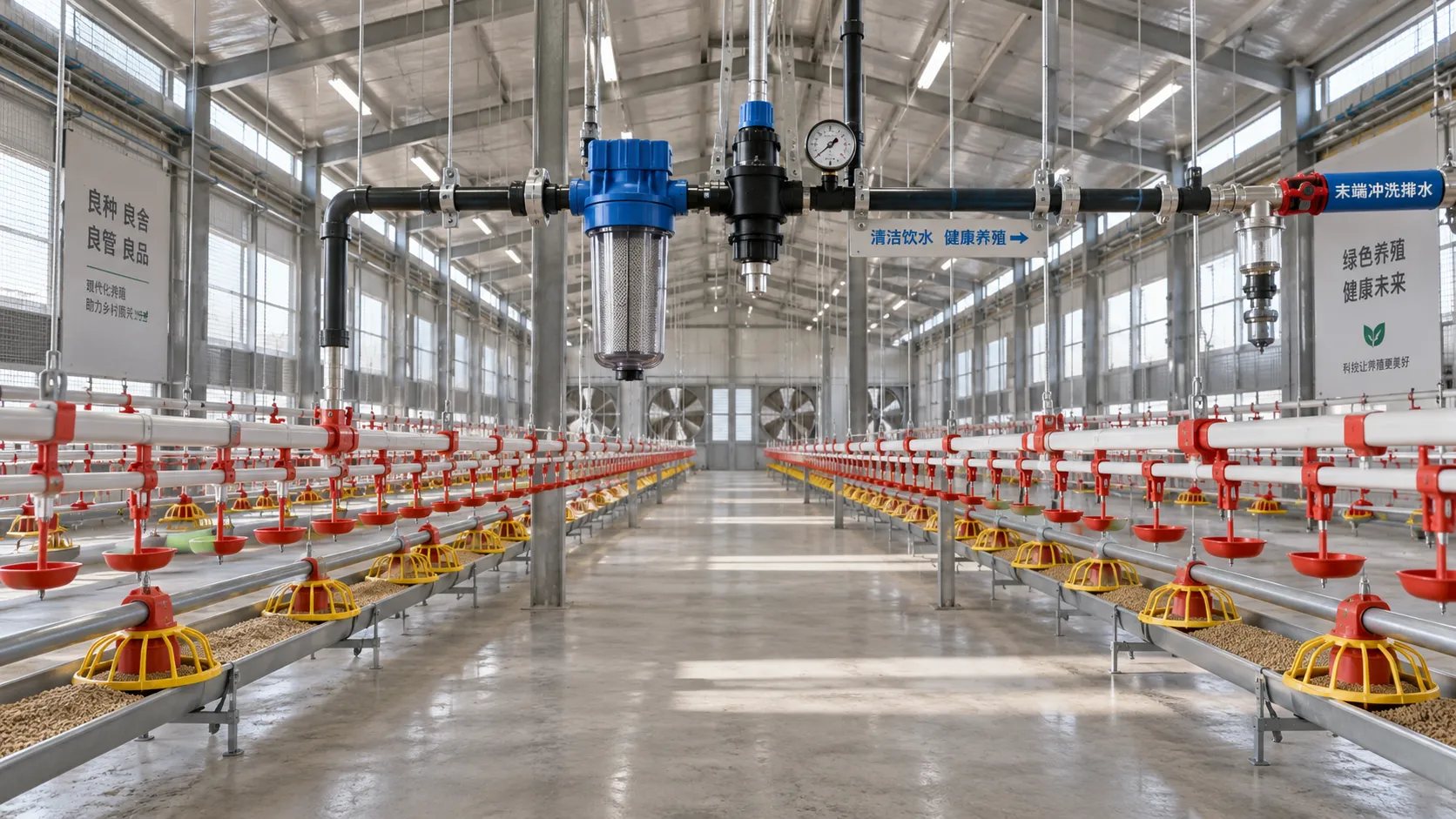
Planning Nipple Drinker Installation for Different Chicken House Layouts
How to install nipple drinker for chicken houses: plan line layouts, pressure control, flushing access, and maintenance for reliable water delivery.
Related News
- 00
0000-00
Choosing a Digital Farming Platform Provider: Compatibility and Data Ownership - 00
0000-00
How Large-Scale Farm Telematics Cuts Downtime Across Mixed Fleets - 00
0000-00
How to Size Low-Pressure Water-Saving Irrigation Systems for Uneven Fields - 00
0000-00
Farm Machinery Sourcing: How to Vet Suppliers, Specs, and Lifecycle Costs - 00
0000-00
What to compare in integrated seeding combinations for heavy soils
Popular Tags
Industry Global
Weekly Insights
Stay ahead with our curated technology reports delivered every Monday.