
EAEU Enforces Traceability for CVT and Hydraulic Systems in Agricultural Machinery
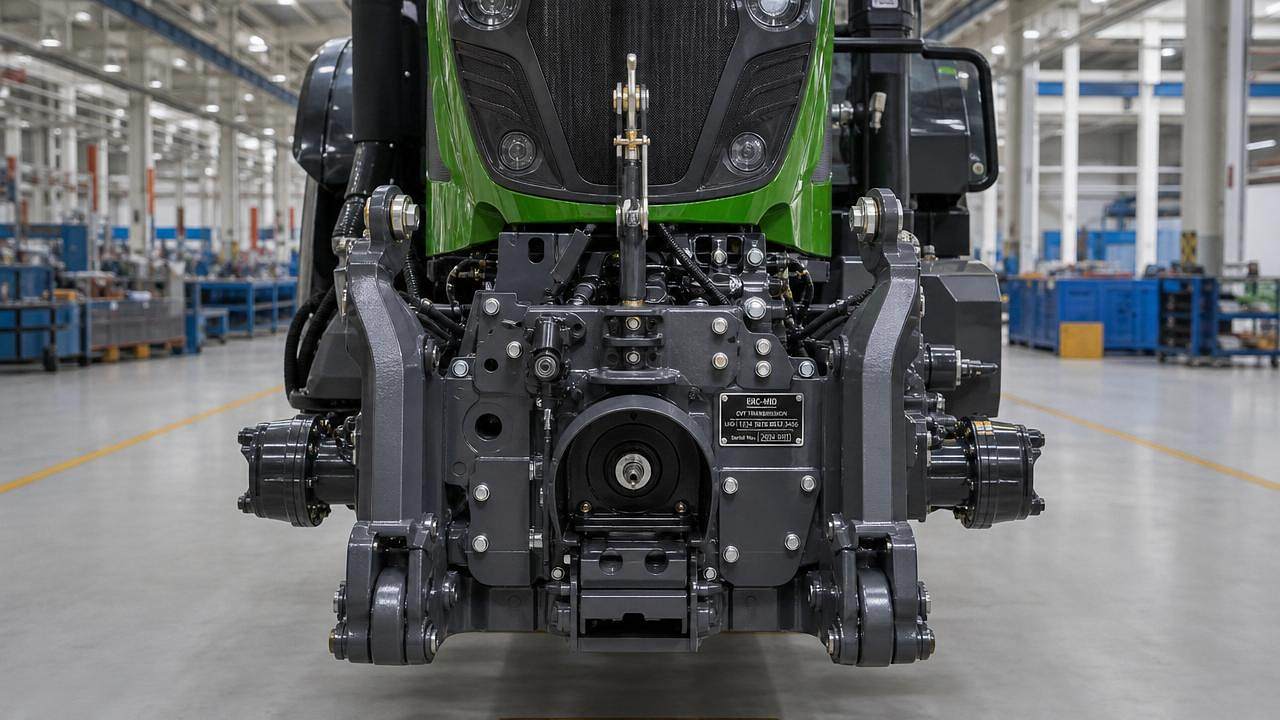




On May 26, 2026, the Eurasian Economic Commission (EEC) officially implemented the Regulation on Full-Life-Cycle Traceability of Agricultural Machinery, introducing mandatory digital traceability requirements for critical components—including continuously variable transmissions (CVT) and hydraulic lift systems—targeting manufacturers and exporters supplying the Eurasian Economic Union (EAEU) market.
Key Regulatory Requirements Effective July 2026
The EEC regulation mandates that all CVT gearboxes and hydraulic lifting systems placed on the EAEU market from July 1, 2026, must bear a unique EAC-MID identification code. This code must be physically affixed to the component and registered in the EAEU’s centralized traceability platform. Products lacking a valid, registered EAC-MID code will be ineligible for EAC certification registration and will be denied customs clearance within the union.
Impact Across the Agricultural Machinery Value Chain
Direct Exporters
Exporters of complete tractors or harvesting equipment must now verify EAC-MID compliance not only for finished units but also for embedded CVT and hydraulic subsystems. Non-compliant components invalidate the entire unit’s EAC conformity assessment, directly affecting shipment timelines and contractual delivery obligations.
Component Suppliers & Manufacturers
Manufacturers producing CVT transmissions or hydraulic lift assemblies—whether original equipment manufacturers (OEMs) or tier-2 suppliers—must implement serial-level coding, data capture, and secure integration with the EAEU traceability platform. Production line adjustments, labeling infrastructure, and internal data governance protocols are now prerequisites for continued market access.
Procurement & Sourcing Entities
Buyers procuring agricultural machinery for public tenders or large-scale fleet deployment in EAEU member states must now validate EAC-MID registration status as part of technical bid evaluation. Absence of verifiable traceability data may disqualify otherwise compliant offers under new procurement evaluation criteria.
Supply Chain & Certification Service Providers
Third-party conformity assessment bodies and logistics service providers supporting EAEU market entry must update their documentation review checklists, verification workflows, and customs pre-clearance audits to include EAC-MID code authenticity, platform registration confirmation, and linkage to certified product declarations.
Actionable Compliance Priorities for Enterprises
Immediate EAC Certification Alignment
Companies must initiate revalidation of existing EAC certificates before July 1, 2026, ensuring all CVT and hydraulic system variants included in certified models are assigned and registered with EAC-MID codes. Legacy certifications without traceability integration will not support new shipments after the enforcement date.
Component-Level Documentation & Data Readiness
Technical documentation—including type descriptions, production batch records, and test reports—must now explicitly reference the EAC-MID code for each unit. Manufacturers must prepare for real-time data submission to the EAEU platform, including manufacturing date, facility ID, and conformity declaration reference.
Supplier Qualification & Contractual Updates
Procurement contracts with CVT and hydraulic system suppliers must incorporate traceability obligations, audit rights for EAC-MID data integrity, and liability clauses for non-registration or mislabeling. Supplier onboarding processes should now include EAC-MID platform access credentialing and training verification.
Customs Clearance & Logistics Planning
Importers and freight forwarders must integrate EAC-MID code validation into pre-arrival documentation checks. Delays are expected for consignments where EAC-MID registration status cannot be verified electronically at the point of entry.
Industry Perspective: Beyond Compliance Toward Digital Accountability
Analysis shows this regulation marks a structural shift—from product-level conformity to component-level digital accountability. Observably, the EAC-MID requirement functions less as a standalone technical barrier and more as an enabler of post-market surveillance, warranty enforcement, and circular economy reporting. What deserves closer attention is the implied extension of manufacturer responsibility across the full lifecycle: from initial registration through field failure analysis and end-of-life reporting. From an industry perspective, readiness hinges less on label printers and more on integrated ERP–traceability platform interoperability—a capability gap still unaddressed by many mid-tier suppliers.
Toward Sustainable Market Access in the EAEU
This traceability mandate reflects a broader regulatory trajectory across regional economic blocs: linking physical products to verifiable digital identities as a baseline for trust, safety, and sustainability claims. While implementation challenges remain—particularly for legacy OEMs and SME suppliers—the rule establishes a clear, non-negotiable threshold for market participation. Long-term competitiveness will increasingly depend on scalable, auditable digital traceability—not as an add-on, but as foundational infrastructure.
Source Transparency & Ongoing Monitoring
This article was generated exclusively from the user-provided information: title, event date (May 26, 2026), and summary description of the EEC’s traceability regulation. Specific official source links were not provided in the input and should be verified continuously. Stakeholders are advised to monitor upcoming EEC technical guidance documents, national customs authority implementation notices, updates to EAC certification body procedures, and evolving public procurement specifications for practical interpretation and enforcement nuances.
Related News

Farm Machinery Sourcing: How to Vet Suppliers, Specs, and Lifecycle Costs
Farm machinery information for sourcing: learn to vet suppliers, compare specifications, control lifecycle costs, and secure reliable uptime for smarter equipment purchases.

How to calculate ROI on precision agriculture equipment before buying
Calculating ROI on precision agriculture equipment: learn to assess total ownership costs, savings, payback, NPV, risks, and farm-scale value before you buy.
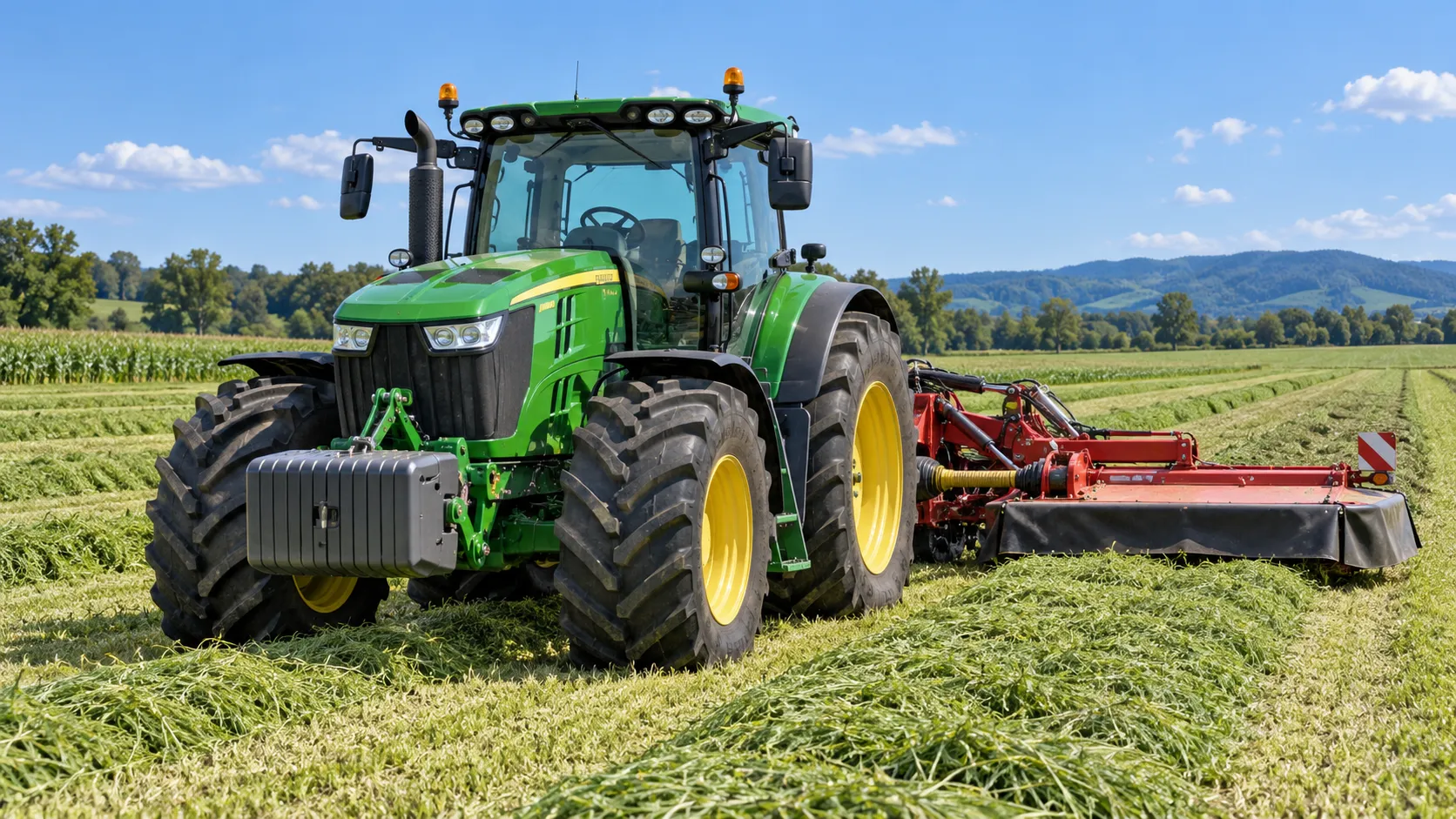
Tractor Specification Sheets: Matching PTO, Hydraulics, and Weight to Farm Tasks
Specification-oriented articles for tractors: match PTO, hydraulics, lift capacity, ballast, and weight to real farm tasks for safer, more efficient equipment choices.

How to Evaluate Dynamic Feedback Algorithm Suppliers for Precision Farming Systems
Dynamic feedback algorithms supplier evaluation guide for precision farming—compare validation, integration, safety, and pilots to choose with confidence.
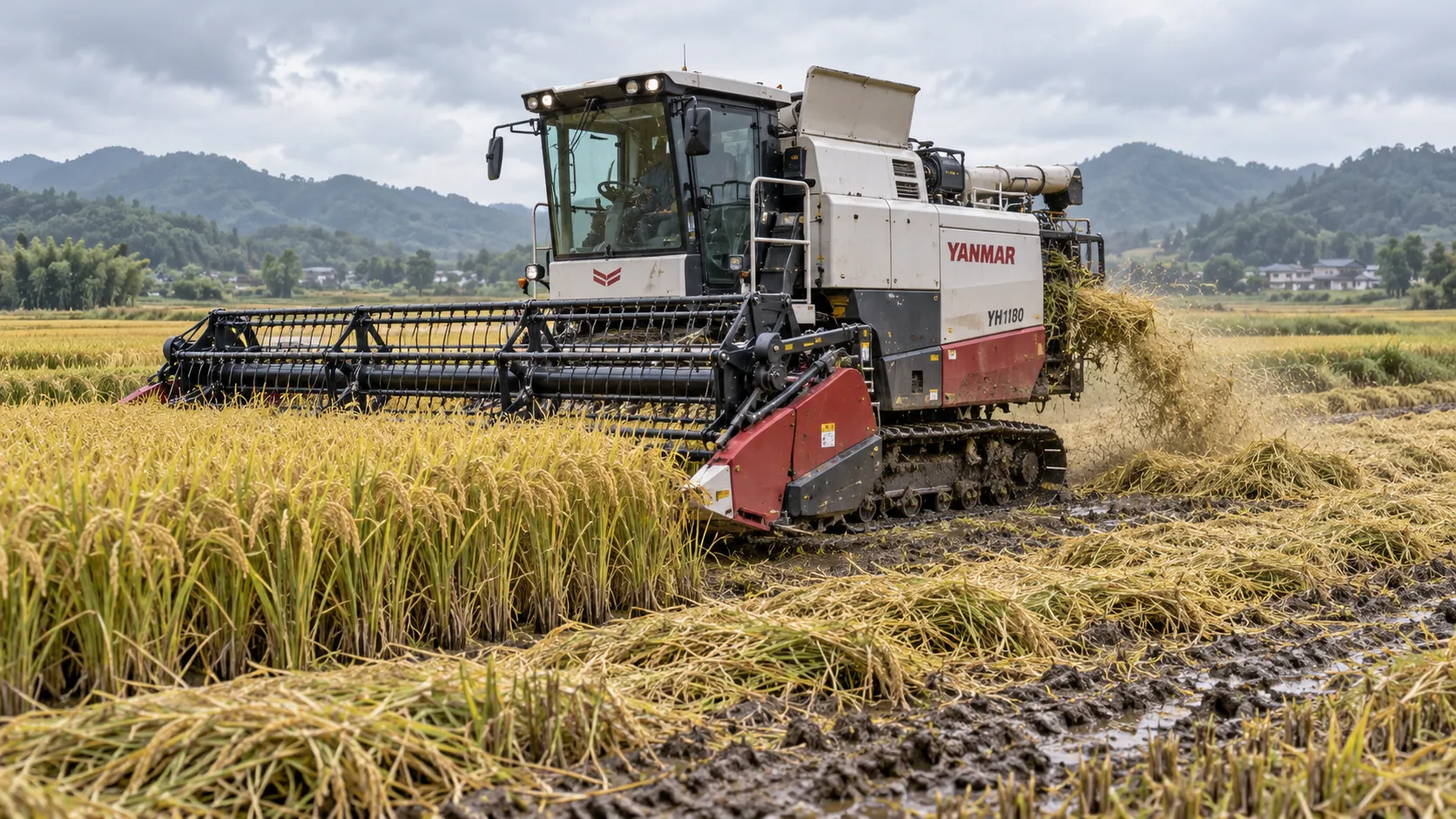
How to Specify Combine Harvester Systems for High-Moisture Grain and Variable Field Conditions
Combine harvester systems for high-moisture grain: learn how to specify threshing, cleaning, headers, traction, and automation for reliable harvests in variable fields.
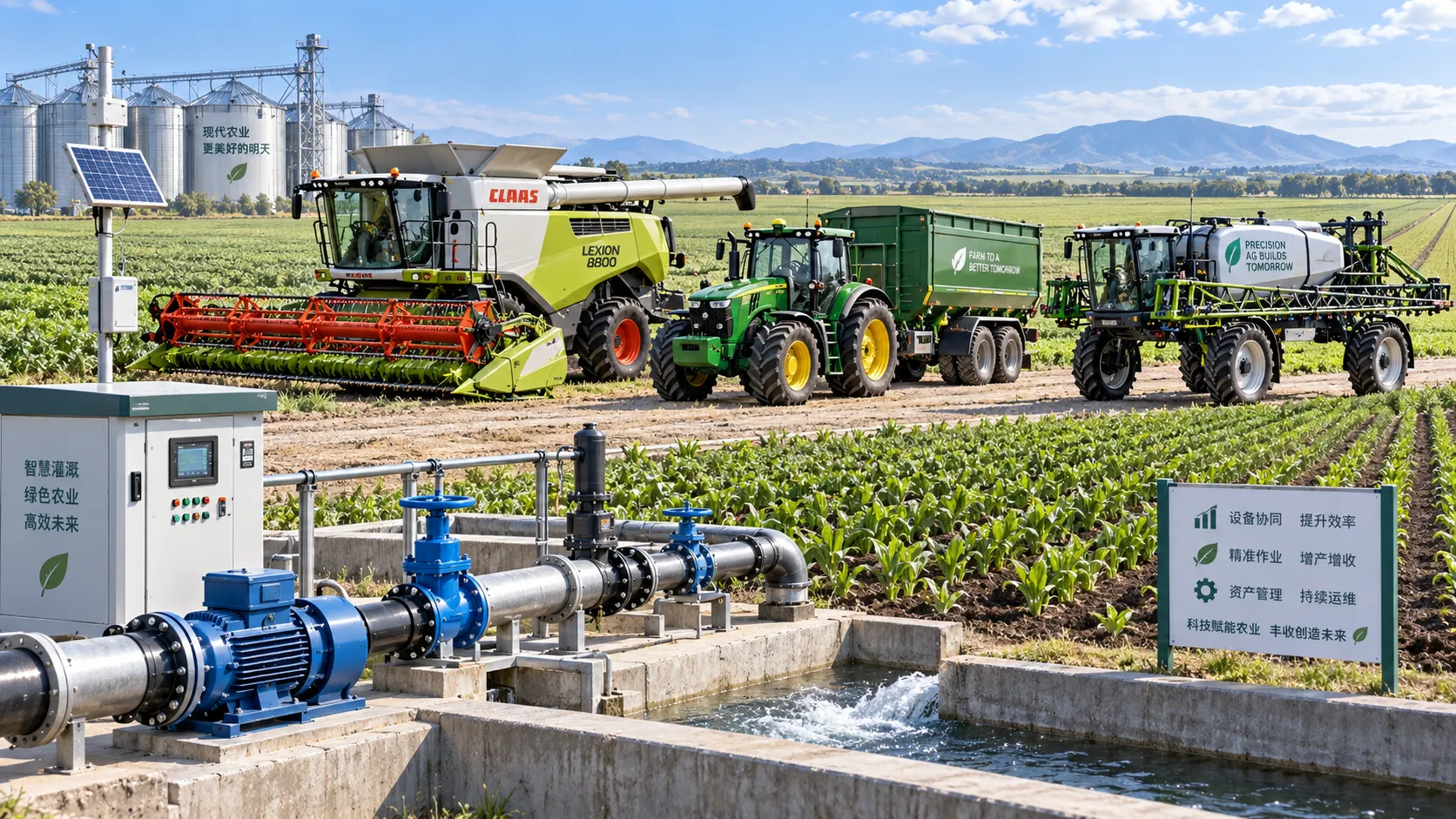
How to Compare Agricultural Equipment Platforms for Fleet Management and ROI
Agricultural equipment platform comparison: evaluate fleet data, maintenance, precision workflows, and ROI to choose a system that delivers measurable results.

Drip vs. Micro-Sprinkler Irrigation: Which System Fits Your Orchard?
Irrigation solution comparison for orchards: discover whether drip or micro-sprinklers best match your water, soil, roots, fertigation, and frost needs.

Orchard Water Management: Using Soil Moisture Data to Schedule Irrigation
Agricultural water management for orchards made practical: use soil moisture data to optimize irrigation timing, protect yield, reduce costs, and improve resilience.
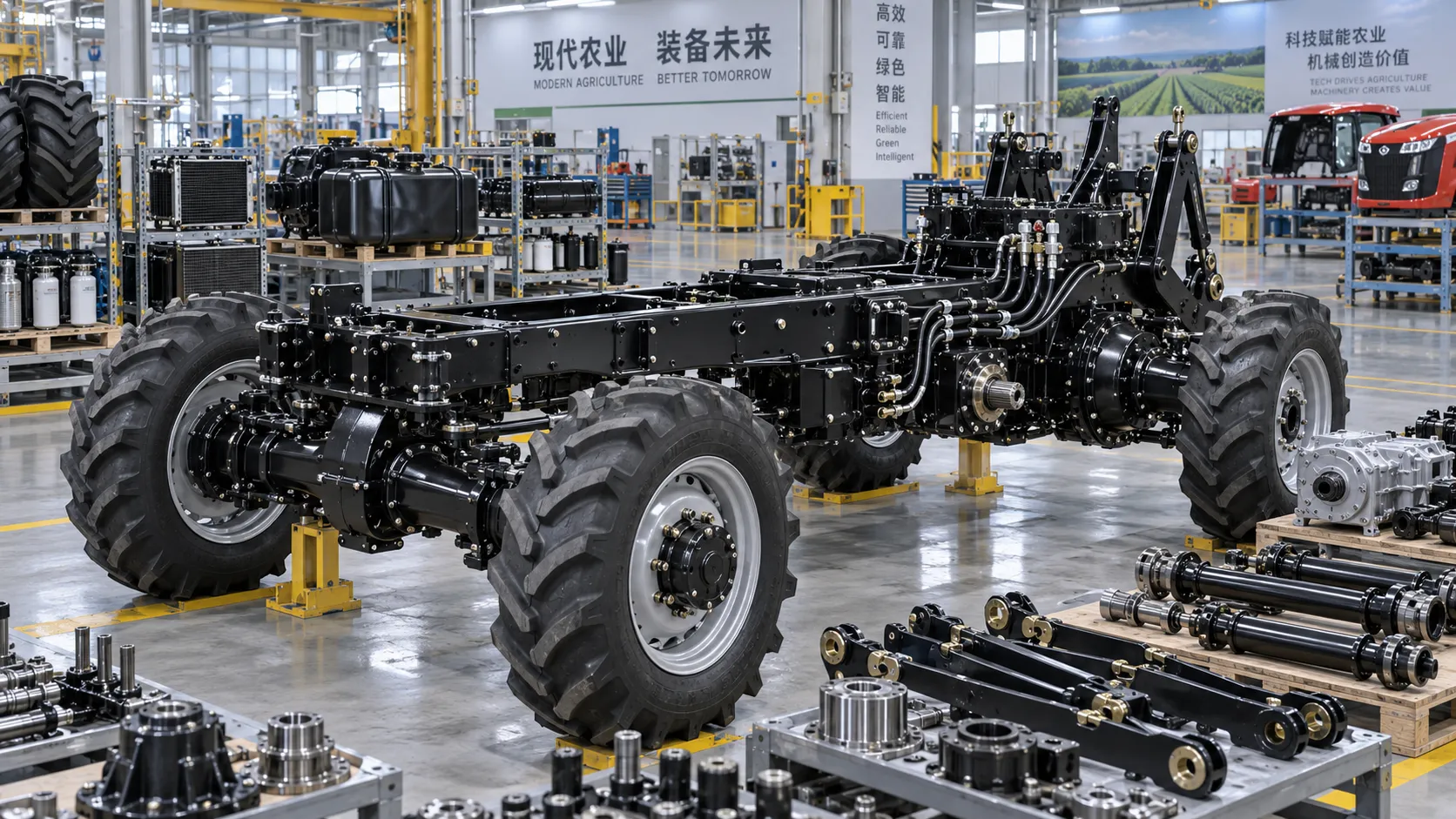
Tractor Chassis Price: What Buyers Should Compare Beyond the Initial Quote
Tractor chassis price is only the start. Compare load capacity, compatibility, durability, and lifecycle costs to choose a reliable, high-value chassis.
Related News
- 00
0000-00
Farm Machinery Sourcing: How to Vet Suppliers, Specs, and Lifecycle Costs - 00
0000-00
How to calculate ROI on precision agriculture equipment before buying - 00
0000-00
Tractor Specification Sheets: Matching PTO, Hydraulics, and Weight to Farm Tasks - 00
0000-00
How to Evaluate Dynamic Feedback Algorithm Suppliers for Precision Farming Systems - 00
0000-00
How to Specify Combine Harvester Systems for High-Moisture Grain and Variable Field Conditions
Popular Tags
Industry Global
Weekly Insights
Stay ahead with our curated technology reports delivered every Monday.