
Horgos Port Launches Smart Clearance for Agricultural Machinery Components
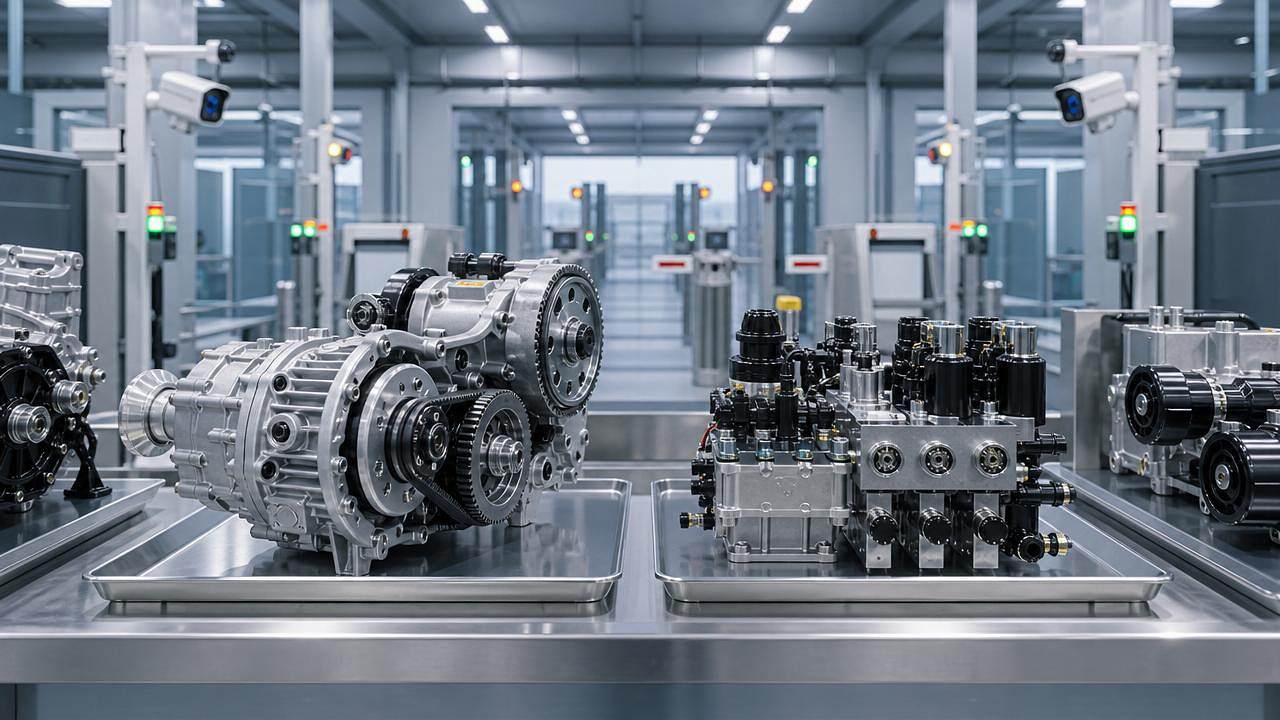




On May 28, 2026, the Horgos Customs in Xinjiang introduced a dedicated fast-track clearance mechanism for high-value agricultural machinery components—specifically CVT transmissions and electro-hydraulic proportional control lifting systems—significantly reducing average customs processing time from 72 to under 48 hours. This initiative directly impacts manufacturers, exporters, and logistics providers engaged in cross-border trade with Central Asia.
Smart Clearance Mechanism Goes Live at Horgos
Effective May 28, 2026, Horgos Customs launched the 'Green Channel for Key Agricultural Machinery Components'. The program applies AI-powered pre-clearance of documentation and immediate inspection-and-release protocols to select high-value spare parts—including continuously variable transmissions (CVTs) and electro-hydraulic proportional control lifting systems. Average customs clearance time has been reduced from 72 hours to within 48 hours. The system is integrated with the EAC-MID traceability platform of the five Central Asian countries, enabling single-code customs clearance and full-chain traceability.
Impacts Across the Agricultural Machinery Supply Chain
Direct Exporters and Importers
Companies shipping or receiving CVTs and electro-hydraulic lifting systems through Horgos now benefit from faster release—but must ensure all documentation aligns precisely with AI pre-audit requirements. Discrepancies in part descriptions, HS codes, or origin declarations may trigger manual review, negating time savings.
Raw Material and Component Procurement Firms
Firms sourcing critical subsystems for final assembly must adjust lead-time buffers. With clearance compressed by one-third, procurement planning must synchronize more tightly with production schedules—and account for potential delays if traceability data (e.g., batch IDs, manufacturing certificates) are incomplete or misformatted for EAC-MID ingestion.
Equipment Manufacturers
Manufacturers integrating imported CVTs or hydraulic systems into tractors or harvesters face tighter inbound logistics windows. Shorter customs cycles increase responsiveness but also raise pressure on just-in-time inventory models—especially when combined with EAC-MID’s mandatory digital traceability requirements across the supply chain.
Logistics and Customs Brokerage Providers
Third-party service providers must upgrade documentation workflows to support AI pre-submission standards and EAC-MID-compliant data packaging. This includes structured digital submission of technical specifications, conformity declarations, and serial-level traceability metadata—not just paper-based customs forms.
Key Operational Priorities for Enterprises
Ensure Traceability Data Readiness for EAC-MID Integration
All CVT and electro-hydraulic component shipments must carry machine-readable identifiers linked to verified manufacturing and compliance records. Firms should audit existing labeling, ERP data fields, and certificate templates against EAC-MID field requirements before first use of the green channel.
Validate Documentation Against AI Pre-Audit Logic
Horgos’ AI engine flags inconsistencies in tariff classification, valuation, and origin statements. Exporters should conduct internal pre-submission reviews using standardized nomenclature—avoiding colloquial terms like 'smart hydraulics' in favor of precise technical descriptors recognized in customs databases.
Align Technical Documentation with Clearance Triggers
Technical documentation—including test reports, CE or EAC declarations, and functional schematics—must be submitted digitally and referenced explicitly in the customs declaration. Incomplete or non-machine-readable files may delay AI validation and revert cases to standard processing timelines.
Update Supplier Compliance Protocols
Suppliers of CVT and hydraulic subsystems must provide not only conformity evidence but also traceability-enabling data (e.g., firmware version logs, calibration timestamps). Buyers should revise supplier agreements to include EAC-MID data delivery as a contractual obligation.
Industry Perspective: Beyond Speed—A Shift Toward Digital Compliance Infrastructure
Analysis shows this initiative reflects a broader transition: regulatory efficiency is no longer measured solely in time saved, but in the maturity of digital compliance infrastructure. From an industry perspective, the integration with EAC-MID signals that interoperable traceability—not just faster paperwork—is becoming a de facto entry requirement for Central Asian markets. What deserves closer attention is how rapidly firms without ERP-integrated quality management systems will adapt to real-time data exchange mandates. Observably, compliance readiness is shifting upstream—from customs brokers to R&D and production engineering teams.
Toward Predictable, Traceable Cross-Border Trade
This development marks a step toward harmonized, data-driven agricultural machinery trade across Eurasia. It does not eliminate regulatory complexity—but compresses its operational impact when enterprises invest proactively in digital documentation hygiene and traceability architecture. The true measure of success will be whether shortened clearance times translate into measurable reductions in landed cost and inventory risk—not just headline metrics.
Source Attribution and Ongoing Monitoring
This article was generated exclusively from the provided information: title, event date (May 28, 2026), and summary. Specific official source links were not provided in the input and should be verified continuously. Stakeholders are advised to monitor forthcoming implementation guidelines from Horgos Customs, updates to EAC-MID data schema requirements, and any sector-specific clarifications issued by agricultural machinery trade associations in China and Central Asia.
Related News
Choosing a Digital Farming Platform Provider: Compatibility and Data Ownership
Compare digital farming platforms providers on equipment compatibility, data ownership, and export rights. Discover practical checks to avoid lock-in and choose with confidence.
How Large-Scale Farm Telematics Cuts Downtime Across Mixed Fleets
Large-scale farm equipment telematics cuts mixed-fleet downtime with real-time alerts, smarter maintenance, and stronger operational control. Learn how to protect critical farm workflows.
How to Size Low-Pressure Water-Saving Irrigation Systems for Uneven Fields
Low pressure water-saving irrigation systems for uneven fields: learn zoning, pressure mapping, pipe sizing, and pump selection to improve uniformity and reduce water waste.
Farm Machinery Sourcing: How to Vet Suppliers, Specs, and Lifecycle Costs
Farm machinery information for sourcing: learn to vet suppliers, compare specifications, control lifecycle costs, and secure reliable uptime for smarter equipment purchases.
What to compare in integrated seeding combinations for heavy soils
Compare integrated seeding combinations for heavy soils: depth control, residue flow, consolidation, traction, and field capacity for more uniform crop establishment.
When an integrated seeding combination improves field efficiency
Integrated seeding combination improves field efficiency, protects planting windows, and balances speed with seedbed quality, tractor capacity, and reliable establishment.
Which costs matter most when calculating precision agriculture ROI?
Calculating ROI on precision agriculture equipment? Discover the costs that shape returns, from installation and subscriptions to downtime, labor, and data integration.
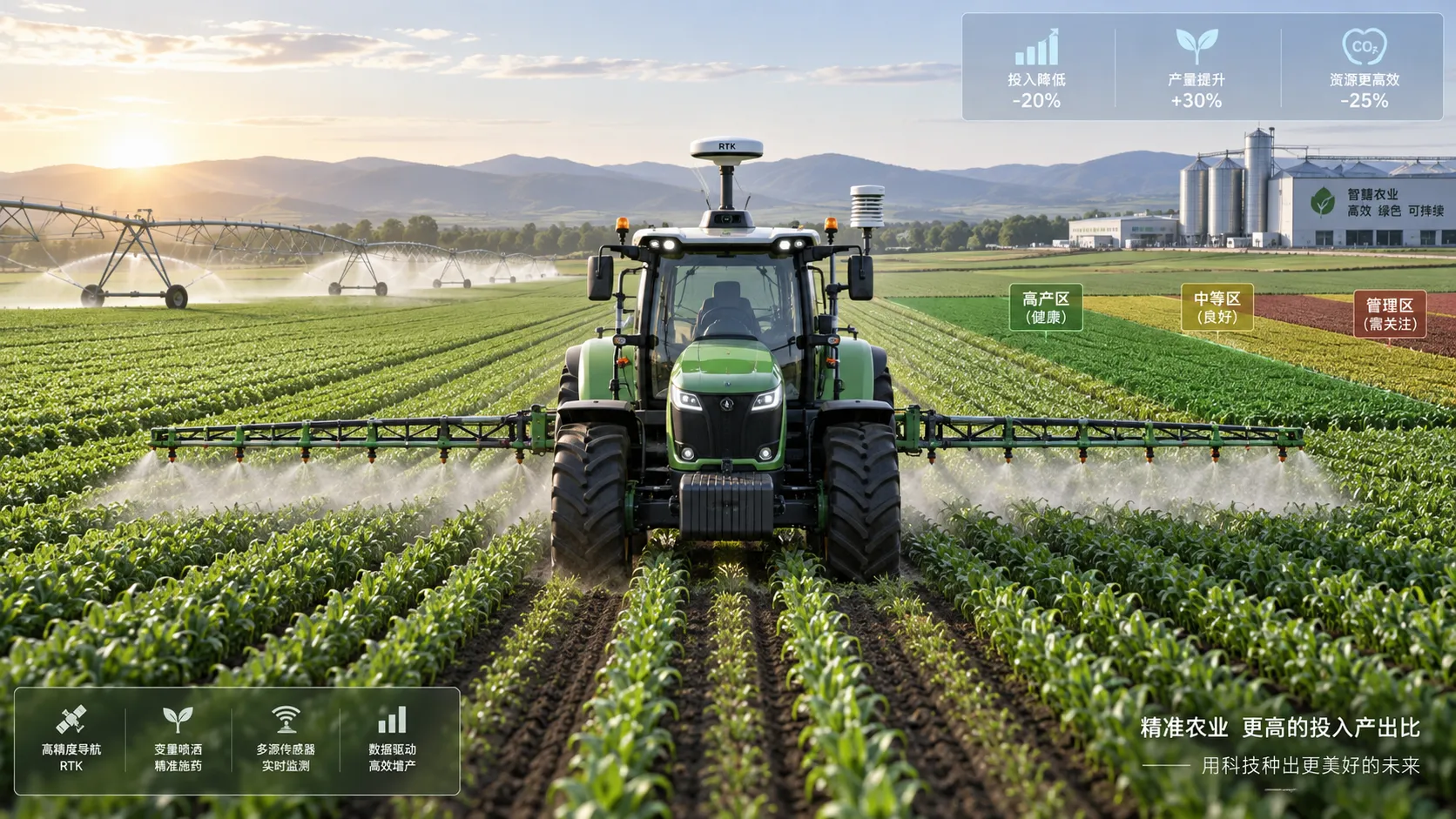
How to calculate ROI on precision agriculture equipment before buying
Calculating ROI on precision agriculture equipment: learn to assess total ownership costs, savings, payback, NPV, risks, and farm-scale value before you buy.
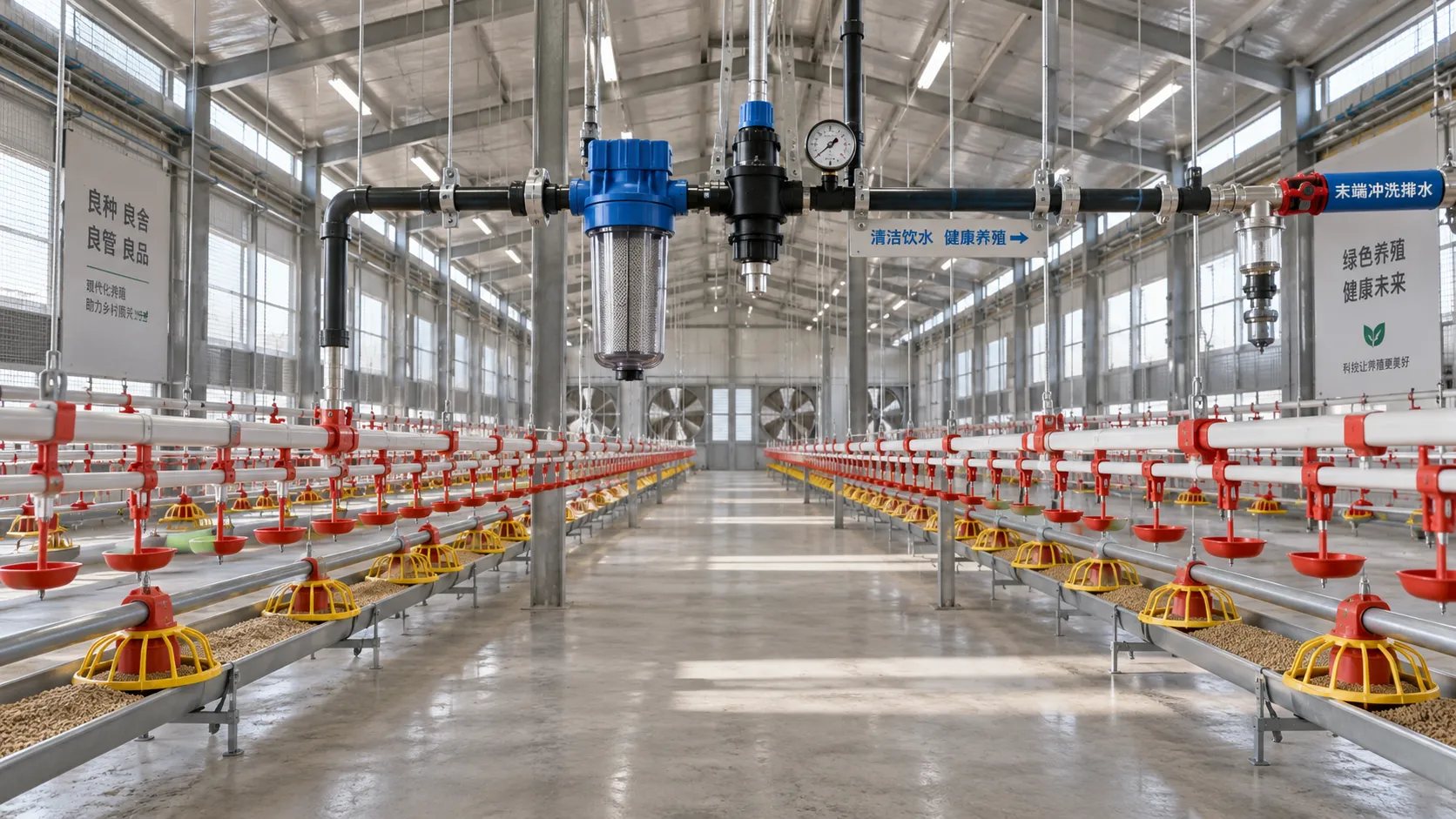
Planning Nipple Drinker Installation for Different Chicken House Layouts
How to install nipple drinker for chicken houses: plan line layouts, pressure control, flushing access, and maintenance for reliable water delivery.
Related News
- 00
0000-00
Choosing a Digital Farming Platform Provider: Compatibility and Data Ownership - 00
0000-00
How Large-Scale Farm Telematics Cuts Downtime Across Mixed Fleets - 00
0000-00
How to Size Low-Pressure Water-Saving Irrigation Systems for Uneven Fields - 00
0000-00
Farm Machinery Sourcing: How to Vet Suppliers, Specs, and Lifecycle Costs - 00
0000-00
What to compare in integrated seeding combinations for heavy soils
Popular Tags
Industry Global
Weekly Insights
Stay ahead with our curated technology reports delivered every Monday.