
EU REACH Restricts PFAS in Hydraulic Lift Systems from May 2026
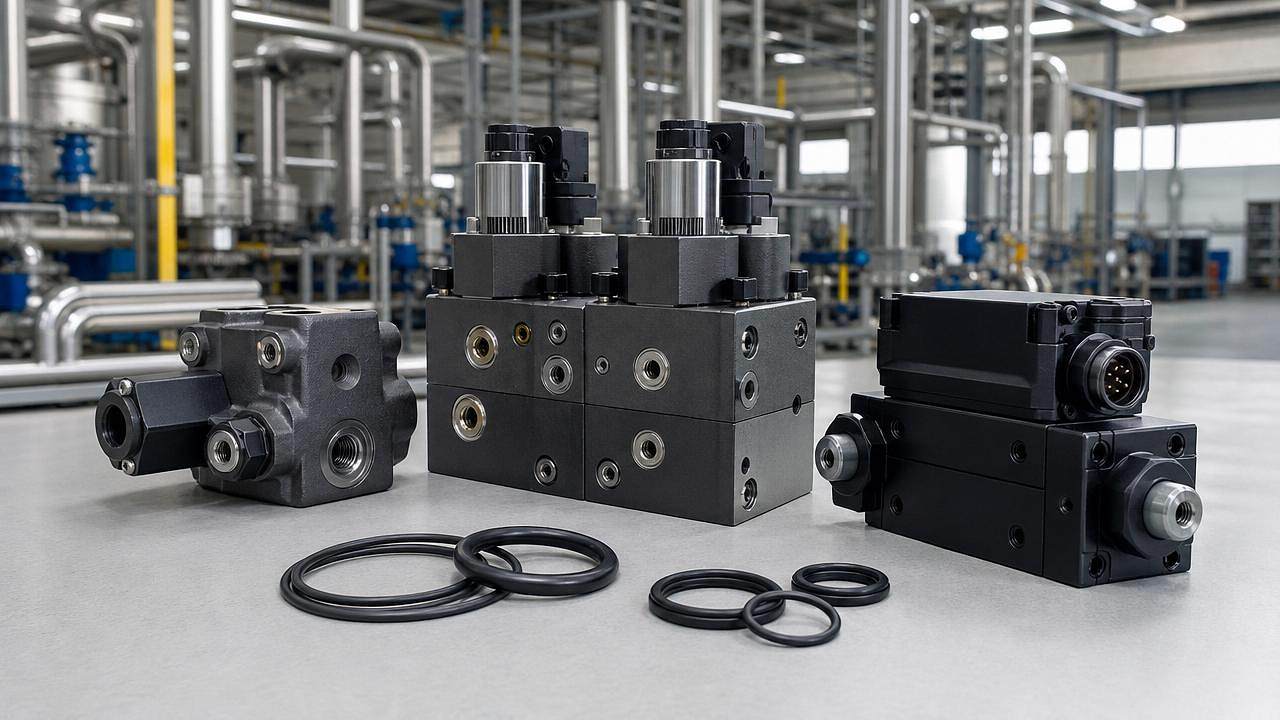




Starting 1 May 2026, the EU REACH regulation will add restrictions on three classes of per- and polyfluoroalkyl substances (PFAS), specifically prohibiting their use in seals, valve body coatings, and electro-hydraulic actuation units within hydraulic lift systems. This development directly affects manufacturers and exporters of high-end hydraulic lift systems—particularly those based in China—seeking market access in the European Union, raising immediate concerns for compliance, customs clearance, and product continuity.
Event Overview
Effective 1 May 2026, the EU REACH Annex XVII restriction list will include three categories of PFAS. The restriction explicitly bans their application in hydraulic system components: sealing elements, valve body coatings, and electro-hydraulic actuation units. No transitional period or exemption is indicated in the currently available official information. Exporters must ensure full compliance by that date to avoid customs rejection or post-import recall.
Which Subsectors Are Affected
Direct Exporters & Trade Enterprises
Companies exporting hydraulic lift systems from China (or other third countries) into the EU face direct regulatory exposure. Non-compliant products may be denied entry at EU borders or subject to mandatory withdrawal if already placed on the market. Impact manifests as delayed shipments, increased customs scrutiny, and potential liability for non-conforming batches.
Hydraulic System Component Manufacturers
Firms producing seals, coated valve bodies, or electro-hydraulic actuators—especially those supplying original equipment manufacturers (OEMs) of lift systems—must revise material specifications and production processes. PFAS-containing coatings used for wear resistance or chemical inertness will require requalification with alternative chemistries, affecting lead times and validation documentation.
Supply Chain & Procurement Entities
Procurement departments sourcing raw materials, coatings, or subassemblies must verify substance declarations from upstream suppliers. Absence of updated SVHC (Substances of Very High Concern) statements—or failure to confirm absence of restricted PFAS—may invalidate compliance claims and trigger contractual or regulatory risk downstream.
What Relevant Enterprises or Practitioners Should Focus On — And How to Respond Now
Verify current material declarations against the newly restricted PFAS categories
Exporters and component makers should immediately request updated Statements of Compliance and full substance composition data from coating suppliers and seal material vendors—focusing specifically on the three PFAS classes added to Annex XVII. Generic ‘PFAS-free’ claims are insufficient without analytical verification or supplier-certified test reports.
Initiate alternative material qualification for critical hydraulic components
Given typical validation timelines for hydraulic seals and actuation units (often 6–12 months), enterprises should launch testing protocols now for non-PFAS alternatives—including fluorine-free polymer coatings, ceramic-based surface treatments, or modified elastomer formulations—prior to May 2026.
Update SVHC declarations and technical documentation for EU importers
EU-based importers require updated Safety Data Sheets (SDS), EU Declaration of Conformity, and REACH compliance letters. Manufacturers must revise these documents to reflect PFAS absence—not just in final assemblies but across all relevant subcomponents—and ensure alignment with importer reporting obligations under Article 67 of REACH.
Editorial Perspective / Industry Observation
Observably, this restriction signals a tightening enforcement phase—not merely a policy proposal—within the EU’s broader PFAS regulatory strategy. While the May 2026 effective date provides a defined timeline, it does not imply flexibility in interpretation: the prohibition applies irrespective of concentration thresholds or functional necessity. Analysis shows this is less about isolated product recalls and more about systemic supply chain recalibration, particularly for precision hydraulic systems where PFAS have historically served niche performance roles. From an industry perspective, the restriction functions primarily as a hard deadline for technical substitution—not a warning signal awaiting further clarification.
Consequently, the urgency lies not in monitoring future amendments, but in executing verified material transitions before Q1 2026. Delayed action risks operational disruption far exceeding administrative burden.
Current developments suggest this is not an isolated measure but part of an accelerating regulatory trend targeting PFAS across industrial applications—making proactive substitution capability a structural competitive factor, not just a compliance checkbox.
Conclusion
This REACH update represents a concrete, enforceable barrier to market access—not a hypothetical risk or consultative guideline. Its significance lies in its specificity: targeted restrictions on functionally critical components within a well-defined product category. For affected enterprises, the appropriate framing is operational readiness, not policy interpretation. It is better understood as a fixed technical compliance requirement than as a negotiable regulatory discussion point.
Information Sources
Primary source: Official EU REACH Annex XVII amendment published in the Official Journal of the European Union, referencing Commission Regulation (EU) 2024/XXXX (as confirmed in publicly available draft texts dated Q4 2024).
Note: Final consolidated text and exact regulation number remain pending formal publication; stakeholders should monitor updates via the European Chemicals Agency (ECHA) website. No exemptions, derogations, or grace periods beyond 1 May 2026 have been announced to date.
Related News
Choosing a Digital Farming Platform Provider: Compatibility and Data Ownership
Compare digital farming platforms providers on equipment compatibility, data ownership, and export rights. Discover practical checks to avoid lock-in and choose with confidence.
How Large-Scale Farm Telematics Cuts Downtime Across Mixed Fleets
Large-scale farm equipment telematics cuts mixed-fleet downtime with real-time alerts, smarter maintenance, and stronger operational control. Learn how to protect critical farm workflows.
How to Size Low-Pressure Water-Saving Irrigation Systems for Uneven Fields
Low pressure water-saving irrigation systems for uneven fields: learn zoning, pressure mapping, pipe sizing, and pump selection to improve uniformity and reduce water waste.

Farm Machinery Sourcing: How to Vet Suppliers, Specs, and Lifecycle Costs
Farm machinery information for sourcing: learn to vet suppliers, compare specifications, control lifecycle costs, and secure reliable uptime for smarter equipment purchases.
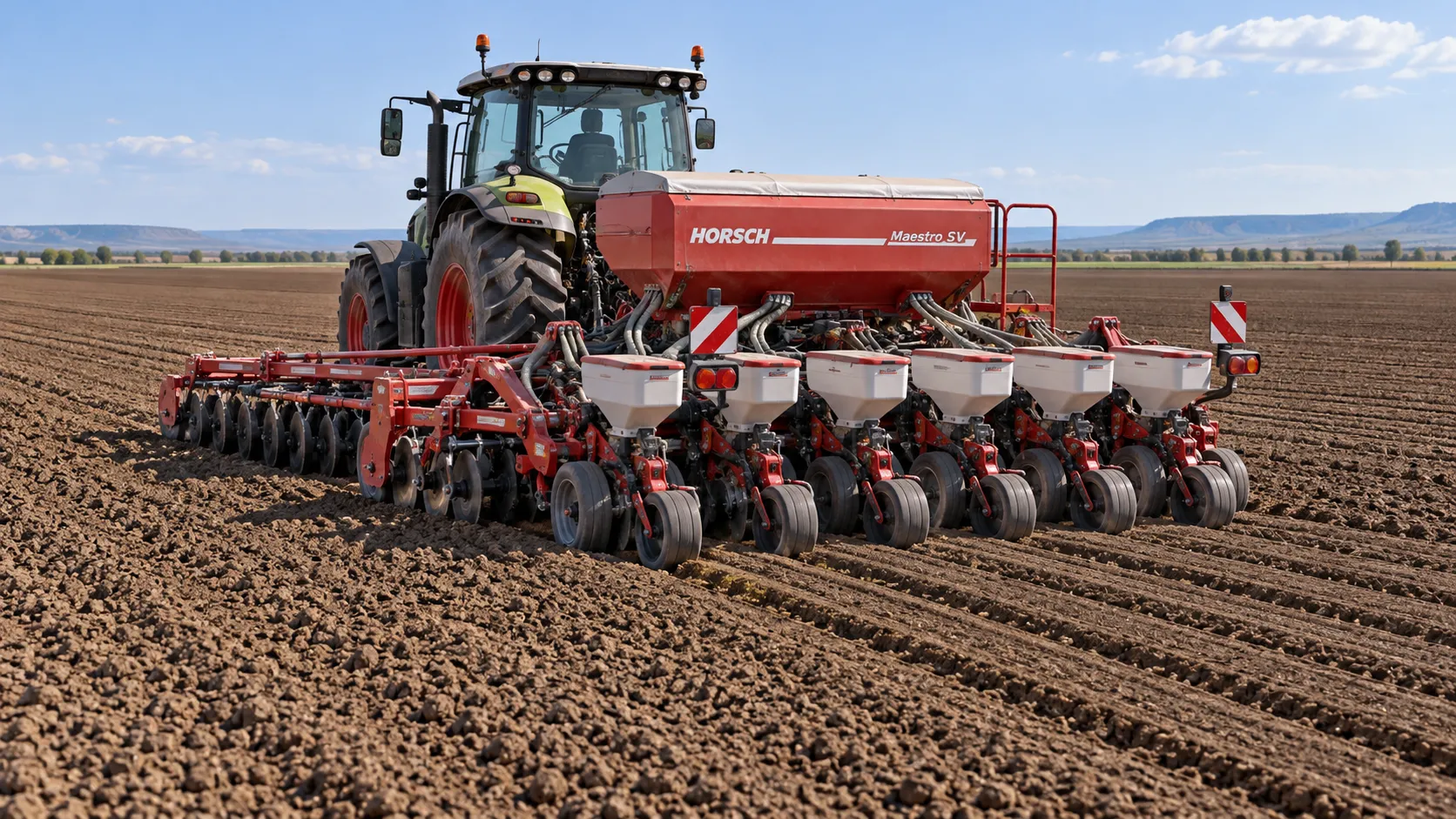
What to compare in integrated seeding combinations for heavy soils
Compare integrated seeding combinations for heavy soils: depth control, residue flow, consolidation, traction, and field capacity for more uniform crop establishment.
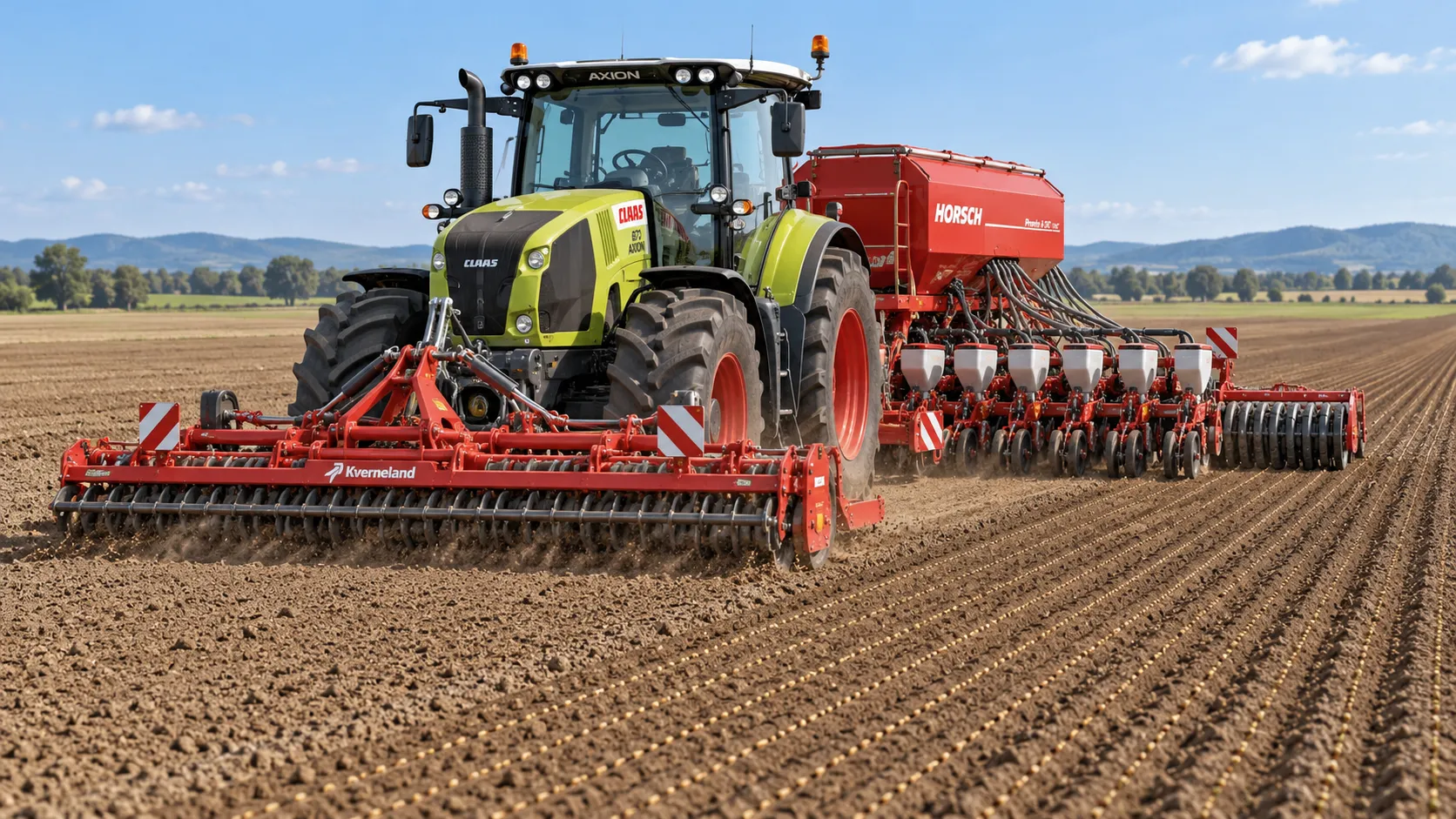
When an integrated seeding combination improves field efficiency
Integrated seeding combination improves field efficiency, protects planting windows, and balances speed with seedbed quality, tractor capacity, and reliable establishment.
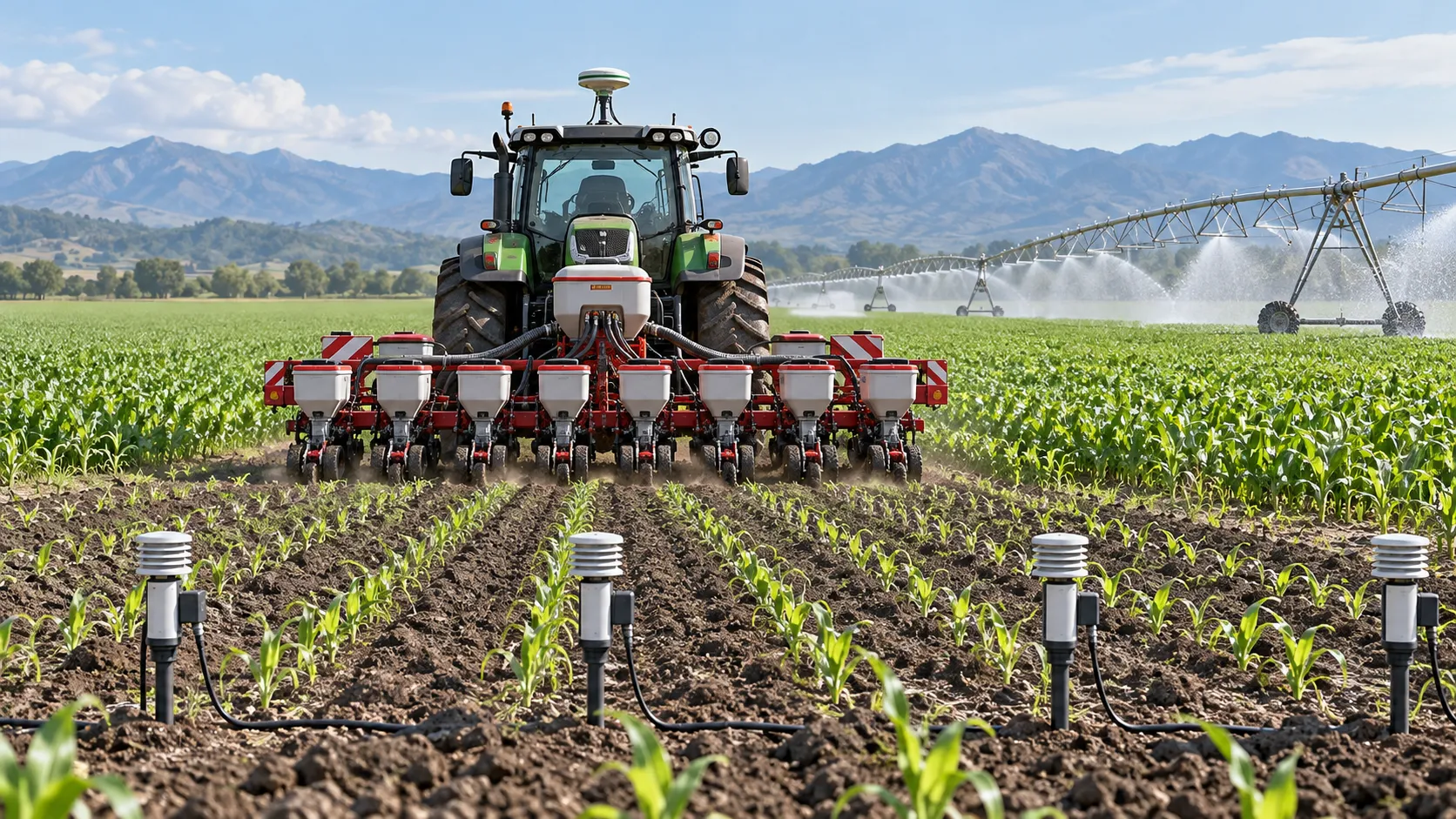
Which costs matter most when calculating precision agriculture ROI?
Calculating ROI on precision agriculture equipment? Discover the costs that shape returns, from installation and subscriptions to downtime, labor, and data integration.
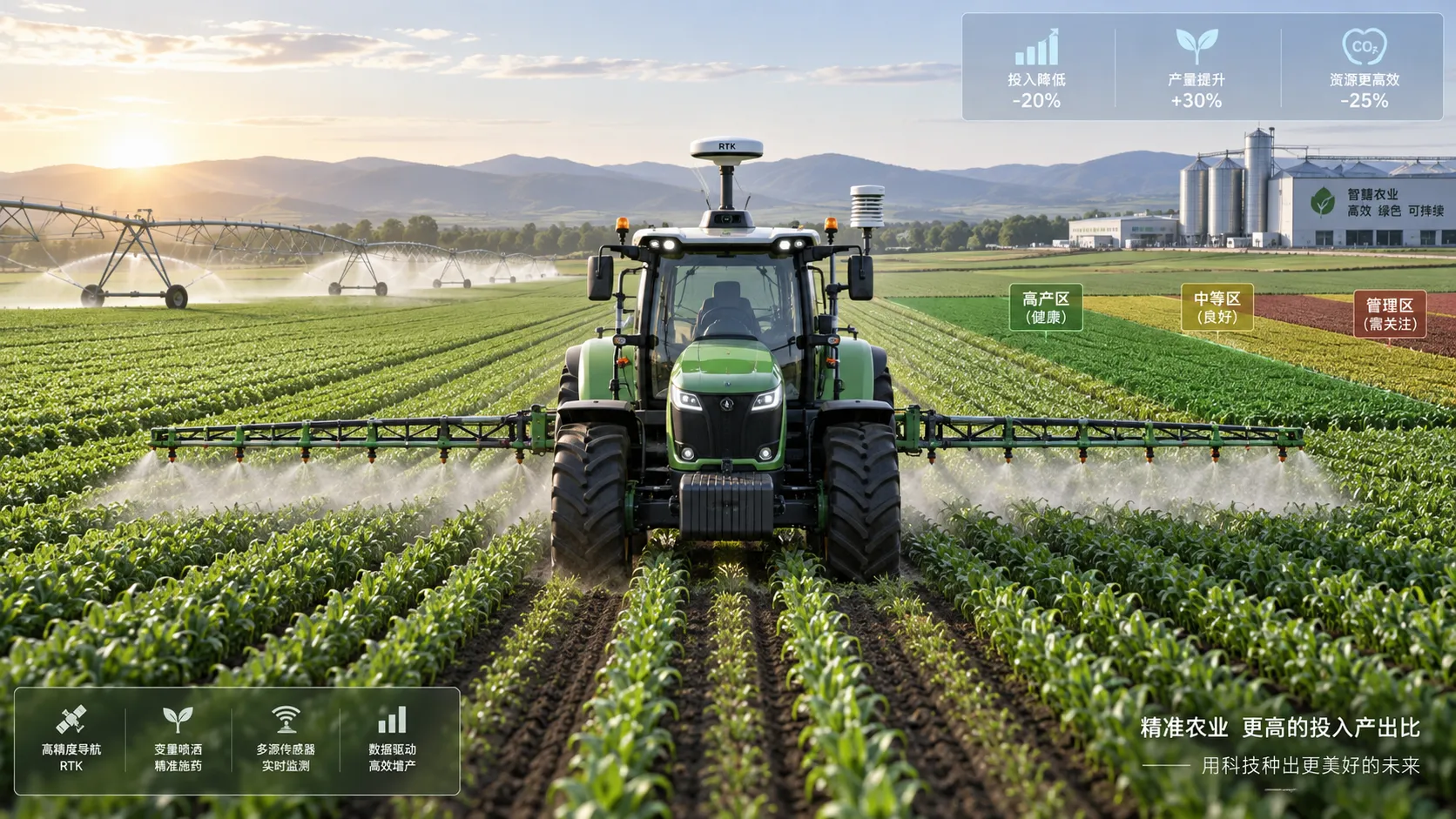
How to calculate ROI on precision agriculture equipment before buying
Calculating ROI on precision agriculture equipment: learn to assess total ownership costs, savings, payback, NPV, risks, and farm-scale value before you buy.
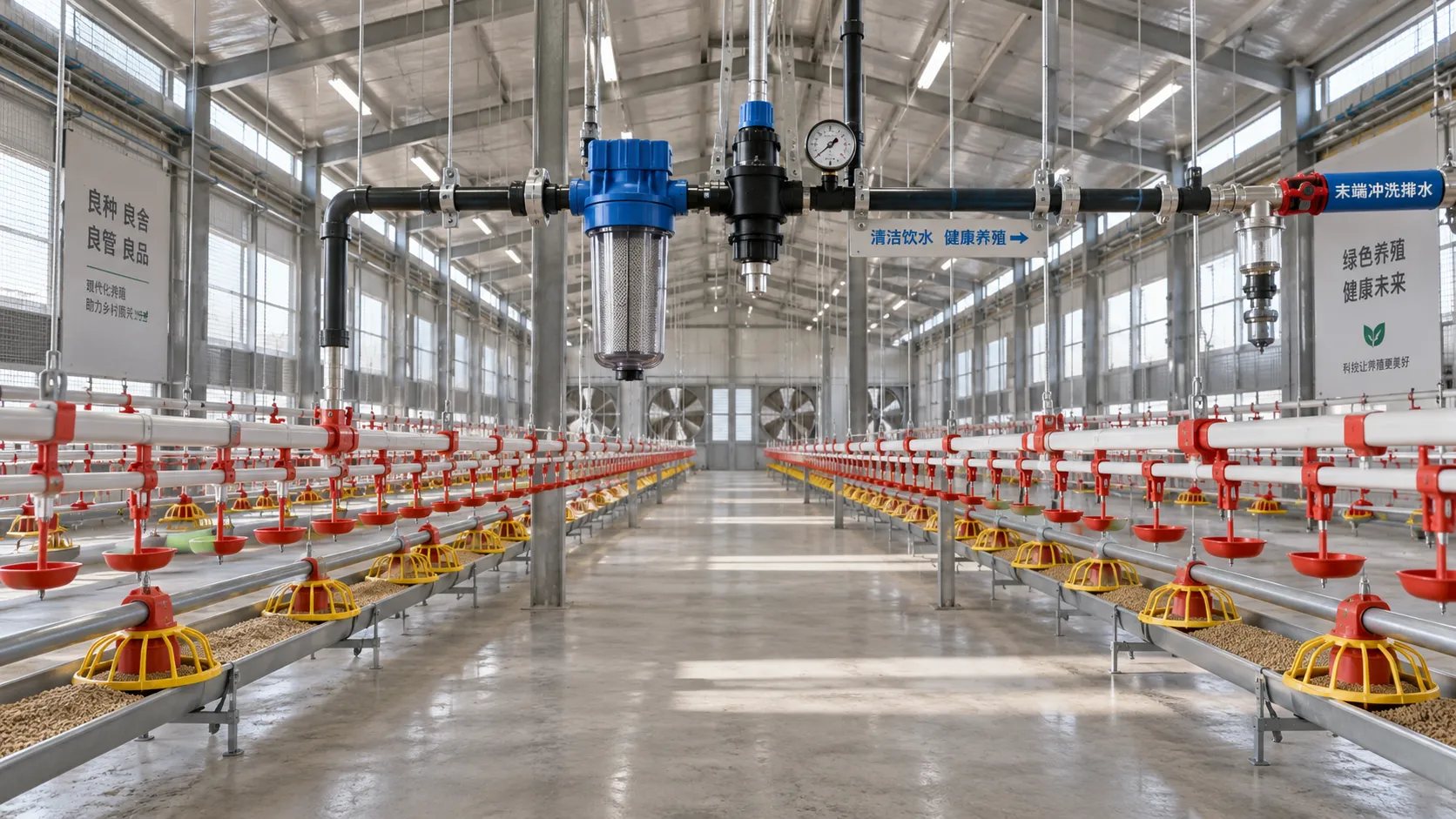
Planning Nipple Drinker Installation for Different Chicken House Layouts
How to install nipple drinker for chicken houses: plan line layouts, pressure control, flushing access, and maintenance for reliable water delivery.
Related News
- 00
0000-00
Choosing a Digital Farming Platform Provider: Compatibility and Data Ownership - 00
0000-00
How Large-Scale Farm Telematics Cuts Downtime Across Mixed Fleets - 00
0000-00
How to Size Low-Pressure Water-Saving Irrigation Systems for Uneven Fields - 00
0000-00
Farm Machinery Sourcing: How to Vet Suppliers, Specs, and Lifecycle Costs - 00
0000-00
What to compare in integrated seeding combinations for heavy soils
Popular Tags
Industry Global
Weekly Insights
Stay ahead with our curated technology reports delivered every Monday.