
Chongqing Hill Farm Machinery Expo Highlights EV Tractors & BeiDou Autonomy for Export





The 2026 China (Chongqing) Hill and Mountain Agricultural Machinery Exhibition opened on 29 May 2026, signaling a strategic shift in China’s agricultural machinery exports to hilly and mountainous regions across Europe, Asia, and Africa — from basic functionality toward high usability, sustainability, and intelligent operation.
Exhibition Launches with Focus on Mountain-Adapted Smart Machinery
The exhibition officially commenced on 29 May 2026. It showcased electric and methanol-hydrogen-powered tractors designed specifically for steep, fragmented terrain; centimeter-level BeiDou Navigation System (BDS)-enabled autonomous driving equipment; and integrated intelligent crop-protection systems. The event explicitly conveyed that dual-mode satellite navigation (BDS + GPS) and new-energy powertrains have become mandatory or preferential requirements for import certification in multiple overseas markets.
Impact Across the Agricultural Machinery Value Chain
Export-Oriented Trading Enterprises
These firms now face stricter pre-shipment compliance verification. Certification alignment — especially for BDS/GPS interoperability and low-emission powertrain standards — directly affects customs clearance timelines and market access eligibility in target countries.
Raw Material and Component Suppliers
Suppliers of battery cells, hydrogen storage modules, GNSS antenna assemblies, and precision actuators must ensure traceable conformity with evolving technical specifications referenced in international tenders — particularly those referencing dual-satellite navigation performance under variable topographic conditions.
Manufacturing Enterprises
Producers must adapt production lines and quality control protocols to meet enhanced functional safety, electromagnetic compatibility (EMC), and environmental durability requirements for hill-specific operating conditions — including vibration resistance, thermal management at altitude, and multi-signal GNSS reliability.
Supply Chain Service Providers
Logistics, testing, and certification support providers need updated capability mapping — especially regarding accredited laboratories capable of validating centimeter-level positioning accuracy, hydrogen fuel system integrity, and interoperable navigation firmware compliance per regional import regulations.
Key Compliance and Operational Priorities for Manufacturers
Alignment with Evolving Import Certification Requirements
Manufacturers exporting to Eurasian and African mountainous markets must verify whether BDS/GPS dual-mode navigation and new-energy propulsion are listed as mandatory technical prerequisites — not just recommended features — in national agricultural machinery import decrees or tender documents.
Preparation of Technical Documentation and Test Reports
Validated test reports demonstrating real-world positioning accuracy (<2.5 cm RMS), hydrogen/methanol fuel system safety, and fail-safe autonomy transitions under signal-challenged terrain are increasingly required for type approval submissions.
Supplier Qualification and Subsystem Traceability
Downstream OEMs must strengthen oversight of Tier-1 suppliers’ compliance status — particularly for GNSS module firmware versions, battery cell certifications (e.g., UN38.3, IEC 62619), and hydrogen component pressure ratings — to meet end-market audit expectations.
Service Infrastructure Readiness for Intelligent Equipment
Post-sale support networks must be equipped to handle over-the-air (OTA) firmware updates, GNSS constellation switching diagnostics, and remote calibration of autonomous guidance systems — capabilities now factored into procurement evaluations in several importing countries.
Industry Shift Reflects Broader Regulatory Convergence
Analysis shows that the emphasis on BeiDou-enabled autonomy and new-energy drivetrains is not merely technological advancement but reflects converging regulatory priorities: emissions reduction mandates, digital agriculture policy frameworks, and standardization efforts around GNSS-based precision farming infrastructure. It is more appropriate to understand this as an early-stage harmonization of technical trade barriers — where certification pathways are increasingly shaped by interoperability, environmental performance, and operational resilience rather than minimum functional thresholds alone.
Toward Smarter, Greener, and More Resilient Export Standards
This exhibition marks a tangible inflection point: export competitiveness for agricultural machinery in challenging terrains is now co-determined by energy transition readiness and intelligent system maturity — not just mechanical robustness. While implementation timelines and enforcement rigor remain subject to national discretion, the direction — toward certified green intelligence — is unambiguous and accelerating.
Source Attribution and Ongoing Monitoring
This article was generated exclusively from the provided title, event date (29 May 2026), and summary. Specific official source links were not provided in the input and should be verified continuously. Stakeholders are advised to monitor upcoming revisions to national agricultural machinery import regulations, certification authority bulletins (e.g., from EU Notified Bodies, ASEAN MRA partners, or African Regional Standards Organizations), and publicly issued tender specifications for hill/mountain agriculture modernization programs.
Related News
Choosing a Digital Farming Platform Provider: Compatibility and Data Ownership
Compare digital farming platforms providers on equipment compatibility, data ownership, and export rights. Discover practical checks to avoid lock-in and choose with confidence.
How Large-Scale Farm Telematics Cuts Downtime Across Mixed Fleets
Large-scale farm equipment telematics cuts mixed-fleet downtime with real-time alerts, smarter maintenance, and stronger operational control. Learn how to protect critical farm workflows.
How to Size Low-Pressure Water-Saving Irrigation Systems for Uneven Fields
Low pressure water-saving irrigation systems for uneven fields: learn zoning, pressure mapping, pipe sizing, and pump selection to improve uniformity and reduce water waste.
Farm Machinery Sourcing: How to Vet Suppliers, Specs, and Lifecycle Costs
Farm machinery information for sourcing: learn to vet suppliers, compare specifications, control lifecycle costs, and secure reliable uptime for smarter equipment purchases.
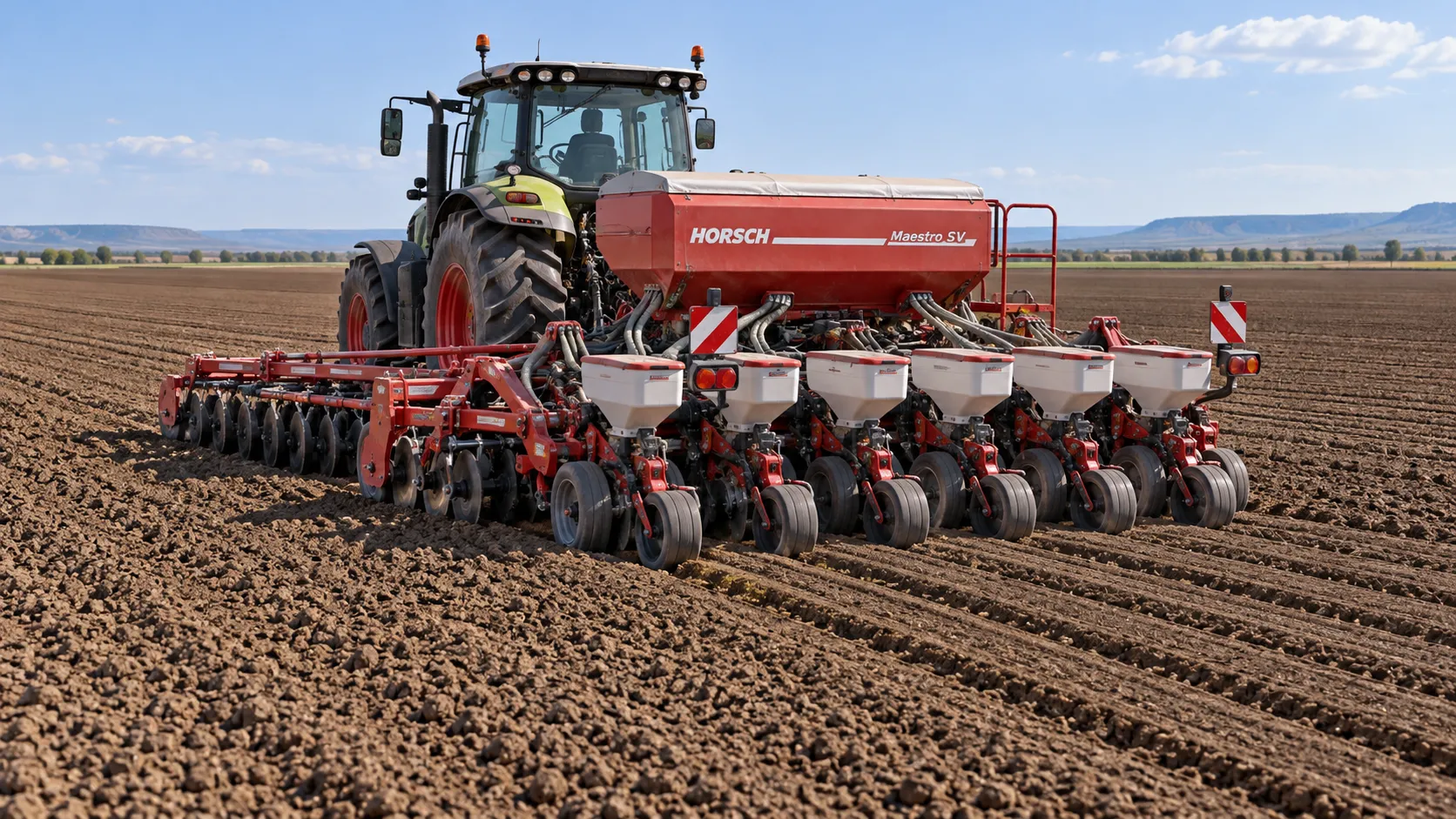
What to compare in integrated seeding combinations for heavy soils
Compare integrated seeding combinations for heavy soils: depth control, residue flow, consolidation, traction, and field capacity for more uniform crop establishment.
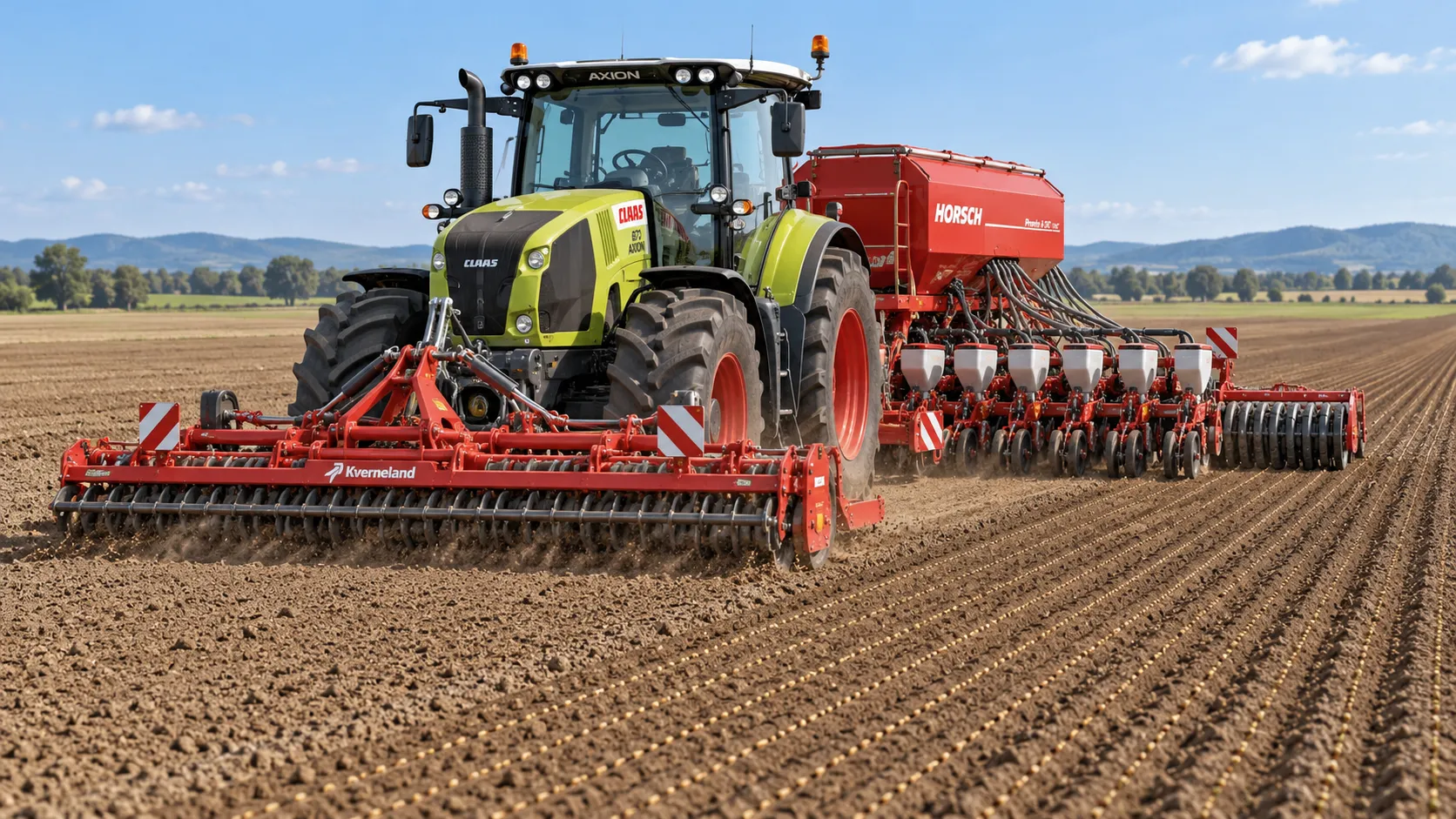
When an integrated seeding combination improves field efficiency
Integrated seeding combination improves field efficiency, protects planting windows, and balances speed with seedbed quality, tractor capacity, and reliable establishment.
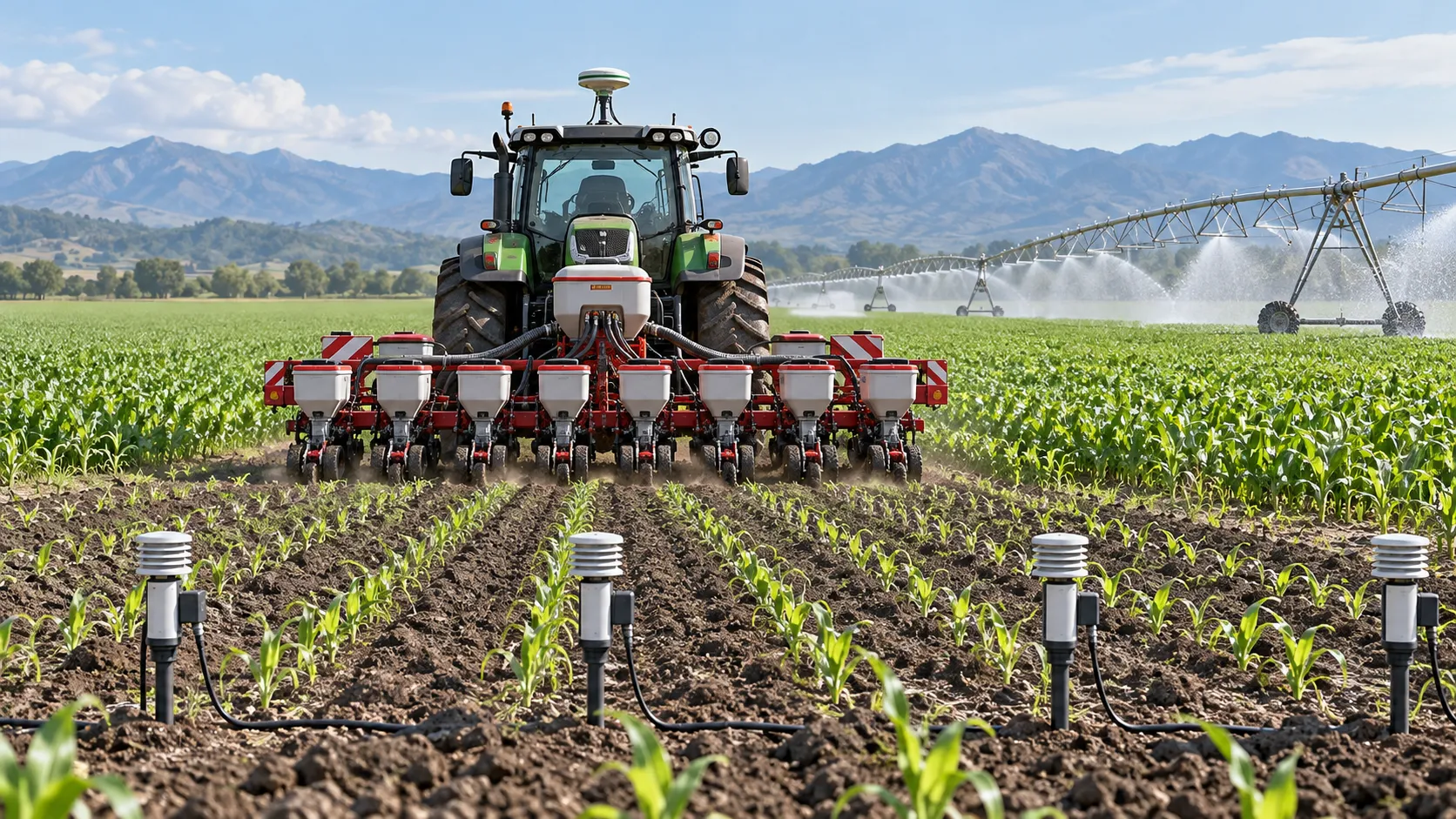
Which costs matter most when calculating precision agriculture ROI?
Calculating ROI on precision agriculture equipment? Discover the costs that shape returns, from installation and subscriptions to downtime, labor, and data integration.
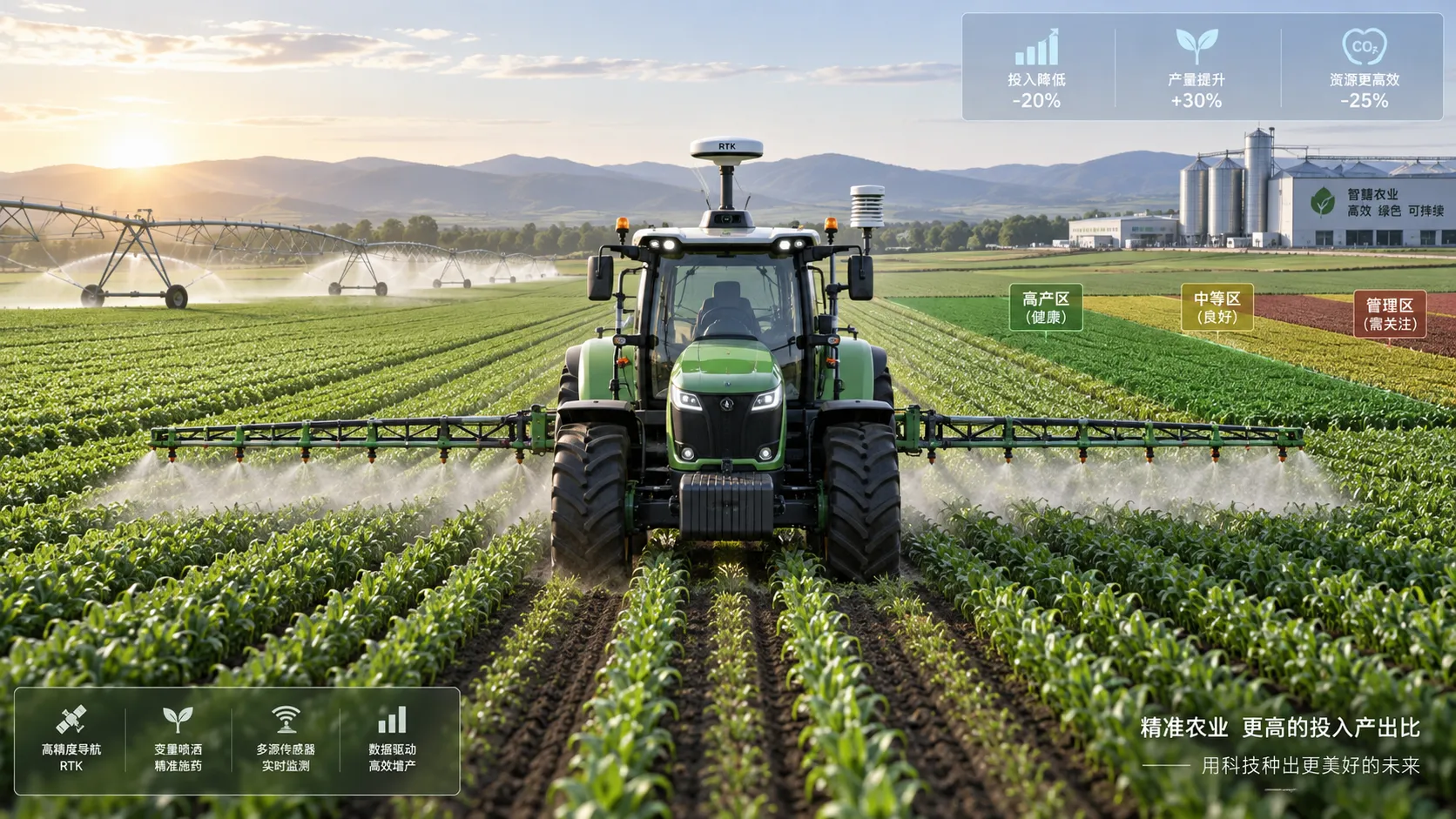
How to calculate ROI on precision agriculture equipment before buying
Calculating ROI on precision agriculture equipment: learn to assess total ownership costs, savings, payback, NPV, risks, and farm-scale value before you buy.
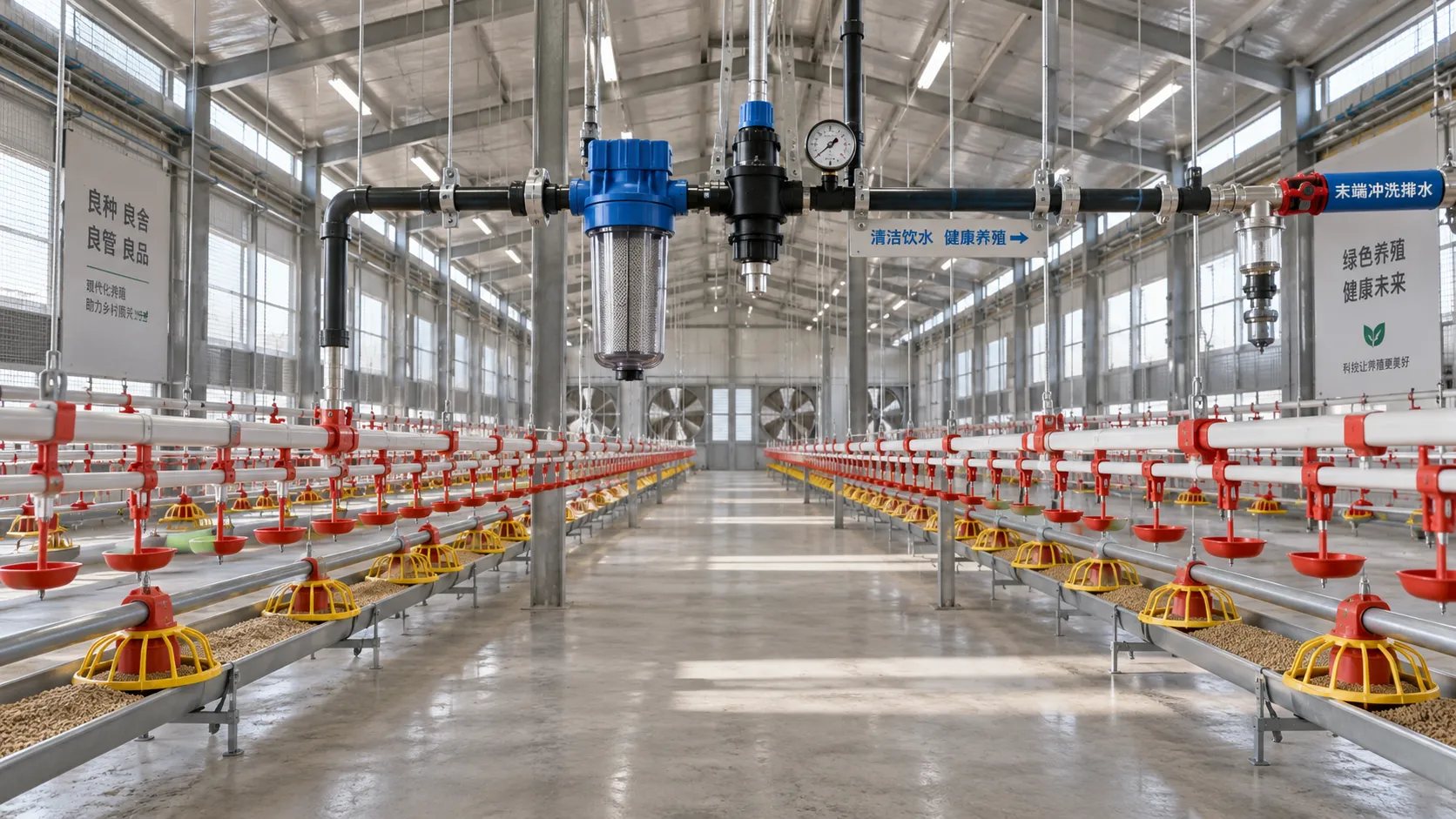
Planning Nipple Drinker Installation for Different Chicken House Layouts
How to install nipple drinker for chicken houses: plan line layouts, pressure control, flushing access, and maintenance for reliable water delivery.
Related News
- 00
0000-00
Choosing a Digital Farming Platform Provider: Compatibility and Data Ownership - 00
0000-00
How Large-Scale Farm Telematics Cuts Downtime Across Mixed Fleets - 00
0000-00
How to Size Low-Pressure Water-Saving Irrigation Systems for Uneven Fields - 00
0000-00
Farm Machinery Sourcing: How to Vet Suppliers, Specs, and Lifecycle Costs - 00
0000-00
What to compare in integrated seeding combinations for heavy soils
Popular Tags
Industry Global
Weekly Insights
Stay ahead with our curated technology reports delivered every Monday.