
China–Uzbekistan Agri-Machinery Rail Service Increases to 3 Weekly Trains
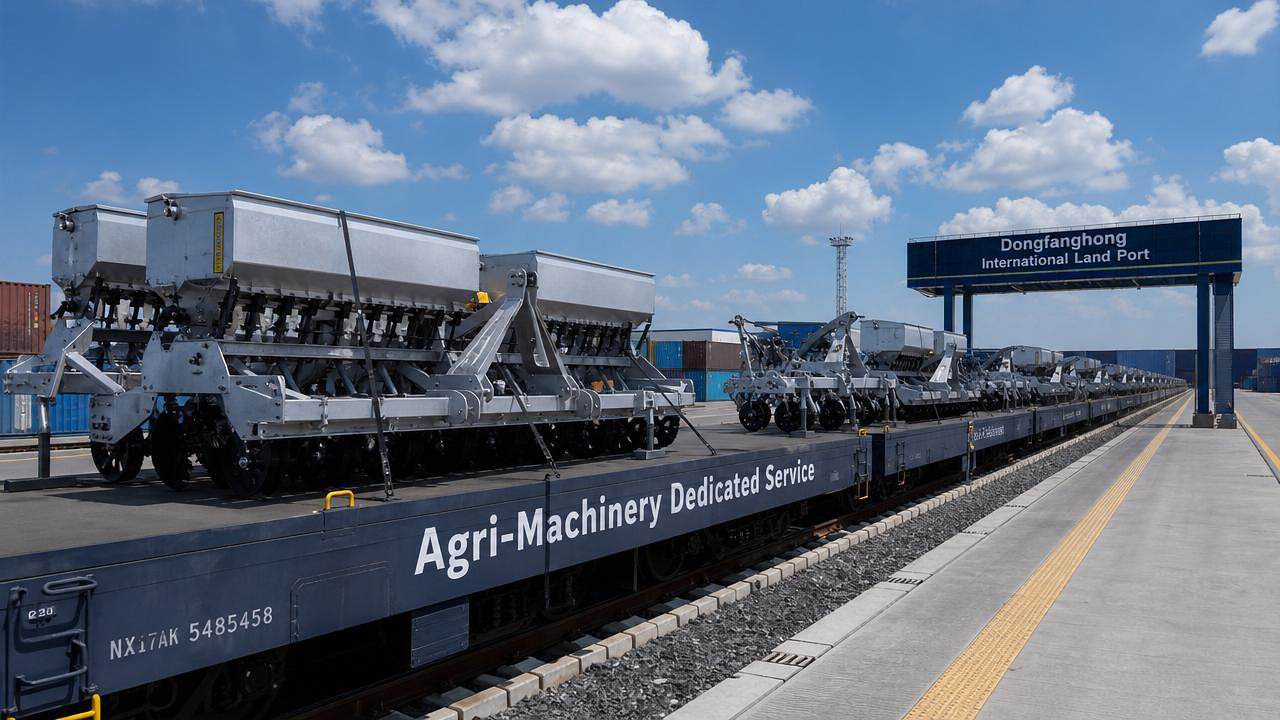




On May 27, 2026, China State Railway Group and UZBEKISTON TEMIR YOLLARI signed a memorandum of understanding to upgrade the Dongfanghong International Land Port–Tashkent rail corridor into a dedicated agri-machinery freight service, effective June 2026. This development directly impacts agricultural equipment exporters, logistics providers, and manufacturers engaged in Central Asian trade, driven by enhanced rail capacity, prioritized container allocation, and shortened transit timelines.
Confirmed Operational Upgrade Effective June 2026
Under the agreement signed on May 27, 2026, the Dongfanghong International Land Port–Tashkent route—previously operating two weekly trains—will increase frequency to three scheduled departures per week starting in June 2026. The service is now formally designated as an agri-machinery-dedicated line. Containers will be prioritized for complete units and components of seeding machines, rotary tillers, and similar agricultural machinery. End-to-end transit time is guaranteed at under 14 days, representing a 22-day reduction compared to standard maritime shipping.
Impact Across Key Industry Stakeholders
Direct Exporting Enterprises
Exporters of agricultural machinery face immediate implications for order scheduling, documentation alignment, and customs coordination. With fixed weekly slots and priority loading, shipment planning must shift from flexible ocean-based lead times to synchronized rail departure windows. Delays in documentation or non-compliant packaging may result in missed train allocations.
Raw Material and Component Suppliers
Suppliers providing castings, gearboxes, hydraulic systems, or control modules for seeding and tillage equipment must align production and dispatch cycles with the new 14-day door-to-door rail window. Just-in-time delivery schedules previously calibrated for 35+ day sea voyages now require tighter synchronization with assembly plants and export consolidation centers near Dongfanghong International Land Port.
Manufacturing Enterprises
Manufacturers exporting assembled machines must adapt packaging standards to meet intermodal rail requirements—including ISO container compatibility, anti-vibration securing, and weather-resistant crating. Pre-shipment inspection protocols may need revision to verify compliance with UZBEKISTON TEMIR YOLLARI’s rolling stock loading constraints and axle-load limits.
Supply Chain Service Providers
Freight forwarders, customs brokers, and inland haulage operators servicing this corridor must update service offerings to include rail-specific documentation (e.g., CIM consignment notes), cross-border transshipment coordination at land border checkpoints, and real-time tracking integration with China Railway’s freight information system. Capacity booking systems must reflect the new weekly slot allocation mechanism.
Key Enterprise Actions and Readiness Measures
Align Production and Consolidation Timelines with Fixed Weekly Departures
Manufacturers and exporters should revise internal production planning calendars to ensure finished goods and subassemblies are ready for container loading no later than 48 hours prior to each scheduled Tuesday, Thursday, and Saturday departure—accounting for inland transport, customs clearance, and yard handling at Dongfanghong International Land Port.
Verify Equipment Packaging Against Rail-Specific Loading Requirements
Units must comply with UZBEKISTON TEMIR YOLLARI’s technical loading specifications—including maximum height, weight distribution, and lashing point configurations. Manufacturers should obtain updated loading diagrams and conduct pre-shipment dry runs using certified container-handling equipment.
Prepare Technical Documentation for Cross-Border Regulatory Acceptance
Documentation packages must include multilingual (English–Uzbek–Russian) operation manuals, CE or EAC conformity declarations where applicable, and certificates of origin compliant with the China–Uzbekistan bilateral trade protocol. Technical specifications must explicitly state compatibility with Central Asian operating conditions—including temperature ranges (−25°C to +45°C) and soil/dust ingress protection levels.
Integrate Real-Time Rail Tracking Into Customer Delivery Commitments
Sales and logistics teams should adopt China Railway’s freight tracking API to provide end customers with verified ETAs, enabling proactive after-sales support scheduling in Uzbekistan and neighboring markets. This supports contractual delivery guarantees and strengthens post-sale service credibility.
Industry Observation: Beyond Speed—A Shift Toward Integrated Corridor Governance
Analysis shows this upgrade reflects more than a simple frequency adjustment—it signals the institutionalization of sector-specific rail corridors governed by bilateral technical and operational frameworks. Observably, the formal designation of ‘agri-machinery-dedicated’ status implies coordinated standardization efforts across packaging, certification, and border inspection protocols. It is more appropriate to understand this as an early indicator of deeper regulatory harmonization between China’s railway freight governance and Uzbekistan’s national transport strategy—potentially paving the way for future alignment on maintenance intervals, spare parts traceability, and warranty validation across borders.
Strategic Significance for Agricultural Mechanization Trade
This initiative strengthens the logistical foundation for accelerated agricultural mechanization in Central Asia—not as a standalone infrastructure improvement, but as a targeted enabler linking Chinese manufacturing capacity with regional demand for timely, reliable, and technically appropriate farm equipment. Its long-term value lies not only in transit time savings, but in establishing predictable, rule-based movement that reduces supply chain friction and encourages longer-term commercial commitments.
Source Attribution and Verification Guidance
This article was generated exclusively from the user-provided title, event date (May 27, 2026), and summary text. Specific official source links were not provided in the input and should be verified continuously. Stakeholders are advised to monitor updates from China State Railway Group, UZBEKISTON TEMIR YOLLARI, and the Ministry of Agriculture of Uzbekistan regarding implementation guidelines, tariff structures, and technical annexes to the memorandum. Ongoing verification is recommended for operational details including container type restrictions, permissible axle loads, and documentation submission deadlines.
Related News
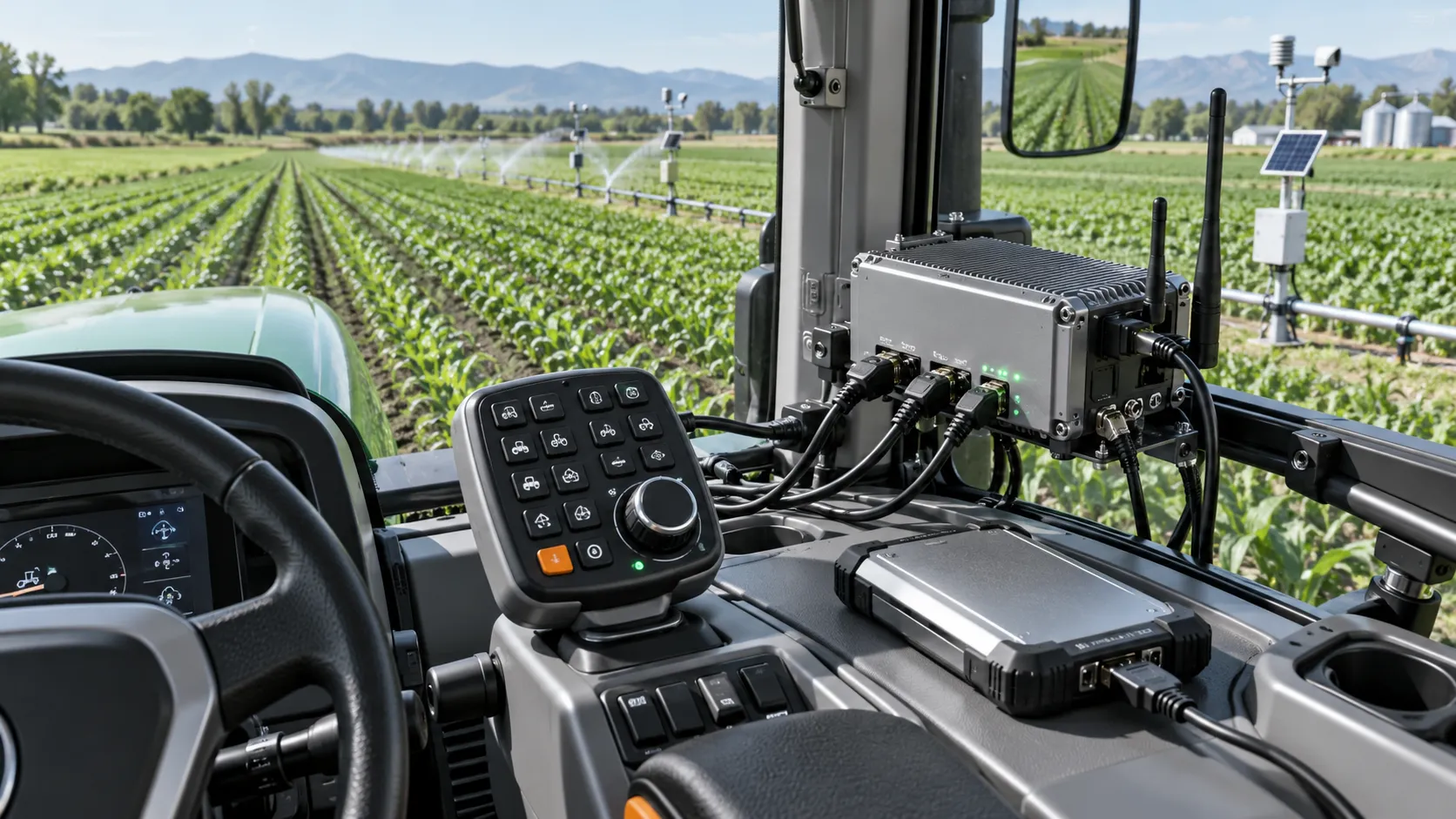
Choosing a Digital Farming Platform Provider: Compatibility and Data Ownership
Compare digital farming platforms providers on equipment compatibility, data ownership, and export rights. Discover practical checks to avoid lock-in and choose with confidence.
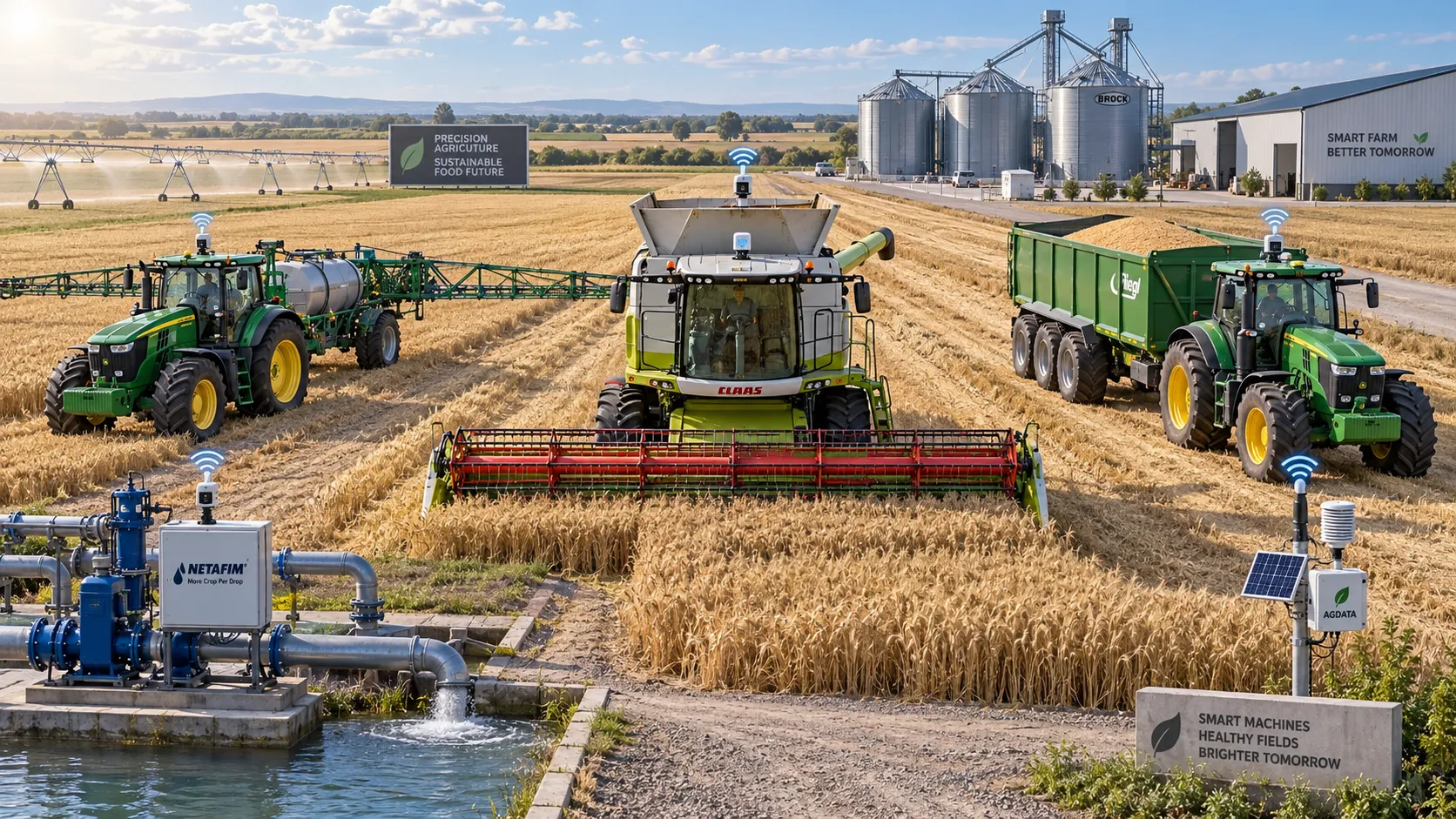
How Large-Scale Farm Telematics Cuts Downtime Across Mixed Fleets
Large-scale farm equipment telematics cuts mixed-fleet downtime with real-time alerts, smarter maintenance, and stronger operational control. Learn how to protect critical farm workflows.
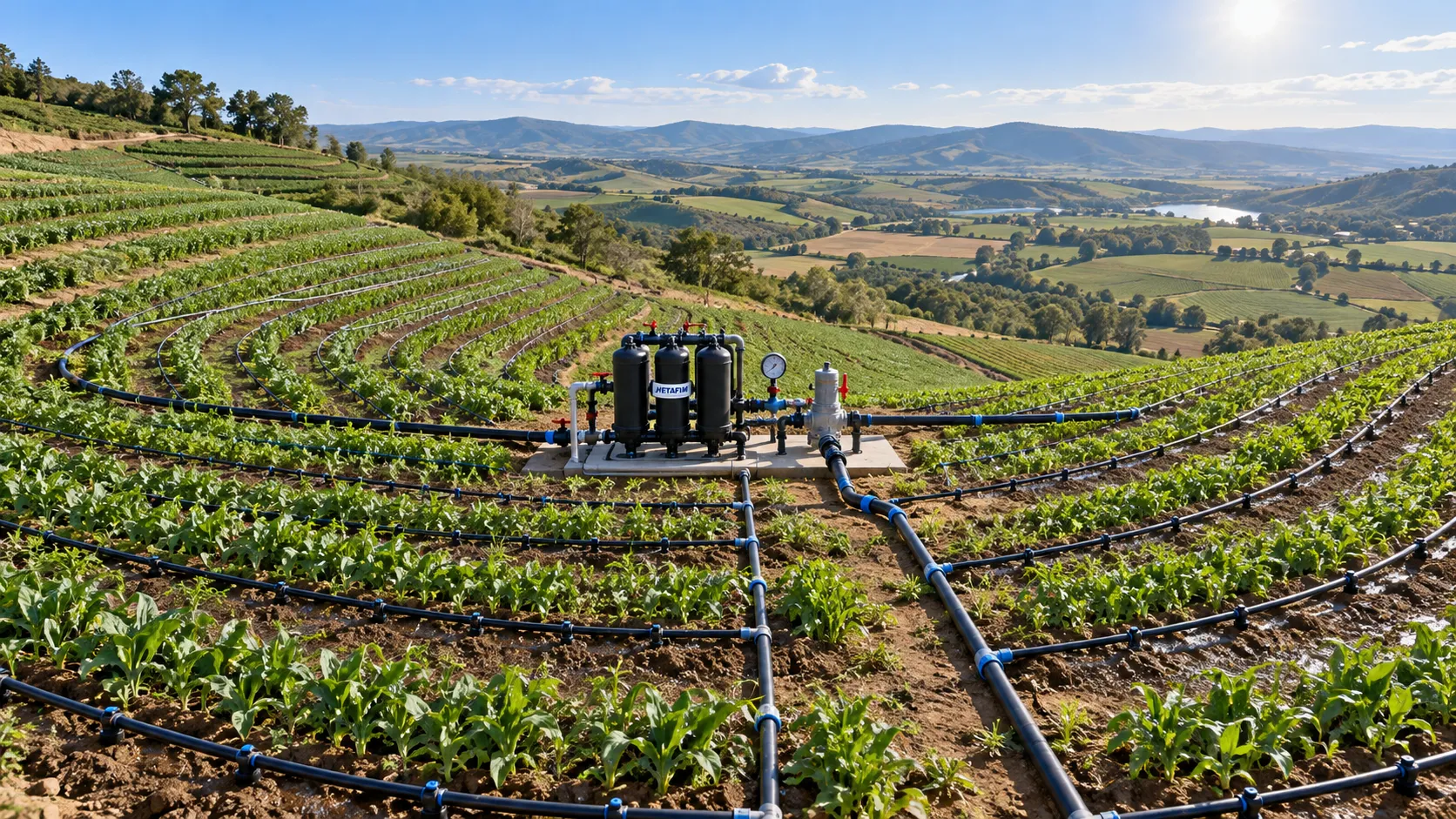
How to Size Low-Pressure Water-Saving Irrigation Systems for Uneven Fields
Low pressure water-saving irrigation systems for uneven fields: learn zoning, pressure mapping, pipe sizing, and pump selection to improve uniformity and reduce water waste.

Farm Machinery Sourcing: How to Vet Suppliers, Specs, and Lifecycle Costs
Farm machinery information for sourcing: learn to vet suppliers, compare specifications, control lifecycle costs, and secure reliable uptime for smarter equipment purchases.
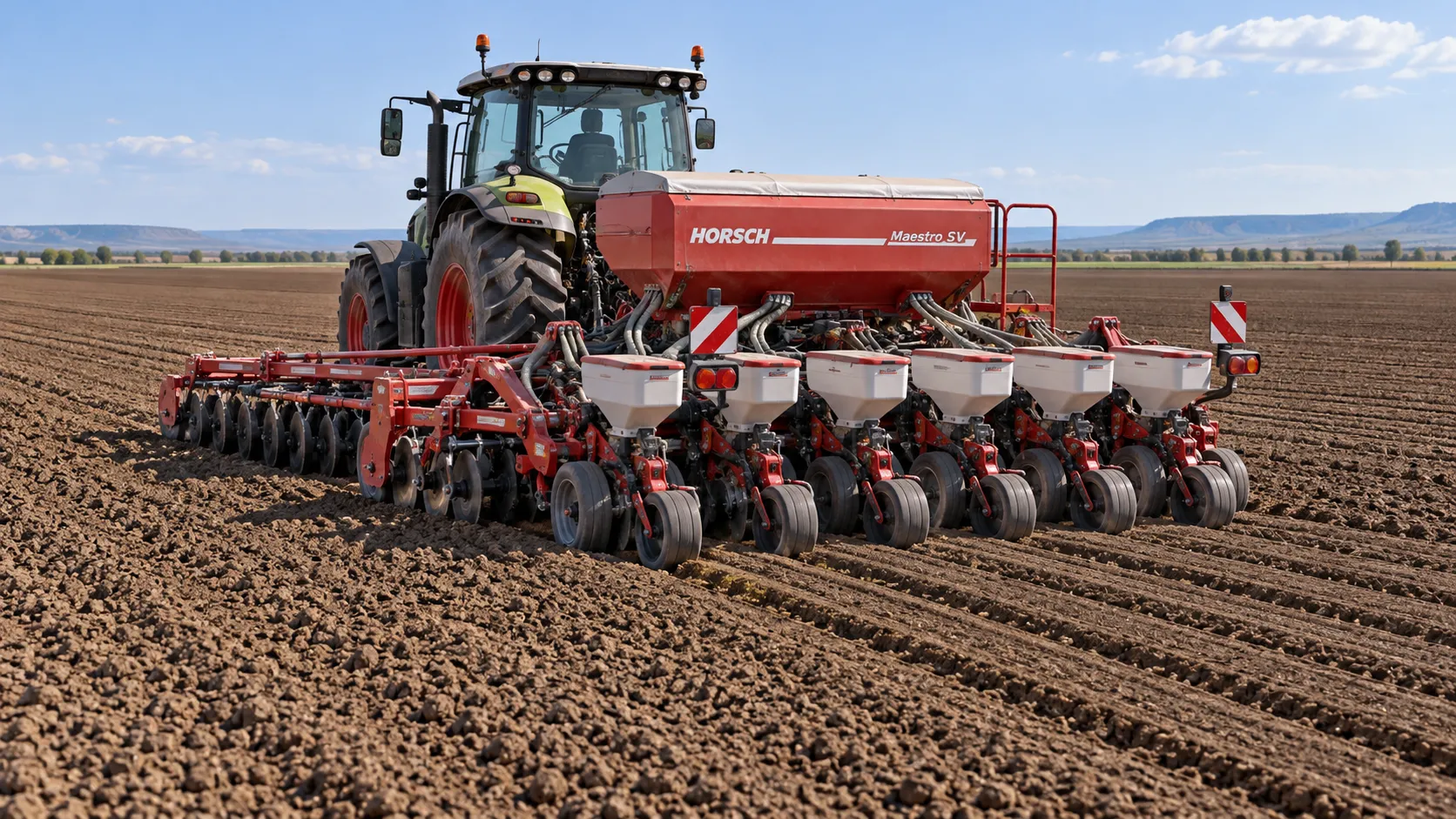
What to compare in integrated seeding combinations for heavy soils
Compare integrated seeding combinations for heavy soils: depth control, residue flow, consolidation, traction, and field capacity for more uniform crop establishment.
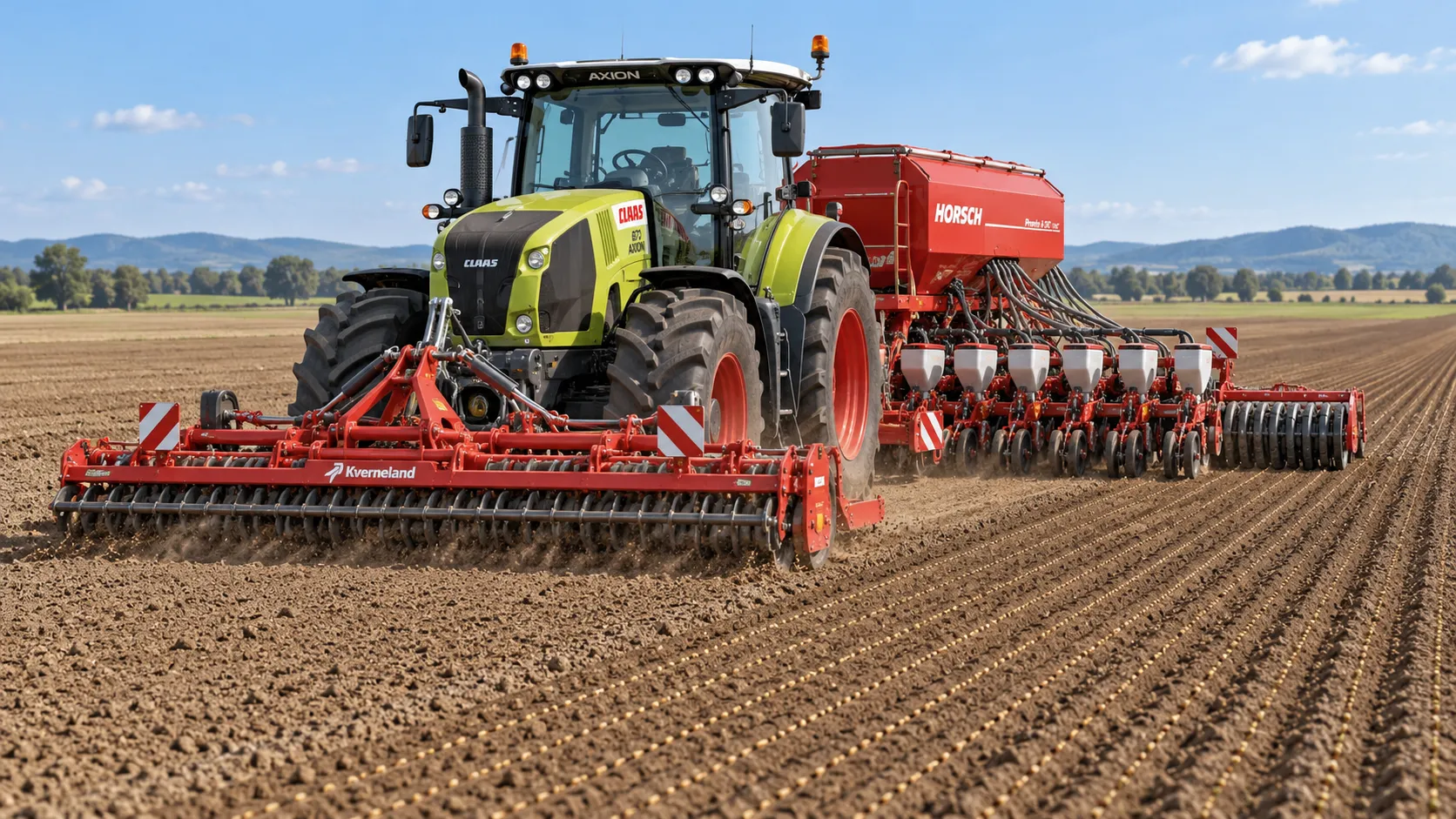
When an integrated seeding combination improves field efficiency
Integrated seeding combination improves field efficiency, protects planting windows, and balances speed with seedbed quality, tractor capacity, and reliable establishment.
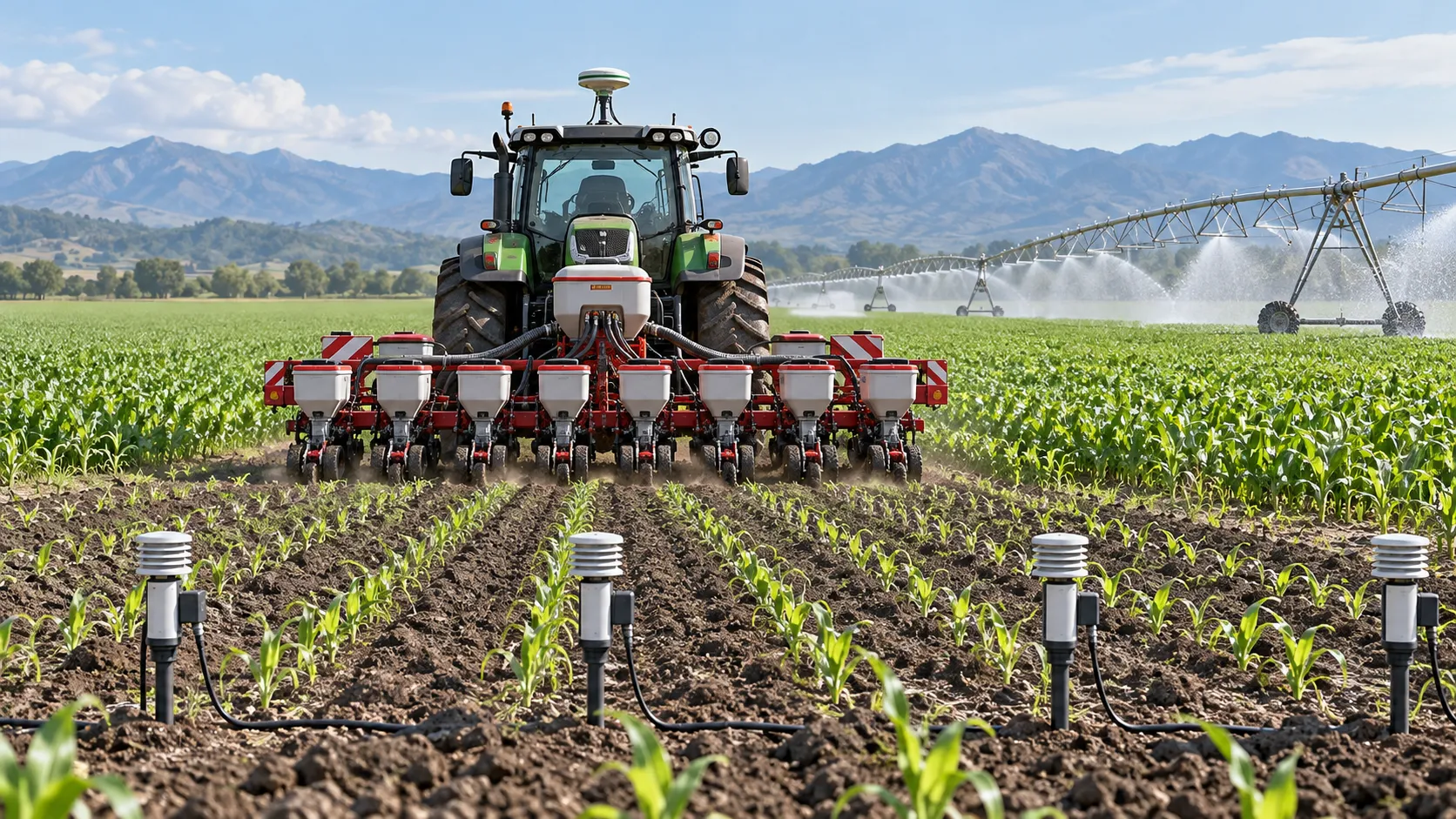
Which costs matter most when calculating precision agriculture ROI?
Calculating ROI on precision agriculture equipment? Discover the costs that shape returns, from installation and subscriptions to downtime, labor, and data integration.
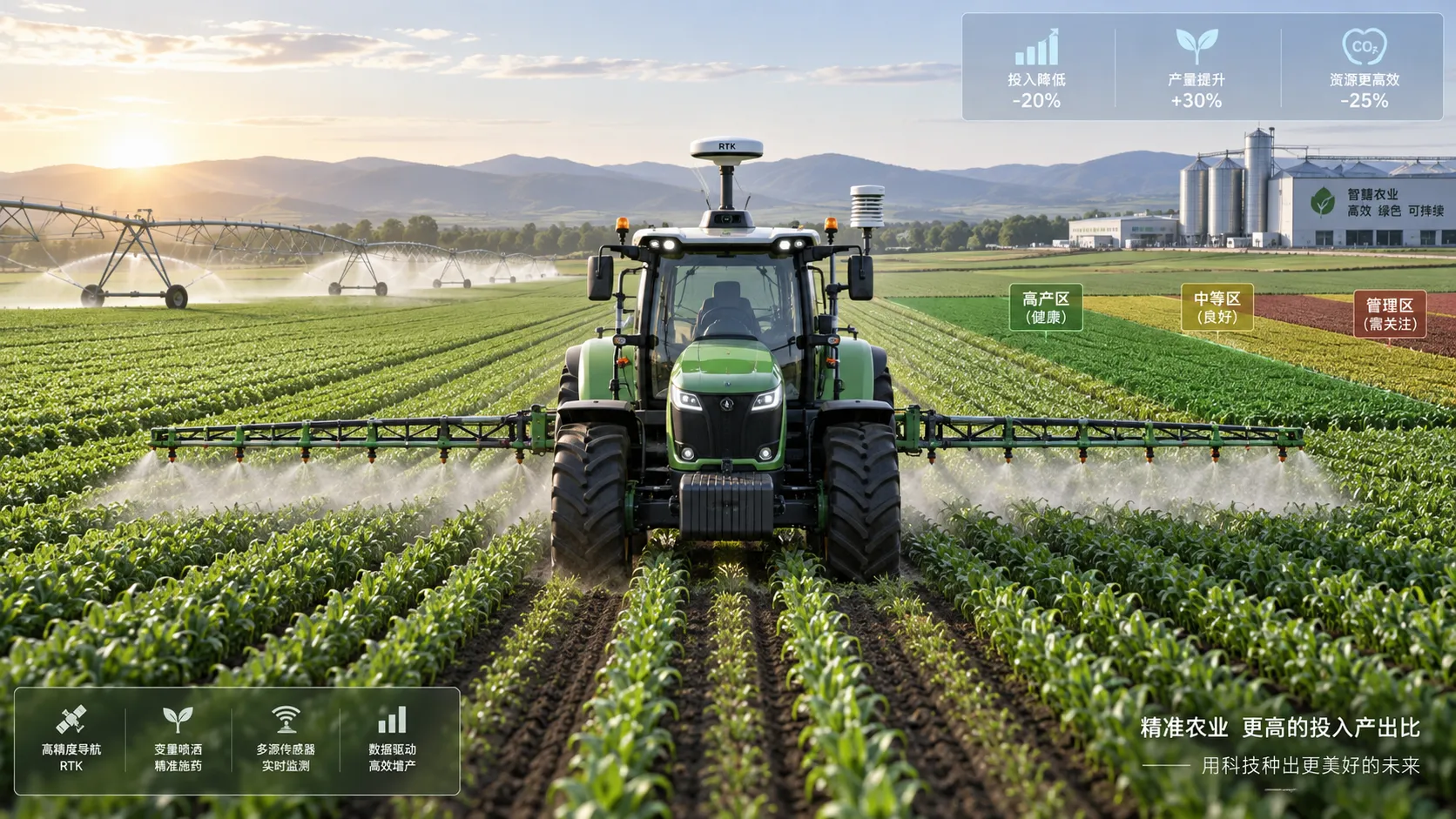
How to calculate ROI on precision agriculture equipment before buying
Calculating ROI on precision agriculture equipment: learn to assess total ownership costs, savings, payback, NPV, risks, and farm-scale value before you buy.
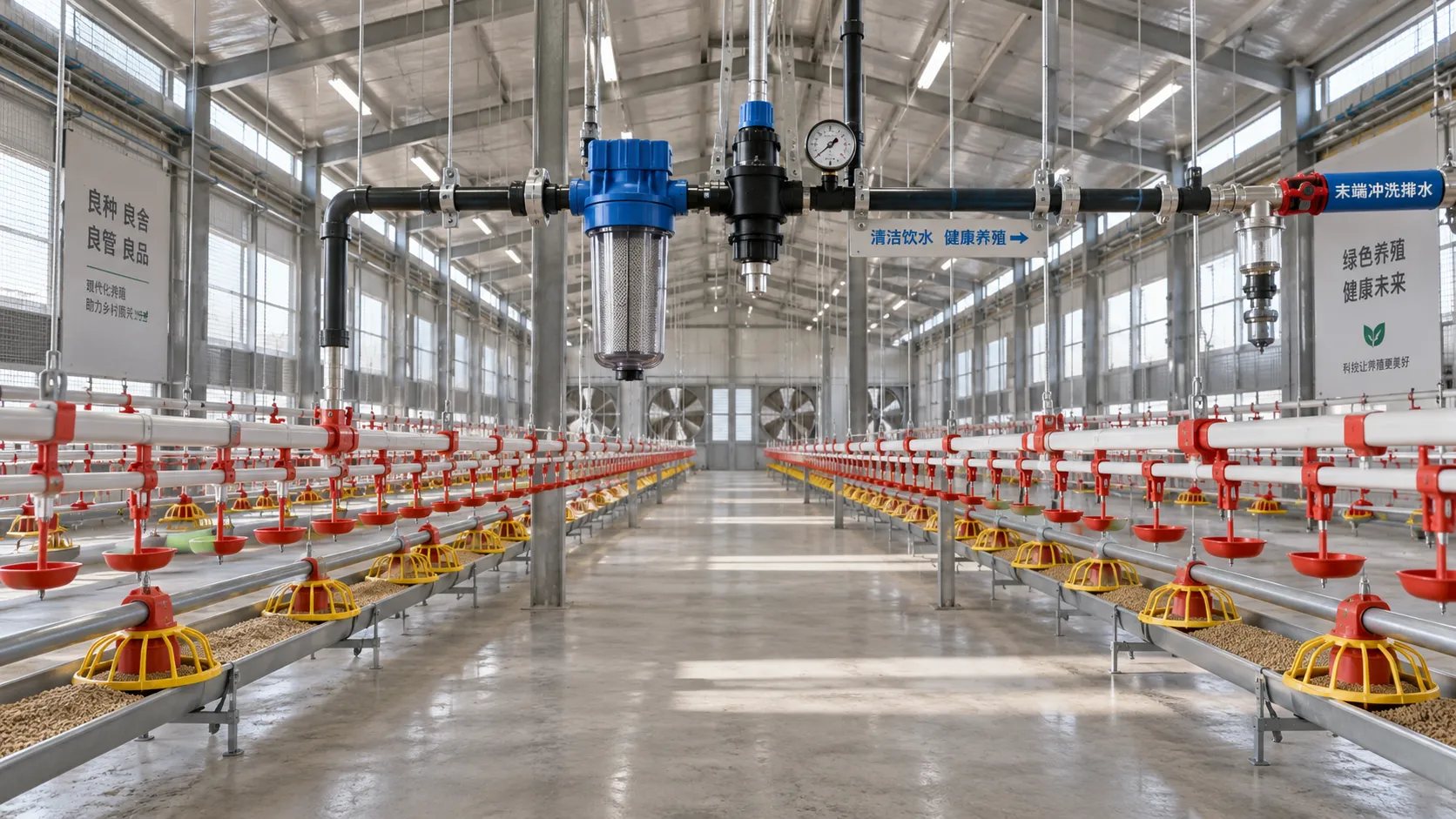
Planning Nipple Drinker Installation for Different Chicken House Layouts
How to install nipple drinker for chicken houses: plan line layouts, pressure control, flushing access, and maintenance for reliable water delivery.
Related News
- 00
0000-00
Choosing a Digital Farming Platform Provider: Compatibility and Data Ownership - 00
0000-00
How Large-Scale Farm Telematics Cuts Downtime Across Mixed Fleets - 00
0000-00
How to Size Low-Pressure Water-Saving Irrigation Systems for Uneven Fields - 00
0000-00
Farm Machinery Sourcing: How to Vet Suppliers, Specs, and Lifecycle Costs - 00
0000-00
What to compare in integrated seeding combinations for heavy soils
Popular Tags
Industry Global
Weekly Insights
Stay ahead with our curated technology reports delivered every Monday.