
Kazakhstan Launches Green Subsidy for Electric Planters and VRT Fertilization Systems





Kazakhstan’s Ministry of Agriculture and Ministry of Finance jointly launched the Precision Agriculture Equipment Green Procurement Incentive Program on 28 May 2026, introducing a 35% import VAT rebate for eligible electric-driven seeders and soil-sensor-based variable-rate fertilization (VRT) systems. The initiative targets equipment compliant with ISO 11783-10 and carries an initial budget of 28 billion KZT. This policy directly affects agricultural machinery importers, precision agtech suppliers, and local agronomic service providers — particularly those engaged in cross-border trade or technology integration within Kazakhstan’s grain and oilseed production value chain.
Event Overview
On 28 May 2026, Kazakhstan’s Ministry of Agriculture and Ministry of Finance announced the implementation of the Precision Agriculture Equipment Green Procurement Incentive Program. Under the program, imported electric drive seeders and variable-rate fertilization systems based on soil sensors — provided they meet ISO 11783-10 standards — qualify for a 35% import VAT refund. The first-phase budget is set at 28 billion Kazakhstani tenge (KZT). Applications are open via the national electronic procurement platform, e-Agri.kz.
Industries Affected
Import Trading Enterprises
Importers of agricultural machinery into Kazakhstan are directly affected, as the VAT rebate applies exclusively to imported — not domestically assembled or locally produced — equipment. The incentive lowers landed cost for qualifying units, potentially improving margin visibility and competitive positioning against non-eligible alternatives. Impact manifests primarily in customs clearance documentation requirements, eligibility verification workflows, and tariff classification alignment with ISO 11783-10.
Agri-Tech Equipment Manufacturers (Export-Oriented)
Manufacturers outside Kazakhstan whose products meet ISO 11783-10 and offer electric drive seeders or sensor-integrated VRT systems may see increased tender participation in Kazakhstan. However, eligibility hinges on verifiable compliance — not just marketing claims — meaning technical documentation, certification records, and firmware traceability become critical for market access.
Agronomic Service Providers & Technology Integrators
Local firms offering precision farming services — such as VRT prescription generation, sensor network deployment, or planter calibration — face indirect but material impact. Increased availability of subsidized hardware may accelerate adoption of variable-rate practices, raising demand for associated service layers. Yet this depends on actual uptake by farms, not just import volume.
What Relevant Enterprises or Practitioners Should Monitor and Do Now
Track official eligibility criteria and application guidance on e-Agri.kz
The electronic procurement platform e-Agri.kz is the sole channel for applications. Enterprises must verify whether their product models, technical specifications, and conformity documentation (e.g., ISO 11783-10 test reports) align with published administrative requirements — which may include language of certification, third-party verification scope, or firmware versioning.
Confirm ISO 11783-10 compliance status for specific product lines
ISO 11783-10 covers the architecture and data exchange protocols for ISOBUS-compatible implements. Not all electric seeders or VRT controllers automatically comply. Companies should audit existing product certifications and assess whether retrofitting or firmware updates are needed before submission — especially if legacy models lack ISOBUS Class III implement controller functionality.
Distinguish between policy announcement and operational readiness
The 28 May 2026 date marks formal launch, but VAT refund processing timelines, document review cycles, and disbursement schedules remain unconfirmed. Enterprises should treat the policy as a conditional opportunity: actual cash flow benefit depends on administrative execution speed and audit rigor — not just eligibility.
Prepare supply chain documentation for VAT claim submissions
Applicants will likely need commercial invoices, customs declarations, conformity certificates, and technical manuals in Kazakh or Russian (per local regulatory practice). Exporters and importers should begin compiling these materials now — particularly where multilingual technical documentation is not yet standardized across product families.
Editorial Perspective / Industry Observation
Observably, this measure functions primarily as a demand-side stimulus targeting high-efficiency input application — not broad decarbonization support. It narrowly focuses on two equipment types tied to measurable resource optimization (seed placement accuracy and fertilizer use efficiency), rather than general electrification or renewable energy integration. Analysis shows that the 35% VAT rebate is substantial relative to typical import duties on agricultural machinery in Kazakhstan, but its real-world impact remains contingent on farmer-level affordability, after-sales service infrastructure, and interoperability with existing tractor fleets. From an industry perspective, it signals growing institutional recognition of precision agriculture’s role in yield stability and input cost management — yet remains a targeted fiscal instrument, not a systemic reform.
Current observation suggests this is more of a policy signal than an immediately scalable outcome. While the budget allocation (28 billion KZT) is meaningful, it does not specify per-unit caps, annual renewal terms, or sunset provisions — all of which will shape long-term business planning. Continued monitoring of implementation details — especially claim approval rates and average processing duration — will be essential to gauge effectiveness.
Conclusion
This initiative reflects Kazakhstan’s incremental approach to modernizing agricultural inputs through targeted fiscal tools. It does not represent a wholesale shift in trade or environmental policy, nor does it replace broader structural challenges such as rural broadband coverage, technician training, or ISOBUS fleet penetration. For stakeholders, it is best understood as a time-bound, compliance-sensitive procurement incentive — one that rewards technical alignment over generic ‘green’ labeling. Its significance lies less in scale than in precedent: it establishes a formal pathway for linking international equipment standards (ISO 11783-10) to national fiscal benefits in Central Asian agriculture.
Source Disclosure
Primary source: Joint announcement by the Ministry of Agriculture and Ministry of Finance of the Republic of Kazakhstan, effective 28 May 2026; implementation details published on e-Agri.kz.
Note: Ongoing aspects requiring observation include final application guidelines, VAT refund processing timelines, and any subsequent amendments to eligibility definitions or budget allocations.
Related News
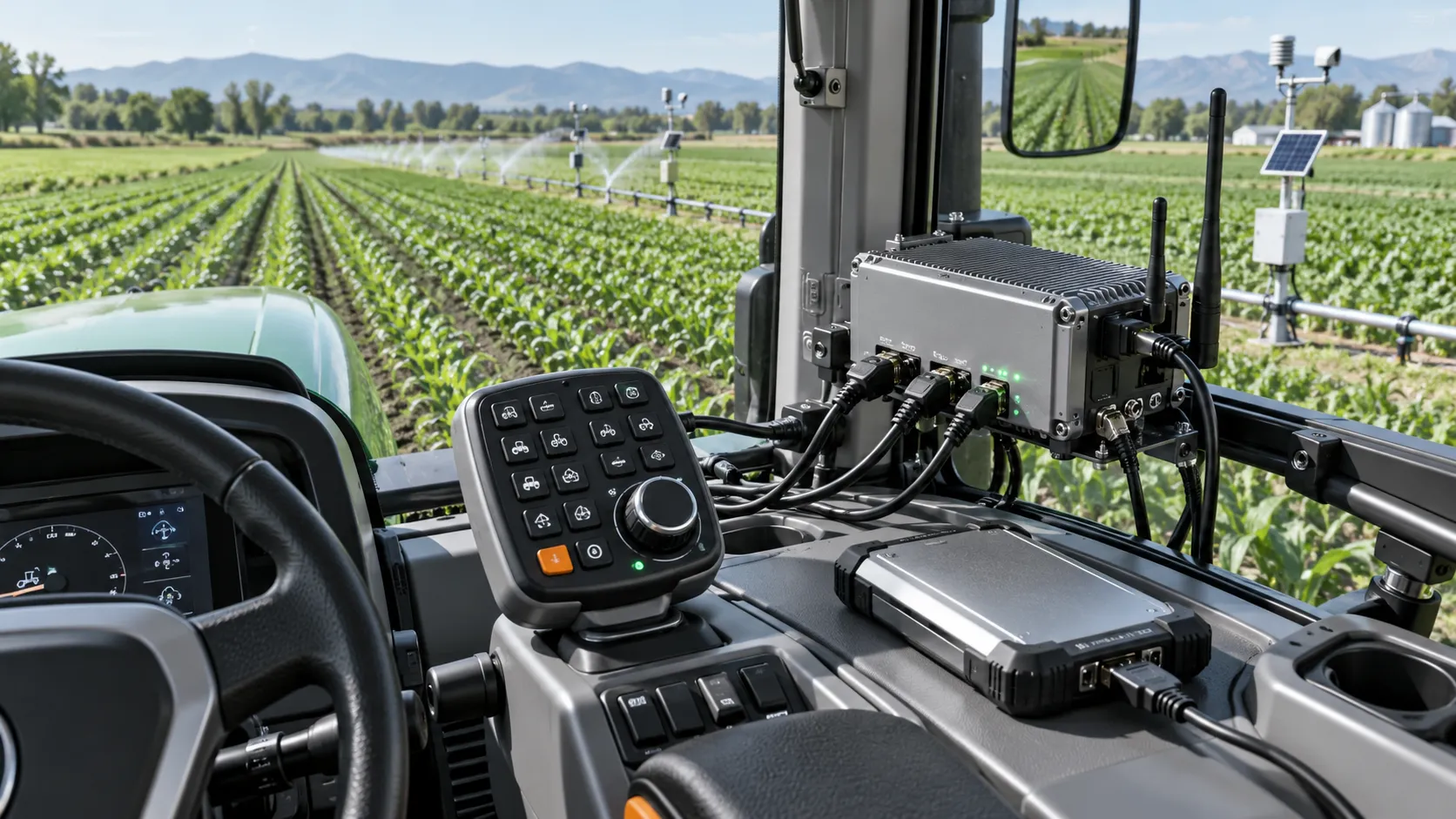
Choosing a Digital Farming Platform Provider: Compatibility and Data Ownership
Compare digital farming platforms providers on equipment compatibility, data ownership, and export rights. Discover practical checks to avoid lock-in and choose with confidence.
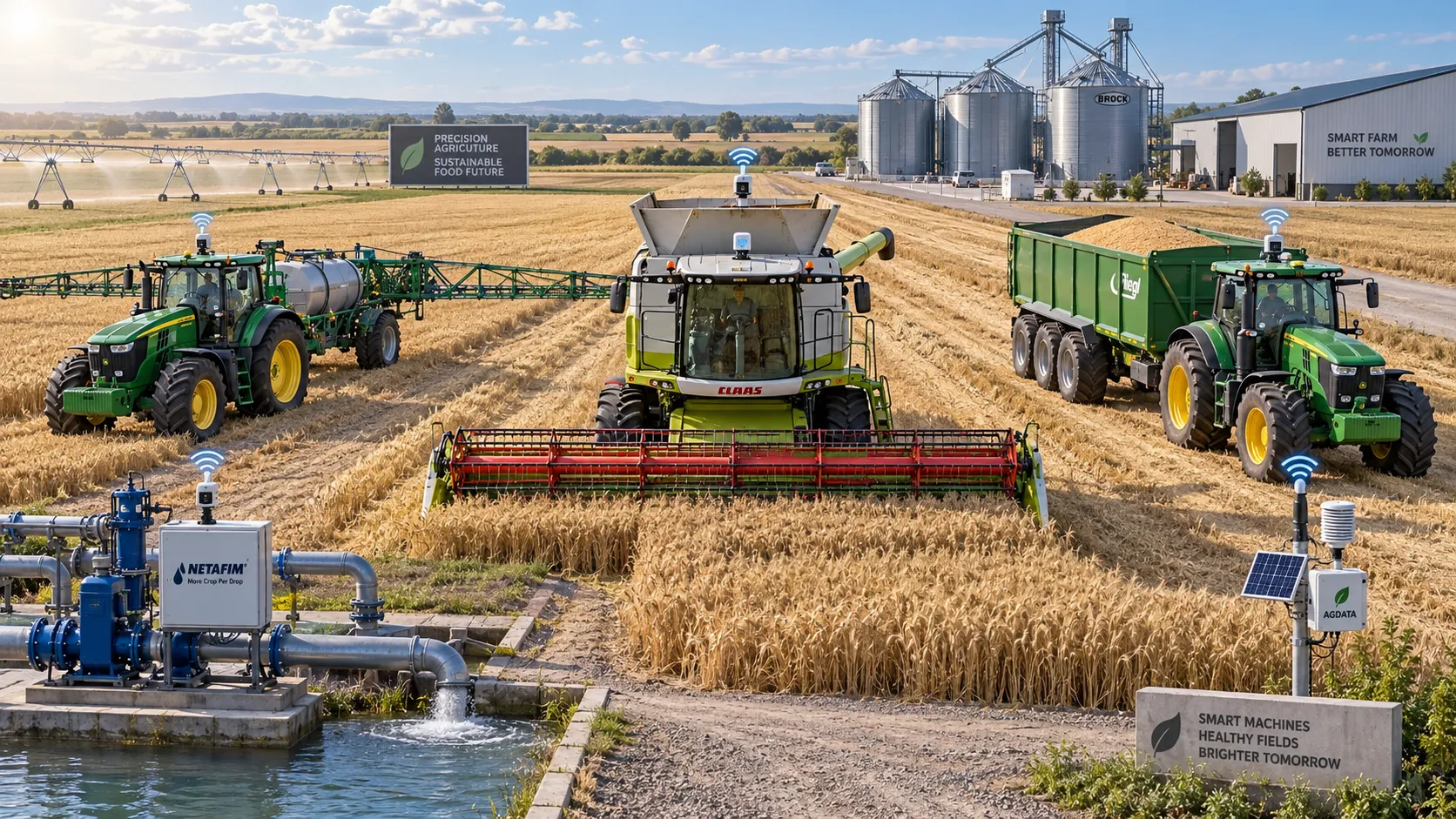
How Large-Scale Farm Telematics Cuts Downtime Across Mixed Fleets
Large-scale farm equipment telematics cuts mixed-fleet downtime with real-time alerts, smarter maintenance, and stronger operational control. Learn how to protect critical farm workflows.
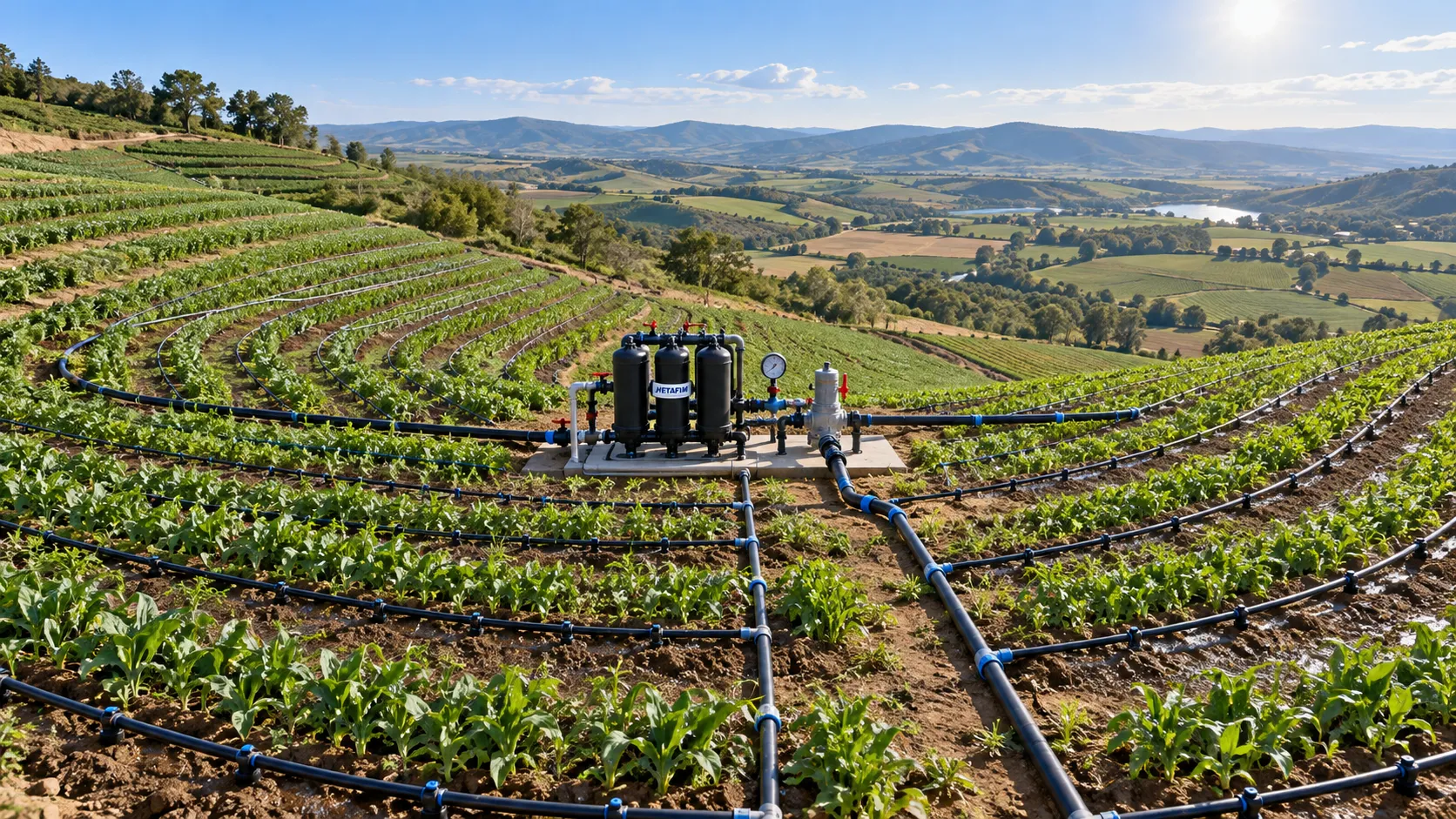
How to Size Low-Pressure Water-Saving Irrigation Systems for Uneven Fields
Low pressure water-saving irrigation systems for uneven fields: learn zoning, pressure mapping, pipe sizing, and pump selection to improve uniformity and reduce water waste.

Farm Machinery Sourcing: How to Vet Suppliers, Specs, and Lifecycle Costs
Farm machinery information for sourcing: learn to vet suppliers, compare specifications, control lifecycle costs, and secure reliable uptime for smarter equipment purchases.
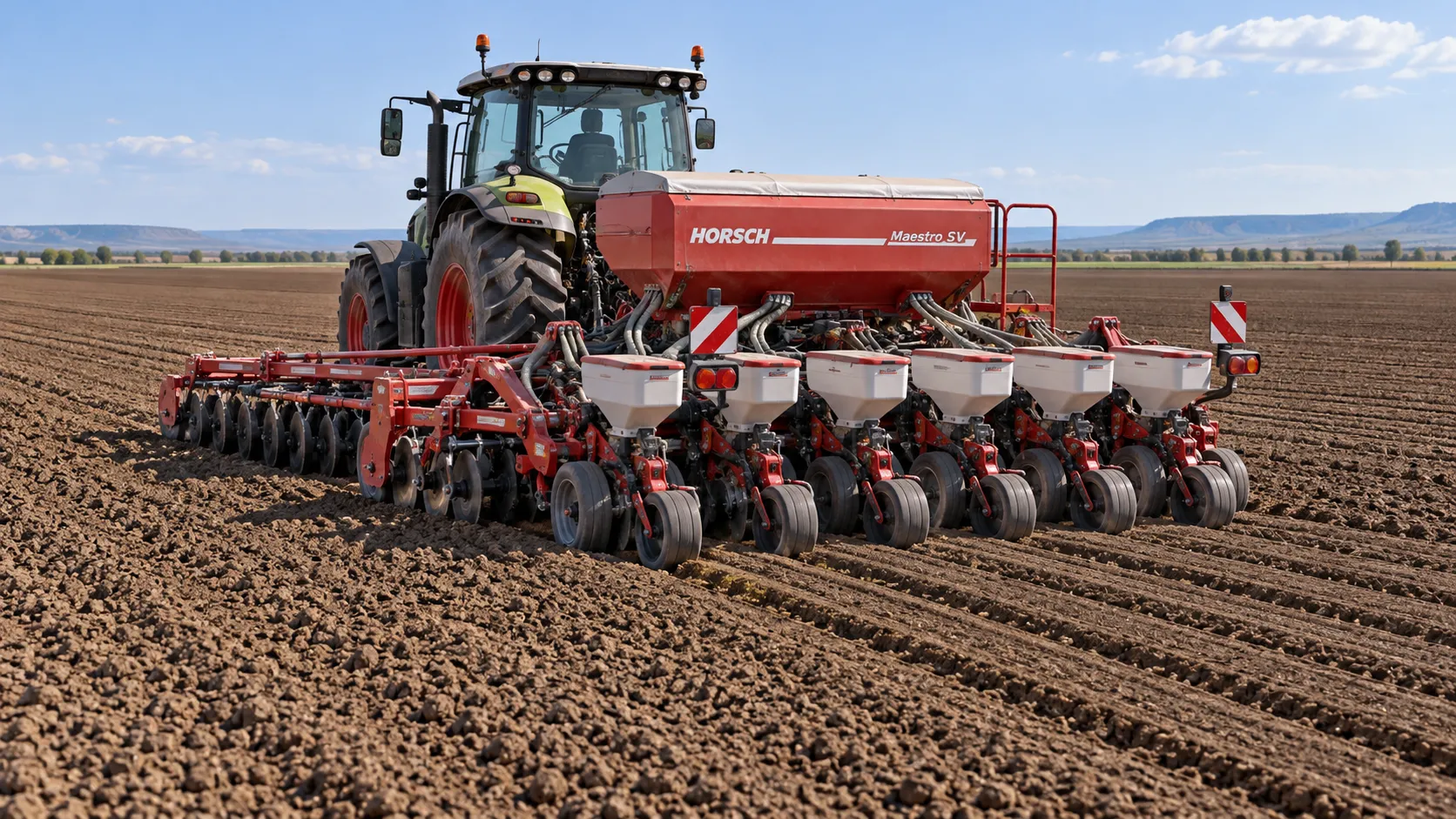
What to compare in integrated seeding combinations for heavy soils
Compare integrated seeding combinations for heavy soils: depth control, residue flow, consolidation, traction, and field capacity for more uniform crop establishment.
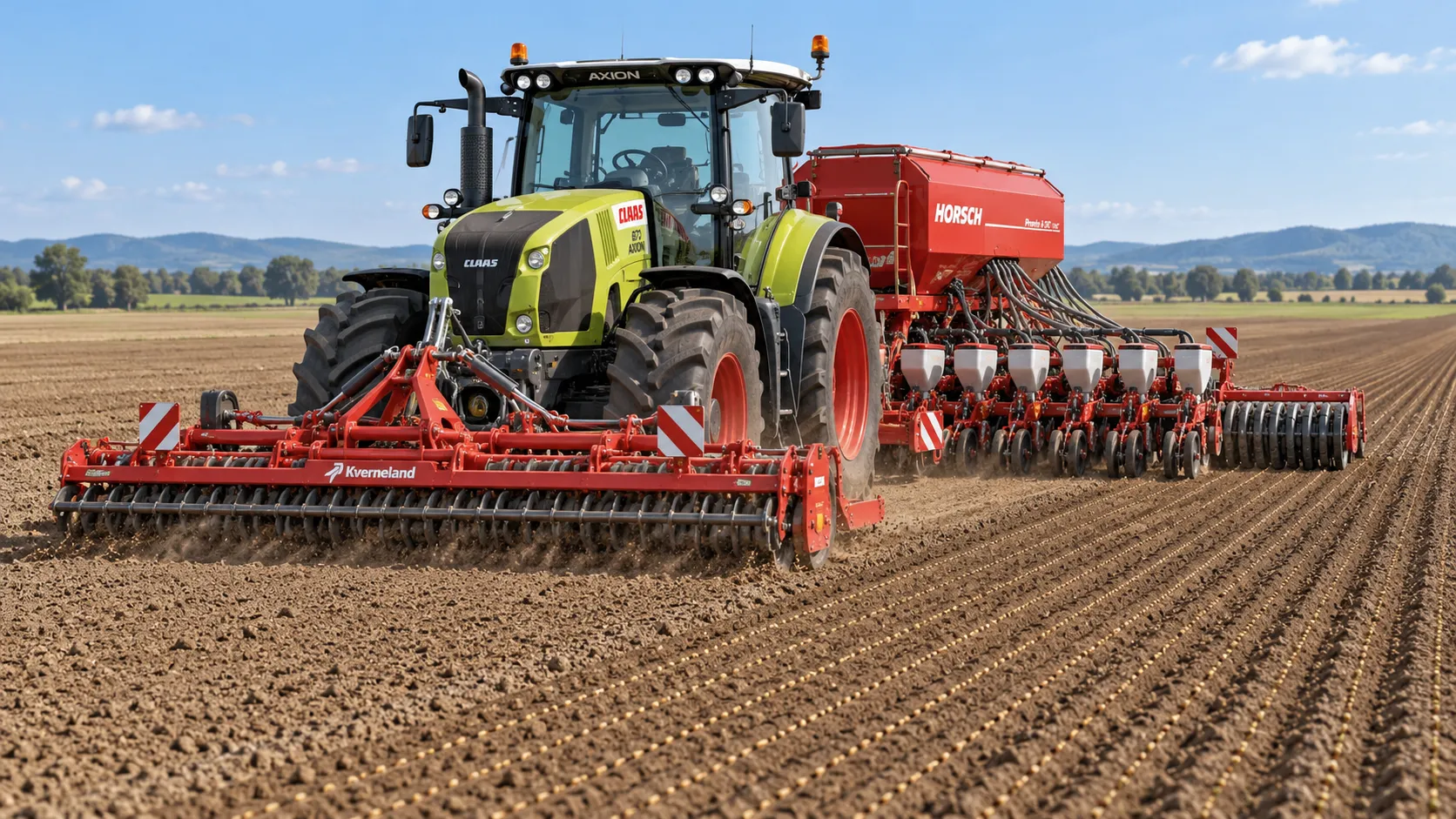
When an integrated seeding combination improves field efficiency
Integrated seeding combination improves field efficiency, protects planting windows, and balances speed with seedbed quality, tractor capacity, and reliable establishment.
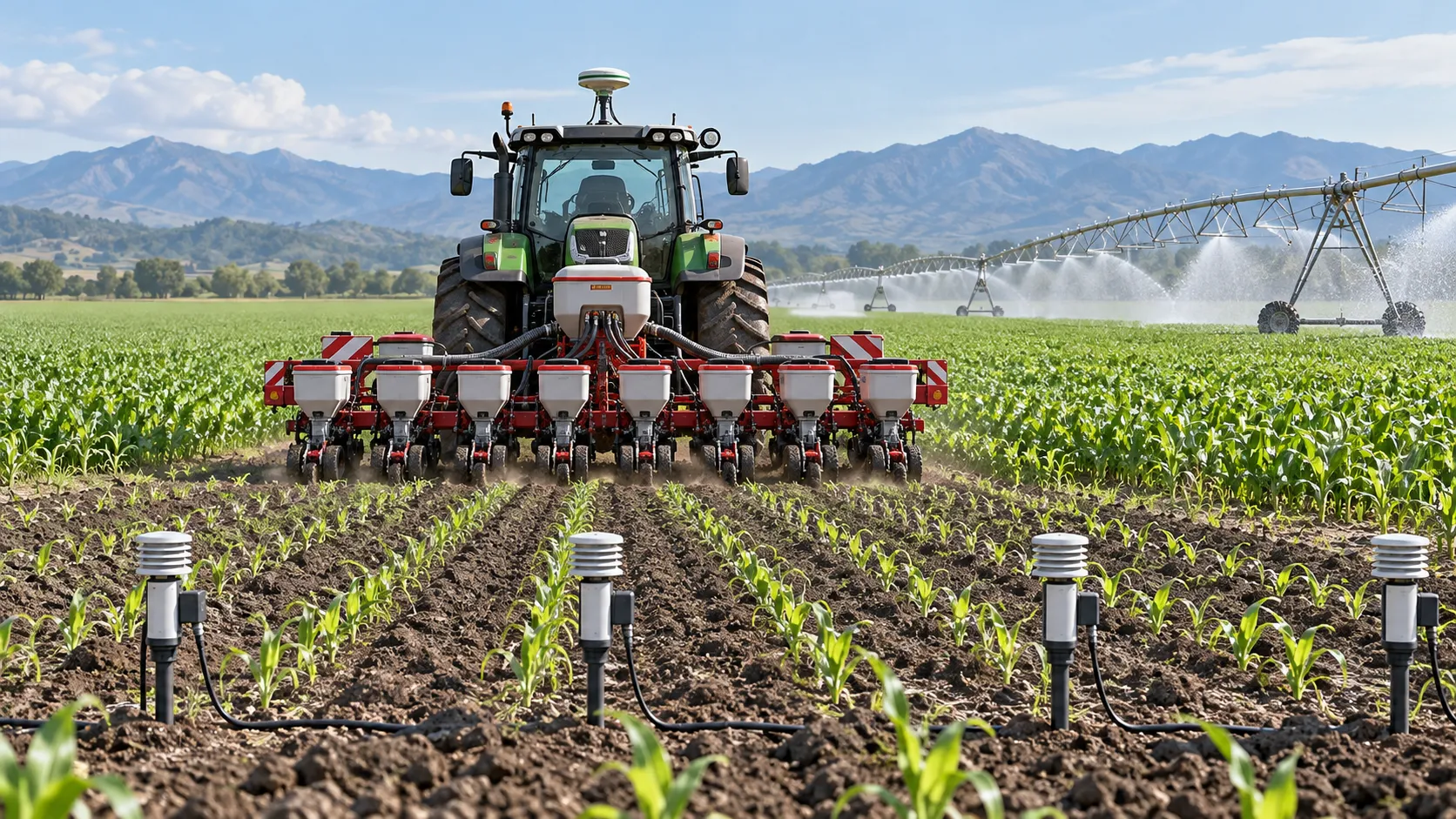
Which costs matter most when calculating precision agriculture ROI?
Calculating ROI on precision agriculture equipment? Discover the costs that shape returns, from installation and subscriptions to downtime, labor, and data integration.

How to calculate ROI on precision agriculture equipment before buying
Calculating ROI on precision agriculture equipment: learn to assess total ownership costs, savings, payback, NPV, risks, and farm-scale value before you buy.
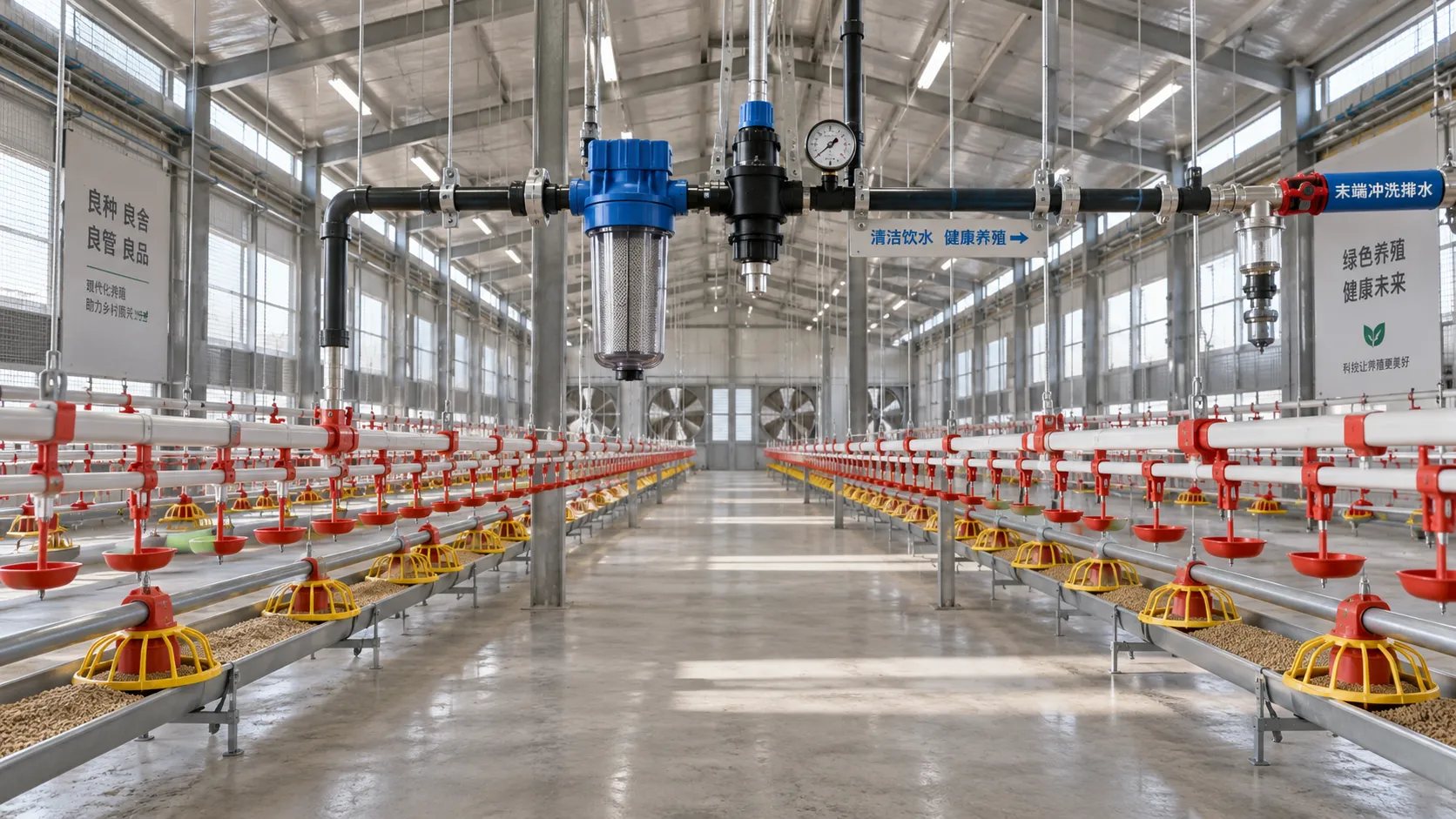
Planning Nipple Drinker Installation for Different Chicken House Layouts
How to install nipple drinker for chicken houses: plan line layouts, pressure control, flushing access, and maintenance for reliable water delivery.
Related News
- 00
0000-00
Choosing a Digital Farming Platform Provider: Compatibility and Data Ownership - 00
0000-00
How Large-Scale Farm Telematics Cuts Downtime Across Mixed Fleets - 00
0000-00
How to Size Low-Pressure Water-Saving Irrigation Systems for Uneven Fields - 00
0000-00
Farm Machinery Sourcing: How to Vet Suppliers, Specs, and Lifecycle Costs - 00
0000-00
What to compare in integrated seeding combinations for heavy soils
Popular Tags
Industry Global
Weekly Insights
Stay ahead with our curated technology reports delivered every Monday.