
China Imposes Zero Tariffs on Agricultural Machinery for 20 African Nations
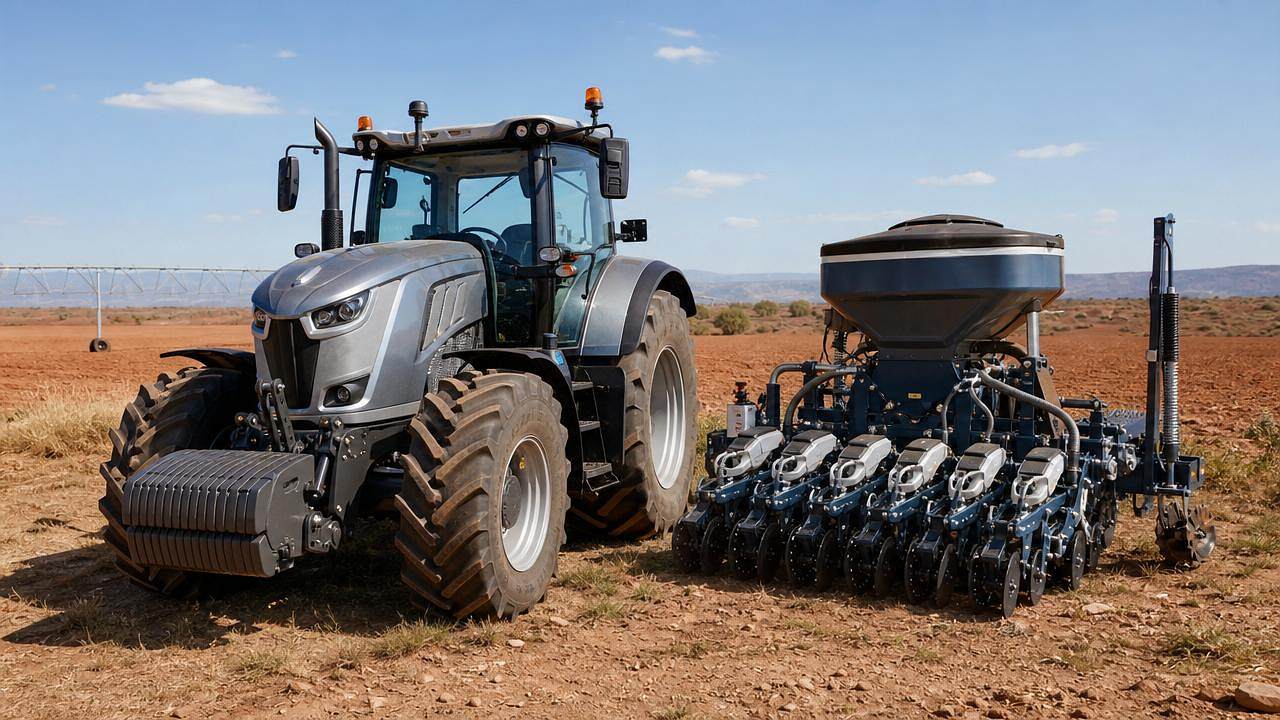




Effective May 1, 2026, China has implemented a two-year zero-tariff policy on agricultural machinery—including tractors, seeders, and smart irrigation equipment—for 20 African countries with which it maintains diplomatic relations (excluding least-developed countries). This measure directly affects exporters, distributors, and supply chain stakeholders in the global agricultural equipment sector, particularly those engaged in China–Africa trade.
Event Overview
Starting May 1, 2026, China applies zero tariffs within quota limits to a full range of agricultural machinery exported to 20 African countries with formal diplomatic ties. The policy covers tractors,播种 machines (seeders), and intelligent irrigation systems. It is scheduled to remain in effect for two years. No additional conditions, implementation guidelines, or extension mechanisms have been publicly disclosed beyond this scope.
Which Subsectors Are Affected
Direct Exporting Enterprises
Exporters of Chinese-made agricultural machinery face reduced landed costs in target African markets due to tariff elimination within quota. This improves gross margin potential and enables more flexible pricing strategies—especially for mid-tier and high-value smart equipment where tariff incidence was previously material. Impact manifests primarily in export quotation competitiveness and order fulfillment timelines.
Channel and Distribution Partners in Africa
African importers and regional distributors benefit from lower landed cost bases, supporting expanded inventory depth and broader geographic coverage. With tariff uncertainty removed for two years, partners can plan multi-year channel investments—such as local after-sales infrastructure or dealer training—with greater predictability. However, the policy does not alter non-tariff barriers (e.g., certification, customs clearance procedures) or local VAT treatment.
Manufacturers and OEMs in China
Domestic manufacturers supplying export-oriented models may adjust production planning and product mix toward higher-spec variants—e.g., GPS-guided tractors or IoT-enabled irrigation controllers—given improved price elasticity in target markets. The policy does not affect domestic sales, raw material sourcing, or production cost structures; its influence is confined to export-related commercial terms and logistics scheduling.
Supply Chain and Logistics Service Providers
Firms offering freight forwarding, bonded warehousing, or cross-border compliance support may see increased volume inquiries related to China-to-Africa agricultural equipment shipments. However, no changes to documentation requirements, origin verification processes, or quota administration procedures have been announced. Operational impact remains contingent on actual shipment growth—not just tariff status.
What Relevant Enterprises or Practitioners Should Monitor and Do Now
Track official quota allocation and administrative guidance
The policy specifies ‘within-quota’ zero tariffs but does not disclose how quotas will be allocated, monitored, or renewed. Exporters should monitor announcements from China’s Ministry of Commerce (MOFCOM) and General Administration of Customs (GACC) for operational rules—particularly regarding certificate of origin validation and quota exhaustion triggers.
Identify priority product categories and market-entry timing
Not all African markets covered are equally prepared for advanced agricultural equipment adoption. Enterprises should prioritize countries with existing import infrastructure, active agricultural modernization programs, and stable foreign exchange regimes—rather than assuming uniform demand uplift across all 20 nations. Early-mover advantage applies selectively, not universally.
Distinguish between tariff removal and full market access
Zero tariffs reduce one cost component but do not resolve technical standards alignment (e.g., ISO/SAE compliance), local registration, or service network gaps. Companies should avoid conflating tariff policy with market readiness—and instead treat this as a window to strengthen non-tariff capabilities: spare parts localization, technician certification, and bilingual user documentation.
Review procurement and inventory planning cycles
Given the two-year timeframe, enterprises with longer lead-time components (e.g., hydraulic valves, embedded controllers) may consider aligning raw material orders and production batches with anticipated shipment windows—especially if domestic suppliers face capacity constraints. However, no evidence suggests upstream input tariffs are affected; adjustments should remain export-focused.
Editorial Perspective / Industry Observation
Observably, this policy functions primarily as a targeted trade facilitation instrument—not a broad industrial stimulus. Its two-year duration signals experimental intent rather than permanent structural shift. Analysis shows that while tariff removal improves price competitiveness on paper, real-world uptake depends heavily on complementary factors: financing availability for end-buyers, local maintenance capacity, and alignment with national agricultural development plans. From an industry perspective, the measure is better understood as a tactical enabler for existing market participants—not a catalyst for new entrants without established distribution or service footprints.
Current attention should focus less on headline tariff rates and more on how African customs authorities implement quota management, how local banks structure equipment leasing, and whether parallel regulatory harmonization (e.g., mutual recognition of safety certifications) advances concurrently. Without such coordination, the tariff benefit may accrue unevenly—or remain underutilized.
Consequently, this initiative is best interpreted not as an immediate revenue inflection point, but as a time-bound opportunity to consolidate and deepen existing commercial relationships in select African markets—while gathering operational intelligence for longer-term strategy.
Conclusion
This zero-tariff policy represents a calibrated adjustment to China’s agricultural equipment export framework—not a wholesale market opening. Its significance lies in enhanced pricing flexibility and planning certainty for a defined set of trade relationships over a limited horizon. For industry stakeholders, the most rational interpretation is pragmatic: treat it as a two-year window to optimize existing operations, validate assumptions about demand elasticity, and build foundational capabilities for sustainable market engagement—rather than as a trigger for rapid scale-up or strategic redirection.
Information Sources
Main source: Official announcement issued by China’s Ministry of Commerce (MOFCOM), effective May 1, 2026.
Note: Quota administration details, country-specific implementation protocols, and potential renewal terms remain unconfirmed and require ongoing observation.
Related News
Choosing a Digital Farming Platform Provider: Compatibility and Data Ownership
Compare digital farming platforms providers on equipment compatibility, data ownership, and export rights. Discover practical checks to avoid lock-in and choose with confidence.
How Large-Scale Farm Telematics Cuts Downtime Across Mixed Fleets
Large-scale farm equipment telematics cuts mixed-fleet downtime with real-time alerts, smarter maintenance, and stronger operational control. Learn how to protect critical farm workflows.
How to Size Low-Pressure Water-Saving Irrigation Systems for Uneven Fields
Low pressure water-saving irrigation systems for uneven fields: learn zoning, pressure mapping, pipe sizing, and pump selection to improve uniformity and reduce water waste.

Farm Machinery Sourcing: How to Vet Suppliers, Specs, and Lifecycle Costs
Farm machinery information for sourcing: learn to vet suppliers, compare specifications, control lifecycle costs, and secure reliable uptime for smarter equipment purchases.
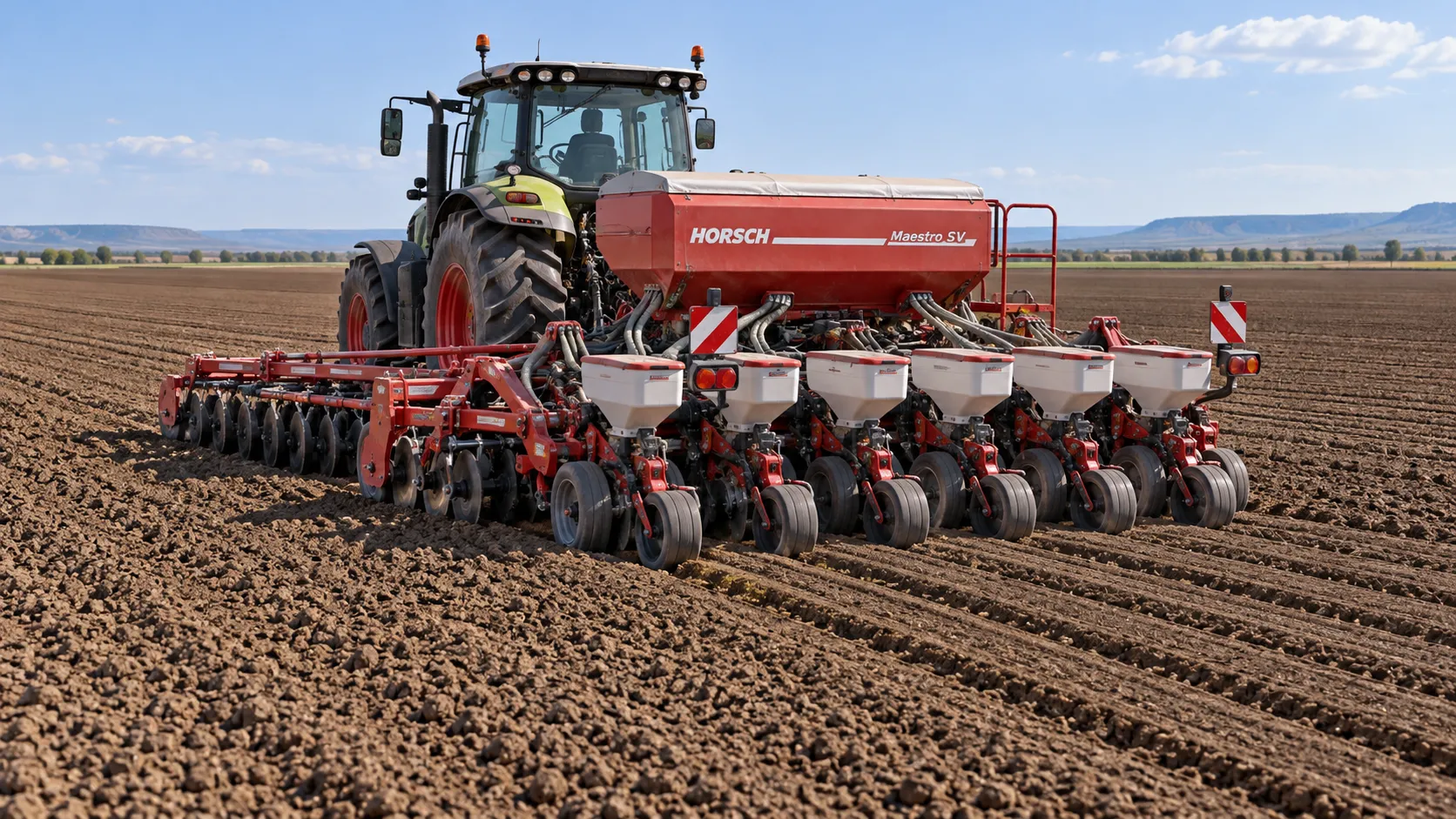
What to compare in integrated seeding combinations for heavy soils
Compare integrated seeding combinations for heavy soils: depth control, residue flow, consolidation, traction, and field capacity for more uniform crop establishment.
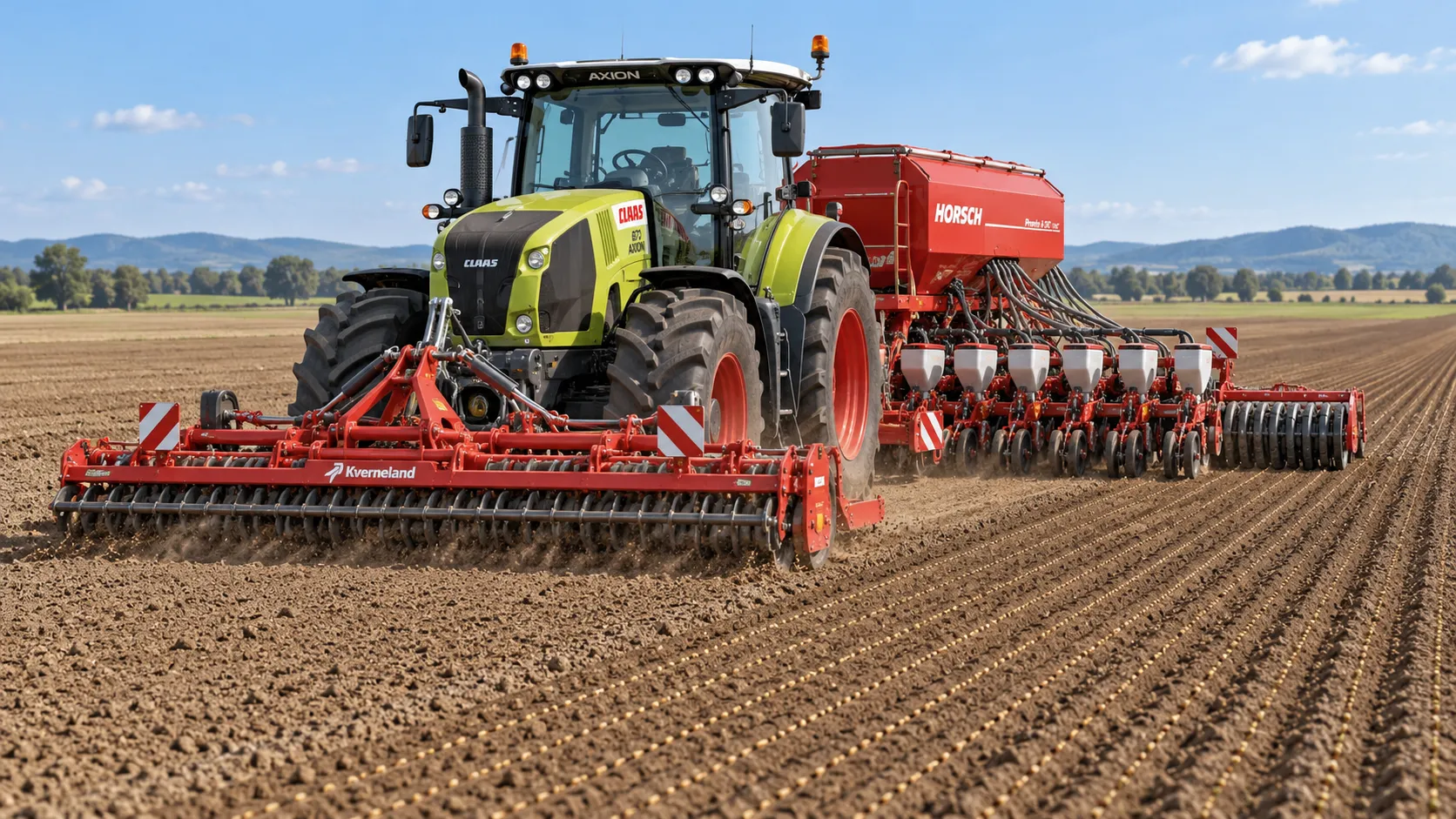
When an integrated seeding combination improves field efficiency
Integrated seeding combination improves field efficiency, protects planting windows, and balances speed with seedbed quality, tractor capacity, and reliable establishment.
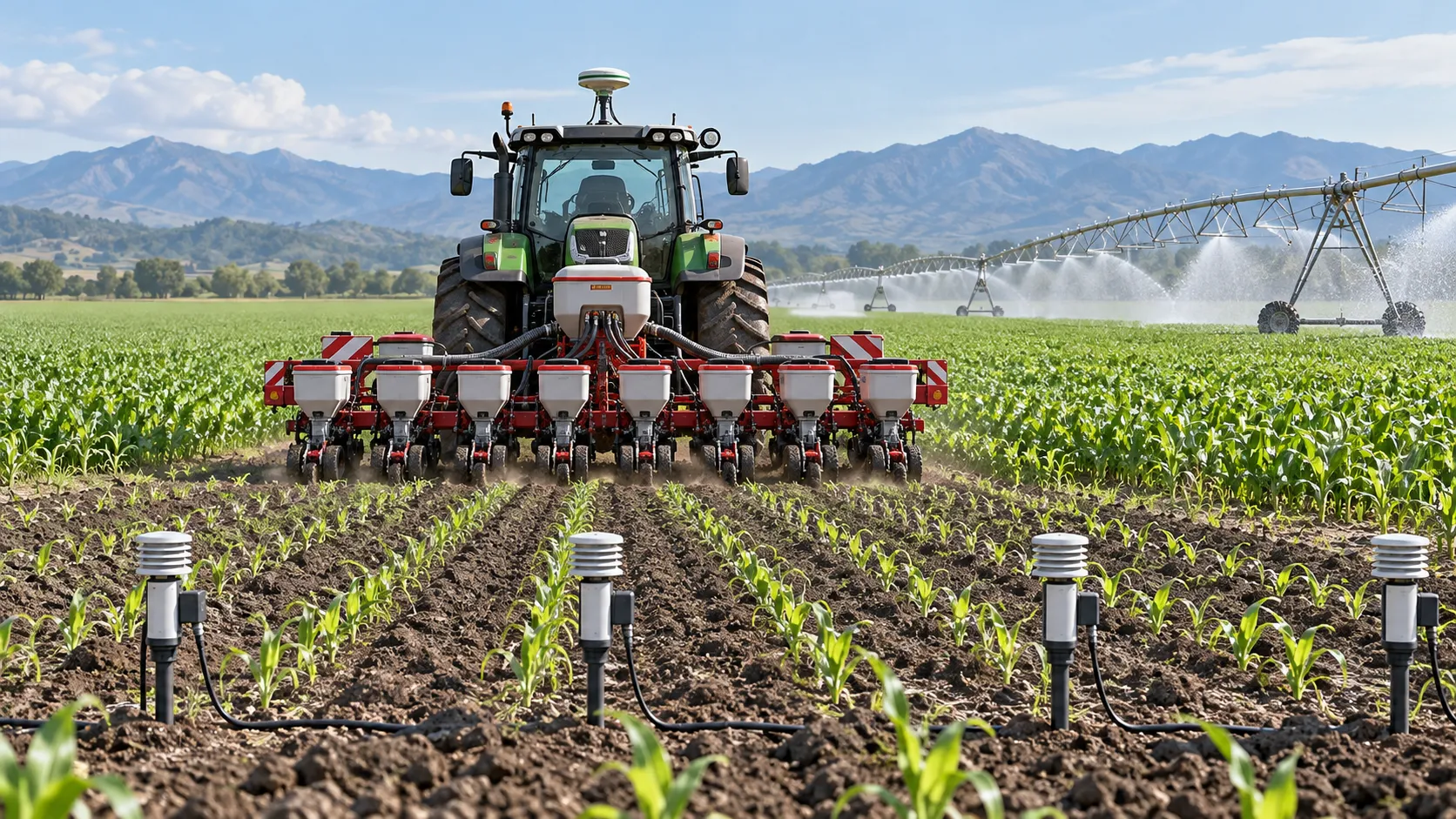
Which costs matter most when calculating precision agriculture ROI?
Calculating ROI on precision agriculture equipment? Discover the costs that shape returns, from installation and subscriptions to downtime, labor, and data integration.
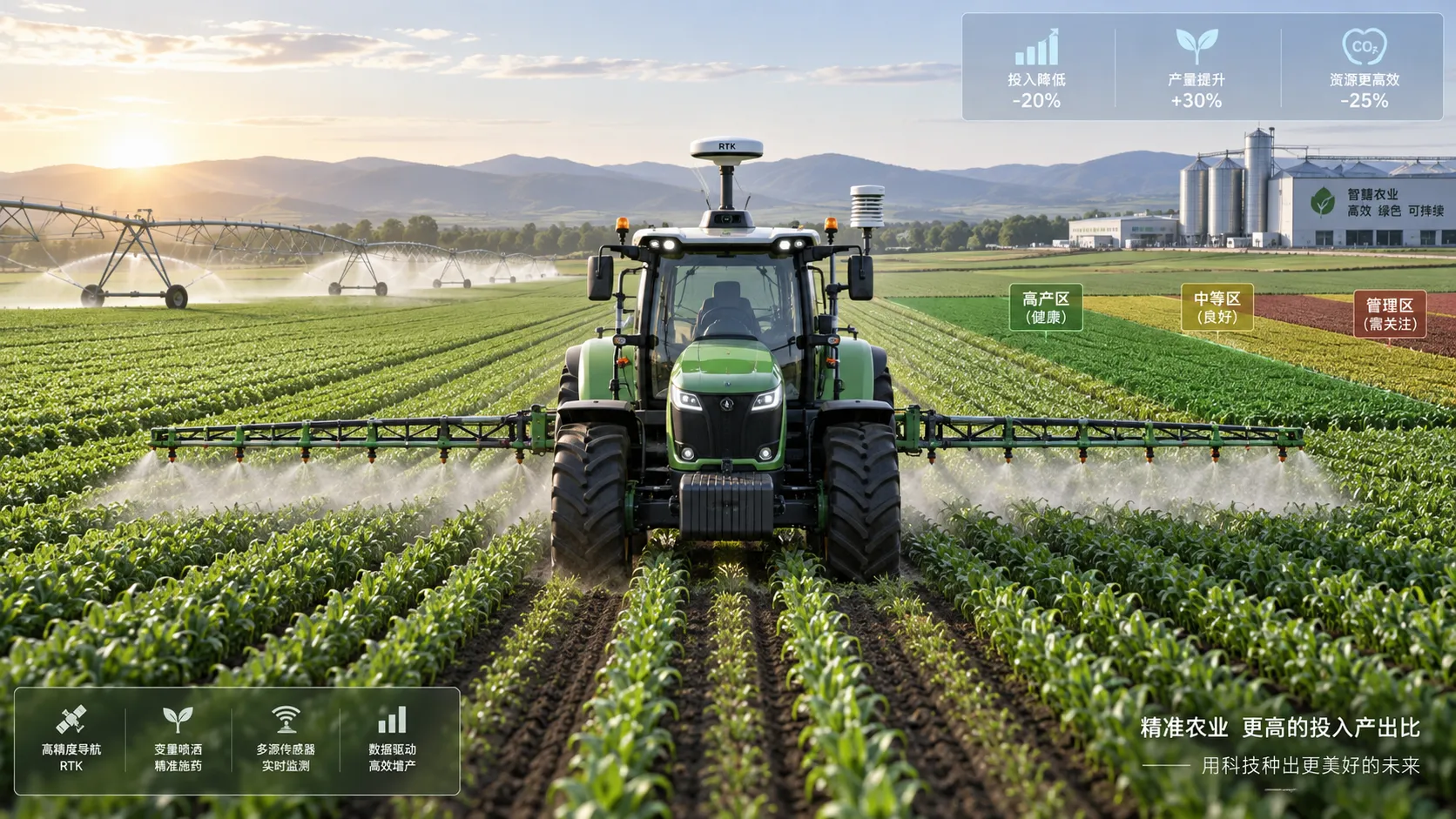
How to calculate ROI on precision agriculture equipment before buying
Calculating ROI on precision agriculture equipment: learn to assess total ownership costs, savings, payback, NPV, risks, and farm-scale value before you buy.
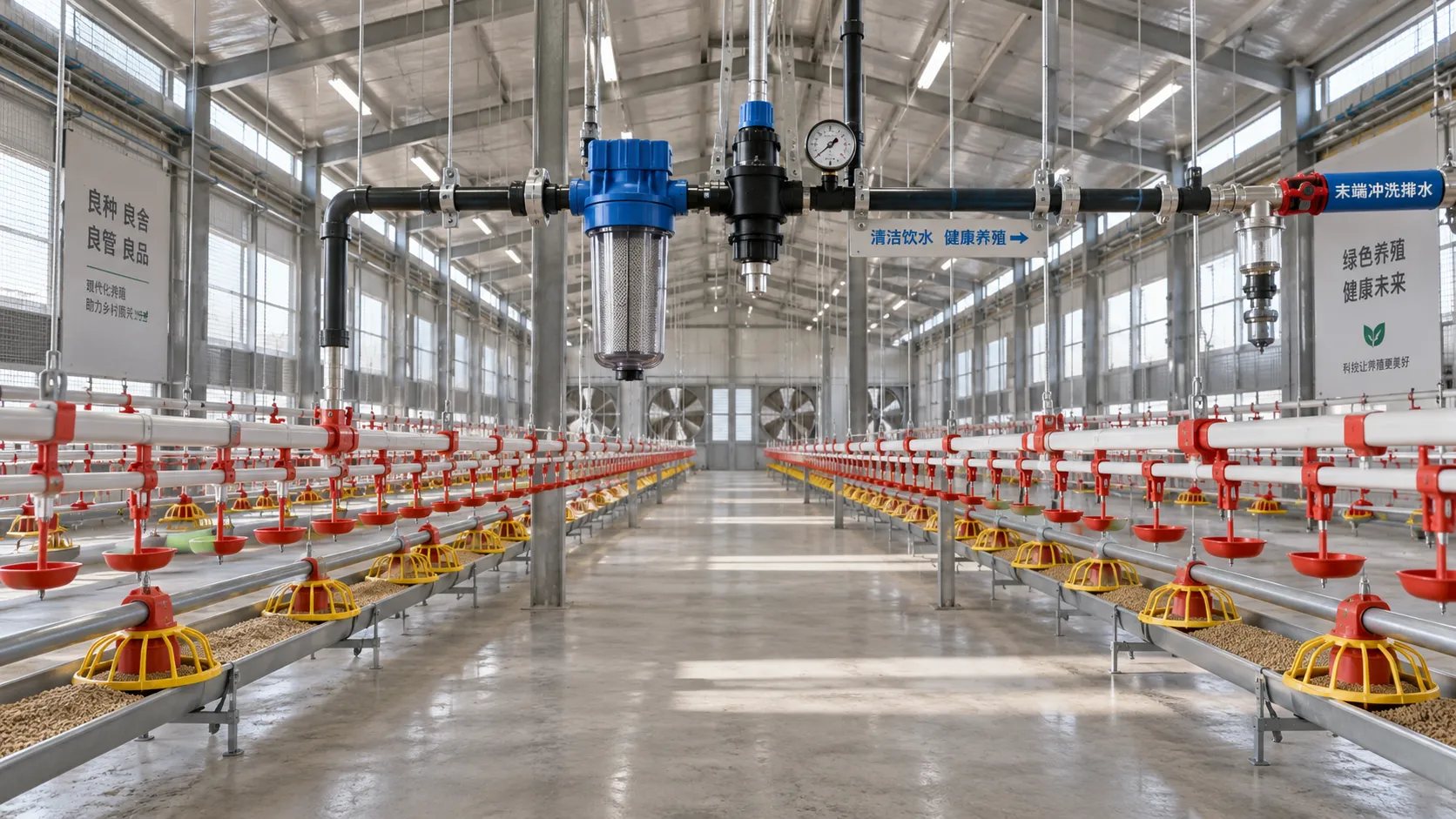
Planning Nipple Drinker Installation for Different Chicken House Layouts
How to install nipple drinker for chicken houses: plan line layouts, pressure control, flushing access, and maintenance for reliable water delivery.
Related News
- 00
0000-00
Choosing a Digital Farming Platform Provider: Compatibility and Data Ownership - 00
0000-00
How Large-Scale Farm Telematics Cuts Downtime Across Mixed Fleets - 00
0000-00
How to Size Low-Pressure Water-Saving Irrigation Systems for Uneven Fields - 00
0000-00
Farm Machinery Sourcing: How to Vet Suppliers, Specs, and Lifecycle Costs - 00
0000-00
What to compare in integrated seeding combinations for heavy soils
Popular Tags
Industry Global
Weekly Insights
Stay ahead with our curated technology reports delivered every Monday.