
China-Eurasia Agri-Machinery Train Frequency Doubles to Three Weekly Runs
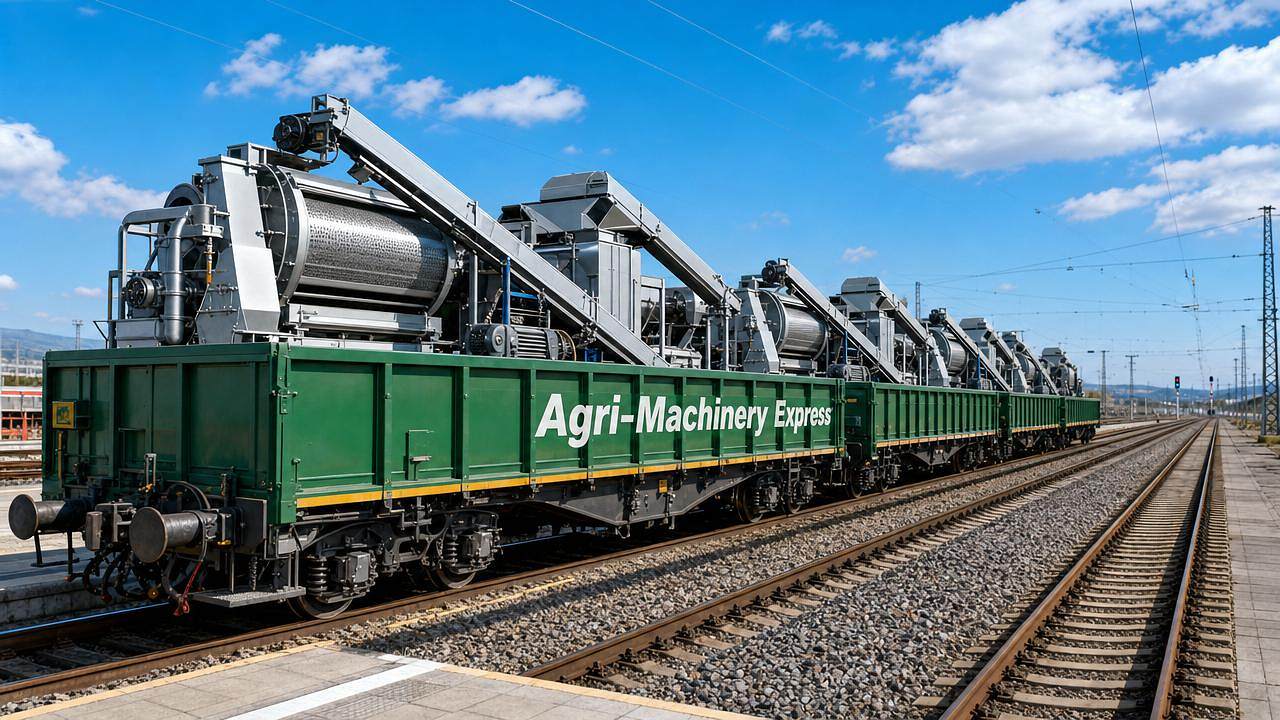




Effective June 10, 2026, China State Railway Group announced on May 28 a significant enhancement to the dedicated agri-machinery freight service between Luoyang and Tashkent—increasing frequency from one to three weekly departures. This adjustment directly supports cross-border logistics for high-precision agricultural equipment components, particularly in the harvesting machinery sector.
Confirmed Operational Update
Starting June 10, 2026, the Luoyang–Tashkent ‘Agri-Machinery Express’ operated by China State Railway Group will run three times per week, up from its previous weekly schedule. The service prioritizes transport of threshing systems, cleaning assemblies, and grain conveying modules—key precision subassemblies used in combine harvesters. Capacity allocation follows a dual-track system combining advance booking with enterprise credit rating; enterprises certified under the Authorized Economic Operator (AEO) Advanced program receive priority loading rights.
Impact Across Supply Chain Roles
Direct Exporters
Export-oriented manufacturers of harvesting machinery components face tighter scheduling discipline due to the shift from ad hoc to reserved capacity. With increased frequency comes higher demand for timely documentation submission and adherence to AEO-related compliance timelines—especially for customs clearance and cargo readiness verification.
Raw Material & Component Sourcing Firms
Suppliers providing machined parts or calibrated subsystems must align production lead times with the new train departure windows. Delays beyond the pre-booked slot may result in missed allocations, especially where AEO status is not held—potentially triggering cascading delays in final assembly schedules.
Equipment Manufacturers
Manufacturers integrating threshing systems into complete harvesters must reassess their inbound logistics planning. The enhanced frequency enables more responsive replenishment but requires stricter synchronization between component quality validation, packaging standards (e.g., anti-vibration, moisture-proof), and container-ready staging deadlines.
Logistics & Freight Forwarding Providers
Third-party logistics firms now operate under heightened coordination requirements—not only managing bookings across three weekly slots but also verifying AEO eligibility and supporting clients in maintaining consistent credit profiles with railway authorities. Documentation accuracy and real-time slot tracking become critical differentiators.
Key Actions for Enterprises
Verify and Maintain AEO Advanced Certification Status
AEO Advanced certification is no longer optional for guaranteed access to priority loading. Enterprises should confirm current certification validity, review internal compliance controls (e.g., supply chain security, financial solvency, customs record integrity), and prepare for potential re-audits triggered by increased scrutiny of rail freight eligibility.
Align Component Readiness with Fixed Departure Windows
With three fixed weekly departures, just-in-time delivery expectations rise. Firms must revise internal production and warehouse release protocols to ensure all threshing-system subcomponents—including calibration certificates and traceable serial numbering—are container-ready at least 48 hours prior to each scheduled departure.
Standardize Packaging and Technical Documentation
Railway operators now emphasize damage prevention for high-precision assemblies. Packaging must meet ISO 11607–2–compliant shock and humidity resistance criteria. Accompanying technical documents—including dimensional drawings, material certifications, and functional test reports—must be submitted digitally in advance as part of the booking process.
Industry Perspective: Beyond Frequency—A Shift Toward Predictability
Analysis shows this change reflects a broader strategic pivot—from reactive freight facilitation toward structured, rule-based corridor management. Observably, the ‘reservation + credit’ model introduces performance accountability into international rail logistics, effectively raising the operational threshold for participation. It is more appropriate to understand this as an early signal of formalized service-level agreements emerging within Belt and Road multimodal frameworks. What deserves closer attention is how this model may influence future tendering criteria for agricultural machinery procurement in Central Asia—particularly whether AEO status becomes embedded in technical bid evaluation weightings.
Strategic Implications for Agricultural Equipment Trade
This upgrade does not merely add capacity—it institutionalizes reliability. For exporters, it reduces uncertainty in delivery timing but raises the bar for compliance consistency. For buyers in Uzbekistan and neighboring markets, it signals improved availability of spare parts and modular upgrades, potentially extending equipment service life and lowering total cost of ownership. However, benefits remain contingent on sustained execution fidelity—not just in train scheduling, but in coordinated customs interoperability, terminal handling efficiency, and cross-border documentation harmonization.
Source Information & Verification Notes
This article was generated exclusively from the provided title, event date (2026-06-10), and summary text. Specific official source links were not provided in the input and should be verified continuously. Stakeholders are advised to monitor upcoming implementation guidelines from China State Railway Group—including detailed booking procedures, AEO verification protocols, and technical specifications for cargo acceptance—alongside feedback from pilot users during the initial quarter of operation.
Related News
Choosing a Digital Farming Platform Provider: Compatibility and Data Ownership
Compare digital farming platforms providers on equipment compatibility, data ownership, and export rights. Discover practical checks to avoid lock-in and choose with confidence.
How Large-Scale Farm Telematics Cuts Downtime Across Mixed Fleets
Large-scale farm equipment telematics cuts mixed-fleet downtime with real-time alerts, smarter maintenance, and stronger operational control. Learn how to protect critical farm workflows.
How to Size Low-Pressure Water-Saving Irrigation Systems for Uneven Fields
Low pressure water-saving irrigation systems for uneven fields: learn zoning, pressure mapping, pipe sizing, and pump selection to improve uniformity and reduce water waste.
Farm Machinery Sourcing: How to Vet Suppliers, Specs, and Lifecycle Costs
Farm machinery information for sourcing: learn to vet suppliers, compare specifications, control lifecycle costs, and secure reliable uptime for smarter equipment purchases.
What to compare in integrated seeding combinations for heavy soils
Compare integrated seeding combinations for heavy soils: depth control, residue flow, consolidation, traction, and field capacity for more uniform crop establishment.
When an integrated seeding combination improves field efficiency
Integrated seeding combination improves field efficiency, protects planting windows, and balances speed with seedbed quality, tractor capacity, and reliable establishment.
Which costs matter most when calculating precision agriculture ROI?
Calculating ROI on precision agriculture equipment? Discover the costs that shape returns, from installation and subscriptions to downtime, labor, and data integration.
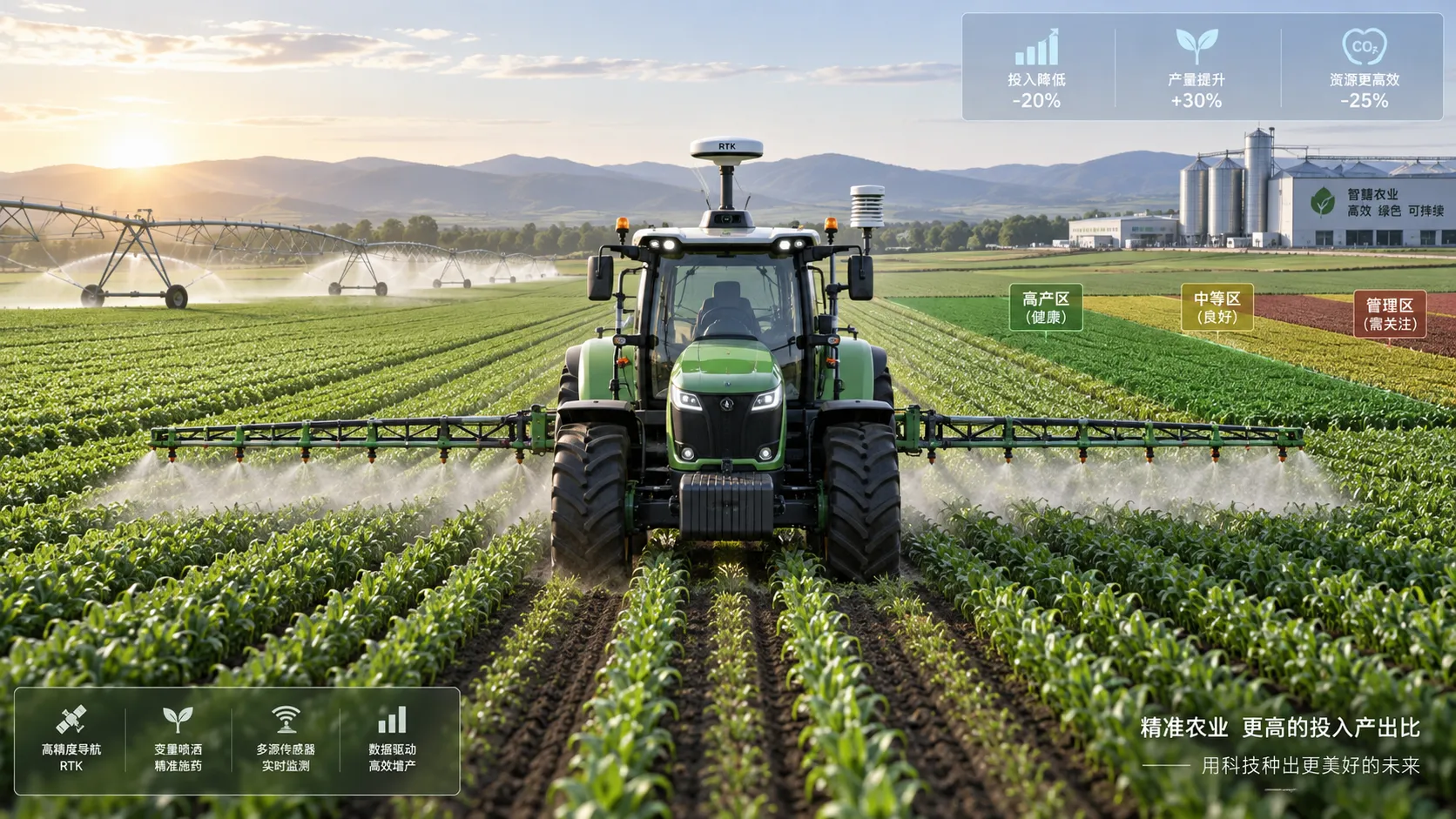
How to calculate ROI on precision agriculture equipment before buying
Calculating ROI on precision agriculture equipment: learn to assess total ownership costs, savings, payback, NPV, risks, and farm-scale value before you buy.
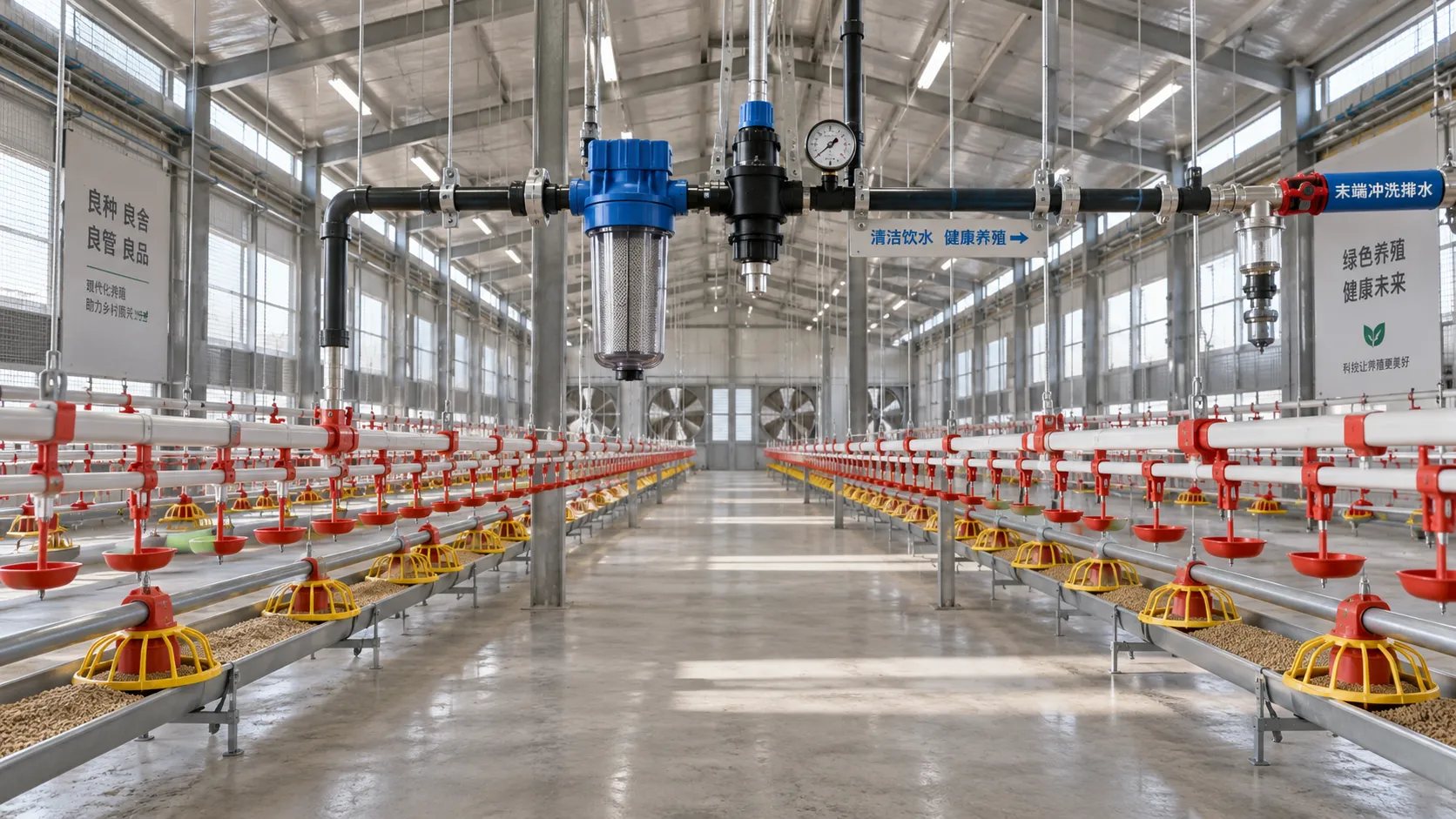
Planning Nipple Drinker Installation for Different Chicken House Layouts
How to install nipple drinker for chicken houses: plan line layouts, pressure control, flushing access, and maintenance for reliable water delivery.
Related News
- 00
0000-00
Choosing a Digital Farming Platform Provider: Compatibility and Data Ownership - 00
0000-00
How Large-Scale Farm Telematics Cuts Downtime Across Mixed Fleets - 00
0000-00
How to Size Low-Pressure Water-Saving Irrigation Systems for Uneven Fields - 00
0000-00
Farm Machinery Sourcing: How to Vet Suppliers, Specs, and Lifecycle Costs - 00
0000-00
What to compare in integrated seeding combinations for heavy soils
Popular Tags
Industry Global
Weekly Insights
Stay ahead with our curated technology reports delivered every Monday.