
Xinjiang XPCC Cotton Full Mechanization Rate Hits 98.86%
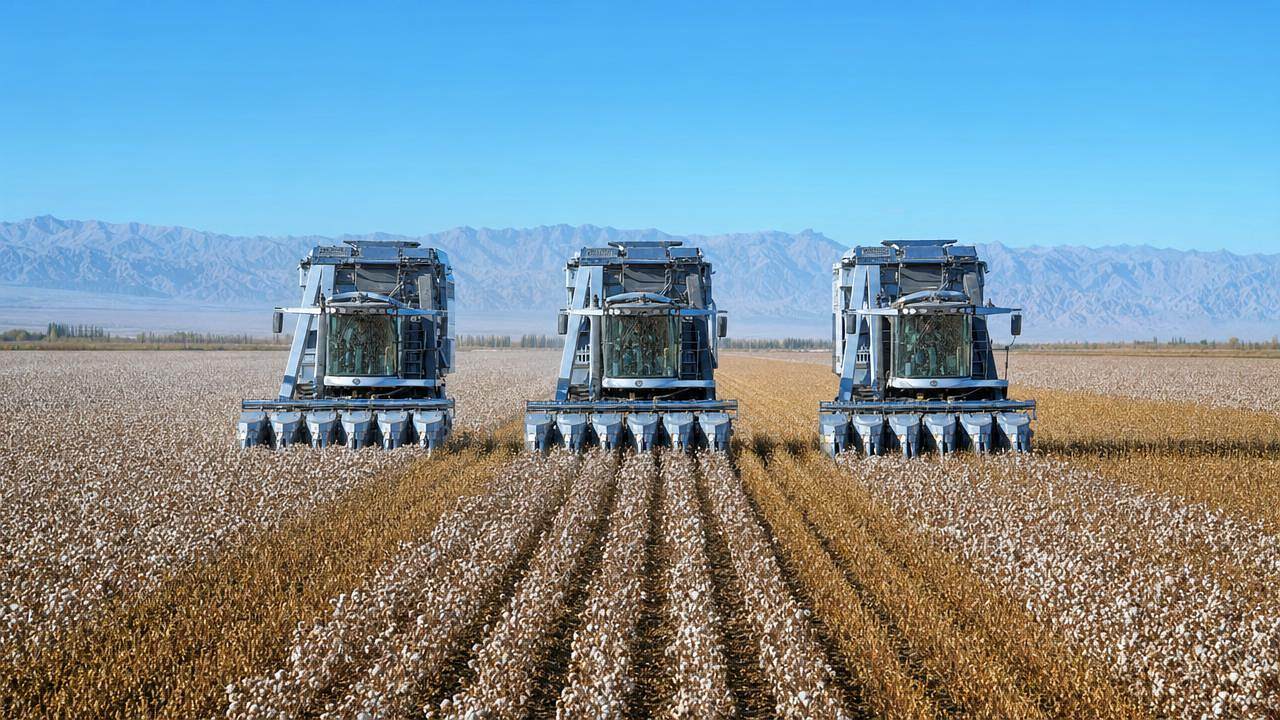




On May 25, 2026, Xinjiang Production and Construction Corps (XPCC) reported a cotton farming-and-harvesting comprehensive mechanization rate of 98.86% for 2025—the highest in China. This milestone triggers updates to the export performance database for intelligent cotton harvesters, particularly affecting trade, equipment distribution, and agritech adaptation in Central Asian markets. Stakeholders in agricultural machinery export, cotton supply chain management, and precision farming services should monitor implications for market entry, technical localization, and data-driven service models.
Event Overview
As officially announced by Xinjiang Production and Construction Corps on May 25, 2026, the comprehensive mechanization rate for cotton cultivation, planting, and harvesting across XPCC reached 98.86% in 2025. Based on this large-scale operational validation, the Chinese Academy of Agricultural Mechanization Sciences (CAAMS), in collaboration with local Xinjiang enterprises, updated the export performance database for intelligent cotton harvesters. The update includes new soil–efficiency mapping models linking clay content in cotton fields of Kazakhstan and Tajikistan to harvester operational efficiency. These models are now available free of charge to overseas distributors.
Industries Affected
Direct Export Trading Firms
Exporters of Chinese agricultural machinery—especially those targeting Kazakhstan and Tajikistan—are directly affected because the updated database introduces quantifiable, field-specific performance parameters. This shifts buyer expectations from generic machine specifications toward localized, evidence-based productivity claims.
Raw Material Procurement Entities
Cotton procurement firms operating in Central Asia may face indirect pressure as mechanized harvesting expands. Higher harvester adoption could accelerate regional consolidation of smallholder plots, altering sourcing patterns, volume predictability, and quality consistency in lint cotton supply.
Agricultural Equipment Manufacturers
Manufacturers supplying intelligent harvesters must now align product documentation, training materials, and after-sales support with the newly published soil–efficiency models. Failure to reference or validate against these models may weaken technical credibility during tender processes or distributor negotiations.
Distribution & Channel Partners
Overseas distributors—particularly those in Kazakhstan and Tajikistan—gain access to standardized, freely available performance benchmarks. This lowers technical entry barriers but raises expectations for localized service capacity, including soil testing integration and operator training aligned with the new models.
What Relevant Enterprises or Practitioners Should Focus On
Monitor official model deployment timelines and regional rollout plans
While the database update is confirmed, its integration into national certification frameworks (e.g., Kazakhstan’s agricultural machinery registration process) remains pending. Enterprises should track regulatory announcements from both CAAMS and host-country agricultural ministries.
Prioritize soil data collection in target fields ahead of sales cycles
For distributors and OEMs, pre-season clay-content sampling in client fields—using protocols referenced in the new models—can strengthen proposals and improve yield-efficiency projections. This moves sales conversations from equipment features to verified field outcomes.
Distinguish between database availability and contractual enforceability
The models are offered free for reference, not as binding performance guarantees. Contracts involving yield or uptime commitments should explicitly state whether—and how—the models inform service-level agreements, avoiding unintended liability exposure.
Prepare localized technical documentation and training modules
Manufacturers and distributors should begin adapting user manuals, maintenance guides, and operator training curricula to reflect the Kazakhstan- and Tajikistan-specific soil–efficiency relationships. This supports compliance readiness and builds technical trust ahead of broader regional adoption.
Editorial Perspective / Industry Observation
Observably, this update signals a shift from technology export to context-aware agritech deployment. It reflects growing emphasis on empirical, regionally grounded performance validation—not just hardware delivery. Analysis shows that the 98.86% mechanization rate serves less as an endpoint and more as a benchmark enabling downstream standardization: it provides the real-world data volume required to build predictive models for foreign environments. From an industry perspective, this is better understood as an infrastructure-building step—laying groundwork for scalable, evidence-based market expansion—rather than an immediate commercial trigger. Continued attention is warranted as further soil–efficiency models for other countries or crop systems may follow.
Conclusion: This development underscores a maturing phase in China’s agricultural machinery internationalization—where operational scale in domestic settings enables targeted, data-informed adaptation abroad. It does not indicate an imminent surge in exports, but rather marks the institutionalization of localized performance intelligence as a core component of market engagement. Current interpretation should emphasize capability building over near-term transactional impact.
Information Source: Official announcement by Xinjiang Production and Construction Corps; public update notice issued jointly by the Chinese Academy of Agricultural Mechanization Sciences and partner Xinjiang enterprises. Note: Ongoing observation is recommended regarding formal adoption of the soil–efficiency models in Kazakhstan’s and Tajikistan’s national agricultural machinery standards or procurement guidelines.
Related News
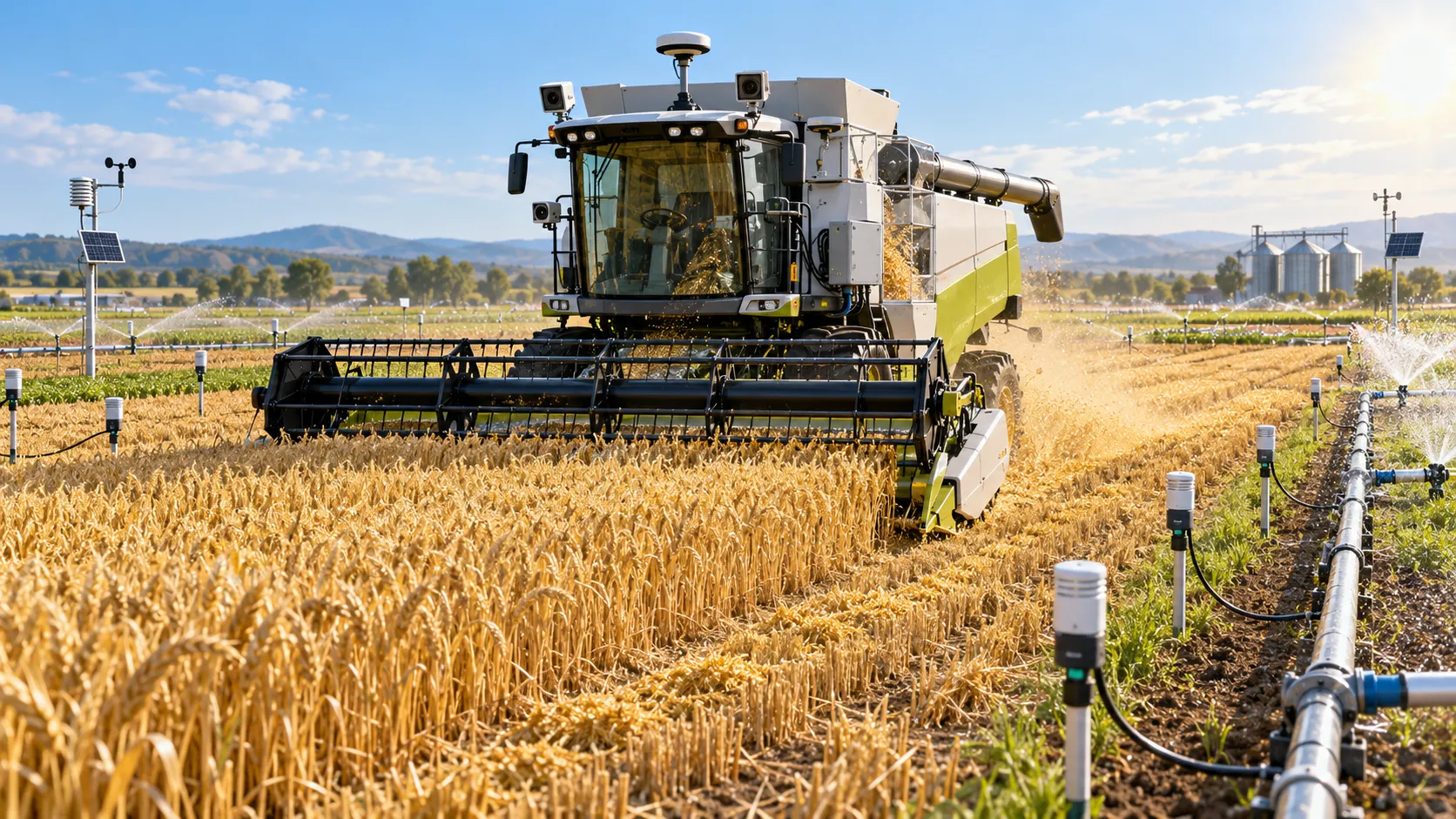
How to Evaluate Dynamic Feedback Algorithm Suppliers for Precision Farming Systems
Dynamic feedback algorithms supplier evaluation guide for precision farming—compare validation, integration, safety, and pilots to choose with confidence.
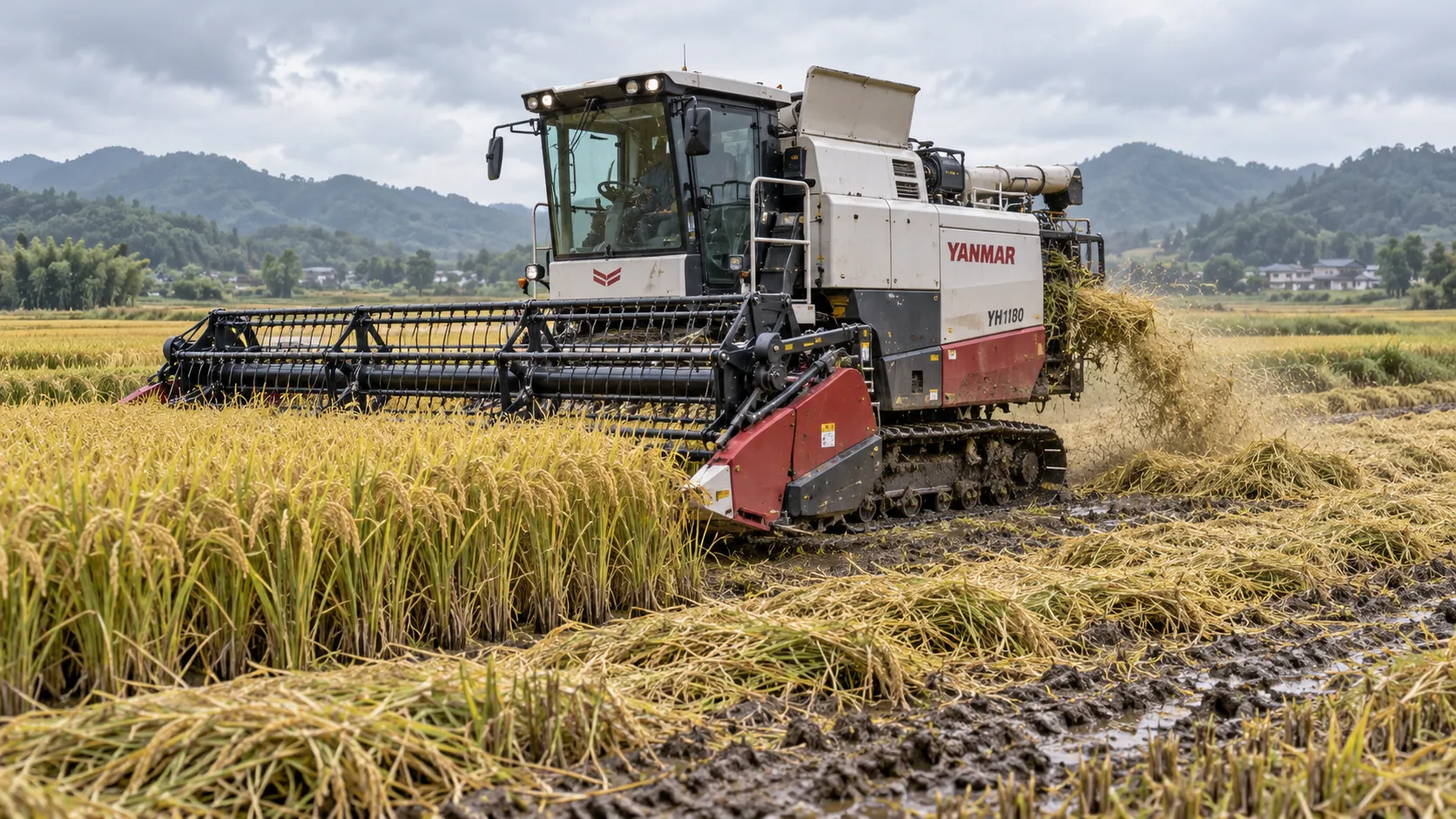
How to Specify Combine Harvester Systems for High-Moisture Grain and Variable Field Conditions
Combine harvester systems for high-moisture grain: learn how to specify threshing, cleaning, headers, traction, and automation for reliable harvests in variable fields.
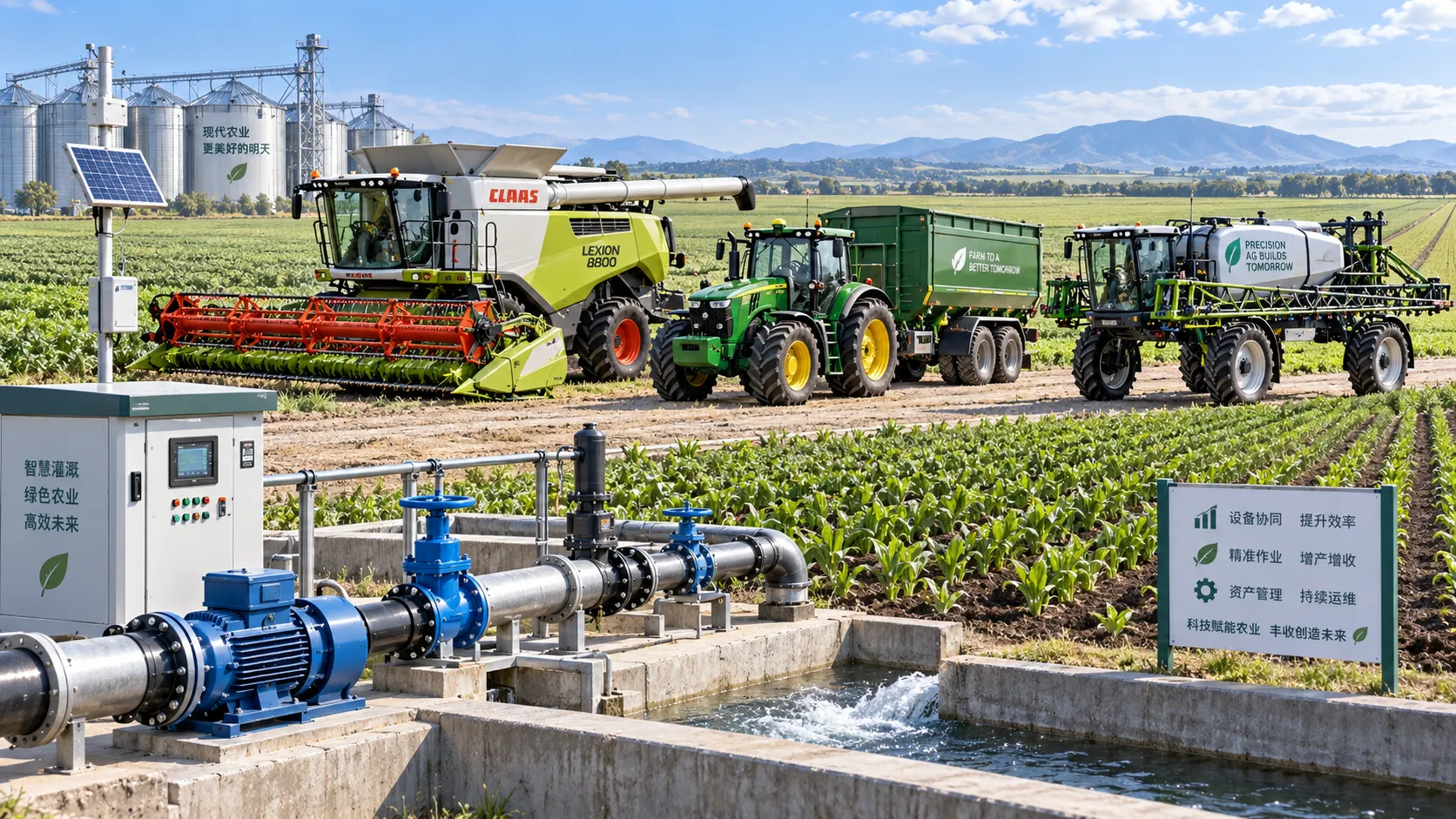
How to Compare Agricultural Equipment Platforms for Fleet Management and ROI
Agricultural equipment platform comparison: evaluate fleet data, maintenance, precision workflows, and ROI to choose a system that delivers measurable results.
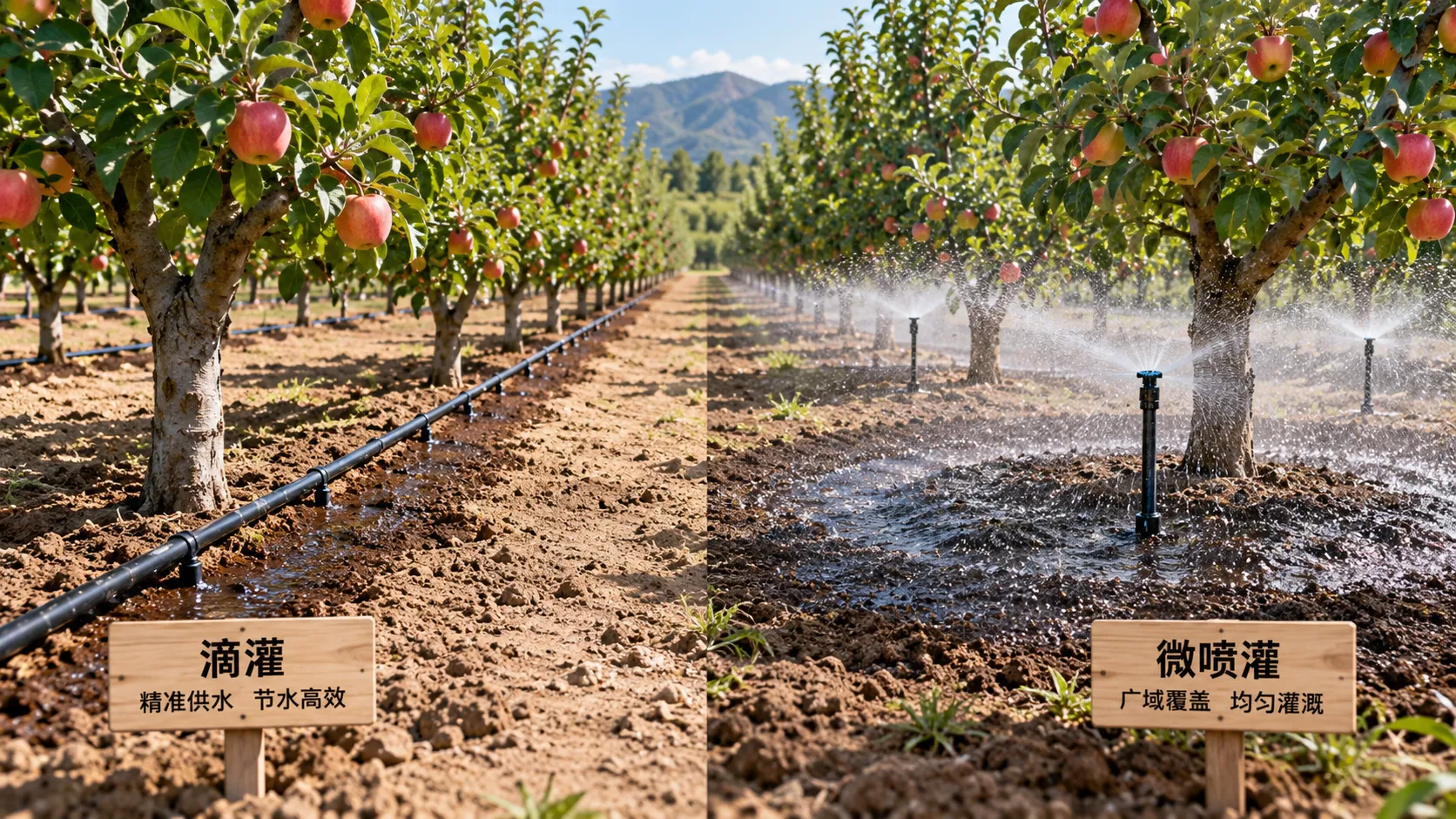
Drip vs. Micro-Sprinkler Irrigation: Which System Fits Your Orchard?
Irrigation solution comparison for orchards: discover whether drip or micro-sprinklers best match your water, soil, roots, fertigation, and frost needs.
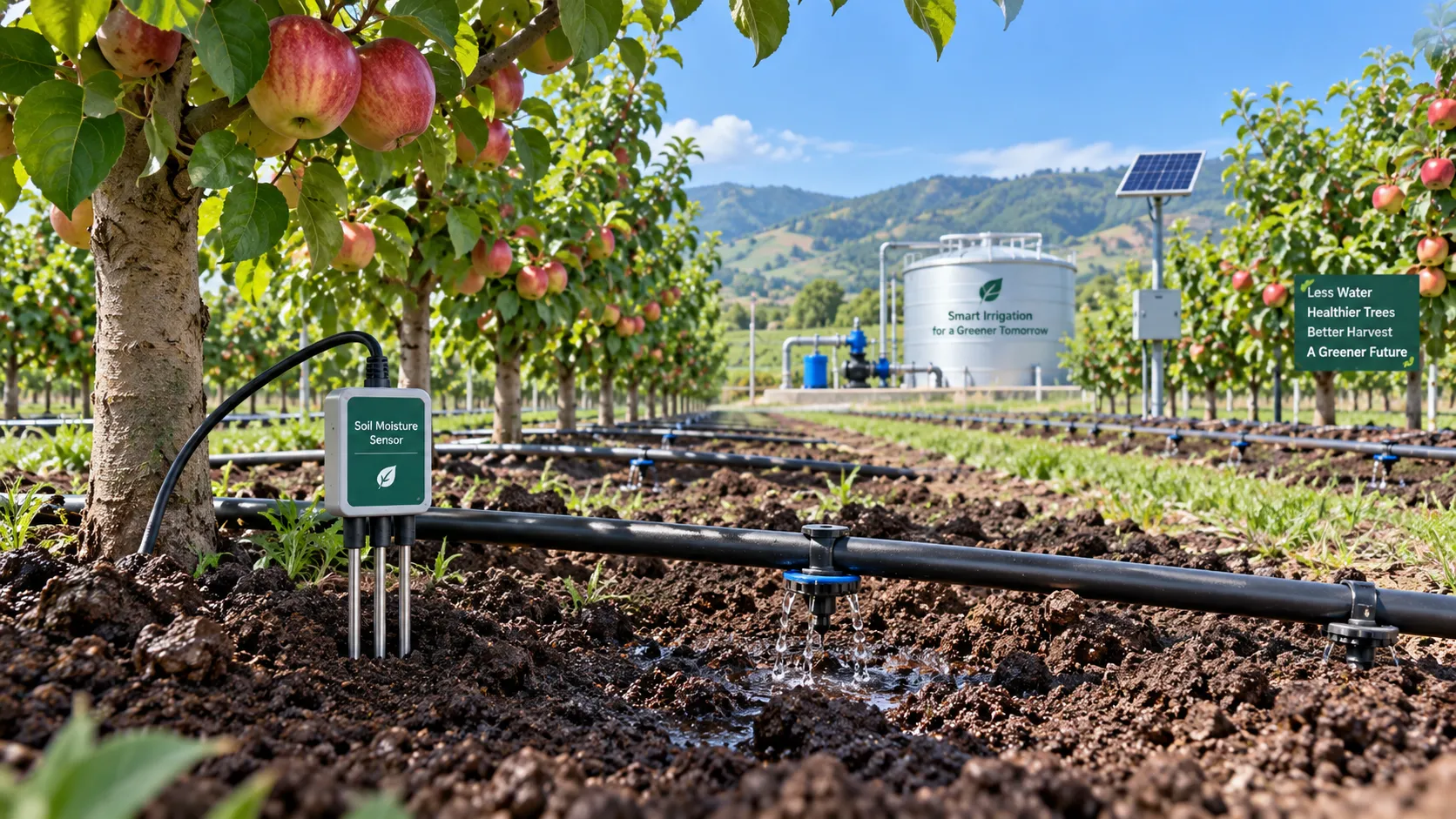
Orchard Water Management: Using Soil Moisture Data to Schedule Irrigation
Agricultural water management for orchards made practical: use soil moisture data to optimize irrigation timing, protect yield, reduce costs, and improve resilience.
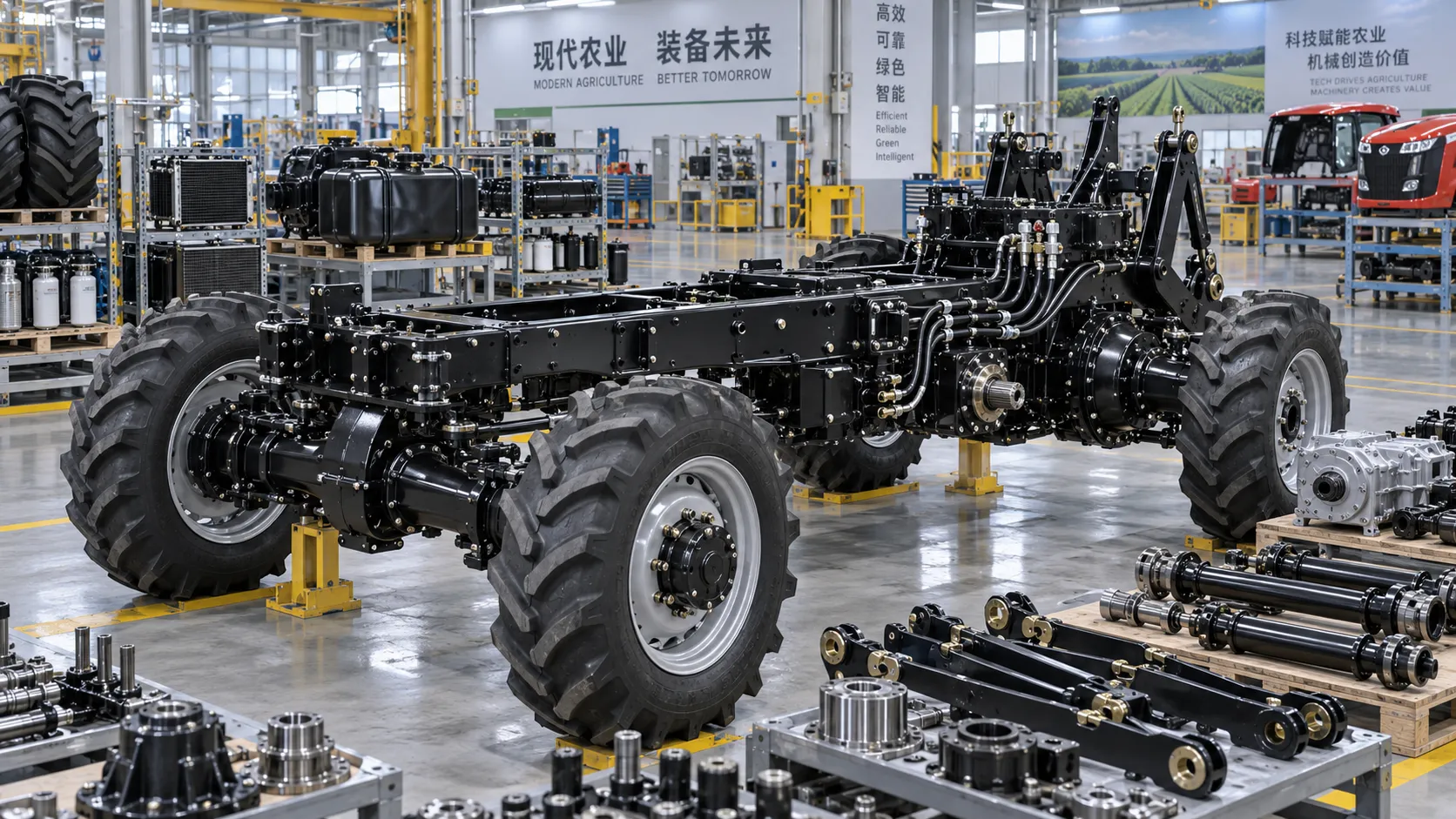
Tractor Chassis Price: What Buyers Should Compare Beyond the Initial Quote
Tractor chassis price is only the start. Compare load capacity, compatibility, durability, and lifecycle costs to choose a reliable, high-value chassis.
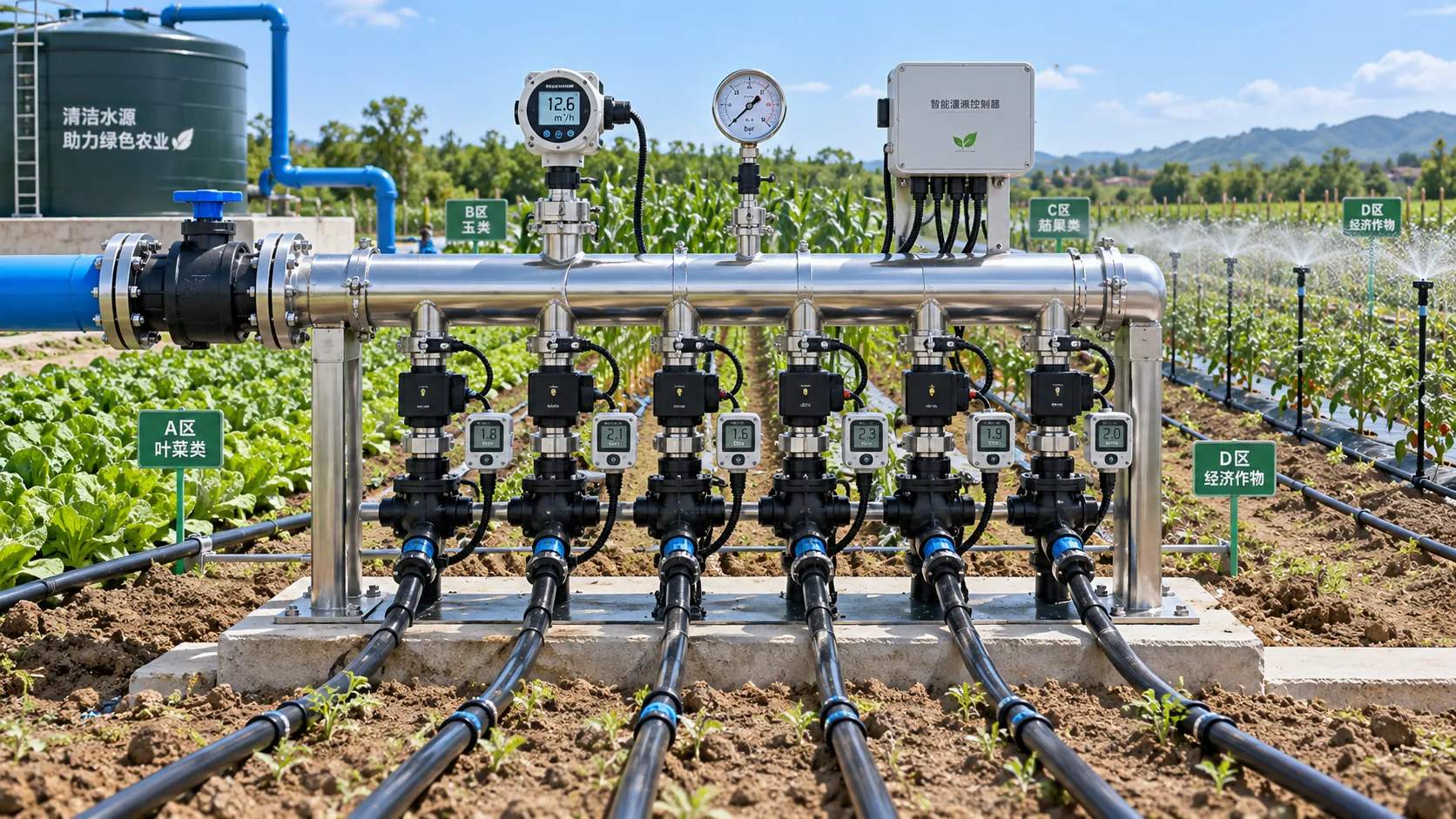
How to Select Smart Irrigation Valves for Multi-Zone Water Management?
Intelligent irrigation systems valves: learn how to match smart valves with multi-zone flow, pressure, control, feedback, and communication needs for reliable water management.
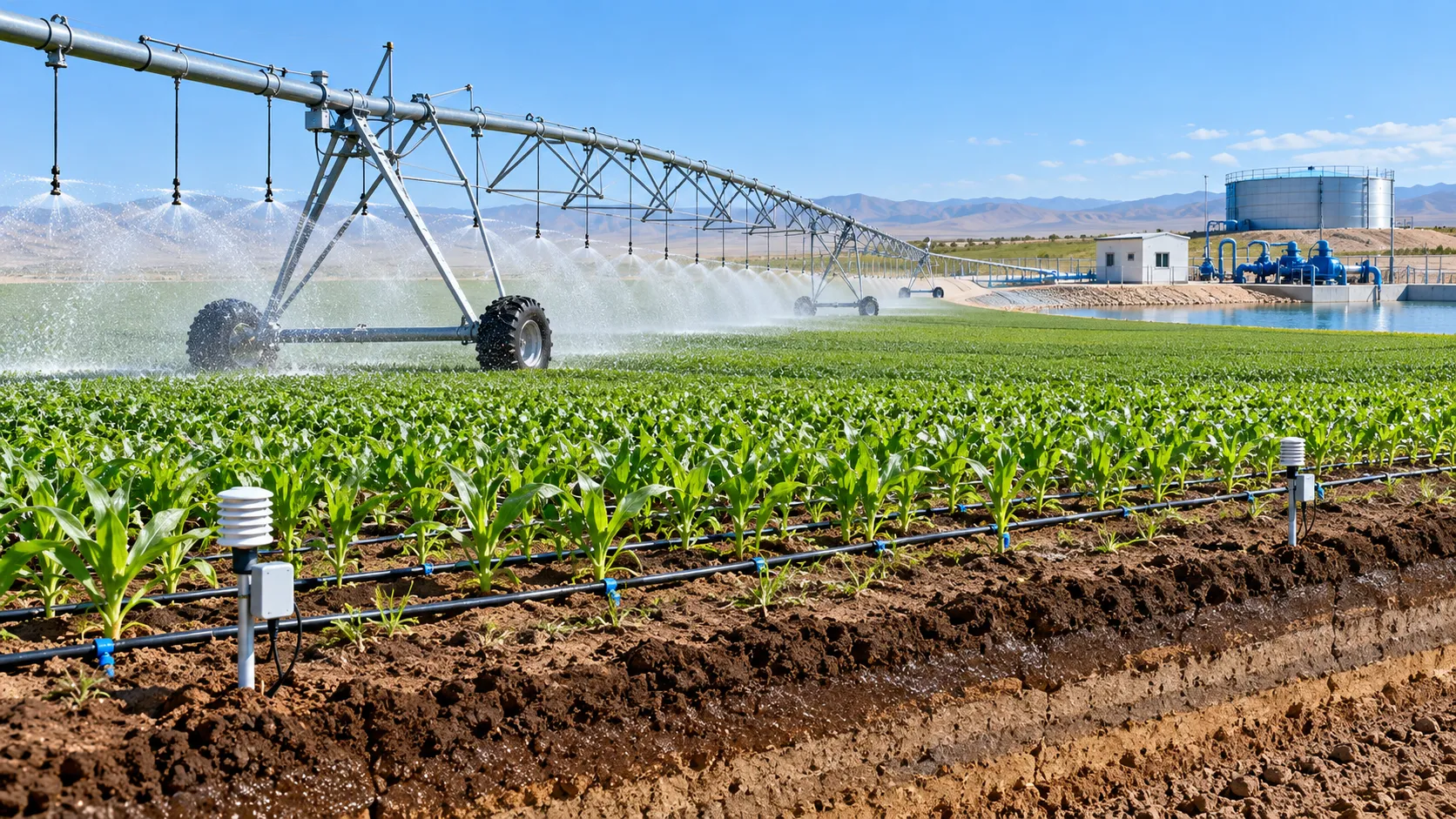
Climate-Smart Farming for Drought: A Practical Plan for Protecting Yields
Climate-smart farming for drought: build smarter water budgets, protect critical crop stages, improve irrigation uniformity, and safeguard yields with practical field-proven strategies.
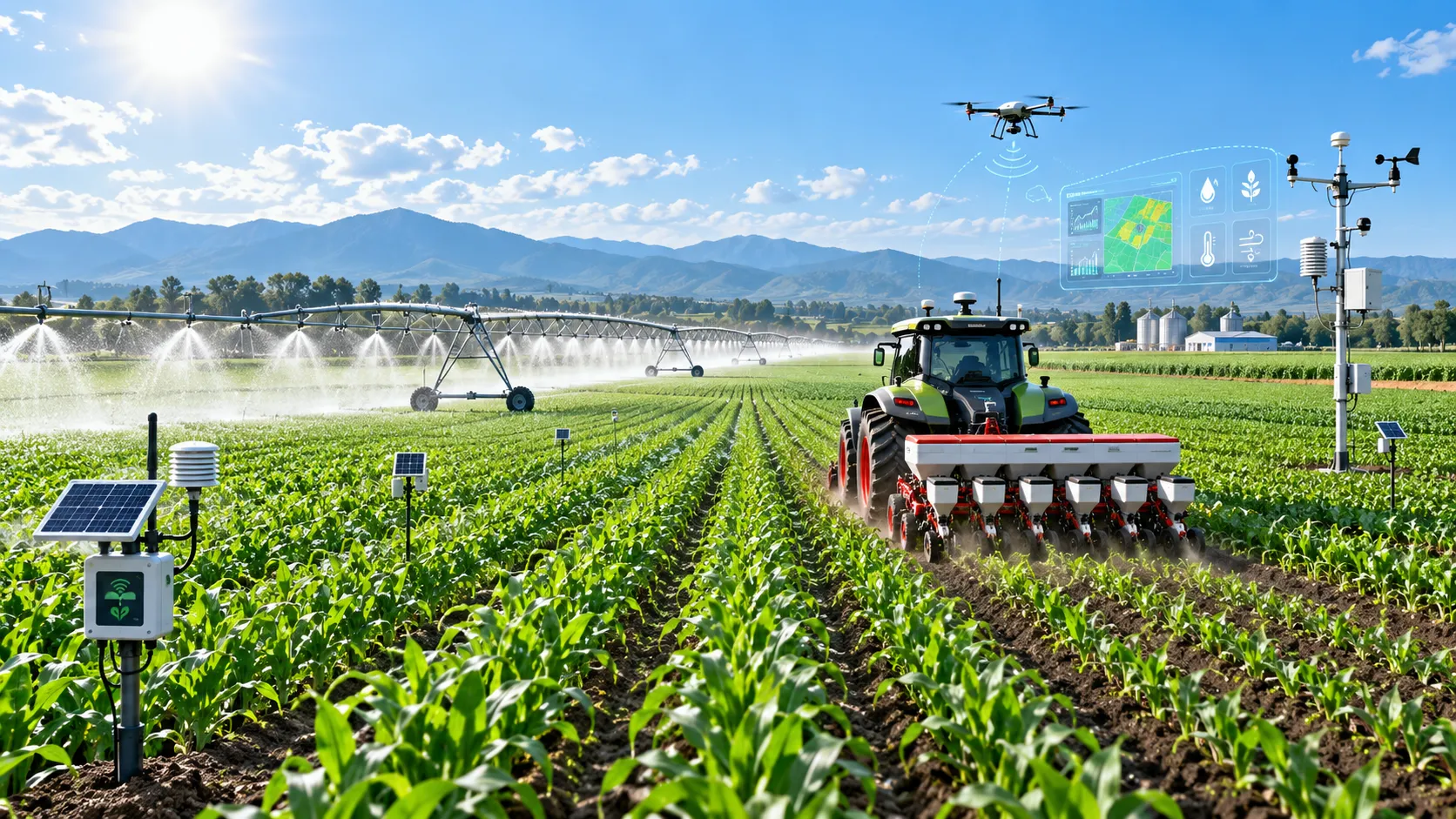
How Digital Agriculture Platforms Turn Field Data Into Better Input Decisions
Digital agriculture platforms turn field data into smarter fertilizer, water, seed, and equipment decisions—helping farms cut risk, improve margins, and scale sustainability.
Related News
- 00
0000-00
How to Evaluate Dynamic Feedback Algorithm Suppliers for Precision Farming Systems - 00
0000-00
How to Specify Combine Harvester Systems for High-Moisture Grain and Variable Field Conditions - 00
0000-00
How to Compare Agricultural Equipment Platforms for Fleet Management and ROI - 00
0000-00
Drip vs. Micro-Sprinkler Irrigation: Which System Fits Your Orchard? - 00
0000-00
Orchard Water Management: Using Soil Moisture Data to Schedule Irrigation
Popular Tags
Industry Global
Weekly Insights
Stay ahead with our curated technology reports delivered every Monday.