
Wode Agricultural Machinery Unveils Hybrid Cotton Harvester-Baler
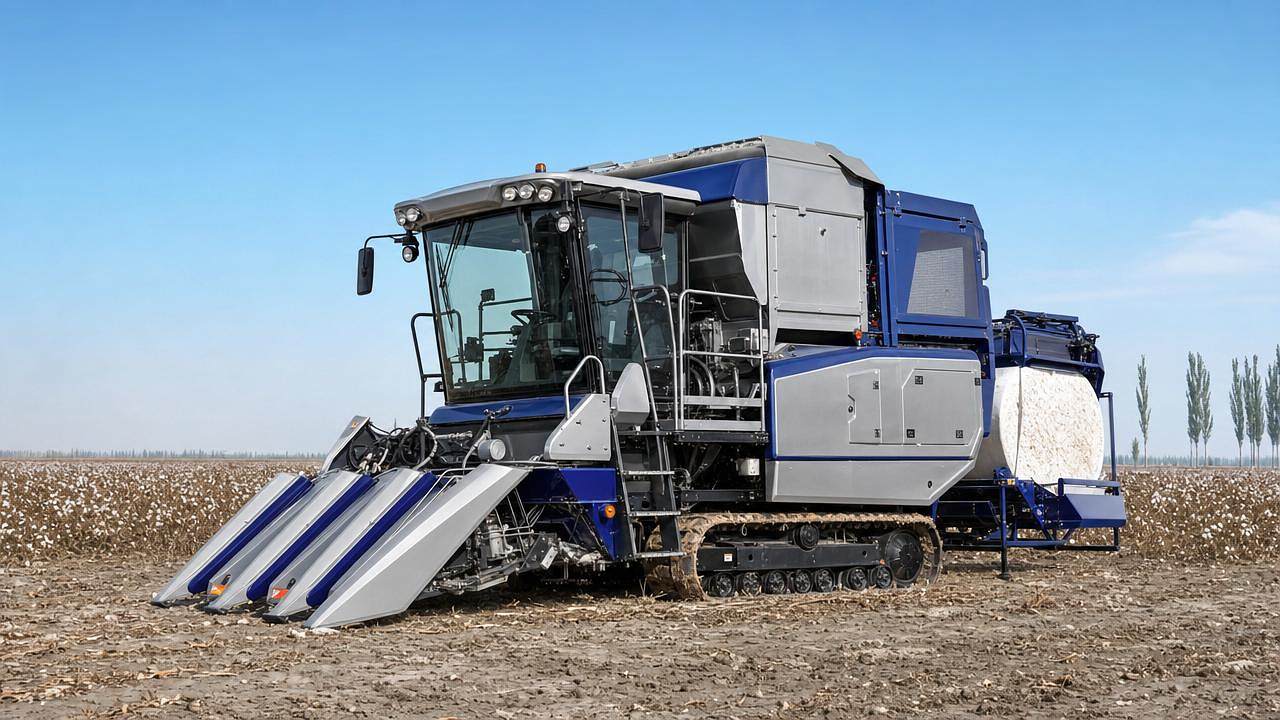




On May 25, 2026, Wode Agricultural Machinery debuted a hybrid-powered self-propelled cotton harvester-baler at the Xinjiang Agricultural Machinery Exhibition. The machine introduces an industry-first electronically controlled power output ratio adjustment function, enabling dynamic optimization of energy allocation between defoliation and baling under varying cotton plant densities and foreign matter content. Its certification by Uzbekistan’s National Agricultural Machinery Testing Center and inclusion in the 2026 Central Asian government procurement recommendation list make it relevant for international trade, agricultural equipment distribution, and cotton supply chain stakeholders.
Event Overview
On May 25, 2026, Wode Agricultural Machinery exhibited a hybrid-powered self-propelled cotton harvester-baler at the Xinjiang Agricultural Machinery Exhibition. The machine features an electronically controlled power output ratio adjustment system, designed to dynamically optimize energy distribution between harvesting (defoliation) and baling (compression) operations based on field conditions—including cotton plant density and lint contamination levels. It has received adaptability certification from Uzbekistan’s National Agricultural Machinery Testing Center and has been listed in the 2026 Central Asian cotton-producing countries’ government procurement recommendation directory.
Impact on Specific Industry Segments
Direct Export & Trading Firms
These firms may face revised tender eligibility criteria in Central Asian public procurement processes, as the machine’s inclusion in the official recommendation directory signals formal technical acceptance. Impact manifests in bid preparation timelines, documentation requirements, and post-sale service expectations aligned with Uzbek standards.
Raw Material Procurement Entities (e.g., Ginning Companies, Cotton Cooperatives)
Procurement entities operating in Central Asia—particularly Uzbekistan, Kazakhstan, and Turkmenistan—may observe shifts in field-level lint quality consistency due to variable energy allocation during harvest-bale integration. This could affect pre-purchase assessments of yield predictability and contamination risk profiles.
Agricultural Equipment Manufacturing & Localization Partners
Manufacturers engaged in joint ventures or CKD/SKD assembly in Central Asia must assess compatibility of existing control systems and calibration protocols with the new electronic power ratio regulation architecture. Certification alignment—not just mechanical fit—becomes a prerequisite for local production or aftermarket support licensing.
Supply Chain & Aftermarket Service Providers
Service networks supporting cotton machinery in Central Asia may need to upgrade diagnostic tooling and technician training to accommodate real-time power distribution parameter monitoring and recalibration—distinct from conventional hydraulic or fixed-ratio mechanical systems.
What Relevant Enterprises or Practitioners Should Monitor and Act On
Track official updates on procurement implementation timelines
While inclusion in the 2026 recommendation directory is confirmed, actual tender launches, volume commitments, and delivery schedules remain unannounced. Stakeholders should monitor announcements from Uzbekistan’s Ministry of Agriculture and Water Resources and regional procurement portals for concrete rollout signals.
Verify alignment of local operational parameters with the machine’s adaptive control range
The machine’s electronic output ratio adjustment is specified for variable cotton plant density and foreign matter content—but exact operational thresholds (e.g., minimum/maximum plant spacing, lint moisture limits) have not been publicly disclosed. Field operators should request technical specifications before committing to pilot deployments.
Distinguish between policy endorsement and commercial availability
Inclusion in a government recommendation directory reflects technical validation, not guaranteed market access or subsidy support. Importers and distributors should confirm whether the model is cleared for customs entry, meets local homologation requirements beyond testing center certification, and carries valid warranty terms enforceable in-country.
Prepare for service infrastructure readiness ahead of potential scale-up
Given the novelty of electronically regulated power distribution in cotton harvest-bale integration, after-sales partners should initiate early coordination with Wode’s technical support team to secure firmware update protocols, spare part kits for control modules, and remote diagnostics capability—before volume orders materialize.
Editorial Perspective / Industry Observation
Observably, this development signals a shift toward adaptive energy management in field-level cotton mechanization—not merely incremental efficiency gains, but system-level responsiveness to agronomic variability. Analysis shows that the certification and listing do not yet indicate widespread deployment, but rather represent a formal technical gateway into Central Asian public procurement frameworks. From an industry perspective, it is better understood as an early-stage institutional signal: one that validates hybrid drivetrain integration in high-dust, high-temperature cotton environments, and sets a precedent for future adaptive control requirements in regional tenders. Continuous monitoring is warranted—not because adoption is imminent, but because technical benchmarks are being redefined at the regulatory level.
This announcement does not mark immediate market transformation, but rather confirms the emergence of a new technical reference point for cotton harvesting equipment in Central Asia. Its significance lies less in near-term sales impact and more in its role as a regulatory and engineering benchmark—one that may gradually influence tender specifications, service standards, and localized manufacturing expectations across the region. Currently, it is more appropriately interpreted as a procedural milestone than an operational inflection point.
Source: Official exhibition announcement by Wode Agricultural Machinery (Xinjiang Agricultural Machinery Exhibition, May 25, 2026); Public listing in the 2026 Central Asian Cotton-Producing Countries Government Procurement Recommendation Directory; Certification record issued by Uzbekistan National Agricultural Machinery Testing Center. Note: Tender launch dates, commercial pricing, and detailed technical parameter ranges remain pending official disclosure and are subject to ongoing observation.
Related News
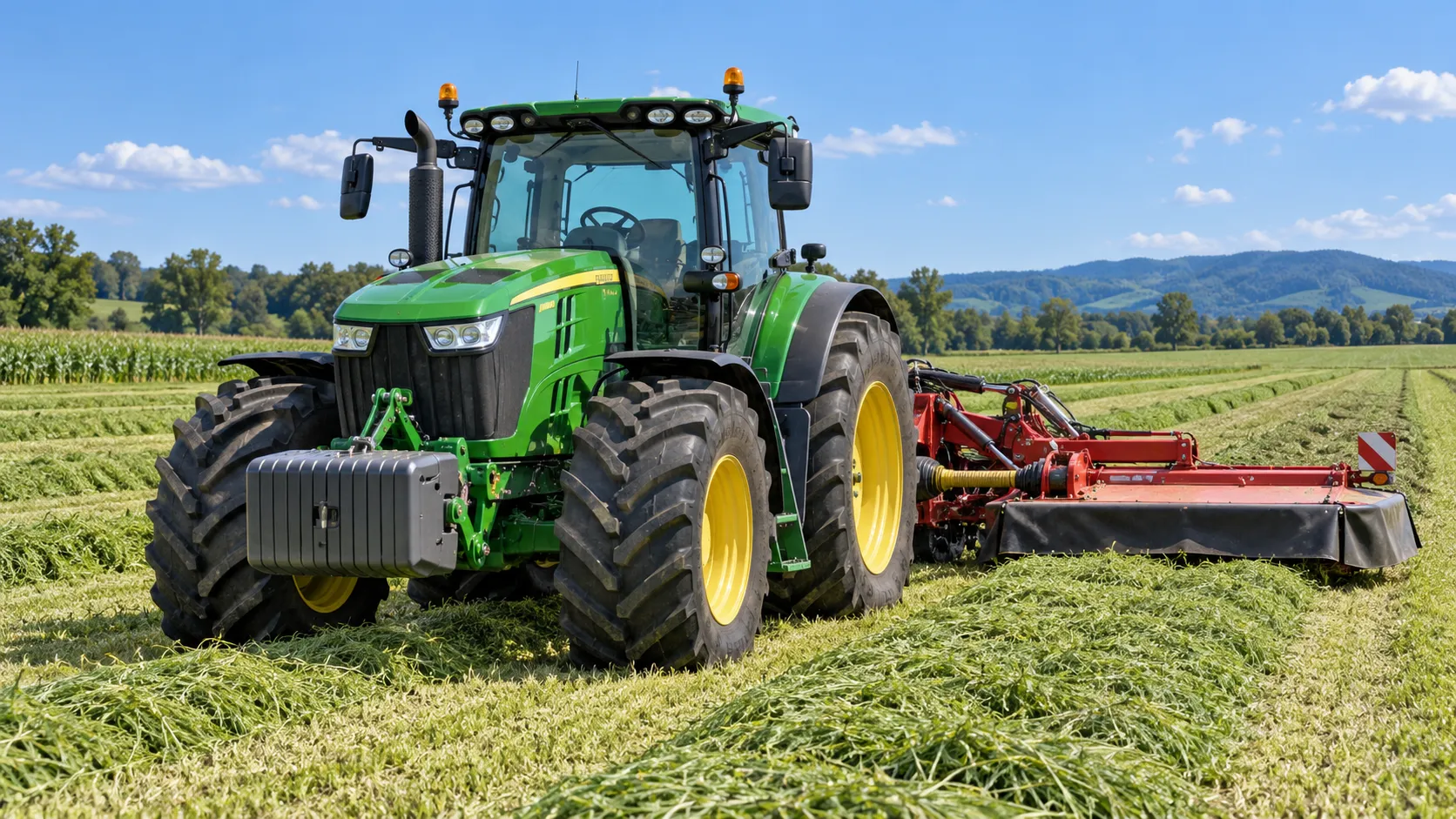
Tractor Specification Sheets: Matching PTO, Hydraulics, and Weight to Farm Tasks
Specification-oriented articles for tractors: match PTO, hydraulics, lift capacity, ballast, and weight to real farm tasks for safer, more efficient equipment choices.
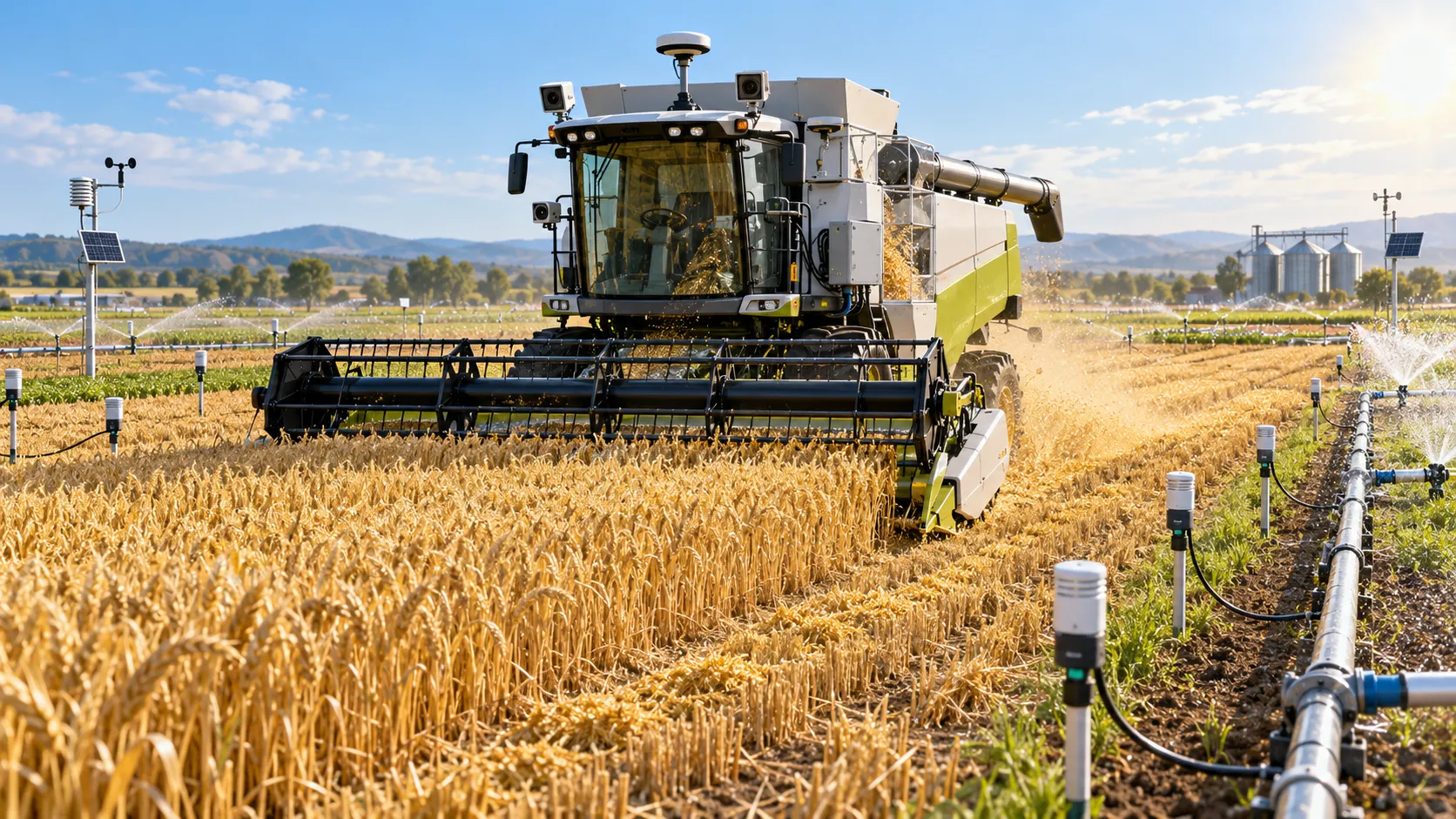
How to Evaluate Dynamic Feedback Algorithm Suppliers for Precision Farming Systems
Dynamic feedback algorithms supplier evaluation guide for precision farming—compare validation, integration, safety, and pilots to choose with confidence.
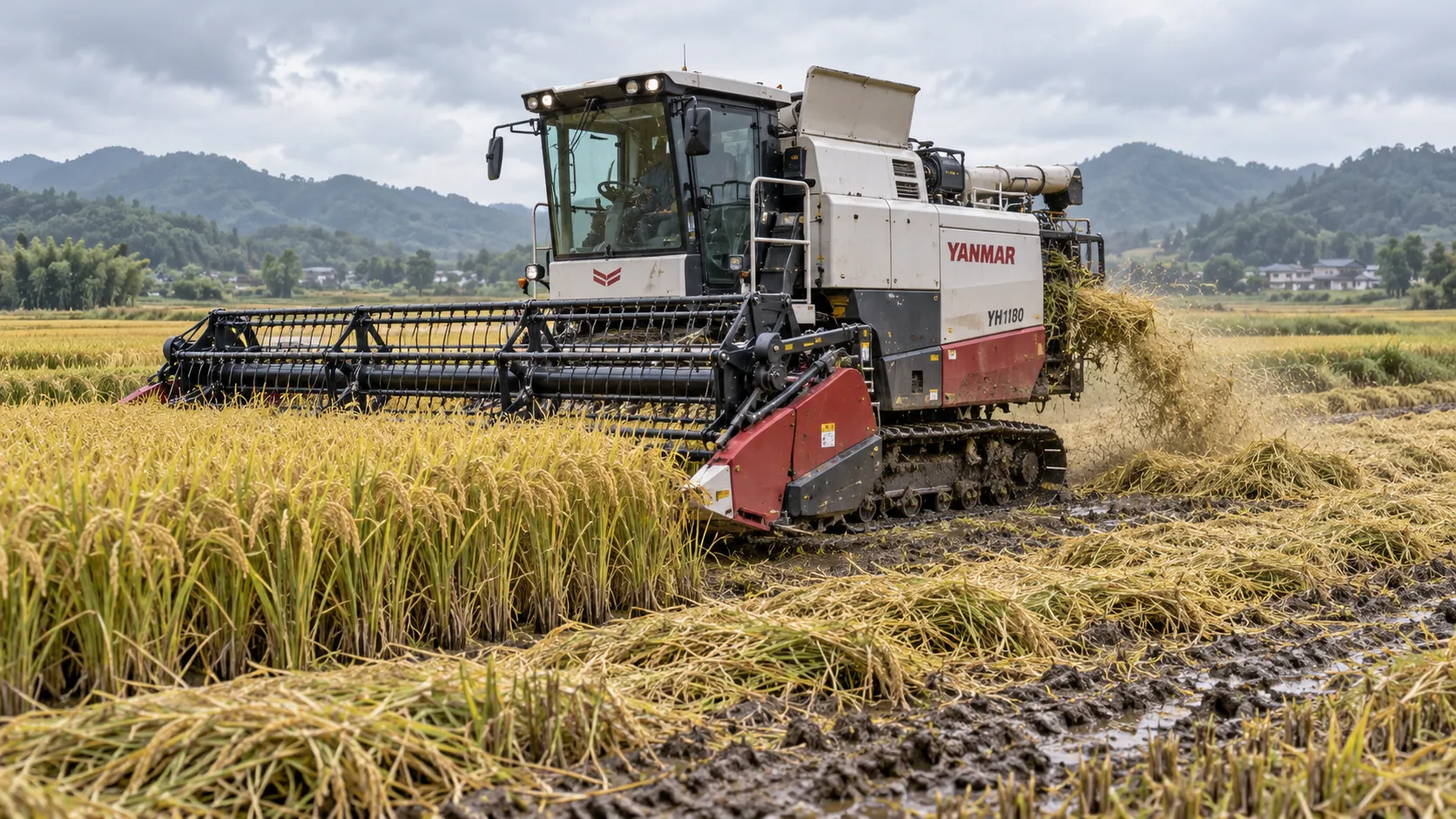
How to Specify Combine Harvester Systems for High-Moisture Grain and Variable Field Conditions
Combine harvester systems for high-moisture grain: learn how to specify threshing, cleaning, headers, traction, and automation for reliable harvests in variable fields.
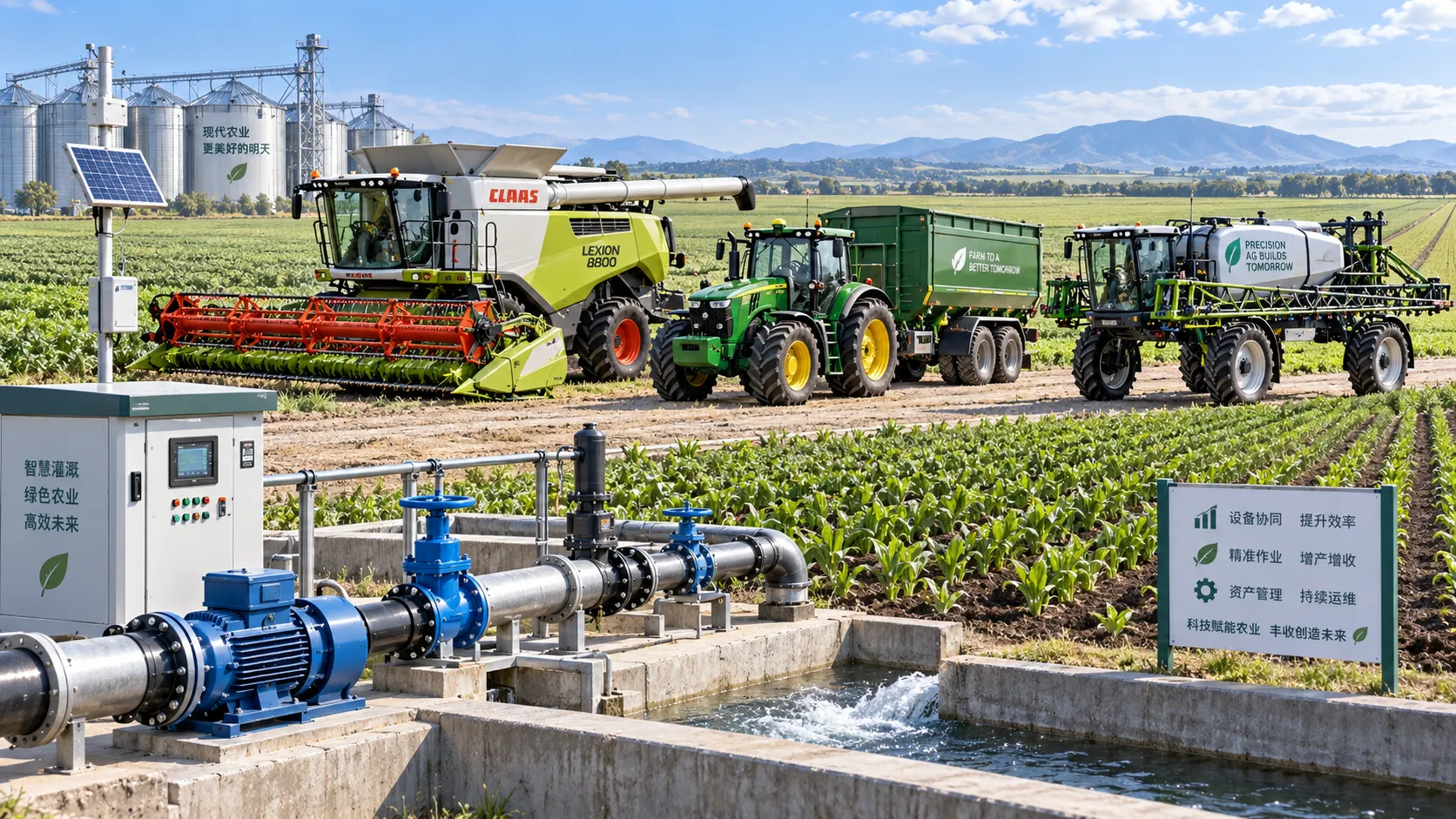
How to Compare Agricultural Equipment Platforms for Fleet Management and ROI
Agricultural equipment platform comparison: evaluate fleet data, maintenance, precision workflows, and ROI to choose a system that delivers measurable results.
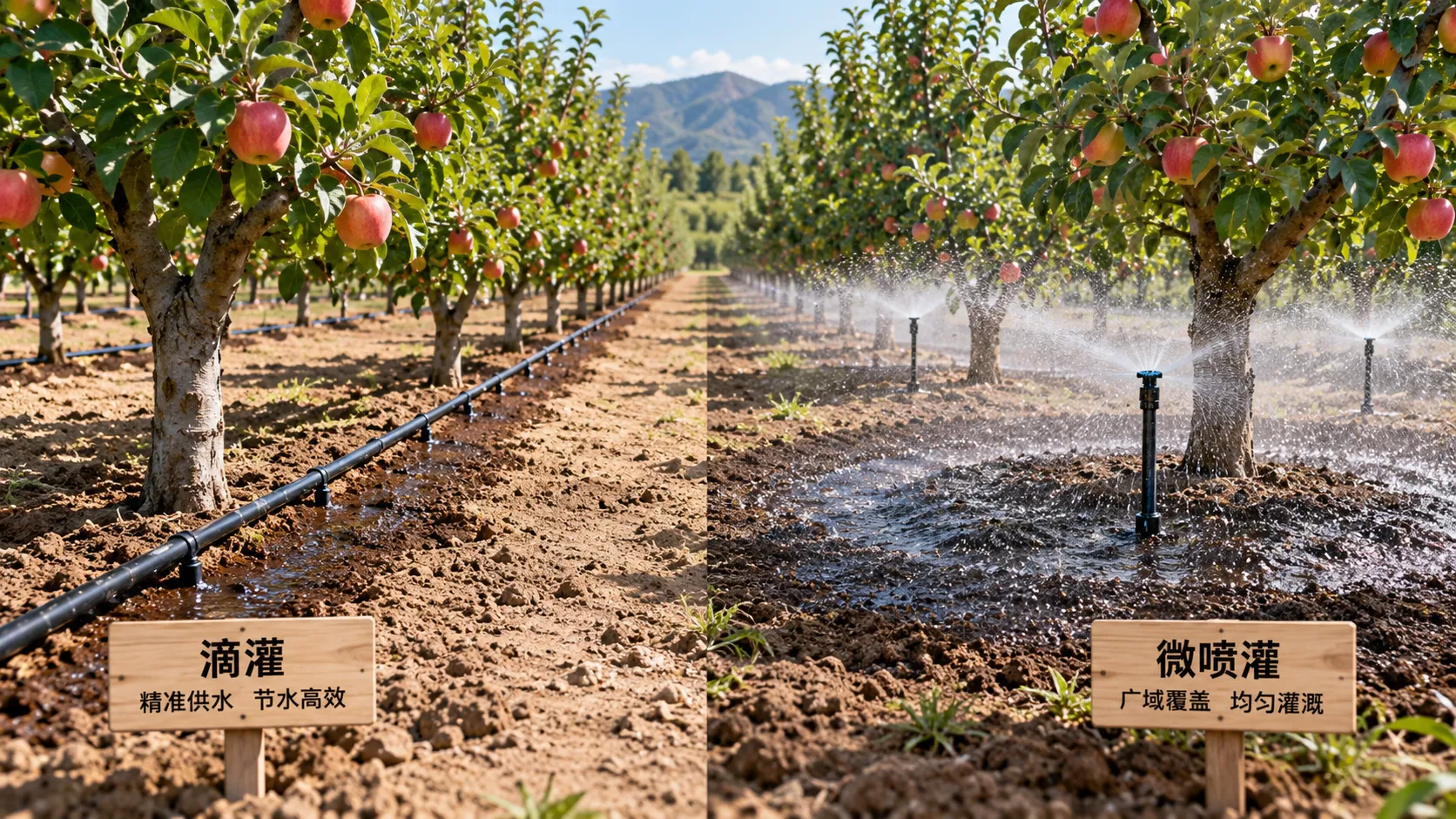
Drip vs. Micro-Sprinkler Irrigation: Which System Fits Your Orchard?
Irrigation solution comparison for orchards: discover whether drip or micro-sprinklers best match your water, soil, roots, fertigation, and frost needs.
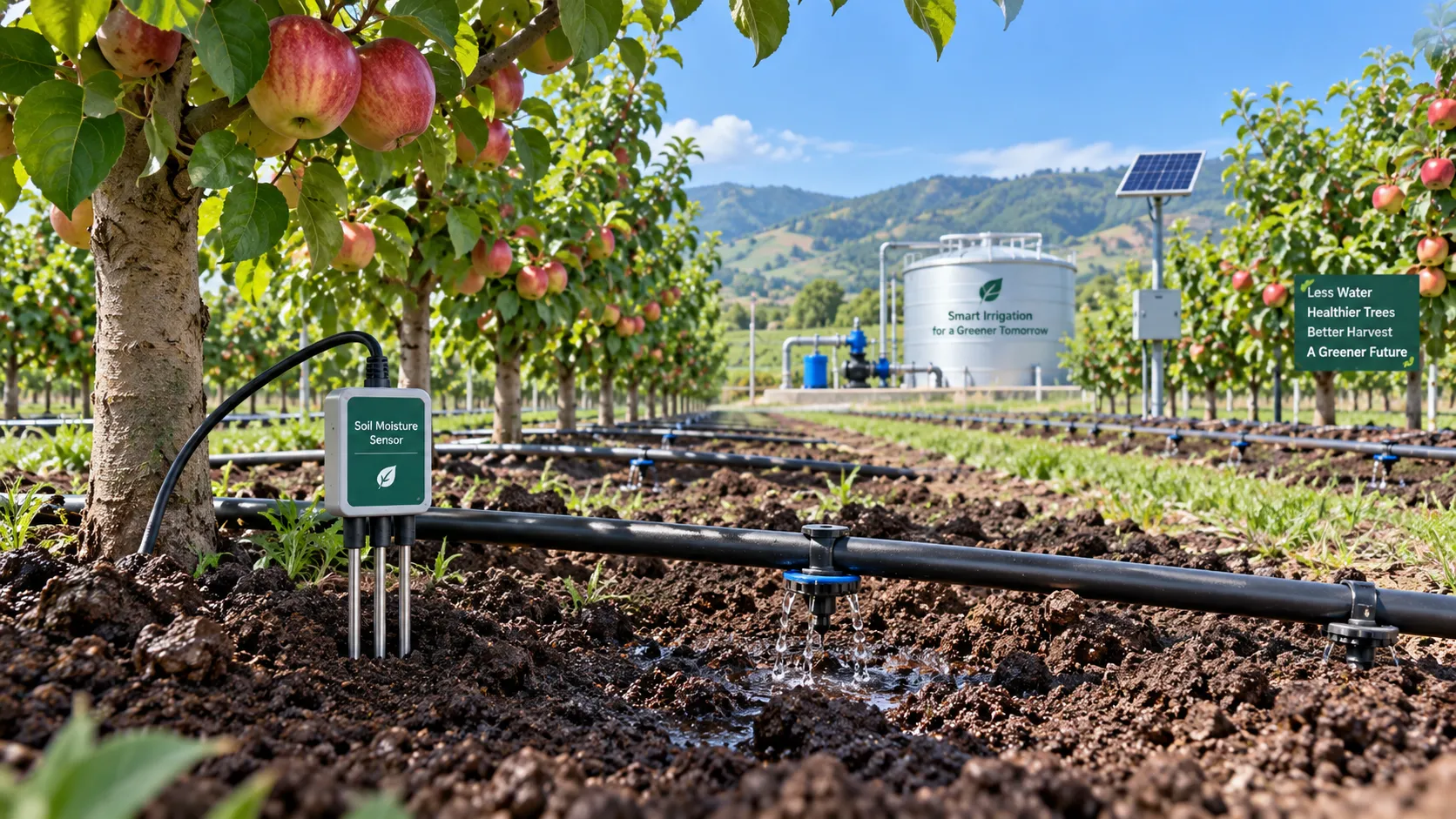
Orchard Water Management: Using Soil Moisture Data to Schedule Irrigation
Agricultural water management for orchards made practical: use soil moisture data to optimize irrigation timing, protect yield, reduce costs, and improve resilience.
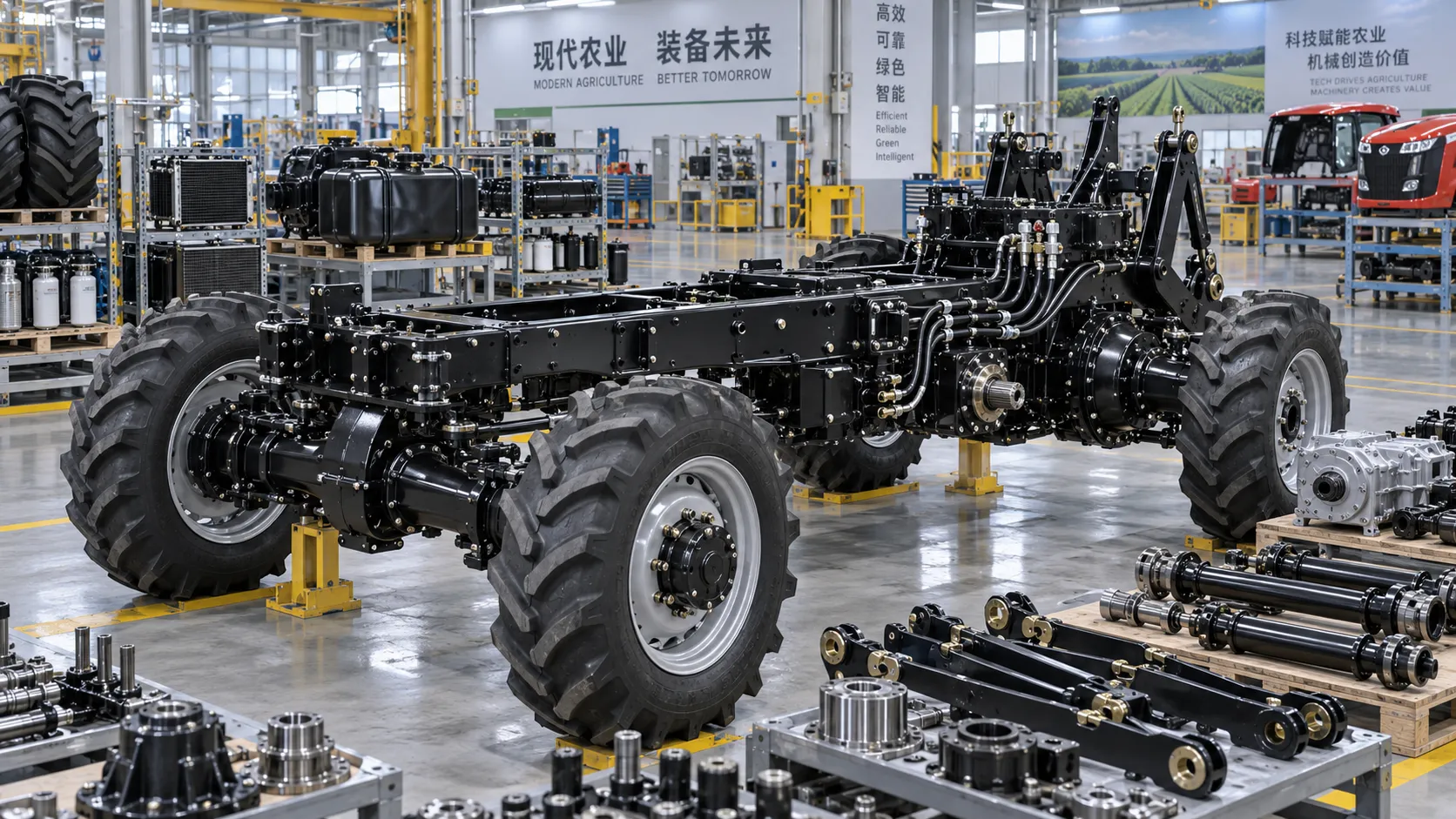
Tractor Chassis Price: What Buyers Should Compare Beyond the Initial Quote
Tractor chassis price is only the start. Compare load capacity, compatibility, durability, and lifecycle costs to choose a reliable, high-value chassis.
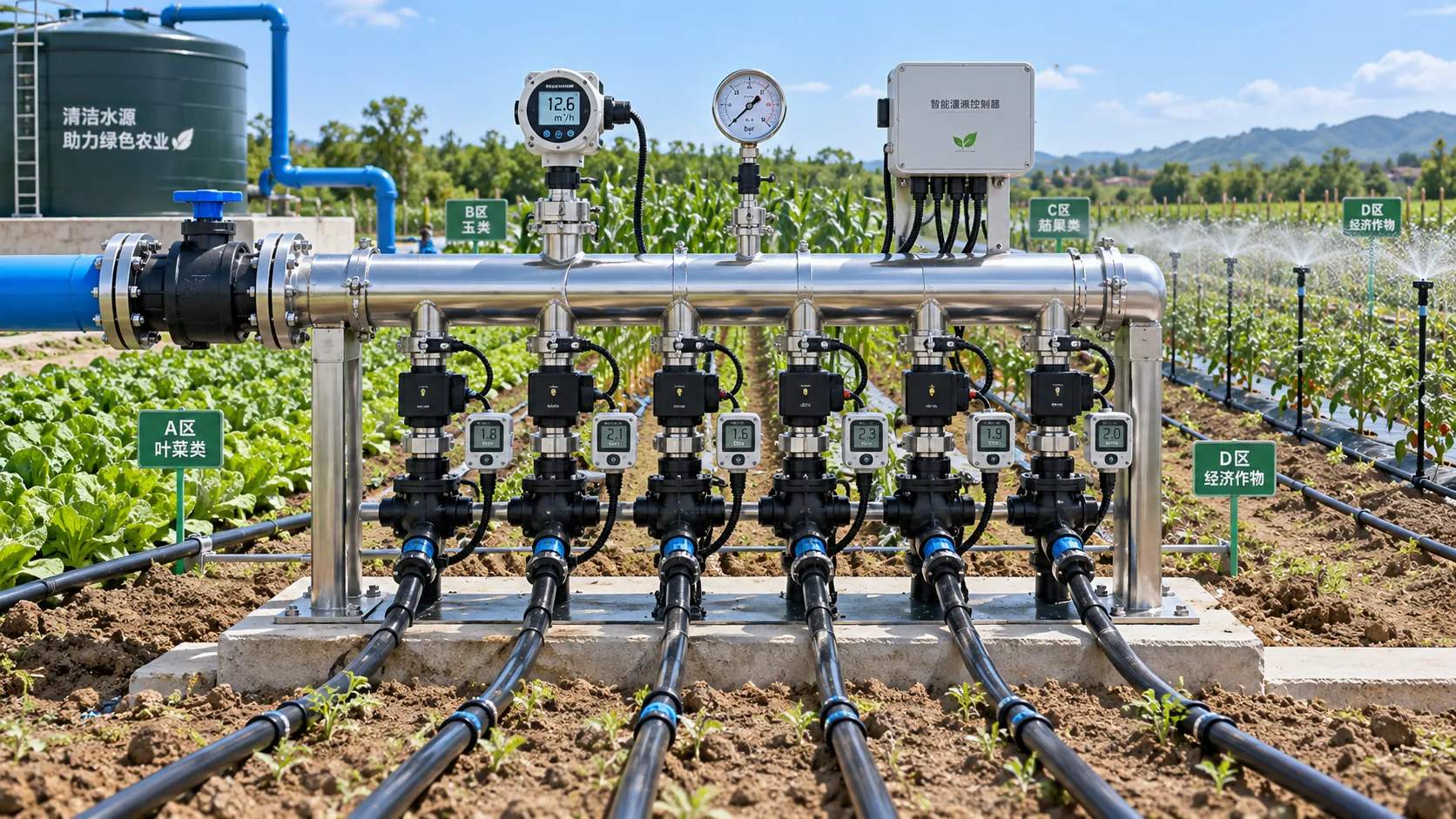
How to Select Smart Irrigation Valves for Multi-Zone Water Management?
Intelligent irrigation systems valves: learn how to match smart valves with multi-zone flow, pressure, control, feedback, and communication needs for reliable water management.
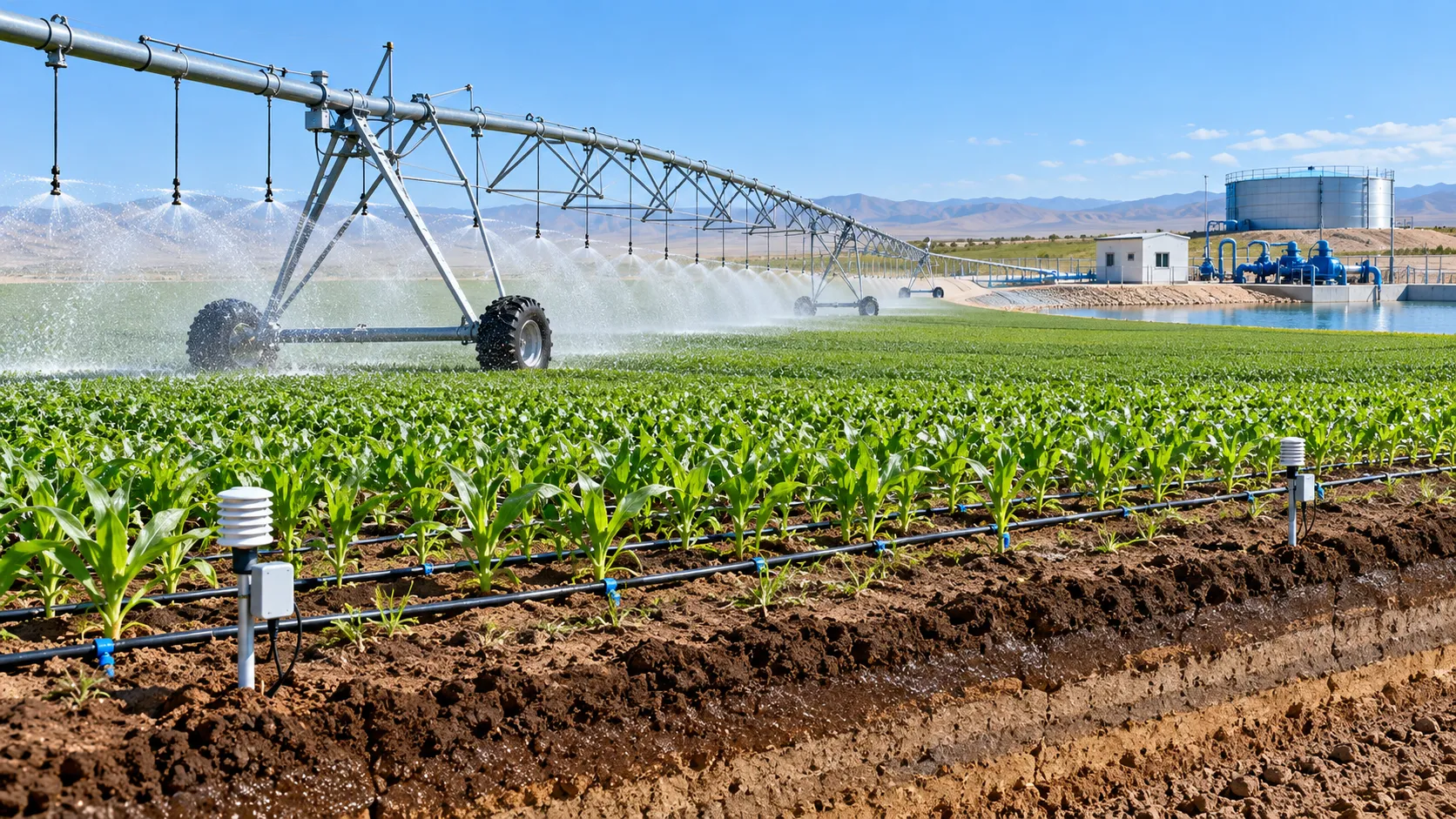
Climate-Smart Farming for Drought: A Practical Plan for Protecting Yields
Climate-smart farming for drought: build smarter water budgets, protect critical crop stages, improve irrigation uniformity, and safeguard yields with practical field-proven strategies.
Related News
- 00
0000-00
Tractor Specification Sheets: Matching PTO, Hydraulics, and Weight to Farm Tasks - 00
0000-00
How to Evaluate Dynamic Feedback Algorithm Suppliers for Precision Farming Systems - 00
0000-00
How to Specify Combine Harvester Systems for High-Moisture Grain and Variable Field Conditions - 00
0000-00
How to Compare Agricultural Equipment Platforms for Fleet Management and ROI - 00
0000-00
Drip vs. Micro-Sprinkler Irrigation: Which System Fits Your Orchard?
Popular Tags
Industry Global
Weekly Insights
Stay ahead with our curated technology reports delivered every Monday.