
China (Xinjiang) FTZ Machinery Industry Zone Launched
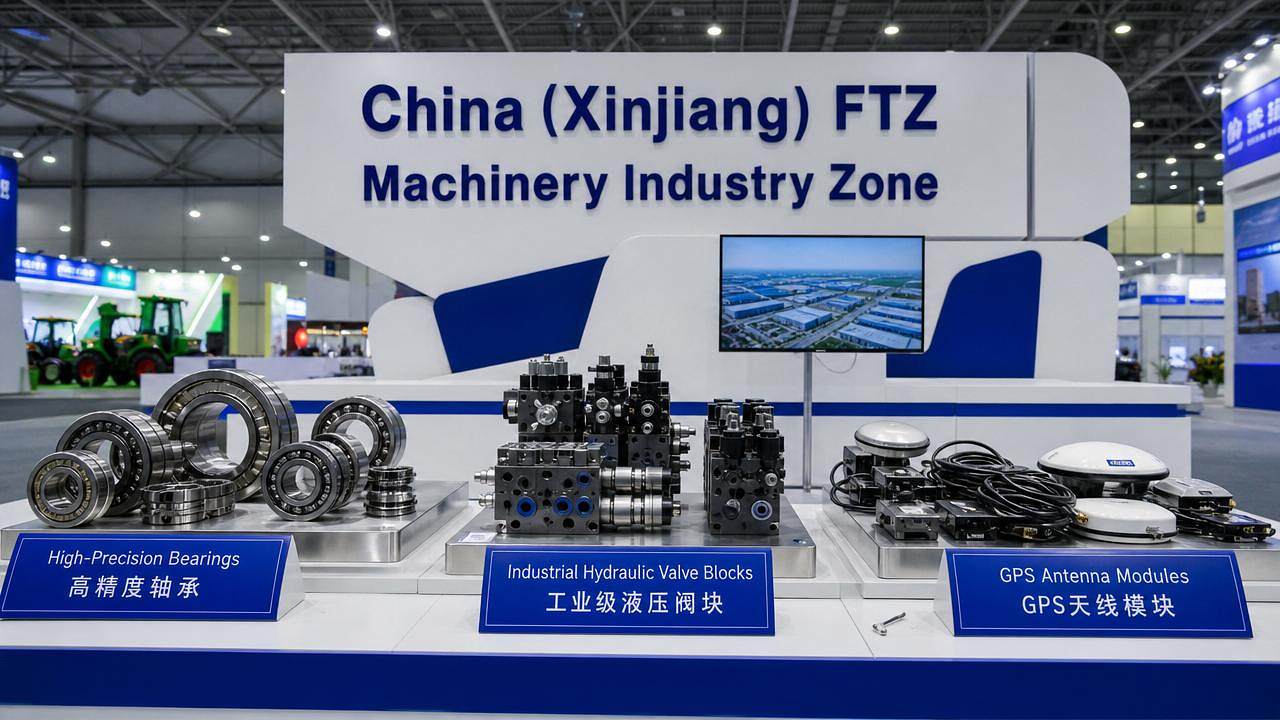




On May 25, 2026, the China (Xinjiang) Pilot Free Trade Zone unveiled its dedicated Machinery Industry Chain Exhibition Zone at the Xinjiang Agricultural Machinery Expo — the first such zone at the event. This initiative introduces a ‘white-list + pre-inspection’ mechanism for agricultural machinery parts exports to the five Central Asian countries, reducing standard customs clearance time from 72 to 48 hours. The initial scope covers 137 high-turnover components, including bearings, hydraulic valve blocks, and GPS antenna modules — making it directly relevant to agricultural equipment exporters, cross-border supply chain operators, and regional OEMs serving Central Asian markets.
Event Overview
On May 25, 2026, the China (Xinjiang) Pilot Free Trade Zone officially launched its Machinery Industry Chain Exhibition Zone during the Xinjiang Agricultural Machinery Expo. Concurrently, authorities announced implementation of a ‘white-list + pre-inspection’ customs facilitation mechanism for agricultural machinery parts exported to Kazakhstan, Kyrgyzstan, Tajikistan, Turkmenistan, and Uzbekistan. Under this mechanism, routine customs clearance time for designated parts is reduced from 72 hours to within 48 hours. A list of 137 part categories — including bearings, hydraulic valve blocks, and GPS antenna modules — has been confirmed as covered under the initial rollout.
Impact on Specific Industry Segments
Direct Exporters (e.g., agricultural machinery component manufacturers)
These enterprises face immediate operational implications: faster clearance reduces inventory holding time at border points and lowers demurrage-related costs. However, eligibility depends on inclusion in the official white list and successful completion of pre-inspection procedures — meaning compliance readiness, not just production capacity, now determines export efficiency.
Procurement & Sourcing Firms (e.g., regional procurement hubs sourcing for Central Asian distributors)
Shorter clearance windows tighten lead-time predictability. For firms managing just-in-time replenishment across borders, the 48-hour benchmark enables more responsive order planning — but only if suppliers consistently meet pre-inspection requirements and documentation standards.
Contract Manufacturers & Tier-2 Suppliers (e.g., hydraulic system integrators, electronics module assemblers)
As final assemblies increasingly incorporate white-listed subcomponents, these suppliers must verify whether their specific SKUs appear on the 137-item list — and whether their production batches qualify for pre-inspection certification. Non-listed items remain subject to standard 72-hour clearance, potentially creating internal logistics bottlenecks even when adjacent parts clear faster.
Distribution & Logistics Service Providers (e.g., bonded warehousing operators, cross-border freight forwarders)
The policy shifts demand toward services supporting pre-inspection coordination (e.g., document verification, sample submission, compliance audits) rather than only post-clearance transport. Forwarders with established liaison channels at Xinjiang’s FTZ inspection agencies may gain relative advantage in service responsiveness.
What Relevant Enterprises or Practitioners Should Focus On Now
Monitor official updates to the white-list scope and pre-inspection criteria
The current list includes 137 parts, but no public indication exists on whether or how frequently it will be expanded. Enterprises should track announcements from the Xinjiang FTZ Administrative Committee and General Administration of Customs for revisions — especially regarding new categories (e.g., electric drive units, IoT sensors) that may enter high-demand segments in Central Asia.
Verify SKU-level eligibility and prepare for pre-inspection documentation
Inclusion on the list does not automatically confer eligibility. Each shipment requires pre-submission of technical specifications, test reports, and conformity declarations per FTZ requirements. Companies should audit internal documentation workflows now — particularly for GPS antenna modules and hydraulic valve blocks, where electromagnetic compatibility and pressure rating certifications are likely prerequisites.
Distinguish between policy announcement and operational readiness
The 48-hour target reflects an administrative commitment, not yet a guaranteed average. Early adopters may encounter procedural delays during system stabilization. Enterprises should treat the first quarter post-launch as a calibration phase — logging actual clearance durations per SKU and identifying recurring friction points (e.g., inconsistent labelling, missing bilingual certificates).
Align inventory and shipping schedules with the new timeline — but retain buffer capacity
While 48-hour clearance enables tighter scheduling, logistical variables (e.g., weekend submissions, transport to inland ports like Khorgos) remain outside the customs process. Firms should adjust delivery forecasts accordingly but maintain minimum safety stock for white-listed items until real-world throughput data confirms consistency.
Editorial Perspective / Industry Observation
Observably, this initiative functions primarily as a targeted trade facilitation signal — not yet a systemic infrastructure upgrade. The 24-hour reduction applies narrowly: only to pre-qualified parts, only for exports to five specific countries, and only upon full adherence to pre-inspection protocols. Analysis shows the policy prioritizes speed over scope; it does not relax technical or regulatory standards, nor does it extend to imports or non-machinery goods. From an industry perspective, it is better understood as a pilot test of regulatory interoperability with Central Asian partners — one that may inform broader FTZ reforms, but whose near-term impact remains concentrated among suppliers already active in that corridor. Continued observation is warranted on whether the mechanism expands beyond agricultural machinery parts, or whether similar frameworks emerge for other Xinjiang-exported industrial goods.
This development marks a calibrated step toward streamlining cross-border industrial trade along the China–Central Asia corridor — not a wholesale acceleration. Its significance lies less in absolute time savings and more in the institutional precedent it sets: formalized pre-clearance pathways, standardized part-level eligibility, and explicit alignment between customs procedure and regional supply chain priorities. For stakeholders, the most pragmatic interpretation is not ‘faster exports across the board’, but ‘faster exports — conditionally, selectively, and operationally’. Ongoing attention should focus on execution fidelity, not just policy intent.
Source: Official announcement by the China (Xinjiang) Pilot Free Trade Zone Administrative Committee, released during the Xinjiang Agricultural Machinery Expo on May 25, 2026.
Note: Expansion of the white list, eligibility criteria updates, and real-world clearance performance metrics remain subject to ongoing observation and are not yet publicly documented.
Related News

How to Evaluate Dynamic Feedback Algorithm Suppliers for Precision Farming Systems
Dynamic feedback algorithms supplier evaluation guide for precision farming—compare validation, integration, safety, and pilots to choose with confidence.

How to Specify Combine Harvester Systems for High-Moisture Grain and Variable Field Conditions
Combine harvester systems for high-moisture grain: learn how to specify threshing, cleaning, headers, traction, and automation for reliable harvests in variable fields.
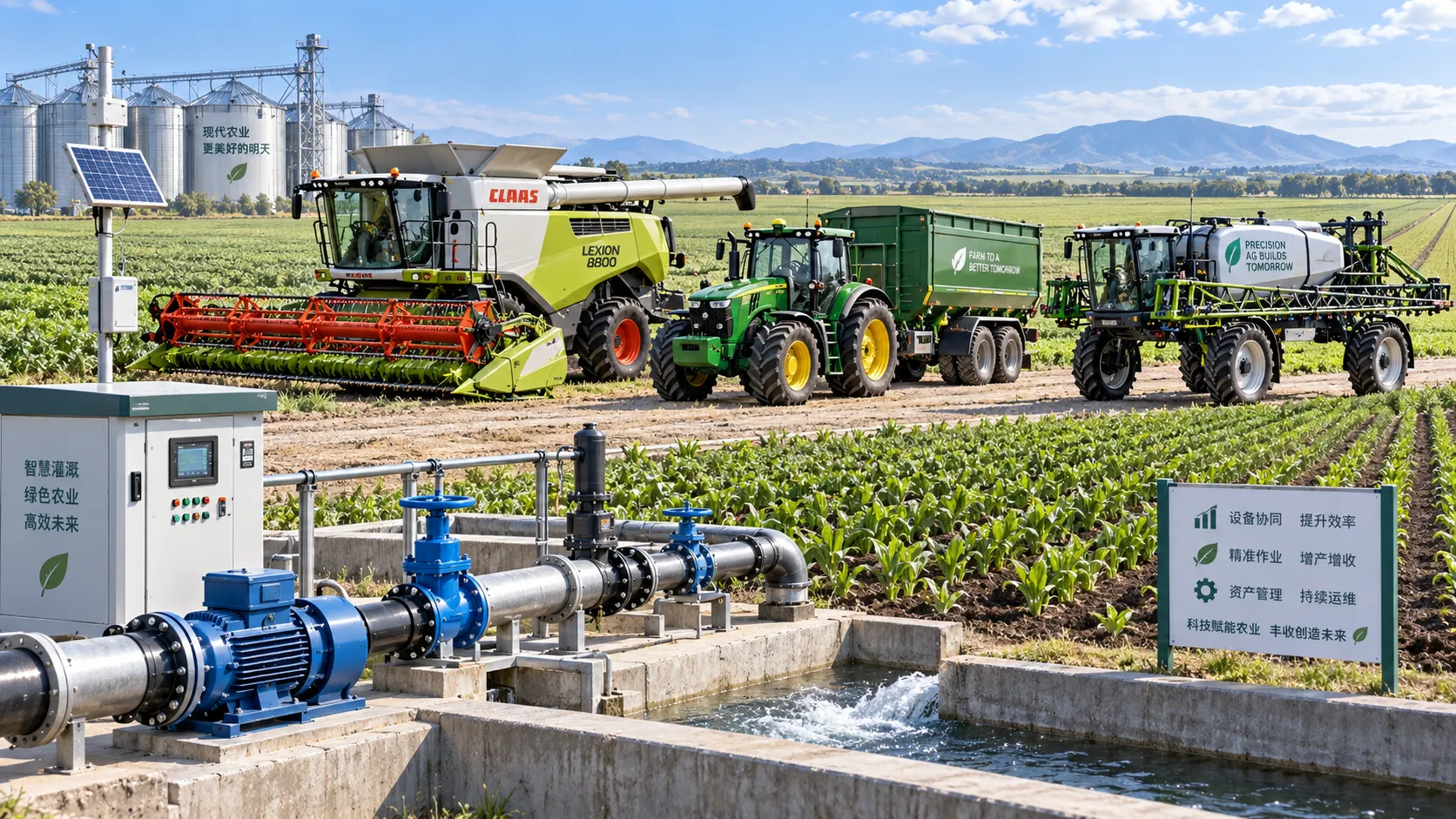
How to Compare Agricultural Equipment Platforms for Fleet Management and ROI
Agricultural equipment platform comparison: evaluate fleet data, maintenance, precision workflows, and ROI to choose a system that delivers measurable results.
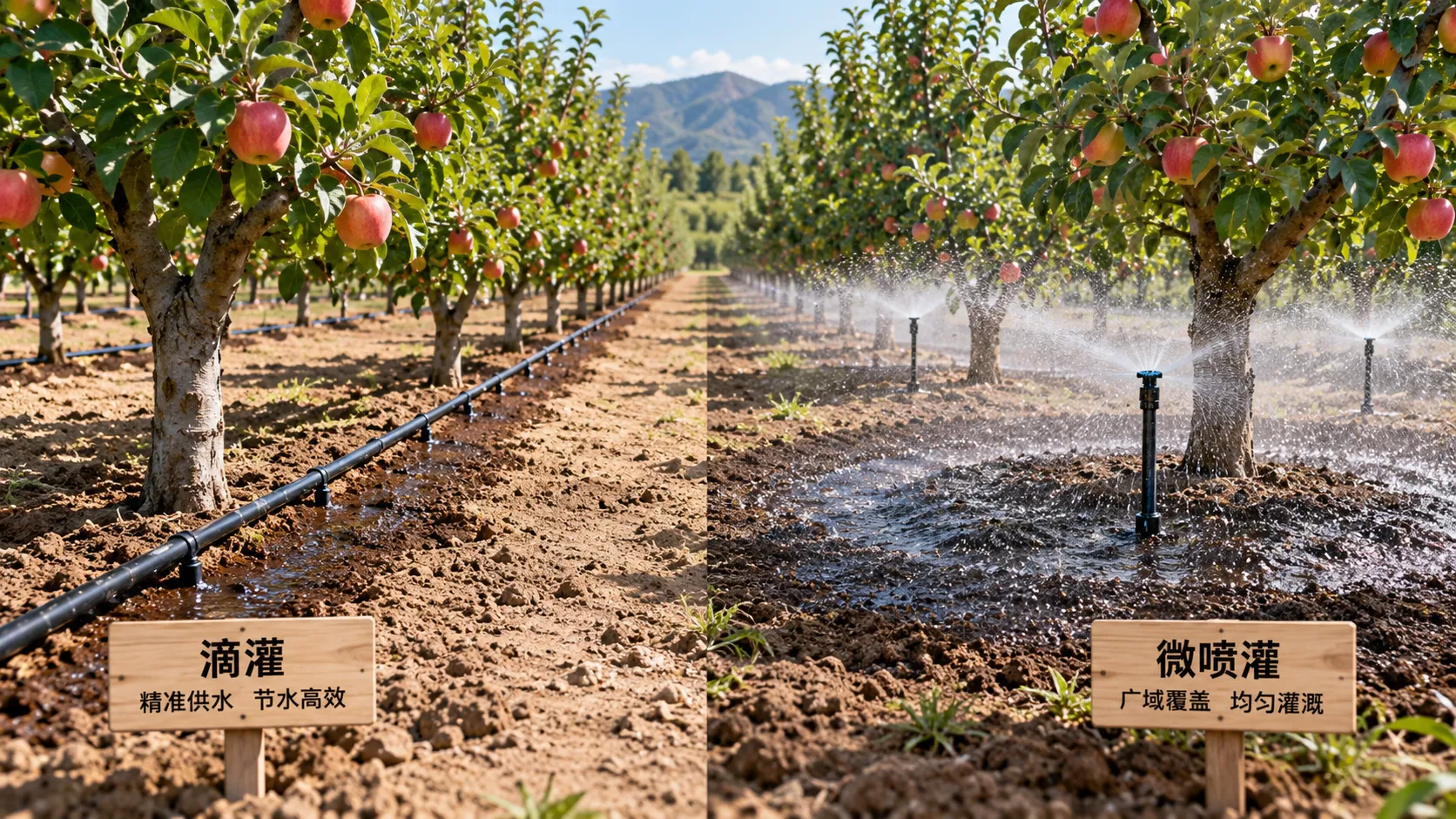
Drip vs. Micro-Sprinkler Irrigation: Which System Fits Your Orchard?
Irrigation solution comparison for orchards: discover whether drip or micro-sprinklers best match your water, soil, roots, fertigation, and frost needs.
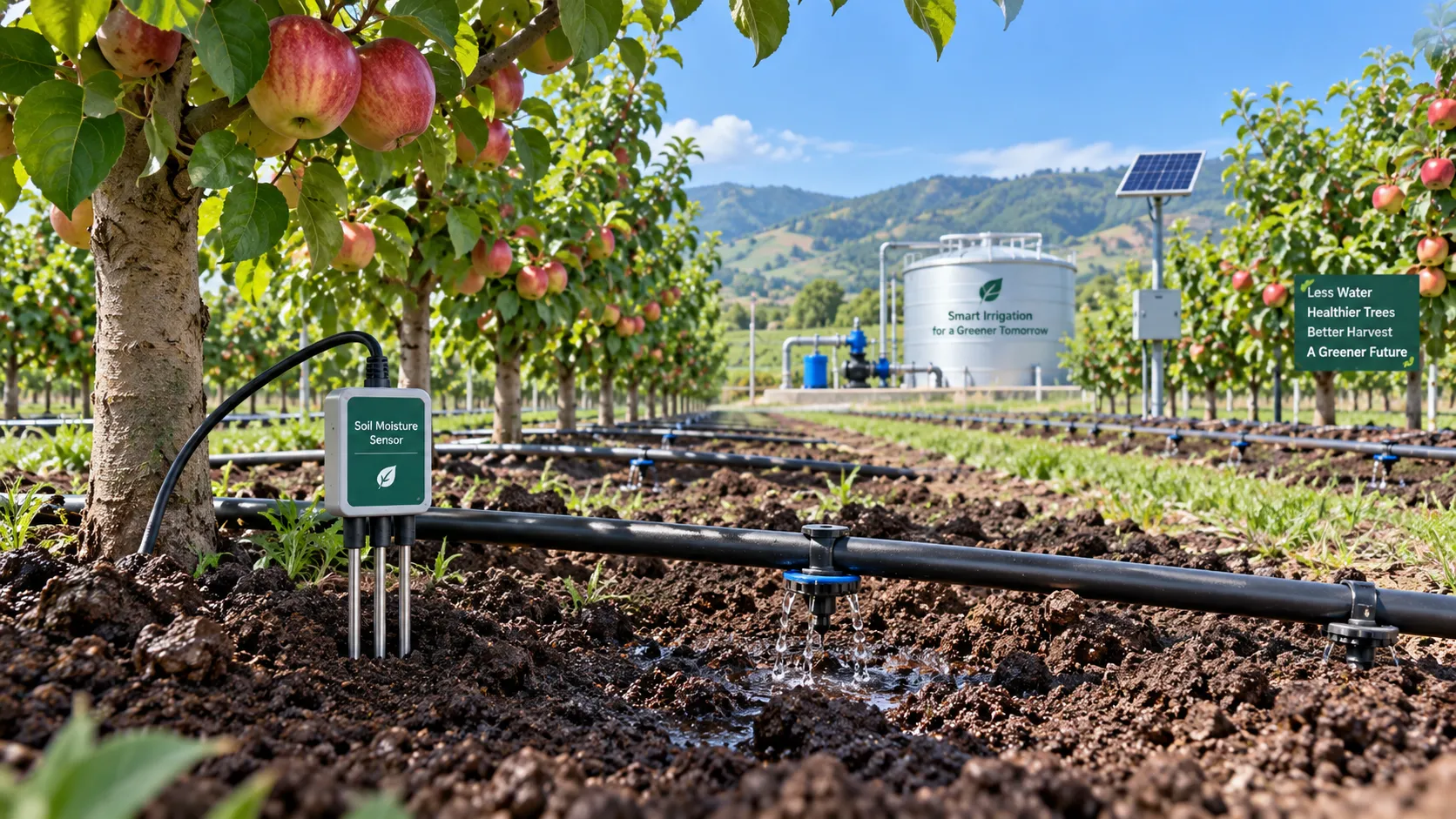
Orchard Water Management: Using Soil Moisture Data to Schedule Irrigation
Agricultural water management for orchards made practical: use soil moisture data to optimize irrigation timing, protect yield, reduce costs, and improve resilience.
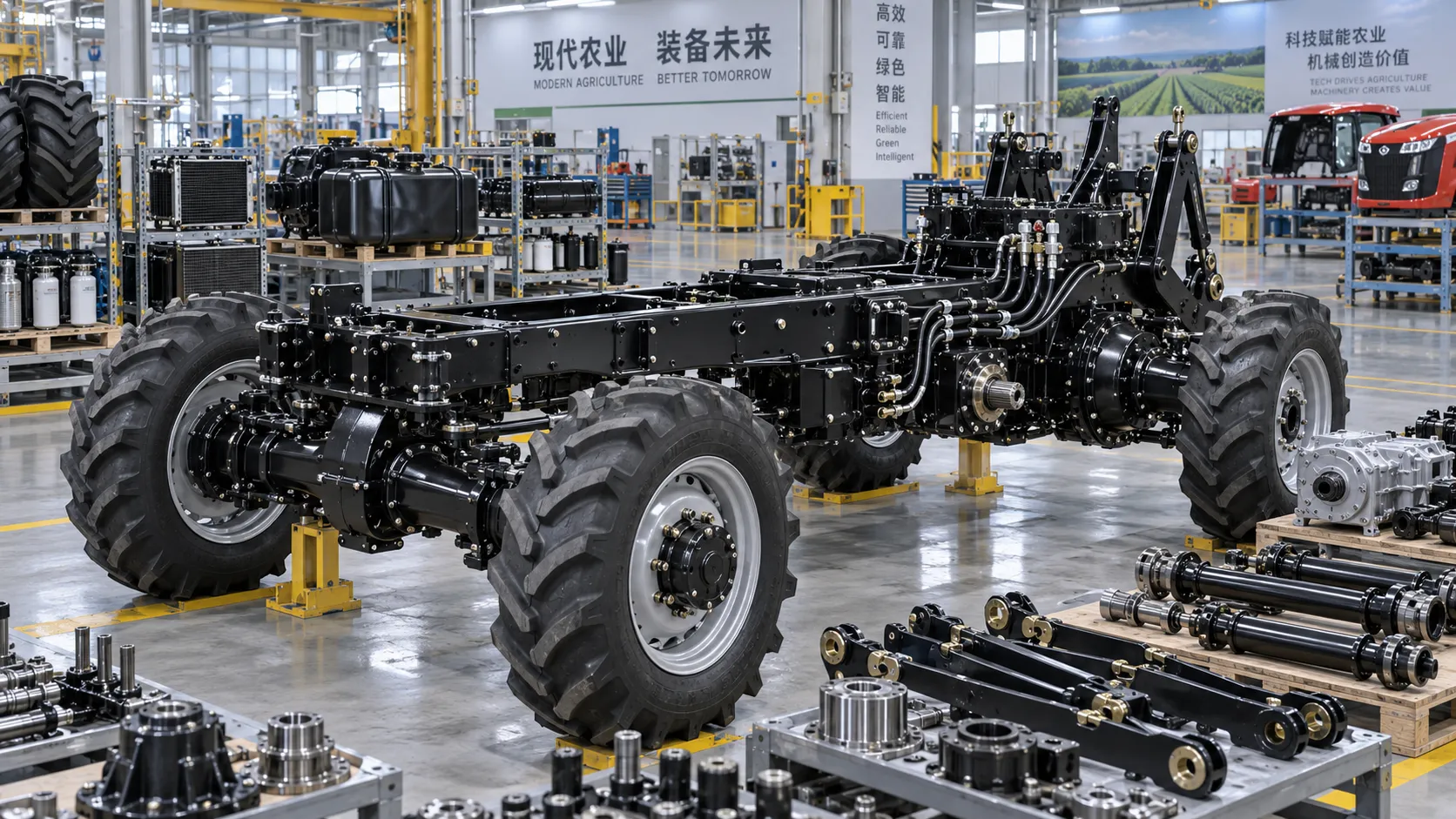
Tractor Chassis Price: What Buyers Should Compare Beyond the Initial Quote
Tractor chassis price is only the start. Compare load capacity, compatibility, durability, and lifecycle costs to choose a reliable, high-value chassis.
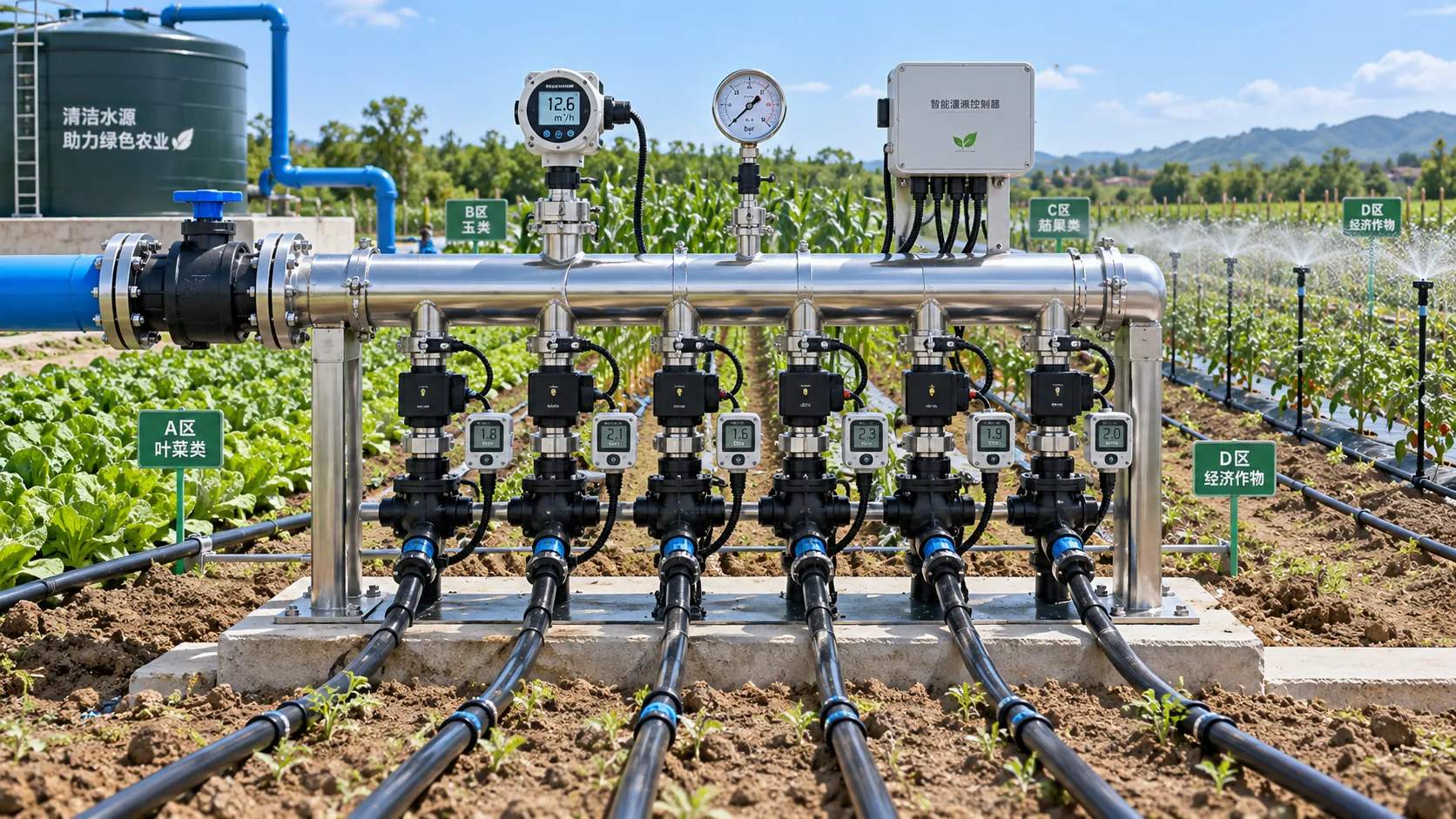
How to Select Smart Irrigation Valves for Multi-Zone Water Management?
Intelligent irrigation systems valves: learn how to match smart valves with multi-zone flow, pressure, control, feedback, and communication needs for reliable water management.
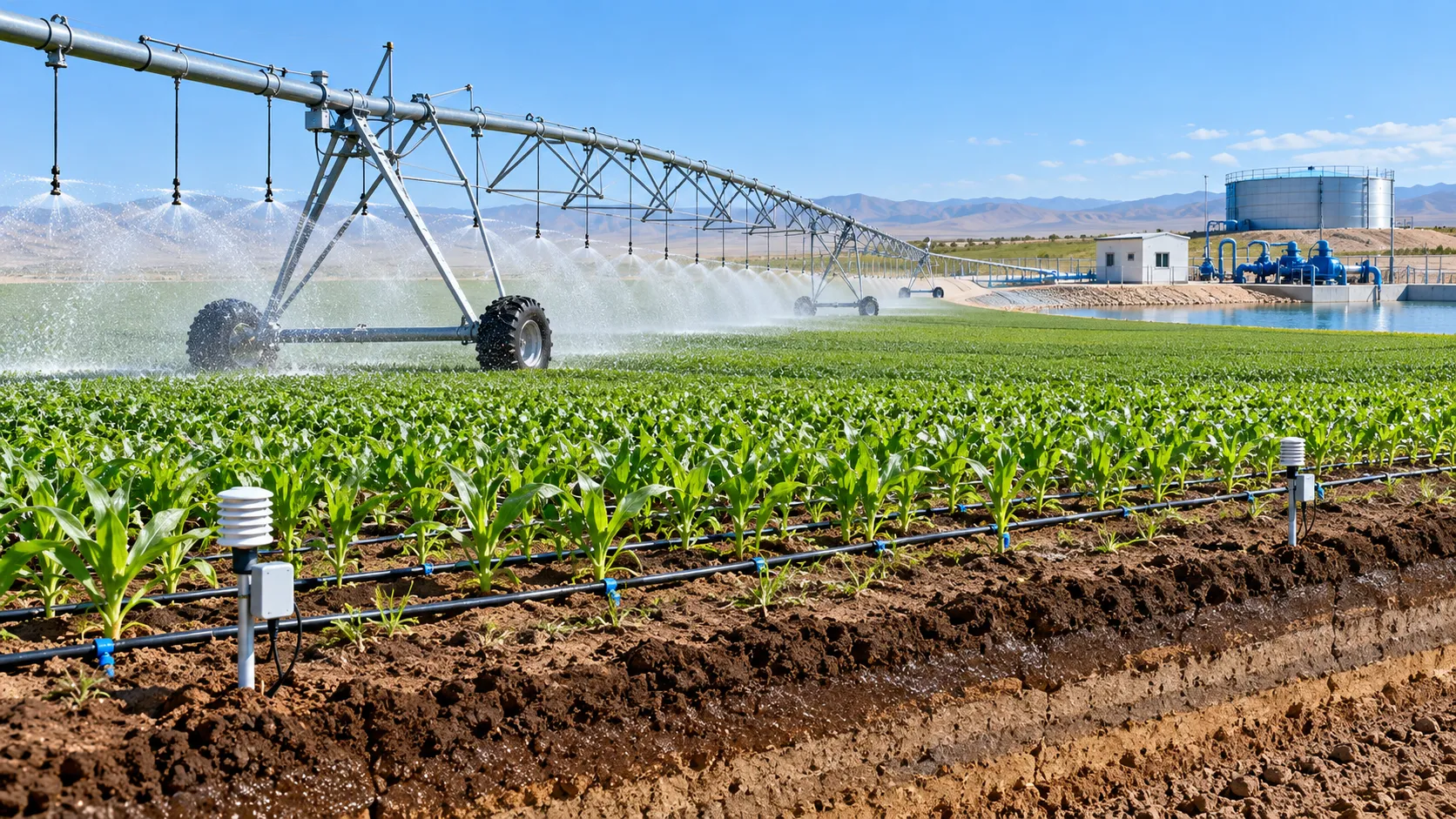
Climate-Smart Farming for Drought: A Practical Plan for Protecting Yields
Climate-smart farming for drought: build smarter water budgets, protect critical crop stages, improve irrigation uniformity, and safeguard yields with practical field-proven strategies.

How Digital Agriculture Platforms Turn Field Data Into Better Input Decisions
Digital agriculture platforms turn field data into smarter fertilizer, water, seed, and equipment decisions—helping farms cut risk, improve margins, and scale sustainability.
Related News
- 00
0000-00
How to Evaluate Dynamic Feedback Algorithm Suppliers for Precision Farming Systems - 00
0000-00
How to Specify Combine Harvester Systems for High-Moisture Grain and Variable Field Conditions - 00
0000-00
How to Compare Agricultural Equipment Platforms for Fleet Management and ROI - 00
0000-00
Drip vs. Micro-Sprinkler Irrigation: Which System Fits Your Orchard? - 00
0000-00
Orchard Water Management: Using Soil Moisture Data to Schedule Irrigation
Popular Tags
Industry Global
Weekly Insights
Stay ahead with our curated technology reports delivered every Monday.