
CRCH Heavy Industry Delivers Smart Cotton Harvesters to Kazakhstan
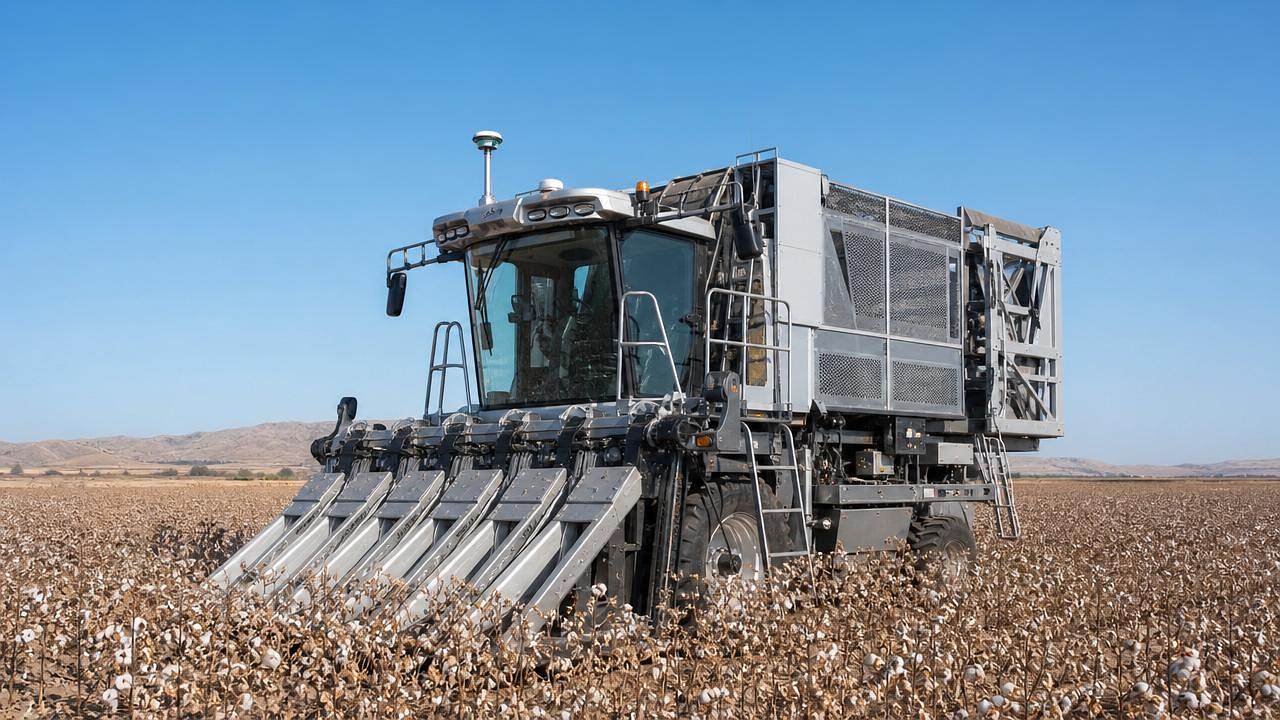




On May 25, 2026, CRCH Heavy Industry Xinjiang Co., Ltd. delivered its first batch of 20 smart cotton harvesters to KazAgro Group in Kazakhstan during an industry exhibition. The delivery includes localized technical training, co-establishment of a service center in Uralsk, and integration of BeiDou+GLONASS dual-mode positioning and IoT-based remote diagnostics — enabling real-time field data transmission and AI-powered fault analysis from China. This development is particularly relevant for agricultural machinery exporters, precision agriculture solution providers, cross-border after-sales service operators, and IoT-integrated equipment integrators.
Event Overview
On May 25, 2026, CRCH Heavy Industry Xinjiang Co., Ltd. announced the delivery of 20 smart cotton harvesters to KazAgro Group at an industry exhibition. The contract explicitly includes: (1) on-site technical training for Kazakh engineers at the CRCH Xinjiang facility; (2) joint establishment of a local service center in Uralsk, Kazakhstan; and (3) embedded IoT remote diagnostics module with BeiDou+GLONASS dual-satellite positioning, supporting real-time operational data upload and AI-assisted diagnostic analysis hosted in China.
Industries Affected
Export-oriented Agricultural Machinery Manufacturers
These companies may face increased competitive pressure as Chinese OEMs expand bundled offerings beyond hardware — incorporating localized training, service infrastructure, and cloud-connected diagnostics. Impact manifests in shifting buyer expectations: procurement decisions now weigh service readiness and digital support capability alongside machine performance and price.
Cross-Border After-Sales Service Providers
Local service center co-establishment signals a move toward hybrid ownership models for maintenance infrastructure. Providers operating in Central Asia must assess whether their current service footprint aligns with emerging OEM-led localization strategies — especially where joint ventures or shared facilities become contractual requirements.
IoT Platform Integrators & Telematics Solution Suppliers
The inclusion of standardized IoT diagnostics modules — tied to specific satellite navigation systems and AI analysis pipelines — implies tighter integration between hardware OEMs and platform providers. Companies offering generic telematics middleware may need to adapt to interoperability requirements defined by major equipment suppliers’ certified ecosystems.
Agricultural Input Distributors in Emerging Cotton Markets
Distributors serving cotton-growing regions in Kazakhstan and neighboring countries may observe accelerated adoption cycles for connected harvesting equipment. This could shift demand patterns — for example, increasing interest in data-linked agronomic advisory services or financing packages tied to machine utilization metrics.
What Relevant Enterprises or Practitioners Should Focus On
Monitor official rollout details of the Uralsk service center
Current information confirms co-establishment but does not specify operational scope, staffing model, or parts logistics arrangements. Exporters and service partners should track announcements regarding certification status, spare parts inventory thresholds, and warranty claim workflows — as these will define replicable models for other CIS markets.
Assess compatibility of existing IoT platforms with BeiDou+GLONASS + AI diagnostic architectures
Since the delivery embeds a specific dual-GNSS positioning stack and proprietary remote diagnostics interface, integrators should verify whether their current telemetry solutions support data ingestion formats, latency requirements, and security protocols used in this deployment — rather than assuming generic MQTT or REST API interoperability.
Review training curricula and certification pathways offered under similar contracts
The inclusion of technician training as a contractual component suggests growing emphasis on human capacity building as part of export value propositions. Equipment distributors and local partners should evaluate whether their technical staff qualify for such programs — and whether participation confers formal accreditation usable across regional markets.
Prepare for potential shifts in tender evaluation criteria in Central Asian public procurement
While unconfirmed, the bundling of hardware, training, and digital services may influence how state-affiliated entities like KazAgro structure future tenders. Procurement teams should begin documenting how evaluation weightings are assigned to after-sales commitments and data-handling provisions in upcoming RFPs.
Editorial Perspective / Industry Observation
Observably, this delivery represents more than a one-off export transaction — it reflects an evolving standard for high-value agricultural equipment exports into emerging markets: convergence of physical assets, localized human capital development, and cloud-based operational intelligence. Analysis shows that the inclusion of both training and IoT diagnostics is not incidental but structural — suggesting a deliberate effort to embed long-term service dependency and data feedback loops. From an industry perspective, this is best understood not as a completed market entry, but as an early-stage signal of how OEMs may reconfigure value chains across borders — prioritizing service control and data governance alongside hardware sales. Continued attention is warranted to whether subsequent deliveries replicate the Uralsk service center model, and whether diagnostic data flows remain exclusively routed to China-hosted AI systems.
This event underscores a broader trend: agricultural machinery exports are increasingly evaluated not only on mechanical reliability, but on the depth and durability of integrated support ecosystems. It is not yet evidence of widespread replication, but it does mark a definable inflection point in how advanced harvesting technology is being positioned in Central Asia.
Conclusion
The CRCH-KazAgro delivery is best interpreted as a strategic pilot — testing the viability of combining hardware export with embedded service infrastructure and remote diagnostics in a key cotton-producing region. Its significance lies less in volume (20 units) and more in contractual design: it codifies new expectations around localization, data connectivity, and technical capacity transfer. For stakeholders, the appropriate stance is measured observation — tracking whether similar terms appear in follow-up contracts, how local service operations scale, and whether regulatory or data sovereignty considerations emerge in response to centralized AI diagnostics. Currently, it is more accurately read as a procedural benchmark than a market transformation already underway.
Source Attribution
Main source: Official announcement by CRCH Heavy Industry Xinjiang Co., Ltd., issued on May 25, 2026, during an industry exhibition. No third-party verification or independent reporting has been confirmed. Ongoing observation is recommended regarding the operational launch timeline of the Uralsk service center and publicly disclosed specifications of the IoT diagnostics module.
Related News

Tractor Specification Sheets: Matching PTO, Hydraulics, and Weight to Farm Tasks
Specification-oriented articles for tractors: match PTO, hydraulics, lift capacity, ballast, and weight to real farm tasks for safer, more efficient equipment choices.

How to Evaluate Dynamic Feedback Algorithm Suppliers for Precision Farming Systems
Dynamic feedback algorithms supplier evaluation guide for precision farming—compare validation, integration, safety, and pilots to choose with confidence.
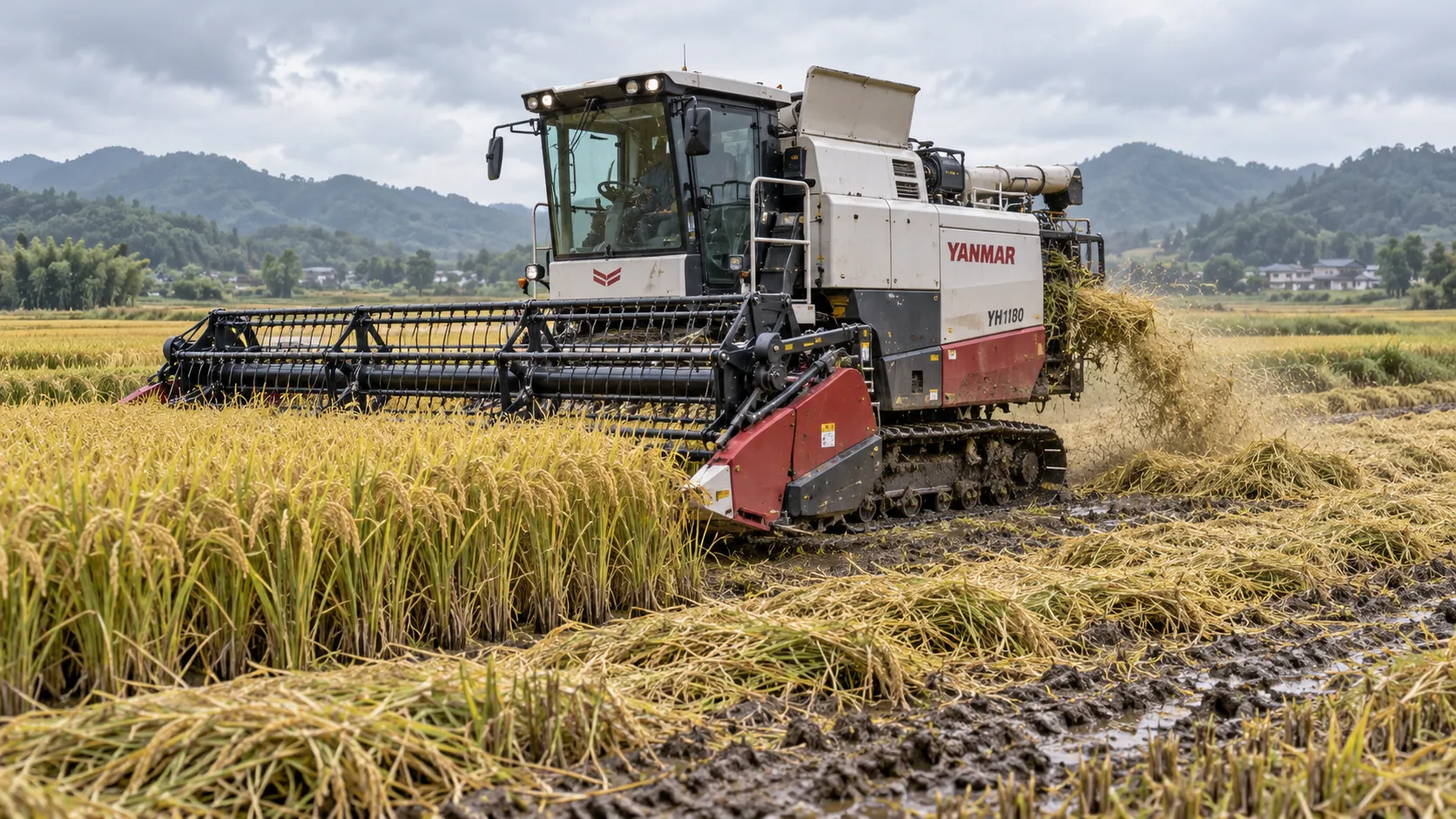
How to Specify Combine Harvester Systems for High-Moisture Grain and Variable Field Conditions
Combine harvester systems for high-moisture grain: learn how to specify threshing, cleaning, headers, traction, and automation for reliable harvests in variable fields.
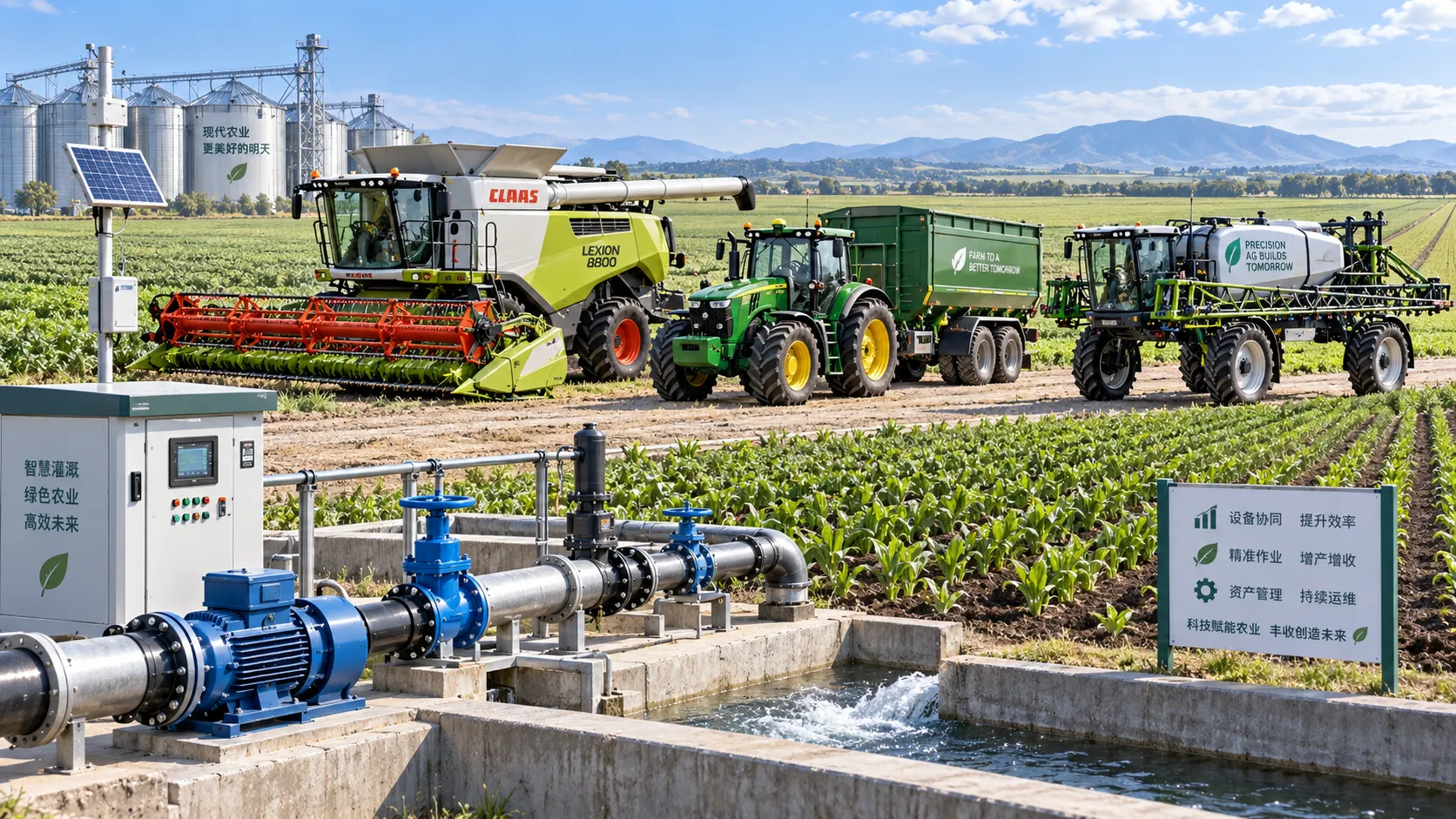
How to Compare Agricultural Equipment Platforms for Fleet Management and ROI
Agricultural equipment platform comparison: evaluate fleet data, maintenance, precision workflows, and ROI to choose a system that delivers measurable results.
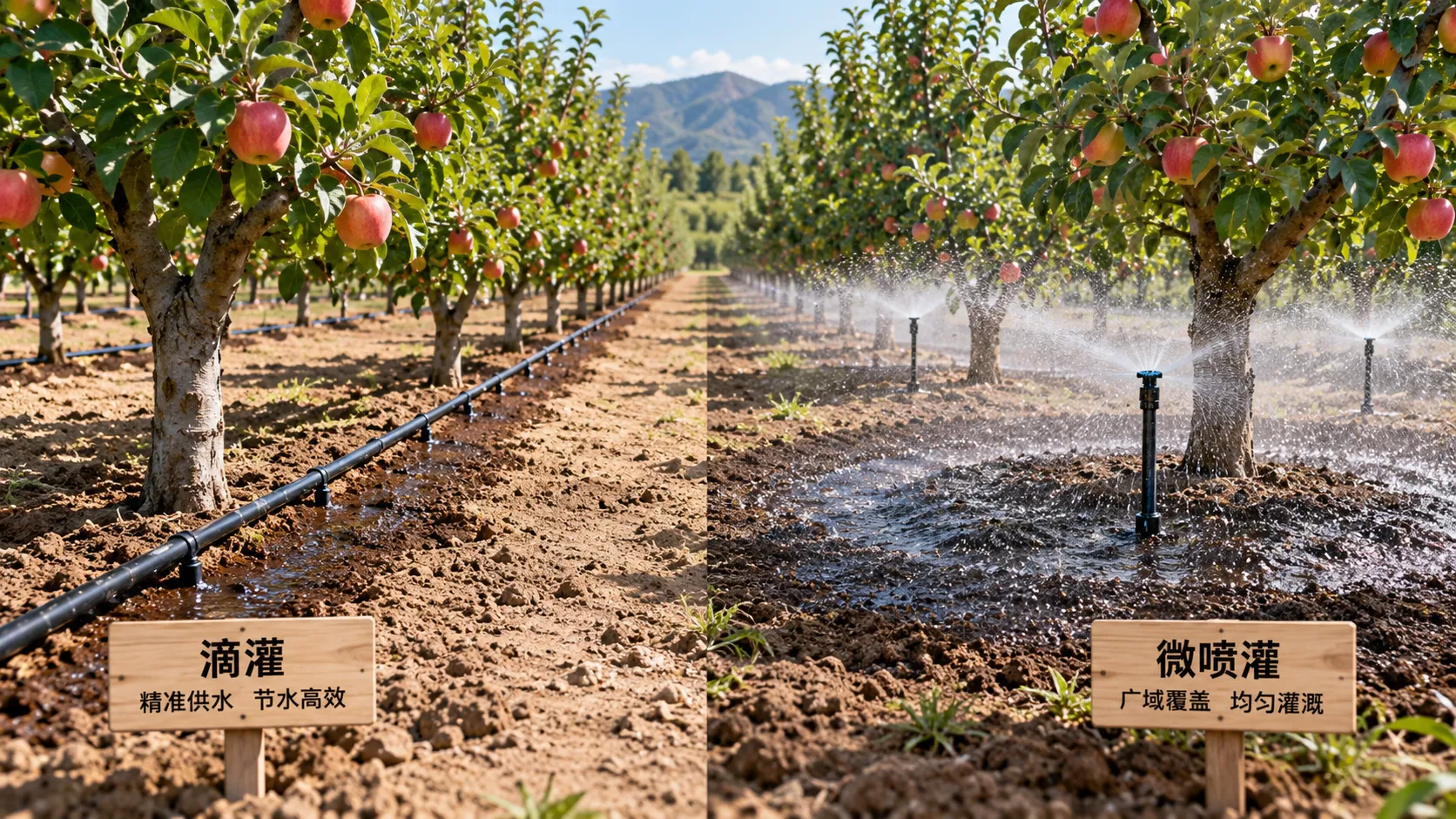
Drip vs. Micro-Sprinkler Irrigation: Which System Fits Your Orchard?
Irrigation solution comparison for orchards: discover whether drip or micro-sprinklers best match your water, soil, roots, fertigation, and frost needs.
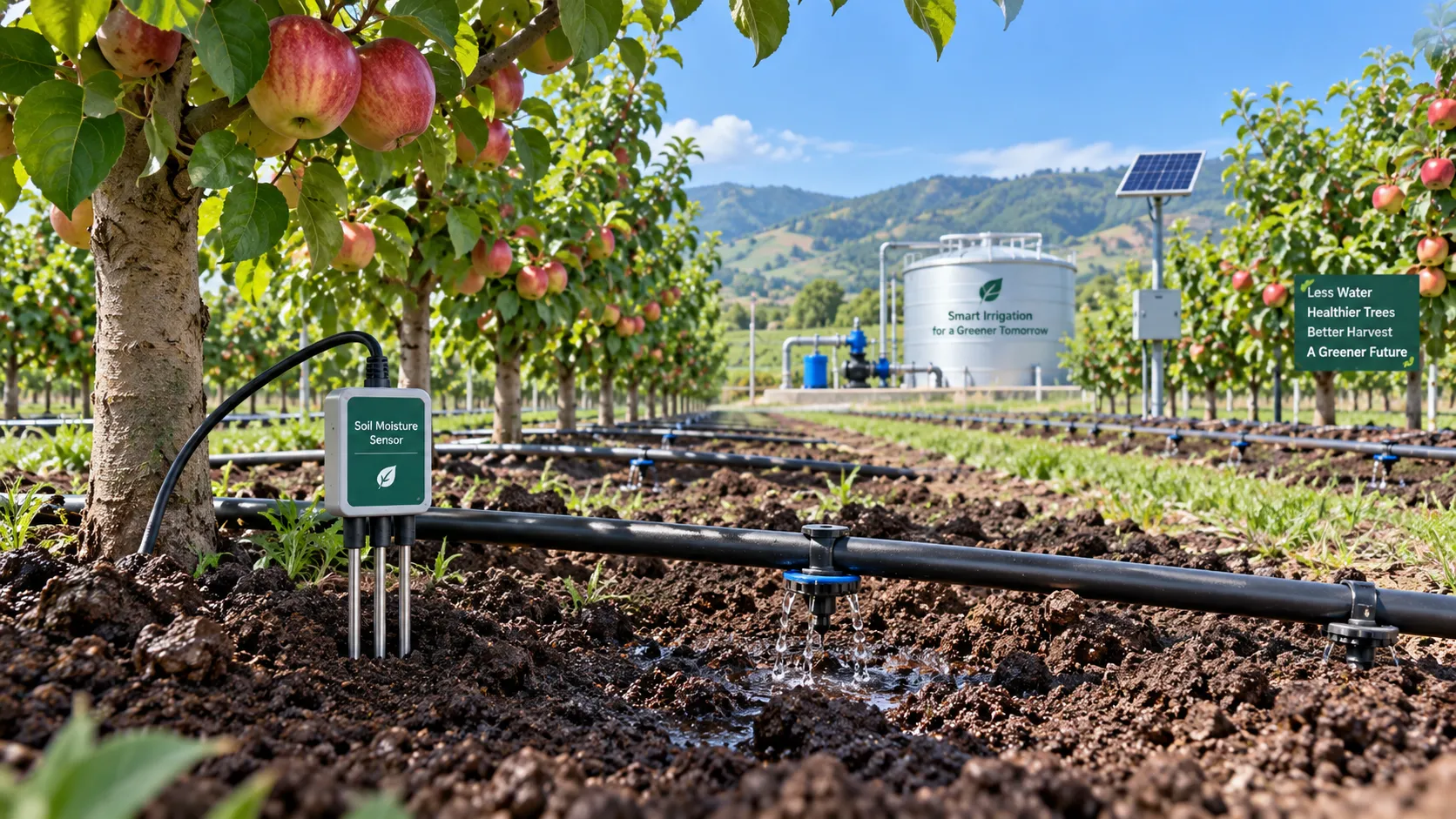
Orchard Water Management: Using Soil Moisture Data to Schedule Irrigation
Agricultural water management for orchards made practical: use soil moisture data to optimize irrigation timing, protect yield, reduce costs, and improve resilience.
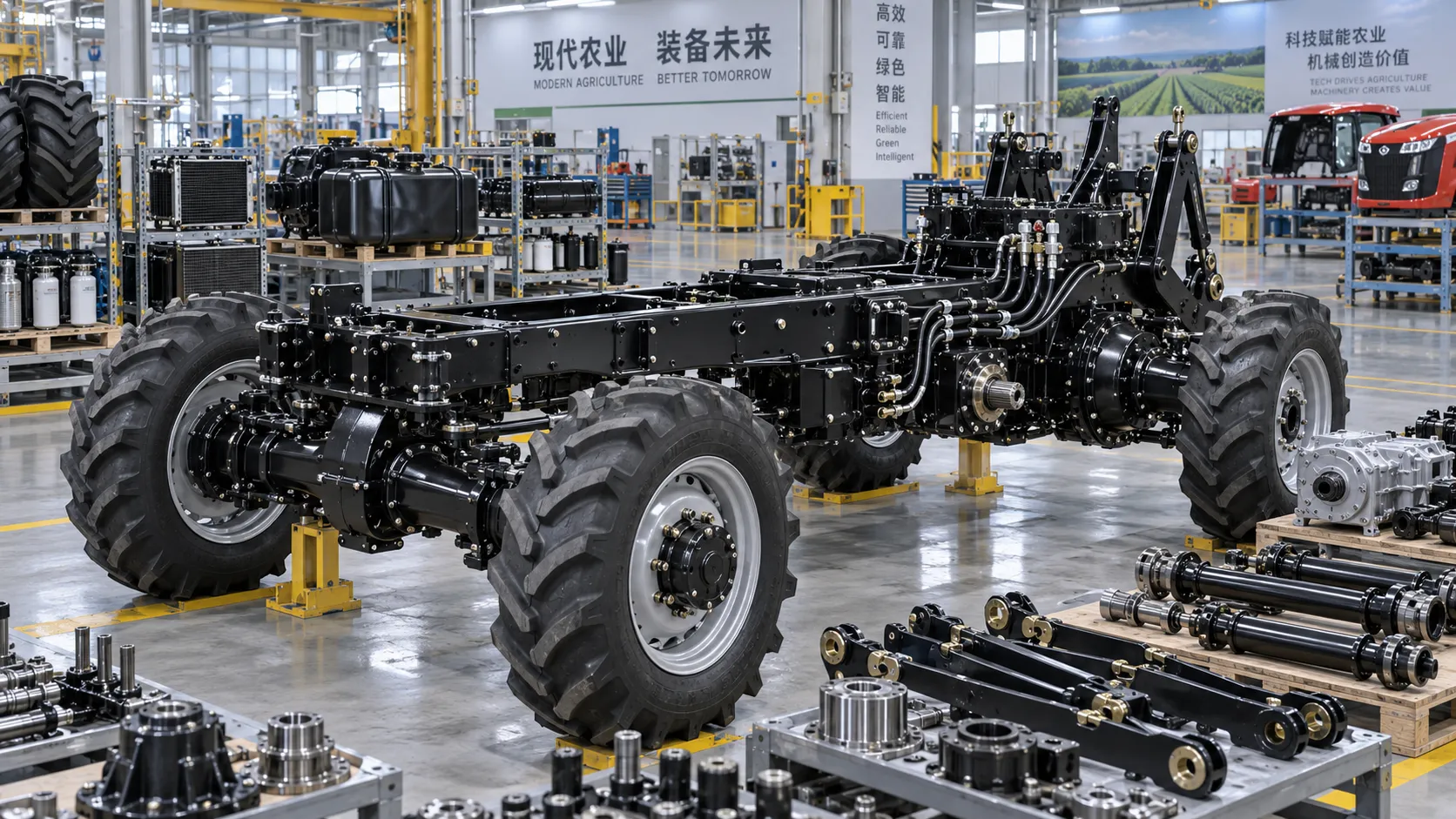
Tractor Chassis Price: What Buyers Should Compare Beyond the Initial Quote
Tractor chassis price is only the start. Compare load capacity, compatibility, durability, and lifecycle costs to choose a reliable, high-value chassis.
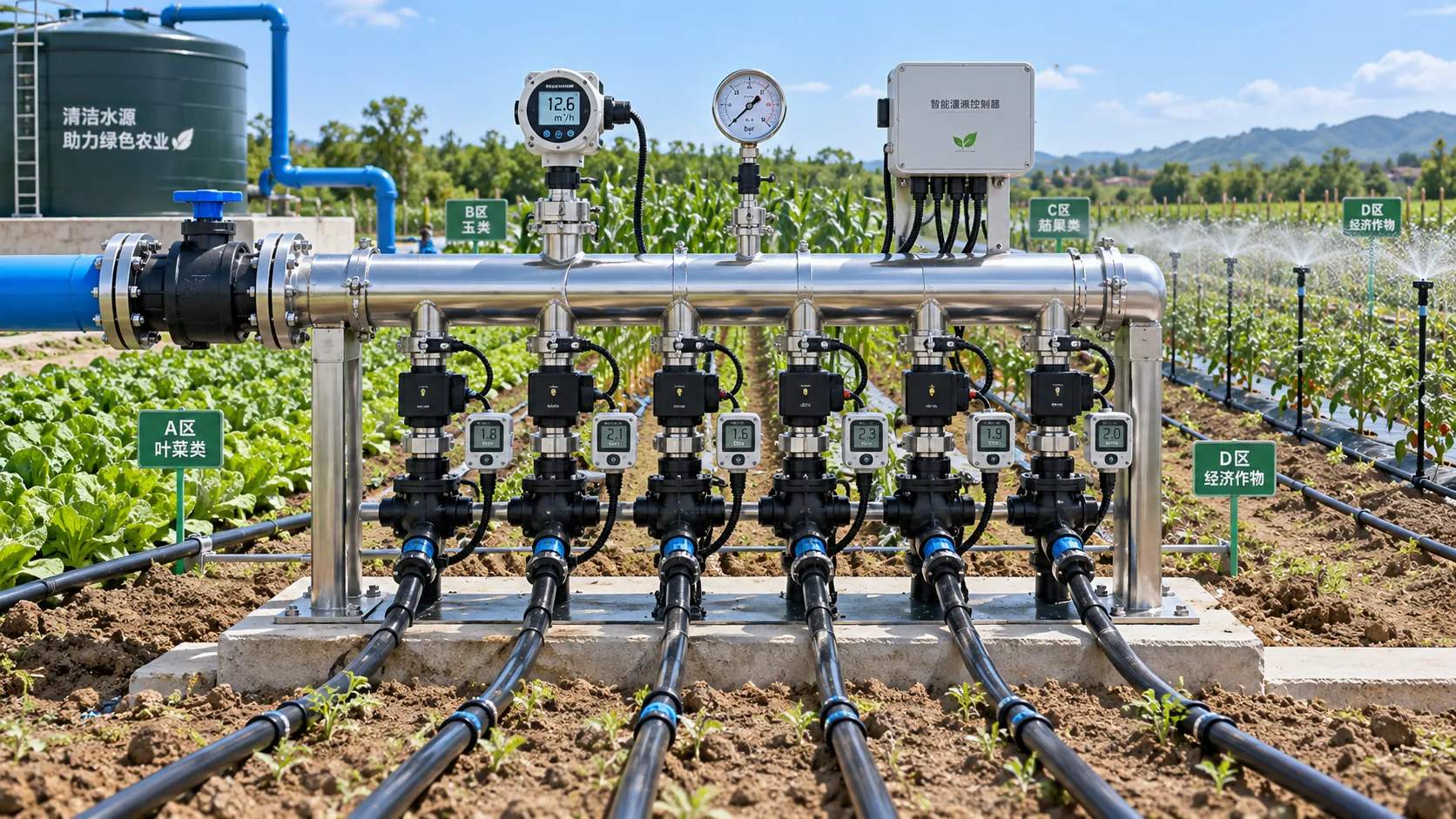
How to Select Smart Irrigation Valves for Multi-Zone Water Management?
Intelligent irrigation systems valves: learn how to match smart valves with multi-zone flow, pressure, control, feedback, and communication needs for reliable water management.

Climate-Smart Farming for Drought: A Practical Plan for Protecting Yields
Climate-smart farming for drought: build smarter water budgets, protect critical crop stages, improve irrigation uniformity, and safeguard yields with practical field-proven strategies.
Related News
- 00
0000-00
Tractor Specification Sheets: Matching PTO, Hydraulics, and Weight to Farm Tasks - 00
0000-00
How to Evaluate Dynamic Feedback Algorithm Suppliers for Precision Farming Systems - 00
0000-00
How to Specify Combine Harvester Systems for High-Moisture Grain and Variable Field Conditions - 00
0000-00
How to Compare Agricultural Equipment Platforms for Fleet Management and ROI - 00
0000-00
Drip vs. Micro-Sprinkler Irrigation: Which System Fits Your Orchard?
Popular Tags
Industry Global
Weekly Insights
Stay ahead with our curated technology reports delivered every Monday.