
Bosiran Launches 6-Row Hybrid Cotton Harvester with Variable Rate Technology
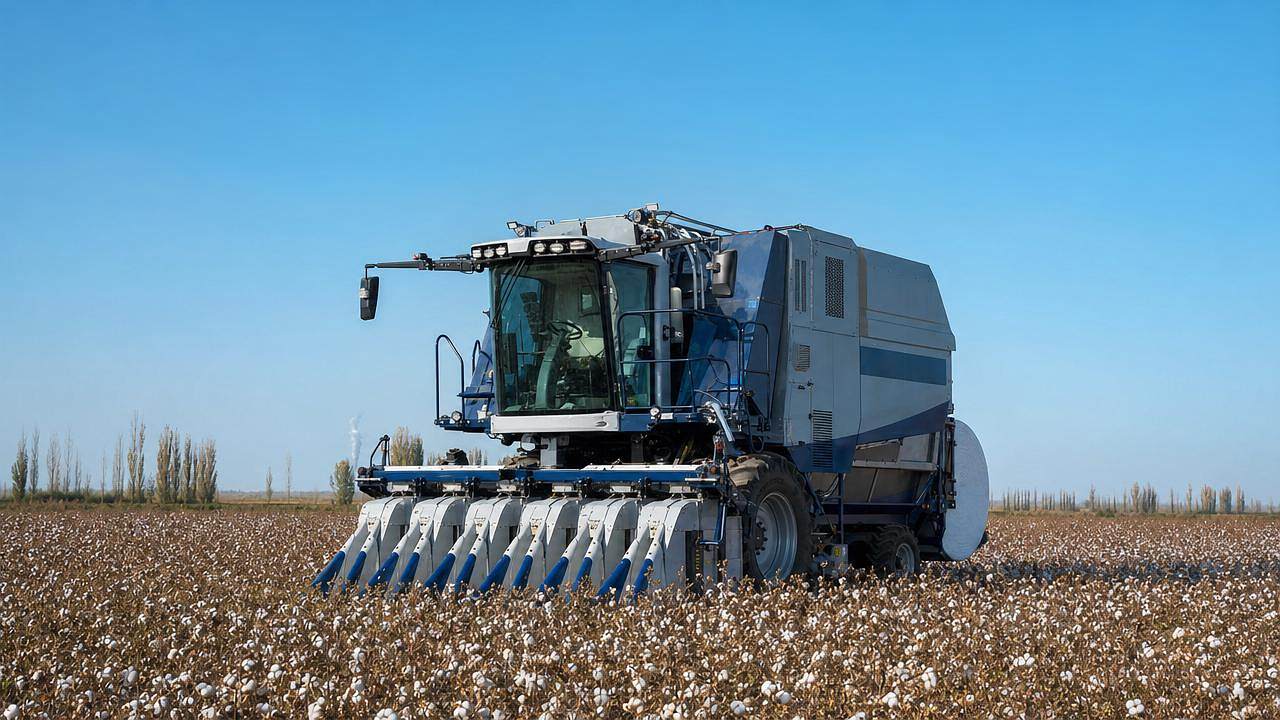




On May 25, 2026, Bosiran unveiled its new 6-row hybrid self-propelled cotton harvester with integrated bale-forming capability at the Xinjiang Agricultural Machinery Exhibition. The launch marks a significant technical advancement in precision cotton harvesting—particularly for heterogeneous field conditions across Central Asia—and introduces new operational and compliance considerations for agricultural equipment stakeholders globally.
Confirmed Event Details
Bosiran introduced the 6-row hybrid cotton harvester at the Xinjiang Agricultural Machinery Exhibition on May 25, 2026. The machine integrates a Variable Rate Technology (VRT) system enabling independent real-time control of spindle pressure, drum rotational speed, and bale compression density per row. This design specifically addresses variable row spacing and uneven crop vigor typical in Central Asian cotton fields. The VRT technology has filed a PCT international patent application and is currently undergoing substantive examination in the United States, Australia, and Kazakhstan.
Impact Across Industry Stakeholders
Direct Exporters and Trading Enterprises
Exporters targeting markets where U.S., Australian, or Kazakh regulatory scrutiny applies must now assess whether their existing product documentation—including technical specifications, conformity statements, and test reports—covers VRT-related functional safety and performance claims. As the patent enters national-phase examination, export timelines may face delays if local certification bodies require additional verification of proprietary control logic.
Raw Material and Component Procurement Firms
Suppliers of hydraulic actuators, pressure sensors, and embedded controllers used in VRT subsystems may experience revised qualification requirements. Buyers are likely to request traceable calibration records and ISO/IEC 17025-accredited test data for components involved in closed-loop pressure regulation—especially where harmonized standards for agricultural automation remain under development.
Manufacturers and Assembly Facilities
Domestic and regional OEMs integrating similar adaptive harvesting technologies must align production processes with emerging functional safety expectations. The VRT architecture implies stricter validation protocols for software-defined actuation sequences—potentially triggering updates to internal quality management systems under ISO 9001 and ISO 13849-1 frameworks.
Supply Chain Service Providers
Logistics and after-sales service partners need to prepare for increased technical support demands. Field-level diagnostics, firmware updates, and recalibration procedures for VRT modules may necessitate updated technician training curricula and expanded spare parts inventories—including region-specific calibration kits for varying soil-crop interaction profiles.
Key Considerations for Enterprise Preparedness
Patent Landscape Monitoring and Freedom-to-Operate Assessment
Companies developing or importing comparable harvesters should proactively monitor the status of Bosiran’s PCT application in the U.S., Australia, and Kazakhstan. Substantive examination outcomes may shape licensing strategies, design-around efforts, or market-entry timing—particularly where national patent offices issue preliminary rejections or scope-limiting amendments.
Technical Tender Alignment for Public Procurements
Governments and state-owned agribusinesses in Central Asia are increasingly specifying adaptive harvesting capabilities in procurement tenders. Firms bidding on such contracts must ensure that their technical proposals explicitly address VRT-equivalent functionality—including verifiable test methodologies for per-row pressure modulation under non-uniform field conditions.
Regulatory Documentation Readiness for Import Markets
Importers into jurisdictions with evolving agricultural machinery safety regulations—such as Kazakhstan’s recent draft amendments to TR CU 010/2011—should verify whether VRT-integrated systems trigger new conformity assessment pathways. Documentation must clarify how safety-related control functions (e.g., emergency pressure cutoff per row) comply with relevant hazard analysis and risk reduction requirements.
Industry Observation: Beyond Technical Innovation
Analysis shows that Bosiran’s VRT deployment reflects a broader shift from uniform-field optimization toward context-aware agricultural automation. What deserves closer attention is not only the hardware integration but also how national patent examinations may catalyze localized standardization—especially where regulators begin referencing patented control architectures in technical guidelines. From an industry perspective, this signals growing emphasis on algorithmic transparency and reproducible field performance metrics—not just mechanical durability—as prerequisites for market access.
Strategic Implications for the Sector
This launch underscores a maturing phase in cotton harvesting technology: one where adaptability to biological and infrastructural variability becomes a core compliance parameter—not merely a competitive differentiator. It is more appropriate to understand this as an early indicator of tighter coupling between intellectual property strategy, regulatory review timelines, and procurement specification evolution—particularly across emerging cotton-producing economies with heterogeneous agronomic conditions.
Source Attribution and Ongoing Verification
This article was generated based solely on the provided title, event date (May 25, 2026), and summary. Specific official source links were not provided in the input and should be verified continuously. Stakeholders are advised to monitor patent office bulletins (USPTO, IP Australia, Kazpatent), national agricultural machinery regulatory updates, and forthcoming tender documents issued by Central Asian cotton authorities for implementation details, conformity assessment clarifications, and industry feedback on VRT field performance.
Related News
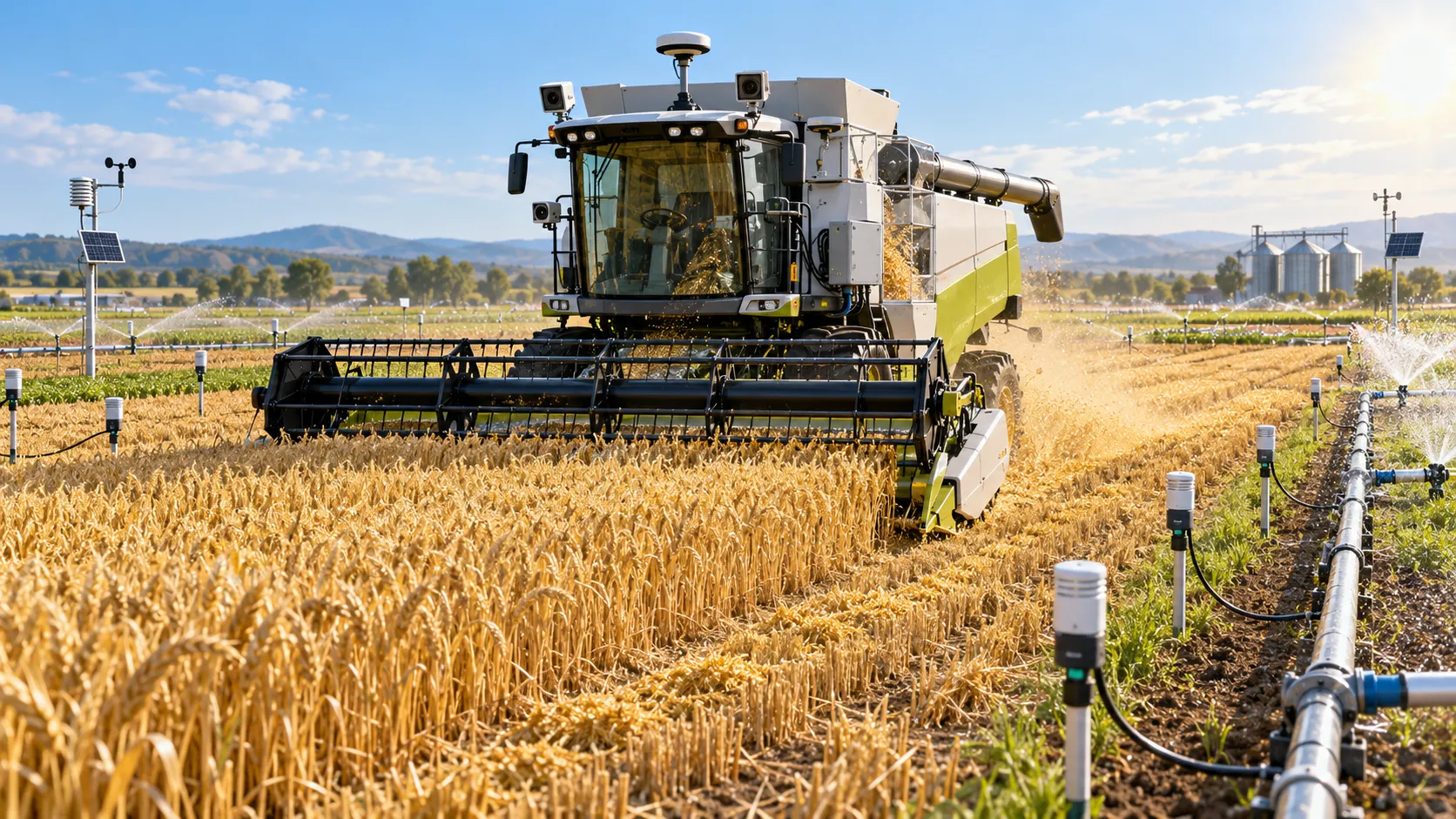
How to Evaluate Dynamic Feedback Algorithm Suppliers for Precision Farming Systems
Dynamic feedback algorithms supplier evaluation guide for precision farming—compare validation, integration, safety, and pilots to choose with confidence.
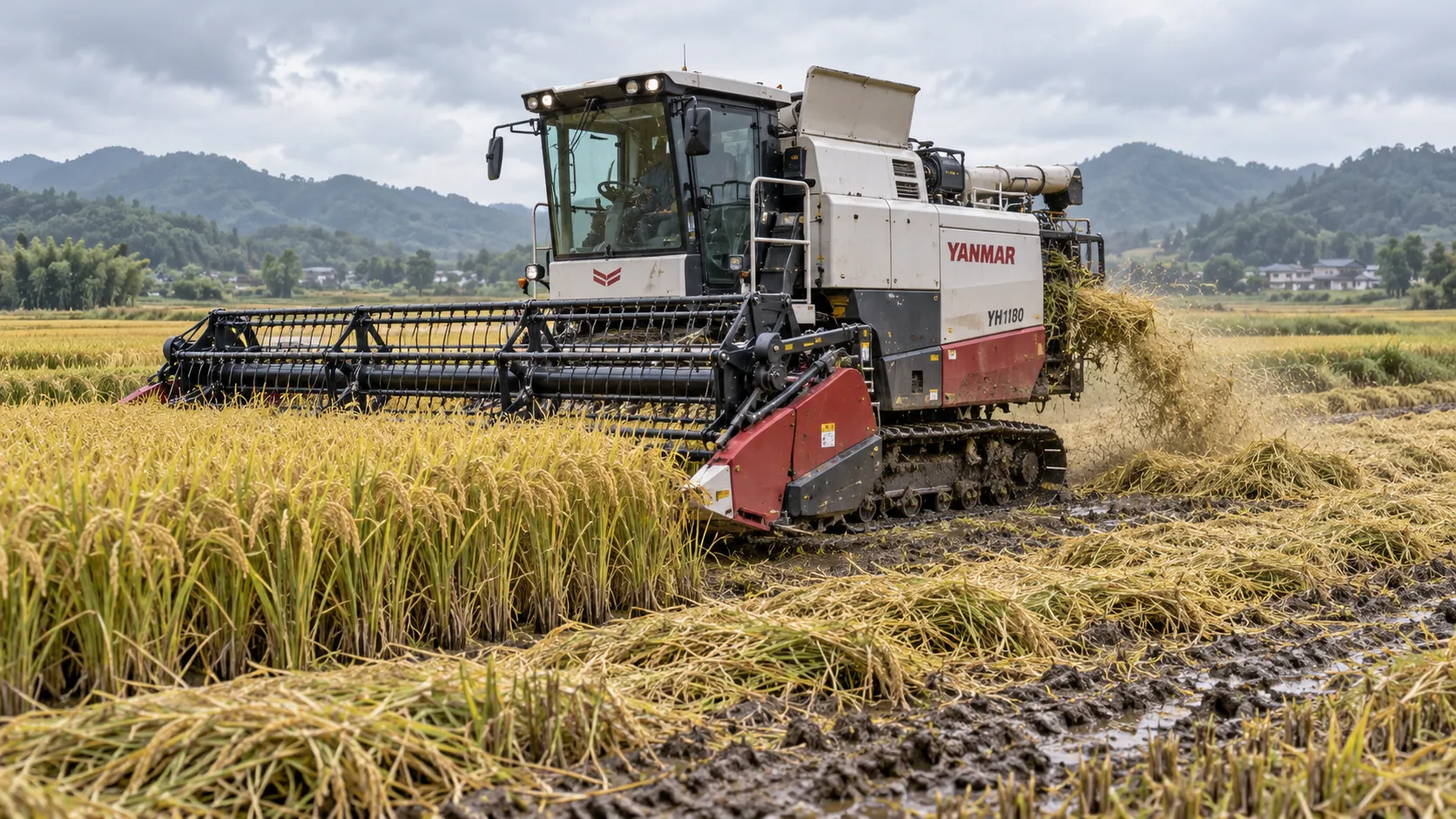
How to Specify Combine Harvester Systems for High-Moisture Grain and Variable Field Conditions
Combine harvester systems for high-moisture grain: learn how to specify threshing, cleaning, headers, traction, and automation for reliable harvests in variable fields.
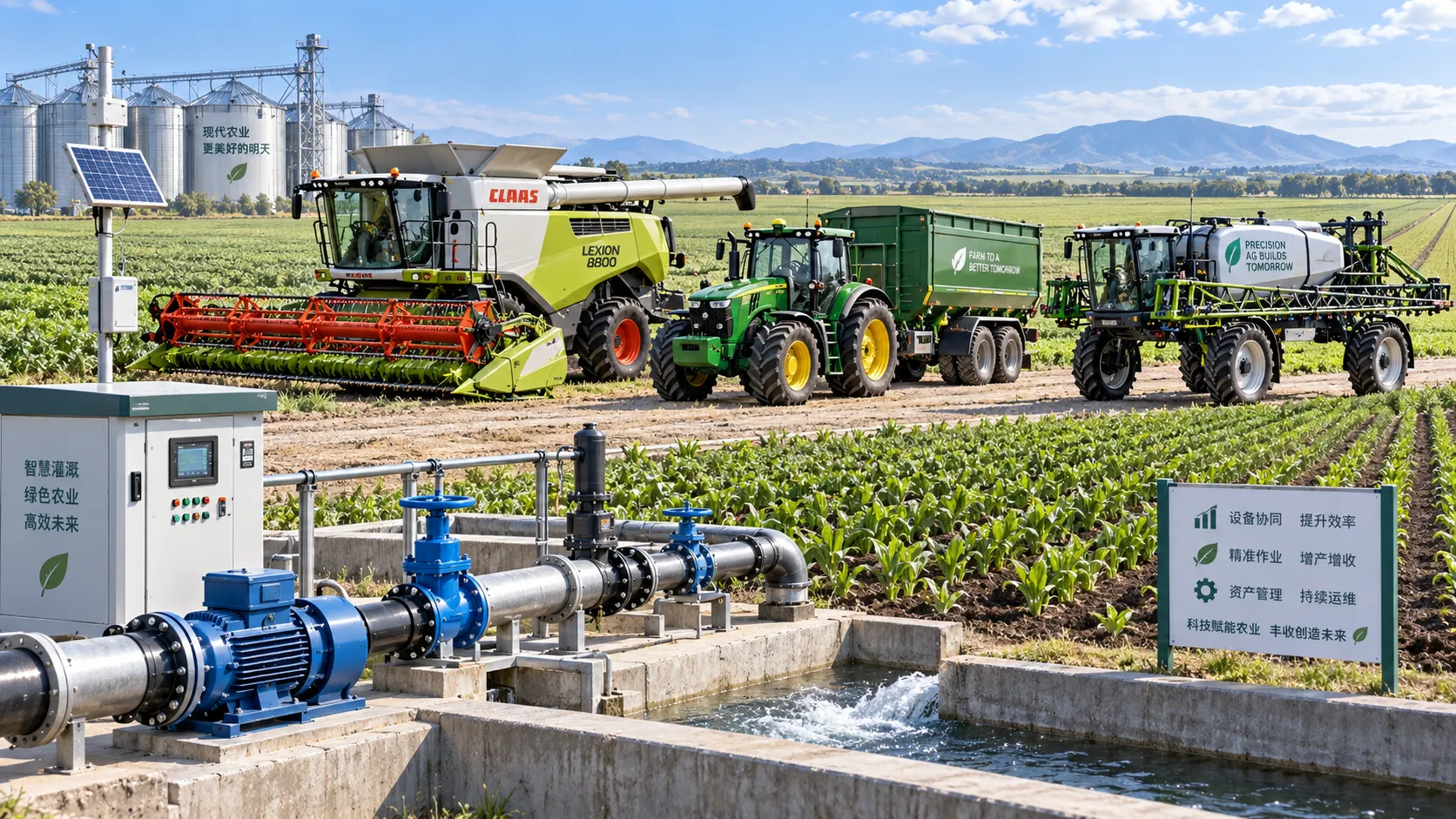
How to Compare Agricultural Equipment Platforms for Fleet Management and ROI
Agricultural equipment platform comparison: evaluate fleet data, maintenance, precision workflows, and ROI to choose a system that delivers measurable results.
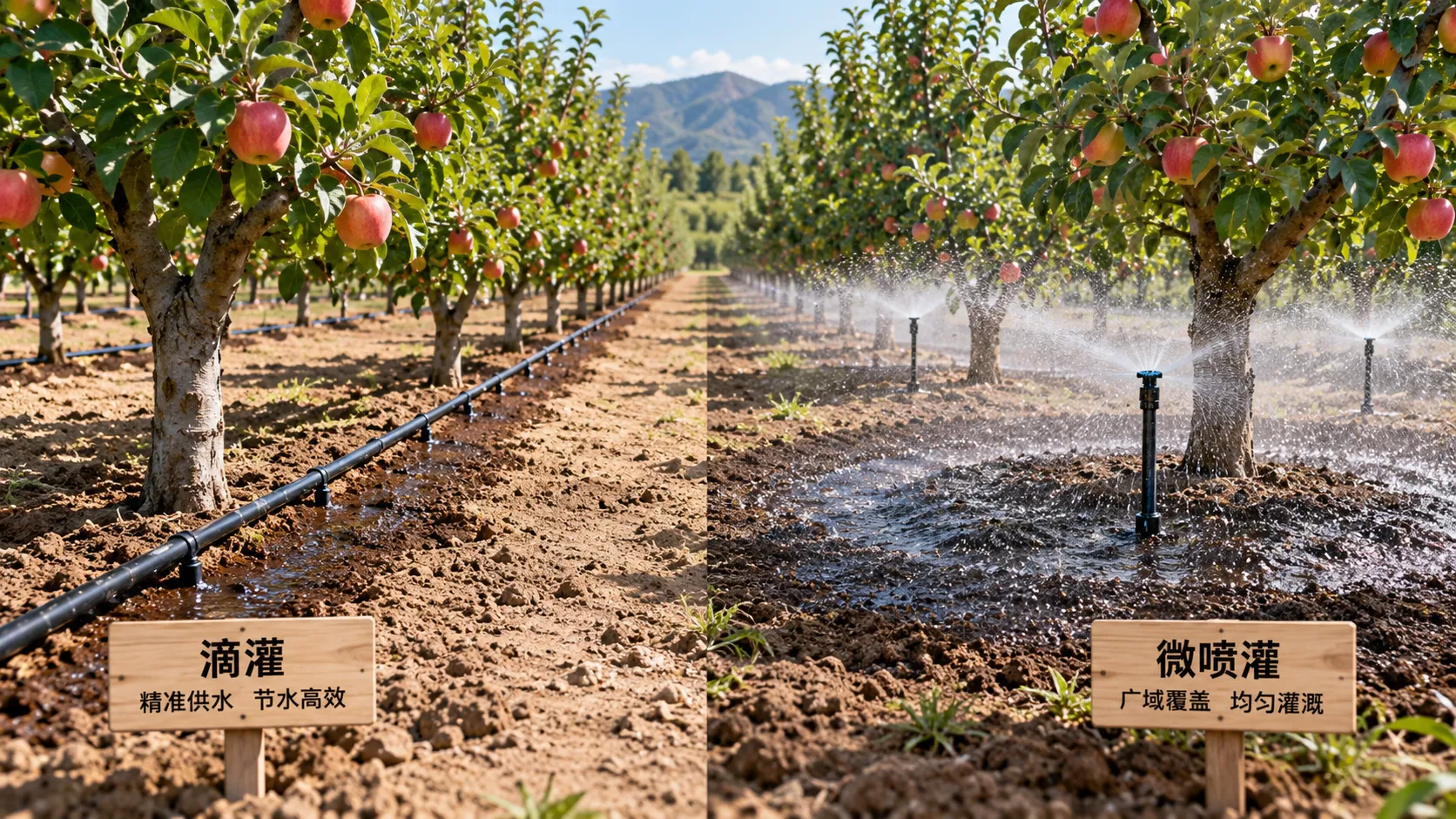
Drip vs. Micro-Sprinkler Irrigation: Which System Fits Your Orchard?
Irrigation solution comparison for orchards: discover whether drip or micro-sprinklers best match your water, soil, roots, fertigation, and frost needs.
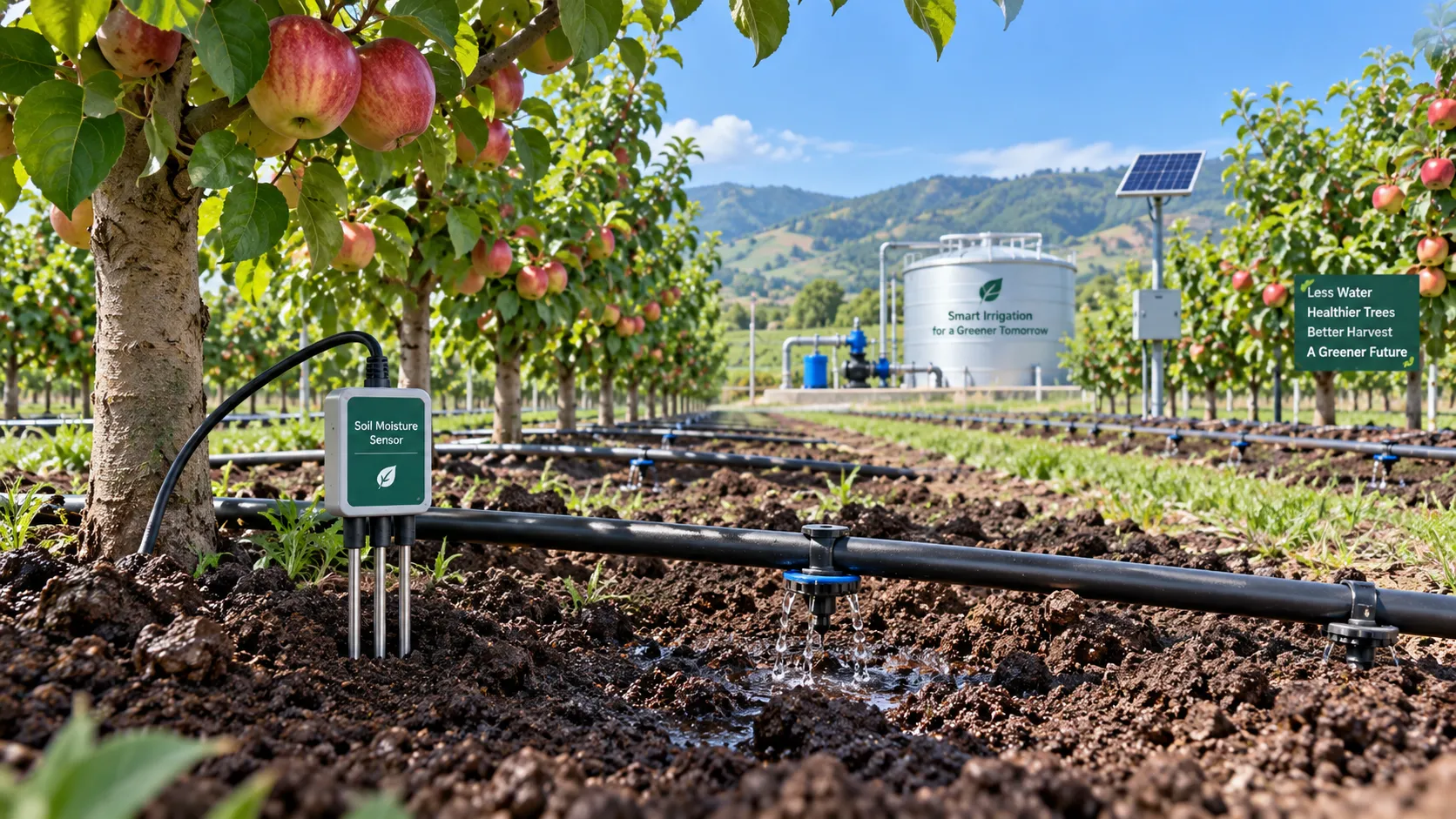
Orchard Water Management: Using Soil Moisture Data to Schedule Irrigation
Agricultural water management for orchards made practical: use soil moisture data to optimize irrigation timing, protect yield, reduce costs, and improve resilience.
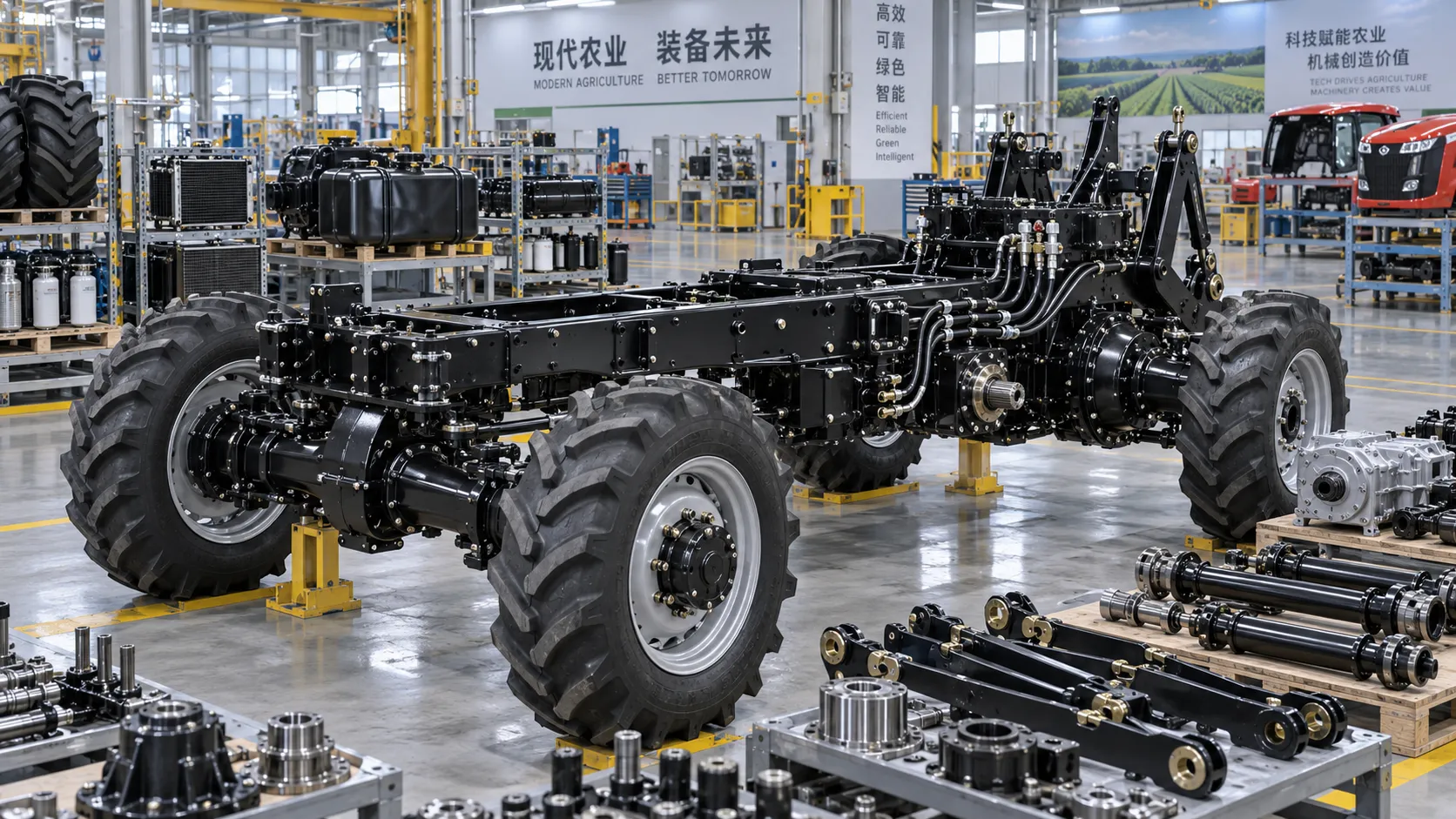
Tractor Chassis Price: What Buyers Should Compare Beyond the Initial Quote
Tractor chassis price is only the start. Compare load capacity, compatibility, durability, and lifecycle costs to choose a reliable, high-value chassis.
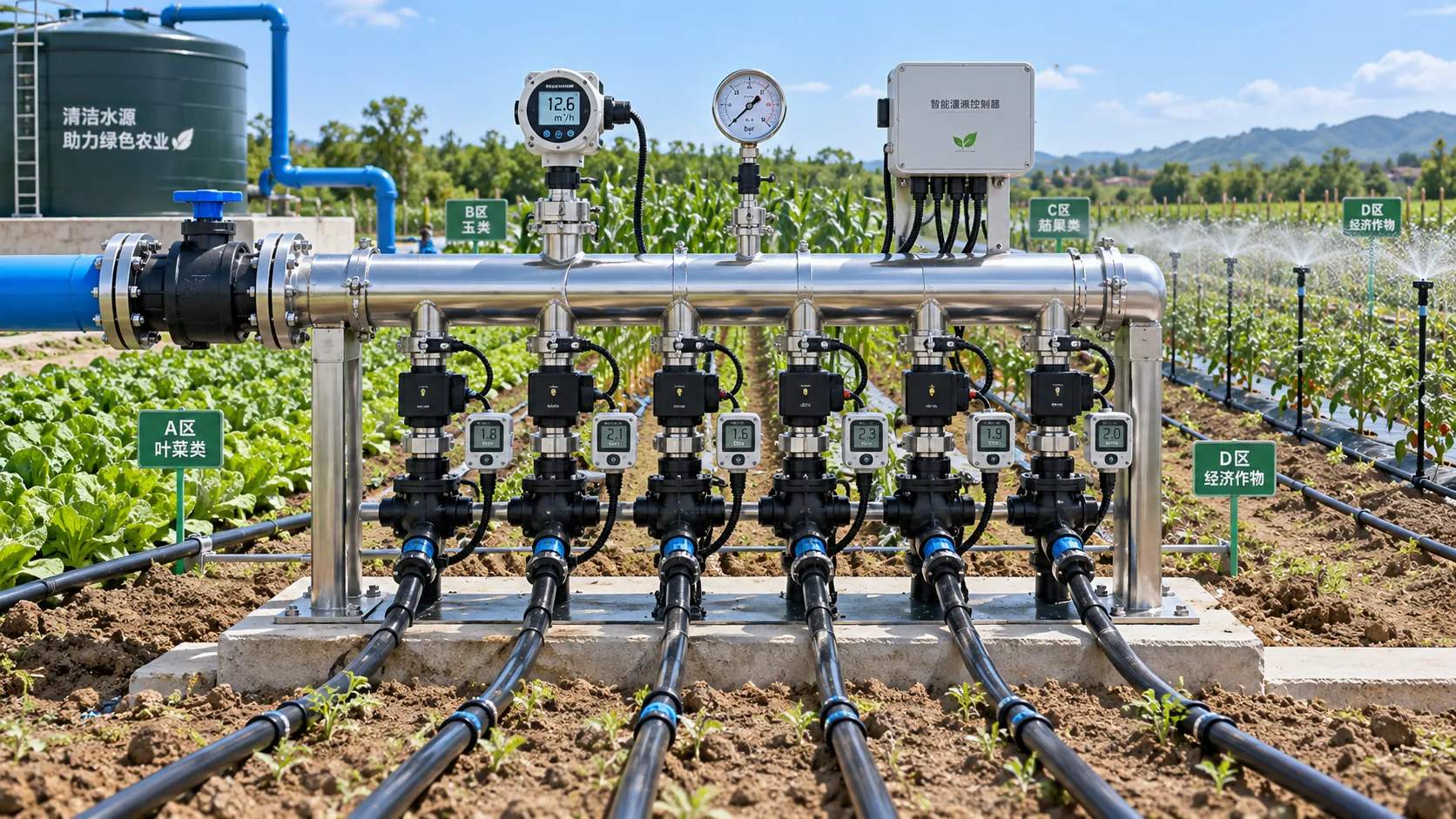
How to Select Smart Irrigation Valves for Multi-Zone Water Management?
Intelligent irrigation systems valves: learn how to match smart valves with multi-zone flow, pressure, control, feedback, and communication needs for reliable water management.
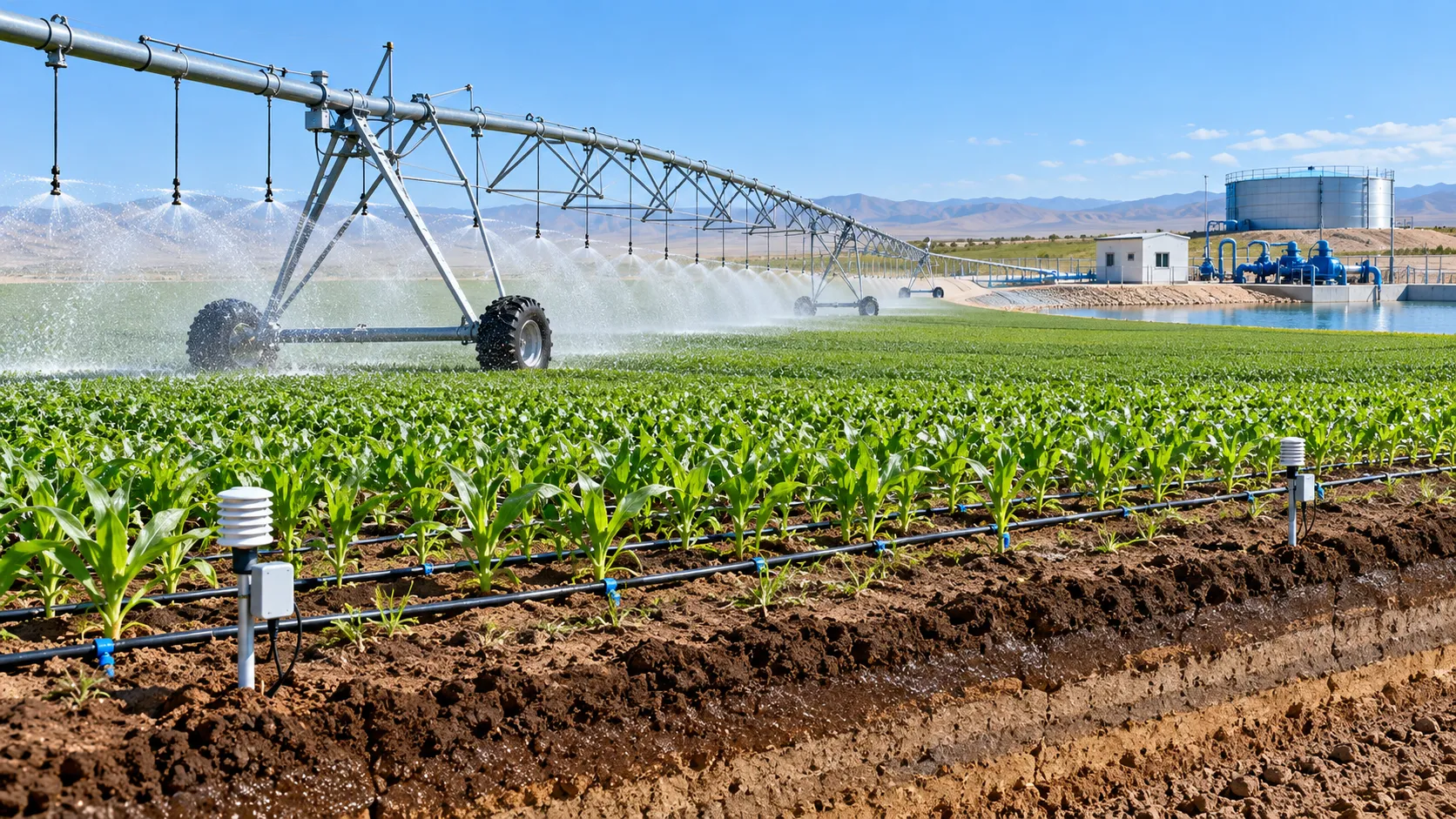
Climate-Smart Farming for Drought: A Practical Plan for Protecting Yields
Climate-smart farming for drought: build smarter water budgets, protect critical crop stages, improve irrigation uniformity, and safeguard yields with practical field-proven strategies.
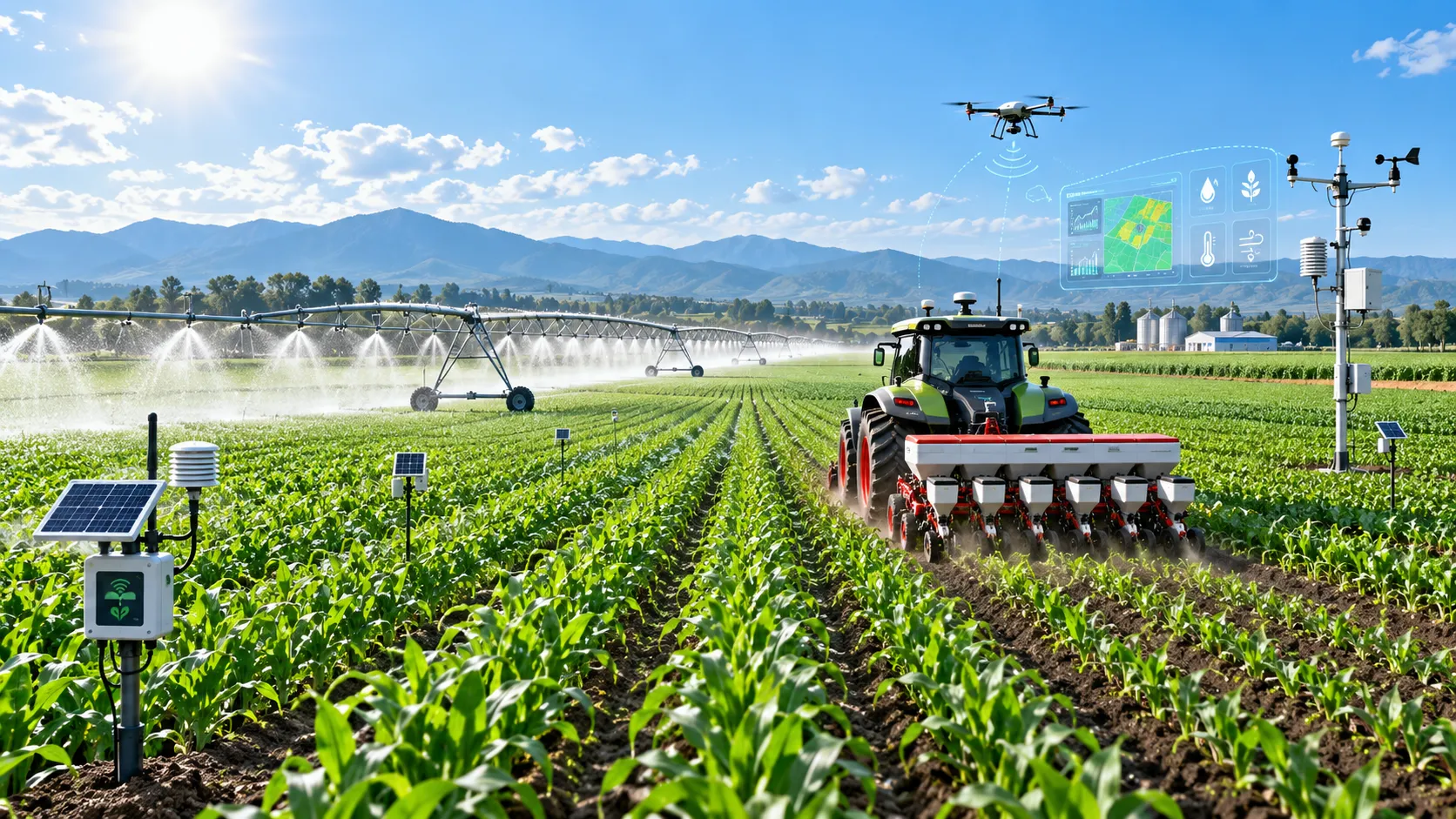
How Digital Agriculture Platforms Turn Field Data Into Better Input Decisions
Digital agriculture platforms turn field data into smarter fertilizer, water, seed, and equipment decisions—helping farms cut risk, improve margins, and scale sustainability.
Related News
- 00
0000-00
How to Evaluate Dynamic Feedback Algorithm Suppliers for Precision Farming Systems - 00
0000-00
How to Specify Combine Harvester Systems for High-Moisture Grain and Variable Field Conditions - 00
0000-00
How to Compare Agricultural Equipment Platforms for Fleet Management and ROI - 00
0000-00
Drip vs. Micro-Sprinkler Irrigation: Which System Fits Your Orchard? - 00
0000-00
Orchard Water Management: Using Soil Moisture Data to Schedule Irrigation
Popular Tags
Industry Global
Weekly Insights
Stay ahead with our curated technology reports delivered every Monday.