
Xinjiang Crop Mechanization Rate Hits 91%; Drip Irrigation Export Lead Time Cuts to 25 Days
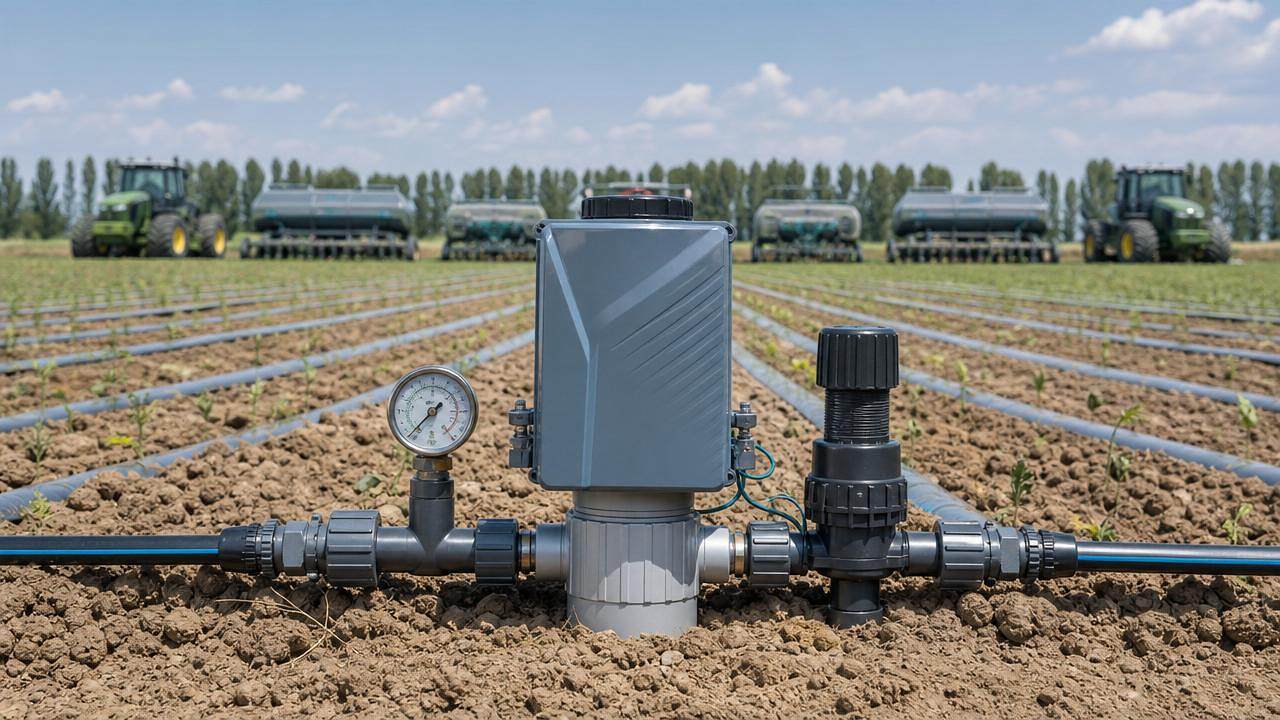




On May 25, 2026, Xinjiang Uygur Autonomous Region reported a 91% comprehensive crop mechanization rate, with concurrent compression of average export lead time for drip irrigation equipment—specifically Drip Irrigation Logic–class devices—to 25 days. This development is particularly relevant for agricultural equipment exporters, irrigation system integrators, supply chain service providers, and manufacturers engaged in smart agriculture hardware distribution across emerging markets.
Event Overview
On May 25, 2026, Gou Yongsheng, President of the Xinjiang Agricultural Machinery Industry Association, announced at a press briefing that the region’s comprehensive crop mechanization rate had reached 91%. He noted that large-scale mechanized farming provides empirical validation for iterative development of intelligent irrigation equipment. Leveraging localized assembly and bonded zone consolidation logistics under the China (Xinjiang) Pilot Free Trade Zone framework, the average export lead time for Drip Irrigation Logic–class equipment has been reduced from 38 days in Q4 2025 to 25 days as of the announcement date.
Industries Affected
Direct Export Trading Firms
These firms are affected because shorter lead times directly improve order-to-delivery predictability and competitiveness in international tenders—especially in regions where delivery speed influences bid evaluation criteria (e.g., Central Asia, East Africa). The impact manifests primarily in tighter scheduling windows, increased demand for just-in-time documentation, and heightened sensitivity to customs clearance delays at origin ports.
Manufacturers of Smart Irrigation Hardware
Manufacturers relying on Xinjiang-based final assembly or export consolidation face revised planning cycles. The compressed 25-day benchmark implies greater pressure on component procurement lead times, batch coordination across sub-suppliers, and real-time production tracking. It also signals potential standardization of modular design for faster integration and testing prior to shipment.
Supply Chain & Logistics Service Providers
Providers offering bonded warehousing, cross-border consolidation, or export compliance support in Xinjiang FTZ are experiencing intensified demand for synchronized documentation handling and multi-modal coordination (rail + road + port). The shift reflects an operational pivot toward high-frequency, low-volume consignments rather than infrequent bulk shipments—requiring updated capacity allocation and customs pre-clearance protocols.
Agricultural Technology Integrators
Integrators deploying full-field irrigation solutions—including control systems, sensors, and emitters—may observe accelerated adoption cycles in pilot regions where Xinjiang-sourced hardware now arrives faster. However, this does not automatically translate to broader deployment; localized agronomic validation, water rights frameworks, and after-sales service infrastructure remain binding constraints outside Xinjiang.
Key Considerations and Recommended Actions
Monitor official updates on FTZ consolidation procedures
The 25-day lead time relies explicitly on the Xinjiang Pilot Free Trade Zone’s集拼 (consolidation) model. Exporters should track any formal revisions to bonded logistics guidelines issued by the General Administration of Customs or Xinjiang FTZ Management Committee—particularly regarding eligibility criteria for consolidated shipments and permissible value-added activities within bonded zones.
Verify applicability beyond Drip Irrigation Logic–class devices
The reported lead time reduction applies specifically to Drip Irrigation Logic–class equipment. Firms sourcing other irrigation categories—such as pivot systems, fertigation controllers, or solar-powered pumps—should not assume equivalent timelines unless confirmed through direct engagement with local assembly partners or customs brokers operating in the FTZ.
Distinguish between policy enablement and operational readiness
The 25-day figure reflects current performance—not a guaranteed service level. Companies should assess actual throughput data (e.g., container dwell time at Ürümqi International Land Port, rail transit duration to border crossings) before committing to new delivery SLAs with overseas buyers. Real-world variability remains tied to seasonal freight volumes and cross-border inspection frequency.
Prepare for upstream synchronization requirements
To maintain the 25-day window, suppliers must align internal processes—including PCB sourcing, valve actuator calibration, and firmware flashing—with the FTZ’s consolidation schedule. Exporters should proactively map dependencies across Tier-2 and Tier-3 suppliers and identify single points of delay (e.g., imported microcontrollers subject to extended import licensing review).
Editorial Perspective / Industry Observation
Observably, this milestone reflects a localized optimization of export logistics—not a systemic upgrade across China’s broader agricultural equipment supply chain. The 91% mechanization rate in Xinjiang is context-specific: it benefits from large contiguous farmland, centralized farm management, and decades of state-supported infrastructure investment. Analysis shows the 25-day lead time is best understood as a targeted outcome enabled by geographic and regulatory specificity—not a generalizable benchmark for all irrigation exporters. From an industry perspective, this development signals growing operational maturity in regional export hubs, but its scalability depends on replicability of bonded consolidation models elsewhere—and whether similar efficiencies can be achieved without reliance on highly concentrated mechanized farming baselines.
Consequently, the event functions less as an immediate market catalyst and more as a signal of evolving logistical benchmarks in priority corridors. Industry stakeholders should treat it as a reference point for evaluating their own export process maturity—rather than as evidence of broad-based acceleration across the sector.
It is currently more appropriate to interpret this as a demonstration of how localized infrastructure and policy alignment can compress lead times in defined product categories—rather than as proof of structural improvement across global irrigation supply chains.
Conclusion
This update underscores how regional agricultural modernization and trade facilitation infrastructure can jointly influence equipment export efficiency—but only within tightly bounded conditions. For practitioners, the key takeaway is not that global delivery speeds are universally improving, but that success increasingly hinges on precise alignment with specific logistical ecosystems. Current evidence supports cautious, case-specific adoption of the 25-day benchmark—only where all enabling conditions (local assembly, FTZ consolidation access, standardized device classification) are verifiably present.
Information Source
Main source: Press briefing by Gou Yongsheng, President of Xinjiang Agricultural Machinery Industry Association, held on May 25, 2026. No additional data sources or third-party verification were cited in the original announcement. Ongoing observation is warranted regarding whether the 25-day lead time is sustained across consecutive quarters and whether it extends to non-Drip Irrigation Logic product lines.
Related News
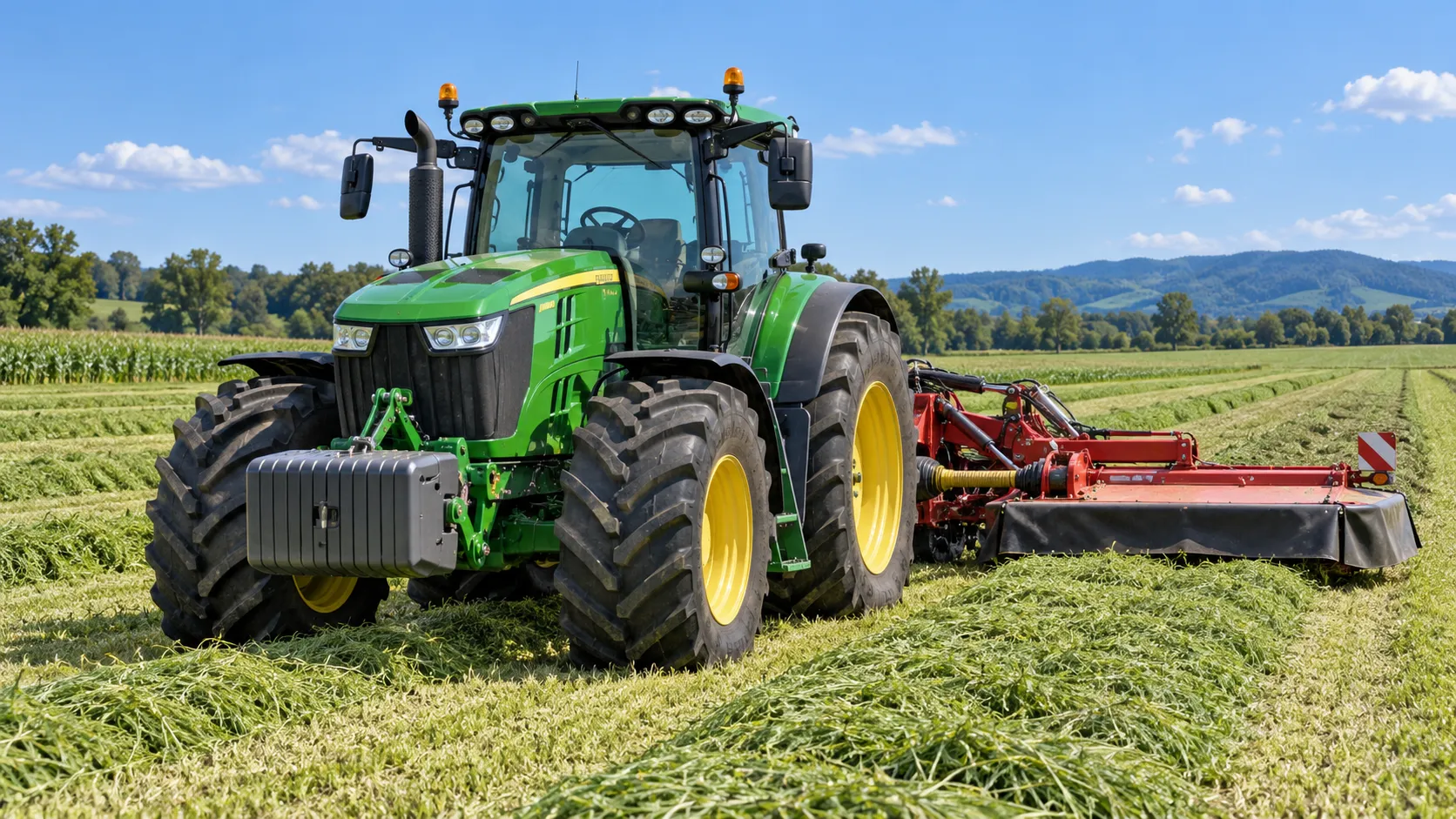
Tractor Specification Sheets: Matching PTO, Hydraulics, and Weight to Farm Tasks
Specification-oriented articles for tractors: match PTO, hydraulics, lift capacity, ballast, and weight to real farm tasks for safer, more efficient equipment choices.
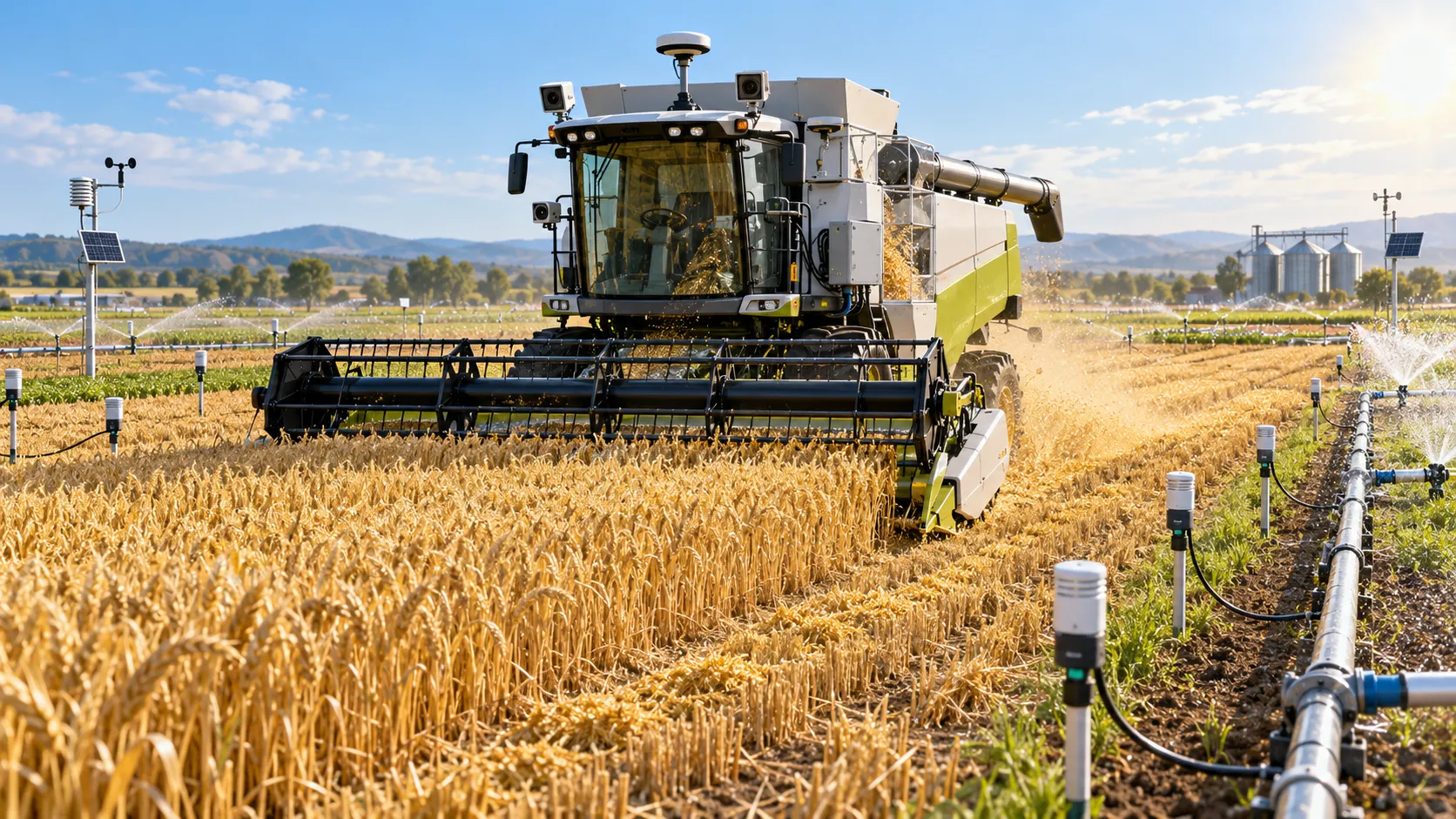
How to Evaluate Dynamic Feedback Algorithm Suppliers for Precision Farming Systems
Dynamic feedback algorithms supplier evaluation guide for precision farming—compare validation, integration, safety, and pilots to choose with confidence.
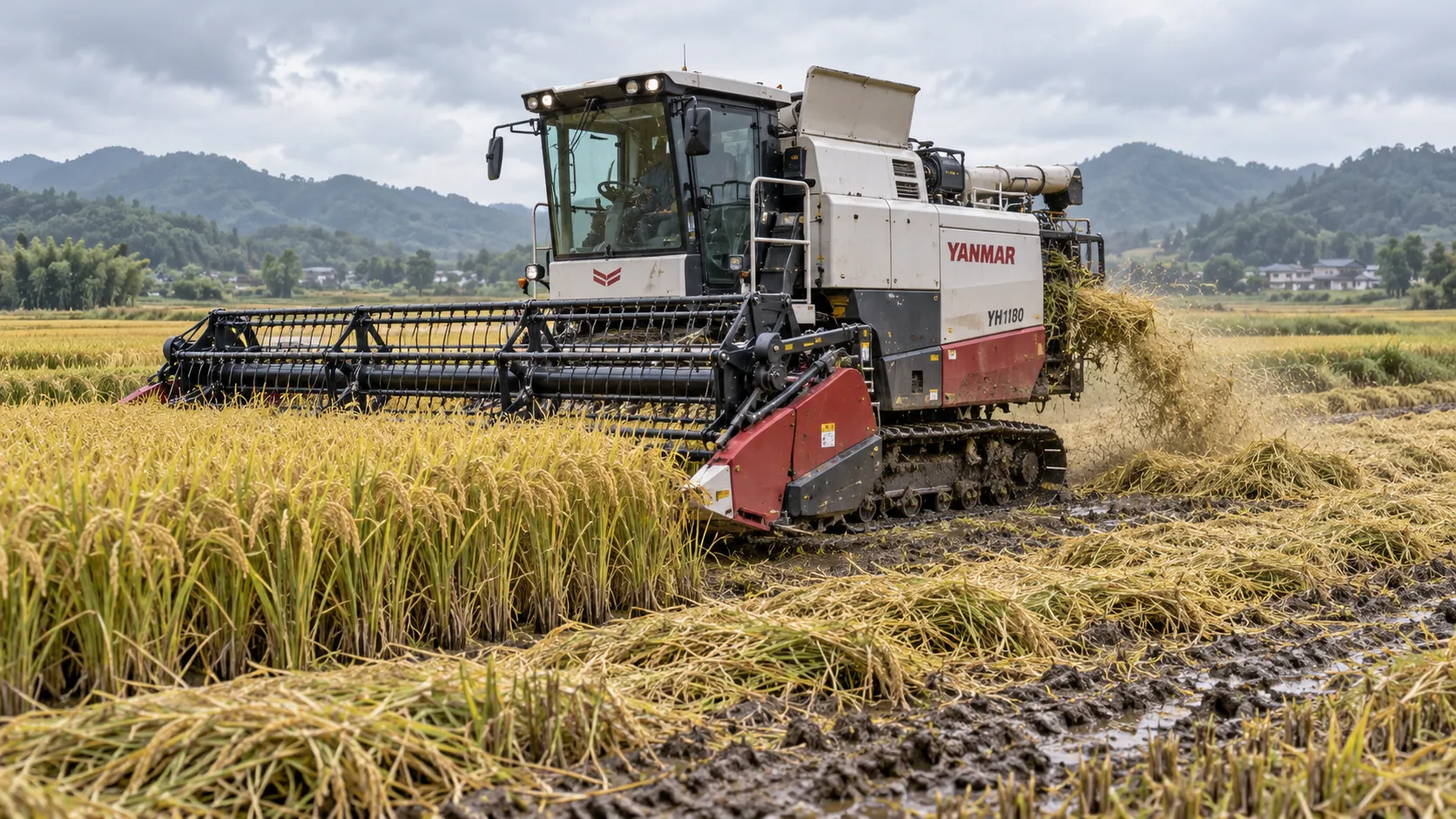
How to Specify Combine Harvester Systems for High-Moisture Grain and Variable Field Conditions
Combine harvester systems for high-moisture grain: learn how to specify threshing, cleaning, headers, traction, and automation for reliable harvests in variable fields.
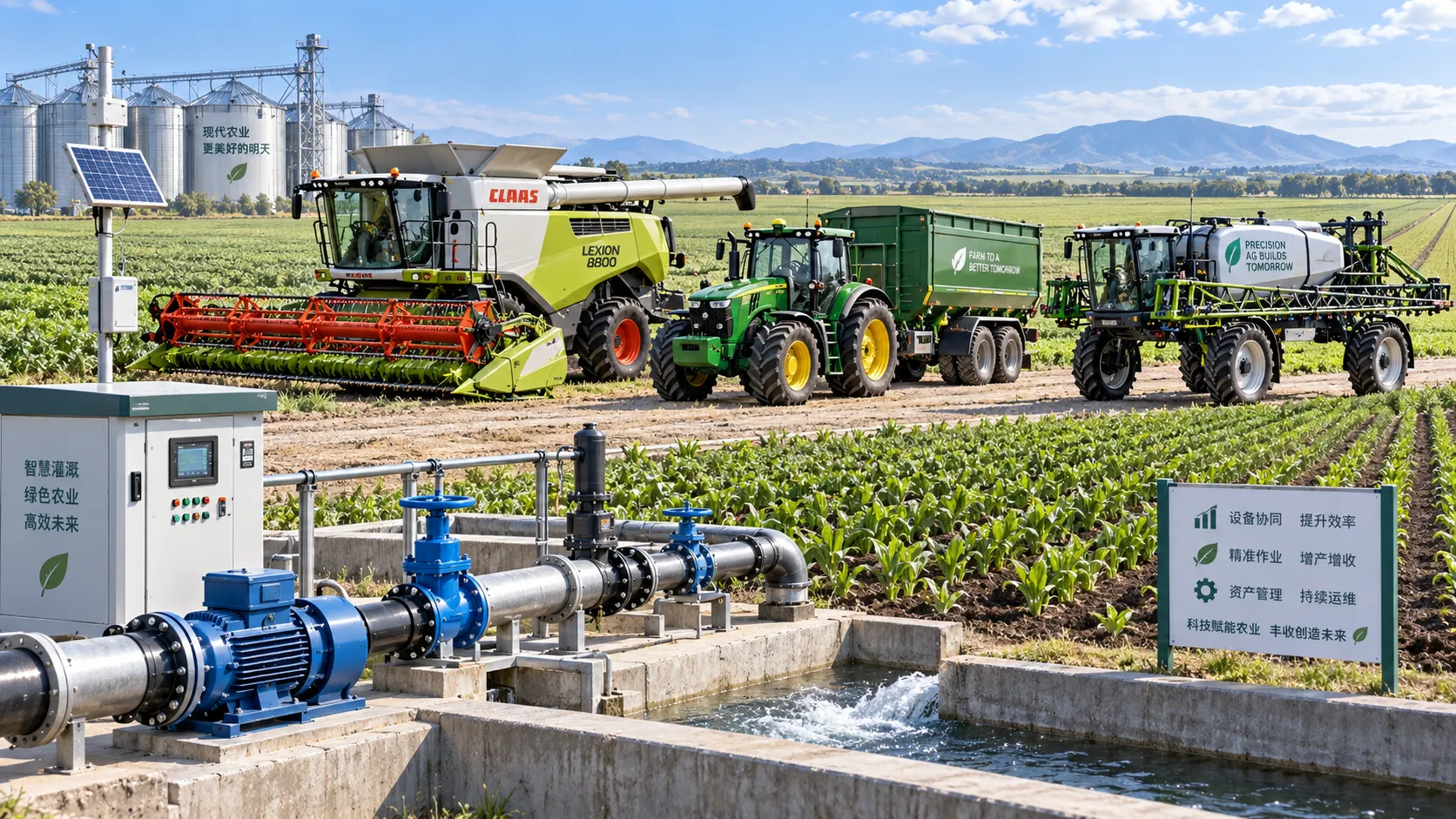
How to Compare Agricultural Equipment Platforms for Fleet Management and ROI
Agricultural equipment platform comparison: evaluate fleet data, maintenance, precision workflows, and ROI to choose a system that delivers measurable results.
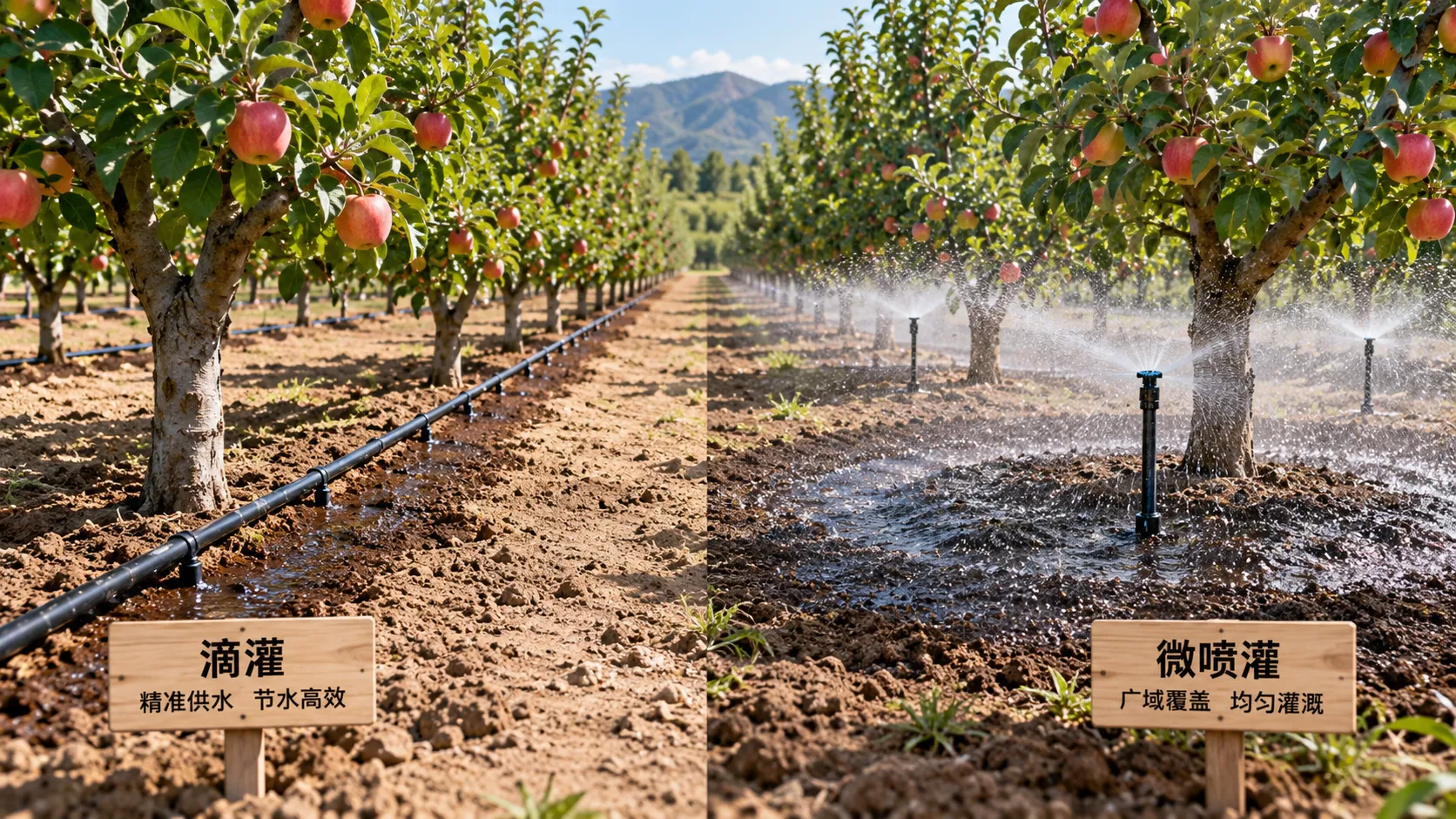
Drip vs. Micro-Sprinkler Irrigation: Which System Fits Your Orchard?
Irrigation solution comparison for orchards: discover whether drip or micro-sprinklers best match your water, soil, roots, fertigation, and frost needs.
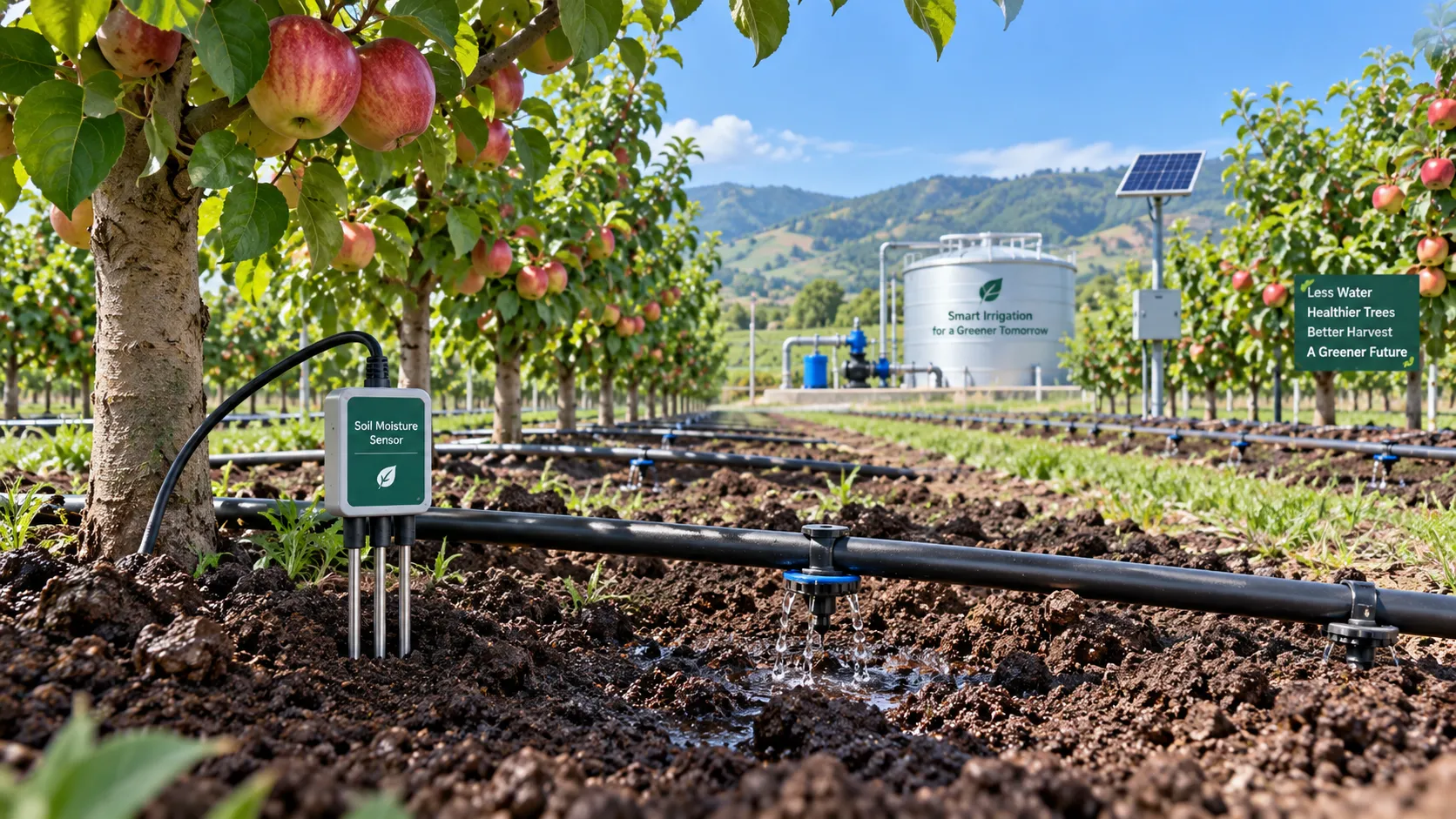
Orchard Water Management: Using Soil Moisture Data to Schedule Irrigation
Agricultural water management for orchards made practical: use soil moisture data to optimize irrigation timing, protect yield, reduce costs, and improve resilience.
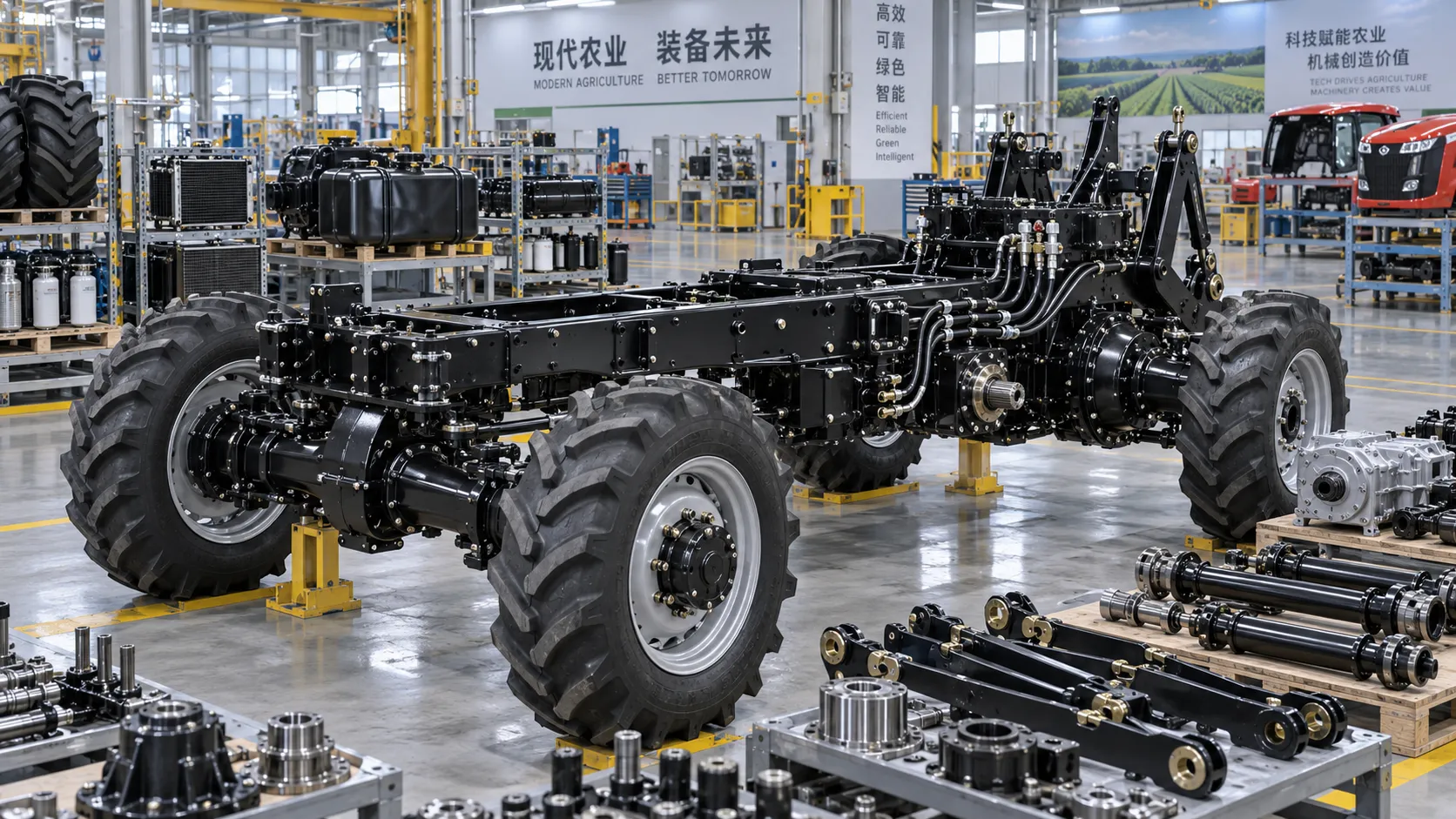
Tractor Chassis Price: What Buyers Should Compare Beyond the Initial Quote
Tractor chassis price is only the start. Compare load capacity, compatibility, durability, and lifecycle costs to choose a reliable, high-value chassis.
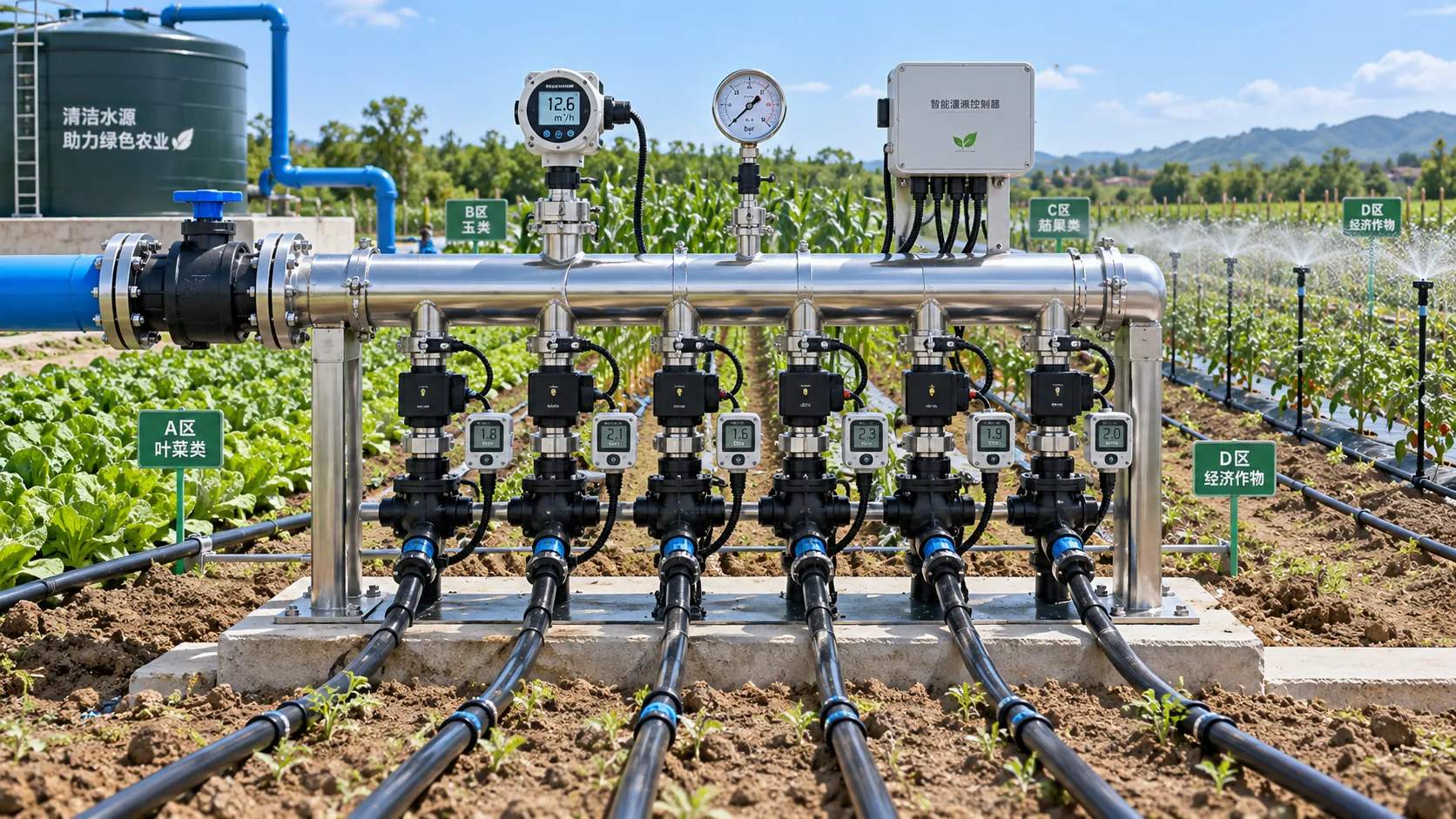
How to Select Smart Irrigation Valves for Multi-Zone Water Management?
Intelligent irrigation systems valves: learn how to match smart valves with multi-zone flow, pressure, control, feedback, and communication needs for reliable water management.
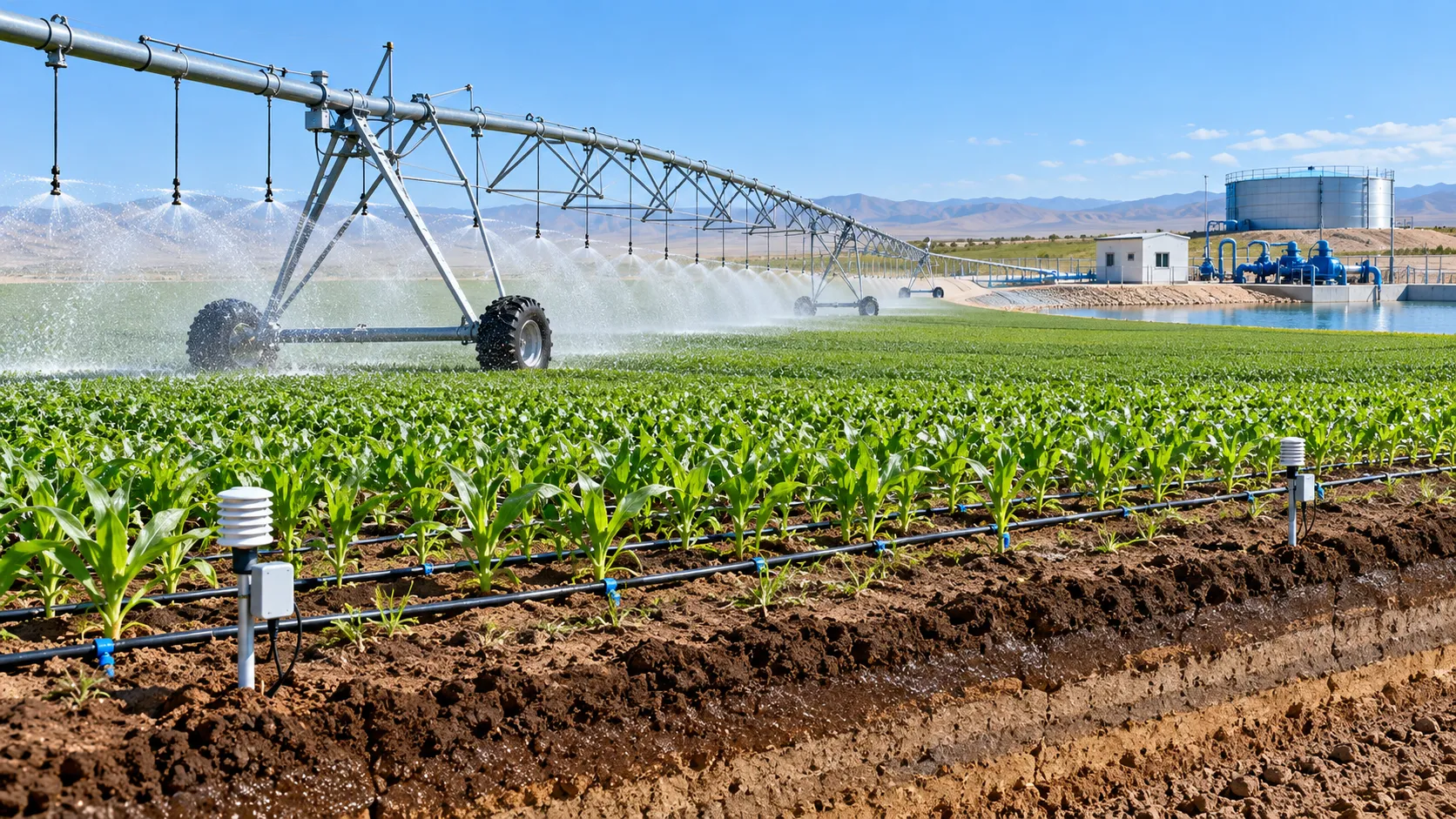
Climate-Smart Farming for Drought: A Practical Plan for Protecting Yields
Climate-smart farming for drought: build smarter water budgets, protect critical crop stages, improve irrigation uniformity, and safeguard yields with practical field-proven strategies.
Related News
- 00
0000-00
Tractor Specification Sheets: Matching PTO, Hydraulics, and Weight to Farm Tasks - 00
0000-00
How to Evaluate Dynamic Feedback Algorithm Suppliers for Precision Farming Systems - 00
0000-00
How to Specify Combine Harvester Systems for High-Moisture Grain and Variable Field Conditions - 00
0000-00
How to Compare Agricultural Equipment Platforms for Fleet Management and ROI - 00
0000-00
Drip vs. Micro-Sprinkler Irrigation: Which System Fits Your Orchard?
Popular Tags
Industry Global
Weekly Insights
Stay ahead with our curated technology reports delivered every Monday.