
EAC Certification Now Mandatory for EAEU Market Access





Effective May 26, 2026, EAC certification has been formally elevated to a mandatory compliance requirement for market entry into the Russian Federation and the Eurasian Economic Union (EAEU), significantly impacting manufacturers and exporters of agricultural machinery, smart irrigation systems, and autonomous operation platforms.
Mandatory EAC Certification Enters Force
As officially announced on May 26, 2026, EAC certification is now a statutory prerequisite for customs clearance and commercial sale in the EAEU. This requirement applies uniformly to agricultural machinery, intelligent irrigation equipment, and autonomous operating systems. The updated regulation imposes stricter type examination and traceability obligations specifically on integrated intelligent components—including GPS Guidance Systems, Variable Rate Technology (VRT), and Autonomous Robots. Products lacking valid, up-to-date EAC certificates will be denied entry at border checkpoints.
Impact Across the Agricultural Technology Value Chain
Direct Exporters
Export-oriented enterprises must now embed EAC conformity assessment into core export workflows—not as a post-sale formality but as a pre-shipment gatekeeping step. Delays or non-compliance directly trigger shipment rejection, affecting delivery schedules, contractual penalties, and customer trust.
Raw Material and Component Suppliers
Suppliers of critical subsystems—such as GNSS modules, variable-rate controllers, or robotic drive units—face heightened scrutiny. Their technical documentation, firmware versioning, and production traceability must align with EAC requirements, as downstream certification hinges on component-level compliance evidence.
Equipment Manufacturers
Manufacturers must revise internal quality management protocols to ensure full lifecycle traceability—from design validation through serial production. Notably, software-defined functionalities (e.g., VRT algorithms or autonomous navigation logic) now fall under formal type approval scope, requiring documented verification and update control procedures.
Supply Chain and Compliance Service Providers
Third-party testing labs, certification bodies, and regulatory consultants are experiencing increased demand for EAC-specific technical reviews, especially for AI-enabled and OTA-updatable systems. Their role is shifting from document processors to technical partners in system-level conformity assurance.
Key Focus Areas for Enterprise Preparedness
Accelerated EAC Certification Planning
Organizations should initiate EAC conformity projects no later than six months prior to intended market launch—accounting for potential retesting cycles, technical documentation gaps, and notified body capacity constraints.
Smart Module Documentation and Traceability
For GPS Guidance Systems, VRT controllers, and Autonomous Robots, maintain complete hardware/software bill-of-materials, firmware revision logs, and functional safety evidence aligned with EAEU TR CU 010/2011 (Safety of Machines) and TR CU 020/2011 (EMC).
Supplier Qualification and Subsystem Validation
Verify that all tier-1 suppliers provide EAC-relevant declarations, test reports, and production process certifications—not just CE or ISO documents—as these may not satisfy EAEU’s specific technical regulations.
Customs and Logistics Coordination
Ensure shipping documentation explicitly references valid EAC certificate numbers and corresponding product model ranges; discrepancies between declared models and certified variants remain a leading cause of customs hold-ups.
Industry Perspective: Beyond Compliance Toward Systemic Readiness
Analysis shows this regulatory shift reflects a broader trend: EAEU authorities are progressively treating intelligent agricultural systems not as assemblies of discrete machines, but as integrated cyber-physical platforms requiring holistic conformity governance. From an industry perspective, the added emphasis on firmware traceability and algorithmic transparency signals a move toward lifecycle-based oversight—not just static product approval. What deserves closer attention is how national accreditation bodies interpret ‘autonomous operation’ for certification purposes, particularly regarding edge-case behavior and over-the-air update validation. Observably, manufacturers with mature functional safety frameworks (e.g., ISO 26262 or IEC 61508 adaptations) are better positioned to meet evolving expectations.
Strategic Implications for Global Agri-Tech Players
This mandate marks a structural inflection point: EAC certification is no longer a regional administrative step—it is now a foundational element of product development strategy for any company targeting EAEU markets. Its significance lies less in procedural complexity and more in its signal that regulatory maturity is becoming a non-negotiable competitive differentiator. A rational conclusion is that early adopters of integrated compliance-by-design practices will gain measurable advantages in time-to-market, audit resilience, and cross-border scalability.
Source Attribution and Monitoring Guidance
This article was generated exclusively from the provided title, event date (May 26, 2026), and summary. Specific official source links were not provided in the input and should be verified continuously. Stakeholders are advised to monitor updates from EAEU’s Eurasian Economic Commission (EEC), national accreditation bodies (e.g., Rosaccreditation), and official technical regulation amendments—particularly concerning implementation guidelines for software-intensive agricultural systems, transitional arrangements, and notified body authorization status.
Related News
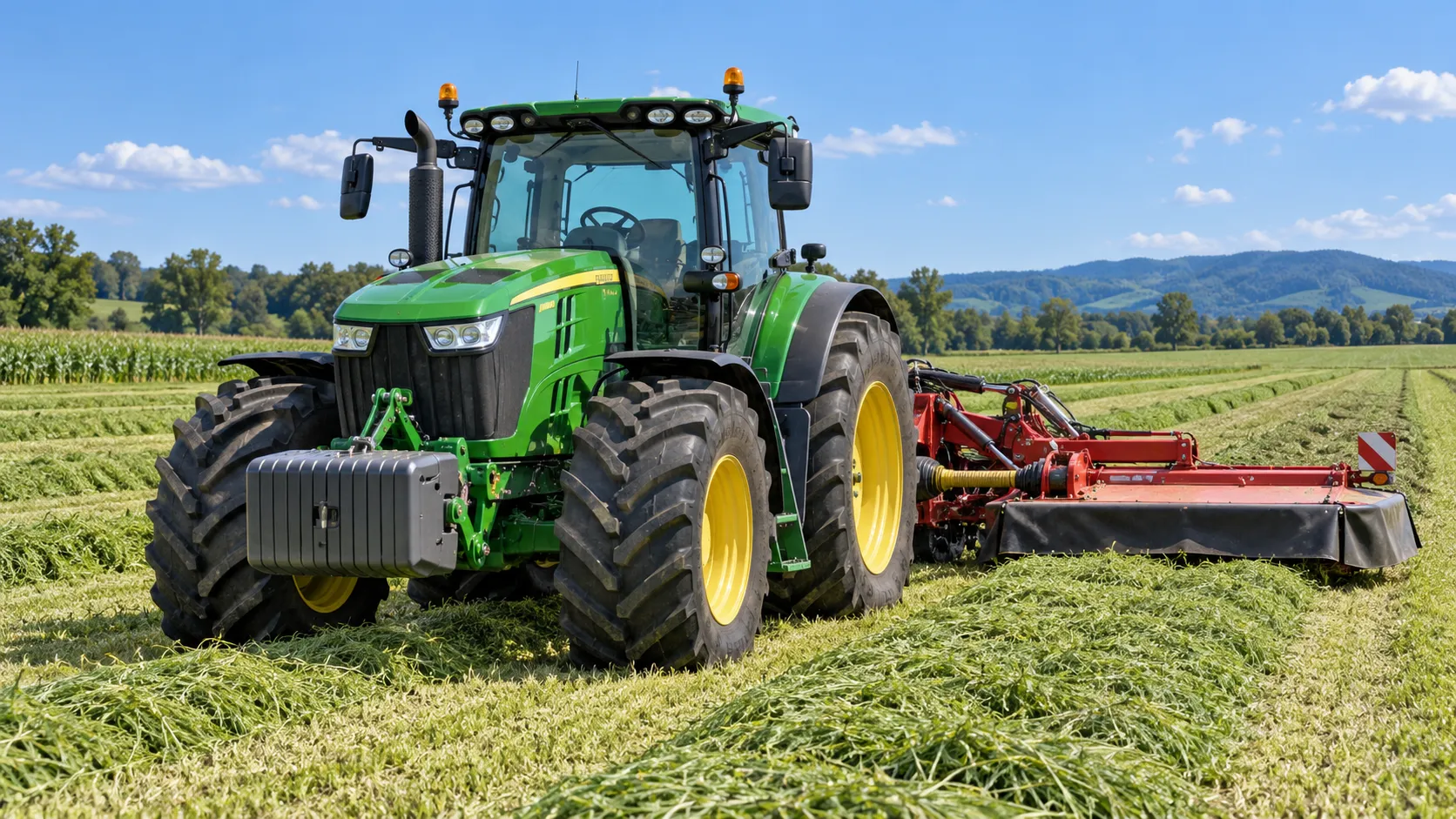
Tractor Specification Sheets: Matching PTO, Hydraulics, and Weight to Farm Tasks
Specification-oriented articles for tractors: match PTO, hydraulics, lift capacity, ballast, and weight to real farm tasks for safer, more efficient equipment choices.
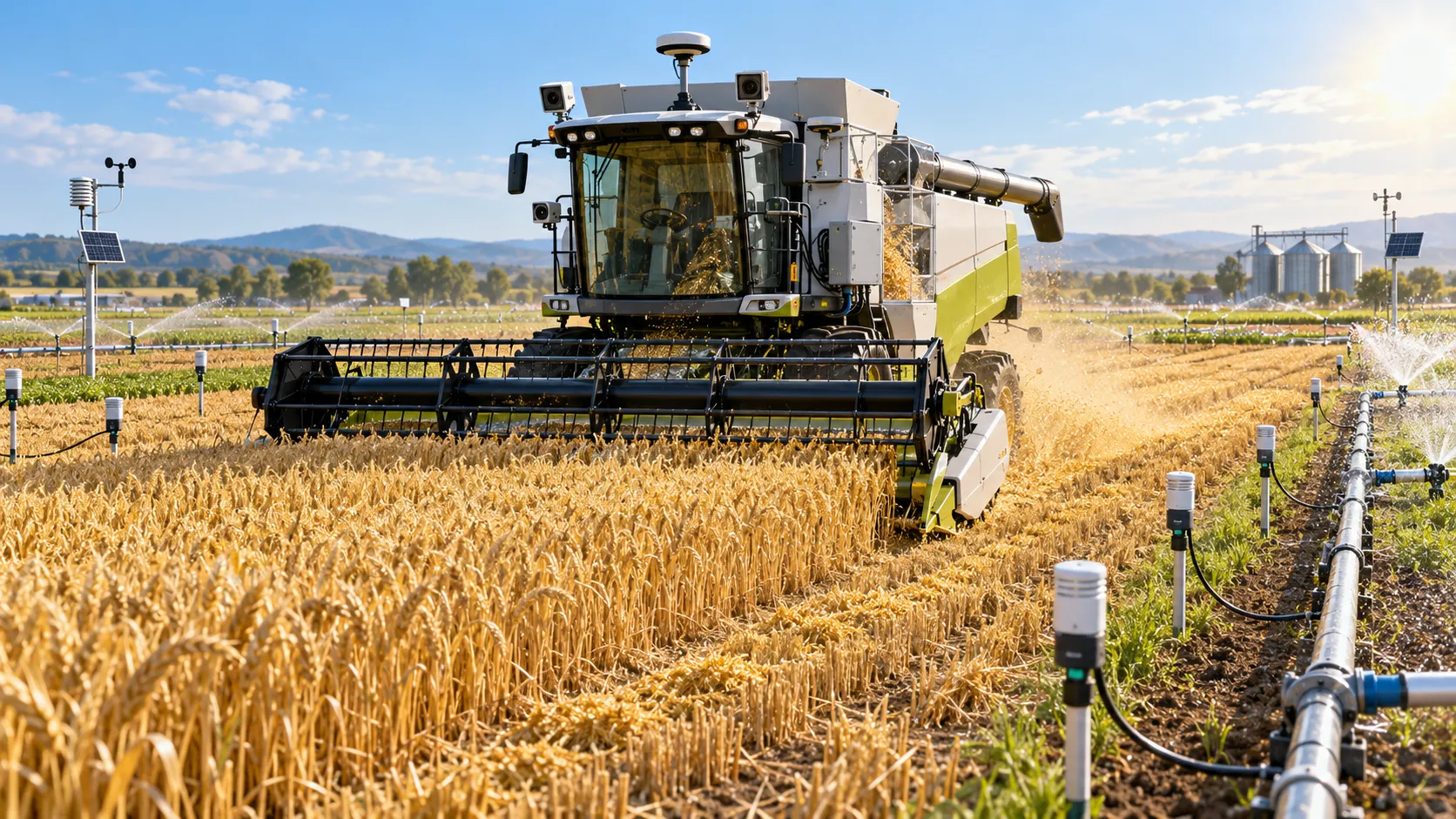
How to Evaluate Dynamic Feedback Algorithm Suppliers for Precision Farming Systems
Dynamic feedback algorithms supplier evaluation guide for precision farming—compare validation, integration, safety, and pilots to choose with confidence.
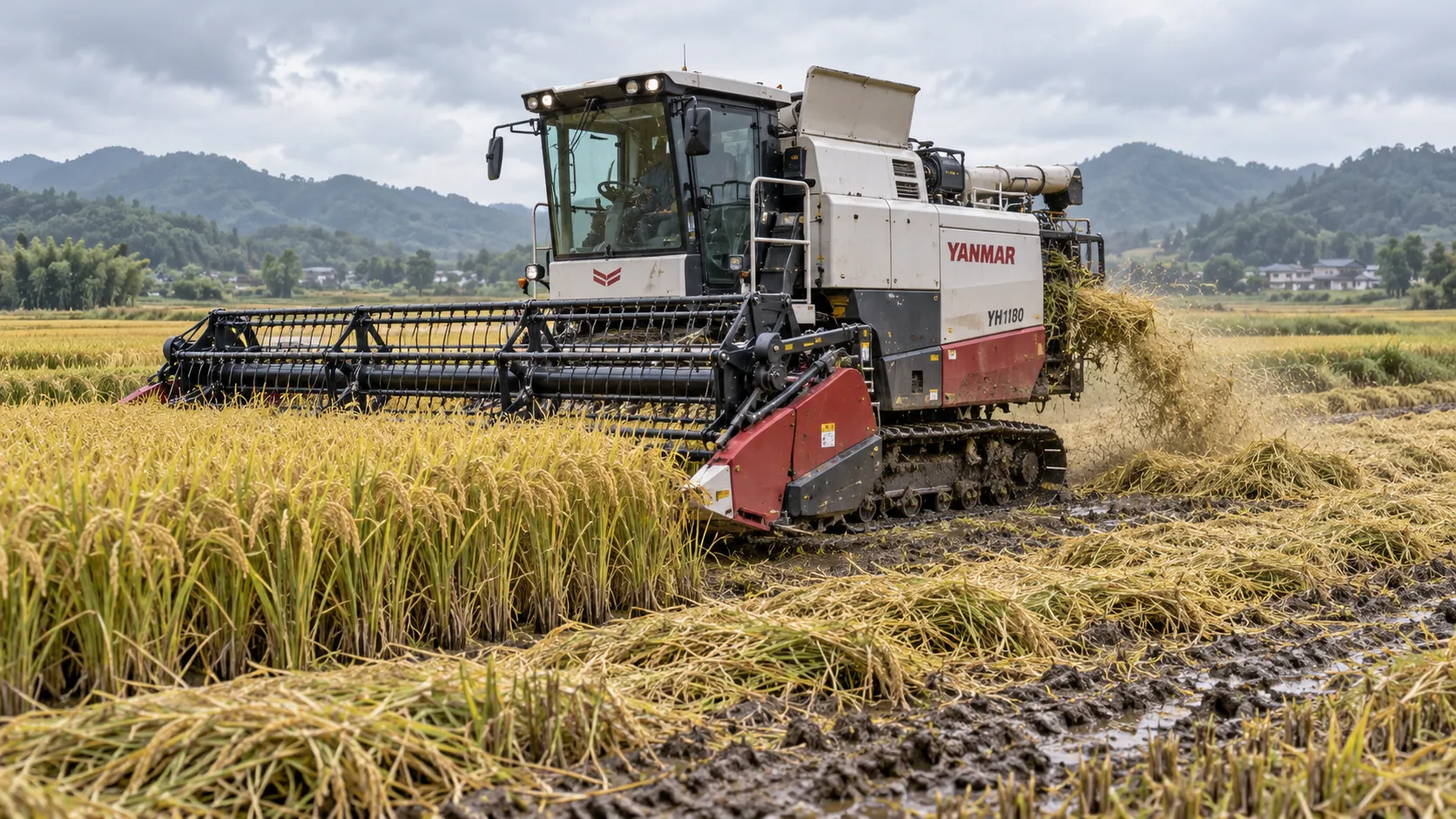
How to Specify Combine Harvester Systems for High-Moisture Grain and Variable Field Conditions
Combine harvester systems for high-moisture grain: learn how to specify threshing, cleaning, headers, traction, and automation for reliable harvests in variable fields.
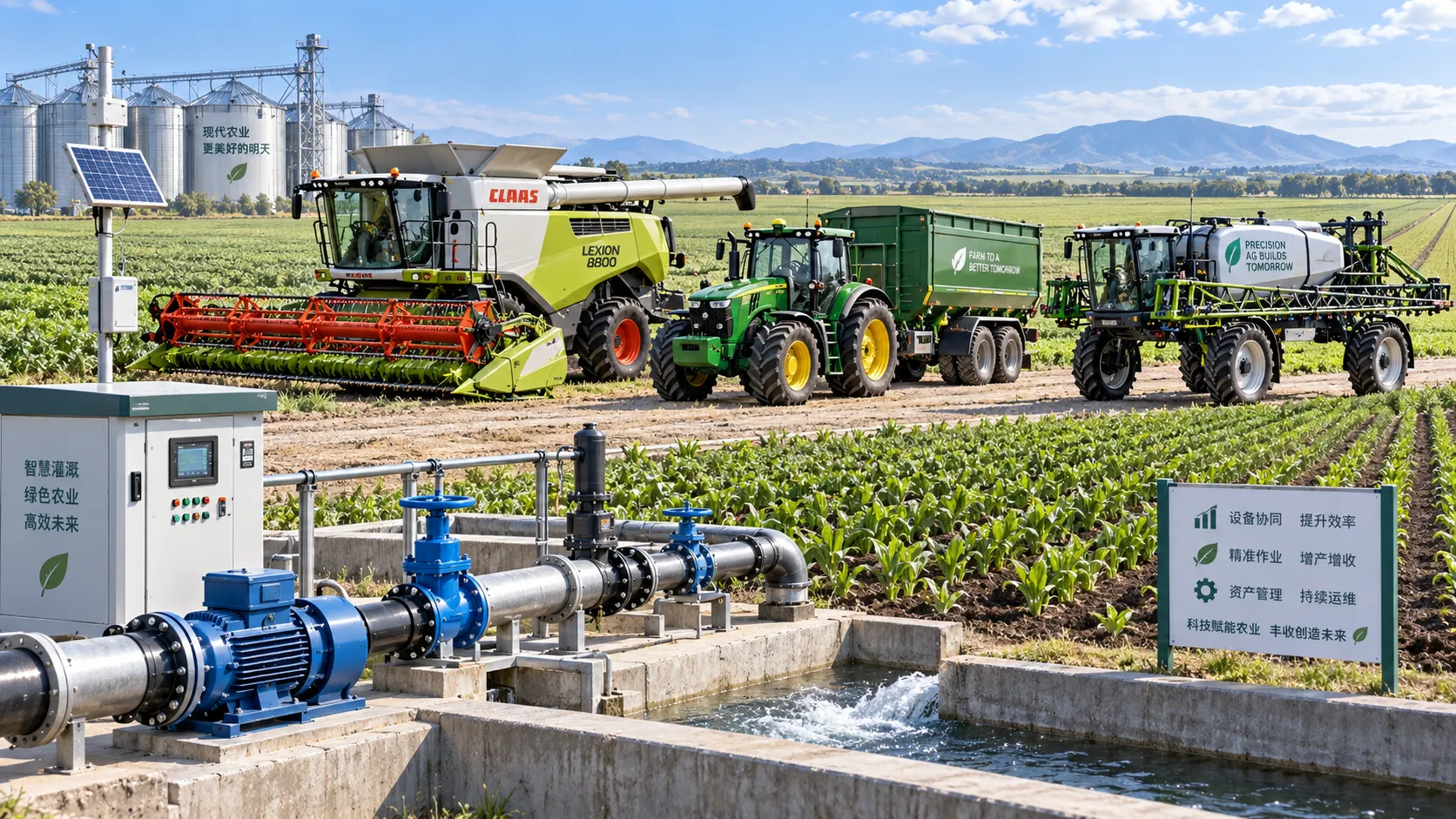
How to Compare Agricultural Equipment Platforms for Fleet Management and ROI
Agricultural equipment platform comparison: evaluate fleet data, maintenance, precision workflows, and ROI to choose a system that delivers measurable results.
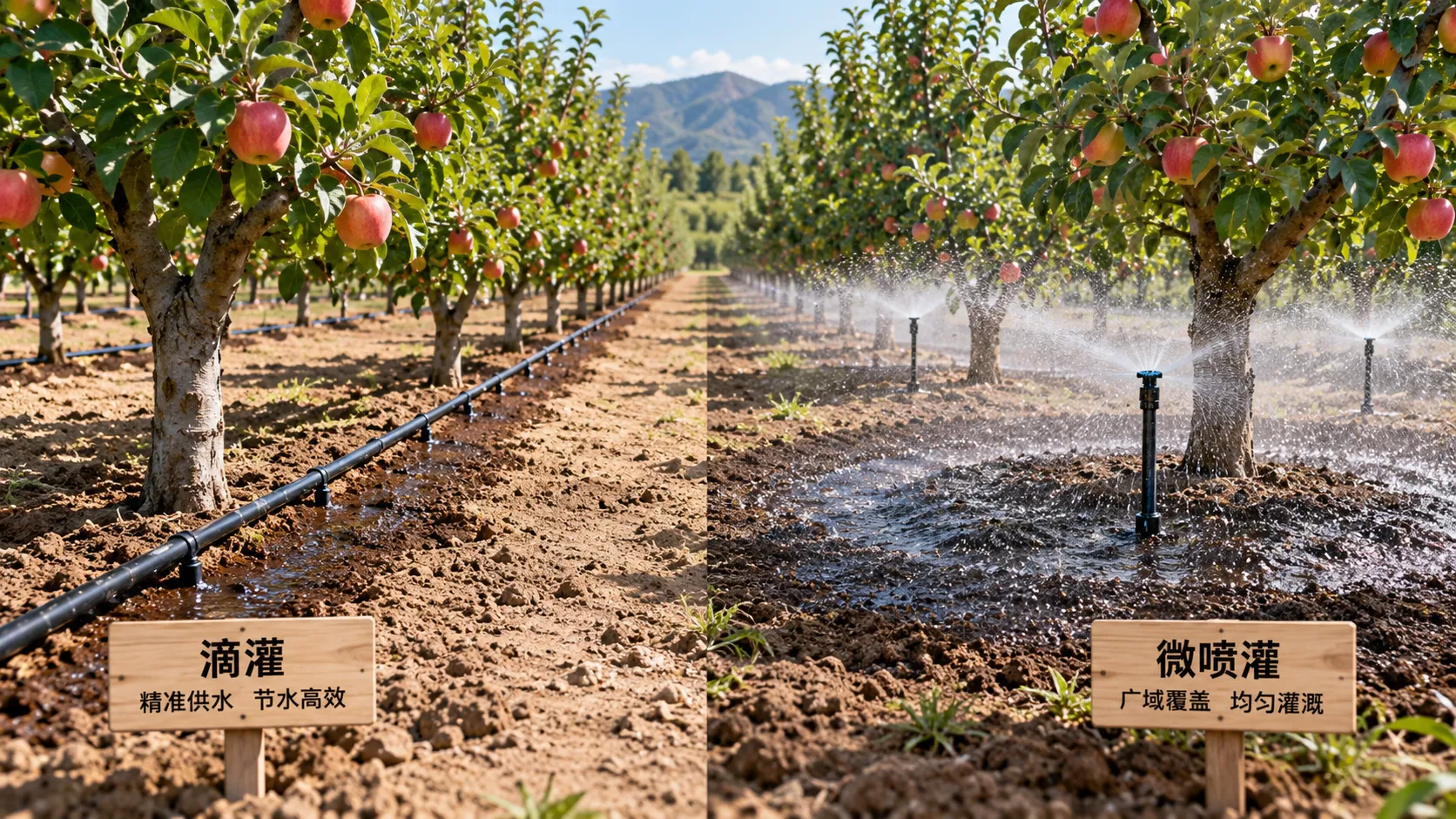
Drip vs. Micro-Sprinkler Irrigation: Which System Fits Your Orchard?
Irrigation solution comparison for orchards: discover whether drip or micro-sprinklers best match your water, soil, roots, fertigation, and frost needs.
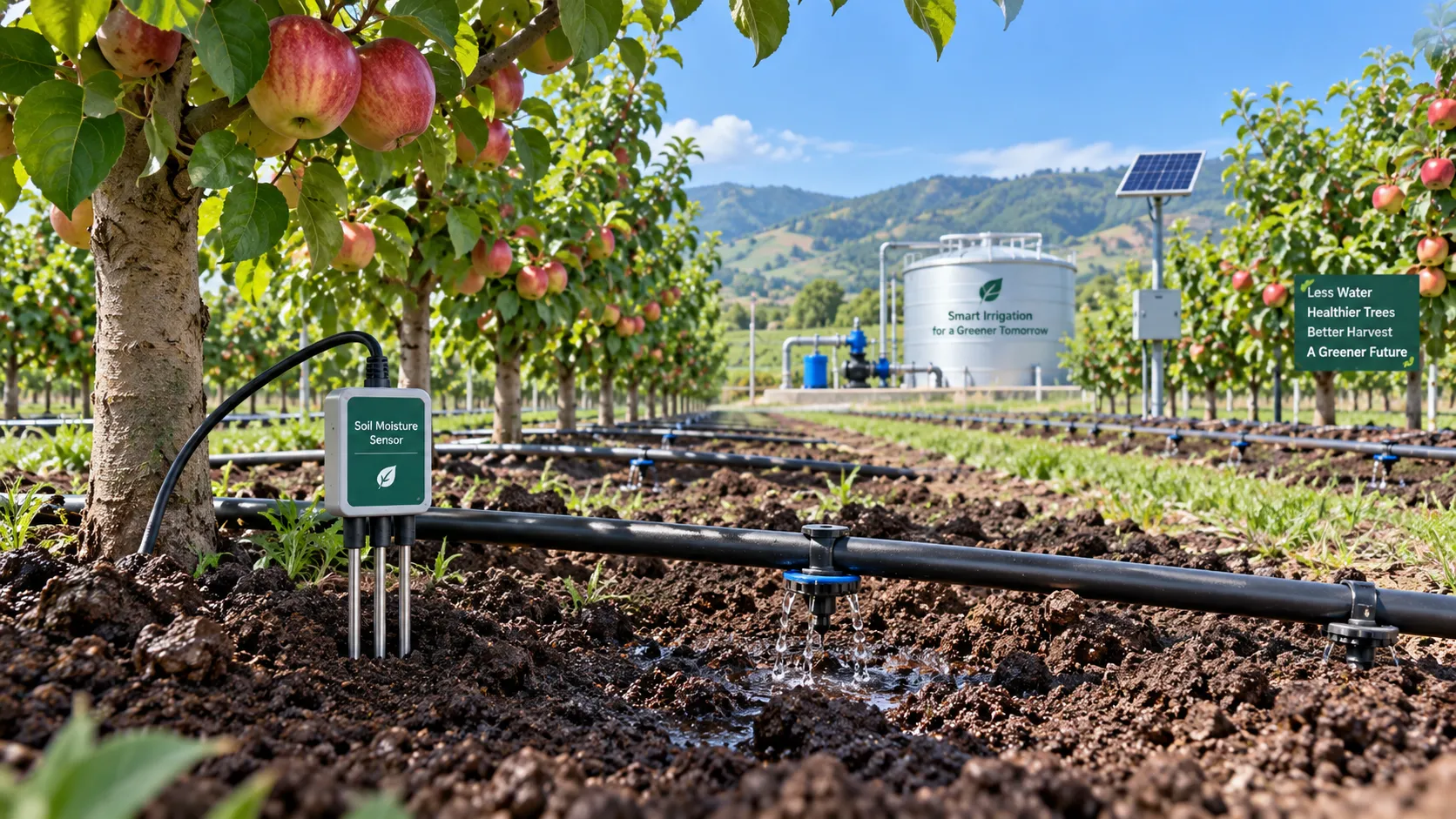
Orchard Water Management: Using Soil Moisture Data to Schedule Irrigation
Agricultural water management for orchards made practical: use soil moisture data to optimize irrigation timing, protect yield, reduce costs, and improve resilience.
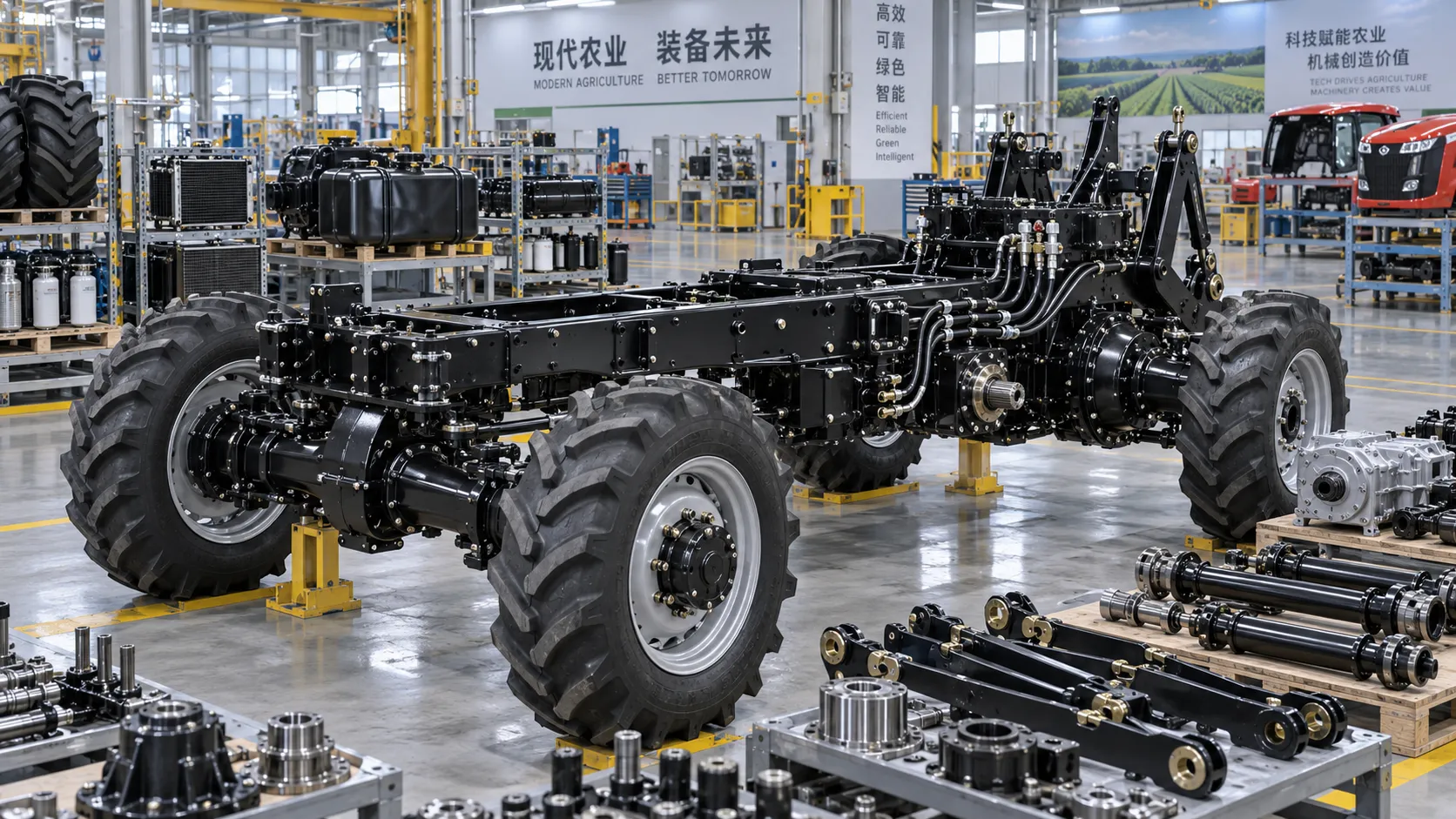
Tractor Chassis Price: What Buyers Should Compare Beyond the Initial Quote
Tractor chassis price is only the start. Compare load capacity, compatibility, durability, and lifecycle costs to choose a reliable, high-value chassis.
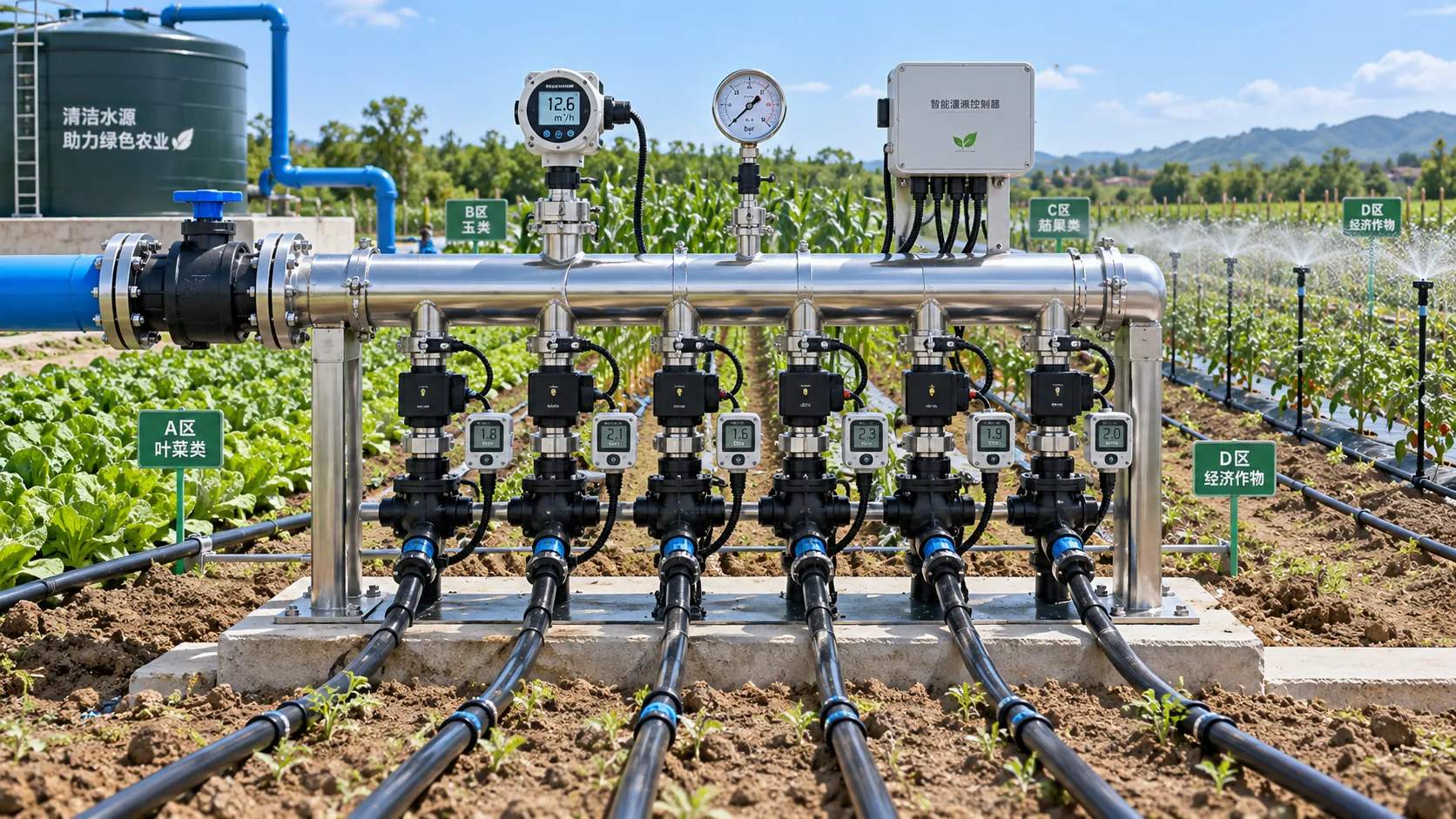
How to Select Smart Irrigation Valves for Multi-Zone Water Management?
Intelligent irrigation systems valves: learn how to match smart valves with multi-zone flow, pressure, control, feedback, and communication needs for reliable water management.
Climate-Smart Farming for Drought: A Practical Plan for Protecting Yields
Climate-smart farming for drought: build smarter water budgets, protect critical crop stages, improve irrigation uniformity, and safeguard yields with practical field-proven strategies.
Related News
- 00
0000-00
Tractor Specification Sheets: Matching PTO, Hydraulics, and Weight to Farm Tasks - 00
0000-00
How to Evaluate Dynamic Feedback Algorithm Suppliers for Precision Farming Systems - 00
0000-00
How to Specify Combine Harvester Systems for High-Moisture Grain and Variable Field Conditions - 00
0000-00
How to Compare Agricultural Equipment Platforms for Fleet Management and ROI - 00
0000-00
Drip vs. Micro-Sprinkler Irrigation: Which System Fits Your Orchard?
Popular Tags
Industry Global
Weekly Insights
Stay ahead with our curated technology reports delivered every Monday.