
China Imposes Zero Tariffs on Irrigation Equipment for 20 African Nations
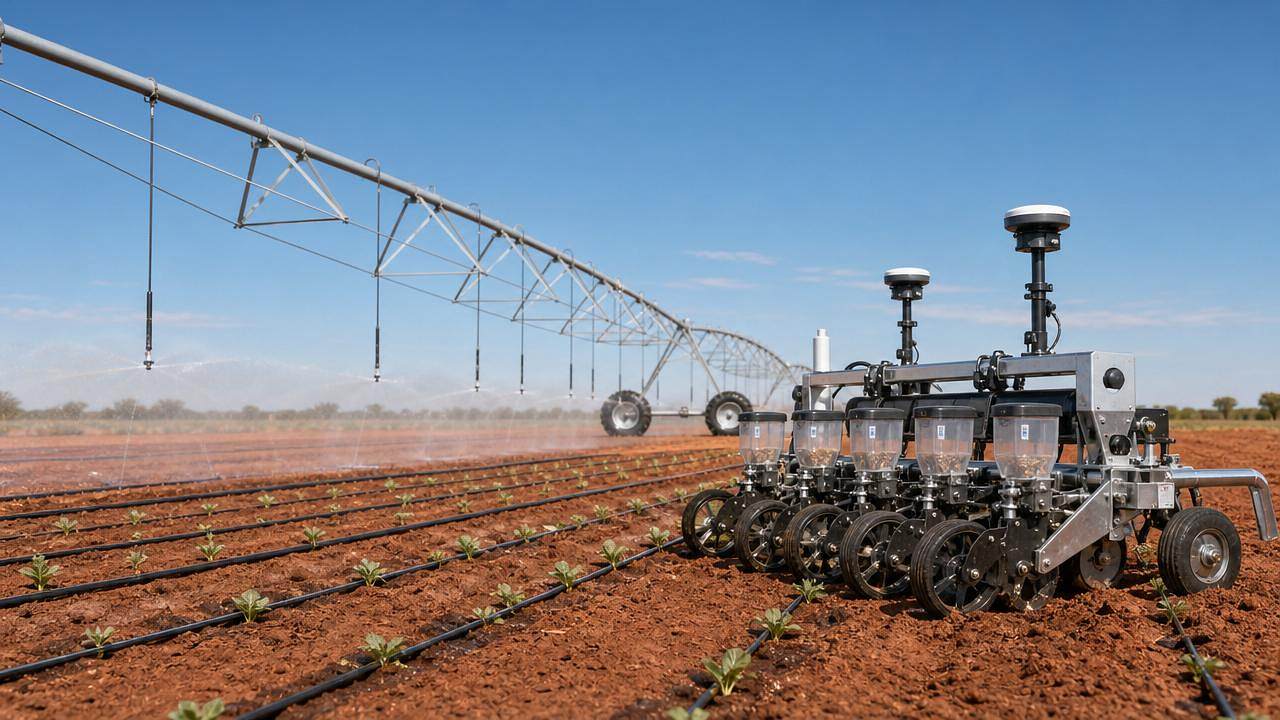




Effective May 1, 2026, China has implemented zero tariffs on key agricultural irrigation equipment exported to 20 African countries with which it maintains diplomatic relations — directly impacting manufacturers, exporters, and service providers in the smart irrigation sector.
Policy Implementation Details
Starting May 1, 2026, China applies zero import tariffs — within established quotas — on all drip irrigation systems (Drip Irrigation Logic), precision seeders & planters (Seeders & Planters), and center pivot systems (Center Pivot Systems) destined for 20 African countries with formal diplomatic ties to China. This measure covers the full scope of these product categories under the tariff concession arrangement.
Impact Across Industry Stakeholders
Export-oriented trading enterprises
These firms face immediate reductions in landed cost for target markets, improving gross margins and competitive positioning in public tenders and private farm procurement. They must now verify quota eligibility per consignment and ensure accurate Harmonized System (HS) code classification to qualify for duty-free treatment.
Raw material and component suppliers
Suppliers supporting irrigation equipment production may experience increased order visibility, especially for certified subassemblies such as pressure-compensating emitters or GPS-guided planting modules. However, demand shifts will depend on downstream manufacturers’ scaling timelines and export readiness.
Equipment manufacturers
Manufacturers gain enhanced price competitiveness for turnkey solutions in large-scale African farming operations. To capitalize, they must align production planning with quota windows, maintain updated origin documentation (e.g., Certificate of Origin Form A), and ensure conformity with destination-country technical requirements — even where tariffs are removed.
Supply chain and logistics service providers
Freight forwarders and customs brokers serving this trade lane need to update tariff databases, train staff on new preferential procedures, and strengthen coordination with exporters on documentation accuracy — particularly for quota monitoring and post-clearance verification risks.
Key Operational Considerations for Enterprises
Verify product eligibility and quota availability
Not all exports automatically qualify — only those falling under the defined scope and within annual or per-shipment quota limits. Companies must confirm HS codes against the official list and track real-time quota utilization through designated customs channels.
Ensure origin compliance and documentation integrity
The zero-tariff benefit is conditional upon strict adherence to Rules of Origin. Manufacturers must retain verifiable records of domestic value addition and submit valid Form A certificates — deviations risk retroactive duty assessment and shipment delays.
Align technical specifications with African market requirements
Tariff removal does not override local regulatory or tender-specific technical standards. Exporters must still validate compatibility with regional irrigation water quality parameters, power supply conditions, and mechanized farm infrastructure — especially for Center Pivot Systems requiring stable voltage and level terrain.
Review after-sales support capacity
Increased deployment volume raises expectations for field service, spare parts logistics, and operator training. Firms should assess their in-region technical partnerships and warranty claim workflows before scaling shipments.
Industry Perspective: Beyond Tariff Reduction
Analysis shows that while the zero-tariff policy lowers entry barriers, its long-term impact hinges less on cost alone and more on how quickly Chinese exporters integrate localized support ecosystems. Observably, African procurement agencies increasingly prioritize lifecycle reliability, spare parts availability, and multilingual technical documentation — factors unaffected by tariff status. It is more appropriate to understand this measure as a catalyst for operational maturity, not merely a pricing lever. What deserves closer attention is whether manufacturers invest proportionally in after-sales infrastructure — not just export volume growth.
Strategic Implications for the Sector
This policy marks a structural shift toward deeper agricultural technology cooperation between China and Africa — moving beyond transactional trade to integrated farm productivity solutions. Its significance lies not in immediate revenue uplift, but in accelerating the adoption of standardized, interoperable smart irrigation platforms across diverse agro-ecological zones. Sustainable advantage will accrue to firms that treat tariff relief as an enabler for system-level capability building — rather than a standalone margin event.
Source Information and Verification Notes
This article is generated exclusively from the user-provided information: title, effective date (May 1, 2026), and summary description. Specific official source links were not provided in the input and should be verified continuously. Stakeholders are advised to monitor updates from China’s Ministry of Commerce (MOFCOM), General Administration of Customs of China (GACC), and relevant African customs authorities — particularly regarding quota administration mechanisms, origin certification procedures, and any subsequent amendments to product coverage or eligibility criteria.
Related News

Tractor Specification Sheets: Matching PTO, Hydraulics, and Weight to Farm Tasks
Specification-oriented articles for tractors: match PTO, hydraulics, lift capacity, ballast, and weight to real farm tasks for safer, more efficient equipment choices.

How to Evaluate Dynamic Feedback Algorithm Suppliers for Precision Farming Systems
Dynamic feedback algorithms supplier evaluation guide for precision farming—compare validation, integration, safety, and pilots to choose with confidence.
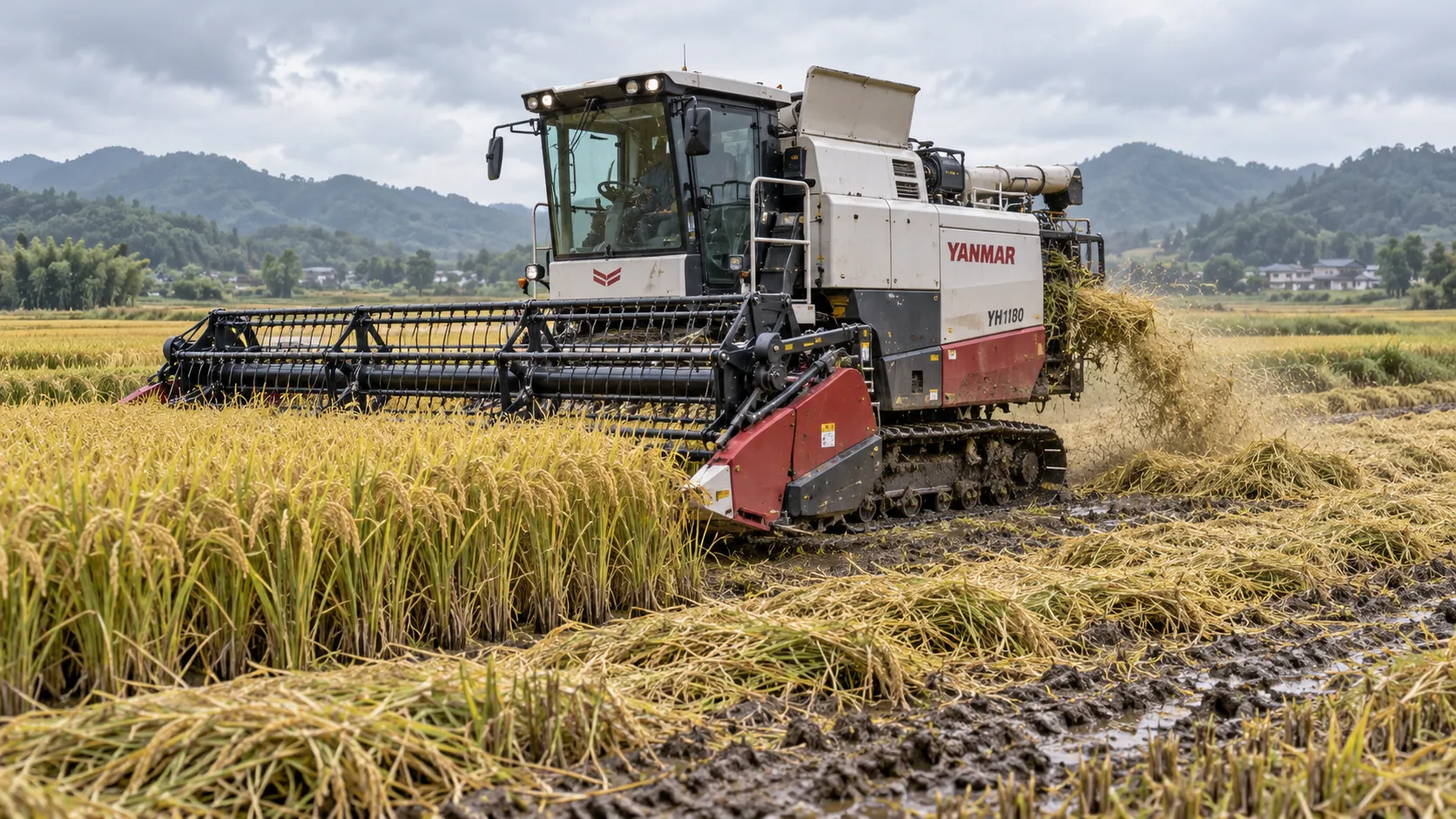
How to Specify Combine Harvester Systems for High-Moisture Grain and Variable Field Conditions
Combine harvester systems for high-moisture grain: learn how to specify threshing, cleaning, headers, traction, and automation for reliable harvests in variable fields.
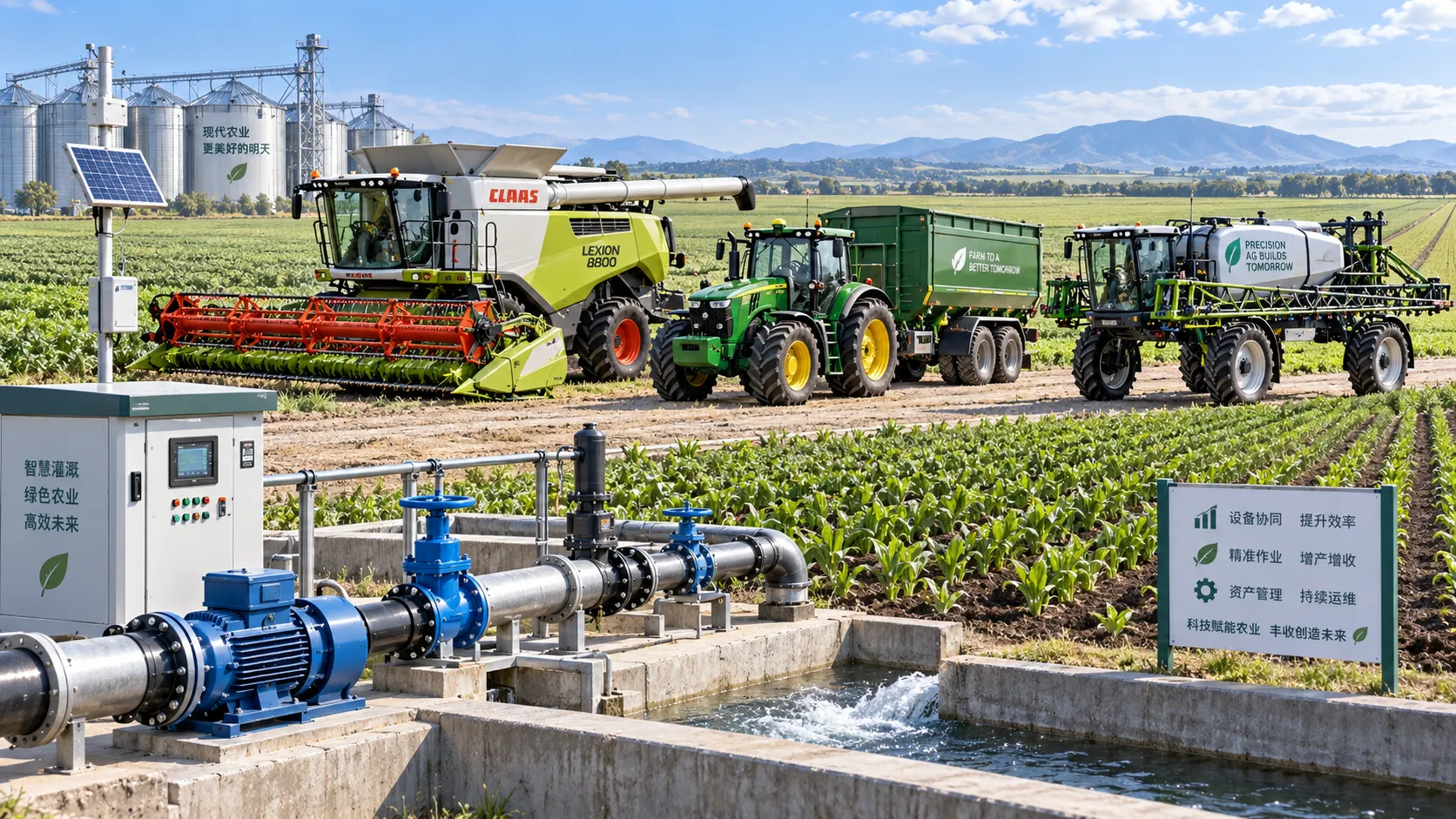
How to Compare Agricultural Equipment Platforms for Fleet Management and ROI
Agricultural equipment platform comparison: evaluate fleet data, maintenance, precision workflows, and ROI to choose a system that delivers measurable results.
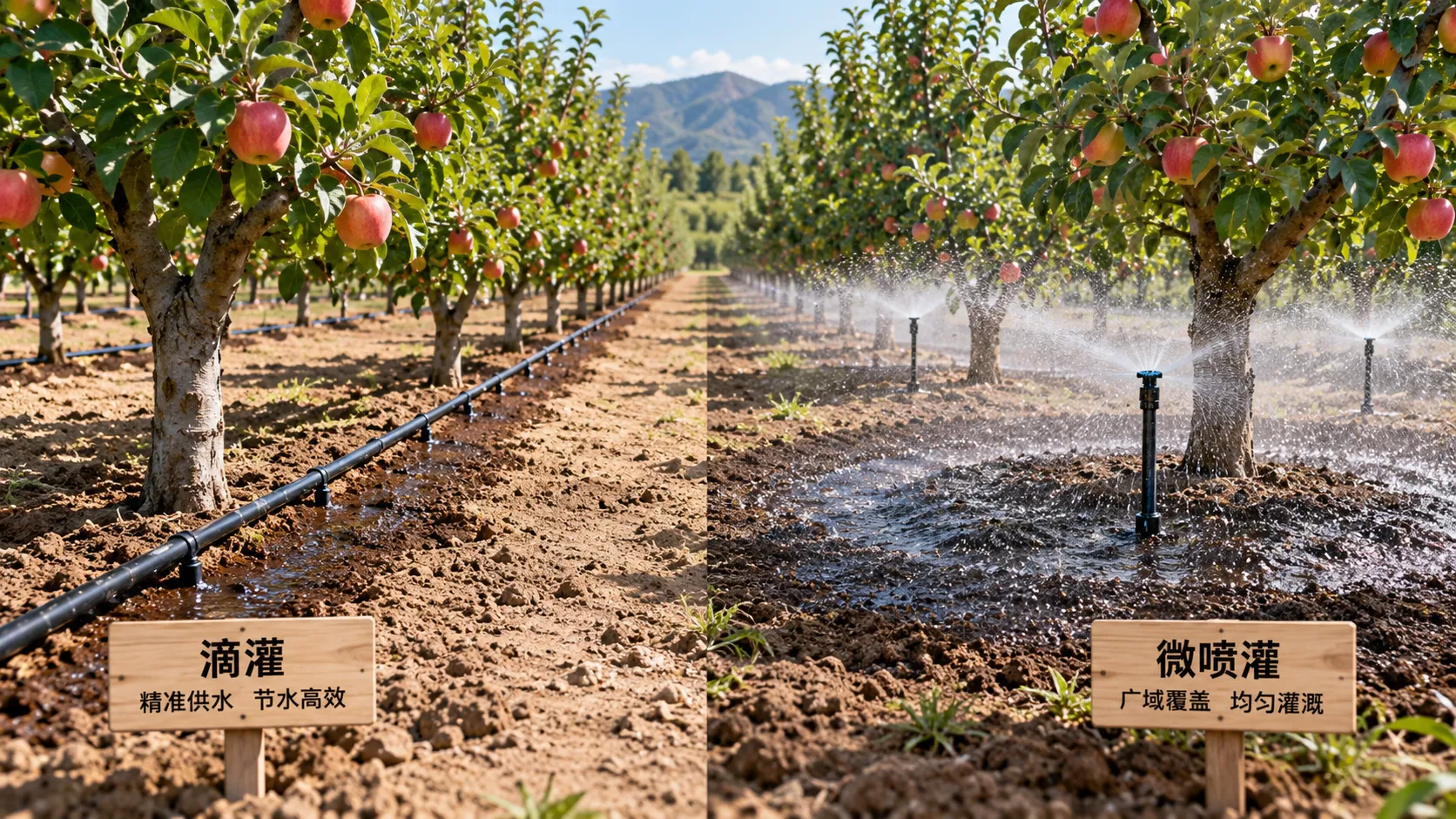
Drip vs. Micro-Sprinkler Irrigation: Which System Fits Your Orchard?
Irrigation solution comparison for orchards: discover whether drip or micro-sprinklers best match your water, soil, roots, fertigation, and frost needs.
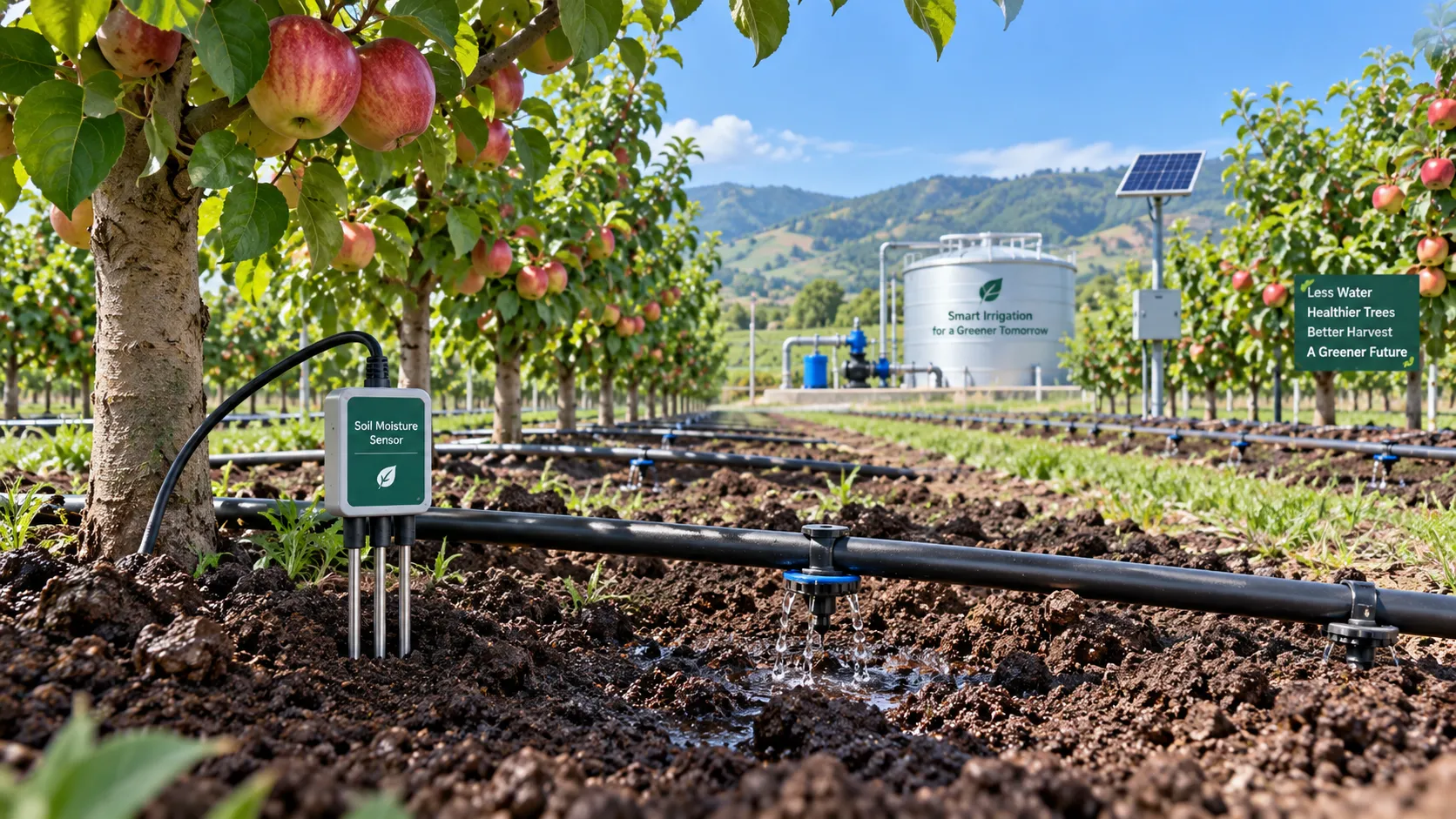
Orchard Water Management: Using Soil Moisture Data to Schedule Irrigation
Agricultural water management for orchards made practical: use soil moisture data to optimize irrigation timing, protect yield, reduce costs, and improve resilience.
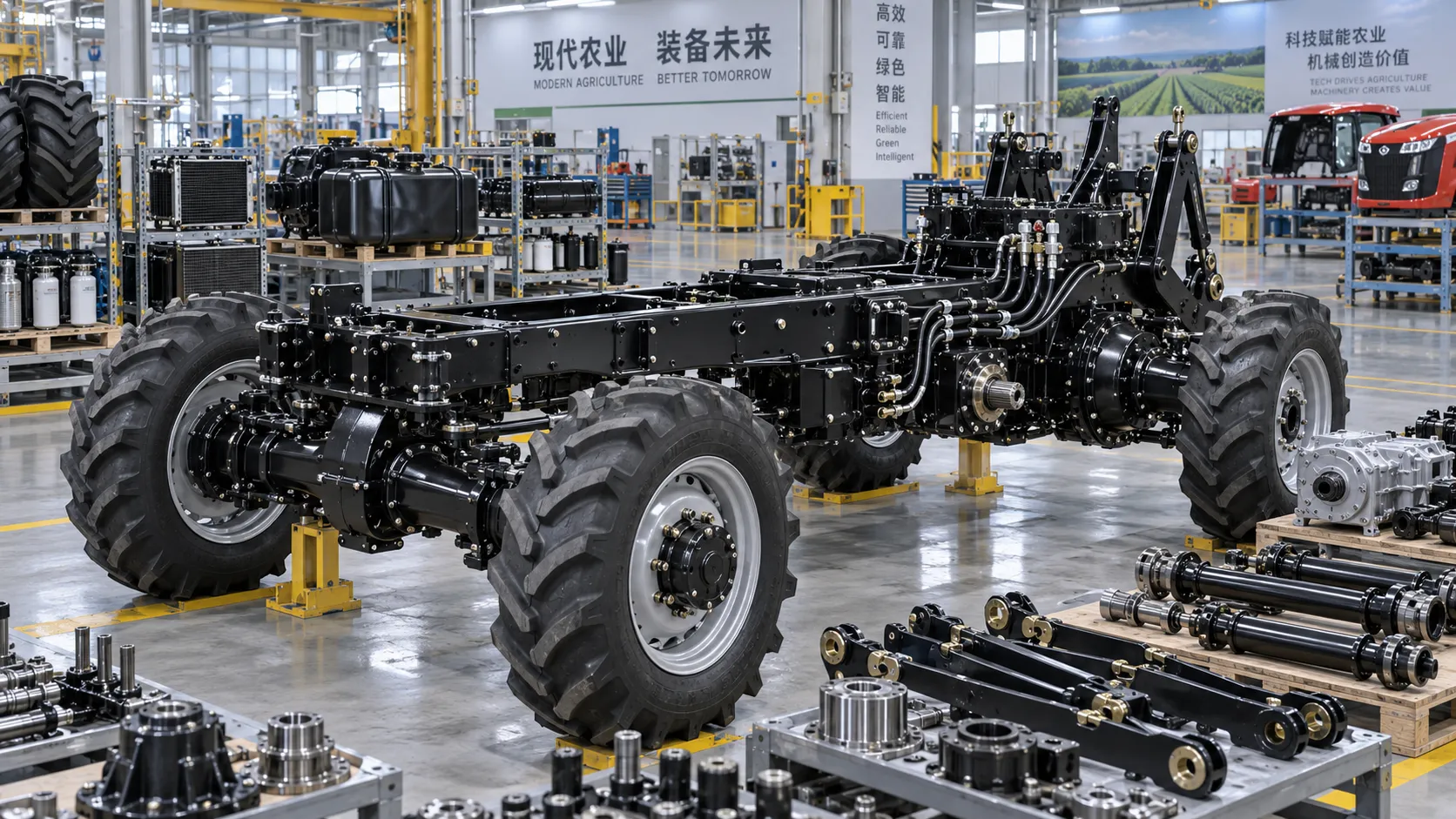
Tractor Chassis Price: What Buyers Should Compare Beyond the Initial Quote
Tractor chassis price is only the start. Compare load capacity, compatibility, durability, and lifecycle costs to choose a reliable, high-value chassis.
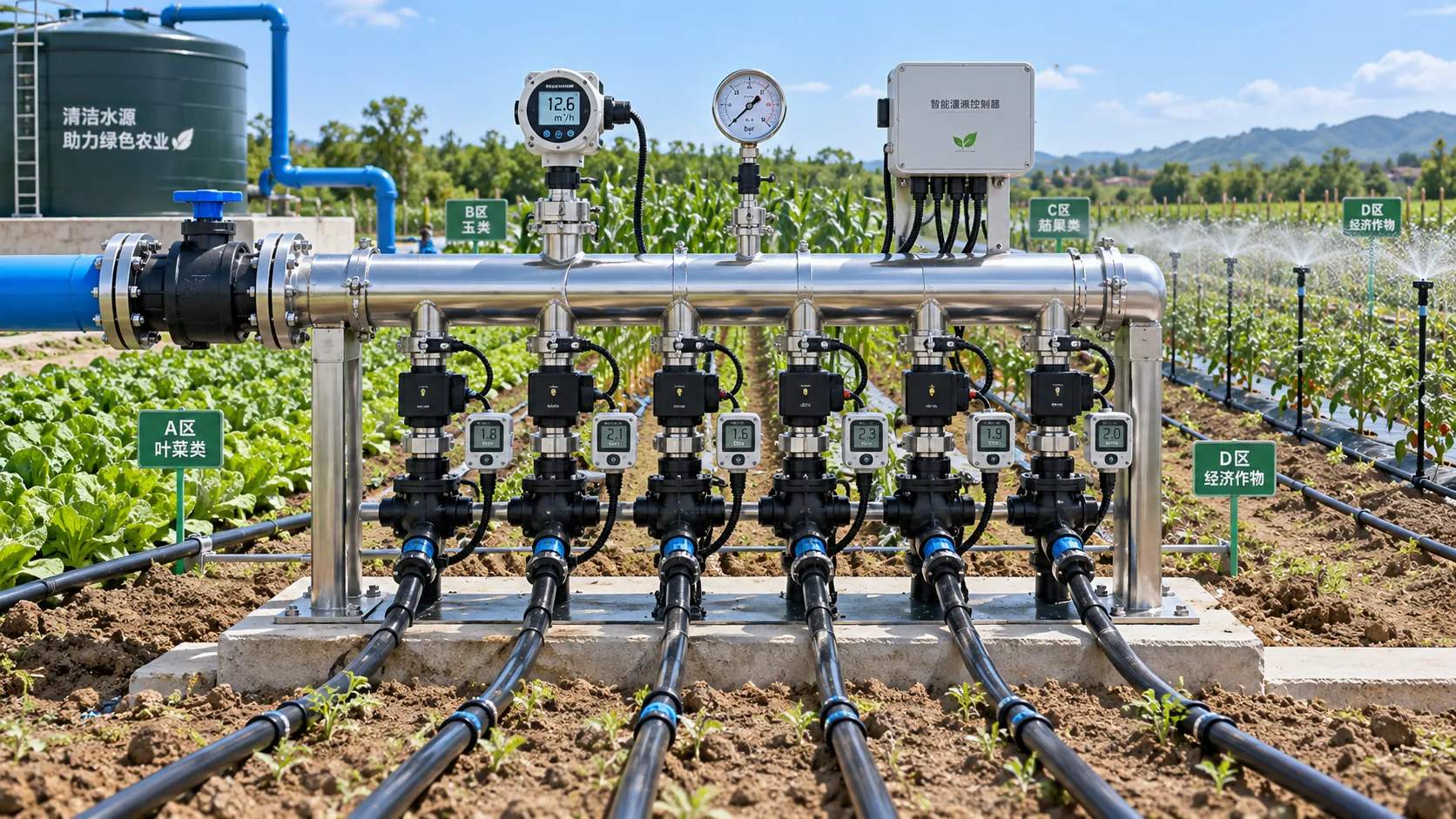
How to Select Smart Irrigation Valves for Multi-Zone Water Management?
Intelligent irrigation systems valves: learn how to match smart valves with multi-zone flow, pressure, control, feedback, and communication needs for reliable water management.
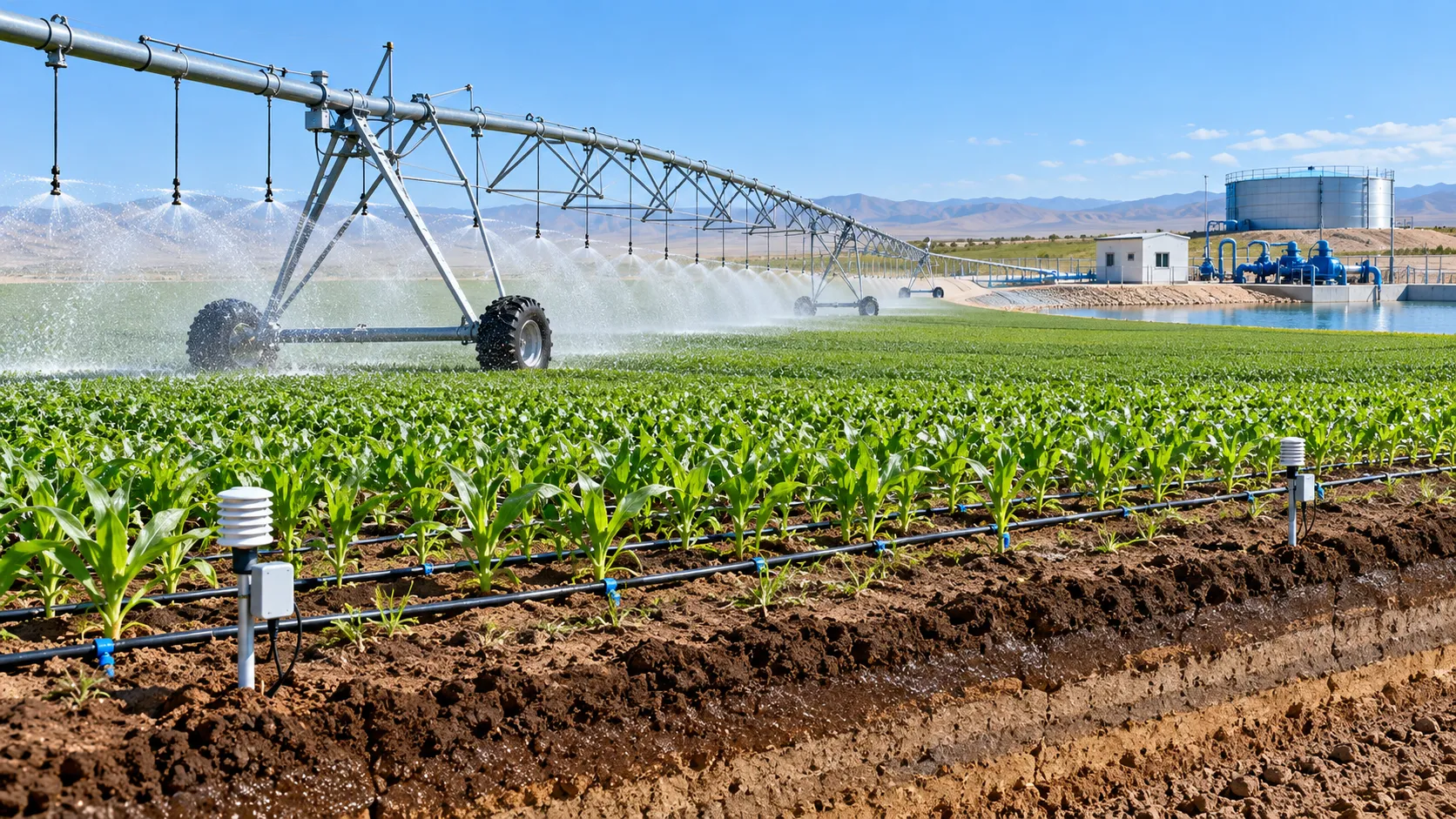
Climate-Smart Farming for Drought: A Practical Plan for Protecting Yields
Climate-smart farming for drought: build smarter water budgets, protect critical crop stages, improve irrigation uniformity, and safeguard yields with practical field-proven strategies.
Related News
- 00
0000-00
Tractor Specification Sheets: Matching PTO, Hydraulics, and Weight to Farm Tasks - 00
0000-00
How to Evaluate Dynamic Feedback Algorithm Suppliers for Precision Farming Systems - 00
0000-00
How to Specify Combine Harvester Systems for High-Moisture Grain and Variable Field Conditions - 00
0000-00
How to Compare Agricultural Equipment Platforms for Fleet Management and ROI - 00
0000-00
Drip vs. Micro-Sprinkler Irrigation: Which System Fits Your Orchard?
Popular Tags
Industry Global
Weekly Insights
Stay ahead with our curated technology reports delivered every Monday.