
Drone Seeding & Variable-Rate Spraying Demand Surges Amid Low-Altitude Logistics Network Expansion
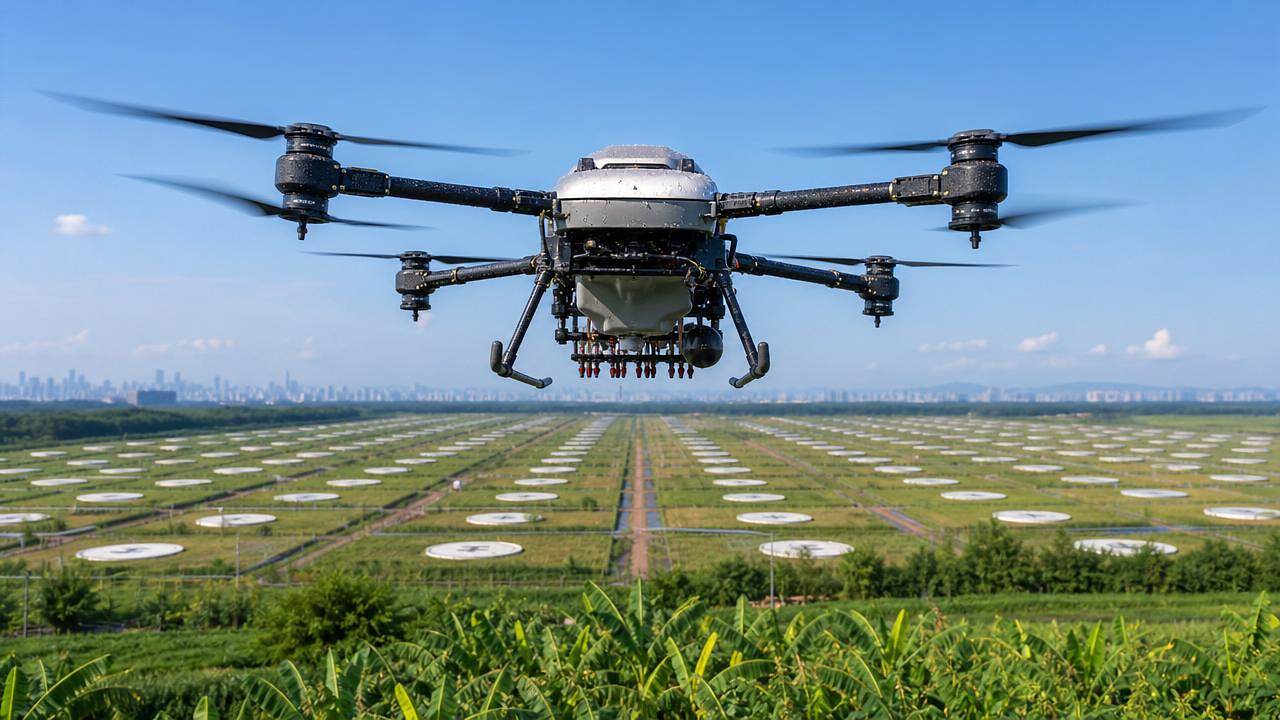




The rapid deployment of low-altitude logistics infrastructure—particularly the completion of Shenzhen’s ‘Low-Altitude Logistics Sky Network’ with 1,200 standardized takeoff and landing points—has significantly accelerated demand for agricultural drones. The exact event date was not specified, but the rollout has already triggered a 210% year-on-year increase in orders for precision seeding (Seeders & Planters) and variable-rate application (Variable Rate Tech) systems. This development is reshaping procurement patterns and technical requirements across the global agri-drone supply chain.
Confirmed Deployment Milestone
Shenzhen has completed construction of its ‘Low-Altitude Logistics Sky Network’, comprising 1,200 standardized drone takeoff and landing points. AI-driven algorithms now optimize operational radius and payload scheduling for unmanned aerial vehicles. As a direct result, global order volumes for drone-based precision seeding and variable-rate spraying equipment rose by 210% year-on-year. Distributors in Southeast Asia and Latin America are actively requesting quotations for lightweight drone models adapted to tropical crop operations.
Impact Across Supply Chain Roles
Direct Trading Enterprises
These firms face intensified demand for rapid quotation turnaround and regional technical adaptation—especially for tropical-climate configurations. Order volume volatility and lead-time compression require agile inventory planning and revised export documentation workflows.
Raw Material Procurement Entities
Increased production scale for lightweight airframes and battery-integrated control modules raises demand for high-strength composites, thermal-resistant electronics housings, and energy-dense lithium polymer cells. Sourcing strategies must now align with tighter delivery windows and emerging regional certification expectations.
Manufacturing Companies
Production lines must accommodate variant configurations—including reduced-weight structural designs and crop-specific spray calibration kits. Manufacturing compliance now extends beyond general aviation safety standards to include agronomic performance validation under humid, high-temperature operating conditions.
Supply Chain Service Providers
Logistics and after-sales support providers must adapt to new service geography—particularly cross-border technical assistance for tropical deployment zones. Warranty frameworks, spare parts localization, and multilingual diagnostic tooling are becoming critical differentiators.
Key Operational Priorities for Enterprises
Validate Tropical-Climate Certification Pathways
Lightweight drone variants intended for Southeast Asian and Latin American markets require verification against regional environmental compliance benchmarks—not only for flight safety (e.g., CE, FAA Part 107), but also for long-term reliability under sustained high humidity and elevated ambient temperatures.
Align Technical Specifications with AI-Driven Dispatch Requirements
Integration with centralized AI scheduling platforms demands standardized telemetry protocols, real-time payload status reporting, and interoperable battery-swapping interfaces. Manufacturers must ensure firmware and hardware specifications meet evolving dispatch-system integration criteria.
Prepare for Accelerated Procurement Cycles
A 210% order surge implies compressed quoting, testing, and delivery timelines. Firms should pre-validate component traceability, accelerate third-party test report acquisition (e.g., EMC, IP rating, battery safety), and confirm supplier capacity for rapid scale-up without compromising quality traceability.
Industry Perspective: Beyond Deployment Speed
Analysis shows this expansion reflects more than infrastructure rollout—it signals a structural shift toward algorithmically coordinated aerial agri-logistics. From an industry perspective, what deserves closer attention is the tightening linkage between physical infrastructure (e.g., standardized vertiports), software-defined operational rules (e.g., dynamic airspace allocation), and hardware-level design constraints (e.g., weight-to-payload ratio under tropical thermal loads). It is more appropriate to understand this as a convergence of regulatory enablement, computational optimization, and application-specific engineering—rather than merely a market growth signal.
Toward Integrated Aerial Agri-Logistics
This milestone marks a transition from experimental drone use to institutionalized, scalable aerial farming infrastructure. Its significance lies not in isolated hardware sales, but in the systemic coordination it enables: standardized landing points, unified AI dispatch logic, and harmonized hardware requirements across geographies. Sustainable adoption will depend less on technological novelty and more on consistent regulatory interpretation, cross-border certification alignment, and resilient local service ecosystems.
Source Attribution & Ongoing Monitoring
This article was generated exclusively from the user-provided title, unspecified event timing, and summary description. Specific official source links were not provided in the input and should be verified continuously. Stakeholders are advised to monitor upcoming clarifications on certification enforcement scope, AI dispatch protocol standardization, tender specification updates from municipal and regional agriculture authorities, and early field feedback from tropical deployment pilots.
Related News
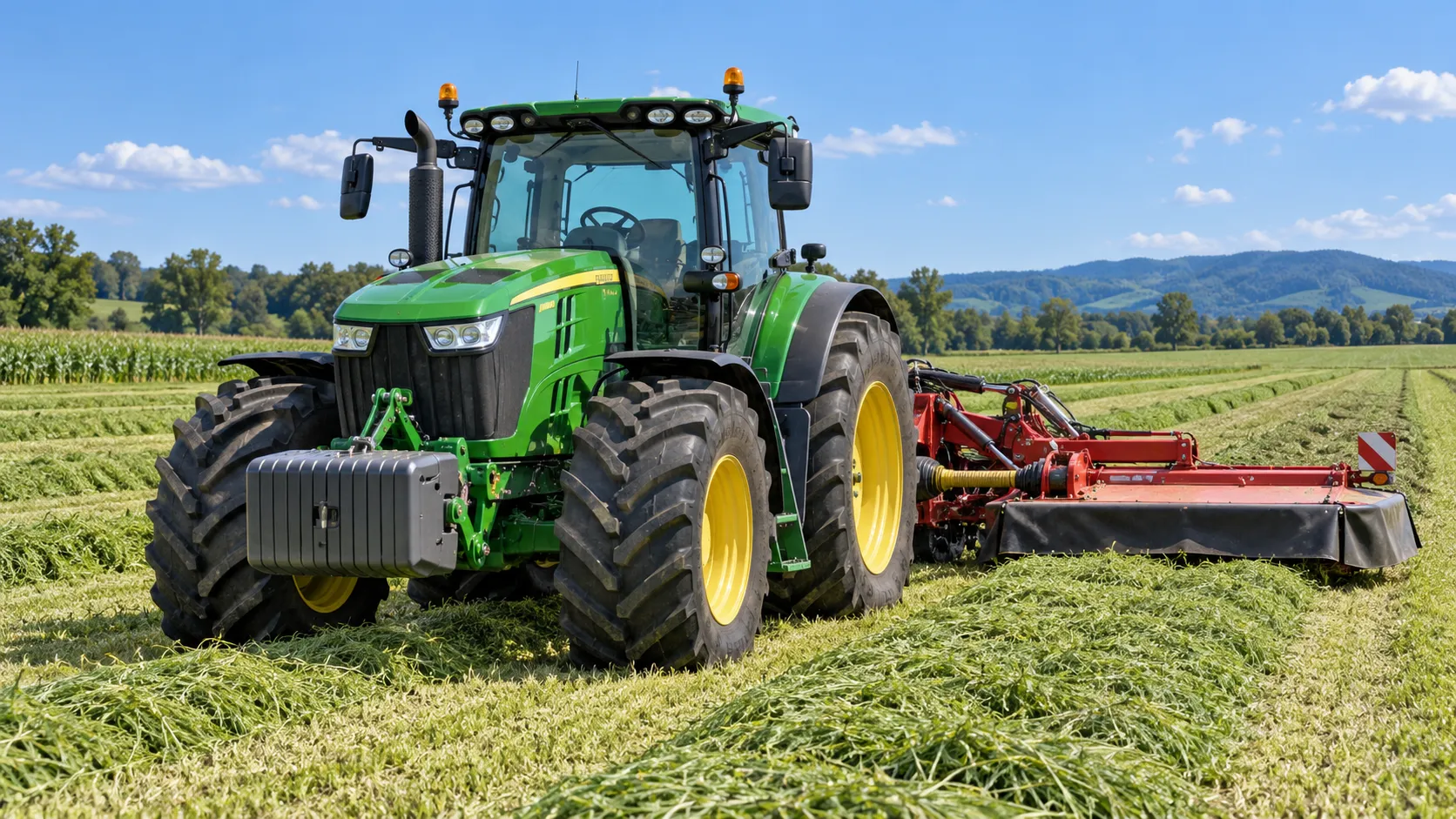
Tractor Specification Sheets: Matching PTO, Hydraulics, and Weight to Farm Tasks
Specification-oriented articles for tractors: match PTO, hydraulics, lift capacity, ballast, and weight to real farm tasks for safer, more efficient equipment choices.
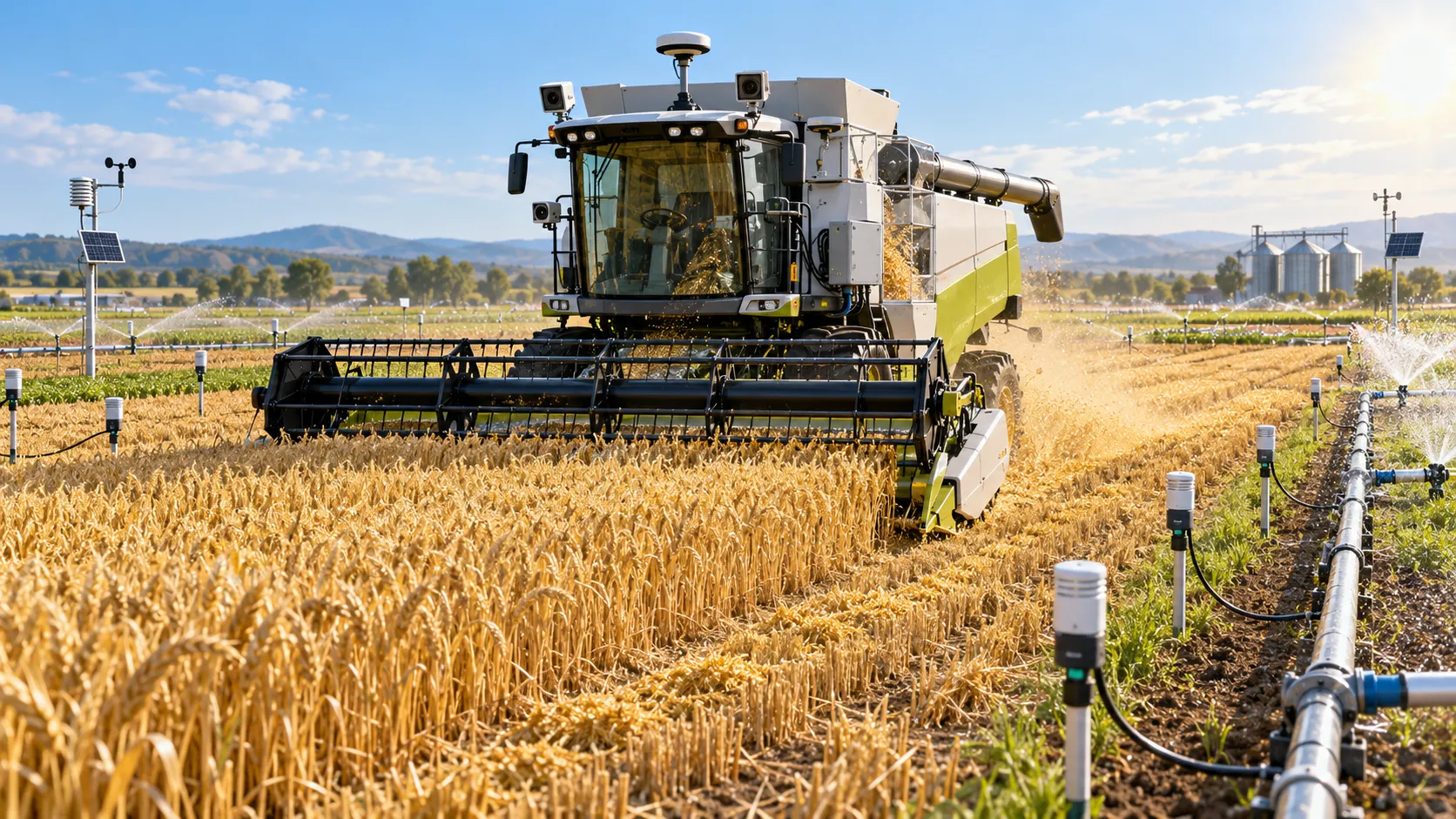
How to Evaluate Dynamic Feedback Algorithm Suppliers for Precision Farming Systems
Dynamic feedback algorithms supplier evaluation guide for precision farming—compare validation, integration, safety, and pilots to choose with confidence.
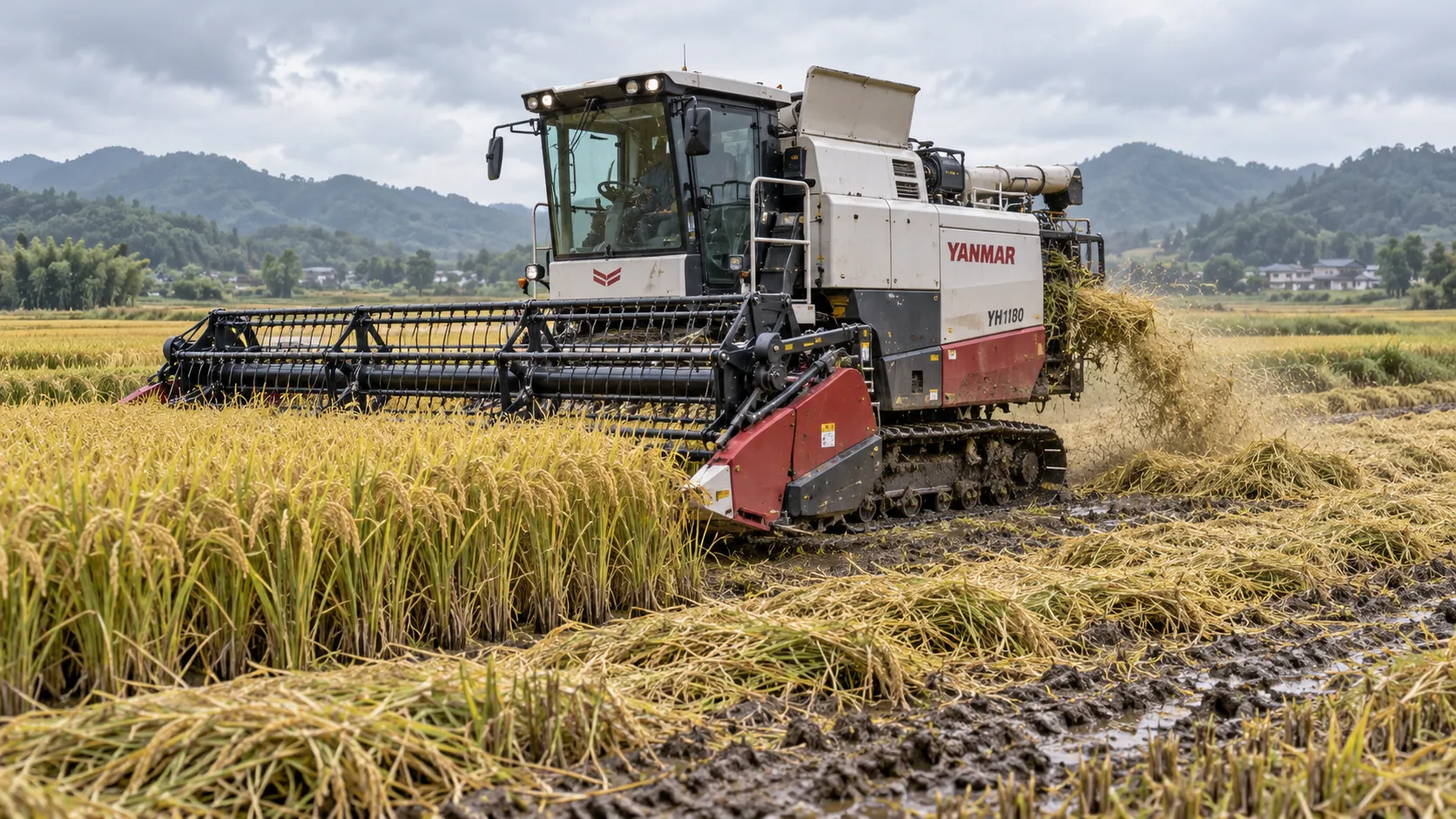
How to Specify Combine Harvester Systems for High-Moisture Grain and Variable Field Conditions
Combine harvester systems for high-moisture grain: learn how to specify threshing, cleaning, headers, traction, and automation for reliable harvests in variable fields.
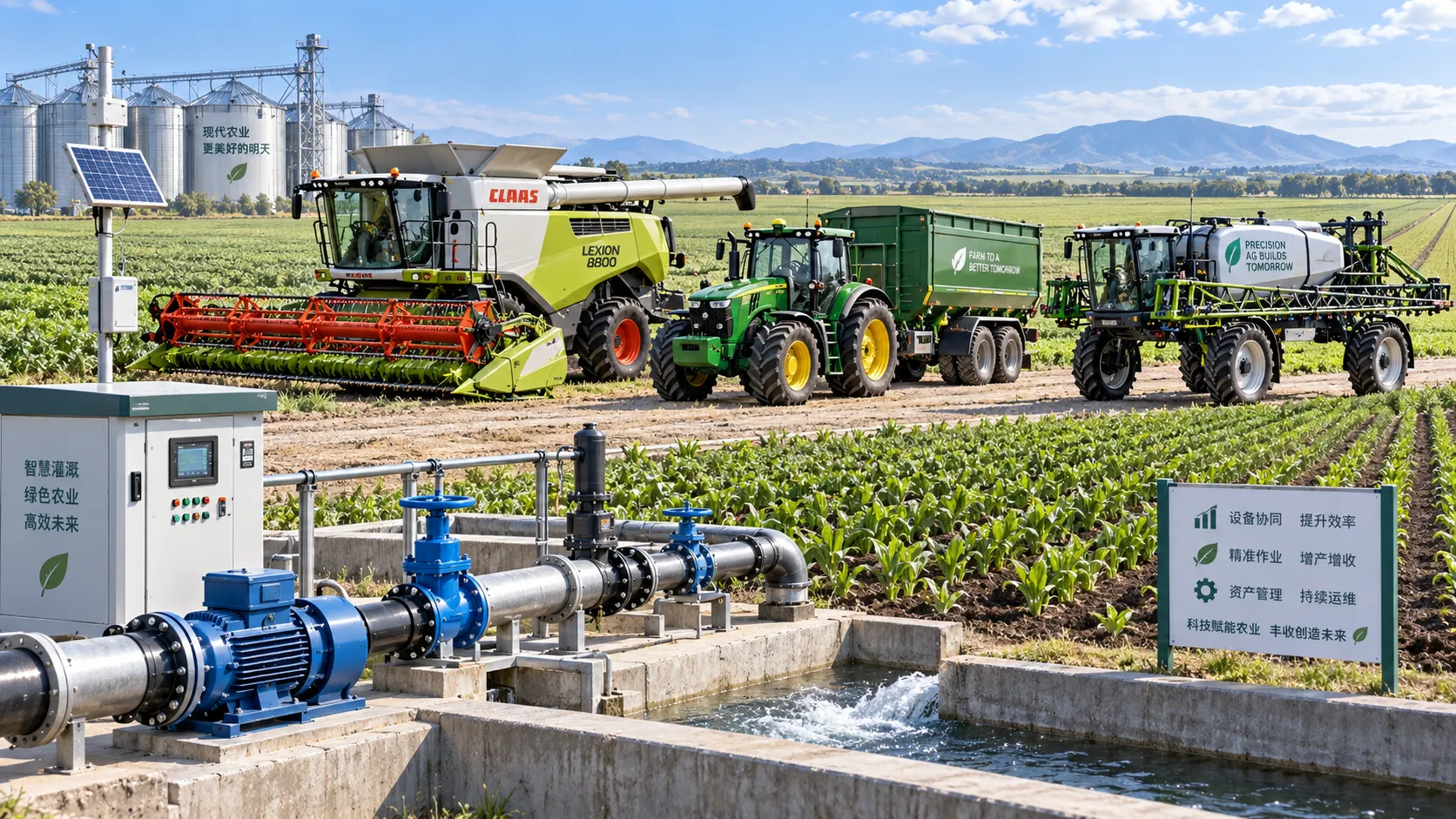
How to Compare Agricultural Equipment Platforms for Fleet Management and ROI
Agricultural equipment platform comparison: evaluate fleet data, maintenance, precision workflows, and ROI to choose a system that delivers measurable results.
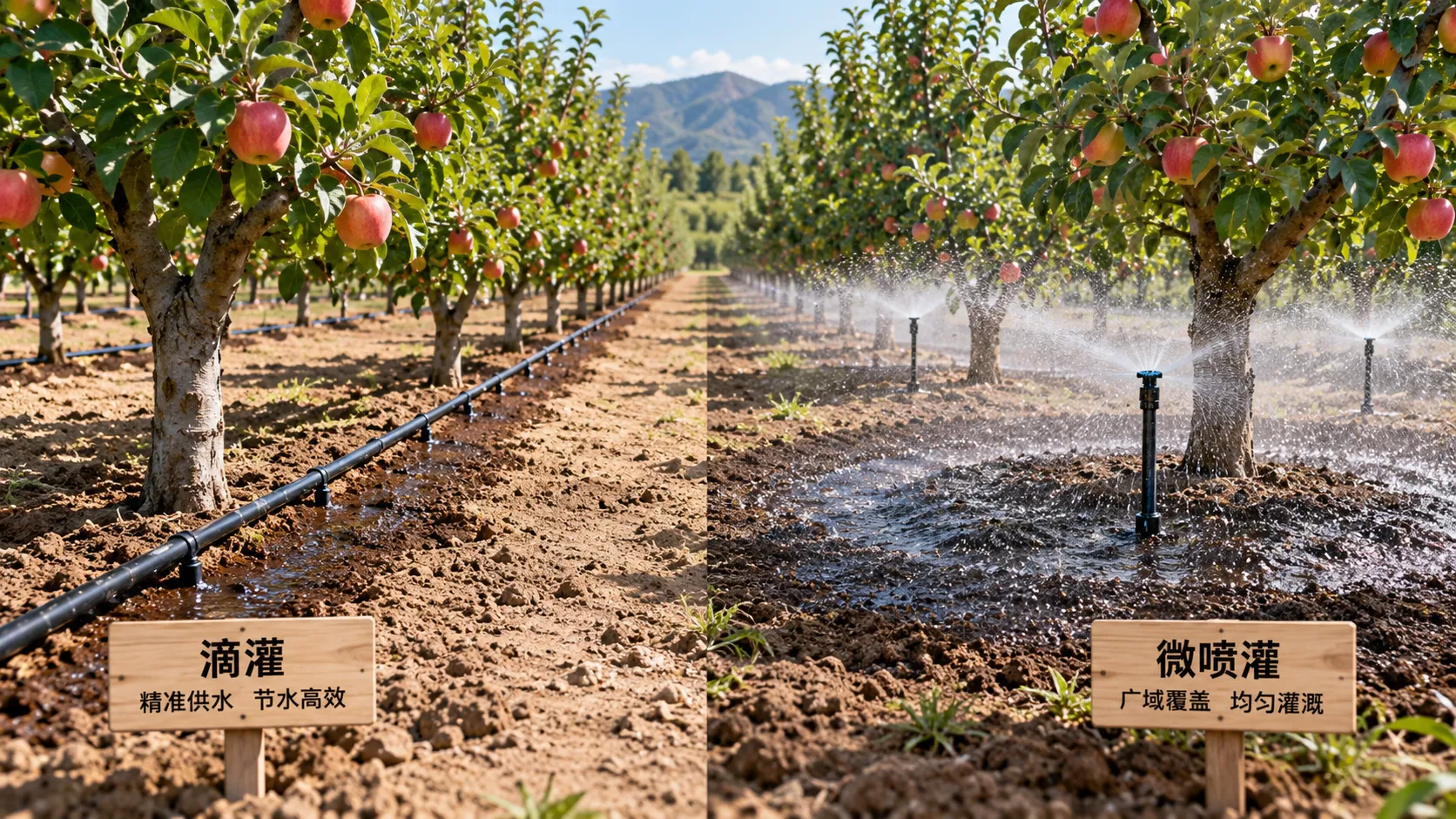
Drip vs. Micro-Sprinkler Irrigation: Which System Fits Your Orchard?
Irrigation solution comparison for orchards: discover whether drip or micro-sprinklers best match your water, soil, roots, fertigation, and frost needs.
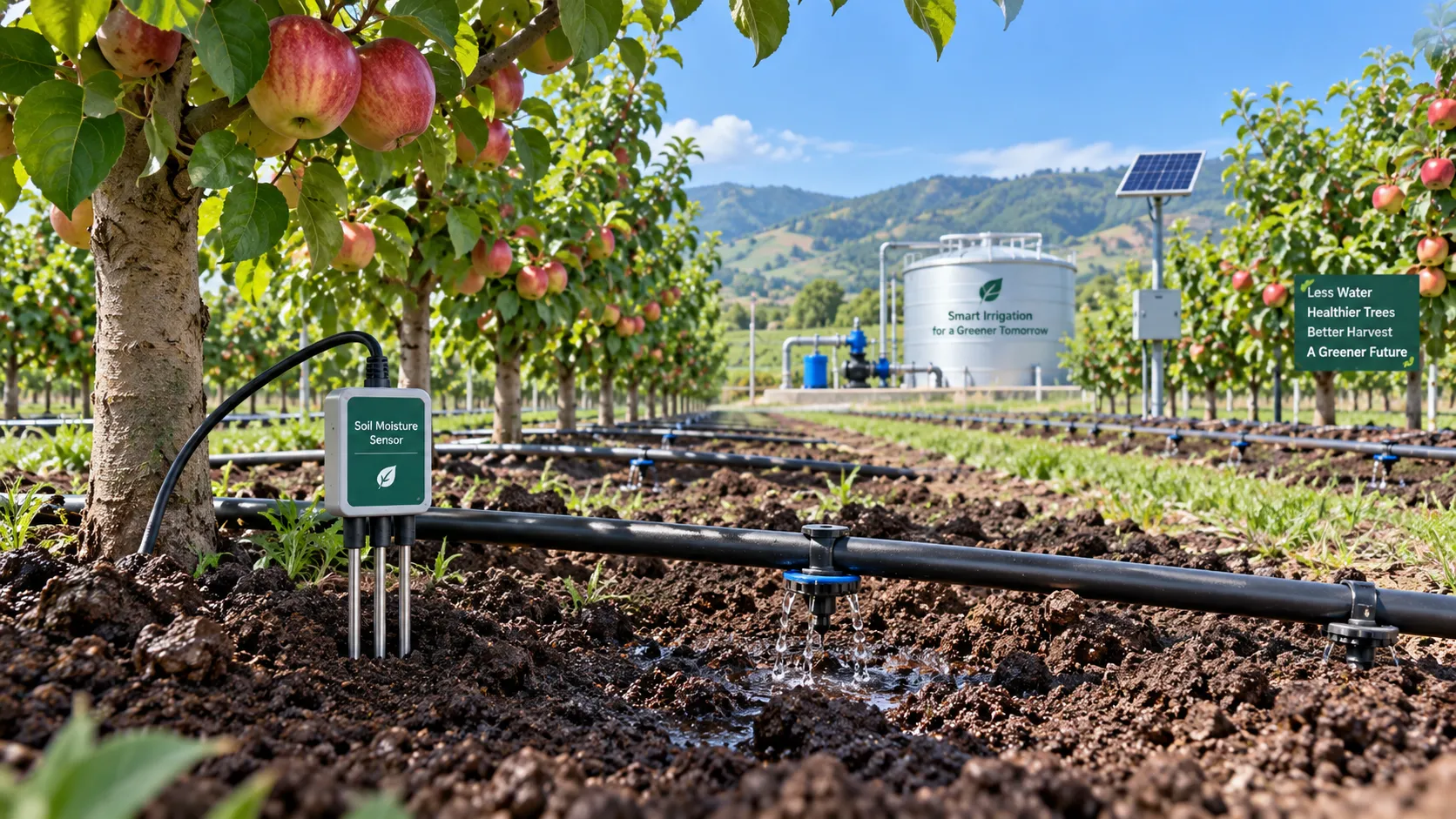
Orchard Water Management: Using Soil Moisture Data to Schedule Irrigation
Agricultural water management for orchards made practical: use soil moisture data to optimize irrigation timing, protect yield, reduce costs, and improve resilience.
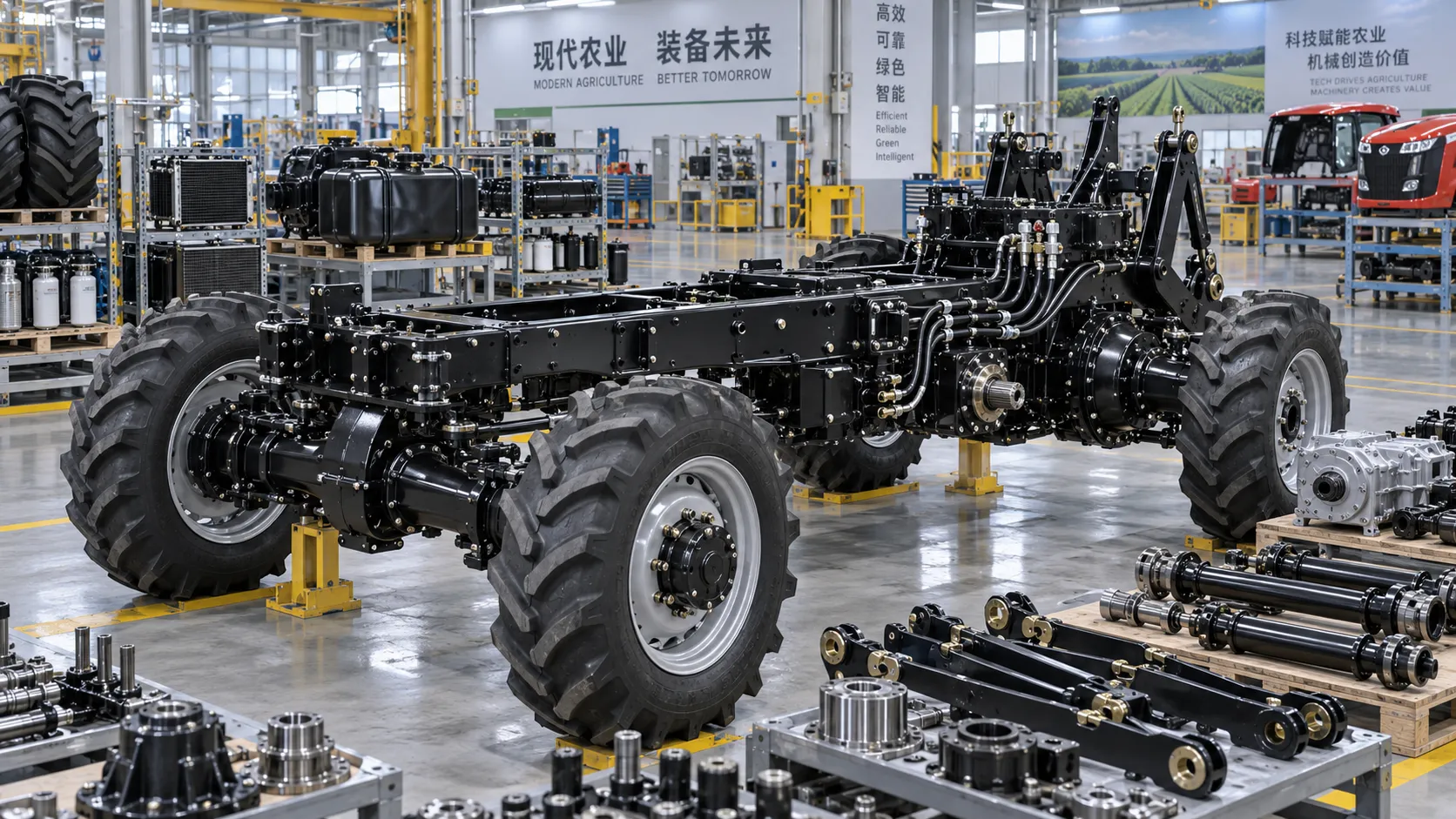
Tractor Chassis Price: What Buyers Should Compare Beyond the Initial Quote
Tractor chassis price is only the start. Compare load capacity, compatibility, durability, and lifecycle costs to choose a reliable, high-value chassis.
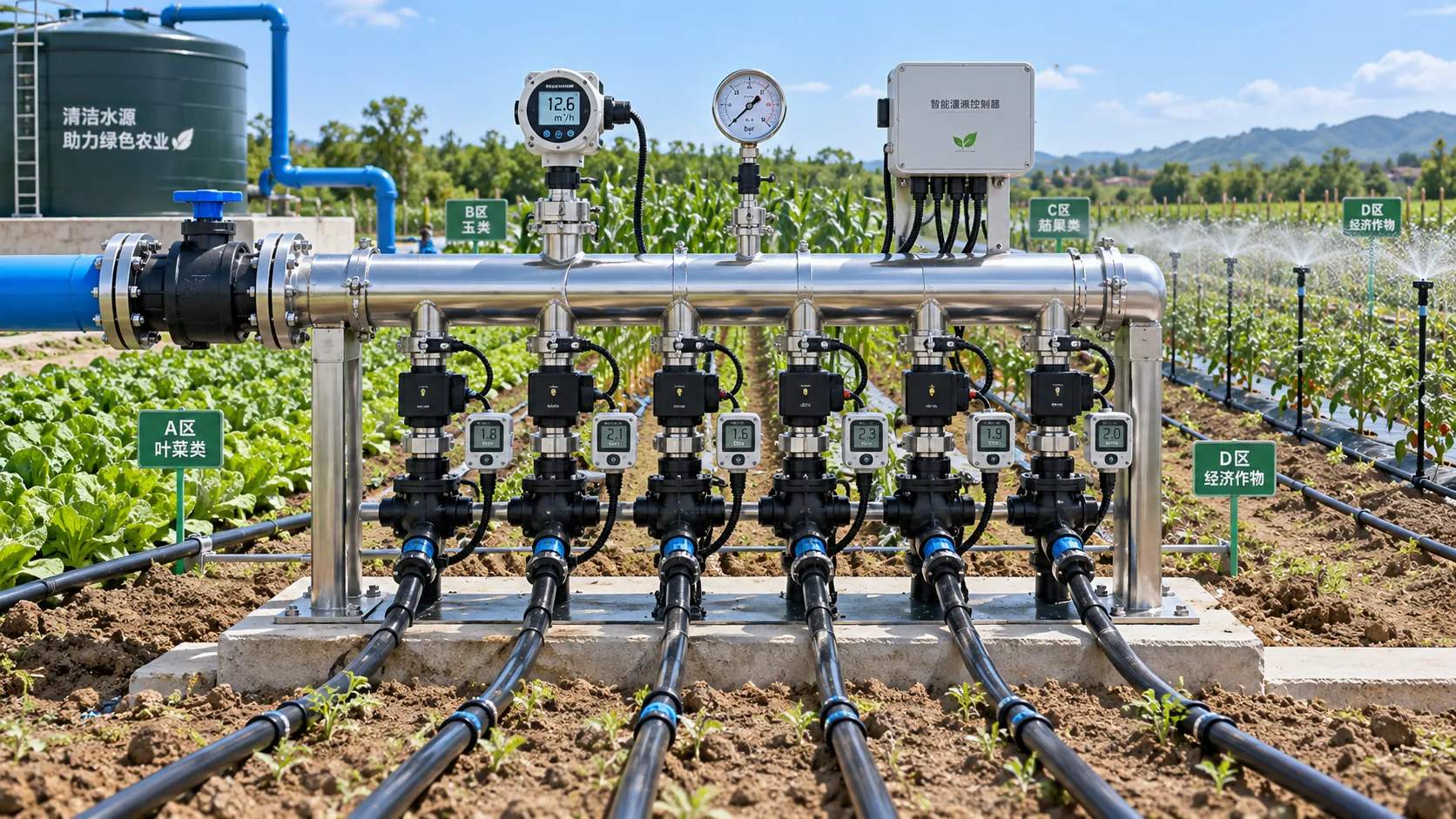
How to Select Smart Irrigation Valves for Multi-Zone Water Management?
Intelligent irrigation systems valves: learn how to match smart valves with multi-zone flow, pressure, control, feedback, and communication needs for reliable water management.
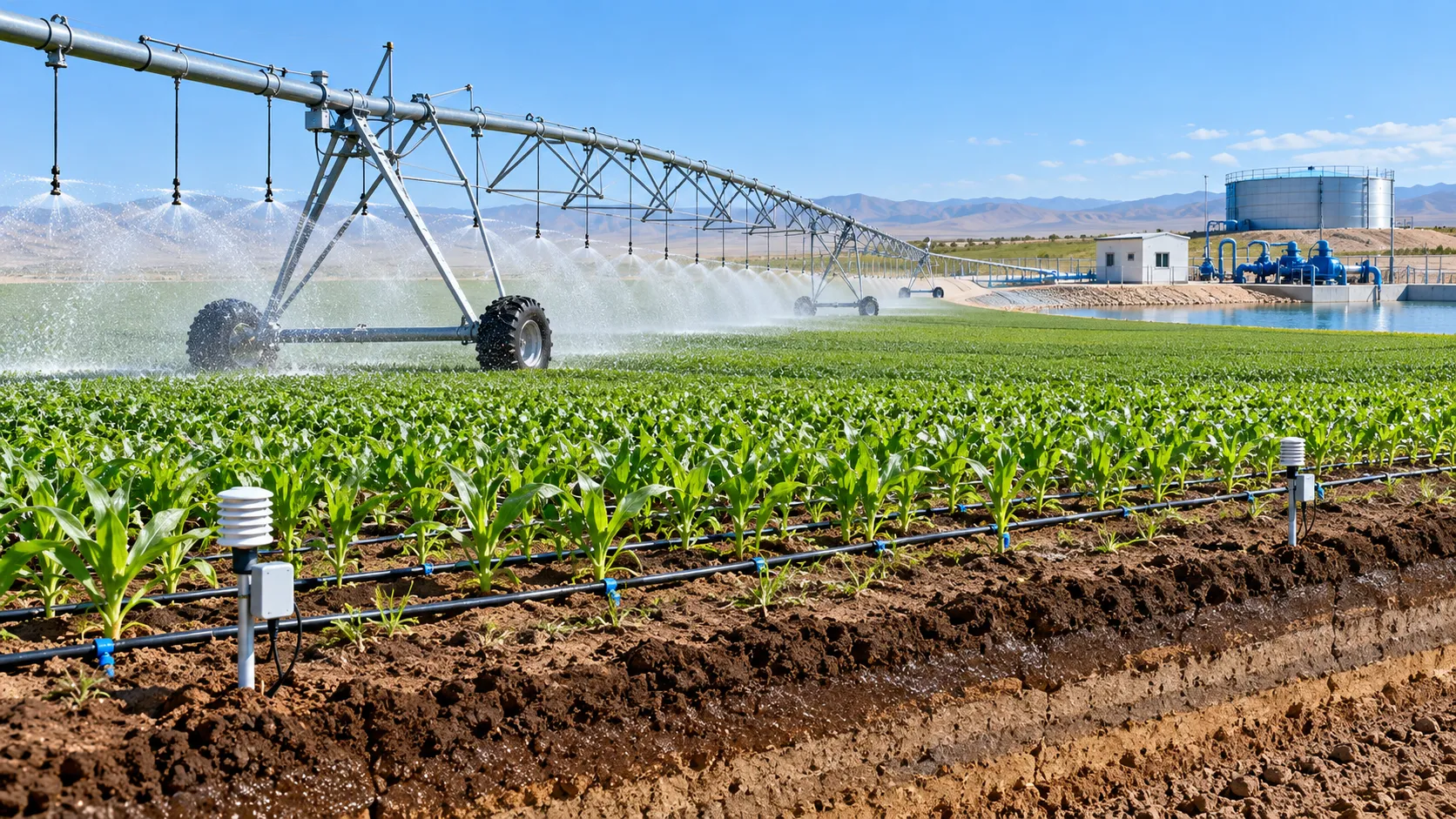
Climate-Smart Farming for Drought: A Practical Plan for Protecting Yields
Climate-smart farming for drought: build smarter water budgets, protect critical crop stages, improve irrigation uniformity, and safeguard yields with practical field-proven strategies.
Related News
- 00
0000-00
Tractor Specification Sheets: Matching PTO, Hydraulics, and Weight to Farm Tasks - 00
0000-00
How to Evaluate Dynamic Feedback Algorithm Suppliers for Precision Farming Systems - 00
0000-00
How to Specify Combine Harvester Systems for High-Moisture Grain and Variable Field Conditions - 00
0000-00
How to Compare Agricultural Equipment Platforms for Fleet Management and ROI - 00
0000-00
Drip vs. Micro-Sprinkler Irrigation: Which System Fits Your Orchard?
Popular Tags
Industry Global
Weekly Insights
Stay ahead with our curated technology reports delivered every Monday.