How telemetry for agriculture helps identify equipment downtime
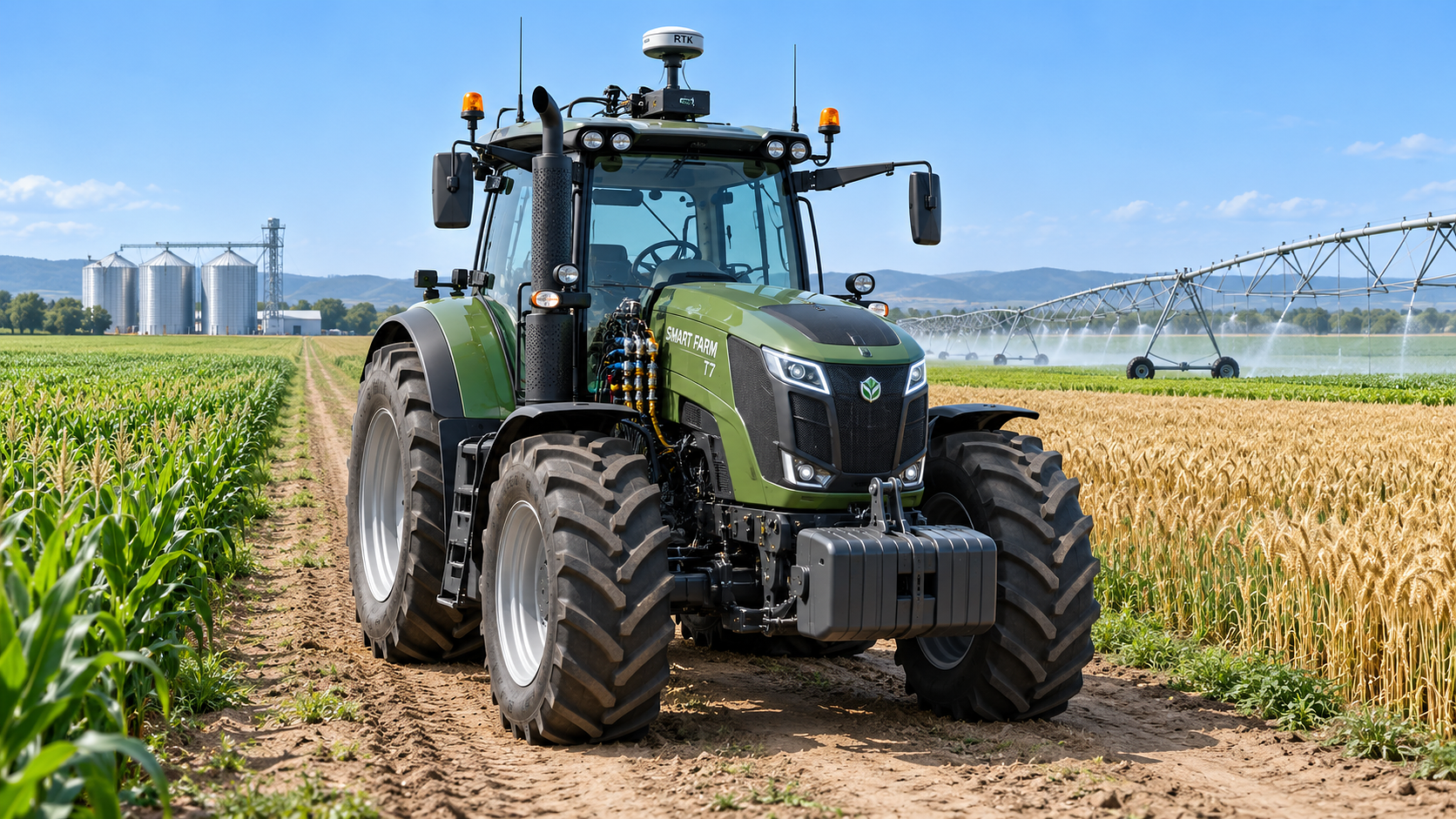




Equipment downtime is rarely caused by a single dramatic failure. More often, a tractor begins running hotter under load, hydraulic response becomes slower, a combine records repeated cleaning-loss alerts, or an irrigation pump cycles more often than expected. These signals can appear days or weeks before the machine stops working. Telemetry for agriculture helps turn those scattered warning signs into a usable maintenance picture, so a repair can be planned before it becomes a field-side emergency.
The value is not simply having more machine data. A useful telemetry system helps distinguish between normal hard work and an abnormal operating pattern that needs attention. It connects fault codes, sensor readings, location, engine hours, operating load, and service history. When these signals are reviewed together, downtime becomes easier to identify, explain, and reduce.
Downtime often starts as a pattern, not a fault code
A fault code is important, but it is usually a late signal. By the time a critical code appears, a machine may already be unable to continue operating. Earlier indicators are often less obvious: higher coolant temperature during the same task, repeated short stops, excessive idle time, declining fuel efficiency, or hydraulic pressure that fluctuates under a familiar load.
Telemetry makes those changes visible over time. Instead of asking only, “What failed today?”, the maintenance process can ask more useful questions:
- Did the condition appear suddenly, or has it been developing across several operating cycles?
- Does it happen only during high-load work, transport, turning, or operation in hot conditions?
- Is this an isolated event, or are other machines of the same model showing a similar pattern?
- Can the machine safely complete its current job, or should it be inspected before the next shift?
This is especially relevant during narrow operating windows. A combine harvester that loses time during harvest, a tractor that stops during cultivation, or an irrigation unit that fails during a dry period can create disruption beyond the repair itself. The priority is not only restoring the machine. It is protecting the work schedule around it.
What telemetry should monitor to identify emerging downtime
Not every available data point deserves equal attention. Collecting a large stream of data without defined maintenance triggers creates noise and makes warning signs easier to miss. The most useful monitoring categories are those that show changes in machine condition, operating stress, and actual availability.
Engine condition and load behavior
Engine speed, coolant temperature, oil pressure, fuel use, exhaust-related alerts, and load levels can reveal whether a powertrain is operating outside its normal pattern. A high temperature reading alone does not necessarily indicate a failure; heavy draft work, ambient heat, crop conditions, or radiator contamination may all contribute. The stronger clue is a repeated deviation under similar conditions.
For example, if an engine begins reaching higher temperatures during the same transport route or field operation, telemetry provides context for an inspection of cooling airflow, fluid level, belts, sensors, or load-related causes. It is more useful than discovering the condition only after an overheating shutdown.
Hydraulic and transmission signals
Hydraulic systems are central to implement control, steering, lifting, header operation, and many automated functions. Pressure instability, unusually long response times, abnormal oil temperature, or repeated control-system alerts can point to restrictions, leaks, contamination, wear, or a developing component issue.
Transmission-related data can also identify downtime risk before a complete loss of movement. Repeated shift warnings, abnormal temperature, clutch-related alerts, or operating patterns that force excessive high-load travel deserve investigation. The purpose is not to diagnose every fault remotely. It is to decide whether the machine needs immediate action, scheduled inspection, or continued observation.
Utilization, idle time, and unproductive stops
Not all downtime appears as a technical failure. A machine may remain stationary because of a mechanical concern, operator uncertainty, delayed parts, a configuration issue, or a problem with an attached implement. Utilization data helps separate productive operating hours from idle time, transport, planned maintenance, and unexplained stops.
A sudden increase in short stationary periods may reveal an intermittent issue that operators have worked around without reporting clearly. For a combine, repeated pauses may be linked to crop flow, header behavior, cleaning-system alerts, or unloading interruptions. For irrigation systems, irregular run times may point to pumping, pressure, power, valve, or communication problems. The machine location and time stamp give the repair process a starting point that a generic complaint cannot provide.
Fault codes with operating context
Fault codes should not be treated as a simple red-or-green list. A code that appears once and clears may require a different response from one that recurs at a particular engine speed, hydraulic demand, location, or temperature. Telemetry preserves that context.
When a technician can see what the machine was doing before and after an alert, the initial diagnosis becomes more focused. That can reduce unnecessary travel, improve parts preparation, and prevent the common mistake of replacing a component based only on a code rather than the condition behind it.
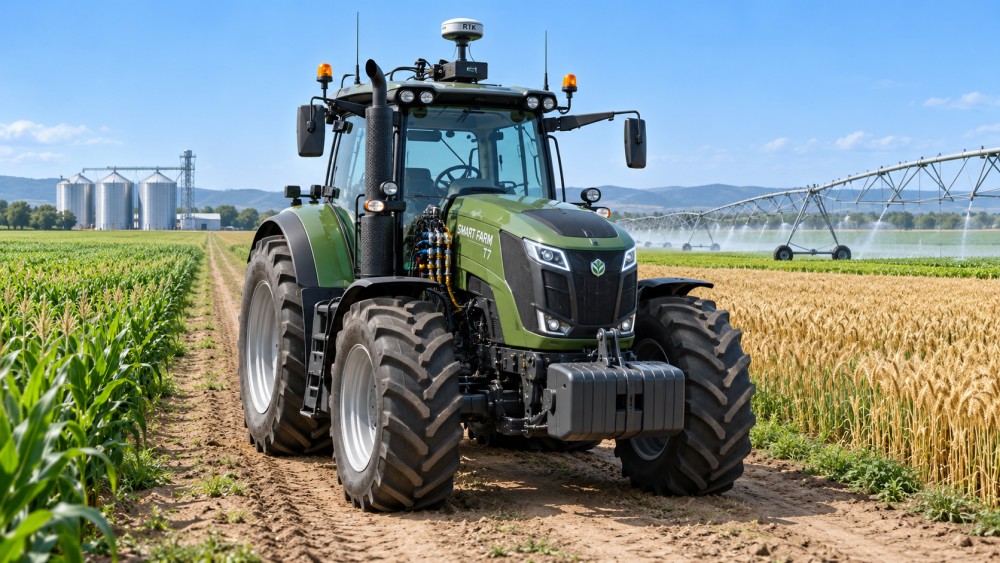
Use three downtime categories instead of one alert queue
Telemetry works best when alerts lead to a clear action path. Treating every warning as urgent causes alert fatigue. Treating all alerts as low priority allows small issues to become major failures. A practical approach is to group events by their effect on safe operation and scheduled work.
This classification needs adjustment by equipment type and season. A warning that can wait during a low-use period may need immediate attention during planting or harvest. Similarly, a minor irrigation telemetry alert can become operationally serious when water timing is critical. Alert priority should reflect the likely consequence of lost operating time, not only the severity label assigned by a control module.
Build a downtime workflow around evidence, not dashboard watching
A dashboard does not prevent downtime on its own. The operational benefit comes from deciding who reviews exceptions, what information is needed before a call is made, and when an issue moves from monitoring to intervention.
A reliable workflow can be simple:
- Define the equipment that cannot easily be replaced. Start with high-use tractors, harvesters, irrigation pumps, or machines working in time-sensitive operations. These assets should receive the clearest alert rules.
- Establish a normal operating baseline. Compare a machine with its own historical performance under similar tasks where possible. A universal threshold can be misleading when machines, implements, crops, terrain, and climate differ.
- Connect alerts to a maintenance decision. Each alert should lead to a defined action: remote review, operator check, planned visit, parts preparation, or immediate stop instruction.
- Capture the repair outcome. Record what was found, what was replaced, and whether the alert pattern stopped. This improves future interpretation and prevents the system from becoming a one-way stream of alarms.
- Review recurring non-productive time. A machine that does not generate a critical fault may still be losing availability through repeated interruptions. Those patterns should be examined alongside formal fault events.
The repair outcome is frequently overlooked. Without linking telemetry events to the actual cause found in inspection, teams cannot tell which signals are meaningful precursors and which are harmless operating variation. Over time, this feedback is what makes a monitoring program more accurate.
Different machines reveal downtime in different ways
Large agricultural equipment does not have one universal failure signature. The data points that matter depend on the job the machine performs and the systems most likely to interrupt that job.
For tractors, downtime monitoring often centers on engine load, cooling behavior, transmission alerts, hydraulic performance, fuel use, and operating hours. The attached implement matters as well. A tractor may appear healthy while the actual interruption comes from implement control, hydraulic demand, or an incompatible setup.
For combine harvesters, telemetry must be interpreted in relation to crop conditions and harvesting load. Engine and hydraulic signals matter, but so do recurring alerts associated with header drive, crop flow, cleaning performance, unloading, and machine stops. A service decision should consider whether the issue threatens continued harvesting, crop quality, or the risk of a more serious mechanical event.
For intelligent irrigation systems, equipment downtime may be less visible because the unit can fail outside normal working hours. Pressure changes, pump cycling, power interruptions, valve response, communication loss, and abnormal water-use patterns can all indicate that the system is not delivering the intended operation. Remote visibility is particularly valuable here because a missed cycle may not be noticed until crop stress appears.
Resources from AP-Strategy that examine large-scale machinery, combine systems, tractor chassis, and water-saving irrigation can be useful when interpreting how operating conditions affect data. The same alert label may mean something different depending on the machine architecture, the attached equipment, and the field task.
Common mistakes that make telemetry less useful
Relying only on active fault codes. This misses gradual deterioration and intermittent issues. Trend changes, repeated warnings, and unexplained stops often provide earlier evidence.
Setting one threshold for every machine. A baseline that works for a road-hauling tractor may not fit a tractor doing heavy tillage. Likewise, harvest conditions can change the expected load profile of a combine. Compare like with like whenever possible.
Ignoring data quality. Missing connectivity, incorrect machine identification, outdated service-hour records, sensor faults, and poorly configured alert rules can produce misleading conclusions. Before escalating an apparent mechanical problem, confirm that the data source itself is credible.
Using remote data as a substitute for physical inspection. Telemetry narrows the diagnosis; it does not replace checks of hoses, filters, fluid condition, wiring, wear components, contamination, or mechanical clearances. It tells the repair process where to look and how urgently to look there.
Measuring only breakdowns. If reporting focuses only on catastrophic failure, it hides the smaller interruptions that reduce availability. Repeated resets, unscheduled checks, slow response, and machine waiting time can be just as valuable for identifying a maintenance opportunity.
Choosing a telemetry setup for maintenance use
When evaluating a platform or connected-equipment feature, start with service usability rather than the size of the dashboard. The system should make it possible to identify the machine, locate the event, view relevant operating history, understand fault context, and document the follow-up action.
Integration matters when equipment comes from different manufacturers or when service records sit outside the telemetry platform. A disconnected system can still help with basic alerts, but the operational value is lower when technicians must manually match engine hours, fault histories, work orders, and parts information across separate tools.
Also consider how alerts reach the person who must act. A well-designed system delivers exceptions that can be prioritized, not an uninterrupted stream of notifications. The best configuration is usually narrower than expected: monitor the conditions that predict meaningful downtime, then refine the rules as repair records show which patterns matter.
Start with the next preventable interruption
The practical starting point is not connecting every data source at once. Select a small group of machines where an unexpected stop has a clear operational cost. Identify the conditions that typically precede a disruption, establish a baseline, and define what happens when those conditions appear.
Telemetry for agriculture becomes valuable when it changes the timing and quality of a maintenance decision. A warning seen early enough to schedule an inspection, prepare parts, or move work to another machine is more than a data point. It is an opportunity to keep field operations moving before downtime takes control of the schedule.
Related News
Choosing an Agriculture 4.0 Supplier: Compatibility, Support, and Total Cost
Choose an Agriculture 4.0 supplier with confidence. Learn how to verify compatibility, assess support, and compare total ownership costs to avoid hidden fees and costly downtime.
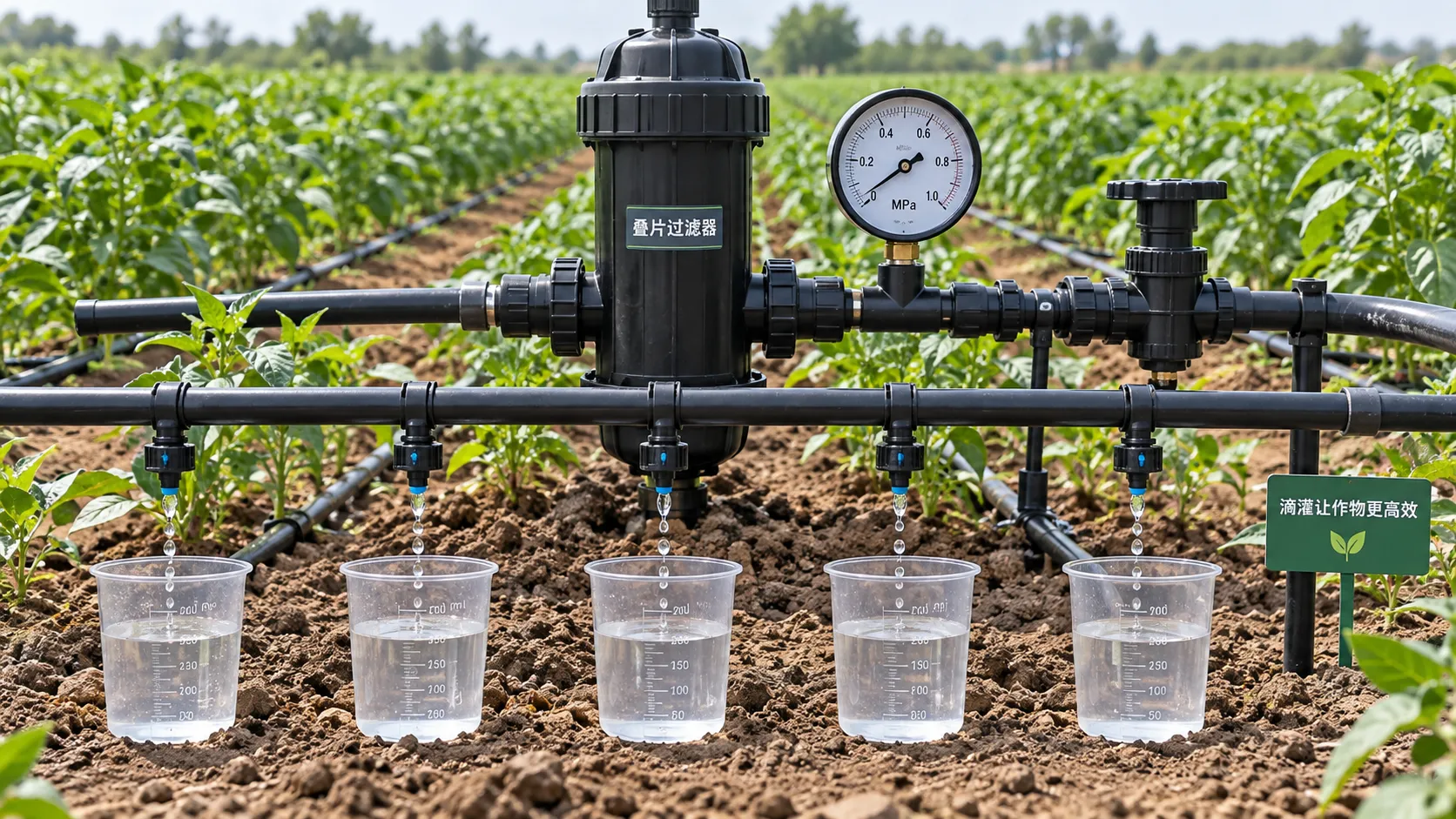
Low-Pressure Drip Irrigation: How to Fix Uneven Watering Without Raising Pressure
Optimize low pressure water-saving irrigation systems: discover how to fix uneven watering, clear blockages, and reduce hydraulic losses without raising supply pressure.
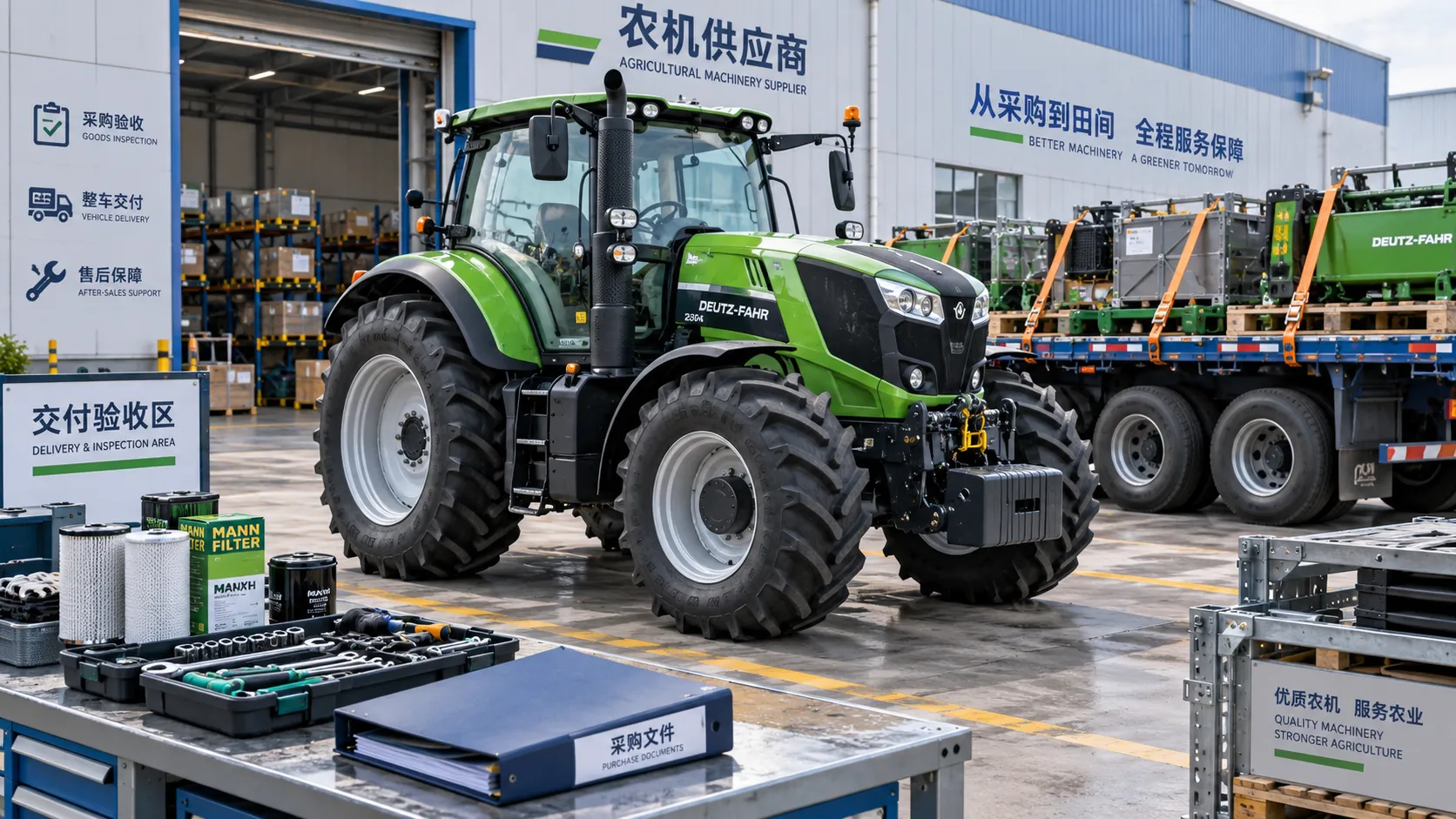
Comparing Farm Equipment Supplier Quotes: Price, Freight, and Warranty
Simplify supplier comparison for farm equipment price: assess freight, field-ready costs, and warranty coverage. Learn how to avoid hidden charges and choose a reliable supplier.
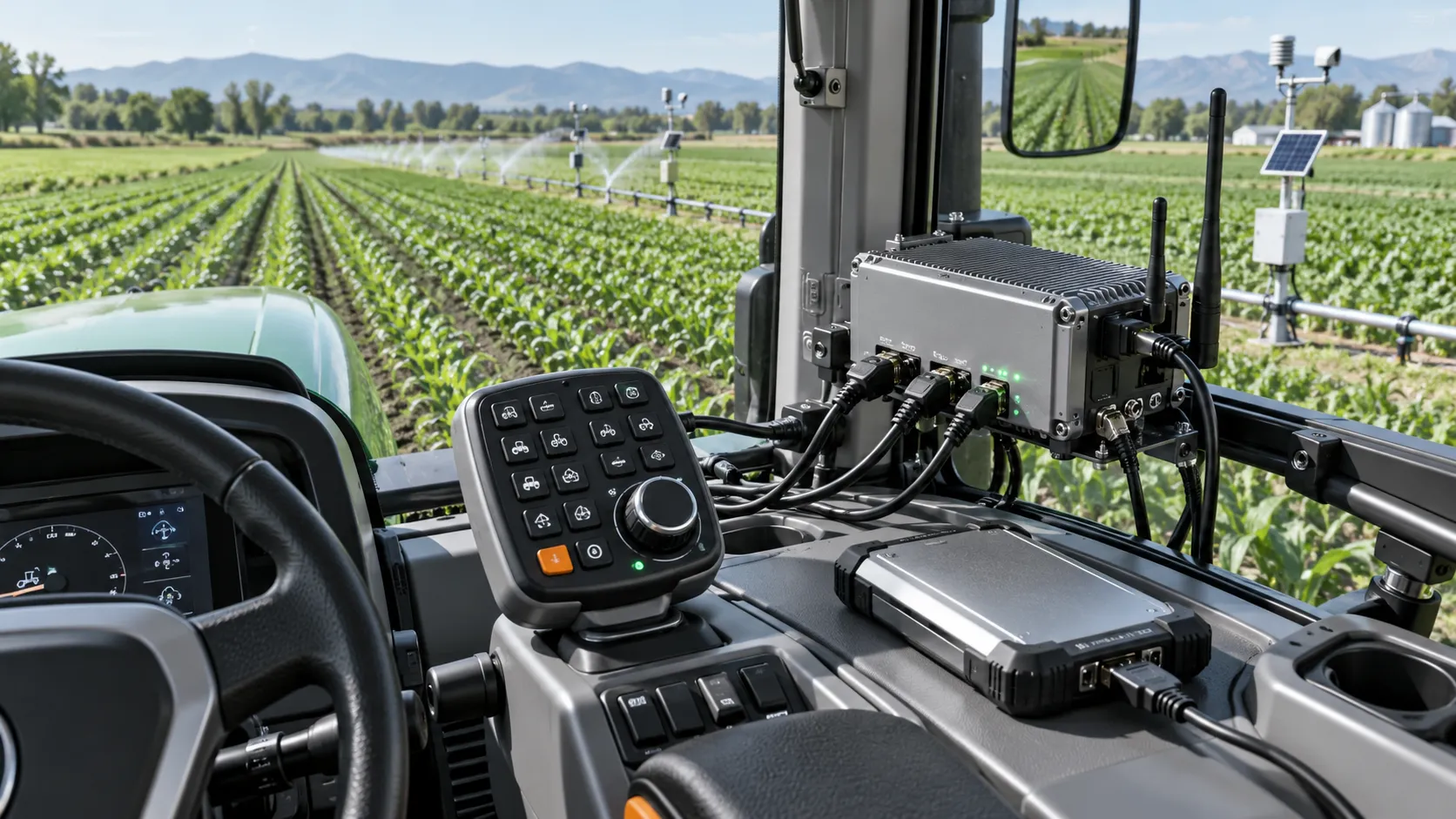
Choosing a Digital Farming Platform Provider: Compatibility and Data Ownership
Compare digital farming platforms providers on equipment compatibility, data ownership, and export rights. Discover practical checks to avoid lock-in and choose with confidence.
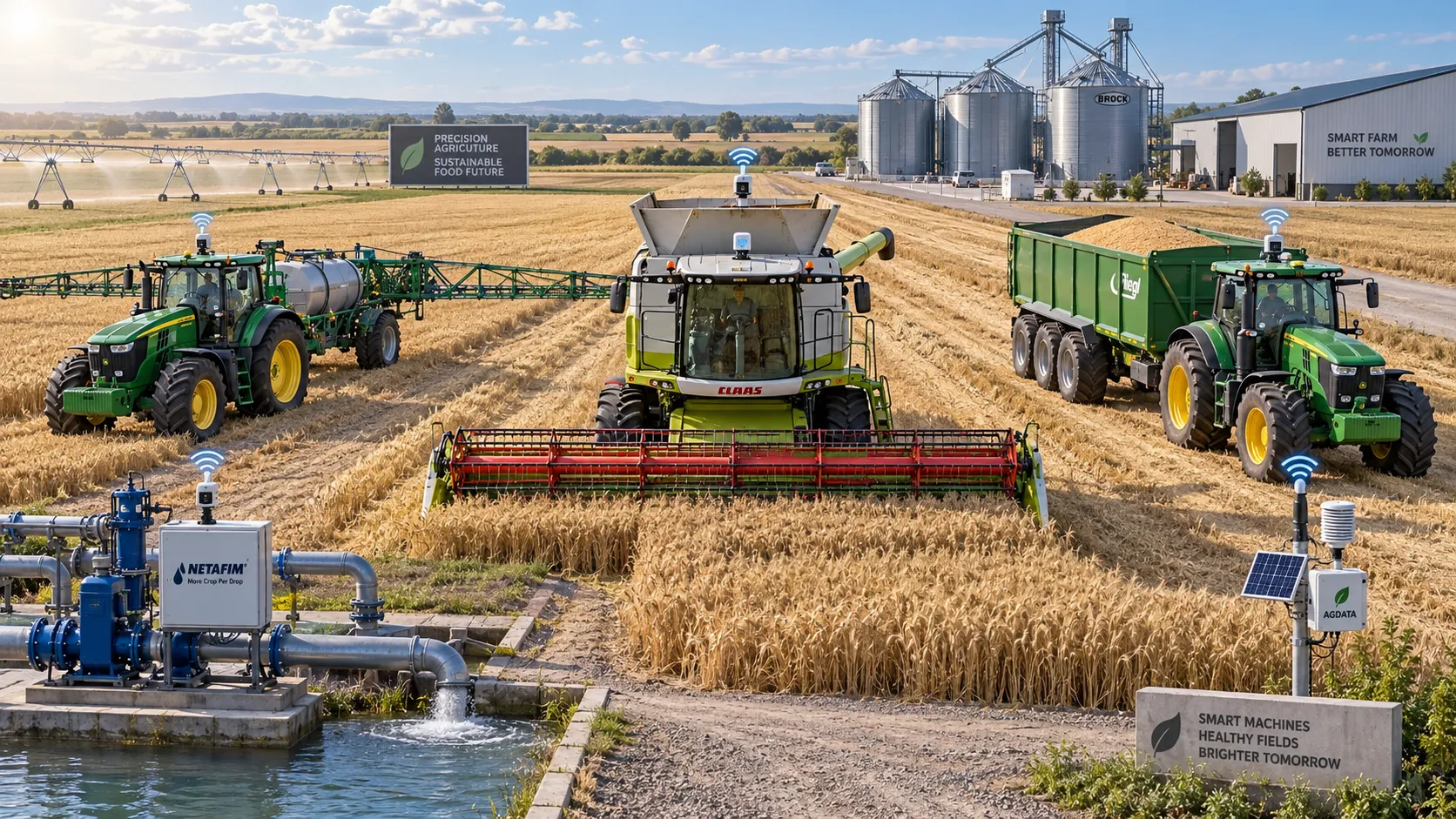
How Large-Scale Farm Telematics Cuts Downtime Across Mixed Fleets
Large-scale farm equipment telematics cuts mixed-fleet downtime with real-time alerts, smarter maintenance, and stronger operational control. Learn how to protect critical farm workflows.
How to Size Low-Pressure Water-Saving Irrigation Systems for Uneven Fields
Low pressure water-saving irrigation systems for uneven fields: learn zoning, pressure mapping, pipe sizing, and pump selection to improve uniformity and reduce water waste.
Farm Machinery Sourcing: How to Vet Suppliers, Specs, and Lifecycle Costs
Farm machinery information for sourcing: learn to vet suppliers, compare specifications, control lifecycle costs, and secure reliable uptime for smarter equipment purchases.
What maintenance challenges come with hybrid agricultural machines?
Hybrid agricultural machines demand smarter maintenance. Discover key challenges in high-voltage safety, batteries, software diagnostics, cooling, and parts planning.
Can hybrid propulsion systems reduce fuel use in farm machinery?
Hybrid propulsion systems for agricultural machinery can cut fuel use and boost productivity. Explore savings potential, key trade-offs, and smart investment factors.
Related News
- 00
0000-00
Choosing an Agriculture 4.0 Supplier: Compatibility, Support, and Total Cost - 00
0000-00
Comparing Farm Equipment Supplier Quotes: Price, Freight, and Warranty - 00
0000-00
Choosing a Digital Farming Platform Provider: Compatibility and Data Ownership - 00
0000-00
How Large-Scale Farm Telematics Cuts Downtime Across Mixed Fleets - 00
0000-00
Farm Machinery Sourcing: How to Vet Suppliers, Specs, and Lifecycle Costs
Popular Tags
Ms. Elena Rodriguez
Weekly Insights
Stay ahead with our curated technology reports delivered every Monday.