
China Yituo LW3204 CVT Tractor Launches Amid Accelerated Export Certification
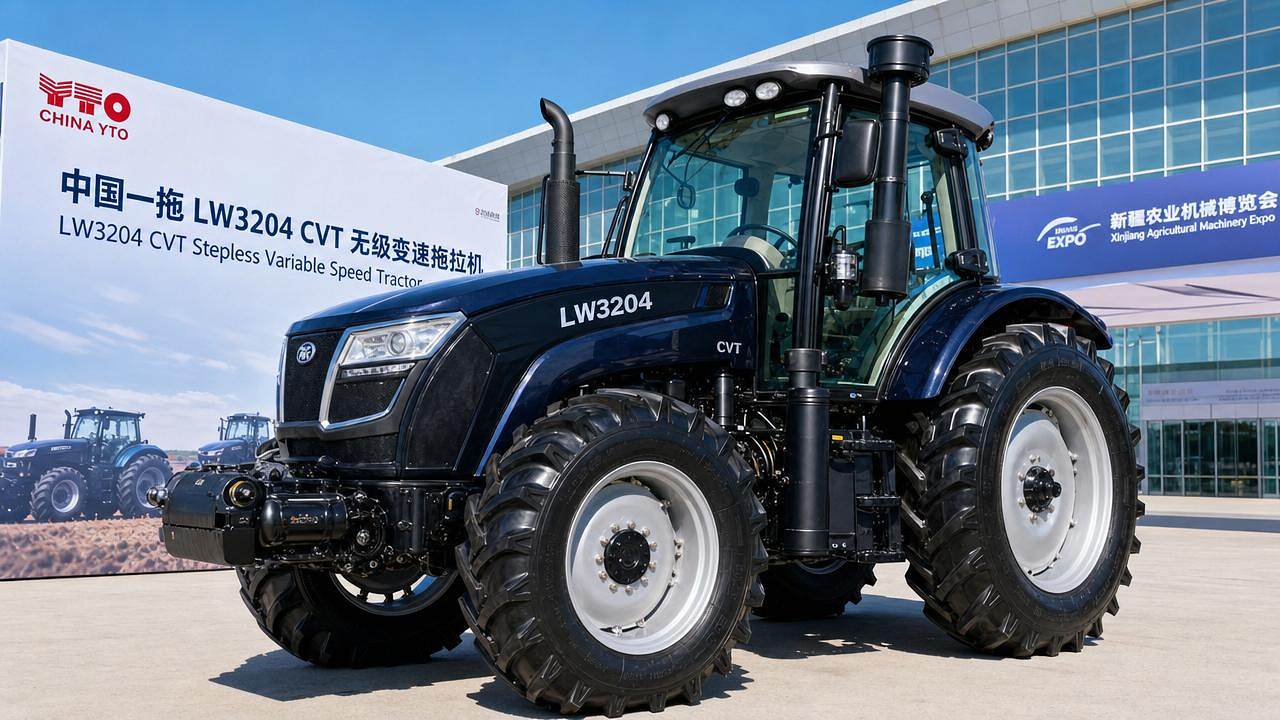




On May 25, 2026, China Yituo unveiled its LW3204 continuously variable transmission (CVT) tractor at the Xinjiang Agricultural Machinery Expo — a milestone signaling intensified alignment with international regulatory requirements for agricultural machinery exports. The launch directly impacts global agricultural equipment trade, as concurrent certification efforts across key markets introduce new compliance expectations for manufacturers, suppliers, and importers.
LW3204 CVT Tractor Unveiled with Dual Focus on Innovation and Compliance
China Yituo introduced the LW3204 tractor at the Xinjiang Agricultural Machinery Expo, featuring an in-house developed CVT transmission system enabling fully continuous speed control and intelligent load matching. According to the China Agricultural Machinery Distribution Association, the model has simultaneously initiated conformity assessment procedures for CE marking (European Union), ASAE standards (Australia), and EACR certification (Eurasian Economic Union, including Kazakhstan). First export prototype units are scheduled to complete regulatory testing by Q3 2026.
Market-Wide Implications Across Supply Chain Roles
Direct Exporters and Trading Enterprises
Export-oriented firms face tighter lead-time planning due to overlapping certification timelines and divergent technical documentation requirements across CE, ASAE, and EACR regimes. Pre-shipment verification, customs classification, and post-market surveillance obligations will require updated internal compliance protocols.
Raw Material and Component Suppliers
Suppliers of transmission components, hydraulic systems, and electronic control units must ensure traceability and conformity declarations aligned with target-market standards — particularly regarding material safety, electromagnetic compatibility (EMC), and mechanical durability under specified operating conditions.
Manufacturers and Assembly Facilities
Domestic OEMs and contract manufacturers must adapt production records, quality control checkpoints, and factory audit readiness to meet third-party certification body expectations — especially for design validation, functional safety (e.g., ISO 26262 principles adapted for agricultural use), and software update governance.
Supply Chain Service Providers
Logistics coordinators, technical documentation agencies, and certification consultants will see rising demand for jurisdiction-specific support — including translation of user manuals into EU official languages, ASAE-compliant field test reporting, and EACR technical file compilation in Russian.
Strategic Priorities for Enterprise Readiness
Harmonize Certification Roadmaps Across Target Markets
Given parallel CE, ASAE, and EACR processes, enterprises should map overlapping test requirements (e.g., vibration resistance, braking performance, operator protection) to avoid redundant validation and accelerate time-to-market.
Validate Technical Documentation Against Regulatory Annexes
User manuals, declaration of conformity templates, risk assessment reports, and EC-type examination certificates must reflect precise annex references — such as EU Machinery Directive 2006/42/EC Annex II, ASAE S318.12 for tractor safety, and TR CU 031/2012 for EACR.
Secure Supplier Declarations for Critical Subsystems
For CVT-related subsystems — including torque converters, hydraulic pumps, and control modules — procurement teams must obtain formal supplier statements confirming compliance with relevant harmonized or referenced standards.
Prepare for Post-Certification Surveillance Requirements
CE and EACR certifications mandate periodic factory audits and sample testing; ASAE registration may require ongoing field performance reporting. Enterprises should institutionalize record retention policies covering at least 10 years from first placement on market.
Industry Observation: Certification Convergence Remains Aspirational
Analysis shows that while CE, ASAE, and EACR share common safety and performance objectives, their conformity assessment pathways remain largely non-interoperable — requiring separate test reports, notified body engagement, and technical file structures. What deserves closer attention is the growing divergence in cybersecurity and over-the-air (OTA) update governance expectations, particularly under evolving EU AI Act provisions influencing future agricultural machinery regulation. From an industry perspective, this signals increasing complexity in managing multi-jurisdictional type approval — not just for tractors, but for all smart farm equipment entering regulated markets.
Toward Standardized Global Market Access
This launch reflects a broader industry shift: domestic innovation is now being engineered with export compliance embedded from concept stage. However, standardized access remains constrained by fragmented regulatory infrastructures — meaning manufacturers must treat certification not as a one-time gate, but as a sustained operational capability. A rational conclusion is that competitiveness in global agricultural machinery markets increasingly hinges less on mechanical superiority alone, and more on verifiable, auditable, and adaptable regulatory intelligence.
Source Attribution and Verification Notes
This article was generated exclusively from the provided input: title, event date (2026-05-25), and summary description. No external data, policy documents, or official links were referenced. Specific official source links were not provided in the input and should be verified continuously. Stakeholders are advised to monitor upcoming updates to CE Machinery Directive application guidelines, ASAE’s forthcoming revision of S318.12, and EACR certification authority interpretations — all of which may affect implementation timelines and testing scope for CVT-equipped agricultural machinery.
Related News
How to Evaluate Dynamic Feedback Algorithm Suppliers for Precision Farming Systems
Dynamic feedback algorithms supplier evaluation guide for precision farming—compare validation, integration, safety, and pilots to choose with confidence.
How to Specify Combine Harvester Systems for High-Moisture Grain and Variable Field Conditions
Combine harvester systems for high-moisture grain: learn how to specify threshing, cleaning, headers, traction, and automation for reliable harvests in variable fields.
How to Compare Agricultural Equipment Platforms for Fleet Management and ROI
Agricultural equipment platform comparison: evaluate fleet data, maintenance, precision workflows, and ROI to choose a system that delivers measurable results.
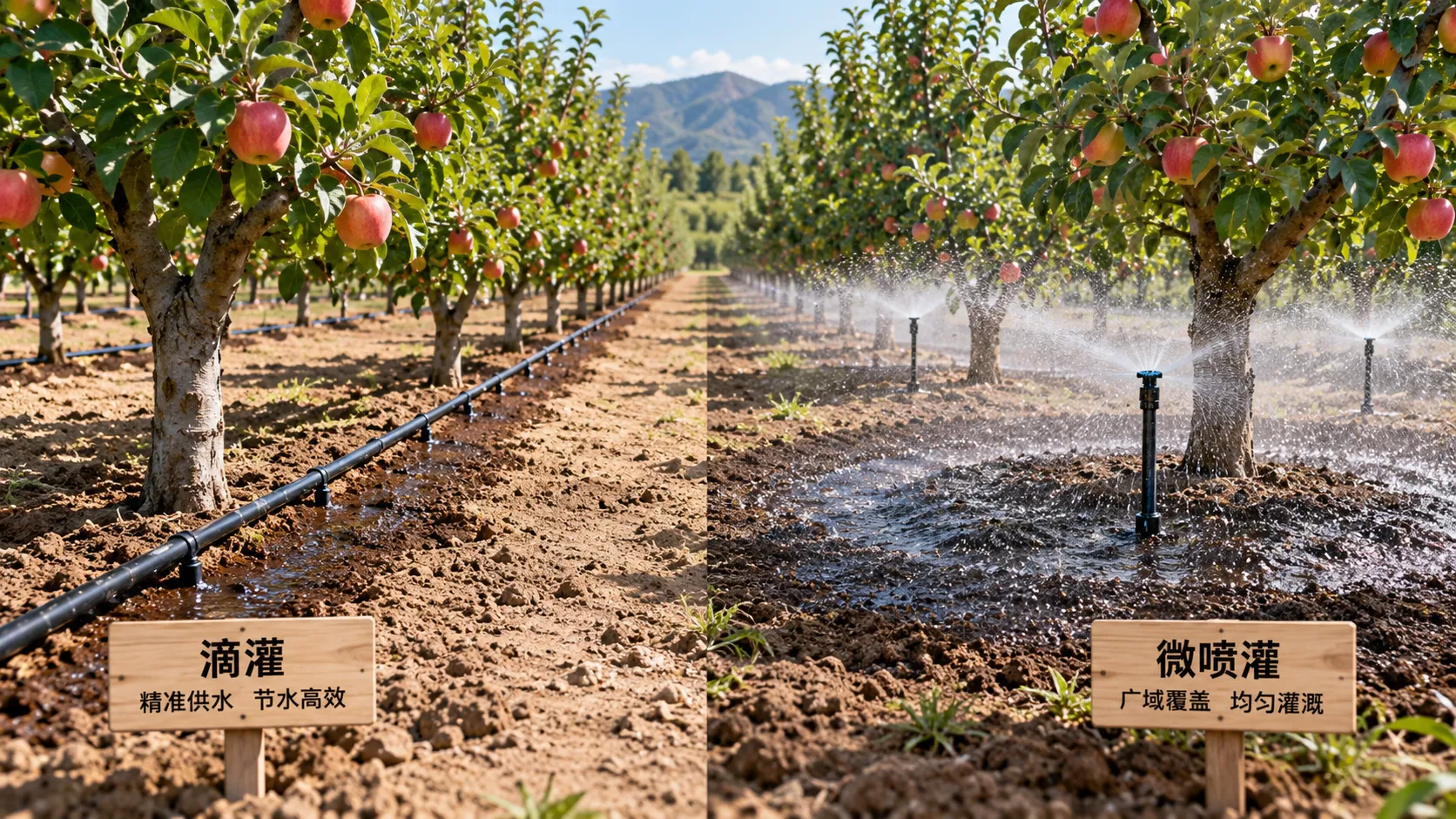
Drip vs. Micro-Sprinkler Irrigation: Which System Fits Your Orchard?
Irrigation solution comparison for orchards: discover whether drip or micro-sprinklers best match your water, soil, roots, fertigation, and frost needs.
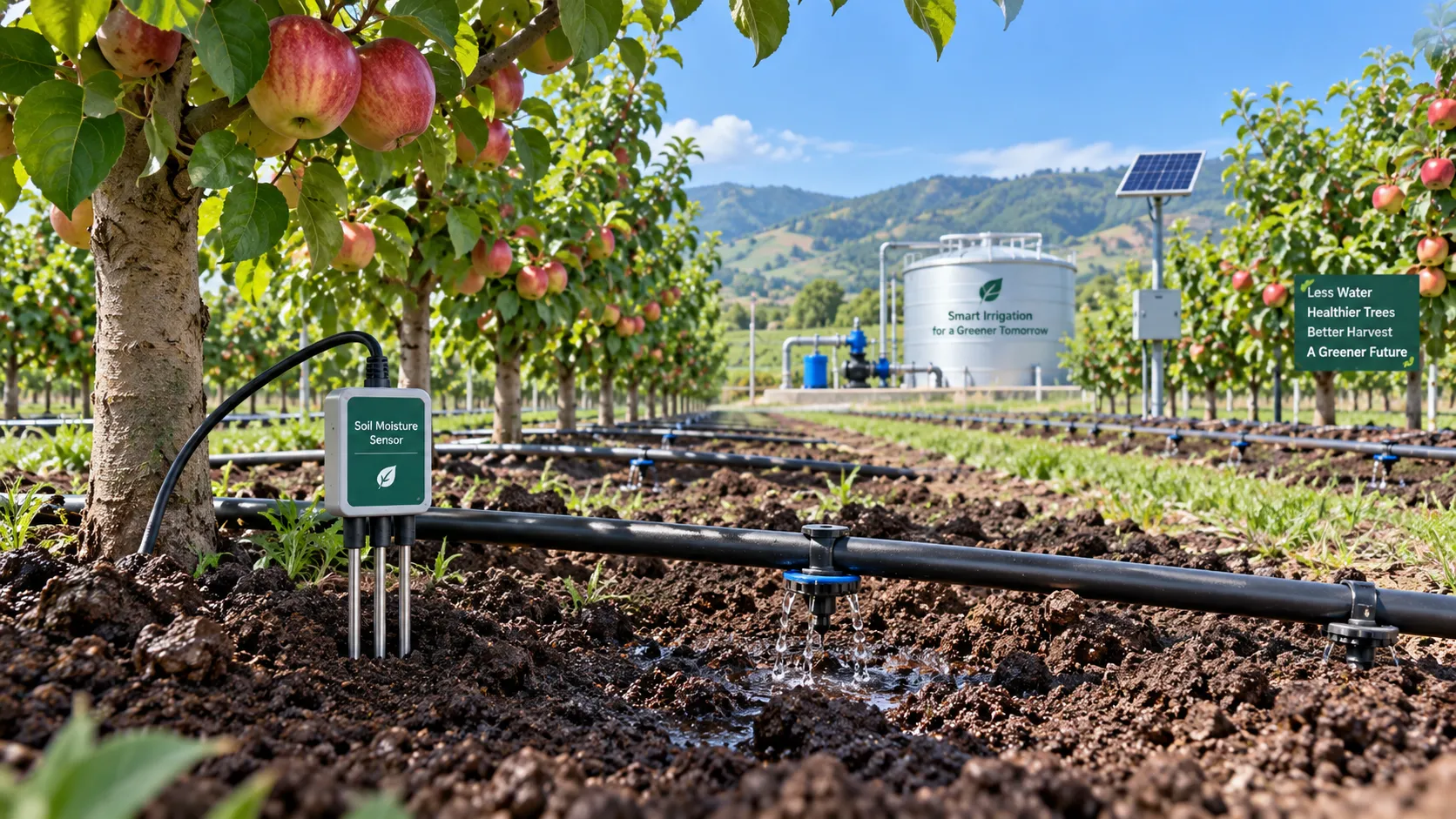
Orchard Water Management: Using Soil Moisture Data to Schedule Irrigation
Agricultural water management for orchards made practical: use soil moisture data to optimize irrigation timing, protect yield, reduce costs, and improve resilience.
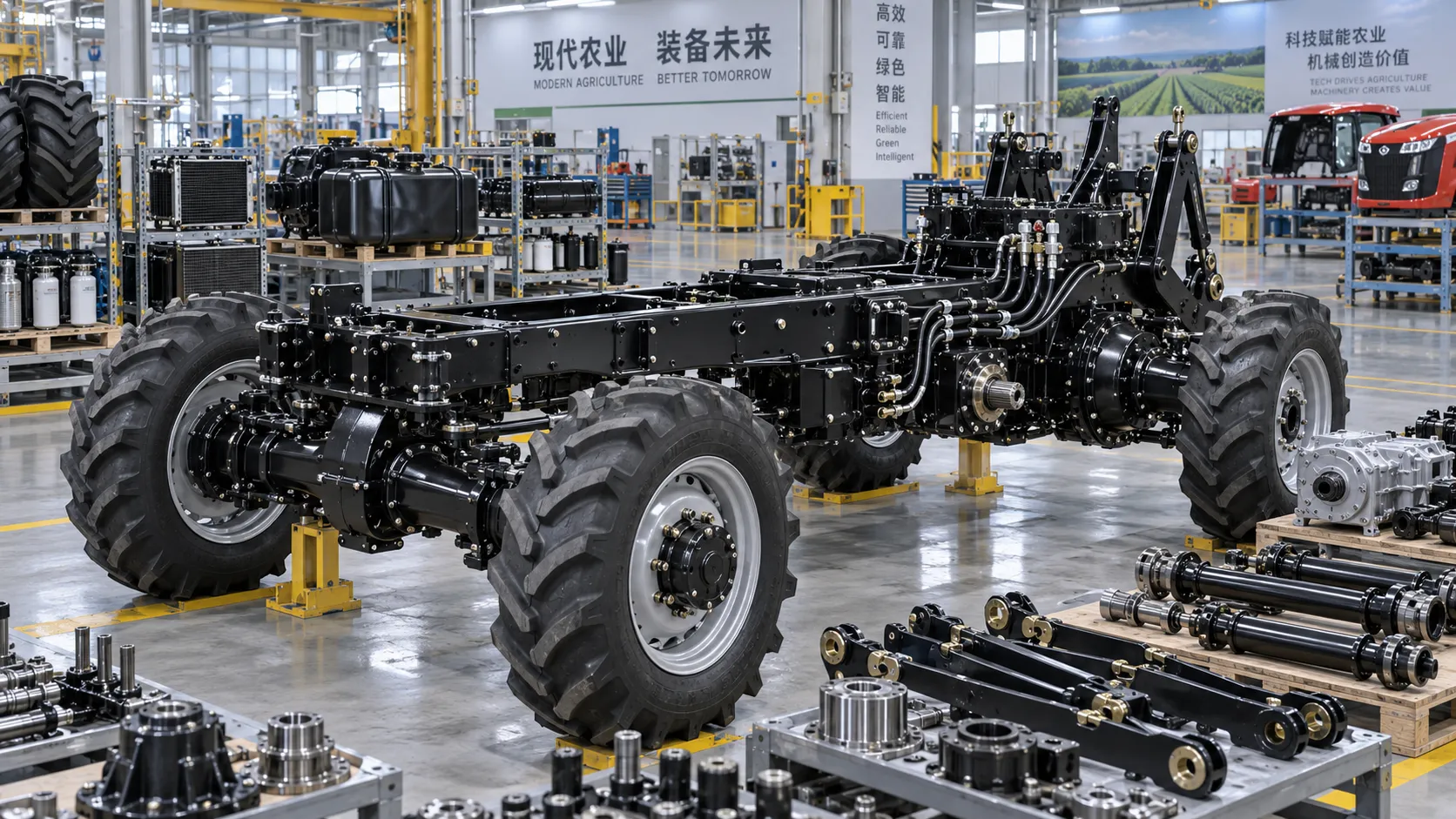
Tractor Chassis Price: What Buyers Should Compare Beyond the Initial Quote
Tractor chassis price is only the start. Compare load capacity, compatibility, durability, and lifecycle costs to choose a reliable, high-value chassis.
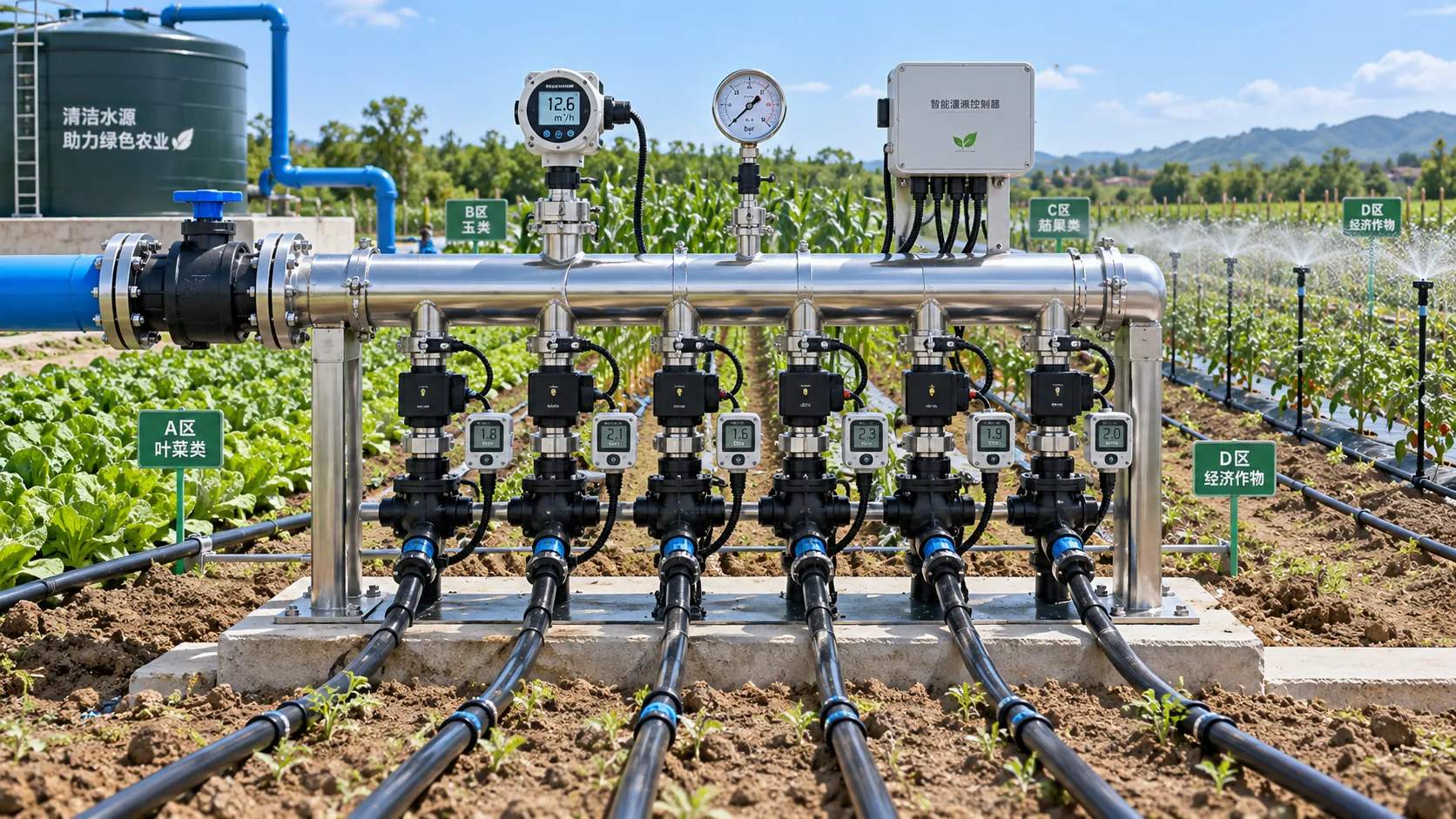
How to Select Smart Irrigation Valves for Multi-Zone Water Management?
Intelligent irrigation systems valves: learn how to match smart valves with multi-zone flow, pressure, control, feedback, and communication needs for reliable water management.
Climate-Smart Farming for Drought: A Practical Plan for Protecting Yields
Climate-smart farming for drought: build smarter water budgets, protect critical crop stages, improve irrigation uniformity, and safeguard yields with practical field-proven strategies.

How Digital Agriculture Platforms Turn Field Data Into Better Input Decisions
Digital agriculture platforms turn field data into smarter fertilizer, water, seed, and equipment decisions—helping farms cut risk, improve margins, and scale sustainability.
Related News
- 00
0000-00
How to Evaluate Dynamic Feedback Algorithm Suppliers for Precision Farming Systems - 00
0000-00
How to Specify Combine Harvester Systems for High-Moisture Grain and Variable Field Conditions - 00
0000-00
How to Compare Agricultural Equipment Platforms for Fleet Management and ROI - 00
0000-00
Drip vs. Micro-Sprinkler Irrigation: Which System Fits Your Orchard? - 00
0000-00
Orchard Water Management: Using Soil Moisture Data to Schedule Irrigation
Popular Tags
Industry Global
Weekly Insights
Stay ahead with our curated technology reports delivered every Monday.