
LiuGong LT3504-CE Hybrid Tractor Launches for Central Asia
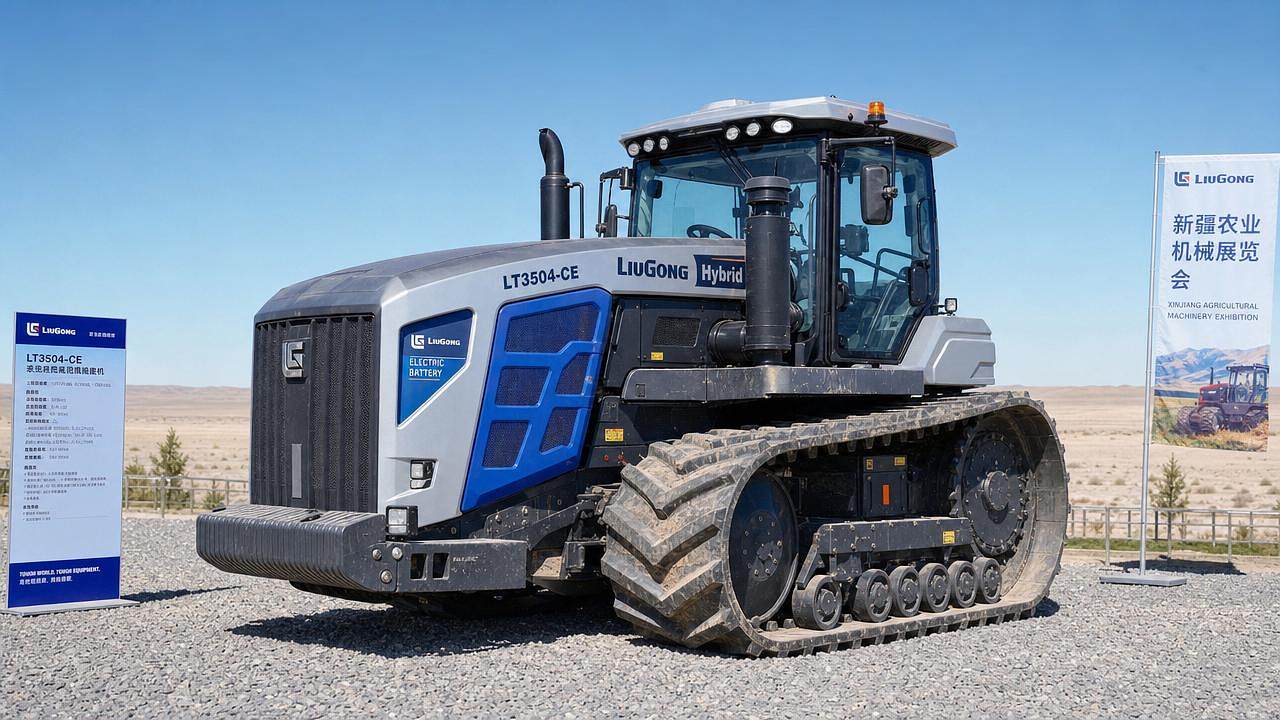




LiuGong officially launched the LT3504-CE hybrid tractor at the Xinjiang Agricultural Machinery Exhibition on May 25, 2026. The machine features a proprietary series hybrid architecture optimized for high-temperature, low-humidity conditions typical of Central Asia. This development is relevant to agricultural machinery exporters, cross-border supply chain operators, and certification & compliance service providers — particularly those engaged with Kazakhstan, Uzbekistan, and other CAC countries — because it signals an early-stage institutional alignment between green equipment standards and regional trade facilitation mechanisms.
Event Overview
On May 25, 2026, LiuGong unveiled the LT3504-CE hybrid tractor at the Xinjiang Agricultural Machinery Exhibition. The model employs a fully independent series hybrid system. It incorporates targeted thermal management enhancements for both engine cooling and battery operation. Field validation was completed over 200 hours at a farm in Almaty, Kazakhstan. The tractor has been included in the Xinjiang Pilot Free Trade Zone’s ‘Central Asia Green Agricultural Machinery Export White List’, granting priority customs clearance and expedited quarantine inspection.
Industries Affected
Direct Exporters to Central Asia
Exporters handling agricultural machinery shipments to Kazakhstan and neighboring markets may face revised expectations regarding powertrain efficiency and climate-specific durability. Inclusion in the ‘White List’ implies that regulatory acceptance now extends beyond basic CE marking to include verified performance under local environmental stressors — potentially raising the bar for third-party entrants without comparable field validation.
Supply Chain Service Providers (Customs Brokerage, Certification Agencies)
Service providers supporting agri-machinery exports must now accommodate a new administrative pathway: white-listed status triggers procedural advantages but also introduces documentation requirements tied to verified operational performance (e.g., test reports from Central Asian sites). This may require updates to compliance checklists and client advisory protocols.
Local Assembly or CKD Partners in Xinjiang or Central Asia
Partners involved in semi-knocked-down (SKD) or completely knocked-down (CKD) assembly may see increased demand for localized thermal management components — such as enhanced radiators or battery cooling modules — due to the demonstrated engineering focus on heat dissipation. However, no production localization plans have been disclosed.
What Relevant Enterprises or Practitioners Should Focus On
Monitor official updates to the ‘White List’ criteria
The current listing applies specifically to the LT3504-CE model. Analysis shows the eligibility framework — including validation duration, location, and technical scope — has not yet been published as a formal standard. Stakeholders should track announcements from the Xinjiang FTZ Administrative Committee for potential expansion or codification.
Assess exposure to thermal management-related procurement shifts
Observably, the emphasis on散热 (cooling) and battery thermal control reflects a functional adaptation to Central Asian conditions — not merely a marketing feature. Companies sourcing radiators, coolant systems, or battery housings should review whether their current supplier base meets elevated ambient temperature tolerance benchmarks (e.g., >45°C continuous operation).
Distinguish between policy signal and near-term commercial impact
The ‘White List’ offers procedural benefits, but does not guarantee market access, subsidy eligibility, or tariff reduction. From industry perspective, this initiative is best understood as a pilot mechanism for regulatory harmonization — not an immediate sales catalyst. Commercial traction will depend on end-user adoption patterns in Kazakhstan, which remain unreported.
Prepare documentation templates aligned with field-validation evidence
Current white-list inclusion references 200-hour field testing in Almaty. Firms planning similar submissions should begin compiling traceable, third-party-verified operational logs — including ambient temperature records, fuel/electricity consumption metrics, and maintenance incident logs — as these appear to be implicit evaluation inputs.
Editorial Perspective / Industry Observation
This launch is better interpreted as a regulatory coordination signal than a product-market milestone. Analysis shows the core significance lies not in the tractor’s technical specifications per se, but in the linkage between domestic free-trade zone mechanisms and overseas operational verification. It suggests Chinese export support infrastructure is beginning to incorporate real-world use data — rather than lab-based certifications alone — into preferential treatment frameworks. However, the absence of publicly released validation methodology or white-list governance rules means its replicability remains uncertain. The industry should treat this as an early indicator of evolving compliance expectations — not as an established benchmark.
Conclusion
The LT3504-CE launch marks a procedural inflection point: it demonstrates how localized field testing in Central Asia can feed into domestic trade facilitation tools. Yet, its immediate commercial implications are limited to one model and one jurisdictional pathway. Currently, it is more accurate to view this as a test case in regulatory interoperability — not as evidence of broad-based market readiness or policy standardization. Stakeholders are advised to observe subsequent listings and any published eligibility guidelines before adjusting strategic assumptions.
Source Attribution
Main source: Official announcement by LiuGong at the Xinjiang Agricultural Machinery Exhibition, May 25, 2026. No additional external sources or third-party verification reports were cited in the original information. The validation methodology, white-list governance rules, and future expansion plans remain pending further official disclosure.
Related News
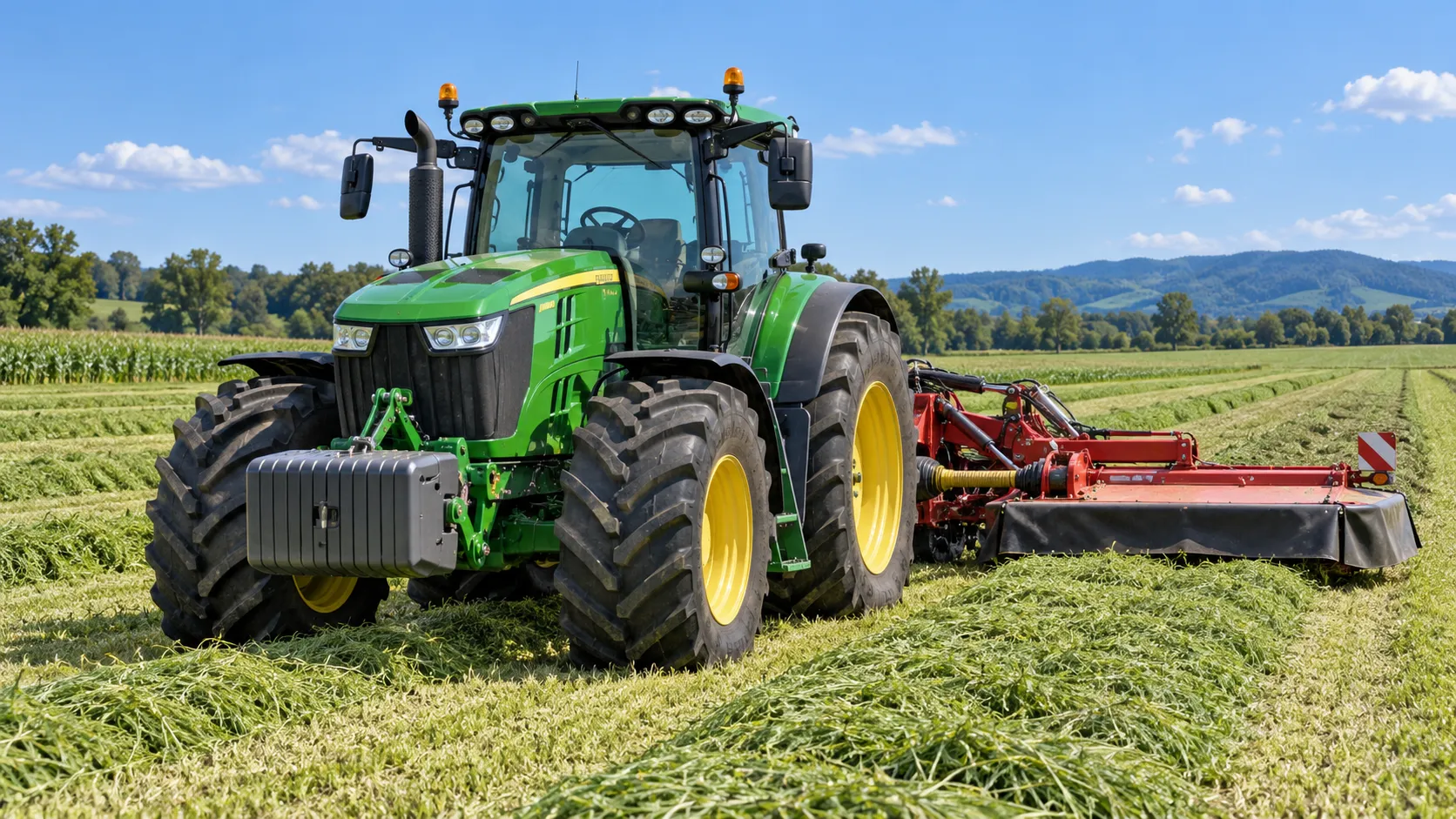
Tractor Specification Sheets: Matching PTO, Hydraulics, and Weight to Farm Tasks
Specification-oriented articles for tractors: match PTO, hydraulics, lift capacity, ballast, and weight to real farm tasks for safer, more efficient equipment choices.
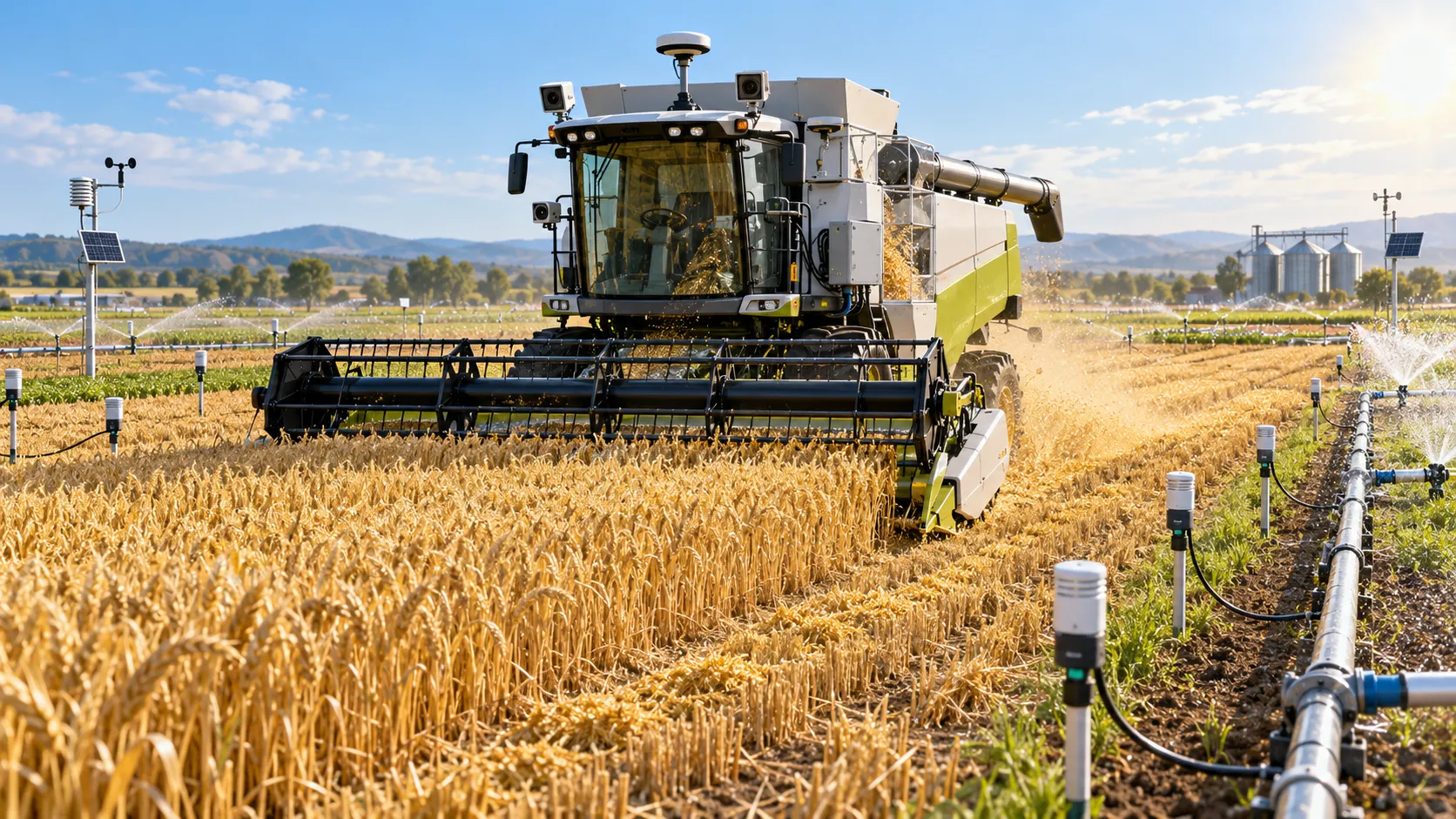
How to Evaluate Dynamic Feedback Algorithm Suppliers for Precision Farming Systems
Dynamic feedback algorithms supplier evaluation guide for precision farming—compare validation, integration, safety, and pilots to choose with confidence.
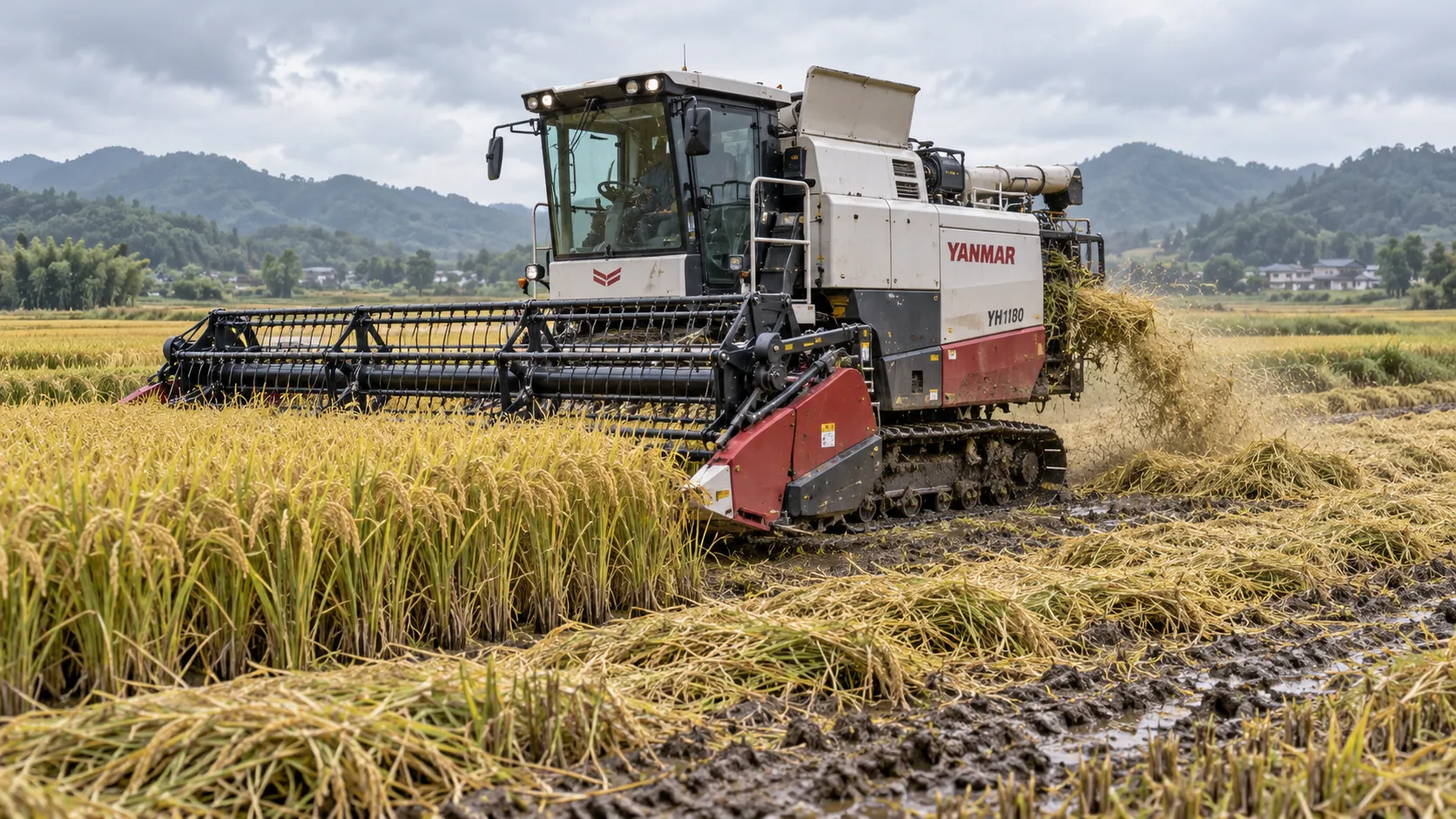
How to Specify Combine Harvester Systems for High-Moisture Grain and Variable Field Conditions
Combine harvester systems for high-moisture grain: learn how to specify threshing, cleaning, headers, traction, and automation for reliable harvests in variable fields.
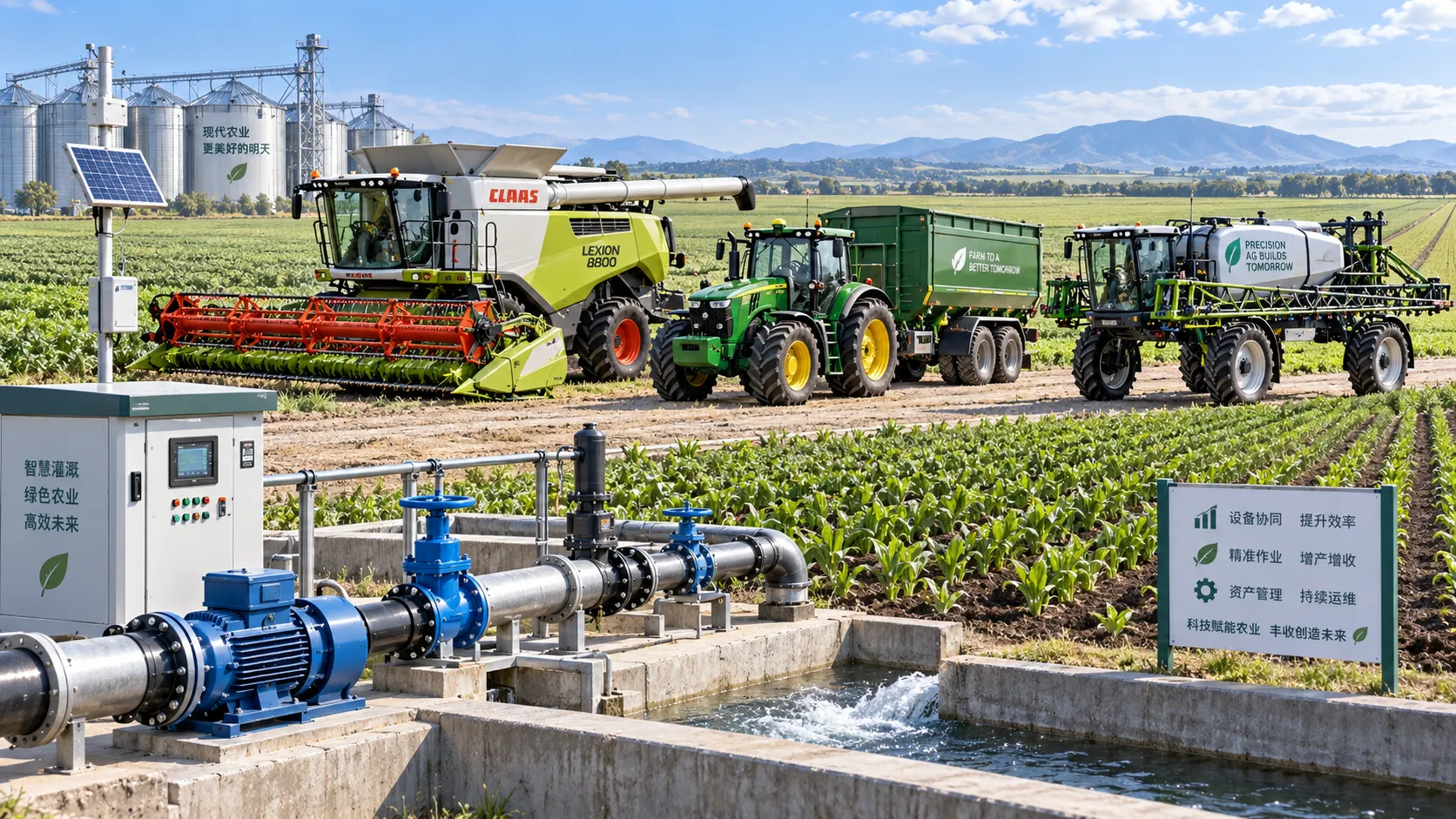
How to Compare Agricultural Equipment Platforms for Fleet Management and ROI
Agricultural equipment platform comparison: evaluate fleet data, maintenance, precision workflows, and ROI to choose a system that delivers measurable results.
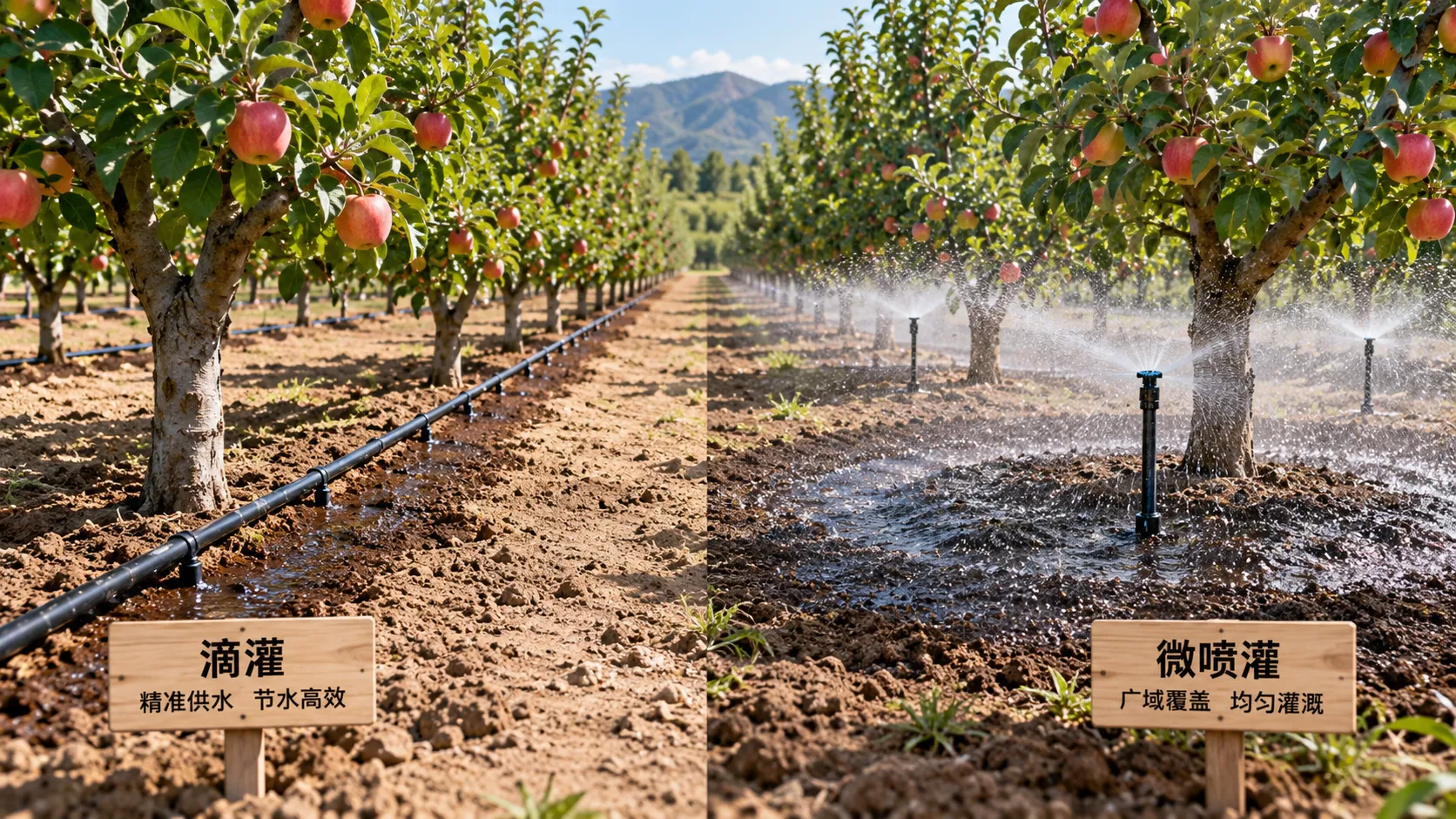
Drip vs. Micro-Sprinkler Irrigation: Which System Fits Your Orchard?
Irrigation solution comparison for orchards: discover whether drip or micro-sprinklers best match your water, soil, roots, fertigation, and frost needs.
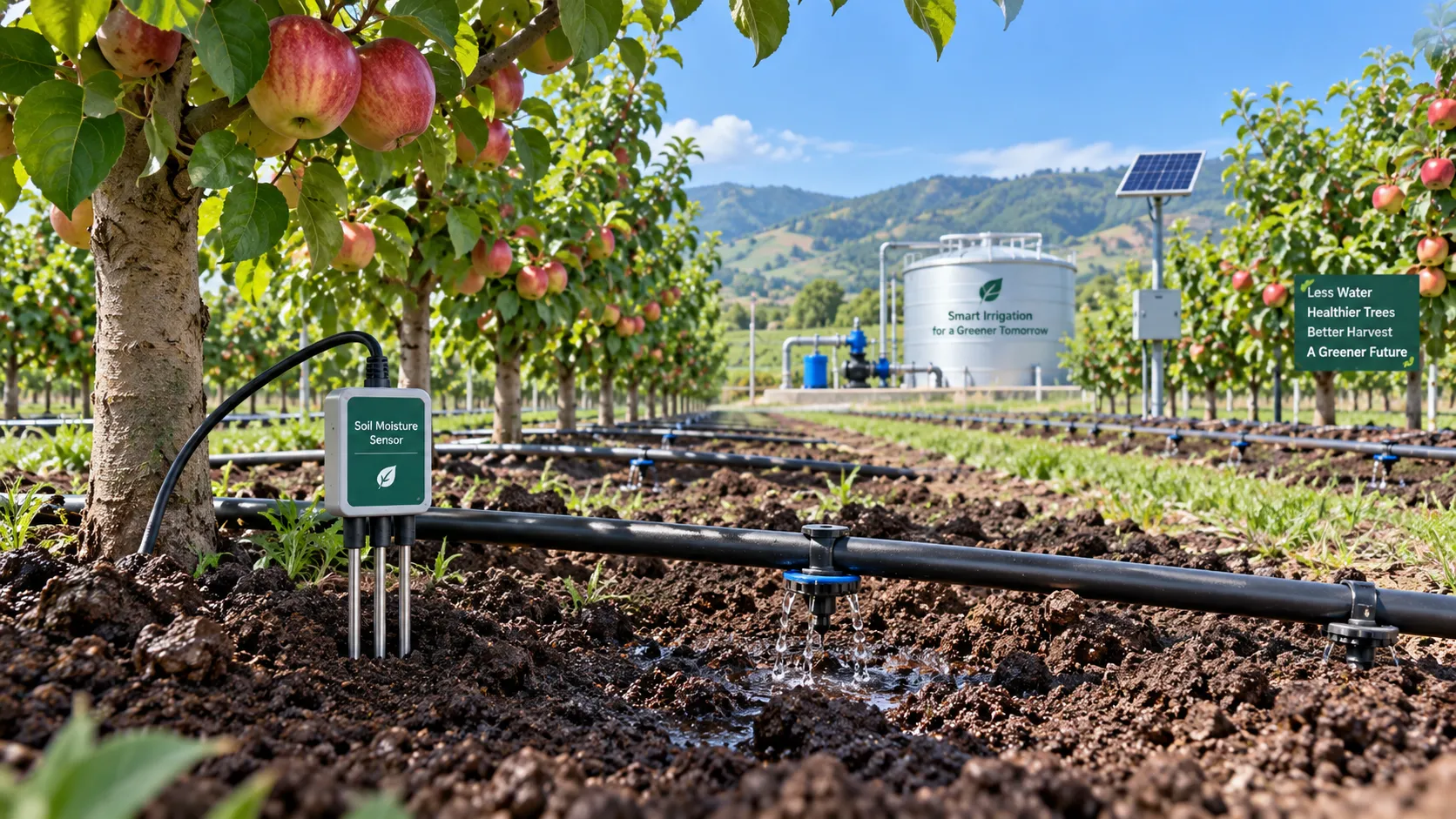
Orchard Water Management: Using Soil Moisture Data to Schedule Irrigation
Agricultural water management for orchards made practical: use soil moisture data to optimize irrigation timing, protect yield, reduce costs, and improve resilience.
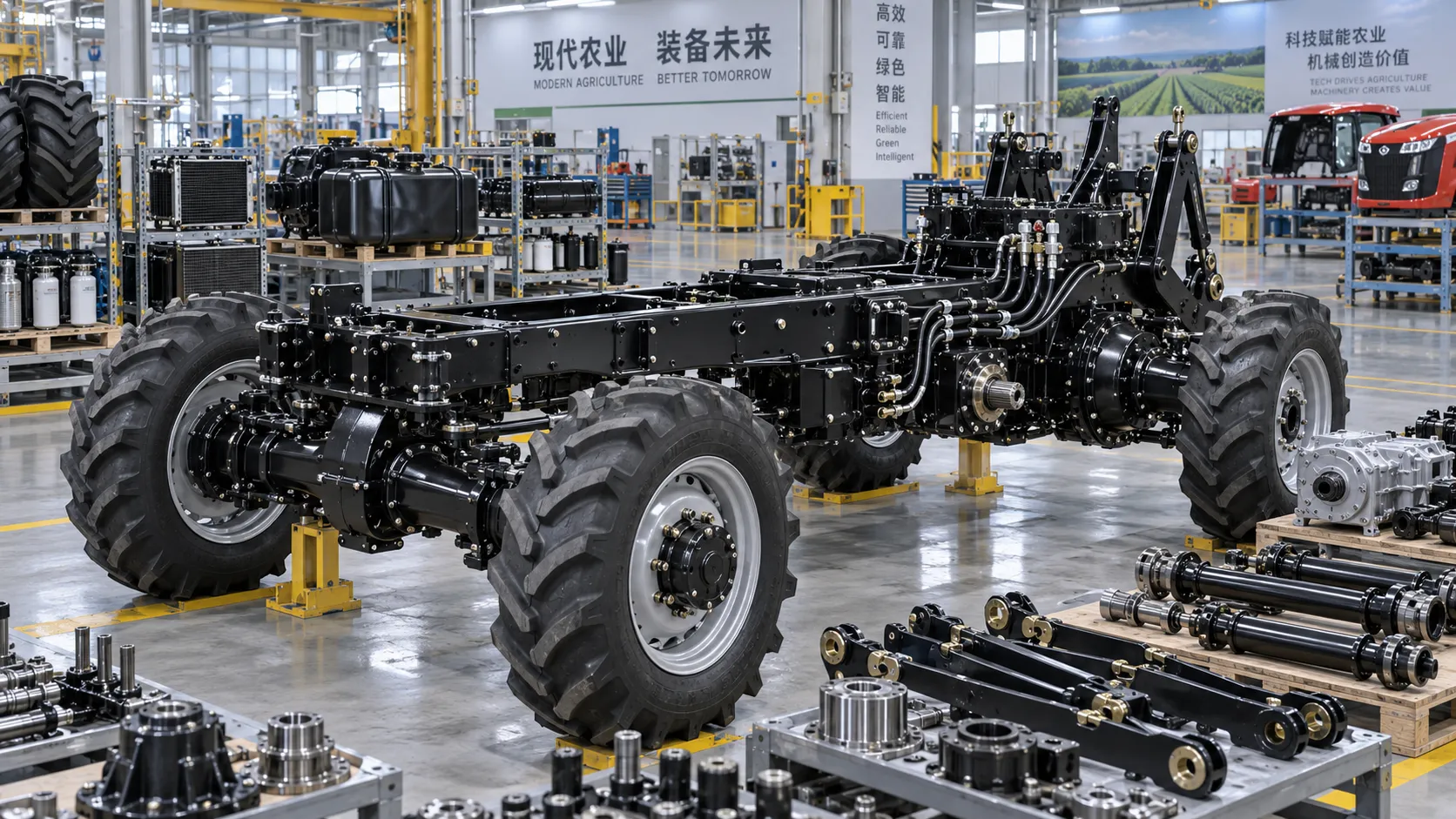
Tractor Chassis Price: What Buyers Should Compare Beyond the Initial Quote
Tractor chassis price is only the start. Compare load capacity, compatibility, durability, and lifecycle costs to choose a reliable, high-value chassis.
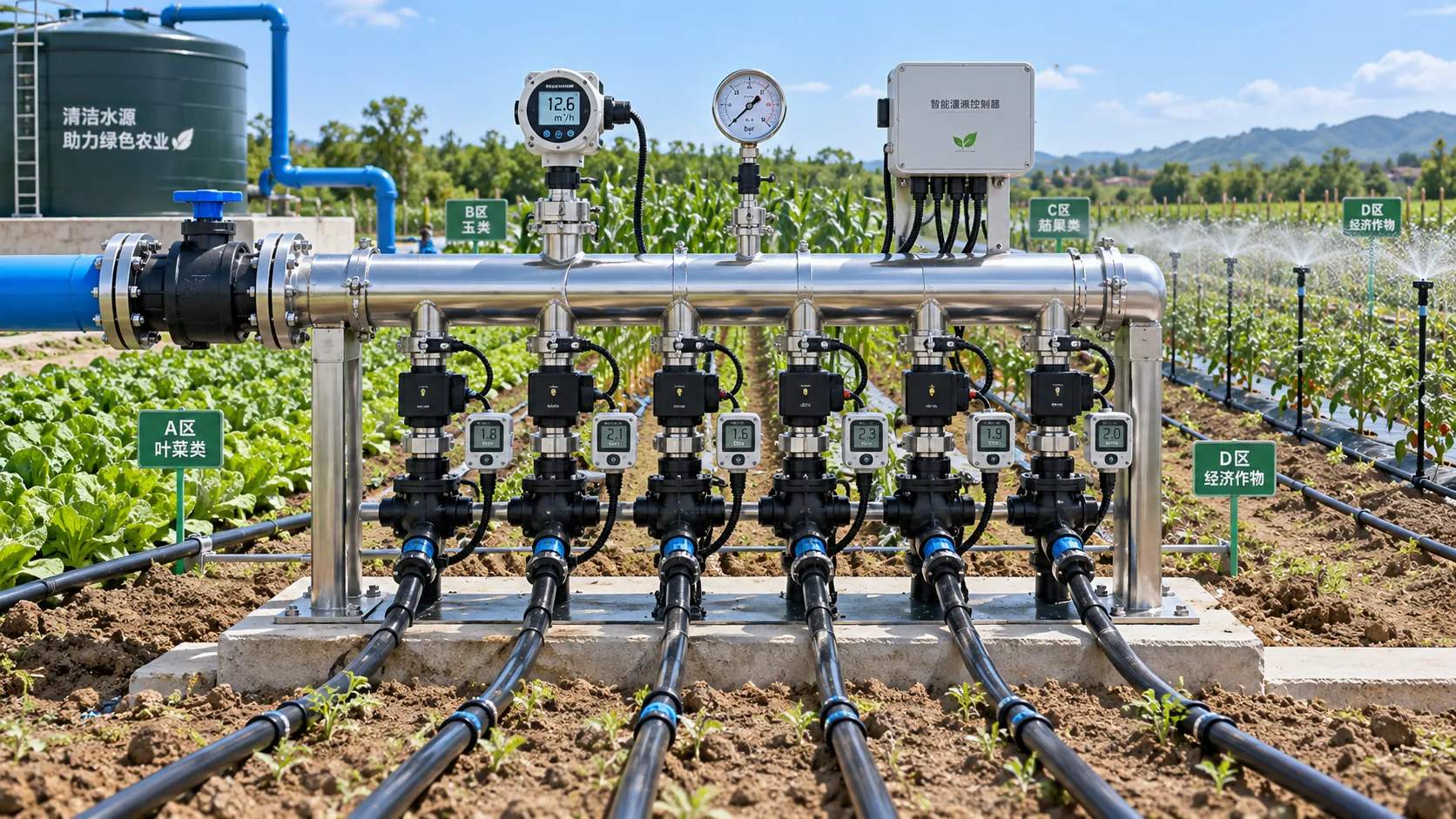
How to Select Smart Irrigation Valves for Multi-Zone Water Management?
Intelligent irrigation systems valves: learn how to match smart valves with multi-zone flow, pressure, control, feedback, and communication needs for reliable water management.
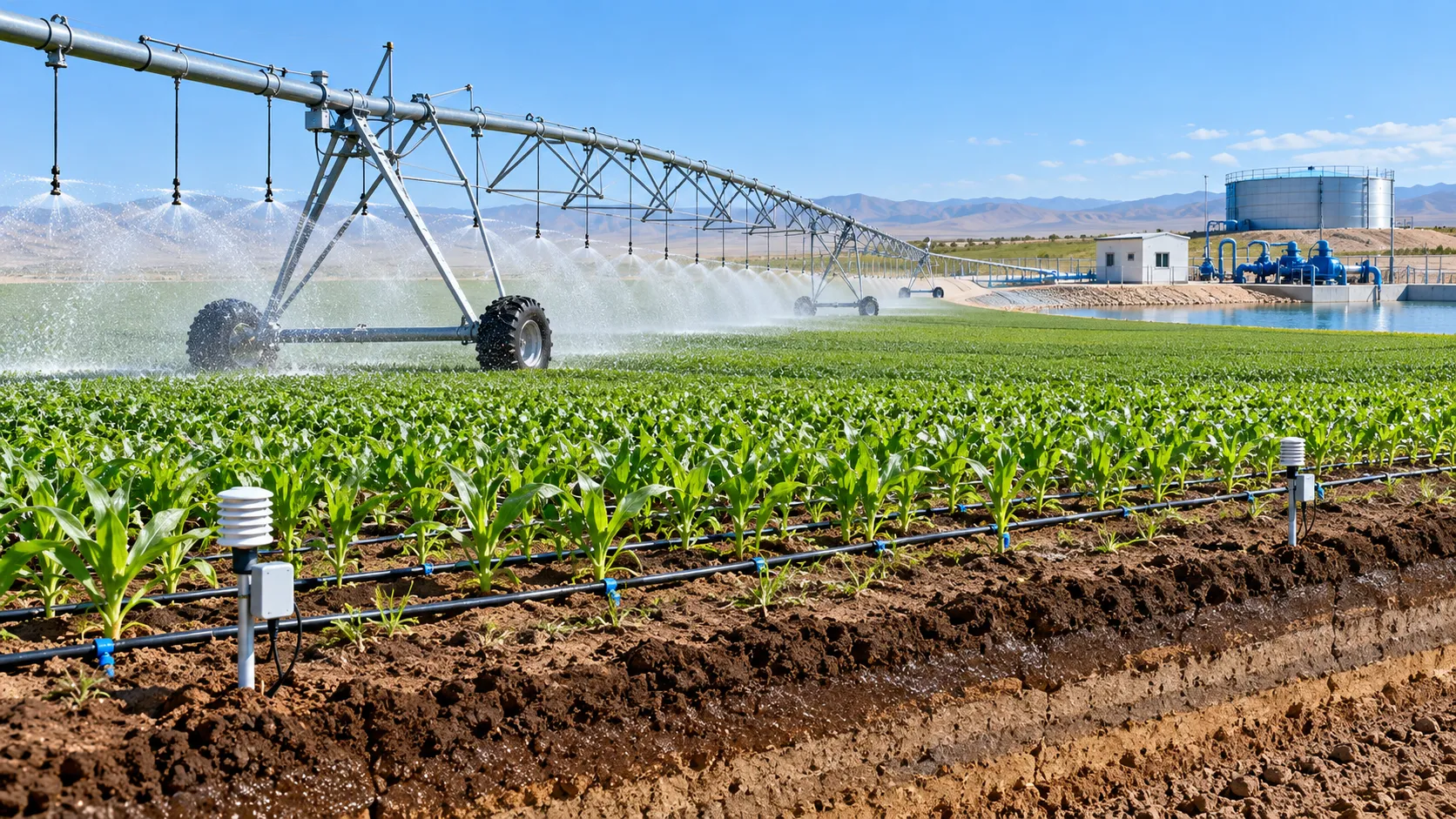
Climate-Smart Farming for Drought: A Practical Plan for Protecting Yields
Climate-smart farming for drought: build smarter water budgets, protect critical crop stages, improve irrigation uniformity, and safeguard yields with practical field-proven strategies.
Related News
- 00
0000-00
Tractor Specification Sheets: Matching PTO, Hydraulics, and Weight to Farm Tasks - 00
0000-00
How to Evaluate Dynamic Feedback Algorithm Suppliers for Precision Farming Systems - 00
0000-00
How to Specify Combine Harvester Systems for High-Moisture Grain and Variable Field Conditions - 00
0000-00
How to Compare Agricultural Equipment Platforms for Fleet Management and ROI - 00
0000-00
Drip vs. Micro-Sprinkler Irrigation: Which System Fits Your Orchard?
Popular Tags
Industry Global
Weekly Insights
Stay ahead with our curated technology reports delivered every Monday.