
2026 Xinjiang Agri-Machinery Expo Launches First Hybrid Tractor Zone
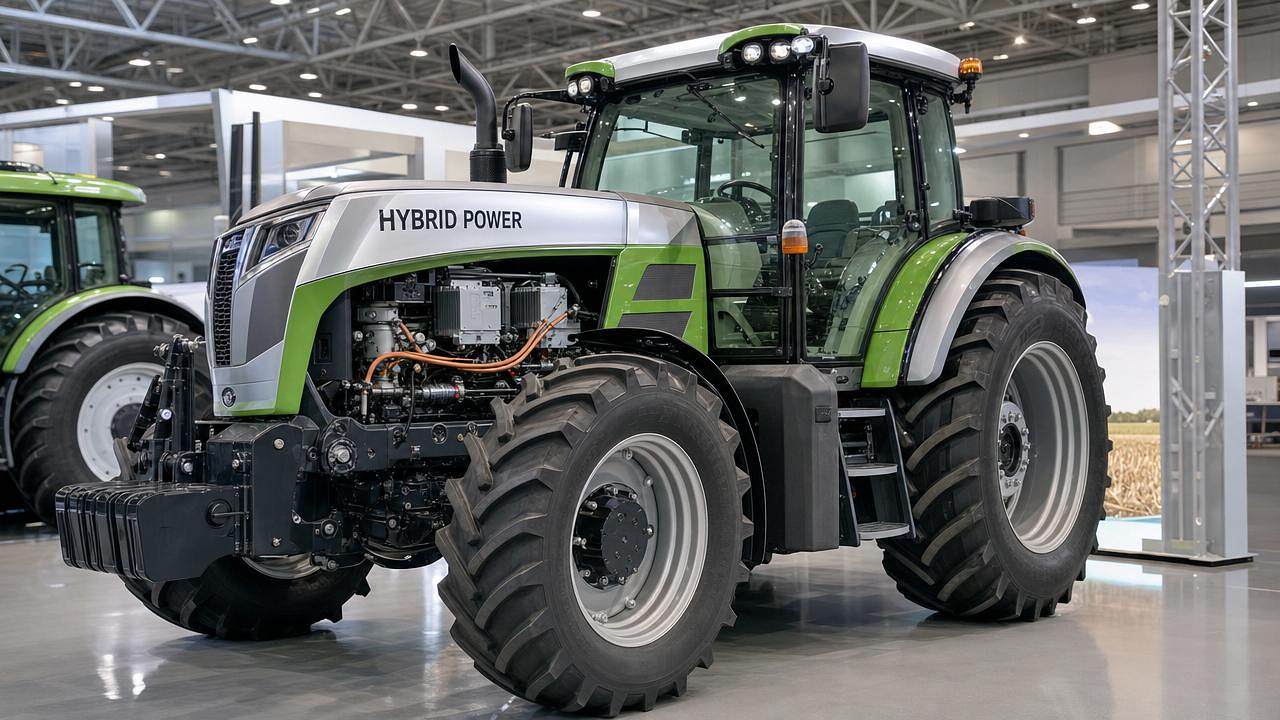




The 2026 Xinjiang International Agricultural Machinery Exhibition opened in Urumqi on May 25, 2026, marking a pivotal development in China’s agricultural equipment export strategy and green technology adoption—driven by evolving regional trade frameworks and growing demand for energy-efficient machinery across Central Asia.
Event Highlights and Confirmed Facts
The exhibition debuted a dedicated ‘New Energy Hybrid-Power Tractor’ zone—the first of its kind at the Xinjiang Agri-Machinery Expo. Leading domestic manufacturers including Lingong and LiuGong showcased hybrid tractors spanning 80–600 horsepower, with verified fuel consumption reductions exceeding 12%. Over 100 international buyers from more than ten countries—including Kazakhstan and Uzbekistan—have registered. Concurrently, the ‘Farm Machinery Going Global—Industrial Rooting’ international roundtable was held, focusing on overseas production capacity deployment and complementary export channel development aligned with pilot Free Trade Zone policies.
Impacts Across Supply Chain Roles
Direct Exporters
Export-oriented enterprises face immediate implications as hybrid tractor certification requirements—particularly for CE-equivalent conformity, emissions testing protocols, and battery safety standards—gain prominence in Central Asian procurement tenders. The roundtable’s emphasis on FTZ-linked export pathways signals potential shifts in documentation workflows, customs clearance timelines, and origin certification expectations.
Raw Material Suppliers
Suppliers of lithium-ion battery components, high-efficiency electric motors, and lightweight structural alloys may experience increased order visibility—but only if their materials meet traceability and sustainability reporting thresholds now being embedded in cross-border OEM sourcing guidelines discussed during the roundtable.
Equipment Manufacturers
Manufacturers must align production planning with dual-market specifications: domestic emission standards (e.g., China VI) and emerging Central Asian technical acceptance criteria for hybrid drivetrains. The 12% fuel reduction benchmark highlighted at the expo is increasingly referenced in pre-qualification documents—not as a marketing claim, but as a verifiable performance threshold.
Logistics and Compliance Service Providers
Third-party verification bodies and freight forwarders specializing in agri-machinery exports are seeing rising demand for integrated services—including pre-shipment conformity assessments, bilingual technical dossier preparation, and FTZ-specific bonded warehousing coordination—especially for shipments routed through the China–Kazakhstan border corridors.
Strategic Priorities for Enterprises
Validate Hybrid System Certification Pathways
Enterprises targeting Central Asian markets should proactively map applicable certification regimes—such as ECE R100 for electric powertrains or local adaptations of ISO 26262 for functional safety—rather than relying solely on domestic approvals. The expo’s hybrid zone serves as an early indicator of which standards will be prioritized in upcoming tenders.
Prepare for Technical Tender Alignment
Bid submissions for public procurement in Kazakhstan and Uzbekistan are increasingly requiring detailed hybrid system schematics, battery lifecycle validation reports, and localized maintenance manuals. Early engagement with certification labs familiar with both Chinese GB standards and CIS technical regulations is now critical.
Assess FTZ-Linked Export Channel Readiness
With the roundtable highlighting FTZ-supported export infrastructure, companies should evaluate whether their supply chain partners hold FTZ-registered status, possess bonded logistics capabilities, and maintain compliant digital customs declaration systems—key enablers for faster clearance under new preferential transit arrangements.
Industry Observation: Beyond the Showroom Floor
Analysis shows that the introduction of a dedicated hybrid tractor zone—and its explicit linkage to Central Asian procurement and FTZ export mechanisms—reflects a broader regulatory pivot: energy efficiency is no longer a differentiator but a de facto entry requirement for priority markets. What deserves closer attention is how rapidly national technical regulations in Kazakhstan and Uzbekistan may converge around verified fuel economy metrics and battery recycling obligations, potentially raising compliance lead times for exporters by 3–6 months. Observably, this shift favors vertically integrated manufacturers with in-house R&D and certification management—not just those with strong sales networks.
Toward Sustainable Market Integration
This event signals more than a product showcase—it represents an institutional alignment between green technology advancement, regional trade facilitation, and regulatory harmonization. Its significance lies not in isolated innovation, but in the coordinated emergence of technical, logistical, and policy conditions enabling long-term industrial presence abroad. Realistic implementation, however, remains contingent on transparent rule interpretation, consistent certification enforcement, and timely updates to bilateral technical annexes.
Source Attribution and Verification Notes
This article synthesizes information provided in the user-specified title, date (May 25, 2026), and event summary. Specific official source links were not provided in the input and should be verified continuously. Stakeholders are advised to monitor updates from the Xinjiang Uygur Autonomous Region Department of Agriculture and Rural Affairs, the China National Agricultural Mechanization Technology Extension Center, and bilateral trade working groups under the China–CIS Economic Cooperation Framework for forthcoming implementation details, certification guidance, and tender document revisions.
Related News
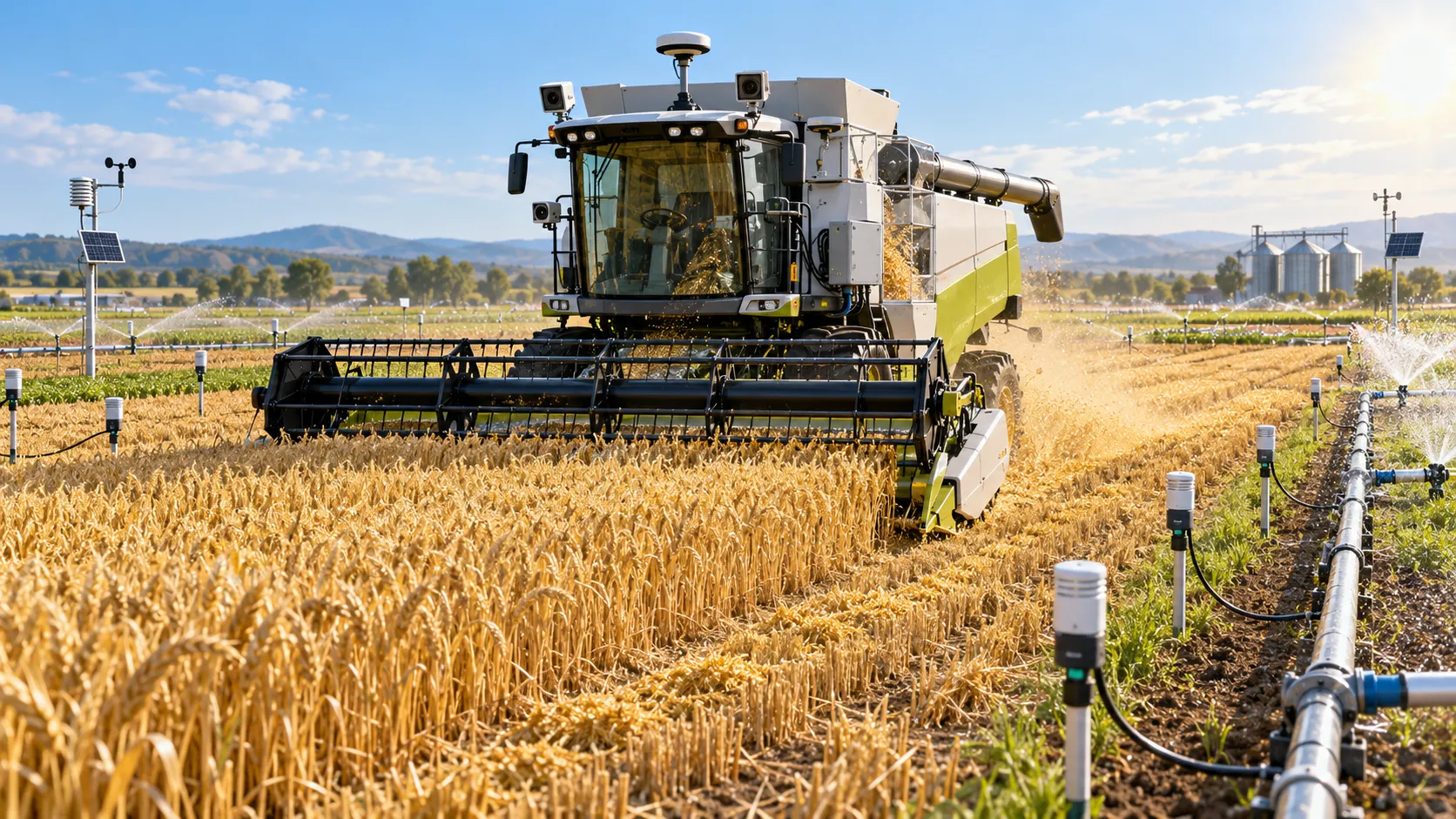
How to Evaluate Dynamic Feedback Algorithm Suppliers for Precision Farming Systems
Dynamic feedback algorithms supplier evaluation guide for precision farming—compare validation, integration, safety, and pilots to choose with confidence.
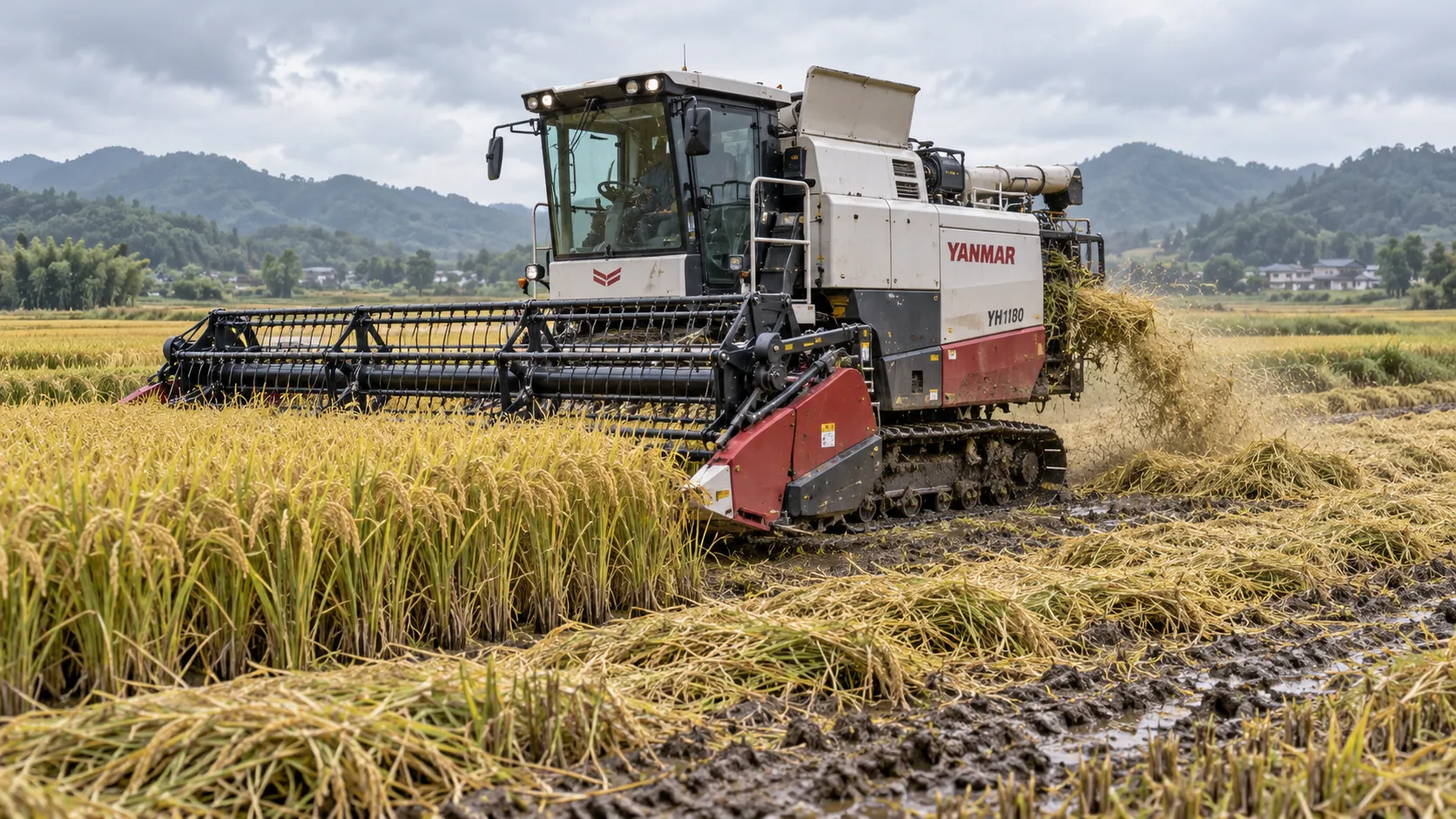
How to Specify Combine Harvester Systems for High-Moisture Grain and Variable Field Conditions
Combine harvester systems for high-moisture grain: learn how to specify threshing, cleaning, headers, traction, and automation for reliable harvests in variable fields.
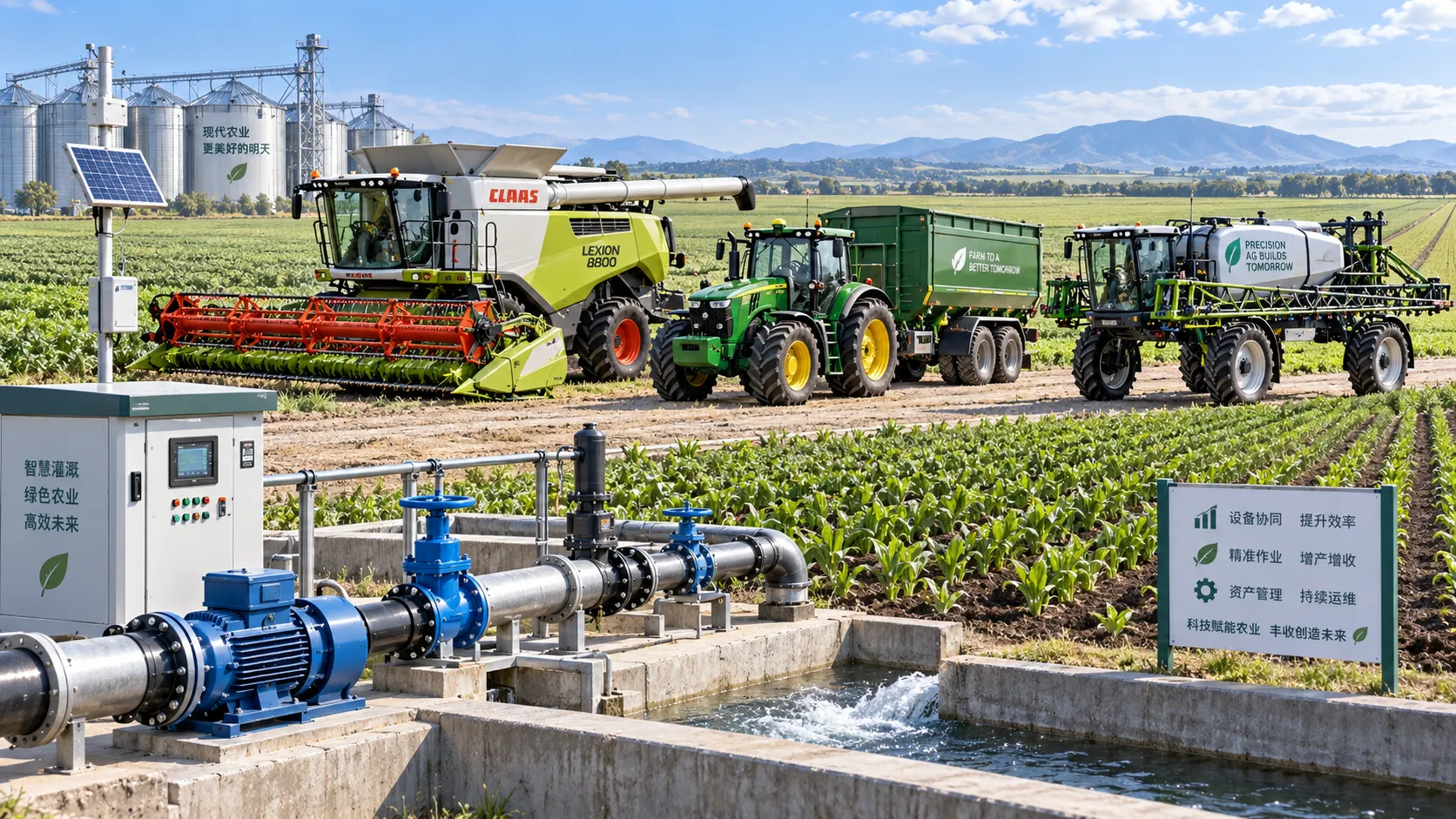
How to Compare Agricultural Equipment Platforms for Fleet Management and ROI
Agricultural equipment platform comparison: evaluate fleet data, maintenance, precision workflows, and ROI to choose a system that delivers measurable results.
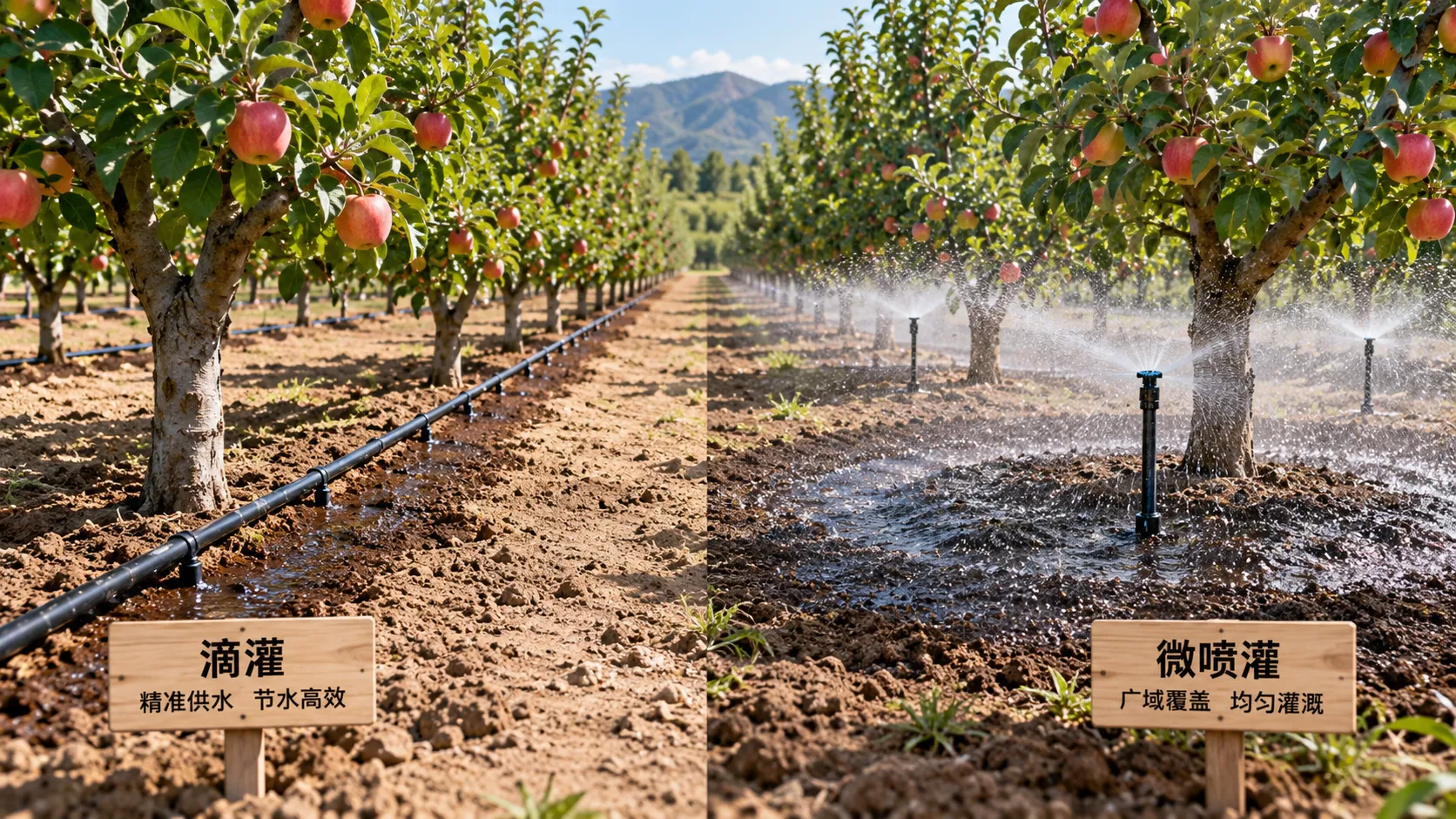
Drip vs. Micro-Sprinkler Irrigation: Which System Fits Your Orchard?
Irrigation solution comparison for orchards: discover whether drip or micro-sprinklers best match your water, soil, roots, fertigation, and frost needs.
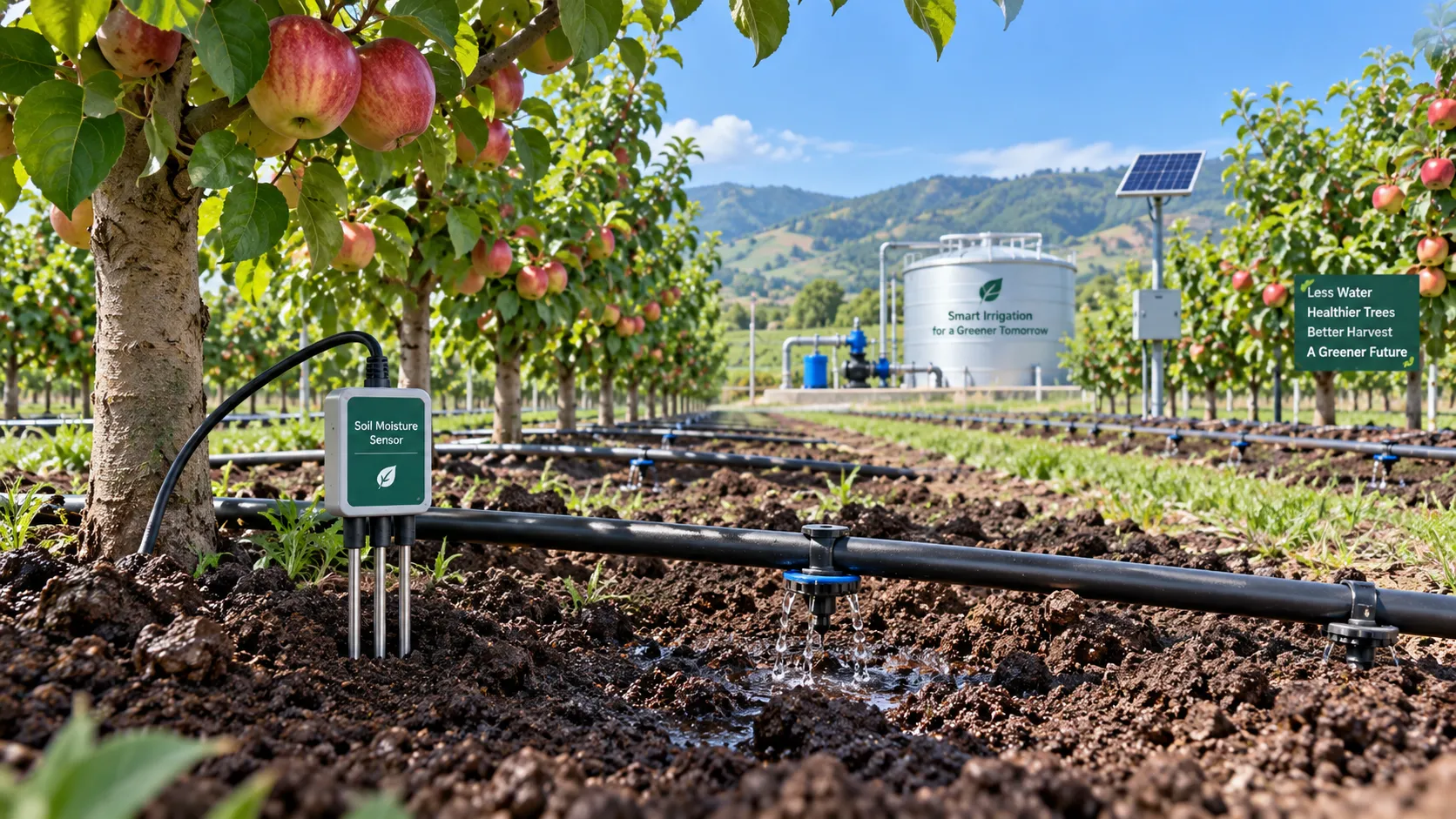
Orchard Water Management: Using Soil Moisture Data to Schedule Irrigation
Agricultural water management for orchards made practical: use soil moisture data to optimize irrigation timing, protect yield, reduce costs, and improve resilience.
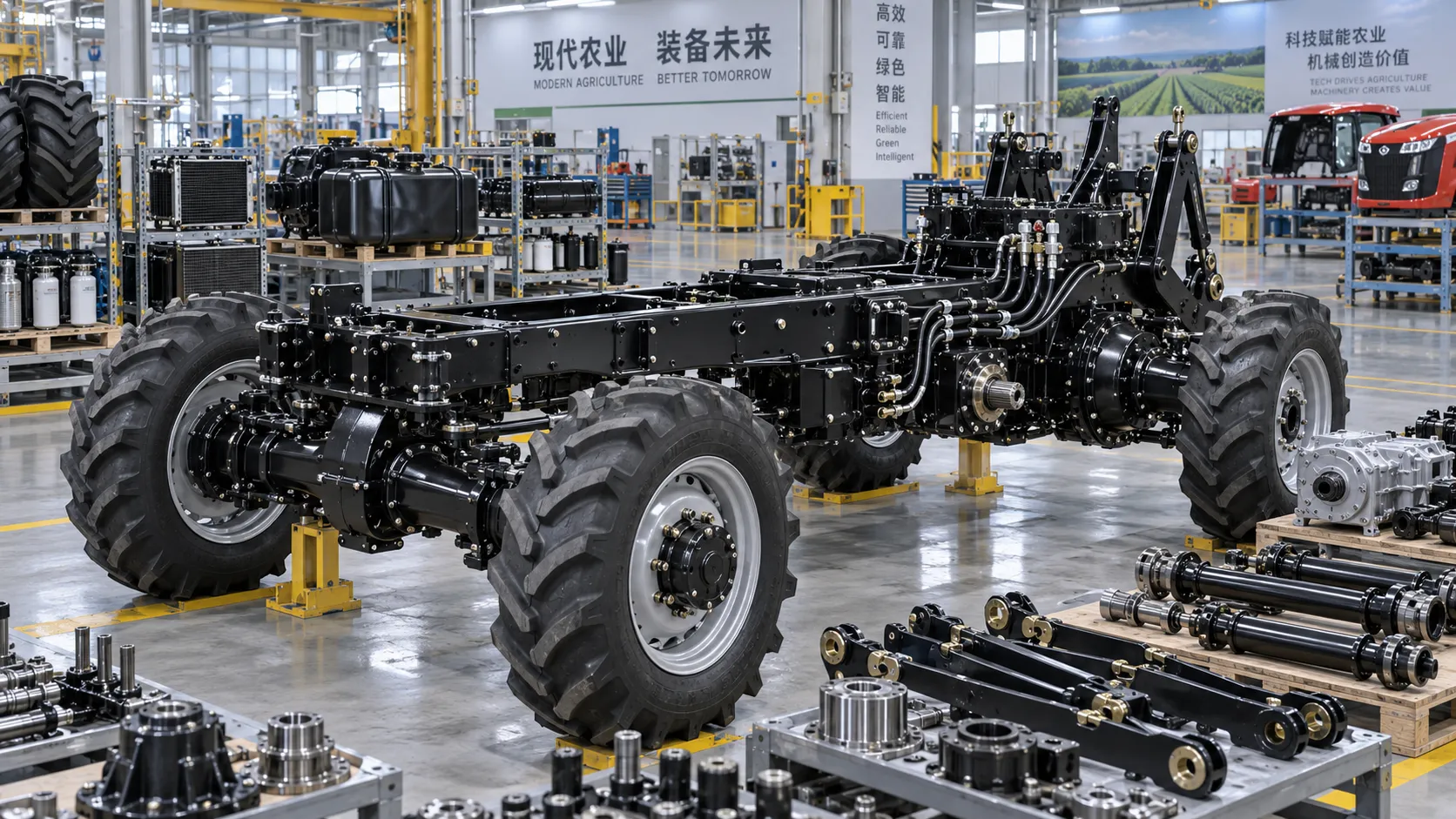
Tractor Chassis Price: What Buyers Should Compare Beyond the Initial Quote
Tractor chassis price is only the start. Compare load capacity, compatibility, durability, and lifecycle costs to choose a reliable, high-value chassis.
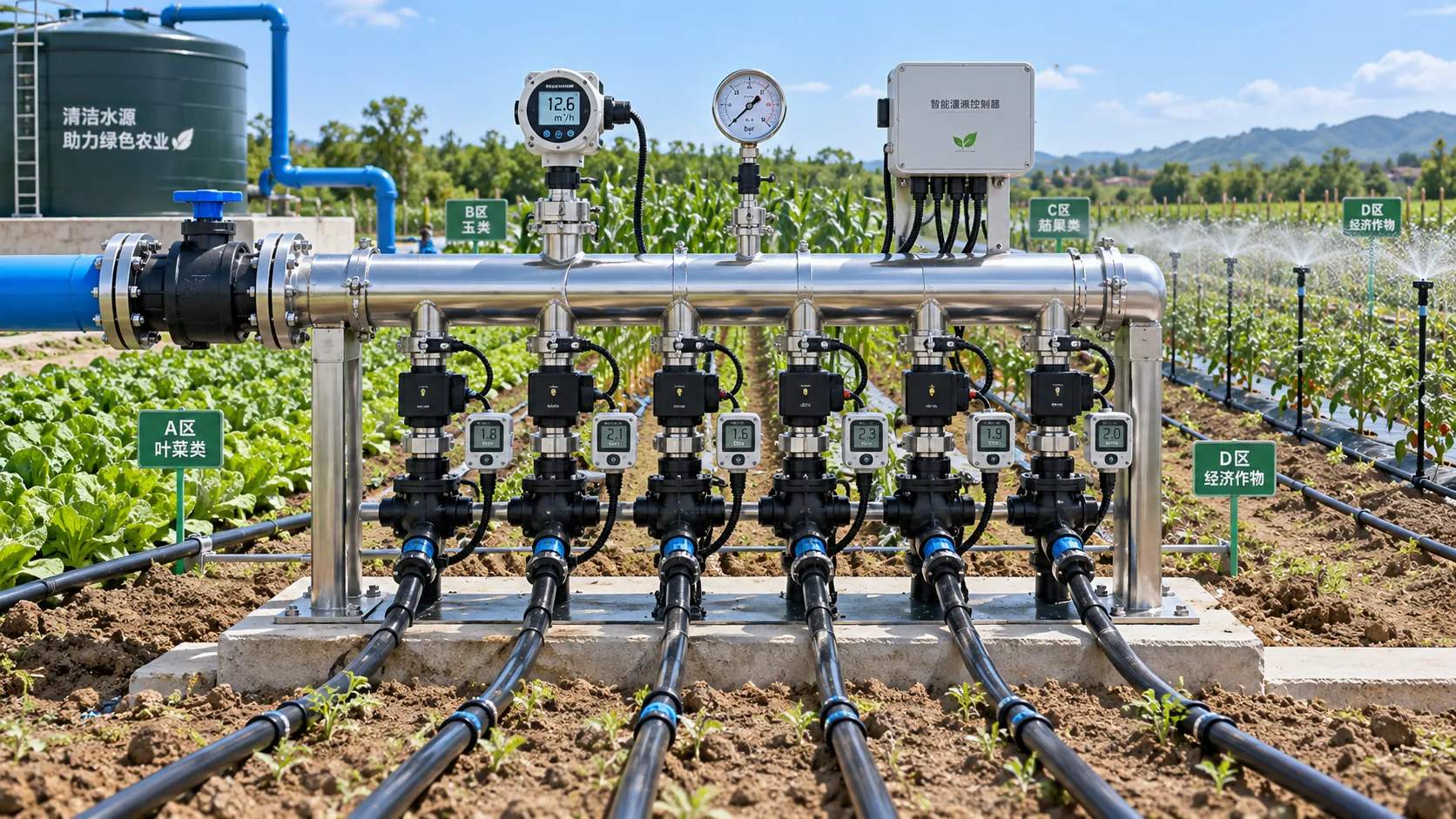
How to Select Smart Irrigation Valves for Multi-Zone Water Management?
Intelligent irrigation systems valves: learn how to match smart valves with multi-zone flow, pressure, control, feedback, and communication needs for reliable water management.
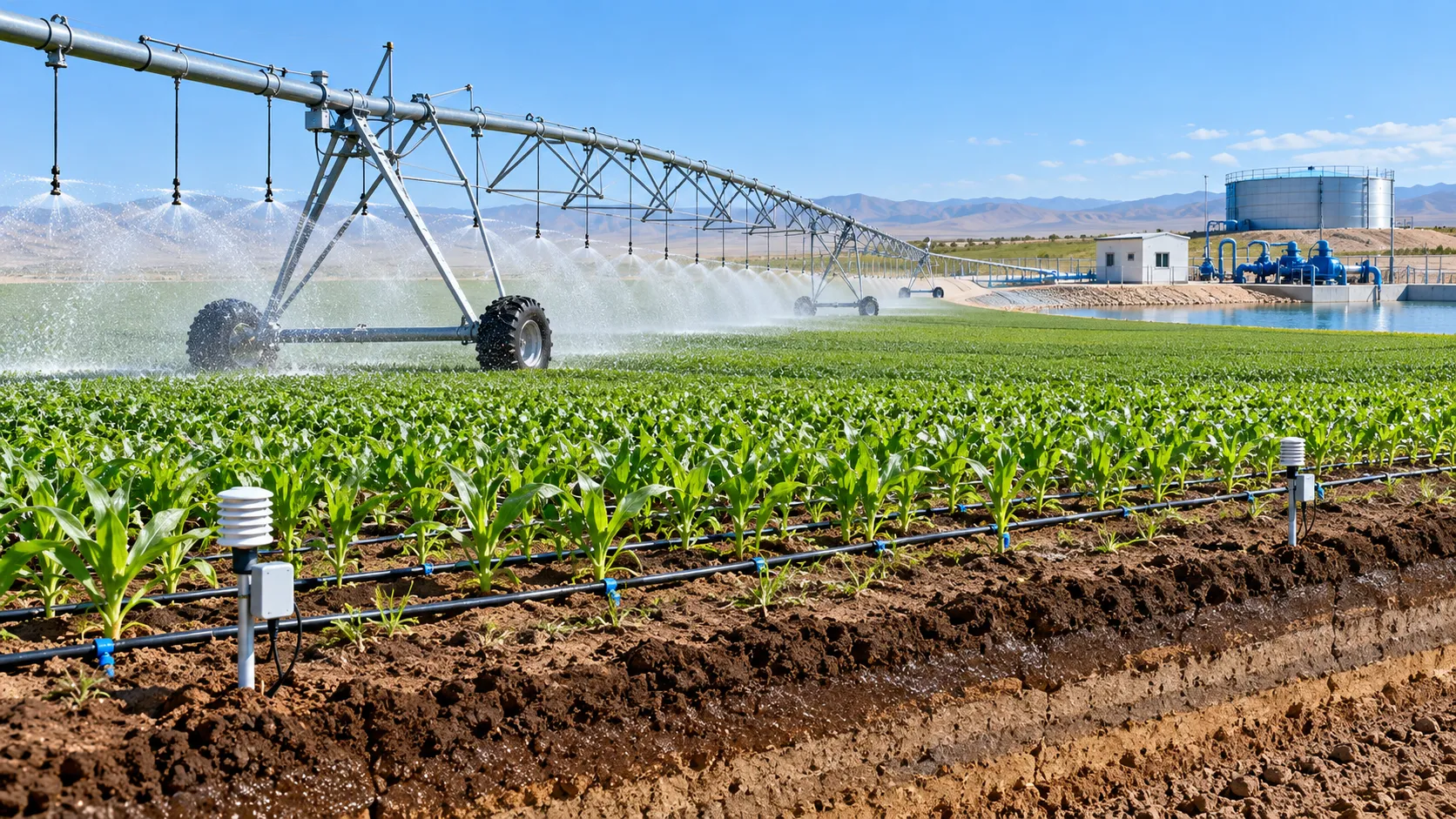
Climate-Smart Farming for Drought: A Practical Plan for Protecting Yields
Climate-smart farming for drought: build smarter water budgets, protect critical crop stages, improve irrigation uniformity, and safeguard yields with practical field-proven strategies.
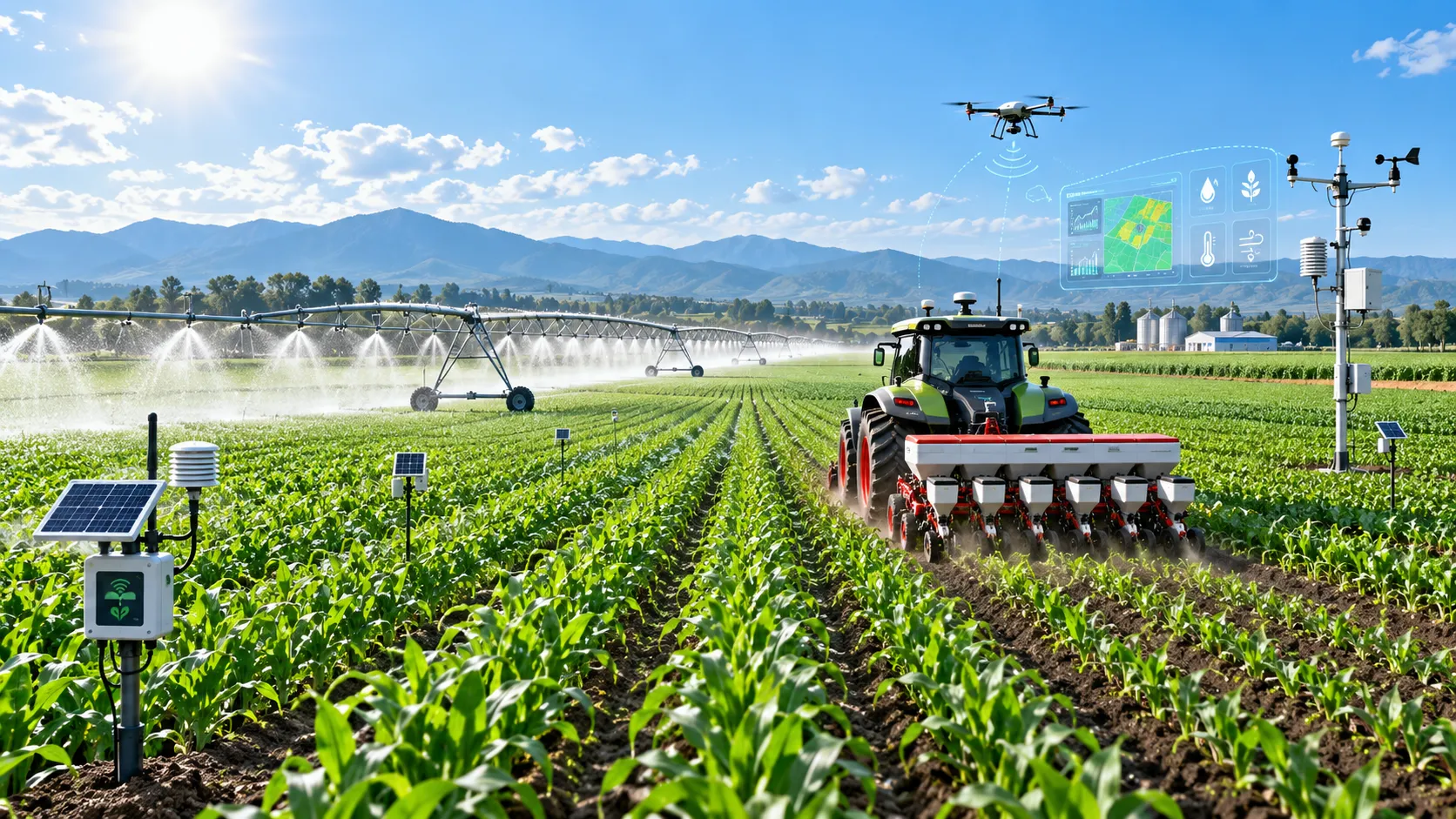
How Digital Agriculture Platforms Turn Field Data Into Better Input Decisions
Digital agriculture platforms turn field data into smarter fertilizer, water, seed, and equipment decisions—helping farms cut risk, improve margins, and scale sustainability.
Related News
- 00
0000-00
How to Evaluate Dynamic Feedback Algorithm Suppliers for Precision Farming Systems - 00
0000-00
How to Specify Combine Harvester Systems for High-Moisture Grain and Variable Field Conditions - 00
0000-00
How to Compare Agricultural Equipment Platforms for Fleet Management and ROI - 00
0000-00
Drip vs. Micro-Sprinkler Irrigation: Which System Fits Your Orchard? - 00
0000-00
Orchard Water Management: Using Soil Moisture Data to Schedule Irrigation
Popular Tags
Industry Global
Weekly Insights
Stay ahead with our curated technology reports delivered every Monday.