Guangming Daily Explores a Greener, More Resilient Future for Agriculture




A Guangming Daily article dated November 24, 2026, explores how biotechnology, artificial intelligence and advanced equipment could support greener, more resilient agriculture. The time of the underlying event is not specified. The supplied account identifies no new policy, standard, certification or trade rule; its relevance for producers, equipment suppliers and buyers lies in the questions it raises about how agricultural technology may be evaluated and put into use.
Technology at the center of the agricultural discussion
According to the supplied summary, the Guangming Daily article says that rapid advances in biotechnology, artificial intelligence and advanced equipment are continually expanding the boundaries of agricultural production. It emphasizes that agricultural technology innovation has increased production capacity and strengthened resilience in sustainable development.
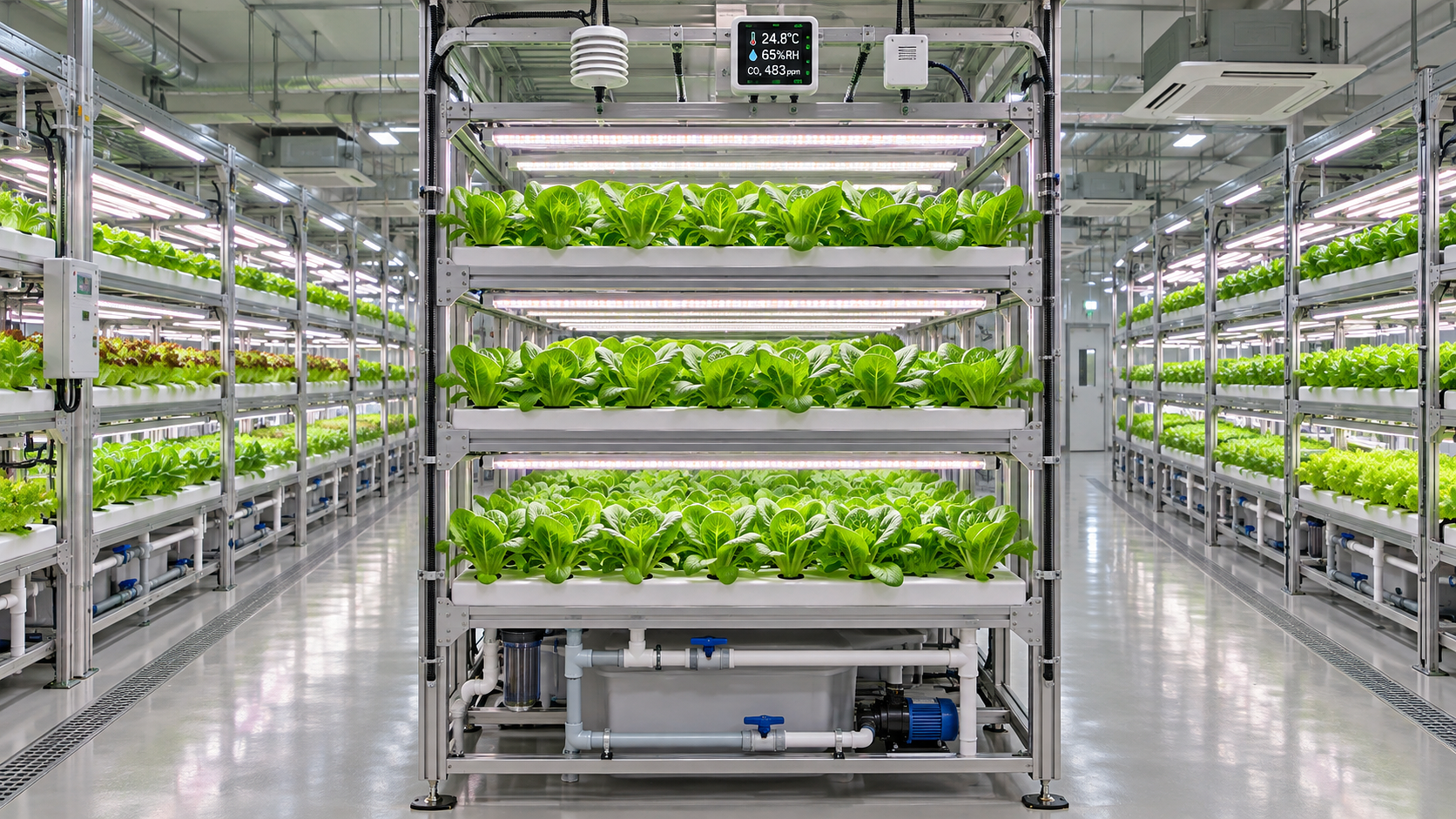
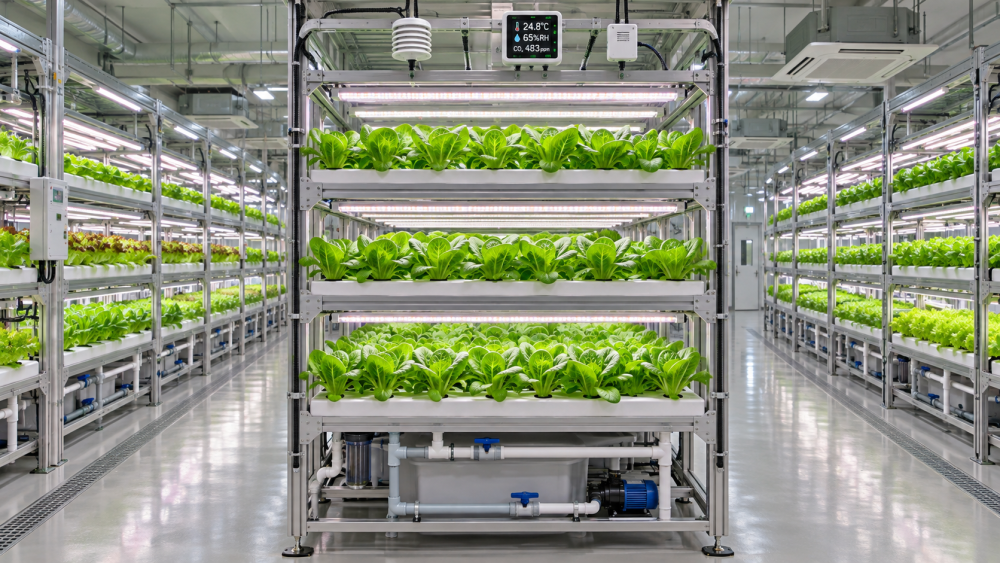
The article uses plant factories as an example of modern agricultural technology in practice. The supplied information gives the publication date but does not identify a separate event date or describe a specific policy, regulatory amendment, certification decision or implementation timetable.
Where technology choices could affect the supply chain
Producers considering controlled production
From an industry perspective, the reference to plant factories may prompt agricultural producers to examine how a more controlled production system would fit their operating needs. A prospective buyer could consider the interaction between equipment, operating inputs, maintenance and the consistency of output. These are purchasing considerations, not new obligations established by the article.
Analysis suggests that producers comparing systems may also want clear information on expected operating conditions and the basis for claims about productivity or sustainability. Whether a particular system delivers the intended result would depend on its design and use; the supplied account does not establish performance figures or a universal advantage for plant factories.
Equipment suppliers and system integrators
For suppliers of advanced agricultural equipment, a greater focus on resilience could eventually influence the questions buyers ask during specification and procurement. Buyers may seek explanations of how components work together, what support is available and how a system performs when operating conditions change. The article itself does not confirm that purchasing criteria have changed.
System integrators could therefore consider documenting the proposed role of each component, the conditions under which performance is assessed and the responsibilities attached to installation and support. Such preparation may help parties compare offers and manage delivery expectations, but it should not be presented as a newly mandated documentation standard.
Biotechnology and artificial intelligence providers
Companies offering biotechnology or artificial intelligence may face different practical questions depending on the product or service involved. Analysis suggests that customers could ask for clearer descriptions of intended use, relevant operating assumptions and the evidence supporting performance claims. Where a solution forms part of a larger production system, the relationship between the technology and the surrounding equipment may also matter to procurement decisions.
The supplied summary does not identify an approval pathway or certification requirement for any particular application. Providers should assess applicable requirements for their own products and intended markets before treating any suggested review as a legal requirement. They may also need to distinguish capabilities that can be demonstrated at delivery from benefits that depend on subsequent use.
Buyers, distributors and service providers
Distributors and service providers may be affected if customers seek integrated solutions that combine equipment, biotechnology or artificial intelligence. From an analytical standpoint, that could make the boundaries between product supply, installation, user support and ongoing maintenance more relevant to contract discussions. It could also affect how buyers evaluate the qualifications of potential suppliers.
For trade and delivery teams, the practical issue is to verify the requirements applicable to the actual transaction. The article does not announce a change to customs procedures, trade documentation or cross-border certification. Any additional checks would depend on the product, destination and contractual arrangements, none of which are specified in the input.
Turning sustainability claims into purchase decisions
Check the basis of technical claims
Businesses considering technologies described as greener or more resilient could ask suppliers to explain what those terms mean for the proposed application. Useful questions may include which production conditions are assumed, what evidence supports the claimed outcome and which aspects depend on the operator. Comparing answers on a consistent basis may help buyers distinguish a stated objective from a result that has been verified for their own use.
Where test results or technical documents are available, buyers could review their scope alongside the proposed specification. The supplied information does not establish a common testing method or require a particular report. If a performance claim is material to a purchase, the parties may wish to agree on how it will be assessed before finalizing delivery terms.
Review applicable requirements case by case
Analysis suggests that companies should separate the article's discussion of innovation from the rules that apply to a specific product or project. A business could check whether its intended use triggers existing approval, safety, product or certification requirements and whether the supporting documents cover that use. The appropriate review will vary; no new requirement can be identified from the supplied summary.
If procurement documents refer to sustainability or resilience, suppliers could seek clarification on whether those terms describe mandatory eligibility criteria, evaluation preferences or project objectives. This distinction matters because a broad policy discussion does not by itself determine the wording or legal effect of a tender or contract.
Plan for integration, delivery and support
A plant factory or another technology-intensive agricultural project may involve several suppliers. As a precaution, buyers and integrators could examine compatibility, installation responsibilities, acceptance criteria and the availability of technical support. They could also identify which party is responsible for supplying and updating operating documentation.
These steps are especially relevant where a proposed solution combines equipment with software or biological inputs. Analysis suggests that unclear interfaces could complicate handover or make it harder to determine why actual performance differs from expectations. The article does not report such problems; this is a planning consideration arising from the kinds of technology it discusses.
Keep alternatives open until evidence is available
Where a buyer is assessing an unfamiliar production system, it may be useful to compare alternative configurations against the same operational needs. The comparison could cover supplier documentation, support arrangements and the conditions attached to any performance claim. If a proposed component or product is substituted, the parties could verify whether the change affects the overall specification or any applicable approval.
Such an assessment need not assume that one technology is superior. The supplied account provides an example of modern agricultural technology, but it does not compare products, establish costs or describe the results of particular procurement projects.
What the article signals and what remains unconfirmed
At this stage, it is more appropriate to understand the article as a contribution to a discussion about agricultural innovation than as evidence of a rule already in force or an official execution signal. Its emphasis on production capacity and sustainable resilience may help explain why these issues could receive attention in future technology assessments, purchasing discussions or policy deliberations. That possibility is an observation, not a confirmed policy direction.
What deserves closer attention is whether subsequent official material introduces specific measures, how any proposed language defines the technologies concerned, and whether implementation guidance assigns obligations to producers, suppliers or buyers. If standards or certification criteria are later proposed, their scope, evidence requirements and effective dates would matter more for compliance planning than a general statement of intent.
Market feedback would also help assess the practical significance of the discussion. Changes in tender specifications, requests for technical evidence or service expectations could indicate how buyers are interpreting sustainability and resilience. None of those changes is established by the supplied information, and individual purchasing preferences should not automatically be treated as regulatory requirements.
A measured basis for agricultural technology planning
The reported article places biotechnology, artificial intelligence, advanced equipment and plant factories within a discussion of greener and more resilient agricultural production. For industry participants, its immediate value lies in identifying questions to examine when assessing technologies and supplier claims.
The information supplied does not support a conclusion that a policy, standard or trade rule has changed. Businesses can use it as a reason to review their own technical and procurement assumptions while continuing to verify any requirements that apply to a particular product, project or market.
Basis for this report and further verification
This report is based on the user-provided news title, event-time information and summary of the Guangming Daily article dated November 24, 2026. The underlying event time was not specified. No specific official source link was provided in the input, so the article and any subsequent developments require continued verification.
Depending on the issue being assessed, relevant material could include official announcements, regulatory publications, standards documents, procurement notices and authoritative media reports. Follow-up should focus on any policy details, certification interpretations, changes to tender documents, trade implementation and feedback from industry participants that can be independently confirmed.
Related News
Orbia Netafim Introduces New Regional Model to Accelerate Western European Growth
Orbia Netafim introduces a new Western European regional model. Discover how it aims to improve irrigation services and supply chain responsiveness.
AED and NAEDA Propose Merger to Combine North American Dealer Resources
AED and NAEDA propose a merger to combine dealer resources across North America. Explore what the member vote could mean for benefits and representation.
Choosing Large-Scale Agricultural Machinery for Farm Size and Crop Needs
Choose large scale agricultural machinery with confidence. Compare field capacity, crop needs, soil impact, and ownership costs to find the right fit for your farm.
US Farm Equipment Sales Fall: Tractors Down 25.3%, Combines Down 10%
US farm equipment sales are falling, with tractors down 25.3% and combines down 10%. Explore what the figures could mean for buyers and suppliers.
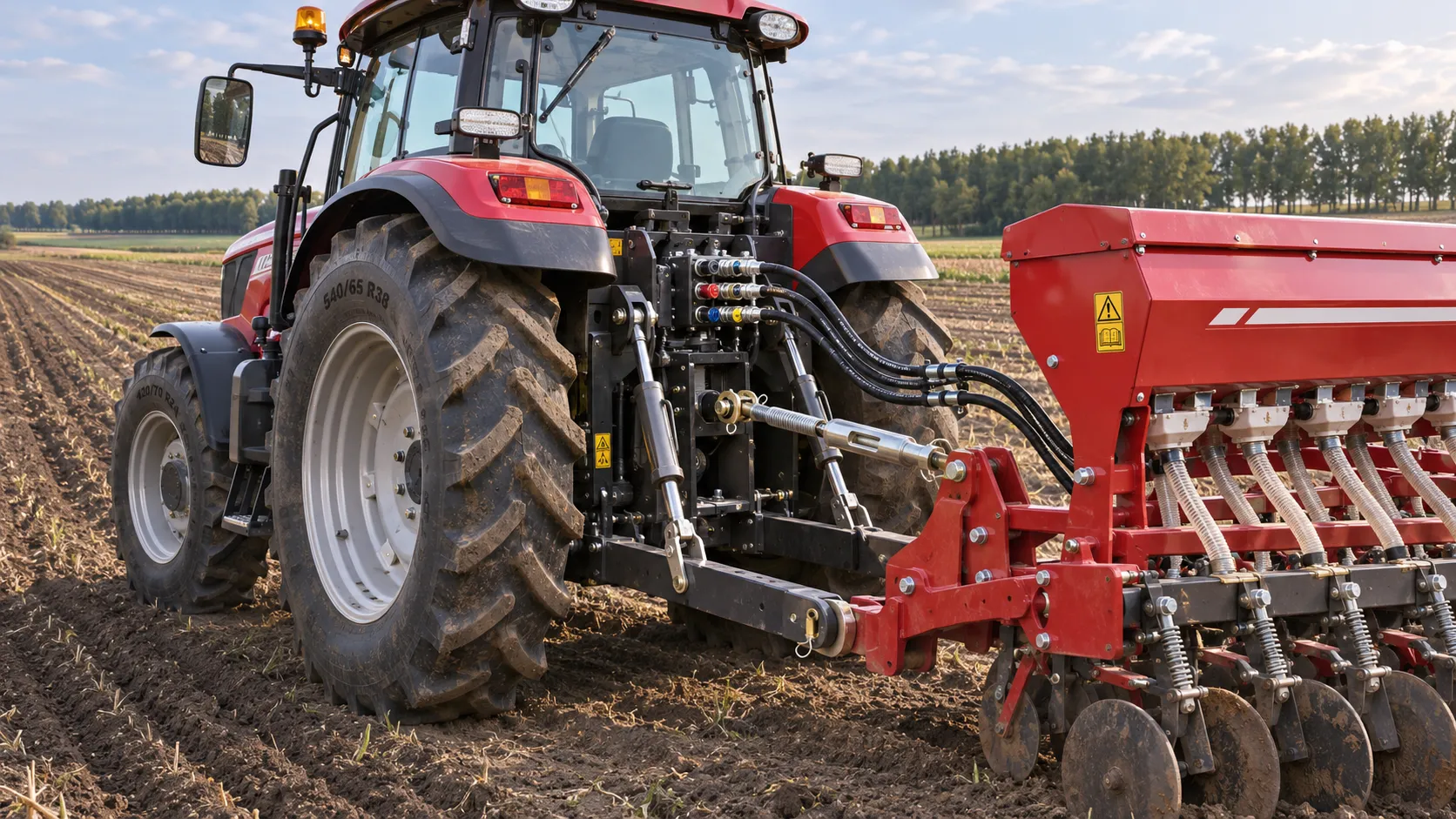
Farm Machinery Hydraulic Specifications: Flow, Pressure and Lift Capacity
Compare farm machinery specifications: hydraulic system flow, pressure and lift capacity. Learn how to match implements and avoid costly compatibility issues.
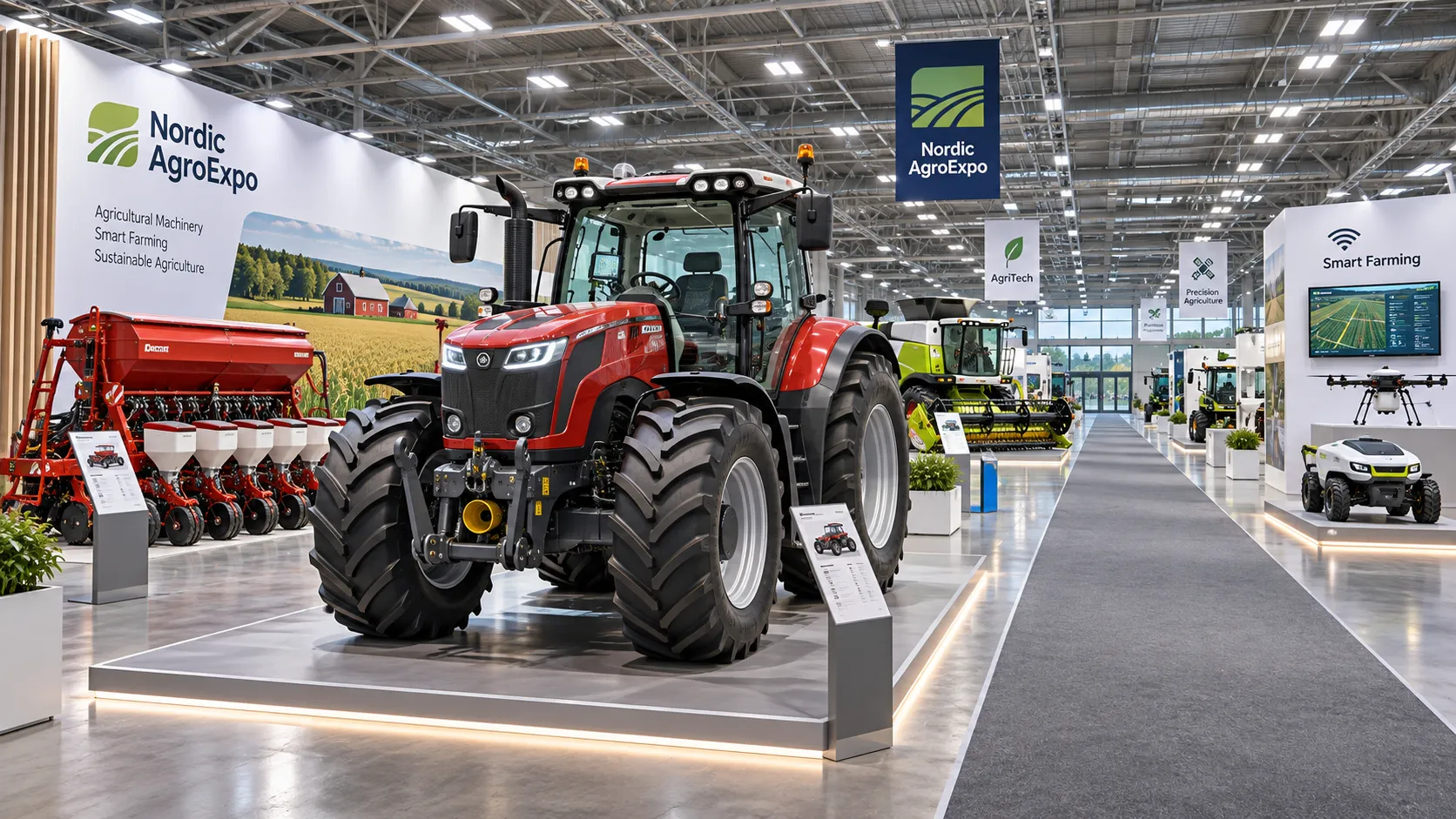
Agromek 2026 Opens in Herning with 530 Exhibitors
Agromek 2026 opens in Herning with 530 exhibitors. Explore agricultural machinery, smart equipment and sustainable farming technologies.
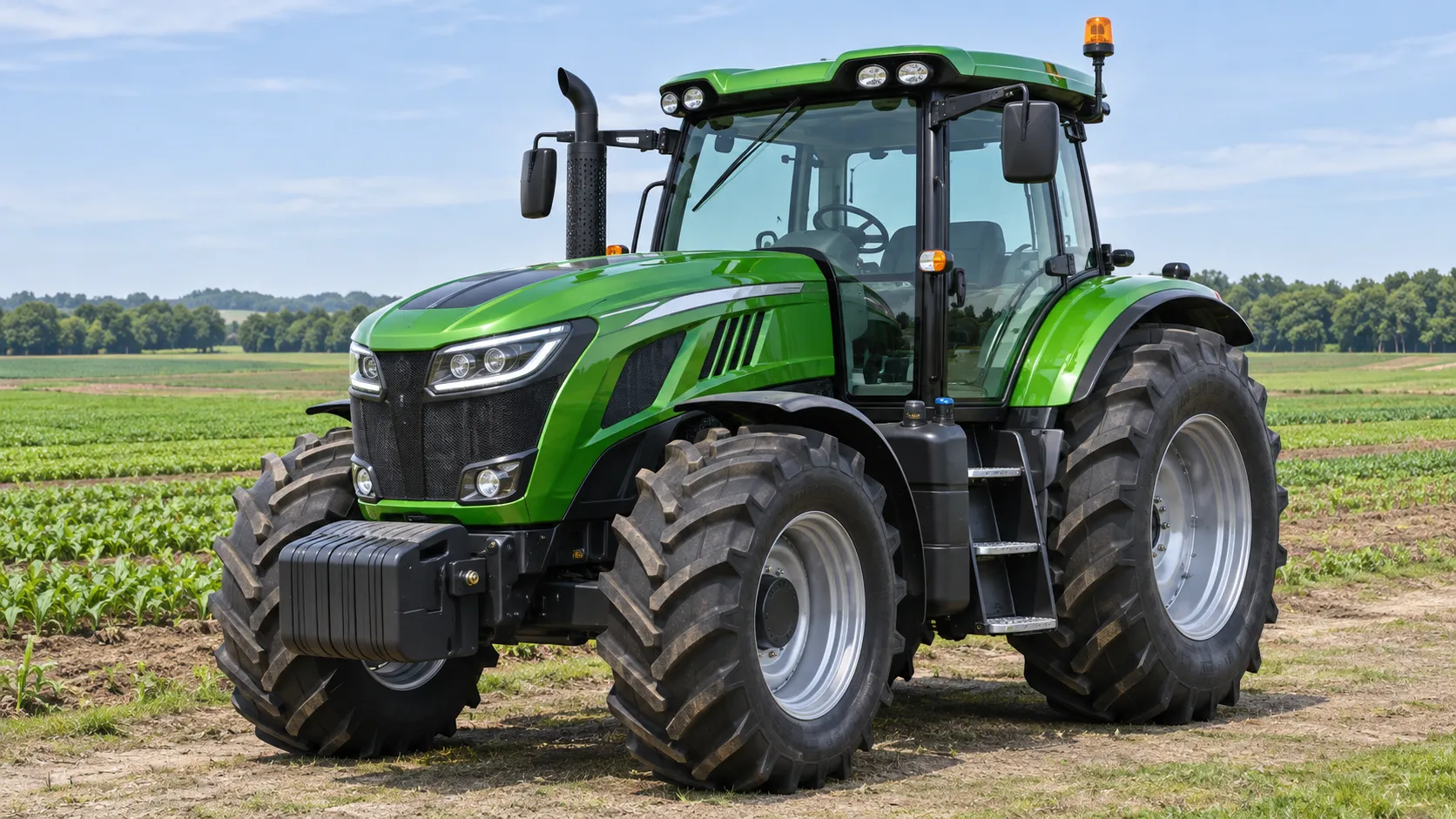
DEUTZ-FAHR 7 Series TTV to Feature FPT N67 Engine at EIMA 2026
DEUTZ-FAHR 7 Series TTV tractors will feature the FPT N67 engine at EIMA 2026. Explore the three-model range and its maximum output of 271 horsepower.
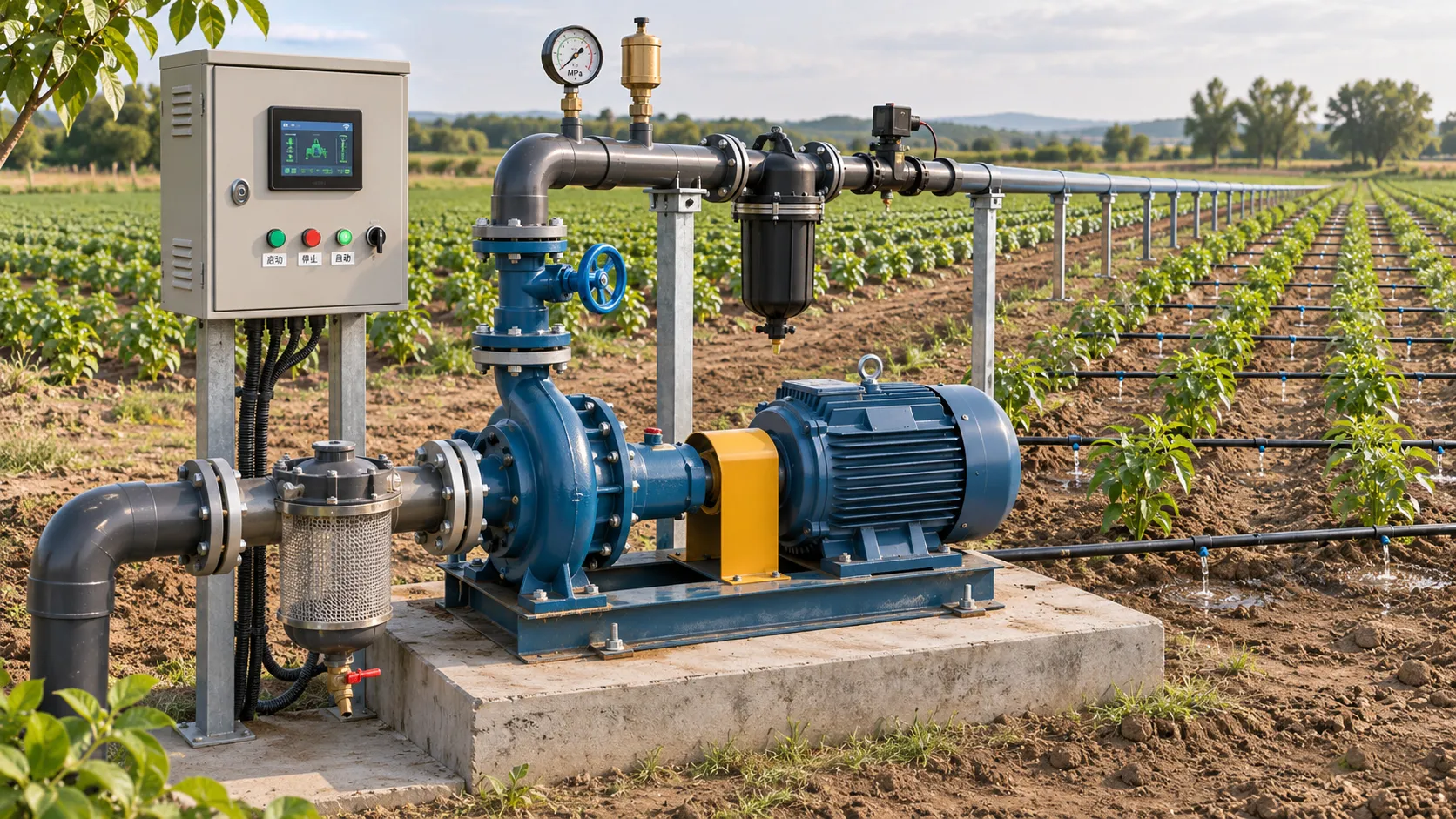
Resource-Saving Standards in Europe: Which EU Rules Apply to Products?
Explore resource-saving standards Europe applies to products, from ecodesign and energy labels to irrigation equipment. Find out which EU rules apply.
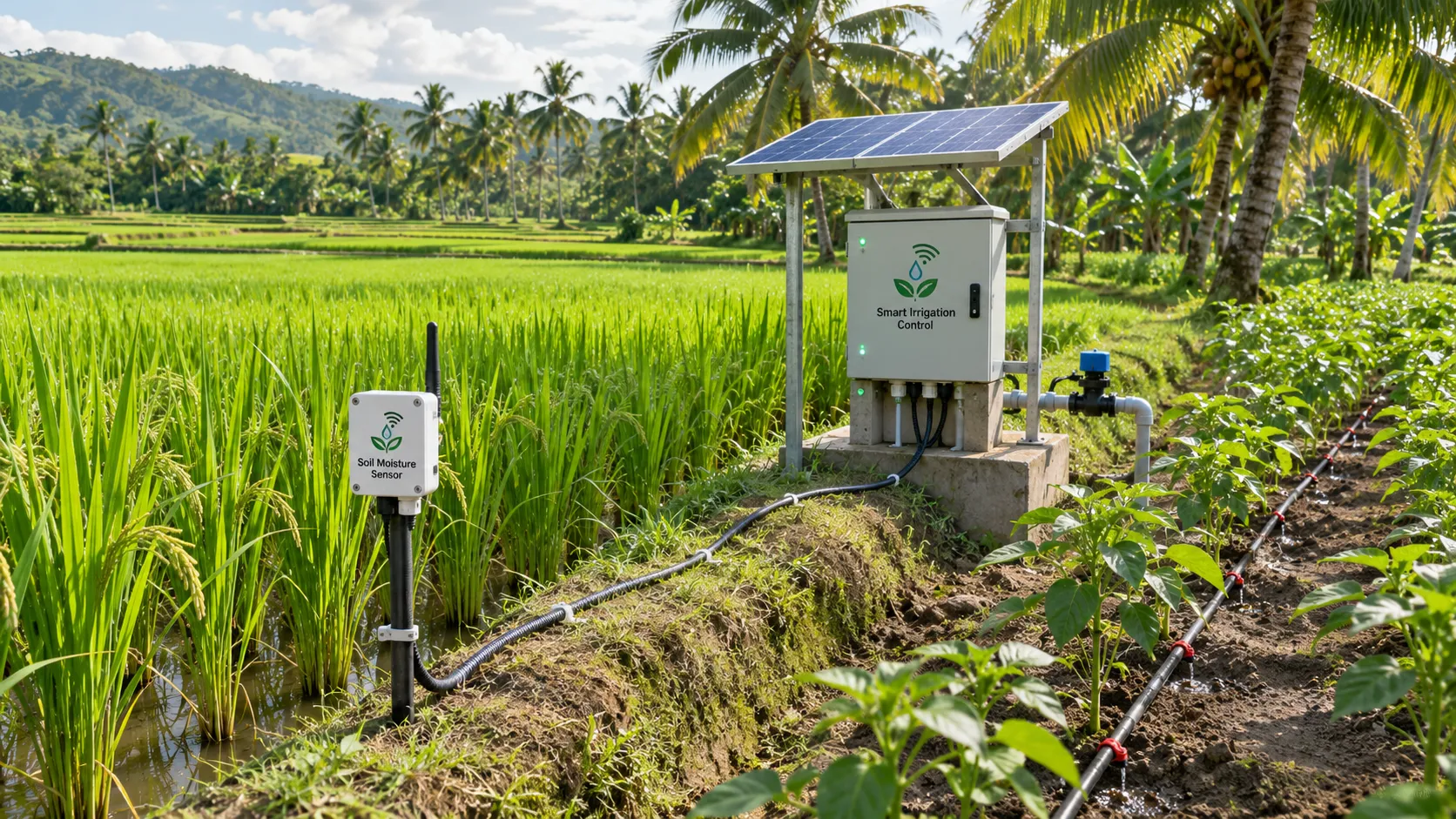
Philippines Agriculture Department and FAO Explore Smart Farming
Smart farming in the Philippines: discover how the Department of Agriculture and FAO are exploring integrated technologies to improve efficiency and food sovereignty.
Related News
- 00
0000-00
Guangming Daily Explores a Greener, More Resilient Future for Agriculture - 00
0000-00
Agricultural Automation Still Needs Human Oversight, Study Finds - 00
0000-00
China's Autumn Grain Harvest Highlights Role of Machinery and Precision Farming - 00
0000-00
FEMA Fall Conference Highlights Four Paths for Agricultural AI and Autonomy - 00
0000-00
What maintenance challenges come with hybrid agricultural machines?
0000-00
Popular Tags
Prof. Marcus Chen
Weekly Insights
Stay ahead with our curated technology reports delivered every Monday.